Skip to content
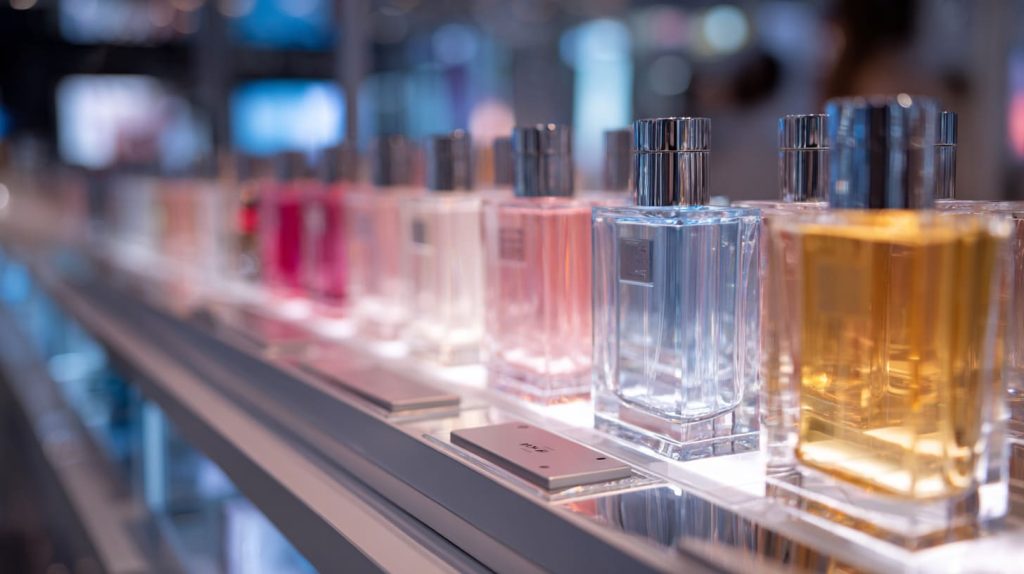
A customer-facing retail display can look simple from far away. A few shelves. A few holders. A clean shape. Nice lighting. That is the part most people see first. I do not blame them. Good displays are supposed to feel effortless.
But the plastic behind that display choice often decides whether the whole thing feels cheap, premium, sturdy, tired, clear, cloudy, safe, or forgettable.
I have seen buyers focus hard on dimensions, logo placement, and unit cost, then get disappointed when the finished display does not feel right in the store. The display may survive, yes. But it may also collect scratches too fast, lose clarity under strong lighting, or make the product look less valuable than it really is. That hurts more than people expect.
This is where material choice stops being a factory topic and becomes a sales topic.
A customer does not walk up to a display and think, this must be acrylic or this looks like PETG. The customer reacts with instinct. The product either feels worth touching or it does not. The display either supports the brand or quietly weakens it.
One thing I have learned from real projects is this: the “best” plastic is rarely the one with the most impressive spec sheet. It is the one that fits the store, the product, the customer behavior, and the budget at the same time.
That is why this topic matters so much.
I do not judge display plastic by appearance alone, and I do not judge it by toughness alone either. I judge it by what happens after thousands of touches, repeated cleaning, bright lights, shipping, setup, and daily use.
That is where the real answer starts to show.
And once I started looking at retail displays that way, one question became much more interesting than it first seemed.
What Does “Best Plastic” Really Mean in Retail Displays?
The phrase best plastic sounds neat. It sounds like there should be one simple winner. I understand why people want that answer. It would make buying much easier.
Still, real retail work is rarely that clean.
Performance vs. Appearance Trade-Off
A plastic can be strong and still look dull. A plastic can look beautiful and still frustrate you after a few months of daily use. That tension sits right at the center of display design.
Acrylic is a good example. It gives me that clean, sharp, glass-like look that many customer-facing displays need. Products look brighter behind it. Edges look crisp. Branding feels more serious. But acrylic is not the king of impact resistance.
Polycarbonate flips that story. It is much tougher. It can take hits that would crack other materials. But it does not always give me the same polished, premium feeling at first glance.
So I do not ask, “Which plastic is strongest?” or “Which plastic is clearest?” first. I ask, “Which weakness can this project safely live with?” That question usually gets me closer to the truth.
Here is a simple comparison:
| Material | Visual Clarity | Impact Resistance | Scratch Resistance | Premium Feel |
|---|---|---|---|---|
| Acrylic | Very high | Medium | Medium-Low | Very high |
| Polycarbonate | High | Very high | Low without coating | Medium |
| PETG | Good | Medium-High | Medium-Low | Medium |
| HDPE | Low | High | Good in rough use | Low |
A lot of buyers make the mistake of treating these categories as separate. They are not. In retail, appearance is part of performance.
Customer Interaction Considerations
This part gets overlooked all the time.
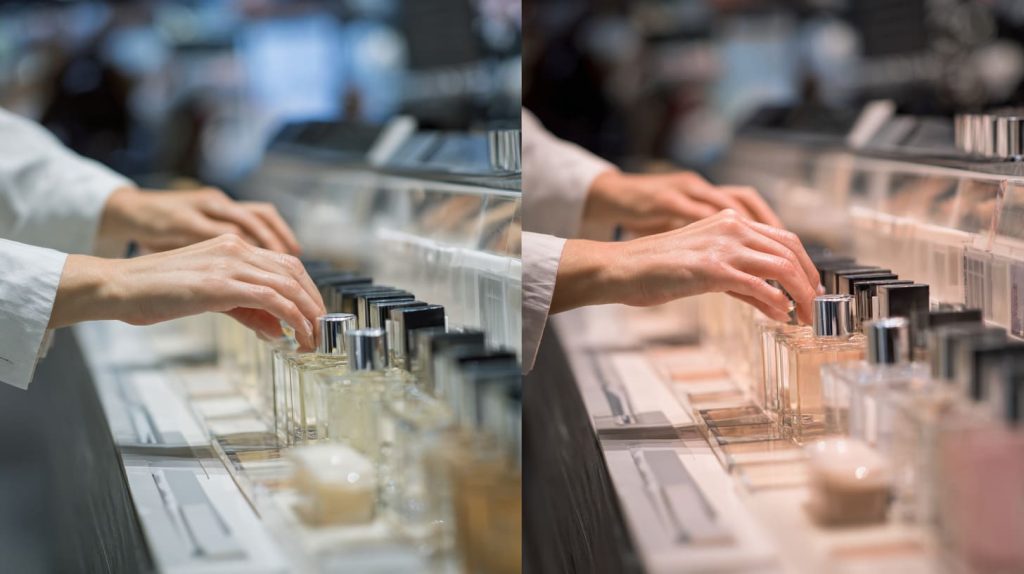
A retail display is not sitting in a quiet office. It gets touched. It gets bumped. It gets wiped down by staff. It gets dragged a little during setup. Customers lean on it. Kids tap it. Fingernails scrape it. Cleaning crews use whatever cloth and spray they have nearby.
That changes everything.
A material that looks excellent in a sample room may start showing fingerprints fast in a real store. Another material may survive abuse well but never create the sense of value that helps the product sell better.
I have seen this happen with cosmetic displays more than once. The structure was fine. The cost was fine. The display held the products with no problem. Still, the whole setup felt flat because the material did not reflect light well and did not frame the products in a clean way. Nothing was technically wrong. Yet the display still failed in the place that mattered most: customer impression.
What often guides my choice here is not the lab data. It is the question of how people will behave around the display when nobody is being careful.
Here is what customer interaction usually affects:
- Fingerprints and smudges
- Scratch risk from repeated touching
- Visual fatigue from cloudy or worn surfaces
- Perceived product value
- Need for daily cleaning
Cost vs. Lifecycle Value
I understand why buyers start with price. Price is visible. It is easy to compare. It feels concrete.
But retail displays should not be judged by invoice alone.
A cheaper plastic that needs early replacement can become more expensive in real life. A stronger plastic that costs more upfront can still be the wrong choice if the project does not truly need that strength. A premium-looking plastic can pay back its cost if it helps the display sell better or supports a stronger brand image.
That is why I think in layers.
| Cost Question | What It Looks Like at First | What It Means Later |
|---|---|---|
| Lower material cost | Easy savings | May lead to faster wear or weaker visual appeal |
| Higher material cost | More pressure on budget | May improve life span, clarity, or safety |
| Lower maintenance need | Fewer complaints | Better store consistency over time |
| Better visual appeal | Harder to measure on paper | Stronger customer response in store |
A display is not only a holder. It is a silent part of the sales experience. Once I accepted that, I stopped looking for the cheapest plastic and started looking for the smartest one.
And that naturally leads to the material that gets chosen most often when appearance really matters.
Why Acrylic Is Often the First Choice for Retail Displays
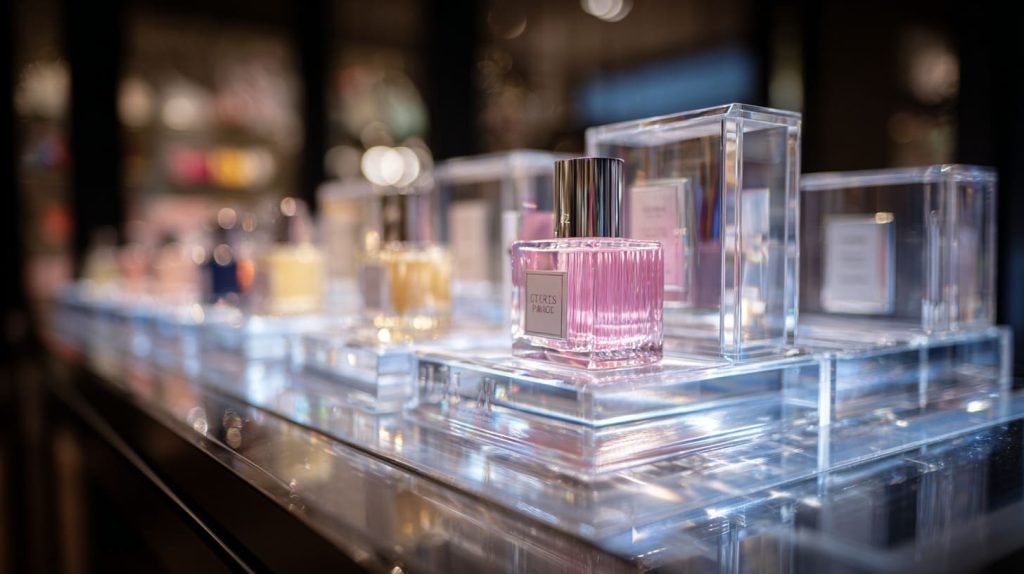
Acrylic shows up again and again in customer-facing retail displays for a reason. It earns that attention. I work with it often, and I still think it deserves its place at the front of the discussion.
Visual Clarity and Premium Feel
Acrylic has something many other plastics struggle to match. It looks clean in a way that feels expensive without trying too hard.
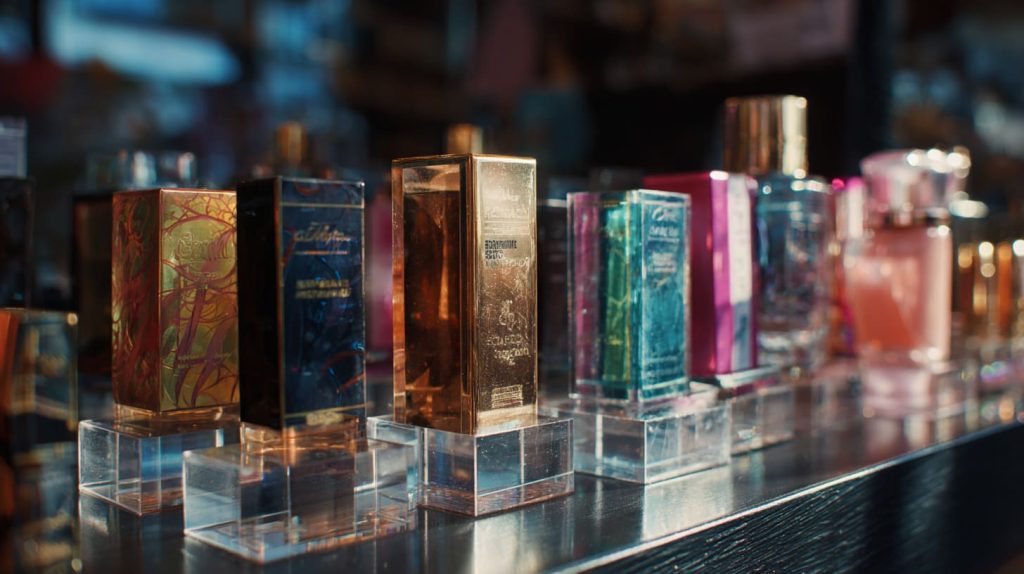
Its light transmission can reach around 92%, and that matters more in a store than many buyers expect. Products behind clear acrylic often look brighter, sharper, and more intentional. Edges catch light nicely. Shelves feel lighter. Display space feels less crowded.
That is especially useful in sectors like:
- Cosmetics
- Jewelry
- Consumer electronics
- Fragrance
- Gift items
- Premium packaged goods
I have worked on projects where the product itself was not changing much, but the display material changed the whole mood. That is not magic. It is just visual psychology. When the holder looks refined, the product inside often feels more valuable too.
When I need a display to help the product look “worth stopping for,” acrylic is usually where my thinking begins, not where it ends.
Here is why acrylic feels strong in presentation-driven retail:
| Acrylic Advantage | Why It Matters in Store |
|---|---|
| High clarity | Keeps product fully visible |
| Glass-like look | Feels premium without the weight of glass |
| Clean polished edges | Adds visual sharpness |
| Good light response | Works well under spotlights and shelf lighting |
| Custom color and finish options | Supports stronger brand identity |
Customization and Branding Flexibility
This is another reason acrylic stays popular.
It is friendly to custom work. I can laser cut it, engrave it, print on it, bend it, polish it, frost it, tint it, and shape it into all kinds of branded structures. That makes it a practical material, not just a pretty one.
For B2B buyers, that flexibility matters a lot. Many displays are not generic. They need to fit a specific product size, a specific store layout, a specific branding language, or a specific launch campaign.
Acrylic supports that well.
I like it because it lets me move between function and brand expression without changing material families. One sheet can become a clean holder. Another can become a logo panel. Another can become a sign block or a riser with strong visual impact.
Here are common acrylic customization methods:
| Method | Typical Use |
|---|---|
| Laser cutting | Precise shapes and openings |
| UV printing | Logos, colors, product messaging |
| Engraving | Premium branding details |
| Flame polishing | Clear, smooth edge finish |
| Heat bending | Angled stands and holders |
| Frosted or tinted finish | Brand mood and contrast |
That kind of range helps a lot when a buyer wants one material to do many jobs inside the same display system.
Limitations of Acrylic
I like acrylic, but I do not romanticize it.
It can scratch. That is real. It can crack under hard impact more easily than polycarbonate. That is also real. If a display will be handled roughly, shipped carelessly, or installed in a chaotic public space, acrylic may not always be the safest choice.
I have seen buyers choose acrylic because the sample looked excellent, then get frustrated later because the display surface picked up small scratches during repeated use. The display was still usable. Still, the premium feeling dropped. In customer-facing environments, that drop matters.
This is where people often go wrong: they assume a material that looks premium will keep looking premium under any kind of use. It will not.
Acrylic works best when the project values appearance, clarity, branding, and controlled handling more than extreme abuse resistance.
Here is the trade-off in plain terms:
| Acrylic Strength | Acrylic Weakness |
|---|---|
| Excellent clarity | Can scratch in daily use |
| Premium visual feel | Lower impact resistance than polycarbonate |
| Great for custom branding | Needs more care in rough environments |
| Easy to fabricate beautifully | Surface wear can show over time |
So yes, acrylic is often the first choice. But it is not always the final choice.
Because some projects live in rougher conditions, and that is exactly where polycarbonate steps in.
When Polycarbonate Becomes the Better Option

Sometimes beauty needs backup. That is the cleanest way I can put it.
There are retail environments where elegance matters, but survival matters more. That is when polycarbonate starts looking very attractive.
High Impact Resistance
Polycarbonate is famous for toughness, and honestly, it earns that reputation.
It handles impact far better than acrylic. In many cases, it is the smarter choice for places where displays may get knocked, dropped, pushed, or stressed during daily use. Airports, schools, public service spaces, busy electronics areas, and kid-heavy retail spots come to mind fast.
Acrylic can perform well in many stores, yes. But polycarbonate gives me peace of mind when I know the environment will be rough.
I do not switch to polycarbonate because it sounds stronger on paper. I switch when I can already imagine the display getting hit before the first month is over.
That kind of thinking saves trouble.
| Property | Acrylic | Polycarbonate |
|---|---|---|
| Impact resistance | Medium | Very high |
| Crack resistance | Medium | High |
| Rough public use suitability | Medium | Very high |
| Visual elegance | Very high | High |
Safety and Durability Advantages
Polycarbonate does more than resist impact. It also resists cracking under stress better than acrylic. That matters in large displays, public-facing guards, mounted fixtures, and areas where safety is taken seriously.
I have seen projects where the buyer originally wanted acrylic for the cleaner look, but the installation site changed the answer. The display was going into a very busy area. Staff would move it often. Customers would lean on it. A dropped component or accidental kick was not a rare event. At that point, the safest material was not the prettiest material. It was the most forgiving one.
That is the kind of decision real projects often force on us.
Here are cases where polycarbonate makes sense:
- High-traffic public areas
- Displays near entrances or checkout zones
- Retail spaces with children
- Mounted or freestanding pieces with higher impact risk
- Applications where breakage creates safety concerns
Trade-Offs Compared to Acrylic
Polycarbonate is useful, but it is not a free upgrade.
Its optical clarity is good, not bad, but it usually does not give me the same crisp, glass-like visual finish that acrylic gives. It can also scratch easily if it does not have protective coating. And yes, it usually costs more.
That is why I do not treat polycarbonate as “better acrylic.” It is a different answer to a different problem.
One of the most expensive mistakes I see is buyers choosing polycarbonate for display jobs that do not truly need it. They end up paying more, getting less visual sharpness, and solving a problem that was never serious in the first place.
That is waste, just in a more sophisticated outfit.
| Polycarbonate Advantage | Polycarbonate Trade-Off |
|---|---|
| Excellent impact resistance | Higher material cost |
| Better safety under stress | Lower premium look than acrylic |
| Suitable for rough environments | Scratches easily without coating |
| Good durability | Can be overkill for calm retail settings |
So when do I reach for polycarbonate? When I expect trouble. Not when I simply want to sound safe.
But not every project sits at either extreme. Some buyers need something in the middle. And that brings us to PET and PETG.
Is PET or PETG a Good Middle-Ground Material?
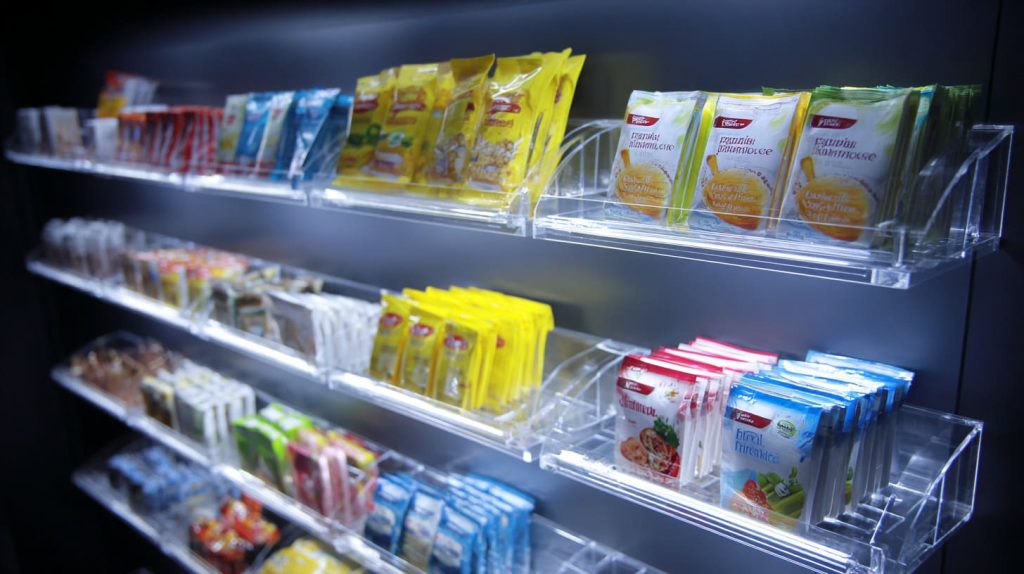
PET and PETG usually enter the conversation when the buyer wants balance. Not maximum beauty. Not maximum strength. Just balance.
And honestly, that is a very reasonable goal.
Balance Between Cost and Performance
PETG often sits in the middle of the material map. It usually costs less than polycarbonate. It usually handles impact better than acrylic. That alone makes people curious, and for good reason.
When I have a project that needs decent appearance, decent durability, and some budget control, PETG becomes worth a serious look.
I tend to consider PETG when the display needs to perform well enough across several areas without needing to dominate in one. That is often the smartest kind of material choice because real budgets rarely let us chase perfection in every direction.
Here is a simple way to see its position:
| Material | Cost Level | Appearance | Impact Strength | Overall Balance |
|---|---|---|---|---|
| Acrylic | Medium | Very high | Medium | Strong for premium display |
| Polycarbonate | High | High | Very high | Strong for safety |
| PETG | Medium-Low | Good | Medium-High | Strong for balanced projects |
| HDPE | Low-Medium | Low | High | Strong for utility use |
Ease of Fabrication
PETG is also useful because it is easy to form. It handles bending and thermoforming well. That can help a lot when the display shape is more complex or when the design needs smooth curves, formed lips, or structural folds.
I have seen PETG work well in medium-duty display parts where the project needed custom shaping without moving straight into a more expensive material route.
This is one of those quiet decision points buyers miss: a material is not only about the final display. It is also about how easily and reliably the factory can turn the design into a real product.
When fabrication difficulty rises, cost, waste, and lead time often rise too.
PETG can help reduce some of that pressure.
Limitations in Premium Display Use
Now the honest part.
PETG is useful, but it usually does not feel as premium as acrylic in customer-facing retail work. The clarity is decent, sometimes very decent, but the emotional effect is different. Acrylic tends to feel sharper and more refined. PETG tends to feel more practical.
That difference may sound small in a meeting room. Under store lighting, it often becomes more obvious.
I have found that PETG makes sense when the display needs to be good-looking enough, but not luxury-coded. If the product depends heavily on premium perception, I still lean toward acrylic more often.
That tiny gap in visual emotion is something I never ignore when the display is supposed to help justify a higher selling price.
Here is the trade-off:
| PET/PETG Strength | PET/PETG Limitation |
|---|---|
| Good balance of cost and toughness | Less premium visual effect than acrylic |
| Easy to form and bend | Lower “display drama” under lighting |
| Useful for practical custom shapes | Not the strongest branding material |
| Better impact resistance than acrylic | Can feel more functional than elegant |
So yes, PETG can be a very smart middle-ground material.
But if a buyer asks me whether it wins in customer-facing beauty, I usually hesitate. That hesitation matters.
And then there is HDPE, which is strong in its own way but belongs in a very different part of the display conversation.
How Does HDPE Compare for Retail Displays?
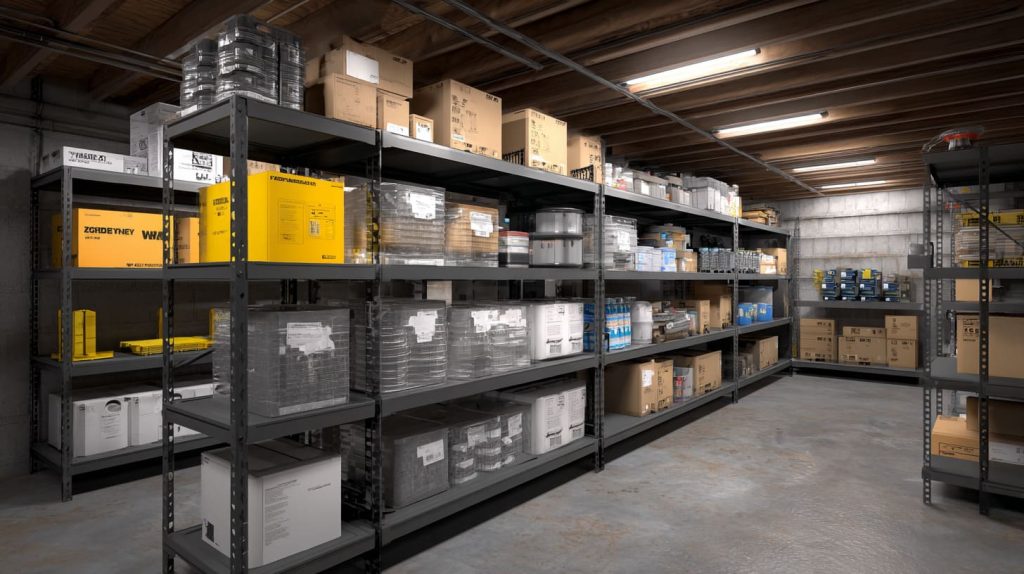
HDPE is one of those materials that practical people respect fast. It does not need to show off. It just works.
Still, customer-facing retail is not always the place where it shines brightest.
Strength and Chemical Resistance
HDPE is durable. It handles moisture well. It resists many chemicals. It takes daily abuse without becoming fragile or dramatic about it. That makes it useful for utility-heavy fixtures and support components.
I like HDPE when the display job is less about appearance and more about endurance. It works well in rough-use settings, storage-related structures, industrial retail, or environments where cleaning and impact matter more than visual elegance.
A lot of maintenance-heavy spaces benefit from that kind of material attitude.
When I think a display will be treated more like equipment than presentation, HDPE moves up my list very fast.
Poor Visual Appeal for Customer-Facing Use
This is the hard truth.
HDPE usually does not give me the refined, clean, premium look I want for customer-facing retail displays. It is often opaque. It looks more functional than polished. It does not frame products with the same visual sharpness as acrylic.
That matters.
I have seen buyers choose a tougher-looking material because it felt responsible, only to realize later that the display made the products feel cheaper. Nothing broke. Nothing failed. But the customer experience dropped. In retail, that is a real failure too.
I get cautious the moment a buyer wants HDPE for a premium-facing display, because that choice often solves a durability worry while quietly creating a branding problem.
Best Use Scenarios
HDPE is not useless in retail. Not at all. It just belongs in the right lane.
It works well for:
- Backroom storage fixtures
- Utility panels
- Industrial supply displays
- Support components behind the visual front
- Heavy-use non-premium environments
It is much less suited for:
- Luxury cosmetics displays
- Jewelry presentation
- High-end electronics fixtures
- Branded showcase stands
- Transparent product holders
Here is a simple split:
| Good HDPE Uses | Poor HDPE Uses |
|---|---|
| Utility shelves | Premium display risers |
| Back-end support | Clear showcase holders |
| Harsh-use storage | Luxury retail branding |
| Industrial retail fixtures | Elegant countertop presentation |
So yes, HDPE is a strong material. But strength alone does not make it the right display material.
And once buyers see how different these materials behave, the next question becomes much more practical: which one fits which kind of retail environment best?
Which Plastic Works Best for Different Retail Scenarios?
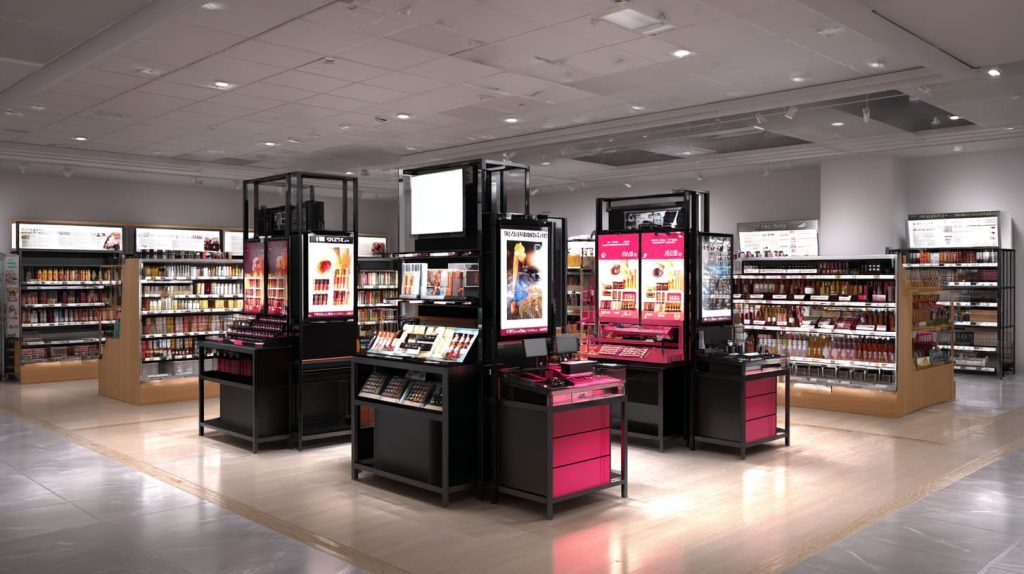
This is where the topic gets more useful, because most buyers are not choosing plastic in theory. They are choosing for a specific shelf, a specific store, and a specific kind of customer.
High-End Retail (Cosmetics, Jewelry, Electronics)
For high-end retail, acrylic is usually my first recommendation.
It gives me the clarity, polish, edge quality, and brand-friendly look that premium products need. In these categories, the display is not just holding stock. It is helping justify price. It is helping shape trust.
I pay close attention to how the display behaves under lighting here, because premium retail lives and dies by small visual cues customers never explain out loud.
That is why acrylic stays strong in:
- Cosmetics counters
- Jewelry trays and risers
- Electronics display stands
- Gift and fragrance presentation
- Luxury branded POP displays
High-Traffic Public Spaces
For rougher public-facing areas, polycarbonate often becomes the safer answer.
If the display may be knocked, leaned on, or stressed often, I start caring more about impact resistance and safety than edge sparkle. Public use changes the logic.
A broken premium display is not premium anymore.
Budget-Conscious Retail Chains
For chain retail where budgets are tighter and rollouts are larger, PET or PETG can make a lot of sense. These materials often give enough appearance and enough toughness without pushing the cost too high.
I think this is where balanced materials quietly win, because the project usually needs consistency across many units, not perfection in one flagship location.
Backroom or Functional Displays
For backroom use, service areas, or highly practical store functions, HDPE often fits best. Here, the display does not need to charm the customer. It needs to endure work.
That changes the material ranking completely.
Here is the retail scenario view in one table:
| Retail Scenario | Best Fit Material | Main Reason |
|---|---|---|
| Luxury cosmetics | Acrylic | Clarity and premium feel |
| Jewelry display | Acrylic | Sharp presentation and elegance |
| Busy public fixture | Polycarbonate | Impact resistance and safety |
| Chain store rollout | PET/PETG | Cost-performance balance |
| Stockroom or utility use | HDPE | Durability and chemical resistance |
A material can look perfect in one retail setting and completely wrong in another. That is why I never ask for the best plastic without asking for the setting first.
And once the setting is clear, a few practical decision factors start carrying much more weight.
Key Factors to Consider Before Choosing a Plastic
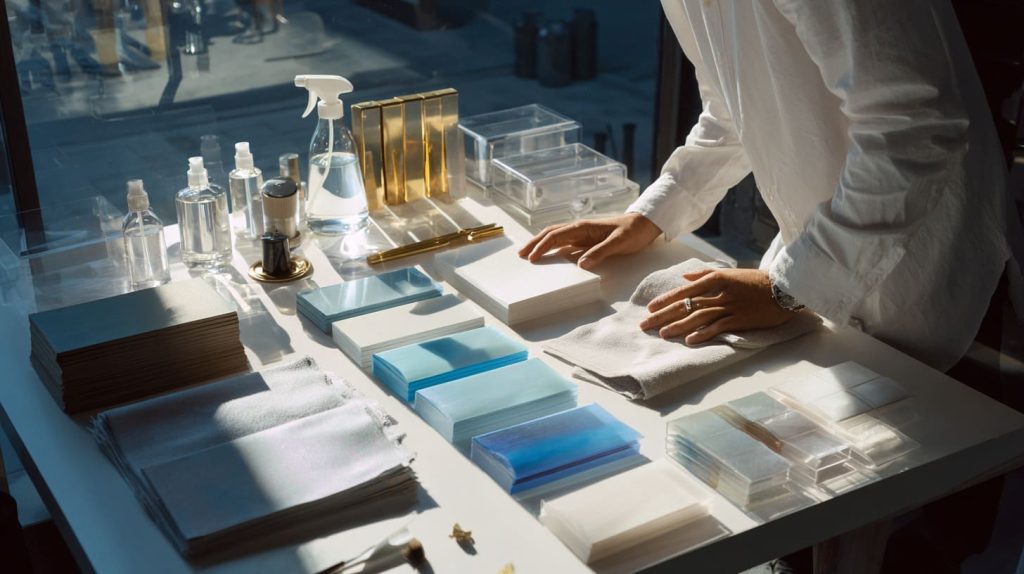
Material choice gets better when the questions get more specific. Broad opinions are cheap. Good decisions usually come from details.
Store Environment
Indoor and outdoor use are not the same world. Strong sunlight, UV exposure, heat, humidity, and temperature swings all matter.
A display that looks perfect in an air-conditioned cosmetics store may behave very differently near a sunny storefront or in a semi-outdoor retail setup.
One of the first things I test in my head is whether the store is calm, bright, hot, wet, rough, or unstable, because environment damage usually starts quietly and shows up later.
That one habit prevents a lot of wrong material choices.
Cleaning and Maintenance
This part matters more than buyers expect.
How often will staff clean the display? What kind of cloth will they use? What spray will they use? Will they be gentle? Probably not every time.
Surface wear often comes not from customers, but from daily cleaning done in a hurry.
Here are useful cleaning questions:
- How many times per day will the display be wiped?
- Will alcohol or stronger cleaners be used?
- Will dust show easily under lighting?
- Will scratches become visible fast?
Product Weight and Structure
A beautiful plastic can still fail if the structure is wrong.
Thickness matters. Support matters. Span matters. Load concentration matters. A display for lipstick and a display for boxed electronics do not ask the same thing from the material.
I do not like judging plastic sheets as if they work alone, because the design structure changes what the material can safely do.
That is a big point. Material choice and structural design should never be separated.
Branding and Visual Impact
This is the factor many engineers know but do not always love to admit: appearance can change sales.
Transparency, finish, color, edge quality, print quality, and even the way the plastic reflects light all shape how the product feels in the customer’s mind.
A cheap-looking holder can make a decent product look less trustworthy. A refined display can do the opposite.
Here is a practical decision table:
| Factor | Questions I Ask |
|---|---|
| Environment | Is it indoor, outdoor, humid, sunny, or high-contact? |
| Cleaning | How often will it be wiped, and with what chemicals? |
| Product weight | Does it need strong support or just light holding? |
| Branding | Should the display feel premium, soft, bold, or minimal? |
| Life span | Is this for a short campaign or long-term store use? |
Once those factors are ignored, mistakes start showing up fast. And honestly, many of the same mistakes appear again and again.
Common Mistakes Buyers Make When Choosing Display Plastics
I do not say this to criticize buyers. I say it because I have seen the same traps repeat across many projects. Smart people still fall into them, mostly because display materials look simpler than they really are.
Choosing Based Only on Price
This is the most common mistake.
A low material price feels good at the quote stage. But if the display looks tired too early, scratches too fast, or weakens brand perception, that “saving” can become expensive in a very quiet way.
I get nervous when a material decision is made after only looking at the first invoice, because retail displays create costs that do not always show up as line items.
Those hidden costs can include:
- Replacement
- Maintenance
- Customer impression loss
- Brand inconsistency
- Store staff complaints
Overestimating Durability Needs
This mistake is the opposite.
Some buyers choose the toughest possible material even when the actual use is calm. That can mean paying too much for polycarbonate when acrylic would have performed beautifully.
Safety matters, yes. But overbuying toughness is still waste.
It is easy to sound smart by choosing the strongest option. It is harder, and better, to choose the most suitable one.
Ignoring Surface Wear and Cleaning Effects
A display does not need to crack to fail. It may only need to look worn.
Fine scratches, haze, dullness, and cleaning marks can slowly flatten the visual quality of a display. In customer-facing retail, that decline matters a lot.
I often think surface aging tells the truth faster than sample beauty does, because stores do not preserve materials the way showrooms do.
That is why I always care about wear patterns, not just fresh samples.
Not Considering Customer Perception
This one may be the most human mistake of all.
Buyers often judge materials like engineers or sourcing managers. Customers do not. Customers react emotionally, visually, and very fast. They notice what feels neat, clean, polished, cheap, or dull without explaining why.
That reaction may not be fair. Still, it is real.
Here is a mistake summary:
| Mistake | What Happens |
|---|---|
| Buying on price alone | Short-term savings, weaker long-term value |
| Overbuying strength | Extra cost without real need |
| Ignoring wear | Display ages badly in store |
| Ignoring customer perception | Product loses visual support |
Once buyers start avoiding those mistakes, custom manufacturing becomes much more powerful, because it gives more ways to shape the final result.
How Custom Manufacturing Changes the Material Decision
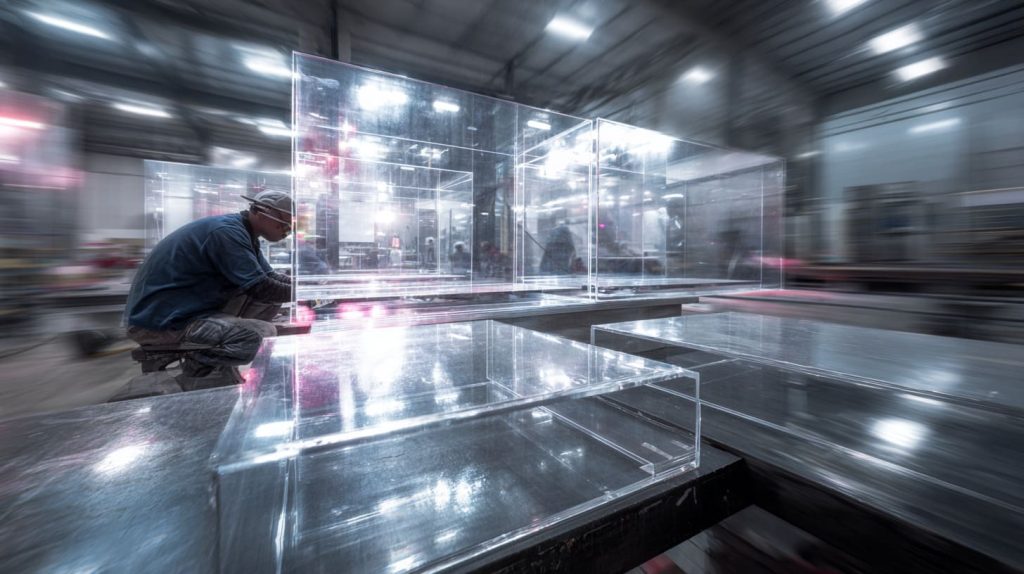
This is the part I enjoy most, because material choice is not only about the raw sheet. It is also about what a skilled factory can do with it.
That changes the conversation a lot.
Design Optimization
A weaker material on paper can become very workable with better design. Thickness changes, reinforcements, ribs, support angles, and smarter geometry can all improve performance.
I never trust material selection without looking at structure, because good design can rescue a material choice and bad design can waste a good one.
That is one reason custom manufacturing matters so much in B2B display work.
Surface Treatments
Surface treatment can also shift the answer.
Anti-scratch coatings, UV-resistant treatments, polished edges, frosted finishes, and controlled surface textures all change how the display performs and how it feels.
A buyer may think the decision is only between acrylic and polycarbonate. In reality, finishing choices can move the result a lot.
OEM Branding Opportunities
This is where acrylic becomes especially powerful. Logos, printed graphics, engraved details, custom colors, unique silhouettes, and product-fit structures all help turn a basic holder into a branded display tool.
I have found that the smartest buyers do not ask only, “Which plastic should I buy?” They ask, “How can this material support my brand and product story better?”
That is a much better question.
Working with Experienced Suppliers
An experienced supplier can save time, reduce waste, and point out risks before production begins. That is not a small benefit. It can protect the whole project.
I trust supplier advice most when it explains what might fail, not just what might sell, because that usually means the recommendation comes from real production experience.
That is the kind of thinking I value.
Here is how custom work changes the decision:
| Custom Factor | Why It Matters |
|---|---|
| Structural design | Improves load handling and stability |
| Surface finishing | Changes scratch behavior and appearance |
| Branding options | Strengthens retail presentation |
| Prototyping support | Helps catch issues before mass production |
| Supplier experience | Reduces practical risk in production and use |
A material is never just a material once custom manufacturing enters the picture. It becomes part of a larger system. That is why the final choice should always feel connected to design, branding, use, and maintenance together.
And after all of that, the answer becomes a lot clearer.
Conclusion
There is no single plastic that wins every retail display project. I think that is the most honest answer, and also the most useful one.
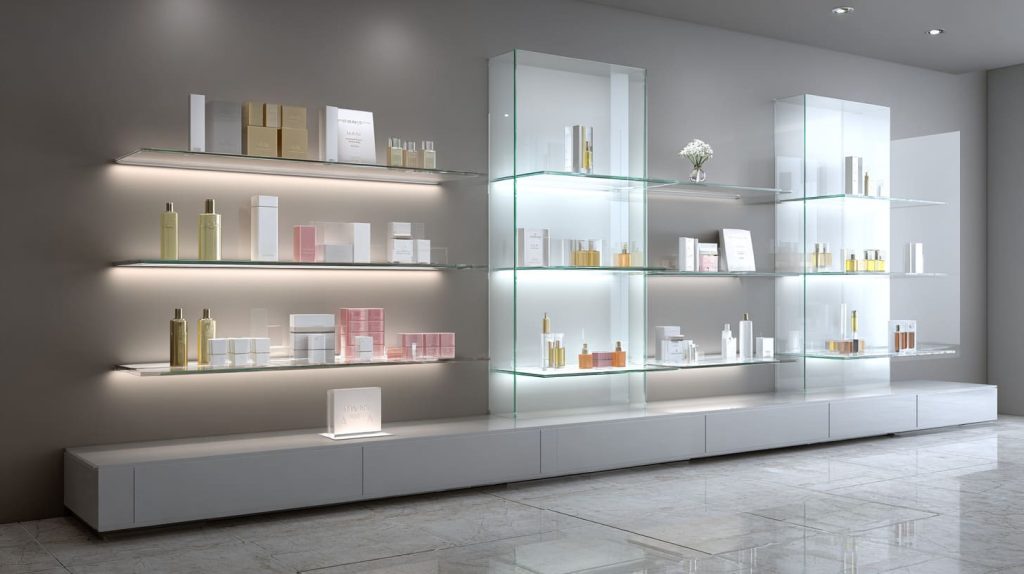
Acrylic is often the best choice for customer-facing retail displays when clarity, premium feel, and branding matter most. That is why it stays so popular in cosmetics, jewelry, electronics, and other presentation-driven categories. It helps products look better. It supports strong visual identity. It gives stores a cleaner, sharper display language.
Polycarbonate has a better place in rougher environments where impact resistance and safety matter more. PET and PETG can be smart middle-ground options when the project needs balanced cost and performance. HDPE works well for utility-heavy or back-end retail use, but it usually does not belong at the front of a premium display.
For me, the best choice always comes back to real use. I look at the store environment, the level of touching and cleaning, the product weight, the visual goal, and the life span the buyer expects. That combination usually tells the truth faster than any single material claim.
If you are planning a custom retail display and want help choosing the right acrylic solution for your product, brand, and store setting, you can explore more at flacrylic.com. I always think the best display decisions begin with a clear use case, not a generic material label.