Skip to content

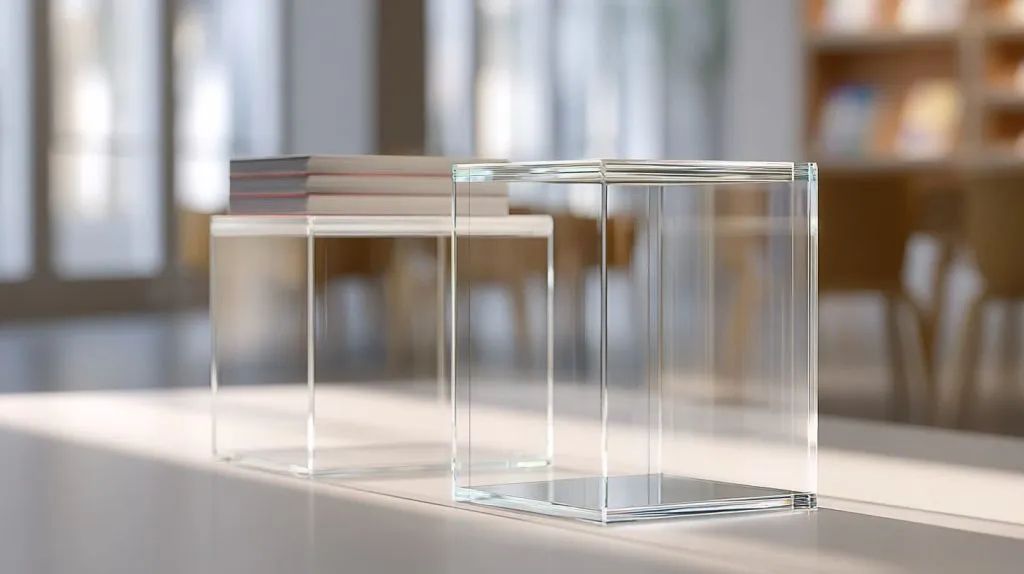
A furniture drawing can look so calm on a screen.
The lines are clean. The edges feel elegant. The proportions look balanced. A clear acrylic side table or a glass display shelf can seem almost effortless when I first look at the file. That is the trap. A piece can look refined in a rendering and still fail in real use for reasons that do not show up in a pretty drawing.
I learned that lesson from a project that looked almost too good to question. The customer wanted a transparent furniture piece for a showroom. The idea was simple. The shape was modern. The material looked premium. Everyone liked it at first glance. Months later, the product still stood in place, but it no longer looked confident. The top line had started to sag a little. The shine was still there. The structure was not.
That kind of failure bothers me more than dramatic breakage.
A dramatic break gets attention right away. A slow failure is trickier. It sneaks in. It makes the product look tired before anyone even realizes what went wrong. That is often worse for the buyer, because the complaint does not come in one loud moment. It comes in a quiet sentence: Why does this piece already look old?
I do not judge furniture materials by how beautiful they look in a sample photo anymore. I judge them by what they do after loading, cleaning, moving, sunlight, daily contact, and months of use. That is where acrylic and glass start to tell very different stories.
The real question is not which material looks stronger. The real question is this: between acrylic and glass, which one fails first under real-world furniture use?
That question matters a lot for B2B buyers. A material choice is not only about cost. It is also about returns, brand image, customer trust, transport damage, and long-term use. A product that fails in the field can erase all the good work that happened in design and production.
When I talk with buyers like Jacky, I know they are not guessing. They already know materials. They already know factories. They already know how one small choice can change the whole project. So I do not want to give a neat textbook answer here. I want to give the answer I trust after looking at real use, real complaints, and real trade-offs.
The hard part is that both materials can fail. They just fail in different ways.
That is where the conversation gets interesting.
What Does “Failure” Really Mean in Furniture?
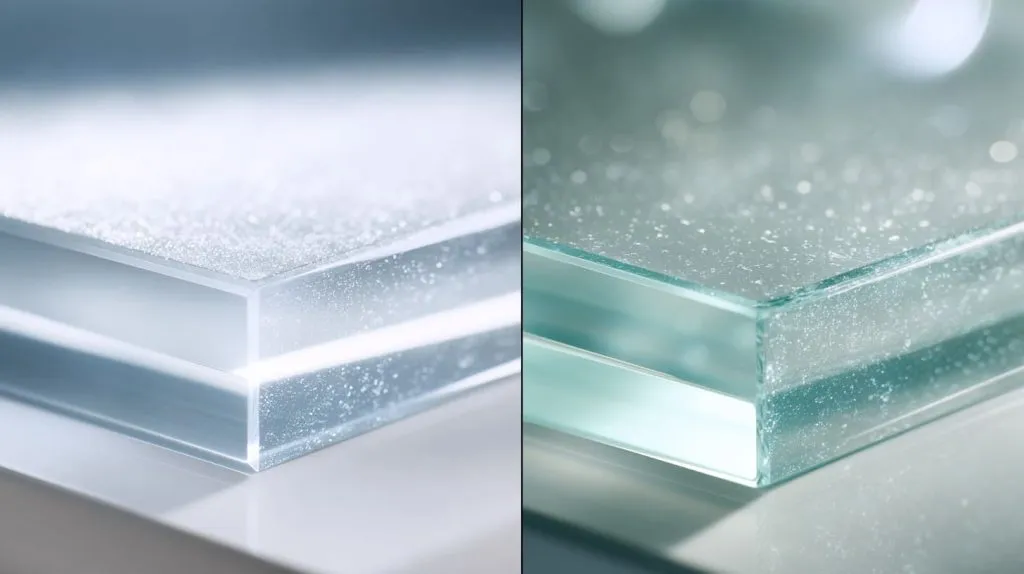
People often talk about material failure as if it means only one thing. I do not see it that way. In furniture, failure has layers. Some failures are structural. Some are visual. Some happen in one second. Some happen so slowly that the buyer notices only when the piece already feels disappointing.
One thing I pay attention to very early is whether the product must stay safe, stay beautiful, or stay flat, because those are not always the same requirement.
Structural Failure vs Visual Degradation
Structural failure is the one most people think about first. A shelf cracks. A tabletop breaks. A panel bends too much. A joint loosens. The product stops doing its job properly.
Visual degradation is different. The piece still works, but it does not feel good anymore. Acrylic can scratch. It can lose clarity. It can yellow. Glass can chip on the edge. Surface marks can make the whole piece feel older than it really is.
I have seen buyers ignore visual failure because the product was still “usable.” I think that is a mistake, especially in display furniture, retail furniture, and premium home products. In these cases, appearance is part of function.
Here is how I separate the two:
| Type of failure | What it looks like | What it causes |
|---|---|---|
| Structural failure | Bending, cracking, breaking, collapse | Safety issues, product returns, loss of function |
| Visual degradation | Scratches, haze, yellowing, edge wear, chips | Lower perceived value, customer disappointment, brand damage |
A shelf that still holds weight but looks cloudy and scratched is not really “fine” in a commercial setting. It has already failed in a different way.
Instant Failure vs Slow Failure
This is one of the biggest differences between acrylic and glass.
Glass often fails fast. It can look perfect right up to the moment it breaks. That break may come from impact, edge damage, bad support, or stress concentration. But when it happens, it is immediate and obvious.
Acrylic usually tells a slower story. It may not shatter from a light hit. It may survive transport better. It may feel safer in daily contact. But under constant load, heat, or sun, it can deform little by little. It does not always announce trouble early. That is why people underestimate it.
I find this difference important because slow failure often causes more design mistakes. Sudden breakage scares people. Slow deformation fools them.
Functional vs Perceived Failure
There is another layer here, and I think many buyers skip it.
A product can still be functional and still be unacceptable.
Acrylic furniture that has fine scratches all over the surface may still hold weight. A glass shelf with edge chips may still stand in place. But the customer no longer sees quality. In furniture, especially clear furniture, people do not judge only with their hands. They judge with their eyes.
That matters a lot in places like:
- cosmetic displays
- boutique store furniture
- hotel furniture
- home accent furniture
- trade show display systems
In those settings, perceived quality is not a side issue. It is part of the product promise.
A More Useful Way to Judge Furniture Failure
I usually break furniture failure into four questions before I make a material judgment:
- Will it hold shape?
- Will it survive impact?
- Will it still look premium after use?
- Will the end user feel safe using it?
That small checklist sounds simple, but it changes the conversation a lot.
| Question | Acrylic | Glass |
|---|---|---|
| Will it hold shape long-term? | Risk under constant load | Better rigidity |
| Will it survive impact? | Better | Worse |
| Will it stay visually clean? | Weaker surface | Better surface hardness |
| Will it feel safer in public use? | Often yes | Depends on treatment |
So when I say a material “fails first,” I always ask: fails in what way?
That question opens the door to a much more honest comparison.
And once that door opens, acrylic starts showing both its strengths and its weak spots very clearly.
How Acrylic Behaves Under Real-World Use
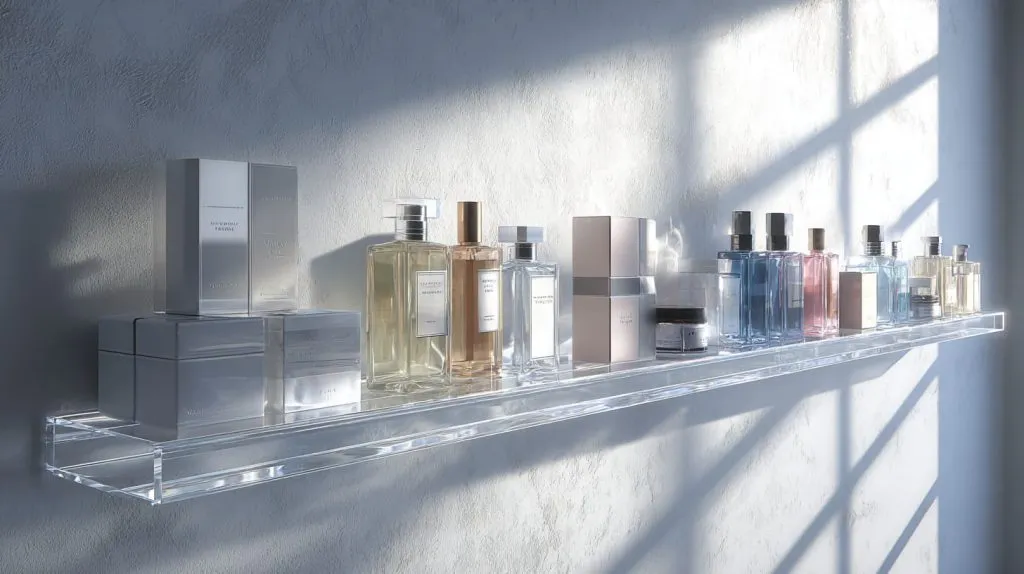
I work with acrylic all the time, so I like its strengths very much. Still, I do not romanticize it. Acrylic is useful, elegant, easy to customize, and safer than glass in many situations. But it is not magic. It has limits, and those limits matter a lot in furniture.
The detail that makes me slow down is not whether acrylic looks thick enough on paper. It is whether the panel will still look straight after months of carrying a real load in a warm room.
Impact Resistance and Safety Performance
This is where acrylic wins quickly.
Acrylic handles impact much better than standard glass. It is far less likely to shatter into dangerous pieces. That makes it attractive for homes, stores, public spaces, and projects where user safety matters a lot.
I have seen this advantage matter in real life. A moving cart bumps into a clear acrylic stand. A child taps or pushes a panel. A worker lifts a piece carelessly during installation. Acrylic often survives those small accidents better than glass.
That does not mean acrylic is impossible to break. It can crack under stress. It can fail at drilled holes or weak corners. But its failure mode is usually less dramatic than glass.
Here is a simple view:
| Performance point | Acrylic |
|---|---|
| Impact resistance | High |
| Shatter risk | Low |
| User safety after impact | Better than glass |
| Suitability for public contact areas | Strong |
That is why I often prefer acrylic in furniture used around people who may hit, move, or misuse it a little. Real life is not gentle.
Long-Term Load and Creep (The Hidden Problem)
This is the issue many people miss.
Acrylic is not as rigid as glass. Under constant weight, it can slowly bend. This is called creep, but I do not even need the technical word to care about it. I care because I have seen shelves sag, tops dip, and long spans lose their flat look over time.
This is the quiet weakness of acrylic furniture.
Acrylic can look strong on day one. It can even pass an early sample check. Then real products get placed on it. Bottles, books, display items, storage weight, daily pressure. Weeks pass. Months pass. The material starts giving in little by little.
That is why acrylic often “fails first” in furniture that must stay flat for a long time.
Where I see this most often
- long shelves with poor support
- clear side tables with wide unsupported tops
- display racks carrying dense cosmetic bottles
- organizer trays left under steady weight
- furniture near heat sources or sun-facing windows
What affects sagging risk
| Factor | Lower risk | Higher risk |
|---|---|---|
| Thickness | Thicker sheet | Thin sheet |
| Span length | Short span | Long span |
| Support design | Full or reinforced support | Wide unsupported area |
| Load type | Light, temporary load | Heavy, constant load |
| Environment | Cool indoor space | Warm or sun-exposed area |
Acrylic does not always fail because the material is “bad.” Many times it fails because the design asks it to behave like glass. That is unfair to the material.
Surface Durability and Wear
Acrylic has another weak side: the surface.
It scratches more easily than glass. Even normal cleaning can leave marks if the wrong cloth or dusty wipe is used. In furniture, especially transparent furniture, scratches are not small visual issues. Light catches them. End users notice them. The whole piece starts to feel less premium.
I have handled acrylic samples that looked beautiful in factory light and already tired after regular showroom use. That is painful, because the shape was still good, but the emotional effect was gone.
Typical sources of acrylic surface wear
- rough cleaning cloths
- dust wiped across the surface
- contact with metal accessories
- repeated product placement and removal
- poor packing during delivery
A hard truth I have learned is this: a transparent material is always judged more harshly than an opaque one. Every mark becomes visible. Acrylic can suffer from that very quickly.
Environmental Sensitivity
Acrylic is also more sensitive to heat and sunlight than glass.
In outdoor or sun-heavy areas, acrylic may yellow over time. It may soften more under heat. It may lose that crisp, fresh appearance that made the product attractive at first.
This is especially important for furniture near:
- large windows
- balconies
- bright retail storefronts
- warm lighting setups
- outdoor-adjacent spaces
I do not like using acrylic blindly in these cases. A material that looks elegant indoors for sampling may age much faster in a hot or bright setting.
Where Acrylic Truly Makes Sense
I do not want this section to sound unfair. Acrylic is still very useful in furniture. I choose it often when I need:
- better impact safety
- lighter weight
- easier fabrication
- shaped or curved forms
- lower transport burden
- a softer, less risky failure mode than glass
Here is how I usually see it:
| Best use for acrylic furniture | Why it works |
|---|---|
| Child-safe environments | Less dangerous breakage |
| Retail display furniture | Light, easy to fabricate, visually clean |
| Decorative side pieces | Elegant look with lower weight |
| Custom-shaped transparent furniture | Easier to form and machine |
| Projects needing easier shipping | Less weight, less fragile in handling |
Acrylic is excellent when I respect what it is. Trouble starts when I ask it to be a rigid structural hero for long-term heavy use.
And that brings me to glass, which has almost the opposite personality.
How Glass Performs in Furniture Applications
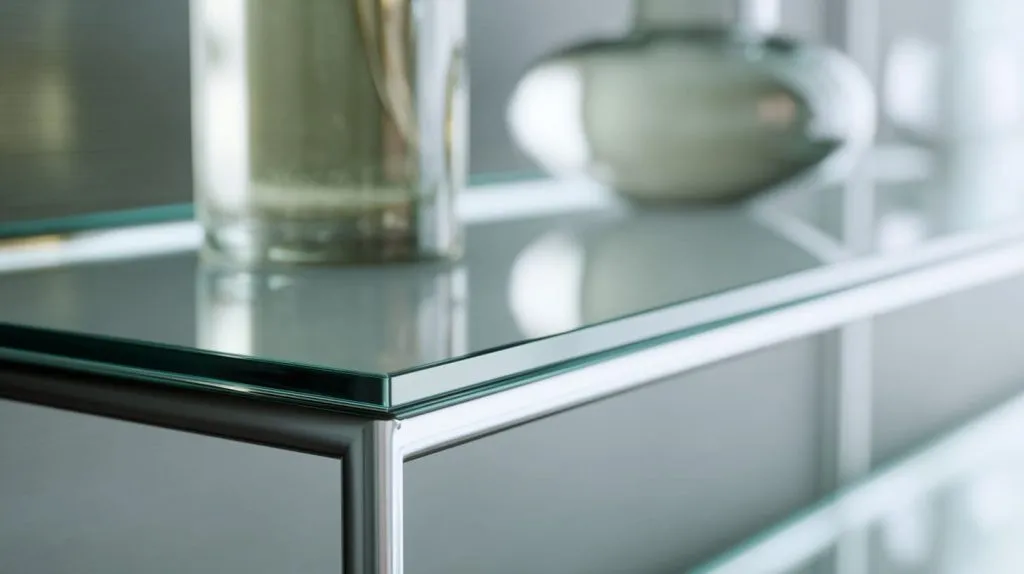
Glass is a material I respect, but I never relax around it too much. It gives a furniture piece a clean, premium, almost permanent feel. It stays flat. It resists scratches much better than acrylic. It can make a product look expensive even when the shape itself is simple. But it also carries a kind of risk that acrylic does not.
The thing I never ignore with glass is edge vulnerability, because a beautiful panel can stay perfect for months and still fail from one bad hit in one bad spot.
Structural Rigidity and Load Stability
This is where glass is strong.
Glass holds its shape better than acrylic under load. It does not creep the same way. A properly supported glass shelf or tabletop usually keeps its flat line much better over time. That matters a lot in furniture where visual straightness is part of the design value.
I think this is why many premium furniture brands still love glass. It gives them confidence in shape. A slim glass panel can often look sharp and remain sharp.
For long-term load stability, glass usually performs better.
| Performance point | Glass |
|---|---|
| Rigidity | High |
| Resistance to long-term sagging | Strong |
| Shape retention | Better than acrylic |
| Surface feel over time | Stable |
I often trust glass more when a buyer cares deeply about keeping a crisp, flat appearance over years.
Brittleness and Sudden Failure Risk
But glass has a harder edge to its story.
Glass is brittle. It can resist daily use well until something crosses the line. Then it fails suddenly. That is the part people fear, and for good reason. A hit on the edge, poor support, internal stress, or transport damage can create a break that feels dramatic and expensive.
Tempered glass improves safety, yes. It is stronger than ordinary glass in many ways. But once it breaks, it still breaks completely. That is what I mean when I say glass often fails fast.
I have seen buyers get a false sense of security from the word “tempered.” They hear it and imagine unbreakable. That is not real life. Tempered glass is safer than regular glass, but it is not immune to bad design or rough use.
Common reasons glass furniture fails
- impact on corners or edges
- poor hole positioning or drilling design
- uneven support points
- transport shocks
- bad installation handling
- hidden damage before final use
Surface Hardness and Scratch Resistance
This is one of glass’s quiet advantages.
Glass stays visually clean longer. It resists scratching much better than acrylic. For transparent furniture, that is a big deal. A clean surface helps preserve that fresh, premium look the buyer paid for in the first place.
In projects where appearance must remain sharp with repeated wiping, touch, and use, glass often wins that battle.
| Surface factor | Acrylic | Glass |
|---|---|---|
| Scratch resistance | Lower | Higher |
| Long-term clarity under contact | Weaker | Better |
| Cleaning tolerance | More sensitive | More forgiving |
| Premium visual lifespan | Shorter in rough use | Longer |
That is why glass often feels more luxurious in mature, stable spaces where impact risk is controlled.
Safety Considerations
This part needs honesty.
Tempered glass breaks into small blunt fragments instead of dangerous sharp shards. That is good. Laminated glass adds another layer of safety because the interlayer can hold broken pieces together. That is better still.
But safety is not only about what happens after breakage. It is also about how likely breakage is in the first place.
If the furniture sits in a quiet office boardroom, the safety risk may feel acceptable. If it sits in a family space, a busy retail floor, or a public showroom, I judge the risk very differently.
Basic safety comparison
| Safety question | Acrylic | Tempered Glass | Laminated Glass |
|---|---|---|---|
| Likelihood of shattering | Low | Medium | Medium |
| Injury risk after break | Lower | Reduced vs regular glass | Lower than tempered alone |
| Good for busy contact areas | Often yes | Depends | Better option if glass is needed |
I do not like treating all furniture settings as equal. They are not. A material that feels perfect in a quiet luxury setting may be the wrong choice in a high-contact environment.
Where Glass Truly Makes Sense
Glass is strong when I need:
- rigidity
- scratch resistance
- long-term flatness
- premium visual life
- stable indoor conditions
- controlled user behavior
It works especially well for:
- conference tables
- luxury display shelves
- furniture in adult, low-impact environments
- clean interior spaces with careful maintenance
Glass performs beautifully when the space respects it. That may sound almost human, but it is true. Glass rewards order and punishes carelessness.
And when I put acrylic and glass side by side, the comparison becomes much clearer.
Acrylic vs Glass: Key Performance Differences
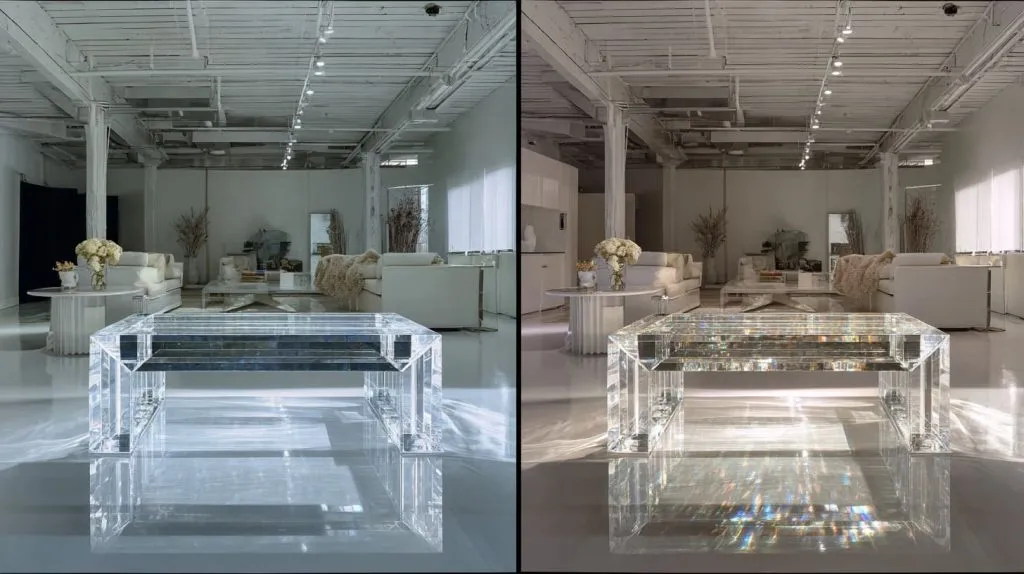
When I compare acrylic and glass, I do not ask which one is better in some abstract way. I ask which one is more likely to disappoint me first in the actual job. That approach helps me avoid the usual shallow answer.
My decision often comes down to this uncomfortable question: do I want to manage a slow visible decline, or do I want to accept the chance of one sharp failure event?
Load Bearing and Long-Term Stability
Acrylic is more flexible. Glass is more rigid.
That sounds simple, but the effect on furniture is huge. A long acrylic shelf may survive impacts and daily handling better, yet still sag under steady load. A glass shelf may stay flatter much longer, but it asks for better support and more careful handling.
| Factor | Acrylic | Glass |
|---|---|---|
| Flexibility | Higher | Lower |
| Rigidity | Lower | Higher |
| Long-term shape retention | Weaker | Better |
| Sudden structural failure risk | Lower in minor impact | Higher in bad impact |
For furniture that must stay geometrically clean, glass often has the edge.
Impact Resistance vs Breakage Mode
This is one of the clearest differences.
Acrylic absorbs impact better. It is more forgiving in rough environments. Glass resists normal use well too, but once impact reaches its weak point, the failure can be immediate.
I sometimes explain it like this:
- Acrylic gets tired
- Glass gets betrayed
Acrylic often gives in over time. Glass often looks loyal until one moment proves it is not.
That is not a scientific sentence. It is just how the experience feels in projects.
Surface Durability Comparison
If surface appearance matters a lot, I watch this closely.
Glass holds its face better. Acrylic shows wear earlier. This can change the whole value feeling of a furniture piece, especially one that depends on transparency and clean lines.
My surface judgment table
| Question | Acrylic | Glass |
|---|---|---|
| Will small scratches show easily? | Yes | Less |
| Will frequent cleaning hurt appearance? | More likely | Less likely |
| Will it keep a luxury feel longer? | Harder | Easier |
That is why I hesitate when someone wants acrylic for a premium furniture piece in a high-touch setting but does not want anti-scratch treatment or care instructions.
Weight and Handling
Acrylic is lighter. That is a big real-world advantage.
Lighter weight helps with:
- shipping
- packing
- installation
- moving
- labor cost
- breakage risk in transit
Glass is heavier. That means more handling pressure, more packing cost, and more care during transport. A material that looks premium in the showroom may feel expensive before it even gets there.
| Logistics point | Acrylic | Glass |
|---|---|---|
| Weight | Lower | Higher |
| Easier to move | Yes | No |
| Safer in transport handling | Usually yes | More fragile |
| Packing burden | Lower | Higher |
For export projects, this point matters more than many buyers first expect.
Cost vs Lifecycle Value
This part is tricky, because people often reduce it to unit price.
Acrylic may look cheaper at first. But if it scratches fast, sags under load, or ages badly in the environment, the long-term value may not stay attractive.
Glass may cost more in handling and transport. But if it holds shape and surface quality longer, it can return that extra cost in better product life and fewer visual complaints.
I do not compare these materials only by purchase cost. I compare them by the kind of complaint they are likely to create later.
Quick Comparison Summary
| Category | Acrylic advantage | Glass advantage |
|---|---|---|
| Impact safety | Stronger | Weaker |
| Long-term flatness | Weaker | Stronger |
| Scratch resistance | Weaker | Stronger |
| Weight | Lighter | Heavier |
| Transport friendliness | Better | Worse |
| Sudden break risk | Lower | Higher |
| Outdoor visual stability | Weaker | Better |
When people ask me which material is better, I usually answer with another question: better at surviving what?
And that question becomes even more useful when I move into specific furniture scenarios.
Which Material Fails First in Different Scenarios?
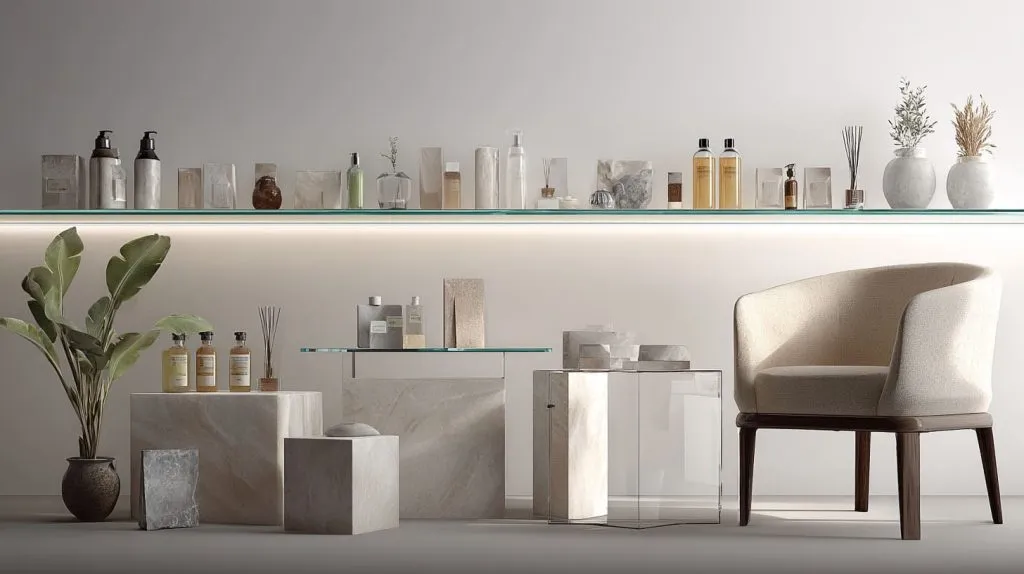
This is where the conversation stops being theoretical. A material never fails in a vacuum. It fails in a place, under a load, around certain people, and after a certain amount of time. So I always judge it by scenario.
The mistake I try to avoid here is treating one success case as a universal rule, because a material that behaves well in a boutique showroom can disappoint very fast in a family home or busy retail aisle.
Shelving and Display Units
For shelves and display units, acrylic often fails first if the span is long and the load stays there all day.
I have seen this happen with cosmetic displays, collector displays, and clear organizer shelves. The design looks light and elegant. The samples pass visual review. Then real products go on the shelf, especially dense products like bottles or boxed goods, and time starts doing its work.
Glass usually keeps its line better in this scenario, as long as the support is correct and the impact risk stays low.
| Scenario | Acrylic | Glass |
|---|---|---|
| Long shelf with constant weight | More likely to sag first | Holds shape better |
| Retail display under daily restocking | May scratch and bow | Better surface, but impact risk remains |
| Decorative light shelf | Often acceptable | Also good, but heavier |
So in shelving, acrylic often fails first through deformation, not dramatic breakage.
Tabletops and Structural Panels
For tabletops, the choice depends on user behavior.
Acrylic tabletops can deform slowly, especially in larger spans or warmer spaces. They may also collect scratches faster from cleaning, objects, or repeated contact. That can make the product feel older than it really is.
Glass tabletops stay flatter and cleaner for longer. But if something hard strikes the wrong area, or if support is poor, failure can be sudden and total.
I usually separate tabletops into two groups:
Tabletop decision guide
| Tabletop type | Better choice | Why |
|---|---|---|
| Decorative low-use table | Acrylic can work | Lighter and safer |
| Premium indoor table with careful use | Glass | Better rigidity and surface life |
| Family or high-contact table | Depends | Safety and behavior matter more than beauty |
| Large unsupported clear top | Neither without design help | Support design becomes critical |
High-Traffic Public Spaces
In public or busy spaces, I often worry more about impact than long-term elegance.
That shifts the answer.
In these areas, glass may fail first because it faces more collision risk. People bump furniture. Cleaning tools hit corners. Objects get dropped. Staff move fast. Public use is messy. Acrylic usually performs better there because it is more forgiving.
This is why I often prefer acrylic in:
- public display zones
- busy retail walkways
- family-centered interiors
- event furniture
- temporary installations
Yes, acrylic may wear faster. But glass may not even get the chance to age if one sharp hit ends the story early.
Outdoor or Sun-Exposed Use
In sun-heavy or heat-heavy conditions, acrylic often fails first.
That failure may not be a dramatic break. It may be yellowing. It may be softening. It may be subtle warping. But it comes sooner than many buyers expect if the environment is harsh.
Glass is more stable in this kind of exposure. It does not yellow like acrylic. It handles heat better in terms of shape. That gives it a big advantage for sun-facing spaces.
| Environment | Acrylic risk | Glass risk |
|---|---|---|
| Strong UV exposure | Yellowing | Low |
| Heat near windows | Softening, distortion | Lower |
| Outdoor-style brightness | Faster aging | Better stability |
Scenario Summary
If I want a fast answer, this is how I see it:
| Scenario | More likely to fail first |
|---|---|
| Long loaded shelf | Acrylic |
| Premium indoor tabletop with low impact | Glass usually lasts better |
| Busy public space | Glass |
| Sun-exposed furniture | Acrylic |
| Family-safe transparent furniture | Glass may be riskier |
| High-touch luxury surface use | Acrylic may look worn first |
That is why I do not believe in one universal winner. I believe in matching the material to the type of failure I can tolerate.
And the problem is, many buyers never get that far. They make a few common mistakes much earlier.
Common Mistakes Buyers Make When Choosing Materials
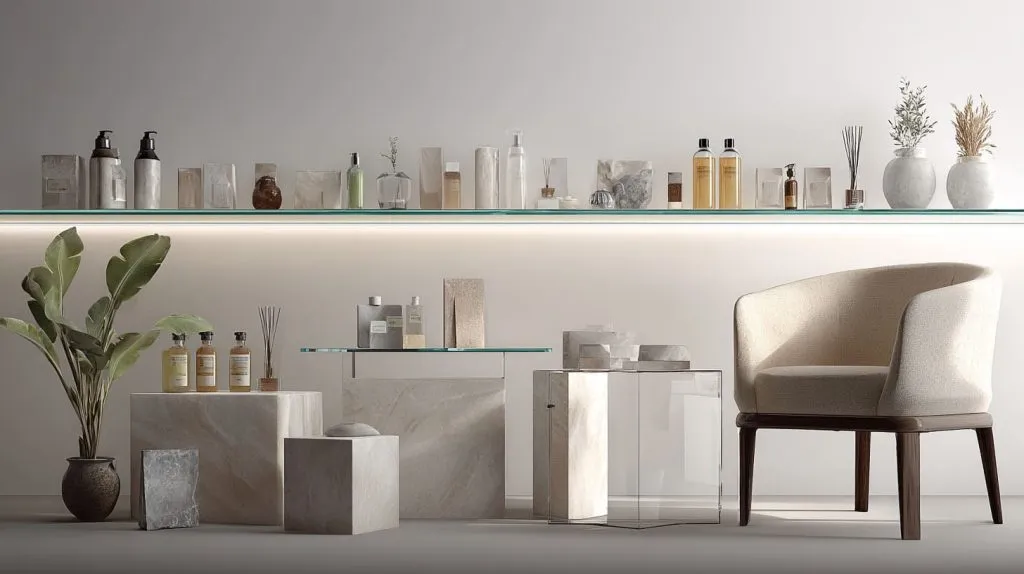
I do not say this to criticize buyers. I say it because I have seen smart, experienced people make these mistakes when the drawing looks clean and the deadline feels tight. Material decisions often go wrong not because the team lacks knowledge, but because the wrong question gets asked first.
A warning sign for me is when the conversation starts with appearance, because that usually means the hidden mechanical and maintenance issues are still sitting quietly in the background.
Confusing Light Weight with Strength
Acrylic feels strong in the hand. That is part of its charm. It looks solid, and it is much more impact-resistant than glass. So people sometimes assume it is also structurally stronger for furniture.
That is not the right way to read it.
Acrylic is lighter and tougher in impact, yes. But it is not as rigid as glass. A buyer who confuses “hard to break in one hit” with “good at staying flat for years” can make an expensive mistake.
I have seen beautiful acrylic shelves chosen because they felt safer and easier to move. Months later, the complaint was not breakage. It was sagging.
Ignoring Long-Term Load Behavior
This is one of the biggest misses in furniture design.
People check dimensions. They check edge polish. They check transparency. But they do not always check what happens when the load stays there all day, every day, for months.
That is where acrylic can disappoint.
Questions that often get skipped
- How long is the unsupported span?
- What is the real product weight, not the estimated weight?
- Will the load sit there permanently?
- Will room temperature rise in summer?
- Does the design include reinforcement?
If those questions do not get answered, the design can look smart and still fail quietly later.
Overestimating Glass Safety
Tempered glass has helped many projects, but I do not like when people treat it like a magic shield.
Tempered glass is safer than ordinary glass. That is true. But it can still break. It can still fail from edge damage. It can still create full replacement cost in one event.
I get cautious when I hear someone say, “It’s tempered, so it’s fine.” That sentence often means the team is about to stop thinking too early.
Choosing Based on Appearance Alone
This may be the most common mistake of all.
Clear furniture is emotional. People respond to it fast. Acrylic can feel modern and soft. Glass can feel sharp and premium. Those emotional reactions are real, and they matter. But if they lead the whole decision, trouble follows.
I have seen projects where the chosen material matched the rendering beautifully but failed the user environment completely.
| Design choice mistake | What happens later |
|---|---|
| Acrylic chosen only for clean modern look | Surface wear and sagging complaints |
| Glass chosen only for luxury appearance | Breakage risk ignored |
| Thin clear panel chosen for visual lightness | Load problem appears later |
| No maintenance discussion | Product ages badly in use |
A Better Mindset
When I help judge a material choice, I try to slow the project down by asking boring questions. I know that sounds unromantic, but boring questions save elegant products.
I ask things like:
- Who will use it?
- How often will they touch it?
- What will sit on it?
- How warm is the space?
- How often will it be cleaned?
- What kind of damage will hurt the brand most?
Those questions are not dramatic. But they reveal the truth.
And once I have that truth, the material decision becomes much easier.
That is where the next step begins: choosing the right material for the real project, not the idealized one.
How to Choose the Right Material for Your Project
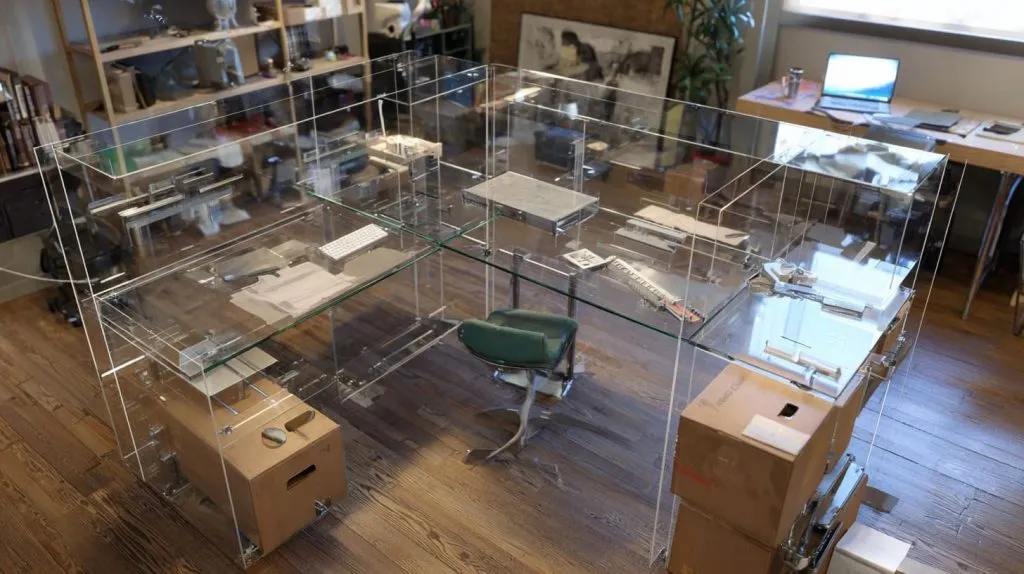
I do not like choosing between acrylic and glass as if I am picking a favorite. I prefer to choose based on the kind of stress the furniture will actually live through. That keeps me honest.
The first thing I try to nail down is not the material name. It is the life the product will have after it leaves the factory.
Define the Real Use Case First
This sounds obvious, but I see teams skip it all the time.
A showroom display, a home side table, a luxury shelf, and a public waiting area panel may all look similar in a drawing. But they do not live the same life.
I want answers to questions like:
- Will people touch it often?
- Will it carry steady weight?
- Is sunlight strong in the space?
- Is the product decorative or structural?
- Does the buyer care more about safety or long-term visual perfection?
Once I know those things, the material starts to choose itself.
Combine Materials When Necessary
I think hybrid design is underrated.
Some projects do not need a pure acrylic answer or a pure glass answer. A smart mix can solve a lot of problems. Acrylic can work in parts where safety and weight matter more. Glass can work in parts where rigidity and surface durability matter more.
Hybrid examples
| Design approach | Why it helps |
|---|---|
| Acrylic body + glass shelf insert | Safer frame, stronger shelf surface |
| Glass top + acrylic side guards | Premium top, softer safety edges |
| Acrylic decorative panels + glass structural zones | Better balance of beauty and function |
I like this approach because it respects each material instead of forcing one material to do every job.
Optimize Thickness and Support Design
This is where many failures could have been prevented.
Acrylic often needs more thickness or better reinforcement than buyers first expect. Glass needs correct support, especially at edges and holes. Neither material likes lazy support design.
The small detail I never brush past is span length, because one extra support point can do more for product life than a lot of expensive material upgrades.
Support design reminders
- Long acrylic spans need more support
- Wide clear tops need load planning
- Glass edges need protection
- Hole positions need smart spacing
- Panel thickness should match actual load, not only visual preference
Consider Surface Treatments
This part matters more than many people think.
If acrylic is the better choice for safety or weight, then anti-scratch coating may help protect the appearance. If glass is the better choice for rigidity and luxury feel, then tempered or laminated options may improve safety.
| Treatment option | Best for | Main benefit |
|---|---|---|
| Anti-scratch coating | Acrylic | Better surface life |
| UV-resistant grade | Acrylic | Slower yellowing |
| Tempering | Glass | Better strength and safer break pattern |
| Lamination | Glass | Holds fragments together after break |
A treatment does not change the personality of the material completely, but it can make the material fit the project much better.
My Simple Selection Logic
When I need a practical decision fast, I use something close to this:
| Priority | Lean toward |
|---|---|
| Better impact safety | Acrylic |
| Better long-term flatness | Glass |
| Lighter shipping and handling | Acrylic |
| Better scratch resistance | Glass |
| Better sun stability | Glass |
| Better flexibility in custom shaping | Acrylic |
That kind of chart is not perfect, but it helps clear away confusion.
And for B2B buyers, that clarity becomes even more useful when the project moves from theory into sourcing and production.
Practical Recommendations for B2B Buyers
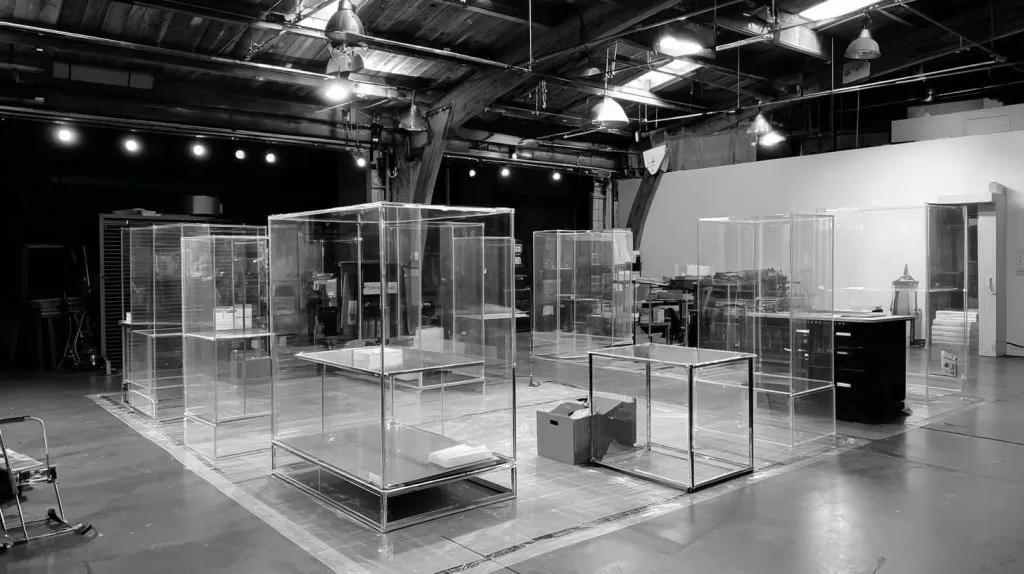
I know many readers here are not asking this question out of curiosity. They are asking because a real product needs to get made, quoted, tested, packed, and delivered without becoming a headache six months later. That changes the tone of the decision.
What tends to guide me most in B2B work is not which material sounds better in a meeting, but which one gives me fewer ugly surprises after the first shipment lands.
For Retail Displays and Cosmetic Stands
For many retail display uses, I still like acrylic.
It is lighter. It is easier to fabricate into custom forms. It is safer in busy spaces. It gives good visual clarity. For cosmetic stands and display furniture, those benefits matter a lot.
But I do not choose it carelessly. I check thickness, support, load concentration, and cleaning expectations.
Good acrylic fit cases
- cosmetic display towers
- countertop product risers
- clear organizer units
- visual merchandising furniture with light load
- portable display systems
For Premium Furniture and Long-Term Installations
If the project is more premium, more permanent, and more controlled, glass often becomes more attractive.
Glass usually gives better rigidity and better surface life. It stays visually sharp longer. In formal indoor settings, that matters a lot.
Still, I ask whether impact risk is truly low. If it is not, the premium feel may not be worth the replacement risk.
For Custom Projects
Custom work needs more humility.
A custom drawing may look clean, but the real behavior of clear materials can still surprise the team. That is why I strongly prefer load testing, prototype checks, and real-use simulation before mass production when the design pushes the limits.
I trust samples more when they have actually carried the intended load than when they have only been photographed beautifully.
Prototype checks I value
| Check item | Why it matters |
|---|---|
| Real weight loading | Shows sagging risk early |
| Edge impact check | Reveals weak handling points |
| Cleaning simulation | Shows surface wear risk |
| Heat or window-side placement | Exposes aging behavior |
| Packing trial | Finds transport damage risk |
Supplier Communication Tips
This part can save a lot of pain.
A buyer should not only ask for price and lead time. A buyer should also ask how the material behaves under real use. A good factory should be able to discuss that honestly.
I respect a supplier more when they warn me about a risk than when they simply say yes to every request.
Questions worth asking suppliers
- What thickness do you suggest for this span and load?
- Have you made similar furniture before?
- What failure complaints have you seen in similar products?
- Do you recommend reinforcement?
- What cleaning method should the end user follow?
- Is this material safe for sun-facing placement?
- Can you show real-use examples, not only sample photos?
Those questions often reveal whether the supplier understands furniture use or only understands fabrication.
A Quick Buyer Guide
| Buyer priority | Better direction |
|---|---|
| Safer public-use furniture | Acrylic |
| Premium low-impact indoor piece | Glass |
| Portable custom display furniture | Acrylic |
| Surface appearance over long life | Glass |
| Sun-facing clear furniture | Glass |
| Fast custom shaping and lower weight | Acrylic |
A good buying decision is rarely about being loyal to one material. It is about being honest about the product’s future.
And that honesty leads naturally to the final point.
Conclusion

I do not think acrylic and glass are fighting for the same crown. I think they are exposing different kinds of weakness in the way people design furniture.
Acrylic usually fails slowly. It bends. It scratches. It ages. It loses that crisp confidence when the design ignores load, support, heat, or cleaning reality. Glass usually fails suddenly. It stays sharp and flat, and then one bad hit, one weak edge, or one design oversight can end the story all at once.
That is why I do not ask which material is stronger in some broad, comfortable sense. I ask which kind of failure I am more likely to face in the actual product.
I have come to this view because I have seen how misleading first impressions can be. A clear panel can look beautiful in a drawing and still disappoint badly in daily use. A piece can feel solid in the hand and still lose shape under constant load. A premium glass surface can stay perfect for months and still shatter from one moment of bad luck. Those patterns taught me to stop admiring materials from a distance and start judging them by how they behave under pressure, time, and ordinary human use.
That is also why I think the best material choice is rarely blind loyalty. It is matching the behavior of the material to the life of the furniture.
If the project needs lighter weight, better impact safety, and custom shaping, I often lean toward acrylic, but only with honest support design and realistic expectations. If the project needs rigidity, long-term flatness, and stronger surface durability, I often lean toward glass, but only when the environment can respect its limits.
For me, that is the real lesson here. A material does not fail only because of what it is. A material often fails because somebody asked it to live the wrong life.
If you are working on a custom furniture or display project and you want to judge acrylic and glass more carefully before sampling, I think that is the right time to talk. At Feilong Acrylic, I prefer these conversations early, when one smart decision on thickness, support, or use case can save a buyer from a quiet and expensive mistake later.