Skip to content

The moment you send out that first custom fabrication order, there's a strange mix of excitement and tension. You've spent weeks perfecting the design, double-checking specs, tweaking measurements, and now it's in someone else's hands. That handoff can feel like a leap of faith—especially if the last project didn’t go quite as planned.
I’ve been there. One time, a client asked for a series of clear acrylic display boxes with magnetic lids. We got the drawings, sure. But the measurements were vague, the tolerances undefined, and the magnets they picked weren’t even in stock locally. It turned into a guessing game that no one won. The result? Delays, remakes, and a tense phone call I still remember.
That’s why I believe custom fabrication should never feel like a gamble. It should be a clear, steady process—from design to delivery. Whether you're building acrylic frames for retail, or assembling functional housings for consumer electronics, the process should feel smooth, not stressful.
Let’s walk through the tips that’ll help you get there—starting with the one step people often rush: understanding what you actually need.
1.Understanding Your Project Needs
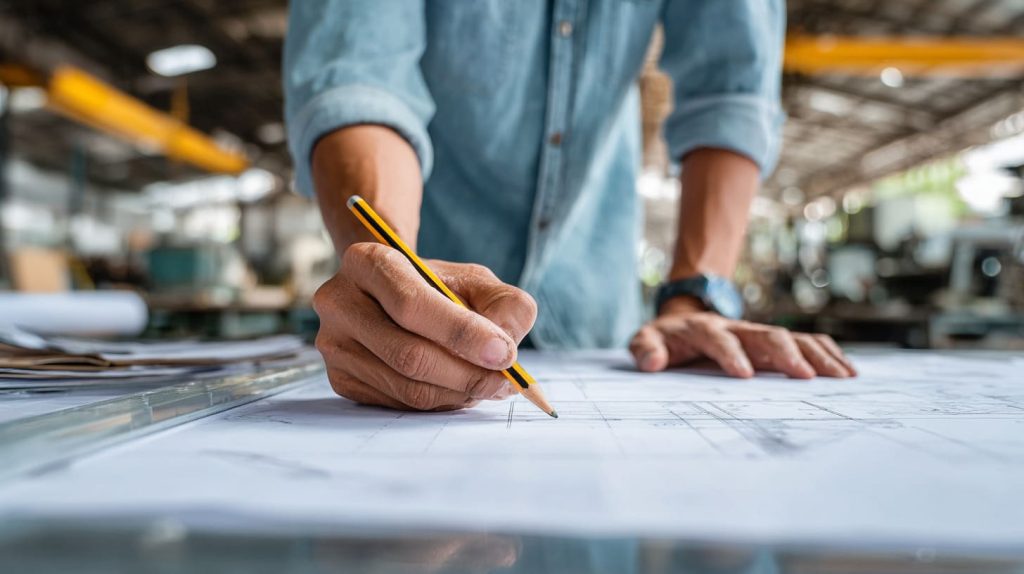
I once worked with a designer who sent me a sketch. Nice sketch, but no numbers. No tolerances. We guessed. And our guess cost extra time and money. After that, I always start with clear goals.
Define Clear Goals and Requirements
Your first job: know what you need. Ask yourself:
- What is the part’s function?
- Where will it be used?
- What stresses will it face?
Here’s how I think about it:
| Question | Why It Matters |
|---|---|
| What does it do? | Defines core requirements |
| Where does it live? | Affects material choice and finish needs |
| How hard will it perform? | Determines thickness, strength, tolerances |
You want your fabricator to see exactly what you see. No guessing.
Establish Accurate Specifications
This part is technical but crucial. Think of this as a contract between you and the maker.
- Exact dimensions
- Tolerance limits
- Material choice and finish expectations
When you spell these out, surprises shrink.
Imagine telling someone “make it fit.” That creates confusion. But tell them “±0.05 mm tolerance.” That says exactly what you want.
Now that you know your needs, let’s talk about picking the right materials.
I once chose a lower-cost material to save money. It bent under load. Not fun. That lesson shaped how I advise material choices today.
2.Choosing the Right Materials
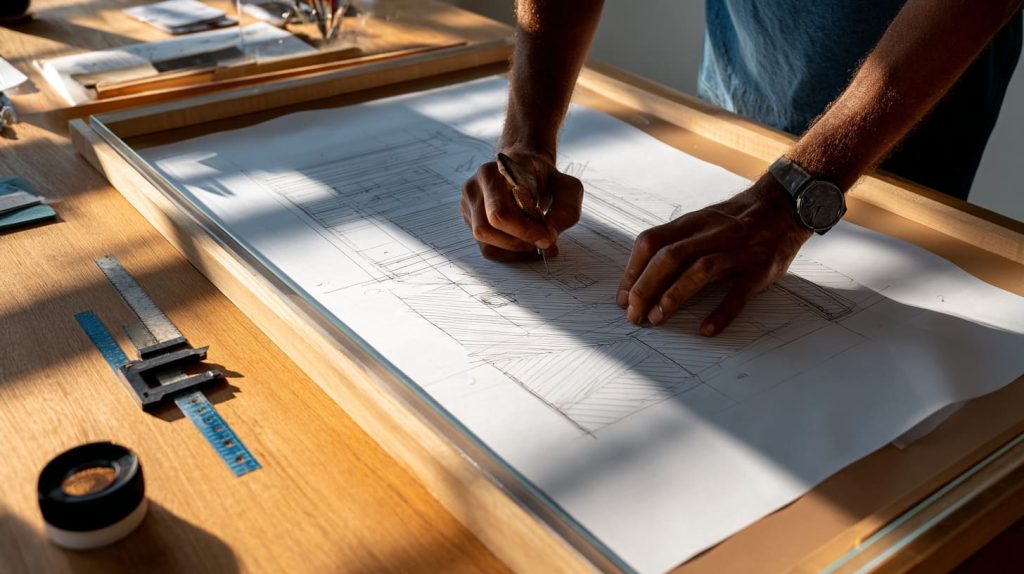
Materials are not all equal. What you pick determines durability, feel, and performance.
Material Properties and Suitability
Here’s a simple view of things I check:
- Strength – Will the part break under force?
- Durability – Will it last under use?
- Weight – Does weight matter?
- Finish – Is surface smooth or textured?
In one project for a retail display, acrylic clarity made a huge difference. Ordinary plastic just didn’t match the brand look.
Considering Cost vs. Performance
You and I both know budgets are real. Here’s how I balance:
| Material Option | Performance | Cost Tier |
|---|---|---|
| Premium acrylic | High | High |
| Standard acrylic | Medium | Medium |
| ABS or PVC | Basic | Low |
I always ask fabricators for feedback. They often suggest right-sized materials that meet performance without overspending.
Enough about choosing materials. Let’s talk about design itself.
There’s a big trap here: design that looks good on paper but is hard to make. I’ve learned this the hard way.
3.Optimizing Design for Fabrication
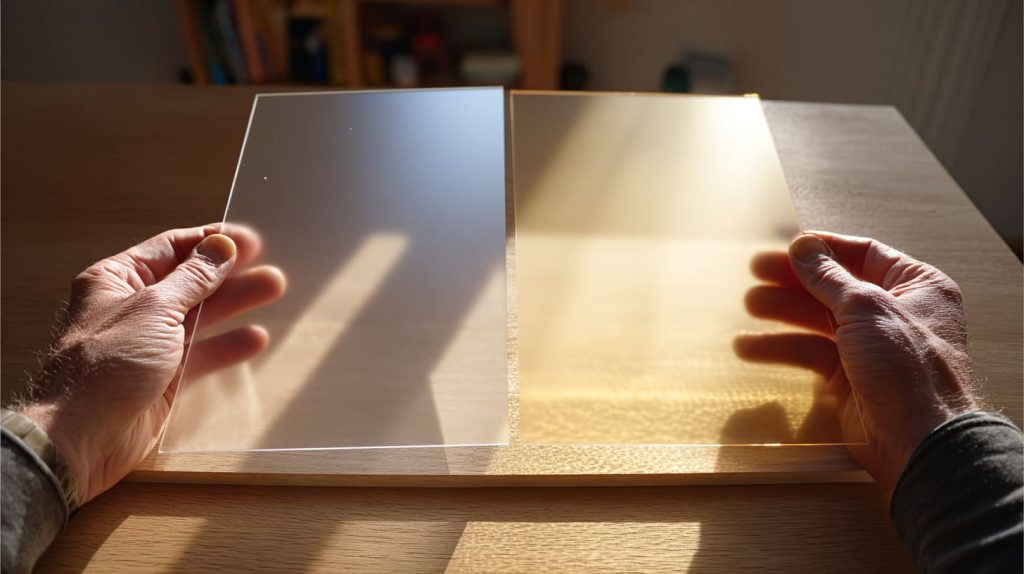
Great design isn’t just about looks. It’s about making it easy to build.
Simplify Designs to Reduce Complexity
Complex lines and tight curves might look nice. But they slow production and add cost. Simple shapes often perform better and cost less.
Ask yourself:
- What is essential?
- What can we remove without losing function?
When I simplify designs, I save time and money.
Prototype Before Full Production
Nothing beats a physical prototype.
- You feel how it fits.
- You see how it performs.
- You catch problems early.
A sample can save days of correction later.
Design, test, review. Then build.
Ready to work with fabricators? Let’s make that experience smooth.
Let me share how I approach communication the right way.
4.Working Successfully with Fabricators
I’ve learned that fab partners are teammates, not vendors. Conversations matter.
Communicate Clearly and Early
Start talking before you send files.
Good communication includes:
- Full design files
- Revision history
- Clear deadlines
I always set up a shared folder or tracker. It keeps everyone on the same page.
Ask for Expertise and Feedback
Your fabricator’s experience is gold. Ask:
- Can this design be improved?
- Are there better ways to make it?
- Are tolerances realistic?
Their input often saves cost and time.
When communication flows, delivery improves.
Now that you have a team approach, timelines matter. Let’s plan that next.
5.Project Planning and Timeline Management
Timelines can make or break a project.
Set Realistic Lead Times
Count all stages:
- Design
- Tooling
- Fabrication
- Finishing
- Shipping
Then add a buffer.
Things happen. Always expect small delays. It’s not pessimism. It’s preparation.
Milestones and Checkpoints
Break your project into steps:
- Design sign-off
- Prototype delivery
- Mid-production review
- Final approval
Check in regularly. I like weekly updates, even if nothing changes.
Good rhythm keeps stress low.
Speaking of rhythm, money talk can be tense. Let’s tackle budget next.
6.Quoting and Budget Considerations

Money talks require clarity.
Request Detailed Quotes
Ask for a breakdown like this:
| Cost Element | Example Item |
|---|---|
| Material | Acrylic sheet costs |
| Labor | Cutting and assembly hours |
| Finishing | Polishing or painting |
| Inspection | QA checks |
This helps you see where money goes.
Compare Multiple Options
Get multiple quotes. Not to play tricks, but to understand real market rates.
If one quote is far off, ask why.
Quotes teach you value, not just price.
Great. Now you know the cost. Let’s make sure quality stays high.
7.Quality Assurance and Inspection
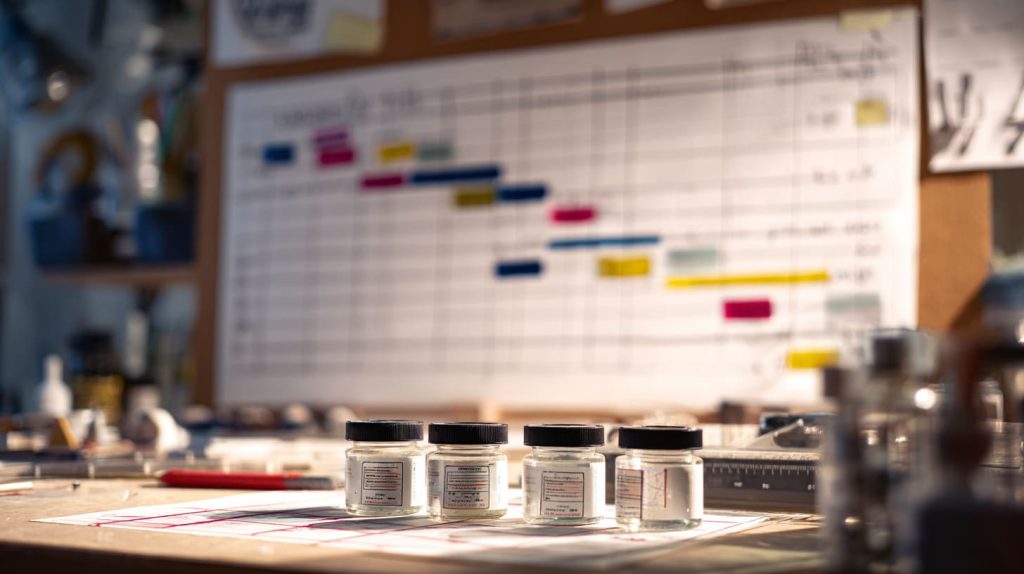
Quality isn’t a checkbox. It’s a standard.
Define QA Standards Upfront
Tell your fabricator:
- What tolerances are acceptable?
- What surface quality do you want?
- What tests must pass?
Put it in writing. Clarity avoids arguments.
In-Process and Final Inspections
Don’t wait until the end.
- Check parts mid-production
- Send photos or videos
- Approve before full run
This keeps issues small and fixable.
Once quality is locked, tech tools help next.
8.Efficient Use of Technology
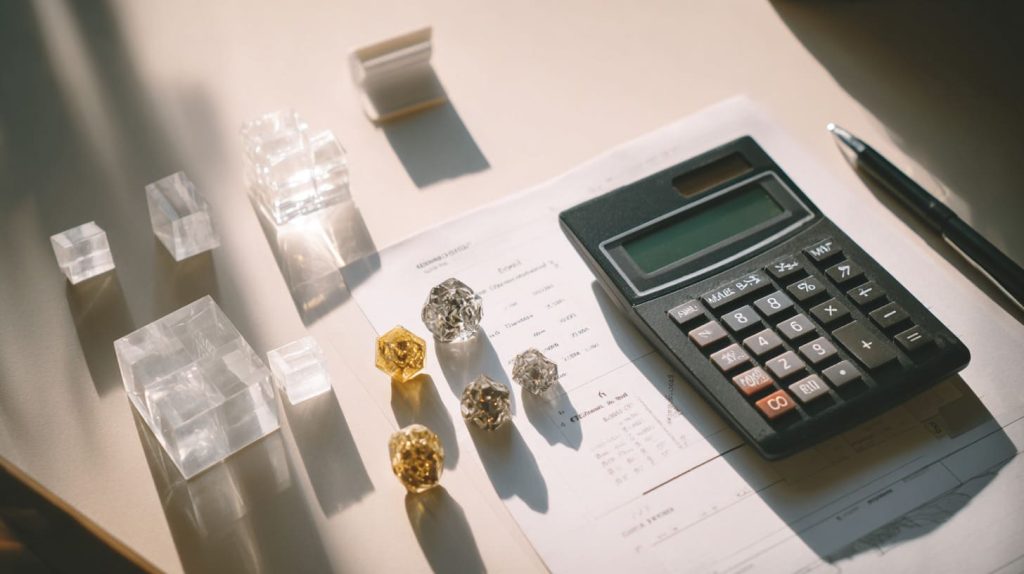
Digital tools are your friends.
Embrace Digital Design Tools
CAD and CAM let you:
- Share exact shapes
- Reduce errors
- Preview assemblies
I always export PDFs and native files so nothing is lost in translation.
Automate Where Possible
CNC, laser, and other machines deliver precision. They reduce waste and speed work. When you and your fabricator use the same digital language, magic happens.
Now, let’s talk finishes. They make a part feel done.
9.Finishing and Secondary Processes
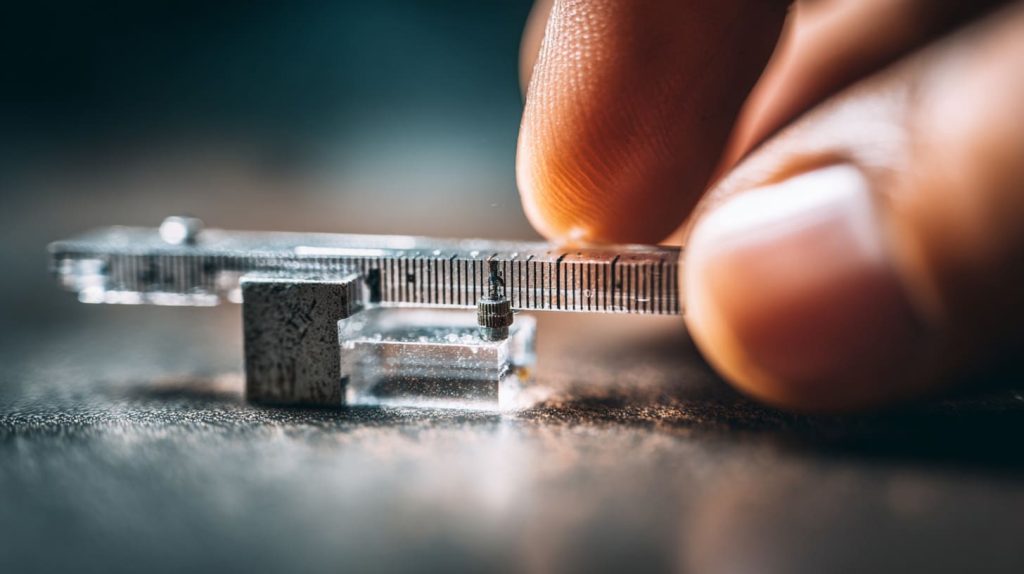
This is where parts start to look real.
Selecting Suitable Finishes
Look at both function and looks:
- Powder coat for protection
- Anodize for color
- Polish for clarity
Here’s a simple view:
| Finish Type | Looks Like | Use Case |
|---|---|---|
| Polish | Smooth, glossy | Displays & signs |
| Painted | Colored surface | Branding parts |
| Textured | Matte or grip | Functional components |
Budgeting for Secondary Work
Finish costs add up. Plan for them early. Packing and transport matter too. You don’t want scratches when parts arrive.
Now that looks are set, let’s be mindful and efficient.
10.Sustainable and Cost‑Effective Practices
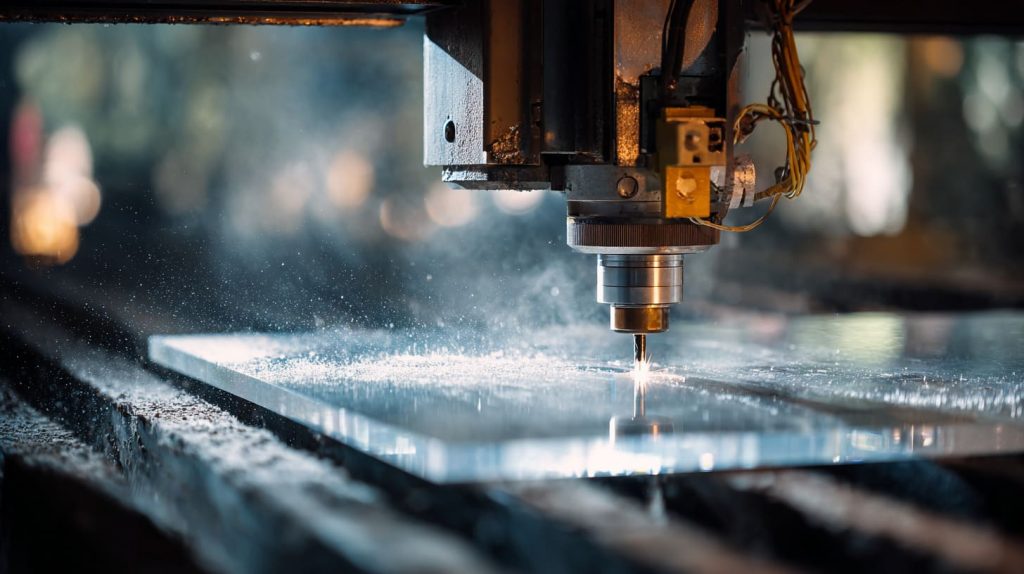
Doing things smart saves money and waste.
Reduce Material Waste
Good planning can cut waste. Try:
- Better nesting layouts
- Reuse or recycle scraps
I once saved 15% material cost by nesting smarter.
Lean Principles and Efficiency
Ask:
- What step adds no value?
- Can we do it faster, simpler?
Standardizing workflows makes work pleasant.
Then there are the inevitable bumps. Let’s handle those next.
11.Handling Issues and Revisions
No project is perfect. But problems can be small.
Plan for Design Changes
Changes should follow a process:
- Request revision
- Assess cost impact
- Approve timeline change
This keeps everyone calm.
Troubleshoot Production Problems
If a part fails inspection:
- Track the issue
- Discuss with fabricator
- Fix and retest
Troubleshooting together builds trust.
We’re almost at the end. Let’s wrap up.
Conclusion

Custom fabrication doesn’t have to feel risky or confusing. When you plan well, communicate clearly, and treat your partner as a teammate, the whole process becomes better.
Remember:
- Be clear from the start.
- Ask questions early.
- Plan for small bumps.
You’re not just making parts. You’re building confidence, quality, and trust.
I hope these tips help you in your next project. If you need help with custom acrylic fabrication, I’m always glad to chat at flacrylic.com.