Skip to content

A client once asked me if we could “glass engrave” her logo on a sample.
The catch? She was holding a piece of acrylic.
Acrylic is considered a plastic because it’s a synthetic polymer made from petrochemicals, specifically polymethyl methacrylate (PMMA), and behaves like other thermoplastics.
That quick mix-up wasn’t unusual. In fact, it happens all the time—especially in custom projects where clarity and weight matter. And it’s exactly why this question keeps surfacing.
What are the disadvantages of using acrylic?
Sometimes, clients get excited about acrylic’s clarity—until reality hits.
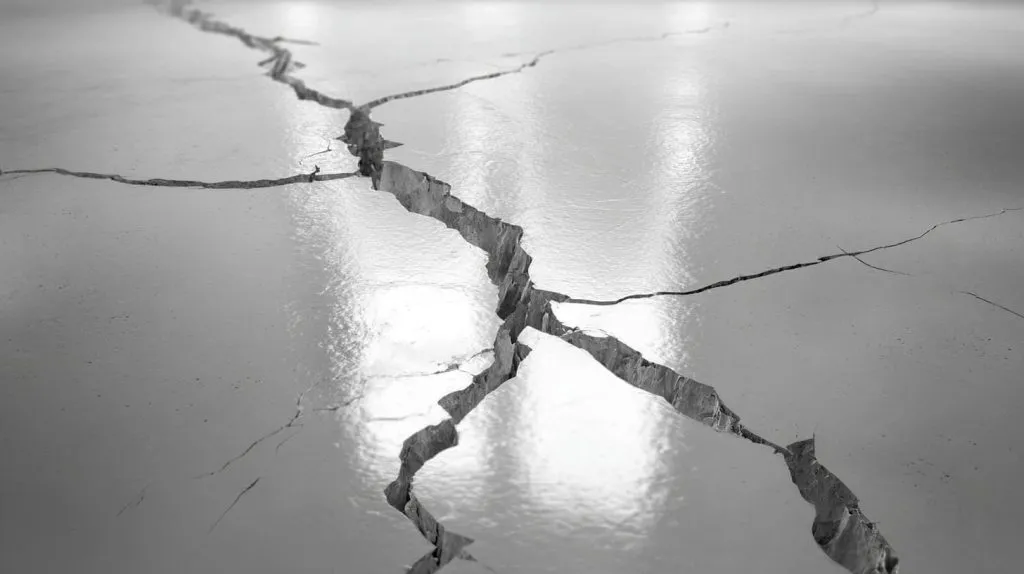
Acrylic can crack under stress, scratch more easily than glass, and warp under heat.
Fragility vs Flexibility
Unlike polycarbonate, acrylic lacks impact resistance. Drop it, and it might shatter—not catastrophically, but enough to ruin a piece. That’s why I always suggest careful packaging.
Heat Sensitivity
At around 160°C, it starts to soften. That’s great for molding, but not so great near heat sources like halogen lights or industrial machinery.
Surface Vulnerability
It scratches more easily than tempered glass. You can polish those out, sure—but it adds to labor cost.
| Property | Acrylic | Glass | Polycarbonate |
|---|---|---|---|
| Impact Resistance | Low | Medium | High |
| Heat Resistance | Low | High | Medium |
| Scratch Resistance | Medium | High | Low |
How do I know if something is acrylic or plastic?
I’ve had clients send samples thinking it’s glass—until we tested it.
You can identify acrylic by its clarity, light weight, and clean burn test which leaves no black smoke.
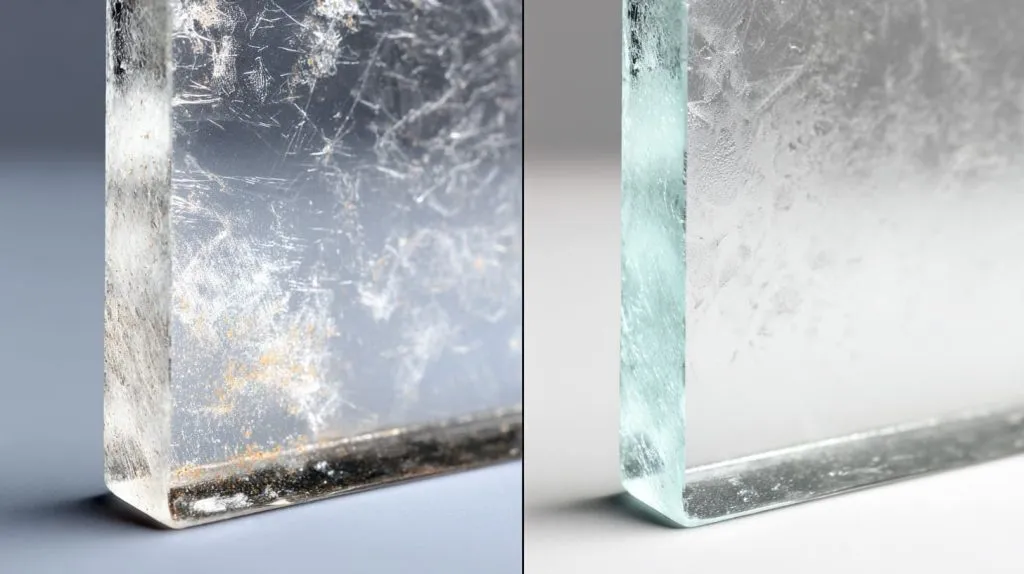
Simple Tests I Use at the Workshop
- Tap test: Acrylic sounds softer, less brittle than glass.
- Burn test: A small shaving of acrylic burns with a blue flame and fruity odor.
- Scratch test: Try a fingernail—acrylic will mark lightly, polycarbonate is tougher.
It’s subtle, but after years in this business, my fingers know instantly.
Is acrylic environmentally friendly?
This question comes up more and more—and rightly so.
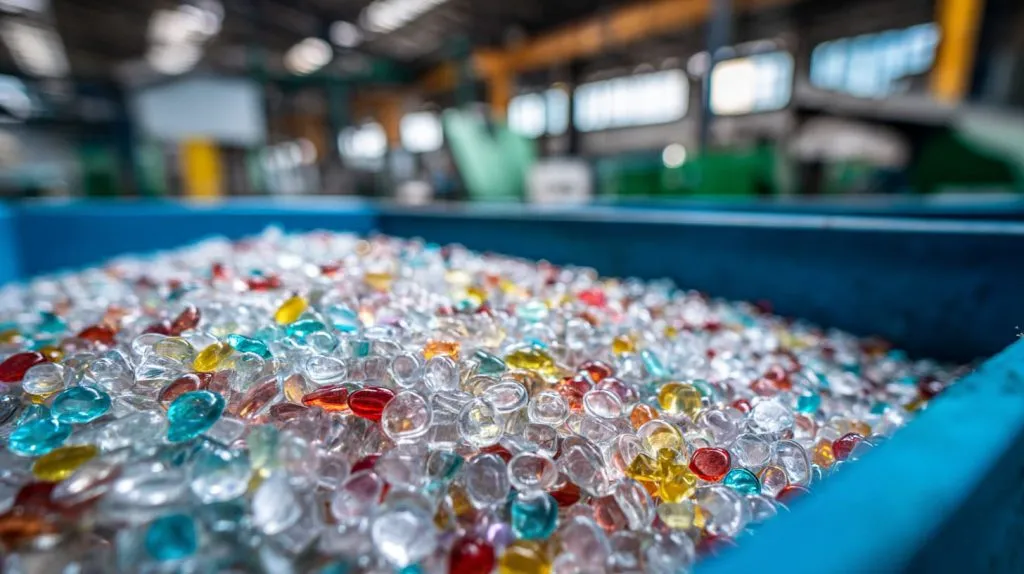
Acrylic is not biodegradable but can be recycled and reused in many applications.

The Green Truth
Acrylic doesn’t break down naturally, but it doesn’t release toxins like PVC either. It’s more eco-responsible when reused or repurposed. At our factory, we collect offcuts for remelting into less critical parts.
What is acrylic made of and how is it classified as plastic?
To answer this, I had to go back to the basics—chemistry class flashbacks included.
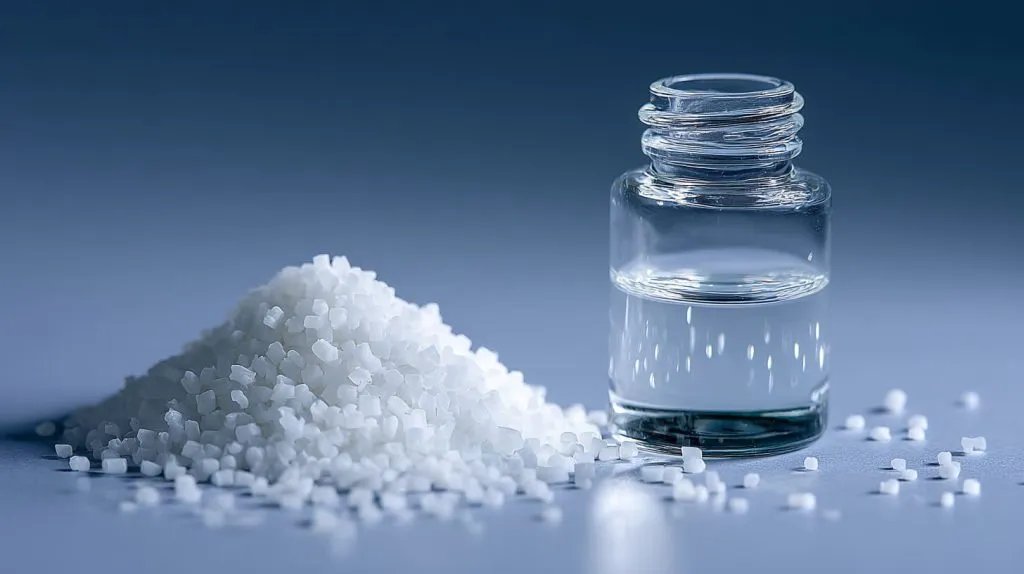
Acrylic is made from polymethyl methacrylate (PMMA), a synthetic resin formed by polymerizing methyl methacrylate.
Why It’s a Plastic
Because it shares core traits with plastics:
- Derived from petrochemicals
- Moldable when heated
- Re-solidifies upon cooling
- Can be extruded, injected, CNC-machined
That’s the textbook plastic behavior right there.
How does acrylic differ from other plastics like polycarbonate or PVC?
Buyers often confuse them because they “look clear.” But the story’s deeper.
Acrylic offers better clarity and UV resistance, while polycarbonate is stronger and PVC is more chemical-resistant.
Side-by-side Comparison
| Feature | Acrylic | Polycarbonate | PVC |
|---|---|---|---|
| Clarity | Excellent | Good | Low |
| Impact Resistance | Moderate | Very High | Moderate |
| UV Resistance | High | Moderate | Poor |
| Flexibility | Low | High | Medium |
| Recyclability | Moderate | Limited | Difficult |
Each plastic has a role—but for displays and premium look? Acrylic wins hearts.
Is acrylic a thermoplastic or thermosetting material?
This one trips people up.
Acrylic is a thermoplastic—it softens when heated and hardens when cooled.
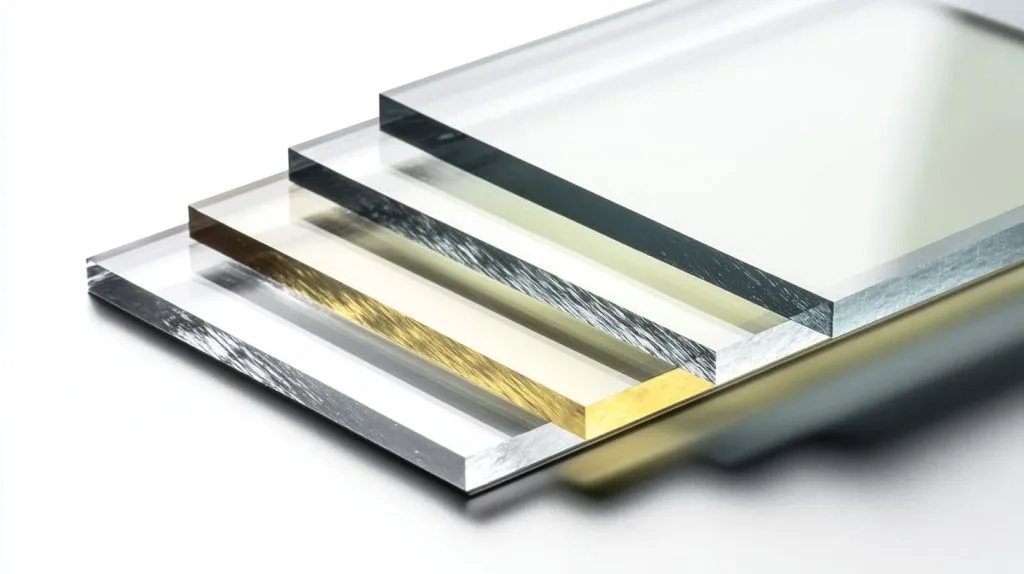
Thermoplastic Behavior
That’s what allows us to laser cut, bend, and CNC acrylic. Thermosets, like epoxy, don’t get second chances. Acrylic does.
Why do manufacturers prefer acrylic over glass or other plastics?
For me, it’s always been about design freedom.
Acrylic combines optical clarity with design flexibility, lower weight, and safer breakage than glass.
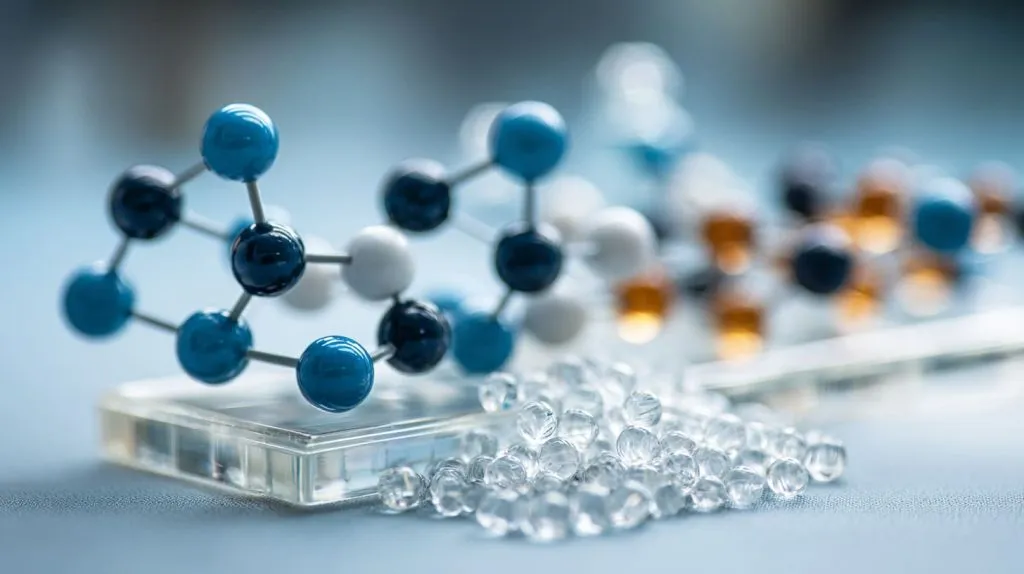
It’s Not Just “Cheaper Glass”
It’s easier to cut. Ships lighter. Safer to handle. And if you’re designing custom cosmetic displays, the polishability is unmatched.
What are the chemical properties that make acrylic a plastic?
Let’s geek out a bit.
Acrylic is formed by polymer chains of MMA, with properties like low reactivity, transparency, and moldability.
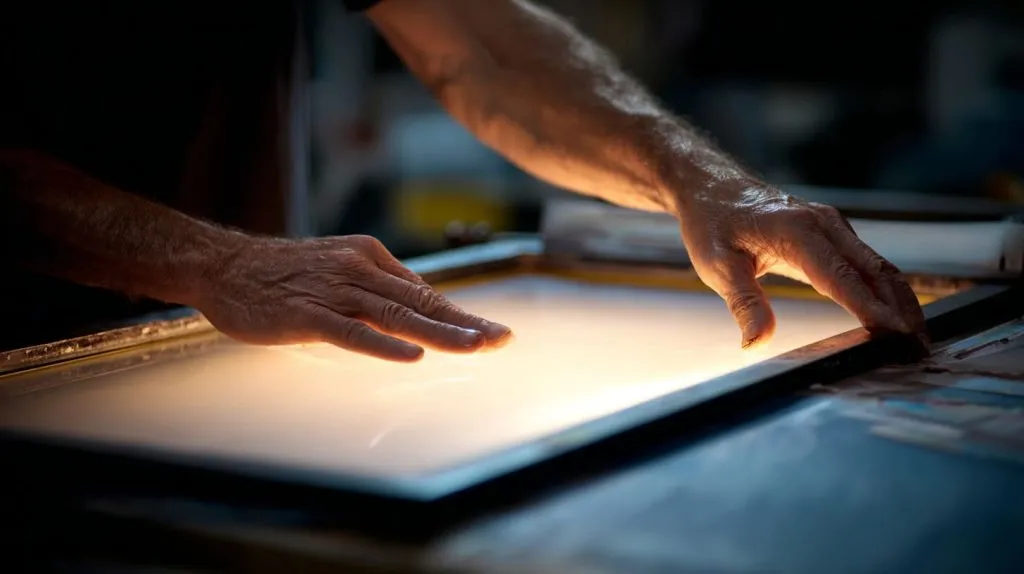
Key Chemical Traits
- Molecular structure: long chains of PMMA
- Melting point: 160°C
- Density: 1.18 g/cm³
- Hydrophobic surface
In short, it walks, talks, and behaves like a plastic—even though it feels like glass.
Can acrylic be recycled like other common plastics?
That depends on the setup.
Yes, acrylic (PMMA) can be recycled, though it requires industrial processes not always available in every region.

Mechanical vs Chemical Recycling
We mostly use mechanical methods—grinding and remolding. Some facilities can depolymerize PMMA back into MMA monomers.
But most cities don’t take acrylic in household recycling. Ask your local plant.
Is acrylic more eco-friendly than other plastic alternatives?
That’s a loaded question—but I get it all the time.
Acrylic is more stable and reusable than PVC, but less green than biodegradable bioplastics.
My Honest Take
If you care about durability, clarity, and reuse, acrylic is a responsible choice. But it’s not compostable. It’s about balancing lifespan with footprint.
How does acrylic compare to polycarbonate in strength and clarity?
It’s the classic cage match in the signage world.
Acrylic has better clarity, but polycarbonate is much tougher against impact.
When I Recommend One Over the Other
| Use Case | Go with Acrylic | Go with Polycarbonate |
|---|---|---|
| Indoor display | ✅ | |
| Outdoor with sunlight | ✅ | ✅ (UV-coated) |
| Impact-prone zones | ✅ | |
| Clear beauty needed | ✅ |
What are the pros and cons of using acrylic in product design?
Every material brings trade-offs. Here’s what I tell designers:
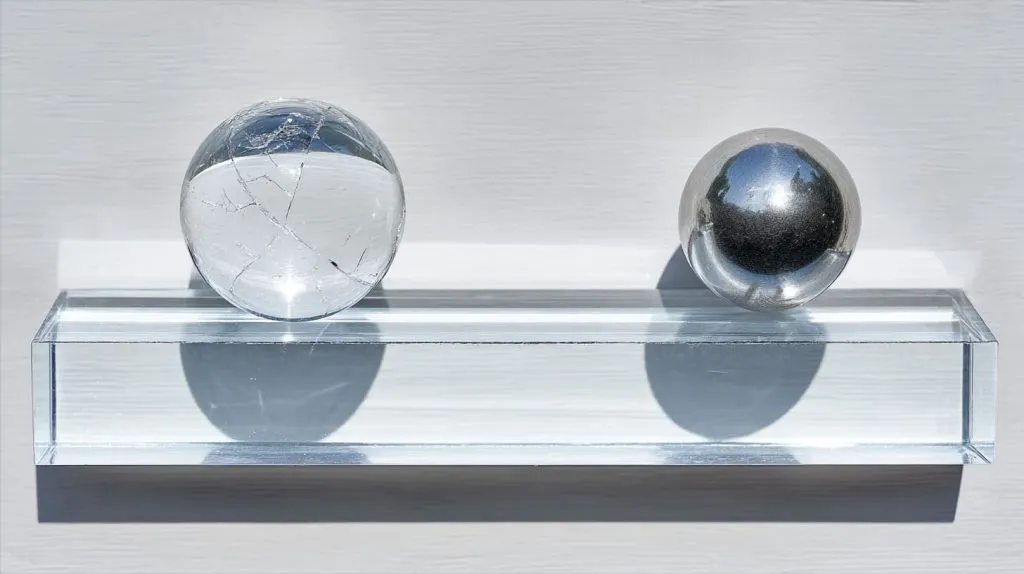
Acrylic shines in aesthetics and flexibility but requires care in structural applications.
Quick Pros & Cons List
Pros
- Lightweight
- Highly transparent
- Easy to shape and finish
- Professional appearance
Cons
- Brittle under stress
- Scratches more easily
- Sensitive to heat
Designing with acrylic is like working with tempered elegance.
Is PMMA the same as acrylic, and why is it used so often?
Let’s clear this up once and for all.
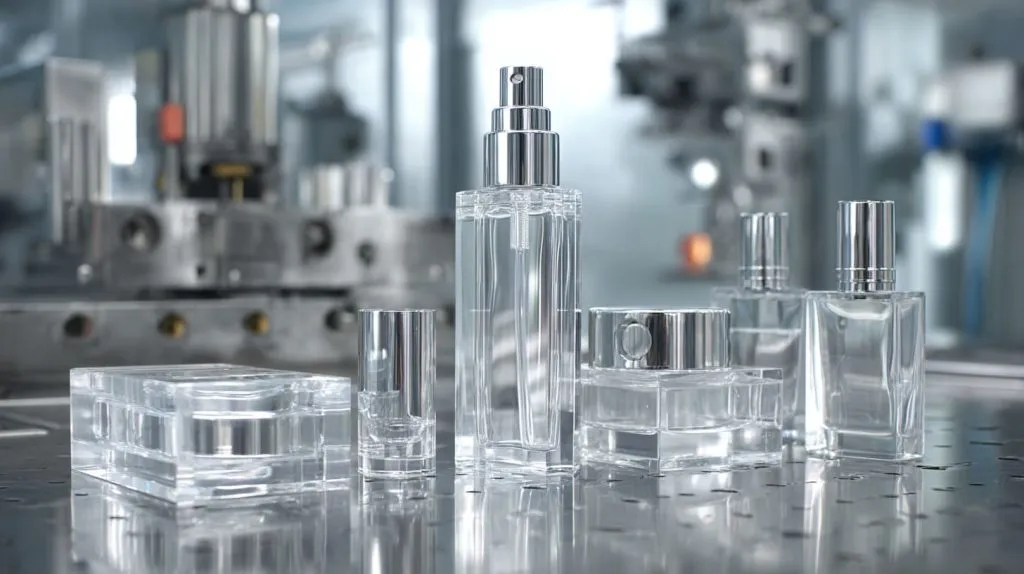
Yes, PMMA is the chemical name for acrylic—it’s the same thing.
Why Everyone Loves PMMA
Because it delivers:
- Glass-like clarity
- Lightweight handling
- Safe breakage behavior
- Consistency in molding
From cosmetics to architecture, PMMA has become the designer’s secret weapon.
Conclusion
Acrylic isn’t just “plastic.” It’s a thoughtful balance of form, function, and finish that’s earned its place in design—and in my workshop.