Skip to content
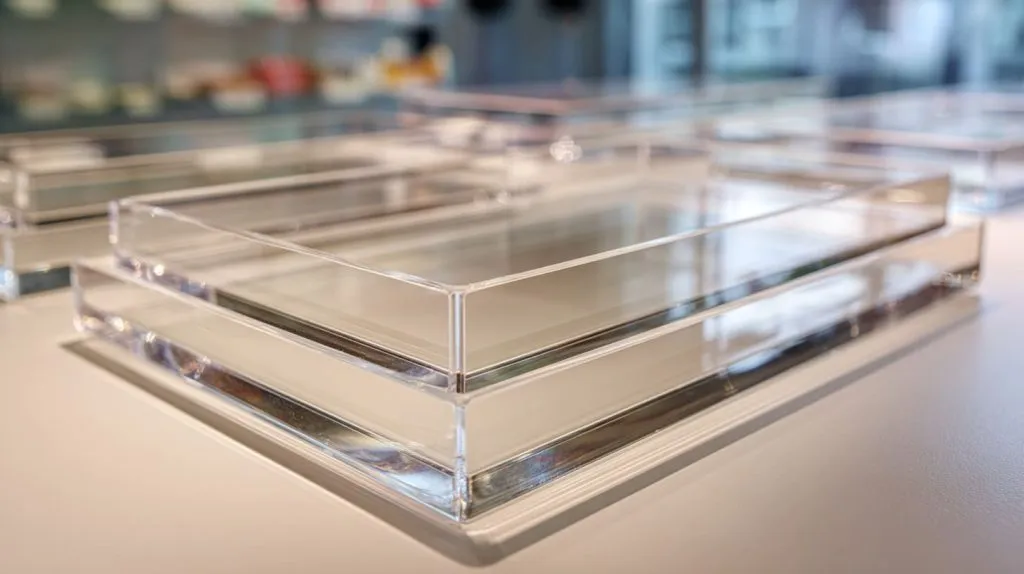
Acrylic trays always look flawless when they leave the factory. Flat. Clear. Sharp edges. No marks.
Then they arrive in a real store. One month later, I get the email.
“Why do they scratch so fast?”
This question often comes from people like Jacky in Canada. Not beginners. Not hobby buyers. People who already know acrylic. People who have walked factory floors in China and signed off on samples with confidence.
What I have learned after years in custom acrylic is simple: scratching is not just a material issue. It is a system issue. Design, use, cleaning, storage, staff behavior, and even store dust all play a role.
One thing I always remind buyers of is this: if a tray looks perfect only in a box, it is not finished for retail yet.
And once you see scratching as a system problem, the fixes become much clearer.
What Makes Acrylic Trays Prone to Scratching in Retail Environments?
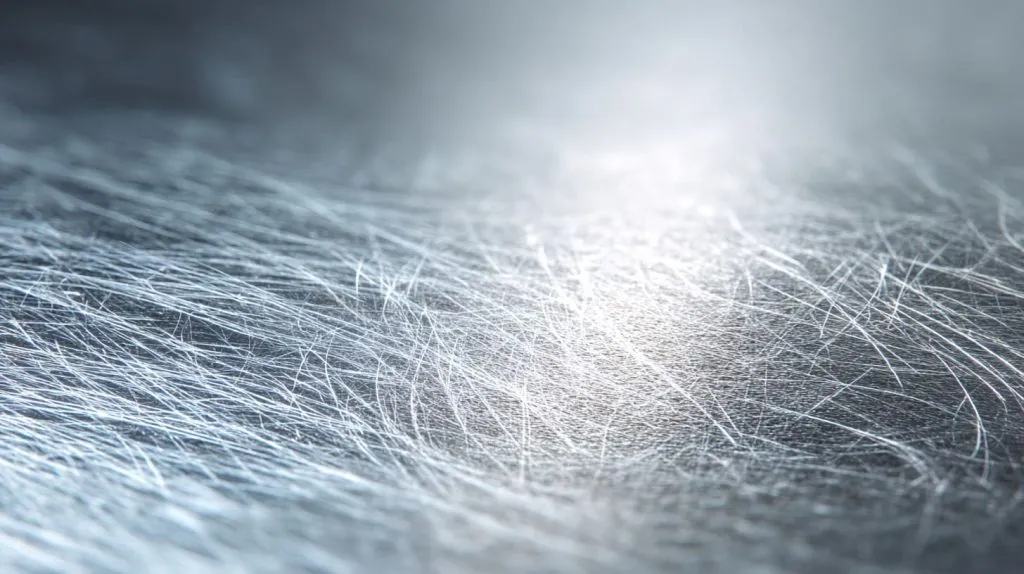
Acrylic is not weak. But it is honest. It shows everything you do to it.
The first mistake many people make is assuming all clear plastics behave the same. They don’t.
The natural surface hardness of acrylic (PMMA)
PMMA sits in an uncomfortable middle zone. It is harder than many plastics, but much softer than glass or metal.
That means:
- It resists impact well
- It resists cracking well
- It does not resist surface abrasion well
Here is a simple comparison I often use with buyers:
| Material | Impact Resistance | Scratch Resistance | Visual Clarity |
|---|---|---|---|
| Acrylic (PMMA) | Medium | Low–Medium | Very High |
| Polycarbonate | Very High | Low | High |
| Glass | Low | Very High | Very High |
What usually surprises buyers is this: a material can be strong and still scratch easily.
Why high transparency also means visible scratches
High clarity is a double-edged blade. Acrylic transmits light cleanly. That same light highlights surface damage.
A shallow scratch that would disappear on a matte surface becomes obvious on a clear tray under store lighting.
I judge transparency this way: the clearer the tray, the less forgiveness it has for daily abuse.
Difference between cast acrylic and extruded acrylic surfaces
Cast acrylic has a denser surface. Extruded acrylic is cheaper and softer.
| Property | Cast Acrylic | Extruded Acrylic |
|---|---|---|
| Surface hardness | Higher | Lower |
| Cost | Higher | Lower |
| Scratch visibility | Slightly lower | Higher |
| Consistency | Very stable | Good but thinner tolerance |
When cost pressure pushes buyers to extruded acrylic, scratches appear faster. Not because the factory failed—but because physics won.
Before we move on, I usually pause here with clients and ask a quiet question: are we optimizing for cost, or for shelf life?
Where Do Scratches Actually Come From in Stores?
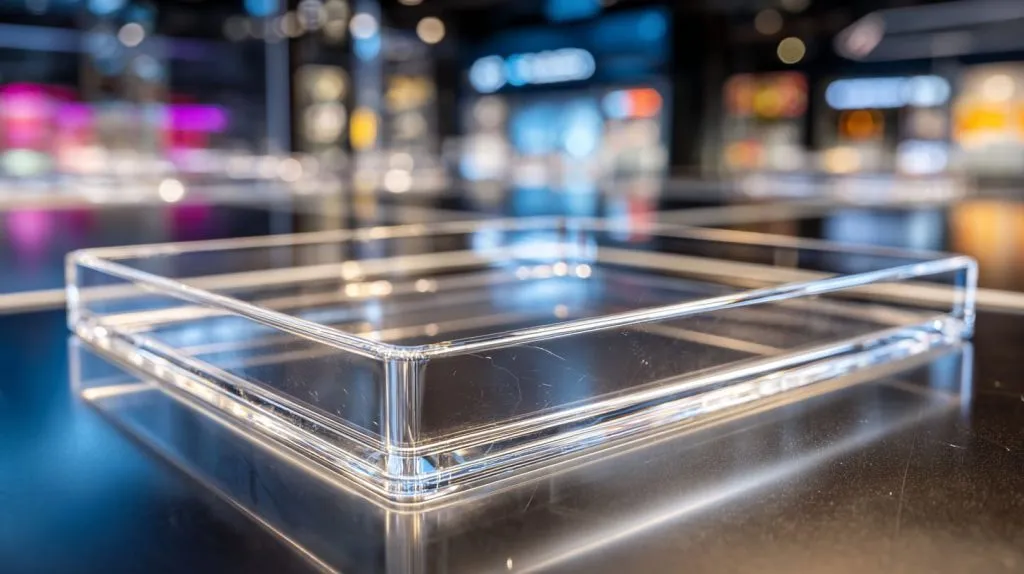
Scratches rarely come from dramatic accidents. They come from boring routines.
Daily product loading and unloading friction
Every time a product slides in or out, friction happens. Multiply that by hundreds of cycles.
Cosmetic bottles. Boxes. Metal caps. Square edges. All moving against a flat acrylic surface.
Contact with packaging edges, metal parts, and hard cosmetics
Many cosmetic packages look soft. They are not.
I once inspected a tray that scratched badly in two weeks. The cause was metalized bottle bottoms. No one noticed them during design.
Cleaning habits that silently damage surfaces
This is a big one.
Common damage sources:
- Paper towels
- Dry wiping
- Alcohol-heavy cleaners
- Microfiber used when dusty
| Cleaning Method | Long-Term Result |
|---|---|
| Dry wipe | Micro scratches |
| Wet microfiber | Best option |
| Paper towel | Surface haze |
| Strong solvent | Permanent damage |
This is where I often see well-meaning staff doing the most harm.
Staff handling vs customer interaction
Customers touch lightly. Staff move fast.
Most scratches happen:
- During restocking
- During end-of-day cleaning
- During shelf resets
The irony is painful: maintenance causes more damage than customers.
Once buyers understand this, they stop blaming the tray alone and start fixing the process.
Why Store Conditions Accelerate Acrylic Scratching
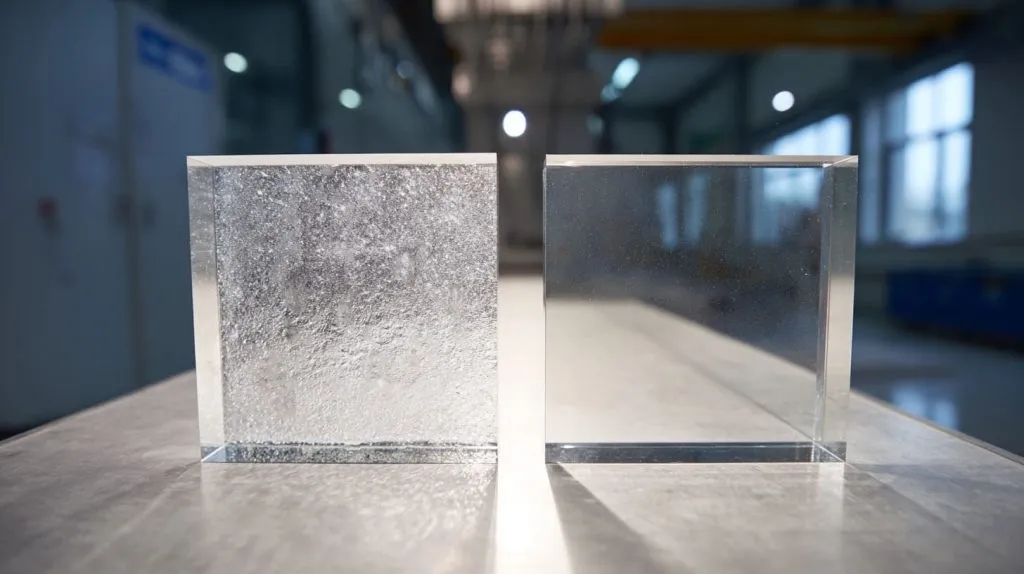
Factories are clean. Stores are not.
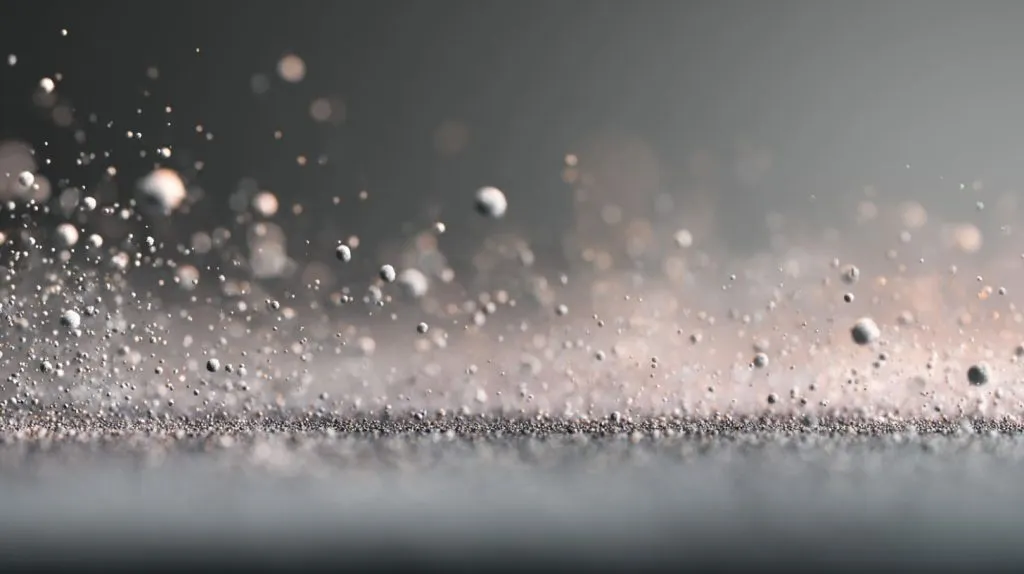
Dust is not soft. It often contains:
- Silica
- Sand
- Skin particles
- Packaging debris
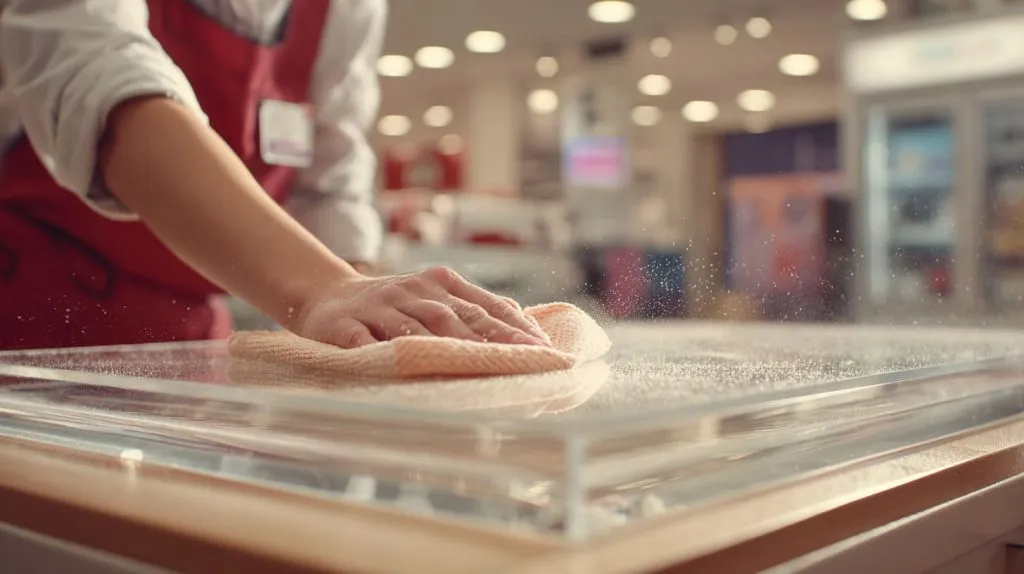
When you wipe dust across acrylic, you are dragging sandpaper.
High-traffic retail layouts and repeated tray movement
Trays near checkout move more. Trays near mirrors move more. More movement means more abrasion.
Vibration and sliding on shelves or counters
Even vibration matters. A tray vibrating against laminate or stone slowly marks itself.
What I pay attention to here is not the tray alone, but what it sits on. Acrylic always loses that fight.
This realization naturally leads to design changes.
Design Choices That Increase or Reduce Scratching Risk
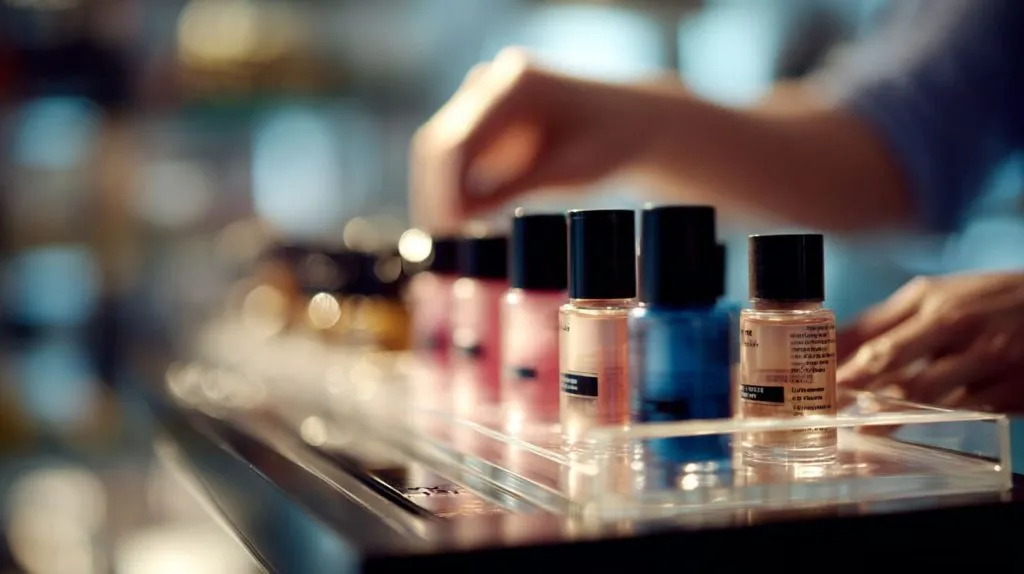
Design decisions lock in future damage patterns.
Tray thickness and rigidity
Thin trays flex. Flexing causes micro movement. Micro movement causes scratches.
| Thickness | Behavior |
|---|---|
| ≤3 mm | Flexes, scratches faster |
| 4–5 mm | Balanced |
| ≥6 mm | Stable, better lifespan |
Sharp internal corners vs rounded edges
Sharp corners trap dust. Rounded corners allow cleaning without grinding debris into edges.
Flat bottoms vs feet, pads, or raised structures
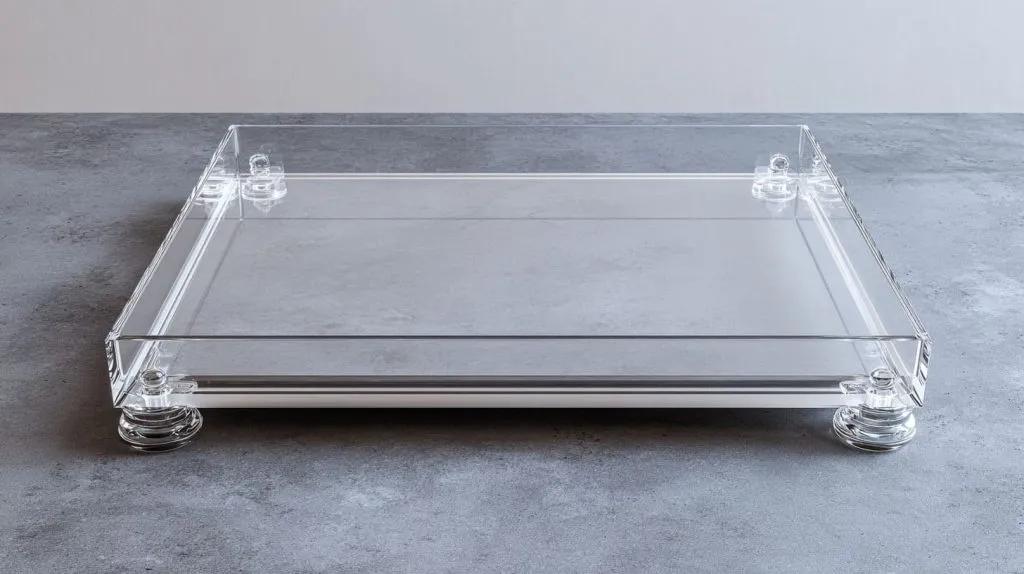
Flat bottoms slide. Feet stay still.
Even 1–2 mm pads reduce abrasion dramatically.
Stackable designs and scratch transfer issues
Stackable trays look efficient. They are dangerous.
If one tray scratches, it transfers damage to the next.
When I review stackable designs, I always ask: how do these parts touch when stressed, not when aligned?
Material and Surface Treatment Options to Reduce Scratches
There is no magic coating. Only trade-offs.
Cast acrylic vs extruded acrylic in real retail use
Cast acrylic buys time. It does not eliminate scratches.
Polished vs flame-polished vs diamond-polished edges
Edges matter less than faces, but buyers notice edge haze first.
| Edge Type | Look | Durability |
|---|---|---|
| Flame polished | Clear | Medium |
| Diamond polished | Very clear | High |
| Machine polished | Acceptable | Medium |
Anti-scratch coatings: what works and what doesn’t
Most coatings:
- Add cost
- Reduce clarity
- Wear unevenly
I rarely recommend them unless the client accepts visual change.
Matte, frosted, and textured finishes as visual strategies
Texture hides damage.
A frosted tray scratches just as easily—but you don’t see it screaming under LED lights.
This is where design psychology beats material science.
Operational Mistakes That Cause Premature Scratching
Some mistakes happen before the tray ever reaches a store.
Removing protective film too early
Film protects against dust. Remove it at the last possible moment.
Improper storage before store installation
Loose stacking. No separators. Dust exposure. Damage begins here.
Using generic cleaning chemicals and rough cloths
“Multi-surface cleaner” is often acrylic’s enemy.
Mixing acrylic trays with metal or glass fixtures
Hard materials always win.
I usually tell buyers this bluntly: acrylic should never be the lowest hardness material in direct contact.
How Retail Buyers Can Prevent Scratches in Daily Use
Prevention is boring. It works.
Proper cleaning tools and routines
- Wet microfiber
- Light pressure
- Clean water first, cleaner second
Shelf liners, pads, and invisible buffers
Small silicone dots save thousands of dollars.
Staff training and simple handling rules
One short rule helps: never slide, always lift.
When to replace vs re-polish trays
Polishing restores clarity but thins material. Replacement is sometimes cheaper long term.
My rule here is emotional as much as technical: once a tray looks tired, the brand looks tired.
How to Specify Scratch-Resistant Acrylic Trays When Ordering
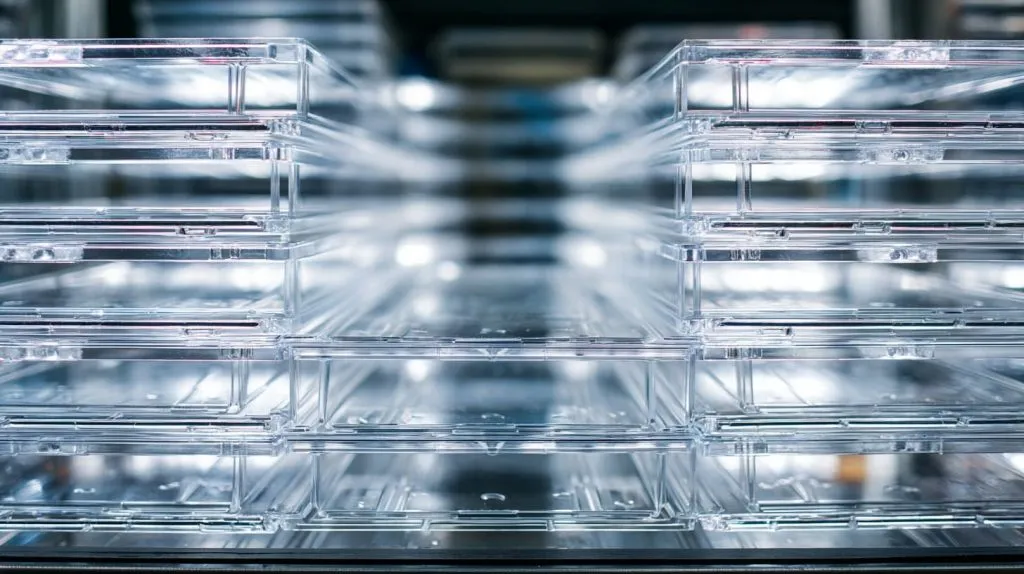
Specifications decide outcomes months later.
Key questions to ask the factory before production
- Cast or extruded?
- Thickness tolerance?
- Bottom protection options?
Surface finish and material grade confirmation
Never assume. Always confirm in writing.
Sample testing in real store conditions
Desk tests lie. Store tests tell the truth.
Tolerance expectations: what “scratch-resistant” really means
No acrylic is scratch-proof.
When I approve specs, I ask myself one thing: how bad will this look after six months, not six days?
Conclusion
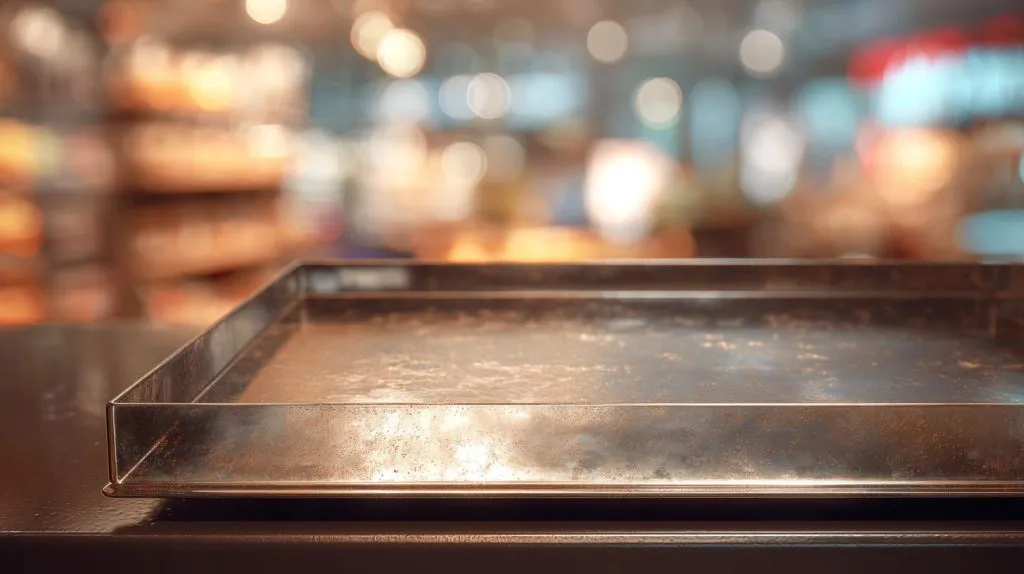
I care about scratches because they show how a product lives, not how it ships.
Over time, I stopped chasing perfect surfaces. I started chasing predictable aging. That shift changed how I design, how I quote, and how I advise buyers like Jacky.
Scratching is normal. Fast scratching is not.
The balance always sits between clarity, cost, and lifespan. Every project chooses where it lands. My job is to make that choice visible before production starts.
If you are planning a new acrylic tray project and want fewer surprises six months after launch, I am always happy to talk through design, material, and use conditions—before scratches write the story for you.