Blog
The Hidden Risks of Clear Plastics in Food Design
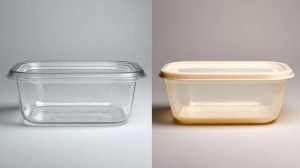
A buyer once sent me a neat drawing for a clear food lid. It looked simple. Smooth edges. Nice transparency. Then the last message landed

A buyer once sent me a neat drawing for a clear food lid. It looked simple. Smooth edges. Nice transparency. Then the last message landed
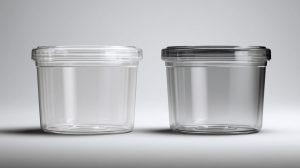
A buyer sends a clean drawing, then adds one risky line: “Use food-grade plastic.” If we guess wrong, the part may fail testing, smell weird,

Choosing the wrong plastic for signage wastes money quietly. The sign looks fine at first. Then it fades, bends, or cracks. I see buyers replace

A designer once sent me a message that looked like a quick decision. “Vincent, we’ll use the cheaper plastic. It’s only a training product.” That

I get questions about plastics from sports brands more often than people think. Not from marketing teams. From designers and buyers who already know materials

This question shows up more often than people admit. Not in textbooks. Not in meetings with big slides. It shows up in emails. Short ones.

Acrylic looks perfect on day one, and then real life shows up. Scratches, cracks, yellowing, shipping damage, and customer complaints can turn a “simple display”

Acrylic trays always look flawless when they leave the factory. Flat. Clear. Sharp edges. No marks. Then they arrive in a real store. One month

Some products speak through their packaging before they ever get used. You’re standing in a retail aisle or scrolling online, and suddenly—your hand or mouse