Skip to content
A designer once sent me a message that looked like a quick decision.
“Vincent, we’ll use the cheaper plastic. It’s only a training product.”
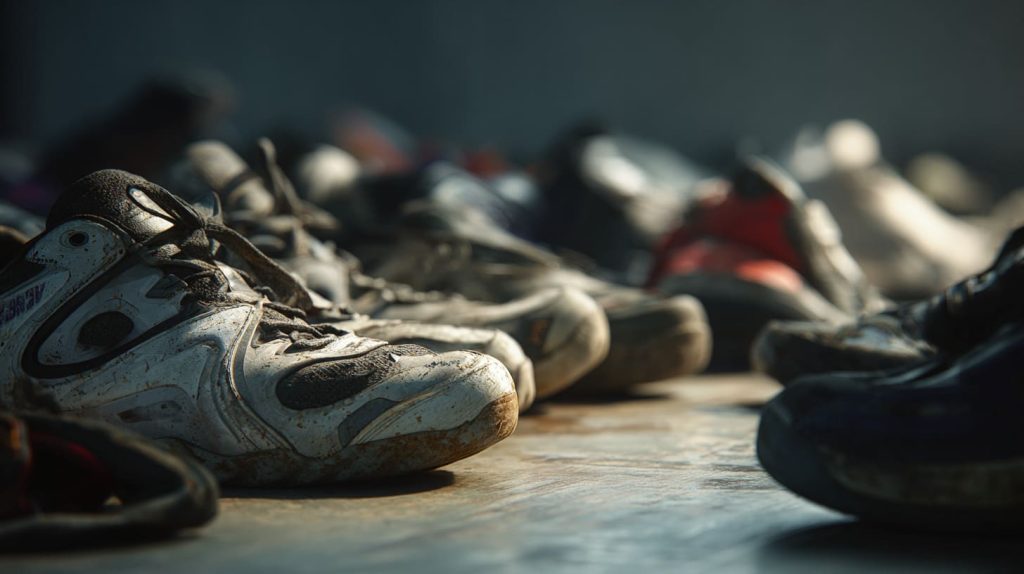
That line always makes me pause. Because I’ve seen what “only training” really means in real life. Training gear gets thrown into car trunks. It gets dragged across gym floors. It gets wiped with random cleaners. It gets used by tired hands that squeeze harder than anyone expects.
Plastic problems in sports gear rarely show up on day one. They show up after shipping. After sweat. After cold mornings. After one season of hard use.
I work with acrylic and plastics every day. Mostly for displays and retail fixtures. But the logic is the same. A clear tray that looks perfect in a sample room can look terrible in a real store after four weeks. A sports handle or shell can behave the same way. The sample passes. The product fails.
The tricky part is this: even experienced designers still make the same mistakes. Not because they are careless. Because pressure is real.
- Cost pressure pushes teams to “good enough.”
- Branding pushes teams to chase looks.
- Durability gets assumed instead of proven.
- Safety gets treated like a checkbox.
Here is what I want to do in this article: I want to walk through the most common plastic selection mistakes I keep seeing in sports gear design, and show how I personally think through them when I want fewer surprises later.
One thing I always remind myself is simple: if the material choice feels “easy,” it usually means I’m missing a real use detail.
And once you see why mistakes happen, you can start catching them early—before the tooling is cut and the complaints start.
Mistake 1: Choosing Plastic Based on Price Instead of Use Scenario
A lot of teams start the conversation like this:
“What’s the cheapest plastic that won’t break?”
That sounds practical. It is also where trouble starts.
Price is not the enemy. Blind price thinking is the enemy. Because sports gear is not one use case. A shin guard is not a helmet. A grip is not a clip. A protective shell is not a decorative cover.
Treating all plastics as interchangeable
This is the classic mistake: treating plastics like “same same, only different name.”
In the real world, plastics behave like personalities. Some are calm under impact. Some crack like glass when cold. Some scratch if you look at them too hard. Some hate UV. Some hate cleaners.
Here is a simple way I explain it to buyers like Jacky:
| Decision habit | What it causes later | What I do instead |
|---|---|---|
| “Pick the cheapest” | random failures after launch | map the use scenario first |
| “Pick what we used before” | hidden mismatch in new design | compare environment changes |
| “Pick based on color/finish” | cosmetic wins, functional loss | test surface + grip behavior |
What tends to go wrong is not the plastic itself. It’s the assumption that the part will live a gentle life.
Ignoring impact, fatigue, and wear conditions
A sports product is a wear machine. Even if it is not designed to “take impact,” the user makes it take impact.
- Repeated bending (fatigue)
- Repeated rubbing (abrasion)
- Repeated squeezing (creep + stress)
- Small impacts every day (micro-cracks)
A material can look strong in a datasheet, then get tired fast in the field.
A quick example: I’ve seen a protective plastic cover that looked fine in the first 2,000 units. Then returns started in winter. The reason was not “bad quality.” It was cold brittleness + stress corners.
My personal rule is: if the product will be used by a tired person, I assume the abuse level will be double what the design spec says.
Short-term savings vs long-term failure cost
Teams often save $0.20 per piece and then lose $5 per piece later.
Not even in refunds. In hidden costs:
- customer trust damage
- retooling
- shipping replacements
- brand reputation
Here is the trade-off table I use when the team is stuck:
| Option | Upfront cost | Risk level | Best for |
|---|---|---|---|
| Cheapest commodity plastic | low | high | low-stress decorative parts |
| Mid-grade general plastic | medium | medium | housings, non-impact covers |
| Engineering plastic | high | lower (not zero) | load, impact, long-term use |
That table is not perfect, but it forces the real question: what is failure worth?
If you’re still reading, good—because the next mistake is even more common, and it hides behind one word: “strength.”
Mistake 2: Overestimating Strength Without Considering Impact Behavior

Design teams love the word “strong.” Buyers love it too. It feels safe.
But “strong” can mean ten different things. And when people mix them up, the wrong plastic gets picked with confidence.
Static strength vs real-world impact resistance
Static strength is a lab idea: slow load, clean force, steady movement.
Real sports use is messy:
- sudden drops
- sharp hits
- twisting loads
- edge impacts
- accidental stepping
Some plastics do great under steady load but fail under impact. Others are the opposite.
I explain it like this: a plastic that wins a “push test” can still lose a “drop test.”
Here’s a quick comparison that helps people stop arguing:
| Property focus | What it really means | Why it matters in sports gear |
|---|---|---|
| Tensile strength | pulling resistance | straps, clips, thin connectors |
| Impact resistance | shock absorption | shells, guards, bump zones |
| Flexibility | bending without cracking | grips, hinges, wearable frames |
| Fatigue resistance | survives repeated cycles | parts used every day |
The mistake is picking a plastic because one number looks good, while the actual failure mode is different.
Brittle failure in cold or repeated-use environments
Cold turns many plastics into a different material. Not always, but often enough that I respect it.
If your sports gear might be used:
- outdoors in winter
- inside cold storage gyms
- early mornings in northern climates
…then brittle failure should be assumed until tested.
A small crack often starts at:
- sharp corners
- screw bosses
- thin ribs
- molded knit lines
And once it starts, the user finishes it. They won’t baby it.
When I look at a design, I usually ask myself: if this part is dropped on concrete at -10°C, where is the first crack going to start?
Common misunderstandings about “strong plastics”
These are the misunderstandings I see most:
“Hard plastic is strong.”
Hardness can mean scratch resistance. It can also mean brittle edges.“Thicker wall fixes weak plastic.”
Sometimes it helps. Sometimes it traps stress and makes cracking worse.“If it passed sample testing, it’s fine.”
Samples are polite. Real users are not.
So yes, strength matters. But the type of strength matters more.
Now let’s talk about the quiet killer that shows up months later: the environment.
Mistake 3: Ignoring Environmental Exposure (UV, Sweat, Temperature)

I’ve seen a product look perfect in the factory and turn ugly in the field without ever being “broken.”
That kind of failure is dangerous. Because nobody files a dramatic complaint. They just stop buying.
UV degradation in outdoor and training gear
If the product sees sunlight, UV is not optional. Even indoor sports gear may sit near windows, cars, or outdoor storage.
UV can cause:
- yellowing
- embrittlement
- surface chalking
- loss of impact resistance
A clear or bright-colored part makes UV damage look worse. That’s why this mistake often hits branded products hard.
Here’s a simple planning table:
| Exposure | Typical setting | What to worry about |
|---|---|---|
| High UV | outdoor training, field use | yellowing, brittleness |
| Medium UV | car storage, near windows | slow aging, fading |
| Low UV | indoor-only use | still possible over time |
The key is not guessing. It’s being honest about where the product will live.
Chemical exposure from sweat, cleaners, and skin oils
Sweat is not just water. It is salty. It is acidic. It stays in small gaps. It mixes with sunscreen and lotion.
Then staff wipe gear with whatever is available:
- alcohol wipes
- disinfectant sprays
- harsh detergents
Some plastics hate those chemicals. They get cloudy. They craze. They crack. And it looks like “bad quality” even when it’s chemistry.
This is where my decision is simple: if a part touches skin, I assume it will be cleaned aggressively at some point.
Temperature cycling and seasonal performance loss
Sports gear sees temperature cycling more than people admit.
Cold car → warm gym → cold car again.
Outdoor storage → hot trunk → cold rain.
That cycle causes:
- shrink/expand stress
- loosening fits
- creep in stressed parts
- seal failures
It also creates “seasonal complaints.” That’s why some products look fine in summer and fail in winter.
If you want fewer surprises, the environment has to be part of the spec, not an afterthought.
Next, I want to talk about a mistake that feels small but changes everything: picking a plastic that is too hard for human contact.
Mistake 4: Selecting Plastics That Are Too Hard for Human Contact
This mistake is emotional. Because it starts with a good intention.
People want gear to feel “solid.” They want it to feel premium. So they choose a hard plastic.
Then athletes start using it, and suddenly the product feels cold, slippery, and annoying.
Hardness vs comfort trade-offs
Hardness is not comfort. Often, hardness fights comfort.
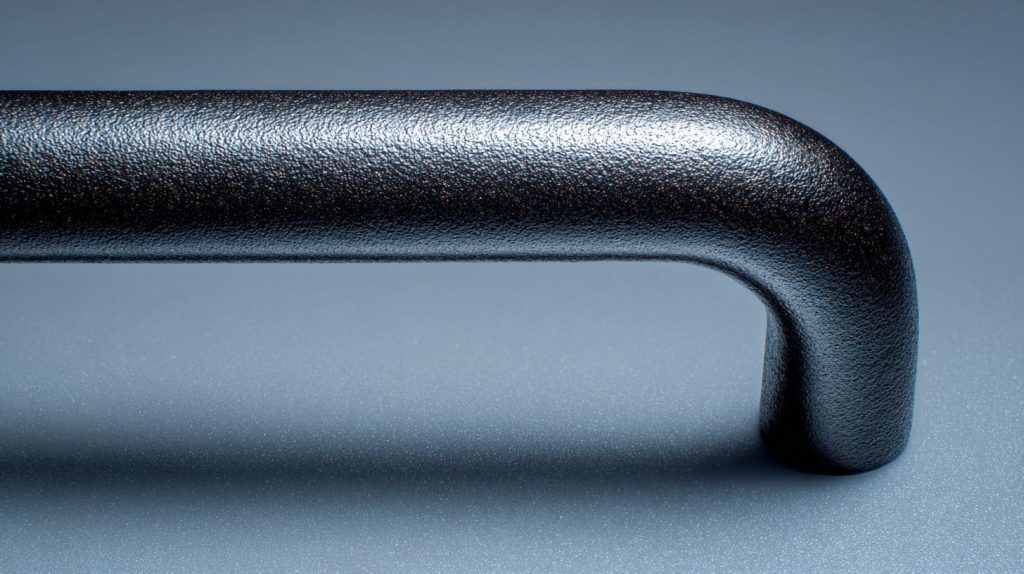
If it’s a grip, a handle, a wearable frame, or anything held for long periods, surface feel matters as much as strength.
I like to judge it like this: if I wouldn’t want to hold it for 30 minutes with sweaty hands, the user won’t either.
That’s not a lab rule. That’s human behavior.
Slippery surfaces and grip failure
Many plastics become slippery when:
- wet
- oily
- dusty
- cold
And sports gear is often all four.
A common failure path:
- Grip feels fine in dry sample test
- Athlete uses it in sweat
- Surface becomes slick
- User squeezes harder
- Part cracks earlier due to over-force
So the surface choice changes the load the part sees.
Here’s a quick grip-related checklist I use:
- surface texture (micro texture matters)
- shape (finger grooves can help or hurt)
- cleaning behavior (does texture trap dirt?)
- gloves vs bare hands (very different friction)
User injury risk caused by poor surface choice
Hard plastics also affect safety:
- sharp edges after wear
- crack splinters
- high stiffness causing pressure points
A hard edge may not hurt in a short test. It hurts after an hour.
I’ve seen brands solve this by adding overmold, adding texture, or using different plastic blends. The correct answer depends on the part and the user.
Next, we need to talk about something that fools a lot of smart teams: clear plastics.
Mistake 5: Assuming Transparency Equals Durability

Clear parts look honest. They look premium. They make the product feel “clean.”
That is exactly why teams overuse them.
The problem is simple: transparency makes flaws visible. It makes scratches louder. It makes stress lines look like damage. It makes yellowing look like aging.
A clear plastic part may look perfect on day one and then:
- show micro-scratches after one week
- cloud after cleaning
- show stress whitening around screw holes
- yellow under UV
This hits branded products hard because customers see it.
I tell buyers: if the part will be touched daily, clear plastic is a design risk, not a default choice.
Scratch visibility and optical degradation
Scratches don’t just “happen.” They get worse based on:
- dust type
- wiping cloth
- cleaning method
- storage contact points
A clear part in a sports bag lives next to zippers, keys, and grit. That’s a scratch machine.
Here’s a simple table I use for transparent parts:
| Use setting | Scratch risk | What to consider |
|---|---|---|
| equipment bag | very high | hard coatings, texture, packaging |
| gym floor use | high | edge protection, design clearances |
| mostly decorative | medium | cleaning guidance, dust control |
| sealed internal window | low | keep it internal, avoid touch |
When transparency is a liability, not a benefit
Transparency is great when:
- it is protected
- it is not cleaned harshly
- it is not used as a grip surface
If it’s exposed and handled, it becomes a customer complaint magnet.
The next mistake is more “factory-side,” but it decides your project fate: ignoring processing limits.
Mistake 6: Ignoring Manufacturing and Processing Limits

A material can be “perfect” in theory and still be a nightmare in production.
I’ve seen teams pick a plastic because it looked great in a spec sheet, then watch the factory struggle:
- warping
- sink marks
- stress cracks
- bad bonding
- inconsistent tolerances
This is where reality wins.
Plastics that perform well on paper but fail in production
Every plastic has a personality in processing:
- some shrink a lot
- some warp easily
- some are sensitive to moisture
- some need strict temperature windows
If the factory is not set up for it, the output becomes unstable.
Here’s a simple decision table I use when matching material to manufacturing:
| Concern | What happens | What I ask the factory |
|---|---|---|
| Shrink/warp | parts don’t fit | “What is your stable shrink data?” |
| Stress cracking | failures after assembly | “What assembly stress points exist?” |
| Bonding issues | glue failure | “Which bonding method do you use?” |
| Surface marks | cosmetic rejects | “How do you control flow marks?” |
My own judgment here is practical: if a plastic needs perfect processing to behave well, it’s risky for mass production unless the factory proves control.
Warping, stress cracking, and tolerance issues
Warping is not only about the plastic. It’s also about:
- part geometry
- wall thickness
- rib design
- gate location
- cooling design
Tolerance issues get worse when plastics move after molding. That can cause:
- loose fits
- squeaks
- unexpected assembly force
And high assembly force creates stress cracking later.
Tooling, forming, and bonding constraints
Some plastics:
- don’t bond well with common adhesives
- don’t like ultrasonic welding
- require special surface prep
- need expensive tooling steel or polishing
If your product needs bonding, welding, or forming, you need to pick plastic with the process in mind.
Next, I want to talk about a mistake that sounds “smart” but often wastes money: overengineering.
Mistake 7: Overengineering the Material for the Wrong Component
Sometimes teams choose an engineering plastic because it feels safe.
But “safe” can become “heavy, expensive, and unnecessary.”
And it can create new problems:
- weight increase
- stiffness increase
- cost increase
- difficult processing
Using engineering plastics where commodity plastics suffice
Not every part needs to be a hero.
A decorative cover does not need to survive a hammer. A label frame does not need aerospace grade polymer.
When cost goes up, teams cut corners somewhere else:
- thinner walls
- lower QC
- rushed assembly
- cheaper finishing
So the “better plastic” can cause worse results overall.
My personal way to judge this is: if the part fails, will it injure someone or stop the product from working? If not, I resist expensive plastics.
Weight and cost penalties without performance gain
In sports gear, weight matters. Even small weight adds up.
Also, buyers feel cost immediately. They don’t feel theoretical performance. They feel it when they pay.
Here’s a simple “overengineering warning” table:
| Sign of overengineering | What it usually means |
|---|---|
| “We picked it because it’s the strongest” | failure mode unclear |
| “We used it because a competitor did” | context missing |
| “We’re not sure, so let’s go high-end” | risk avoidance, not design |
Misalignment between part function and material grade
Material grade should match the part job.
- load parts need strength and fatigue resistance
- surface parts need wear and scratch control
- touch parts need comfort and grip
If the material doesn’t match the job, you pay for features you don’t use.
Now we need to talk about the mistake that can stop a project cold: compliance and safety.
Mistake 8: Failing to Consider Regulatory and Safety Requirements Early
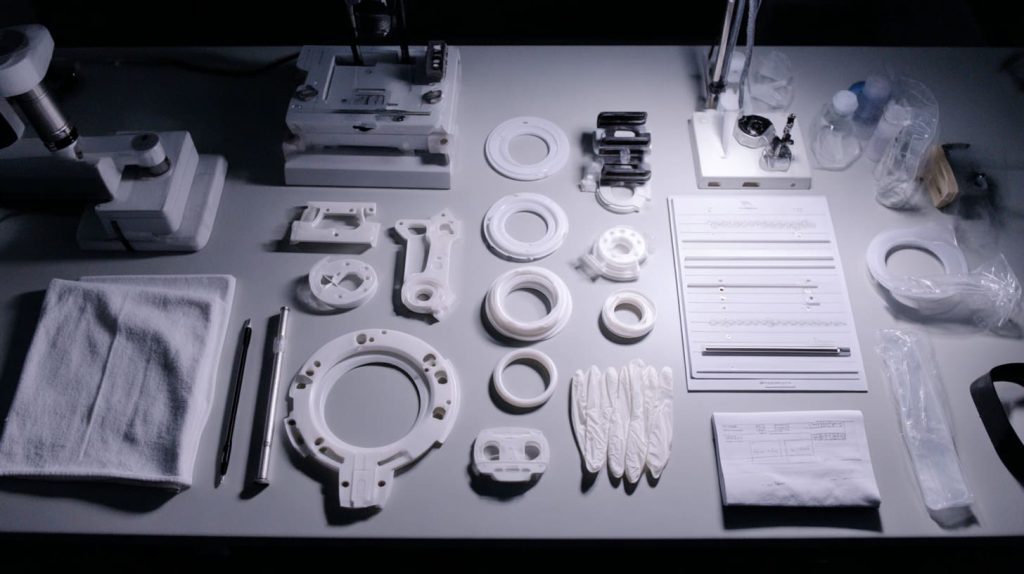
This mistake does not always show up as a crack.
Sometimes it shows up as an email from a brand compliance team that says:
“We need proof. We need documents. We need the correct grade.”
Then production freezes.
Skin-contact and safety compliance blind spots
If a part touches skin, you need to think about:
- irritation risk
- chemical migration risk
- allergens and additives
- coating safety
Even if your gear is not “medical,” the brand may demand proof.
My personal habit is simple: when a part touches skin, I ask about material additives and pigments early, not after samples.
Regional regulations designers overlook
Different markets have different expectations:
- North America
- Europe
- Japan
Even when formal regulation is not strict, retailer requirements can be strict.
If you ignore this early, you risk rework later.
Certification delays caused by late material changes
A late material change hurts:
- new samples
- new testing
- new paperwork
- new supplier chain approvals
It also hurts trust. Teams start blaming each other.
The fix is boring but powerful: plan compliance early, even if you think you won’t need it.
Next, I want to show a mistake that is very common in fast projects: designing the part before locking the material.
Mistake 9: Designing the Part Before Locking the Material
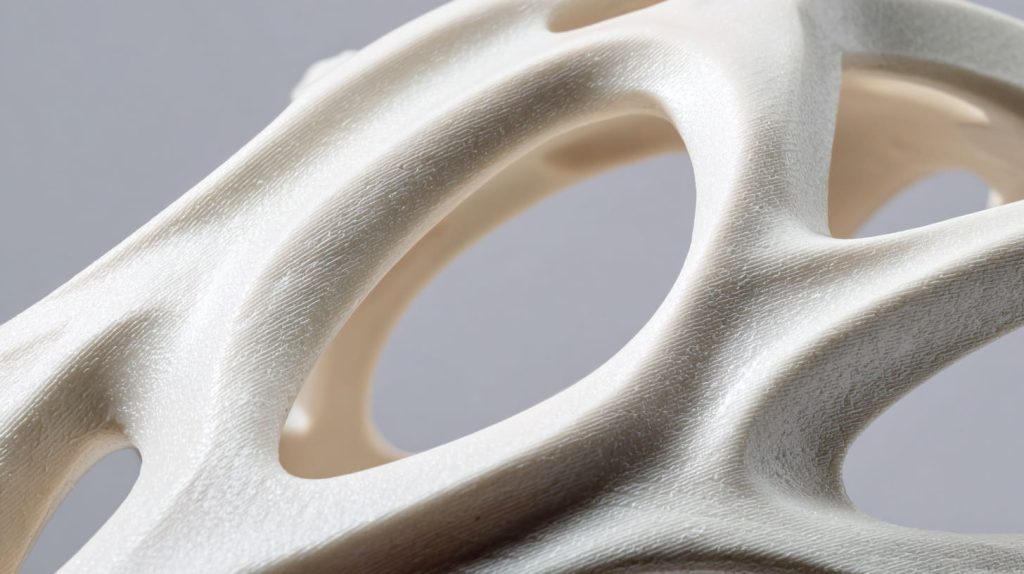
I’ve seen this many times: the CAD looks beautiful, the design is approved, then someone asks:
“Which plastic are we using?”
That is backwards. Because plastic is not just a material. It is a behavior.
Geometry that forces poor material choices
Some designs force you into a narrow material window.
For example:
- very thin walls force tougher plastics
- long ribs force warping control
- snap fits force fatigue resistance
- sharp corners force crack resistance
If you choose plastic late, you may discover the geometry is wrong for the best options.
Here’s a quick geometry risk table:
| Geometry feature | What it creates | Common outcome |
|---|---|---|
| sharp internal corners | stress concentration | cracking |
| thin walls + long span | warp risk | poor fit |
| heavy screw torque points | stress + creep | stress whitening, cracks |
| tight snap fits | fatigue cycling | early failure |
One sentence that guides my decisions: if the design needs “perfect assembly behavior,” I redesign the geometry before I blame the plastic.
Sharp corners, thin walls, and stress concentration
Sharp corners are crack invitations.
Thin walls are not always bad, but they make processing and durability harder. And thin walls plus sharp corners is a double hit.
A small radius can change the whole stress picture.
Why material and design must evolve together
Material choice affects:
- wall thickness planning
- rib strategy
- assembly method
- finishing process
That’s why the best teams treat plastic and CAD as one conversation, not two.
Next, we reach the mistake that makes people feel confident right before failure: trusting samples too much.
Mistake 10: Trusting Samples Instead of Long-Term Use Behavior
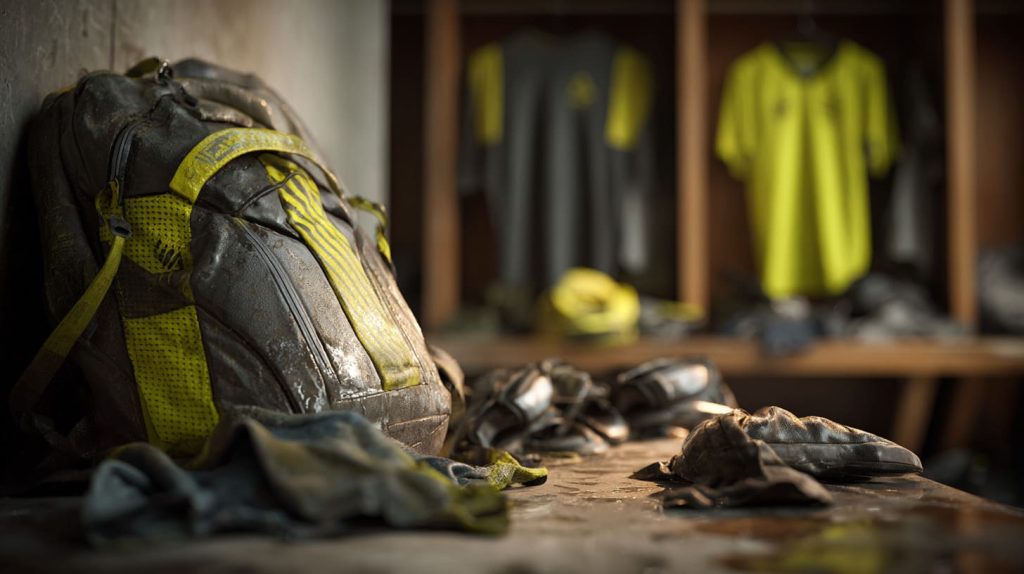
Samples are polite. They come fresh. They get handled gently. They live on clean desks.
Real products live in chaos.
Why prototypes pass but products fail
Prototypes usually do not experience:
- repeated cleaning
- full-season UV
- cold cycling
- repeated impacts
- abuse from storage
So a sample can pass and still be misleading.
I like to warn teams: a beautiful sample is not proof of durability, it is proof of surface quality on day one.
Lab testing vs real athlete usage
Lab testing is important. But it can miss real habits.
Athletes:
- drop gear
- throw gear
- sit on gear
- share gear
- clean gear fast with harsh sprays
If your test plan does not reflect this, you get surprises.
A practical approach I use is a “dirty test set”:
- drop test at different temperatures
- wipe test with common cleaners
- abrasion test with dust
- bag test with zippers and metal items
Aging, fatigue, and abuse over one full season
A full season changes materials.
Even if the part doesn’t break, it can:
- look old
- feel slippery
- loosen fits
- show stress marks
And in sports, “looks old” is almost the same as “is bad.”
So I always try to think in seasons, not weeks.
Now let’s bring it all together in a way that is honest, practical, and useful for real work.
Conclusion
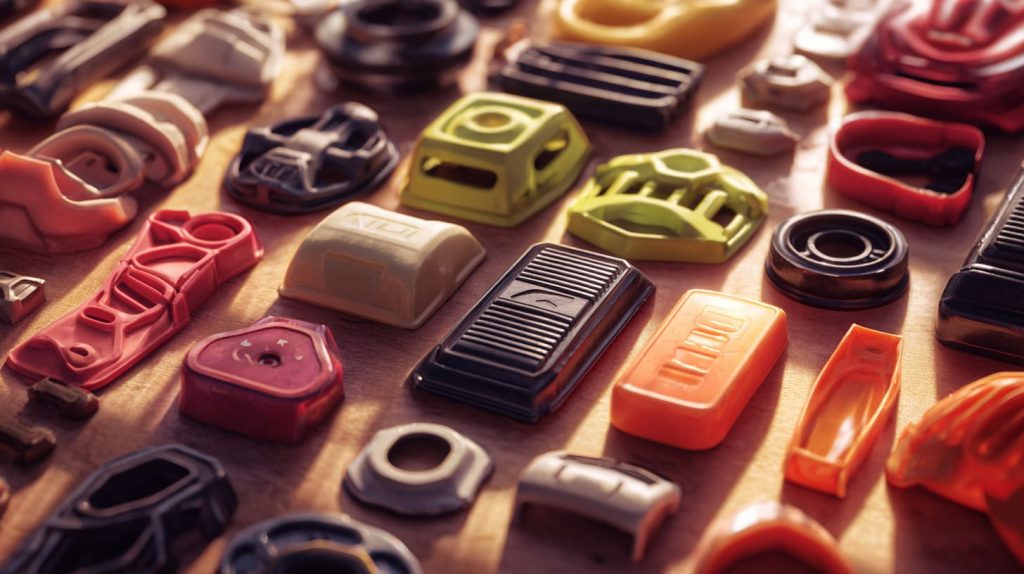
I’ve learned to treat plastic selection as a system decision because failure rarely comes from one factor. It usually comes from a stack of small choices that looked harmless at the time: a cheaper resin, a sharp corner, a cleaning spray nobody mentioned, a winter use case nobody tested.
The reason I push so hard on these mistakes is simple. I’ve seen how expensive “small material decisions” become when the tooling is done and the product is already in the market. At that stage, the team is not arguing about plastics anymore. They are arguing about blame.
My own viewpoint comes from factory reality. I watch what happens after the sample. I watch what happens after the first shipment. I watch what happens when real users behave like real users. That is why I don’t trust “strong” as a word, and I don’t trust “passed sample” as a guarantee.
If you take one thing from this guide, I hope it is this: start from the use scenario, then work backward into the plastic, the geometry, and the process. That order feels slower at first, but it saves time later.
If you are designing sports gear parts that need clear plastics, scratch control, clean finishing, or reliable mass production behavior, tell me what the part does and how it will be used. I can help you think through the trade-offs, and I can also suggest how to design the part so the chosen plastic behaves better in real life.