Skip to content
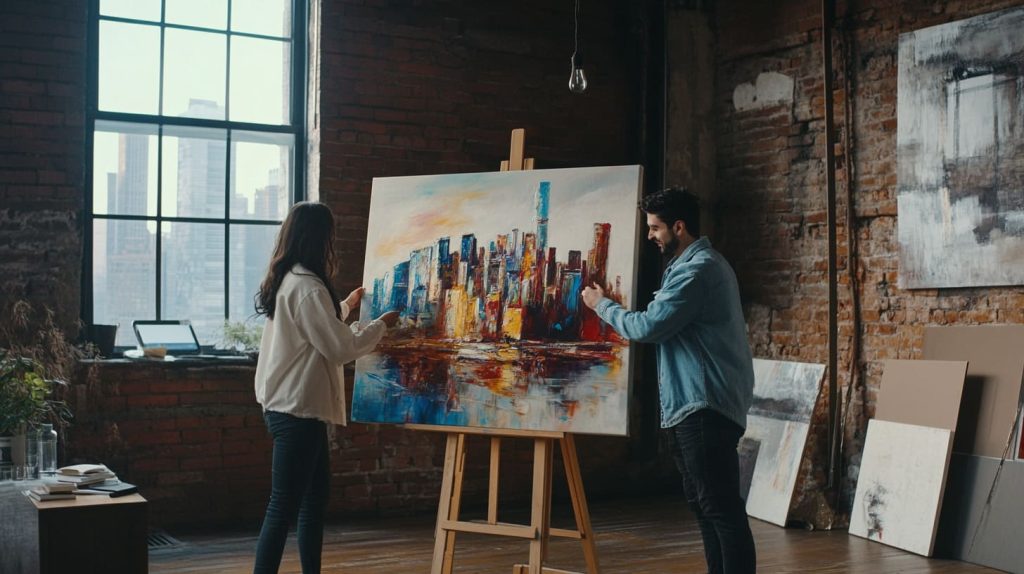
Last week, I helped a close friend move into a loft in downtown Toronto. When we unwrapped his giant oil painting—an abstract skyline stretching almost eight feet wide—we just stood there, laughing nervously. How were we supposed to hang something so huge without wrecking the brand-new drywall? That night taught me one thing: displaying large artwork isn't just about drilling holes; it's about creating presence.
Why displaying large artwork properly matters
A large piece of art can shift the entire mood of a room. It draws attention, sparks conversation, and if not handled right, it can also make a space feel cramped or chaotic. I learned this the hard way when I once installed a beautiful canvas two inches too low in a conference room. It bugged everyone for weeks.
Overview of common challenges (size, weight, wall space)
Hanging oversized artwork comes with a set of real, not-so-obvious problems:
- Size: Will the wall even fit the piece proportionally?
- Weight: Can the wall support it without cracking or collapsing?
- Wall Space: How do you balance the art with everything else around it?
Most mistakes happen because we rush through these questions without planning.
Choosing the Right Wall and Location

Once, while visiting a client’s office, I saw a massive painting awkwardly crammed between two windows. It looked like it was trapped. Choosing the right wall is half the game.
Factors to consider (light, height, visibility)
Not all walls are created equal. Think about:
- Light: Direct sunlight can bleach colors over time.
- Height: Art should sit at eye level, around 57–60 inches from the floor to center.
- Visibility: The piece should be visible from key angles, like entryways or seating areas.
Best rooms and spaces for oversized art
Big living rooms, corporate lobbies, long hallways, and above fireplace mantels usually make excellent spots for large pieces. Open spaces love big statements.
How to avoid overcrowding or imbalance
Pair big art with minimalist furniture. Leave at least 6–12 inches of breathing space around the piece. Think of it like giving the artwork a stage to perform on.
| Wall Size | Ideal Artwork Size |
|---|---|
| Small (8-10 ft wide) | 36-48 inches |
| Medium (10-14 ft wide) | 48-72 inches |
| Large (14+ ft wide) | 72+ inches |
When your walls start feeling like a maze, it’s a sign you need to rethink.
Preparing the Wall for Heavy Artwork

If you've ever watched a painting crash to the ground in slow motion (like I once did at a gallery event), you know that prepping the wall isn’t optional. It’s survival.
Wall material types and their impact (drywall, brick, concrete)
- Drywall: Needs special anchors or toggle bolts.
- Brick: Sturdy, but you’ll need a hammer drill.
- Concrete: Super solid but unforgiving—pre-drill carefully.
Choosing the correct anchors and mounting hardware
Heavy artwork demands heavy-duty solutions:
- D-rings + picture wire
- French cleats
- Masonry screws for brick walls
Wall preparation tips for safe hanging
Clean the surface. Check for studs behind the wall. Mark the center point carefully. Measure twice, drill once. Trust me, impatience costs more than time.
Hanging Methods for Large Artworks
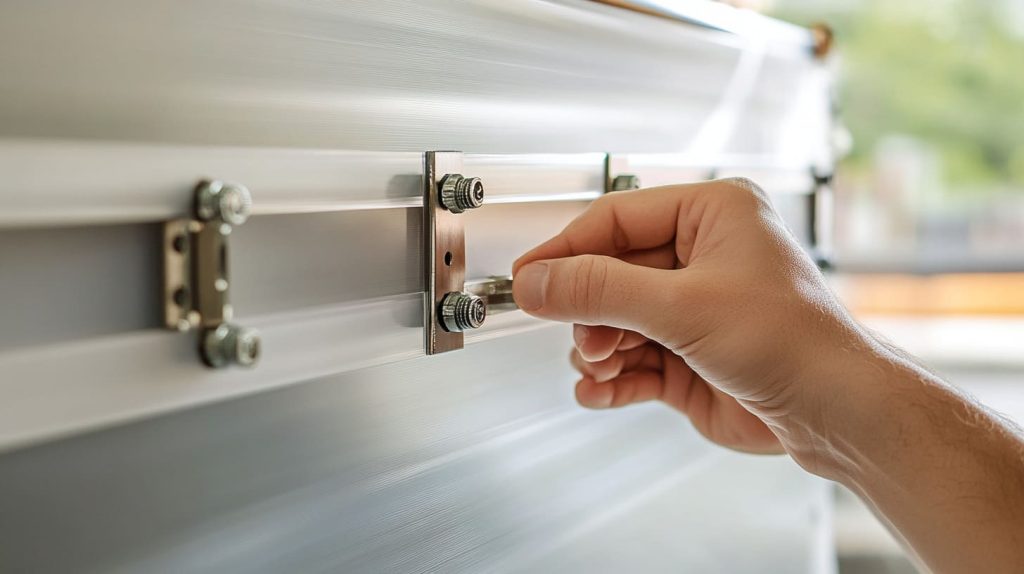
One afternoon at a Shanghai design fair, I saw a team use a genius trick—french cleats—to mount gigantic acrylic panels. That stuck with me ever since.
Traditional hanging with hooks and wires
Old-school but effective. Use heavy-duty hooks and steel wire rated for double the artwork’s weight.
French cleat systems for extra stability
French cleats are a hidden hero. They interlock horizontally, distributing weight evenly. Especially great for framed acrylics.
Using gallery rails for flexible arrangement
Gallery rail systems let you swap out art without hammering new holes. Perfect for rotating displays or rental spaces.
Floor-leaning against walls (alternative style)
Big, dramatic pieces look fantastic when leaned casually against the wall. Just make sure they’re anchored or rubber-padded at the bottom to avoid slipping.
Framing and Protection Options
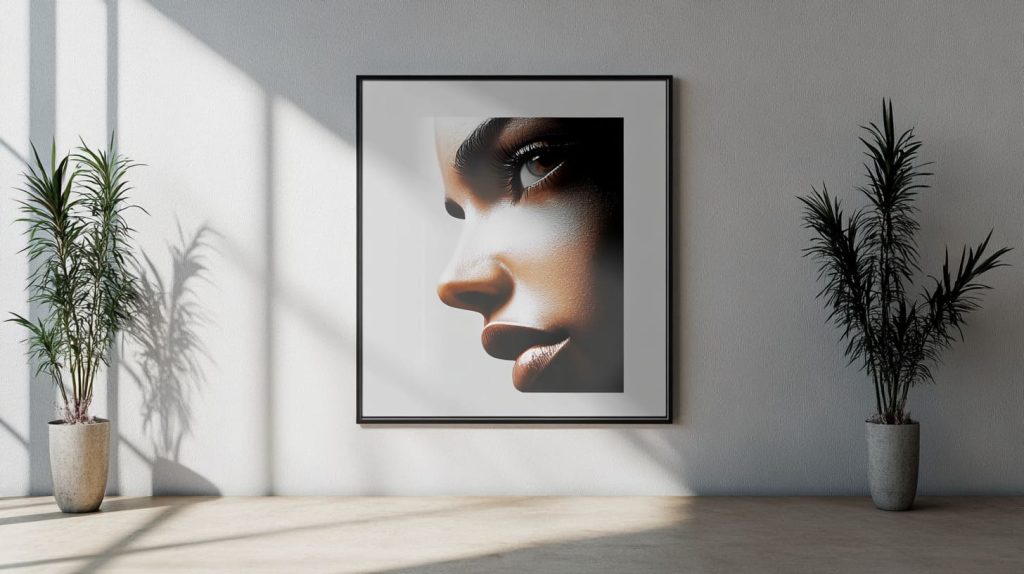
Framing reminds me of when I bought my first serious print—a snowy forest landscape—and cheaped out on framing. Two years later, it yellowed from humidity. Never again.
When to frame large artwork
Frame your art if it's:
- A canvas needing extra support
- Valuable or sentimental
- Going into a high-traffic area
Protective glazing vs. open display
- Glazing (glass or acrylic): Guards against dust, UV rays, and curious fingers.
- Open display: Looks more relaxed but riskier long-term.
| Option | Pros | Cons |
|---|---|---|
| Glass | Scratch resistant | Heavy |
| Acrylic glazing | Lightweight, UV resistant | Prone to scratches |
Impact of frame style on visual effect
Modern slim frames make artwork float. Chunky ornate frames scream classic luxury. Choose what matches both your artwork and the vibe of your space.
Lighting Your Artwork
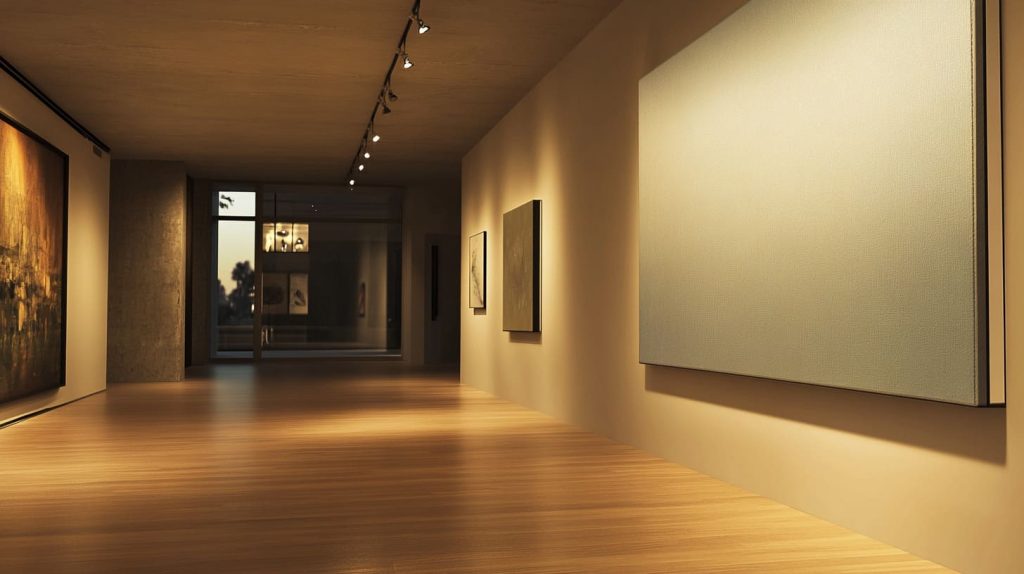
Good lighting doesn’t shout; it whispers. It’s the soft "wow" moment when someone first notices your piece across the room.
Natural light vs. artificial lighting
Natural light is beautiful, but dangerous over time. If the room gets lots of sun, consider using protective glazing or UV film on windows.
How to position track lighting or spotlights
Angle lights about 30 degrees to minimize glare. If you have multiple pieces, track lighting makes it easy to tweak focus points.
Avoiding glare and UV damage
Always use LED bulbs. They emit less heat and no UV rays. I made the mistake once of using halogens—let’s just say it wasn’t pretty for the artwork.
Styling Tips: Making Large Art the Focal Point
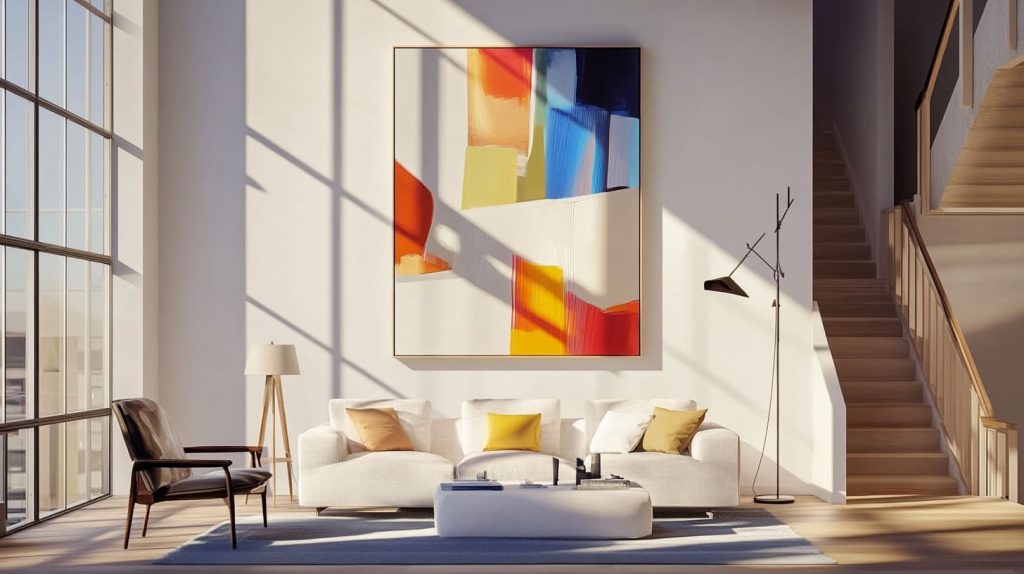
Art needs space to breathe, just like we do.
Balancing large art with furniture and decor
Anchor the piece visually with a sofa, console table, or fireplace below. Think of it like setting a stage. The star needs the right backdrop.
Using multiple large pieces without overwhelming
If you must hang more than one, treat them like siblings, not twins. Same vibe, slight variation in size or theme.
Creating visual breathing room around the artwork
A simple tip: leave at least 12–18 inches of wall space around all sides of the piece. More if the room is small.
Creative Alternatives to Traditional Wall Hanging
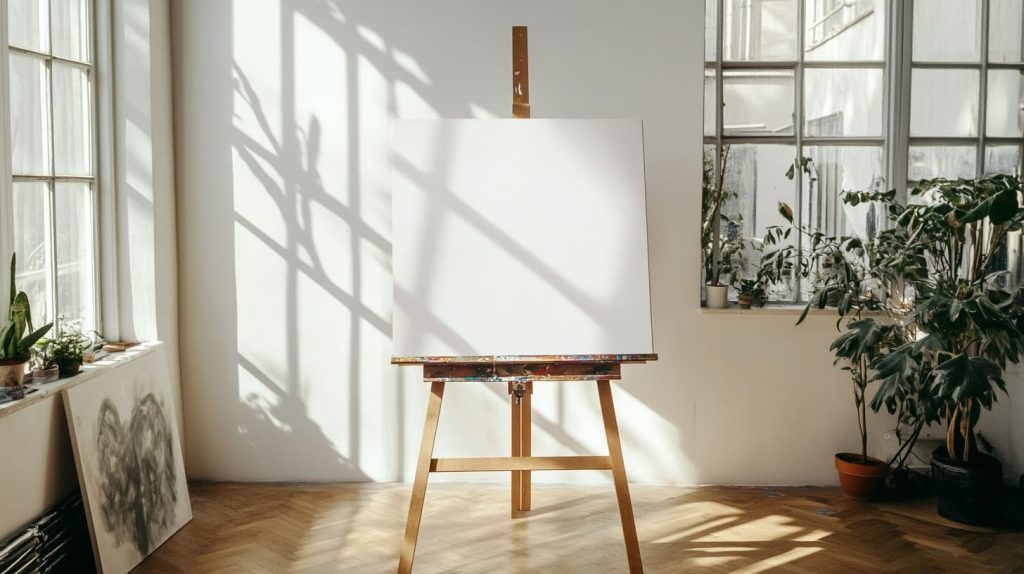
Sometimes walls just aren’t enough. Or sometimes you want to break the rules a little.
Using easels or stands for large pieces
An old-school artist’s easel can make a giant piece look dynamic and accessible.
Floating shelves or ledge systems
Art ledges allow for flexible arrangement. Layer large pieces with smaller ones for a curated, effortless feel.
Hanging from ceiling mounts for dramatic effect
Suspended pieces feel modern and edgy. Especially cool in lofts or spaces with super high ceilings.
Professional Installation: When to Hire Experts
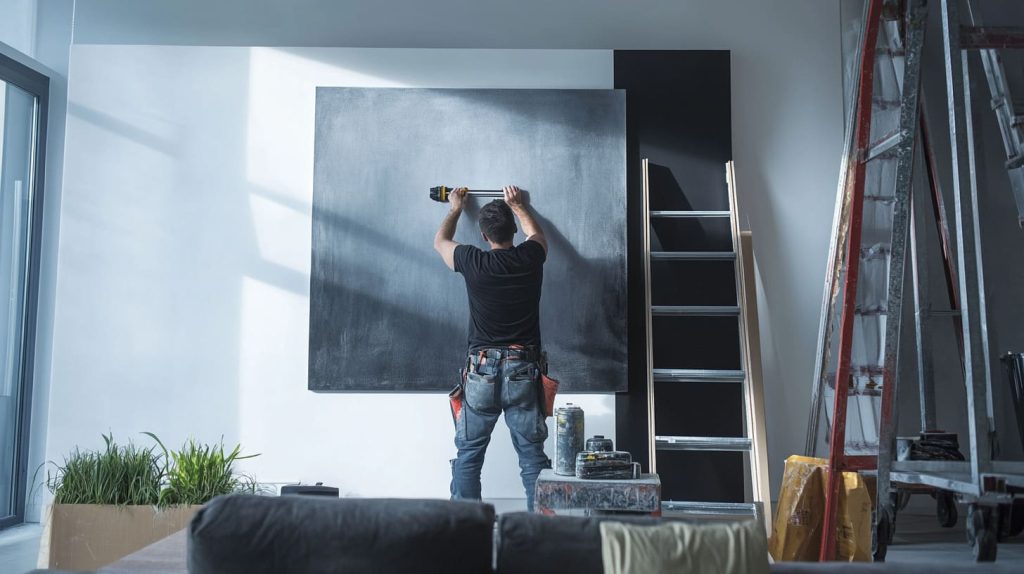
After one failed attempt at drilling into concrete, I finally hired pros. They showed up with lasers, stud finders, and a zen-like patience I could never match.
Advantages of professional art installers
- Perfect measurements
- Access to special equipment
- Insurance against accidental damage
Cost vs. risk considerations
Sure, it costs more. But compare that to replacing damaged art—or worse, damaged walls—and it starts to look like a smart investment.
How to choose the right service provider
Ask for references. Look for reviews mentioning handling of oversized pieces. A true pro loves complicated projects.
Common Mistakes to Avoid
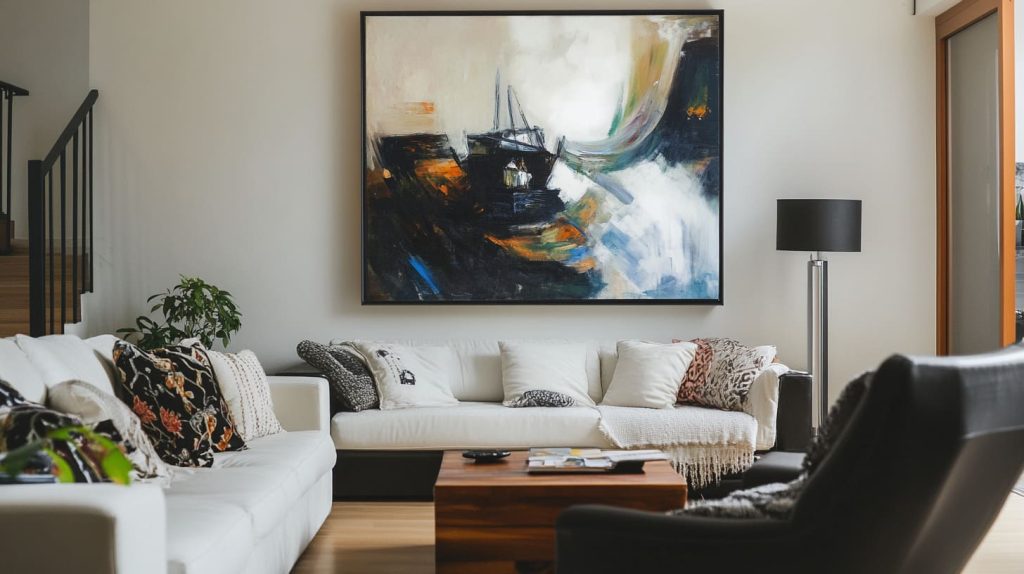
Every mistake I’m about to share comes from either personal experience or late-night texts from frantic friends.
Mounting without proper hardware
Shortcutting here leads straight to disaster. Always double the weight rating of whatever hardware you use.
Hanging too high or too low
Center your piece at eye level. If people need to crane their necks or squat, it’s wrong.
Neglecting lighting and environment
Art needs light like plants need water. Neglect it, and even the best piece will feel flat.
Conclusion
Displaying large artwork isn’t just about making a statement. It’s about creating harmony, telling a story, and treating the piece—and your space—with respect. Plan carefully, hang thoughtfully, and let the art sing.