Skip to content
Acrylic sheets are everywhere. Whether it's in displays, windows, or even furniture, their clarity and versatility make them a popular choice. But if you're not careful, cracks can appear, and that’s the last thing you want, right? Having worked with acrylics for years, I've seen firsthand how easily they can crack if not handled properly. In this blog, I'll walk you through the key things you need to know to prevent acrylic sheets from cracking, from manufacturing all the way through to installation.
Understanding Acrylic Sheet Cracking

Causes of Cracking
Cracks in acrylic sheets don’t just appear out of nowhere. There are several common causes, each stemming from different factors. Let’s break them down:
Mechanical Stress: This one’s simple—if you handle acrylic sheets too roughly or apply too much force, cracks can form. Even something as simple as dropping it on a hard surface can lead to stress that causes cracks.
Thermal Stress: You know how materials expand and contract with temperature changes, right? Well, acrylic isn’t immune. Rapid shifts in temperature can cause the sheet to stretch or shrink unevenly, leading to cracks.
Chemical Exposure: Acrylic is great for a lot of things, but harsh chemicals or solvents can break down its structure. If you're working with acrylic in environments where chemicals are used, make sure it’s properly protected.
Manufacturing Defects: Sometimes cracks happen because of something that happened during production. If there are internal stresses created when the acrylic is made, those stresses can turn into cracks down the road.
Identifying Stress Points
When working with acrylic, it's crucial to know where cracks are likely to happen. These are common stress points to watch out for:
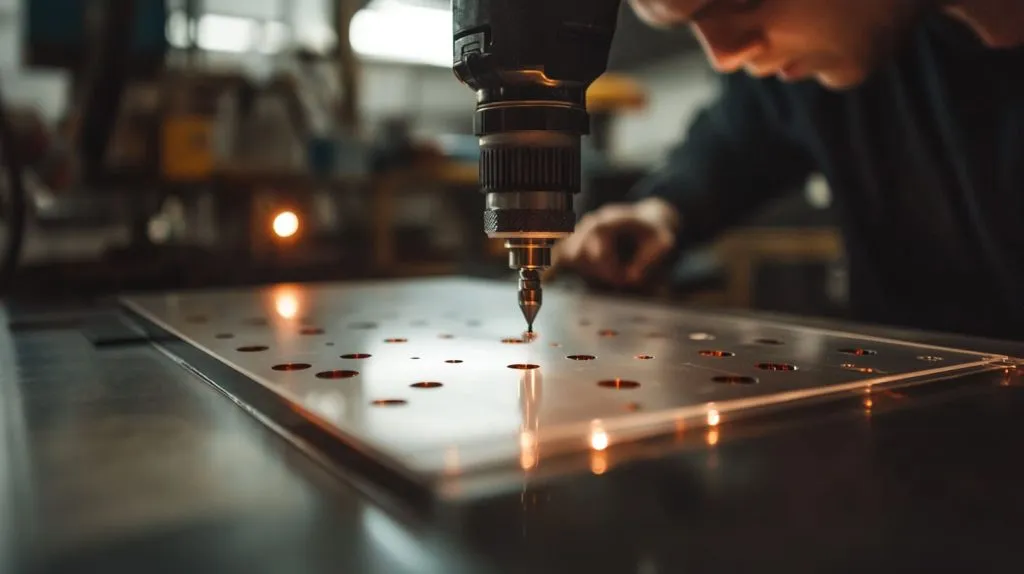
Drilled Holes: If you're drilling holes in acrylic for mounting, remember that the edges of those holes are stress concentrators. A poorly drilled hole can easily lead to a crack.
Edges and Corners: Acrylic is more vulnerable at sharp corners and edges. Over time, these points can start to show wear or cracks.
Mounting Points: Where the acrylic is fastened or supported can also become weak spots. If there’s too much pressure or not enough support, you might see cracks forming in these areas.
Best Practices to Prevent Cracking
During Manufacturing
When you're dealing with custom acrylic products, prevention is key. Here’s what I’ve learned over the years:
Use Appropriate Tools: When cutting or drilling acrylic, it's important to use the right tools. Sharp, specialized equipment reduces the risk of introducing unnecessary stress during these processes. A dull blade? That’s just asking for cracks.
Control Cutting Speed: If you’re cutting acrylic, speed matters. Cutting too quickly can cause heat buildup, which weakens the material and can lead to cracking. Maintaining the right cutting speed helps ensure a clean, smooth cut.
Implement Stress Relief Techniques: Consider annealing acrylic after it’s cut. This process helps relieve internal stresses that can build up and cause cracks later.
During Handling
Handling acrylic requires care—simple as that. Here are a few tips that can save you from dealing with cracks later on:
Wear Protective Gear: It’s not just about protecting you; it’s about protecting the material. Gloves help you handle acrylic carefully, while safety glasses protect your eyes from flying debris.
Support the Material Properly: Never handle acrylic sheets without proper support. Otherwise, they could bend, warp, or snap under pressure. Always support it evenly.
Avoid Chemical Exposure: Be mindful of the environment acrylic is in. Keep it away from chemicals that can break it down. Once it's compromised, cracks aren’t far behind.
During Installation
Once the acrylic is ready to go, installation is where the rubber meets the road. Here’s what to keep in mind:
Drill Properly: When it comes to drilling holes, do it right. Use the correct drill bits designed for acrylic, and make sure you're not putting stress on the edges. A good hole is key to preventing cracks down the line.
Use Appropriate Fasteners: Not all fasteners are created equal. Choose fasteners that allow slight movement, as thermal expansion could cause acrylic to shift with temperature changes. This flexibility helps avoid stress and cracks.
Provide Adequate Support: When installing acrylic, make sure it’s supported properly. If there’s any bending or uneven pressure, it could cause cracks. Think about how you can distribute the load evenly.
Repairing Cracks
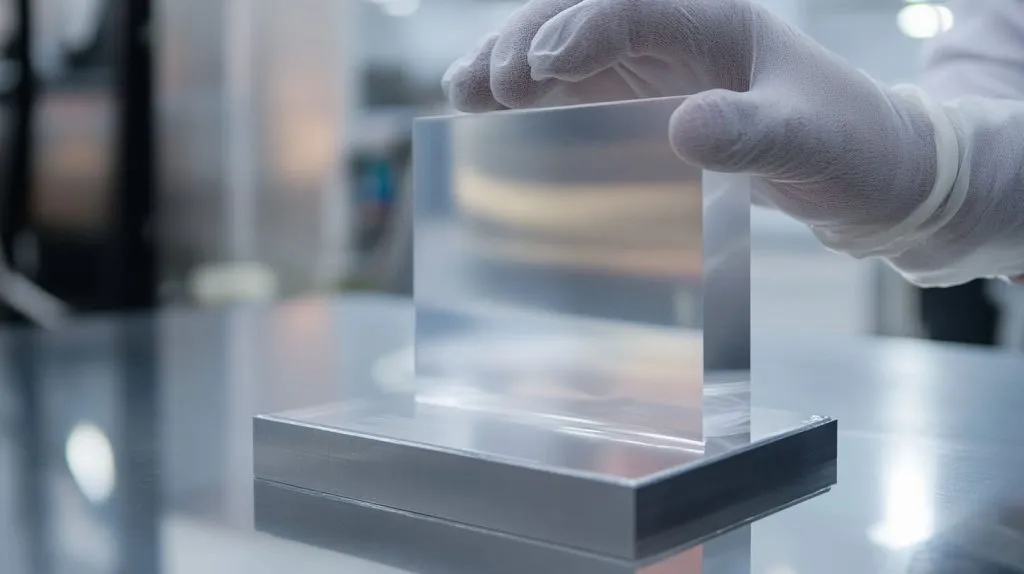
Despite best efforts, cracks do happen sometimes. If they do, don’t panic. Here are a few ways you can repair cracked acrylic:
Solvent Welding: For minor cracks, you can use compatible solvents to bond the broken areas back together. It’s a great option if you don’t want to replace the whole sheet.
Mechanical Fastening: For cracks that can’t be fixed with solvent welding, consider using mechanical fasteners. Just be sure not to apply additional stress around the crack with the fastener.
Replacement: If the crack is too extensive, replacement might be the only option. In these cases, it’s better to replace the whole piece than risk further damage.
Conclusion
Preventing cracks in acrylic sheets isn’t rocket science—it just requires some careful attention during manufacturing, handling, and installation. By understanding the causes of cracking and following the best practices outlined here, you can ensure your acrylic products remain durable and long-lasting.