Skip to content
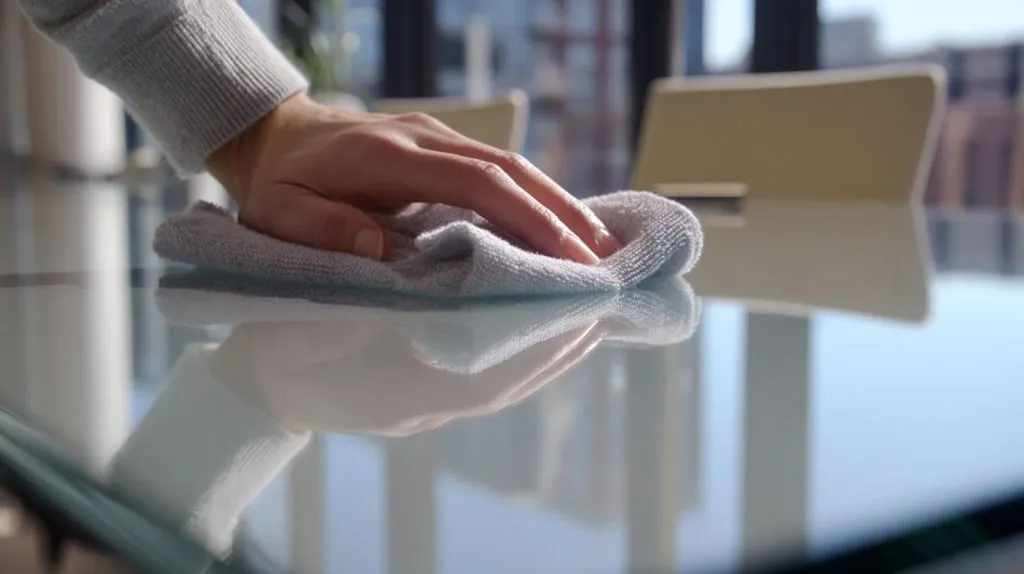
Acrylic can look premium in the morning and worn by evening. One wrong cleaner or rough cloth can turn a clear surface into a dull, tired-looking panel.
The best way to clean and maintain plexiglass acrylic is to use mild soap, lukewarm water, and a soft microfiber cloth, then avoid harsh chemicals, dry wiping, and rough materials. Gentle care keeps the surface clear, smooth, and presentable for much longer.
I have seen this go wrong in stores, offices, and display projects more times than I like. Acrylic is strong in many ways, but it does not forgive careless cleaning. That is why I think this topic deserves a plain, honest breakdown.
What should I never use to clean plexiglass?
Some damage starts before people even notice it. The cleaner looks normal. The cloth feels harmless. Then the surface slowly turns cloudy, scratched, or brittle.
You should never clean plexiglass with ammonia-based cleaners, strong solvents, alcohol-heavy products, abrasive pads, rough paper towels, or dirty rags. These materials can cause scratches, haze, stress cracks, and permanent surface damage.
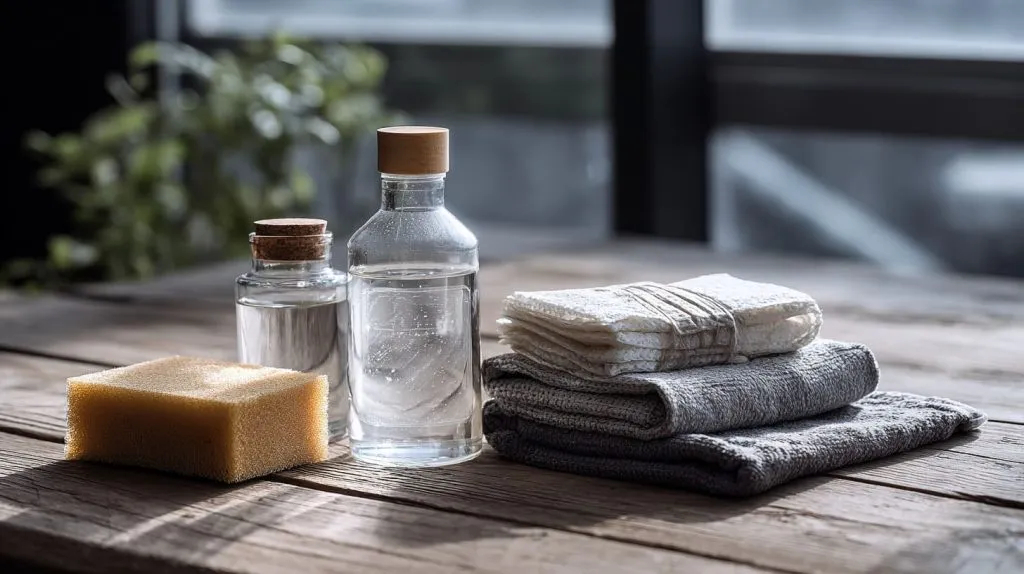
I have learned that the biggest mistake is treating plexiglass like glass. That sounds small, but it changes everything.
The most common harmful cleaners
Many buyers assume any clear-surface cleaner will do the job. I do not trust that assumption. Acrylic reacts differently.
| Cleaner or Material | Safe for Plexiglass? | Why It Is a Problem |
|---|---|---|
| Ammonia-based glass cleaner | No | Can cause clouding and surface damage |
| Alcohol-heavy cleaner | No | May dry out or stress the surface |
| Acetone or strong solvent | No | Can melt or crack acrylic |
| Rough paper towel | No | Can leave fine scratches |
| Scouring pad | No | Abrasive and damaging |
| Dirty cloth | No | Traps grit and scratches the surface |
What damage often looks like
The damage is not always dramatic at first. Most of the time, it starts quietly.
- Fine swirl marks under light
- A dull or gray-looking surface
- Tiny cracks near edges or drilled holes
- Uneven shine after cleaning
- White stress marks around corners
Why this matters in real use
Acrylic often sits in places where appearance matters. Retail displays. Cosmetic stands. Office signs. Protective panels. Once the surface looks tired, the whole product feels cheaper.
That is the part many people miss. They think they are only cleaning a panel. In fact, they are affecting how the brand looks.
What is a natural cleaner for plexiglass?
A lot of people want something simple and low-risk. I understand that. Most of the time, the safest answer is also the least exciting one.
A natural cleaner for plexiglass is a mix of lukewarm water and a small amount of mild soap. This gentle solution removes dust, fingerprints, and light dirt without attacking the acrylic surface.
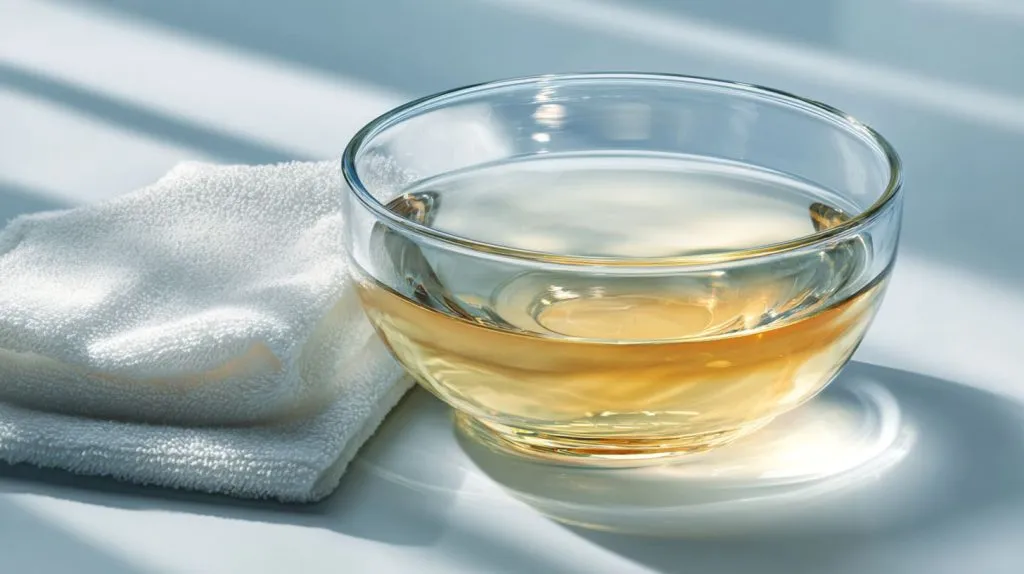
When I clean sample pieces, I usually prefer the boring option over the clever one. A basic mix is often the one that causes the fewest regrets.
A simple natural cleaning mix
You do not need much.
| Ingredient | Amount | Purpose |
|---|---|---|
| Lukewarm water | 90%+ | Loosens dirt and dust |
| Mild dish soap | A few drops | Breaks down oil and fingerprints |
| Clean microfiber cloth | 1 | Wipes gently without scratching |
How I use it
- Blow off or rinse away loose dust first.
- Mix a few drops of mild soap into lukewarm water.
- Wet a soft microfiber cloth.
- Wipe gently in one direction.
- Rinse with clean water if needed.
- Dry with another clean microfiber cloth.
Why “natural” still needs caution
Natural does not always mean safe. Lemon juice sounds natural. So does vinegar. That does not make them the best fit for acrylic.
I think this is where people get misled by kitchen logic. A cleaner can be natural and still be too aggressive for a sensitive plastic surface.
Is dish soap safe for acrylic?
This question comes up a lot, and the answer is better than many people expect.
Yes, mild dish soap is generally safe for acrylic when it is diluted with water and used with a soft cloth. It is one of the safest household options for routine cleaning.
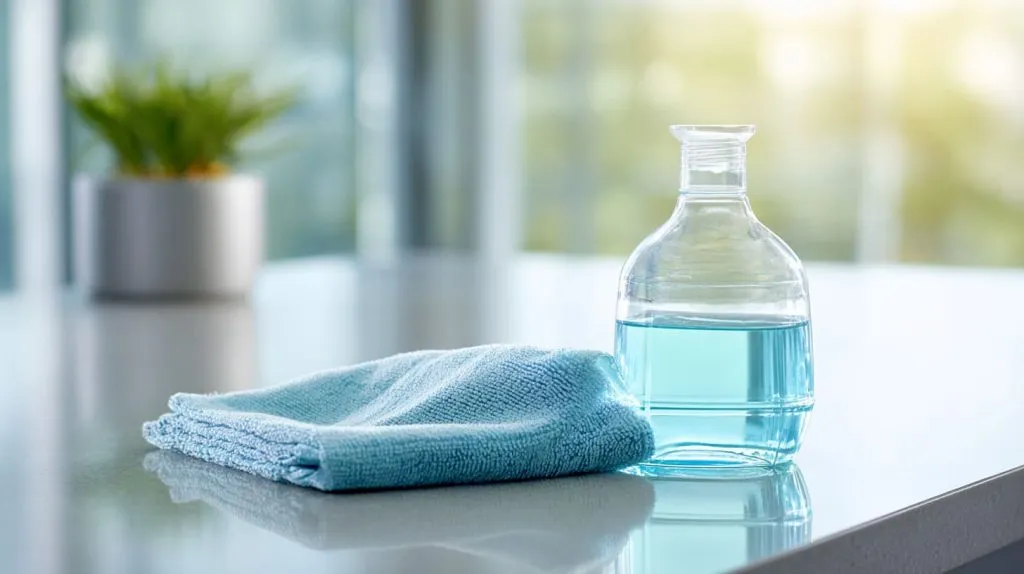
One thing I pay attention to is whether the soap is mild and plain, not packed with strong degreasers, perfumes, or extra additives.
When dish soap works well
Dish soap is good for:
- Fingerprints
- Light grease
- Daily dust
- Surface smudges
- General upkeep
When it may not be enough
| Problem | Is Dish Soap Enough? | Better Next Step |
|---|---|---|
| Light dust | Yes | Normal wash |
| Fingerprints | Yes | Gentle wipe |
| Sticky residue | Sometimes | Acrylic-safe cleaner |
| Light haze | No | Acrylic polish |
| Fine scratches | No | Plastic polishing kit |
A small mistake people make
Too much soap creates another problem. It leaves film behind. Then the panel looks cloudy, and people blame the acrylic.
I have seen that happen on display boxes more than once. The surface was not damaged. It was just badly rinsed.
Does vinegar damage plexiglass?
Vinegar gets recommended for many cleaning jobs. On plexiglass, I do not think it deserves blind trust.
Vinegar can damage plexiglass over time, especially with repeated use or on stressed surfaces. It is acidic, and while mild, it is still not the safest cleaner for acrylic.
What makes me cautious is not just the vinegar itself. It is the fact that acrylic may already have tension from cutting, bending, gluing, or drilling.
Why vinegar is risky
Acrylic is not the same as ceramic tile or a glass window. It is more sensitive. Acidic cleaners can increase the chance of dullness or stress-related damage.
My view on vinegar use
| Situation | My View |
|---|---|
| Emergency light cleaning | Possible, but not my choice |
| Regular maintenance | I would avoid it |
| High-value display acrylic | No |
| Acrylic with edges, holes, or stress points | Definitely no |
The safer alternative
I would rather use:
- Mild soap and water
- A cleaner labeled safe for acrylic or plastic
- A soft microfiber cloth
- Gentle pressure only
That may sound less clever, but in actual work, safe and repeatable beats clever every time.
What can I use to polish plexiglass?
Cleaning and polishing are not the same thing. That difference matters.
You can polish plexiglass with an acrylic-safe polish, plastic polishing compound, or a dedicated polishing kit made for clear plastics. These products help reduce haze, fine marks, and dullness while restoring shine.
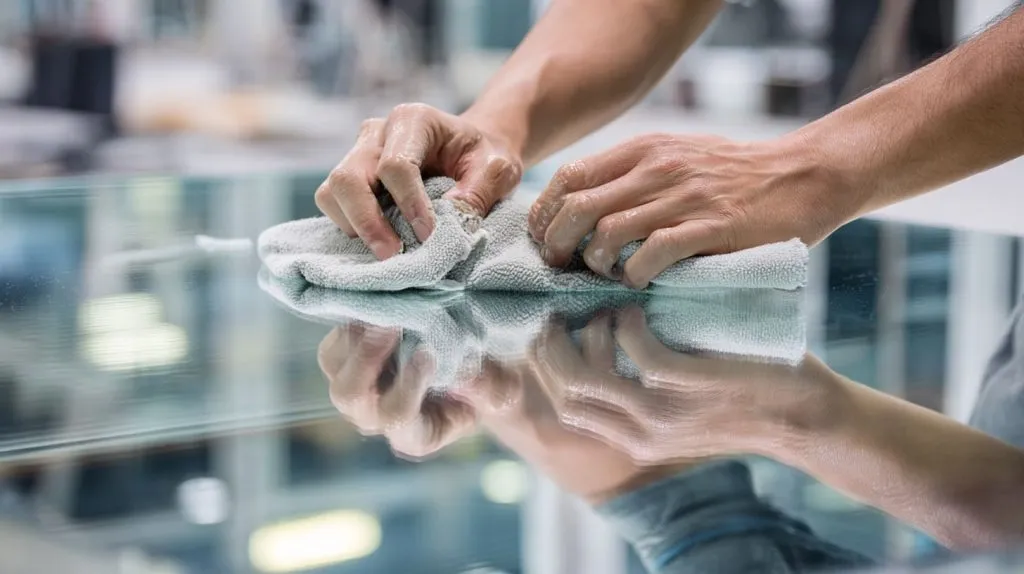
I do not polish every acrylic piece. I only do it when the surface has lost its clean look and simple washing is no longer enough.
Good polishing options
| Product Type | Best For | Notes |
|---|---|---|
| Acrylic-safe polish | Light haze | Easy for routine restoration |
| Plastic polishing compound | Fine scratches | Needs more care |
| Multi-step polishing kit | Heavier surface wear | Best for deeper correction |
What polishing can and cannot do
Polishing can help with:
- Light cloudiness
- Fine surface marks
- Reduced shine
- Mild scuffing
Polishing cannot fully fix:
- Deep cracks
- Heavy gouges
- Melt damage
- Severe chemical damage
A practical judgment I often make
When the scratch catches my fingernail, I stop expecting a quick polish to solve it. That is usually the line between “worth polishing” and “needs heavier repair or replacement.”
What is the best way to clean plexiglass without scratching it?
This is the real heart of the topic. Cleaning is easy. Cleaning without damage is the hard part.
The best way to clean plexiglass without scratching it is to remove loose dust first, use lukewarm water with mild soap, wipe with a clean microfiber cloth, and never rub dry dirt across the surface.
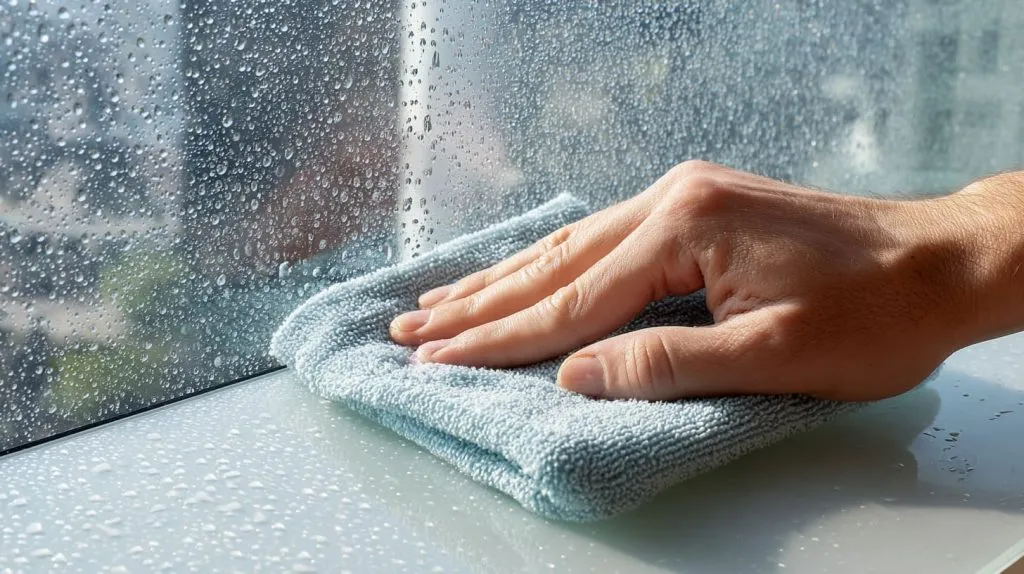
Most scratches do not come from the cleaner. They come from dust being dragged around like sandpaper.
My safest cleaning method
- Check the surface for dust and grit.
- Rinse or blow off loose particles first.
- Use mild soapy water.
- Wet the cloth before wiping.
- Wipe gently, not fast.
- Dry with a second clean microfiber cloth.
Why dry wiping is dangerous
Acrylic attracts dust. That is just part of its nature. If I see someone rubbing a dry panel with a dry cloth, I already know what comes next.
| Cleaning Habit | Scratch Risk |
|---|---|
| Dry wiping dusty surface | High |
| Wet microfiber cleaning | Low |
| Paper towel wiping | Medium to High |
| Abrasive sponge use | Very High |
Small details that matter
- Use clean cloths only
- Fold cloth often to expose a clean side
- Do not press hard
- Do not scrub one dirty spot aggressively
- Replace worn microfiber cloths
Can I use Windex or glass cleaner on plexiglass acrylic?
A lot of people ask this because glass cleaner is already sitting nearby. I get the temptation.
No, you should not use Windex or most standard glass cleaners on plexiglass acrylic because many contain ammonia or harsh ingredients that can cause clouding, dullness, and long-term damage.
This is one of those shortcuts that looks harmless until the panel starts aging badly.
Why glass cleaner is a bad match
Glass is harder and more chemically tolerant than acrylic. What works on one does not automatically work on the other.
Quick comparison
| Product | Safe for Glass | Safe for Plexiglass |
|---|---|---|
| Standard Windex | Yes | No |
| Ammonia glass cleaner | Yes | No |
| Mild soap water | Yes | Yes |
| Acrylic-safe cleaner | Yes/Usually | Yes |
What I tell buyers and staff
If the bottle says “glass cleaner,” I do not assume it belongs near acrylic. I check the label, and if I do not clearly see plastic-safe use, I leave it out.
That habit has saved a lot of display panels from slow, avoidable damage.
What household products are safe for cleaning plexiglass?
People often want an answer they can use today, with what they already have at home or in the office.
Safe household products for cleaning plexiglass include lukewarm water, a small amount of mild dish soap, and clean microfiber cloths. These are usually enough for regular cleaning without harming the surface.
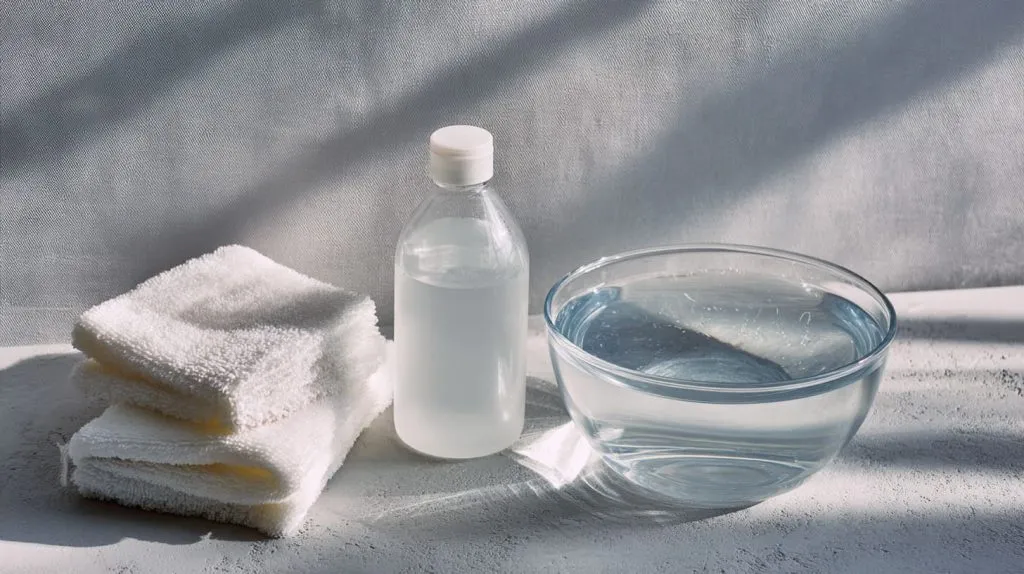
I actually like this answer because it keeps people away from overcomplicated cleaning habits.
Safe options I trust most
- Lukewarm water
- Mild dish soap
- Clean microfiber cloth
- Spray bottle with diluted soap water
- Plastic-safe cleaner if needed
Products I do not casually trust
| Household Product | My View |
|---|---|
| Dish soap | Safe when mild and diluted |
| Baking soda | Too abrasive for routine use |
| Vinegar | Not my preferred choice |
| Alcohol | Risky |
| Window cleaner | Avoid |
| Paper towel | Avoid for wiping |
Where people go wrong
Many people ask for the strongest cleaner. I usually look for the gentlest cleaner that still gets the job done, because strength is not the same as suitability.
That one mindset shift helps a lot.
How do I remove scratches from plexiglass acrylic?
Scratches are frustrating because they make a clean product look neglected. Even worse, they show up under light at the worst time.
You can remove light scratches from plexiglass acrylic with a plastic polish, acrylic-safe polishing compound, or a fine polishing kit. Deep scratches may need sanding and professional restoration, and some cannot be fully removed.
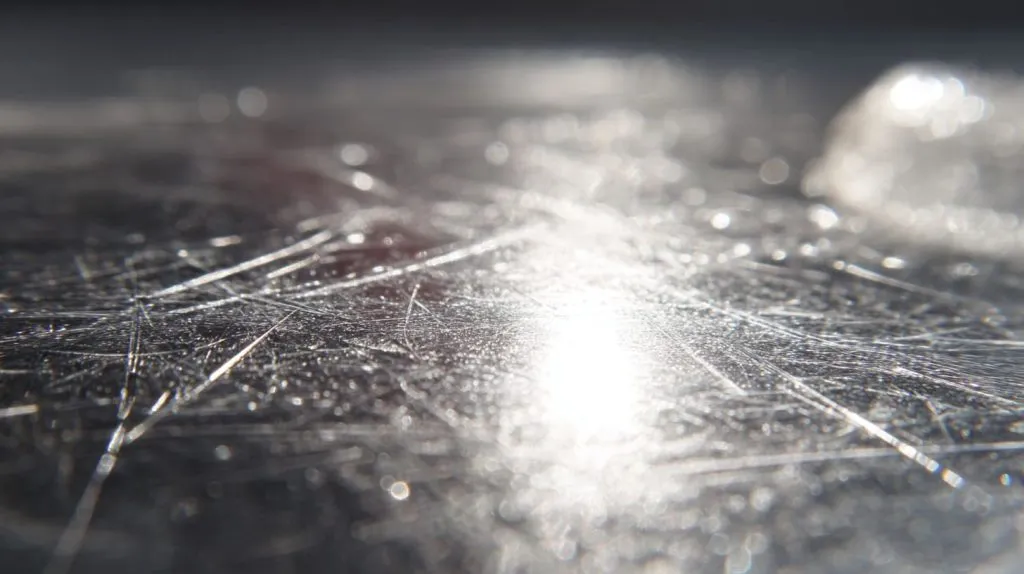
I always separate scratches into two groups first: the ones that only affect appearance, and the ones that suggest deeper damage.
How I judge scratch depth
| Scratch Type | What It Looks Like | Repair Chance |
|---|---|---|
| Very light swirl | Seen only under angle | High |
| Light scratch | Visible but shallow | Good |
| Medium scratch | Easy to feel slightly | Fair |
| Deep scratch | Nail catches clearly | Limited |
A basic repair path for light scratches
- Clean the surface first.
- Apply a plastic polish.
- Use a soft clean cloth.
- Buff gently in controlled motions.
- Repeat if needed.
When deeper repair is needed
For deeper marks, people sometimes move to wet sanding and multi-stage polishing. That can work, but it also raises the risk of uneven finish.
To be honest, once the damage is deep and placed right in the main viewing area, I start comparing repair time against replacement cost. That is often the smarter business decision.
How do I make cloudy or hazy plexiglass clear again?
Cloudiness makes acrylic look old, even when the sheet is still structurally fine.
To make cloudy or hazy plexiglass clear again, first wash away dirt with mild soap and water, then use an acrylic-safe polish or plastic restoration product to improve clarity. The result depends on whether the haze is from dirt, wear, or chemical damage.
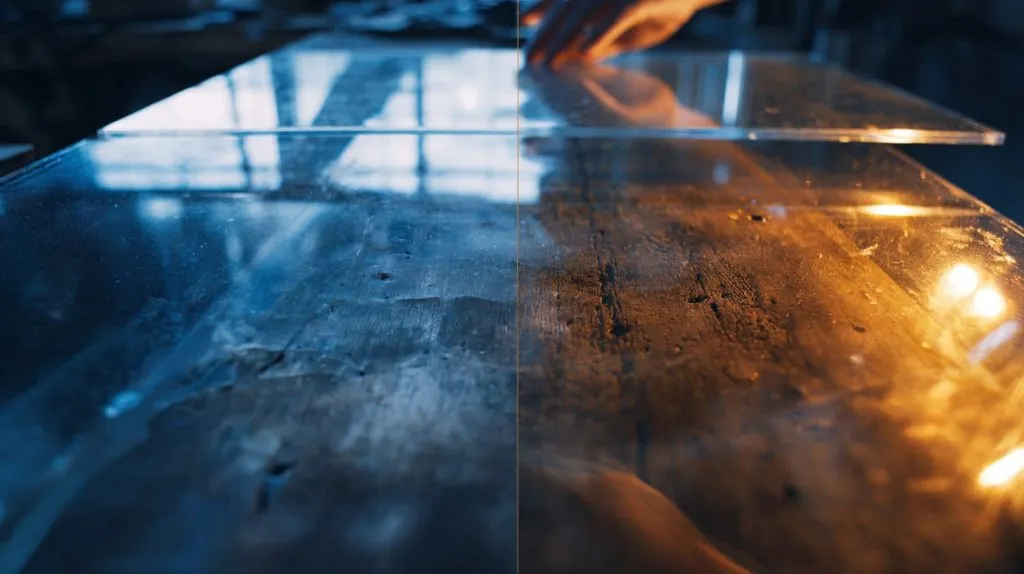
Not all haze is the same. That is where people waste time. They use polish on dirt, or soap on surface damage.
The three common causes of haze
| Cause | Typical Look | Best Action |
|---|---|---|
| Dirt buildup | Uneven film | Wash it |
| Fine wear | Dull surface | Polish it |
| Chemical damage | Permanent cloudy area | Limited recovery |
My step-by-step approach
1. Clean before judging
I always wash the panel first. Dust and grease can fake the look of real damage.
2. Check under direct light
A panel can look fine in soft light and terrible in sharp light. I check both.
3. Polish only if needed
If the haze stays after cleaning, then I move to polish.
The hard truth
Sometimes the panel is not dirty or lightly worn. It is chemically damaged. When that happens, the acrylic may never come fully back.
That is the painful lesson behind many “miracle fix” attempts.
How often should I clean and maintain plexiglass acrylic?
Acrylic does not always need constant cleaning. It needs smart cleaning at the right time.
Plexiglass acrylic should be cleaned as often as needed to prevent dirt buildup, but always with gentle methods. High-touch or public-facing acrylic may need weekly cleaning, while lower-use pieces may only need light maintenance every few weeks.
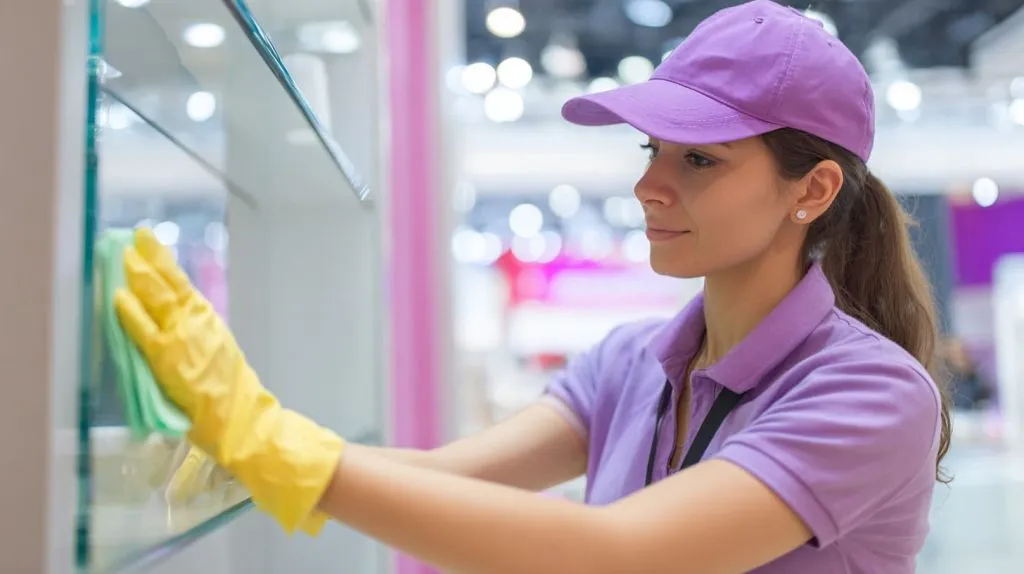
I do not believe in cleaning schedules that ignore real use. A showroom panel and a back-office sign live very different lives.
A practical cleaning guide
| Use Environment | Suggested Routine |
|---|---|
| Retail display | Weekly or as needed |
| Office divider | Every 1–2 weeks |
| Cosmetic display | Frequent light cleaning |
| Storage acrylic box | Every few weeks |
| Protective panel in public use | Check often and clean gently |
What I watch for
- Fingerprint buildup
- Sticky dust
- Loss of shine
- Residue near edges
- Static attracting more dirt
My view on over-cleaning
Acrylic can suffer from too much attention. If a panel is being rubbed every day without care, maintenance itself becomes the source of wear.
That is why I prefer gentle upkeep over aggressive “deep cleaning.”
What cleaning materials should I avoid when cleaning plexiglass?
The tool matters almost as much as the cleaner. Sometimes more.
You should avoid paper towels, rough cloths, abrasive sponges, scouring pads, dirty rags, and any material that can trap grit or scratch the surface of plexiglass.
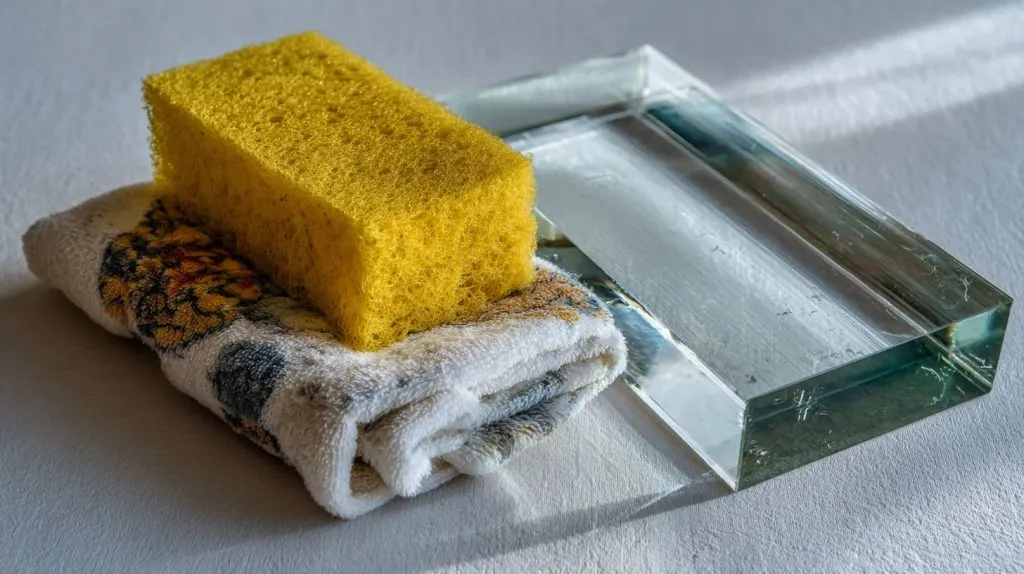
I have seen beautiful acrylic panels get ruined by cheap wiping materials long before any chemical cleaner became the problem.
Unsafe materials
| Material | Why I Avoid It |
|---|---|
| Paper towels | Fibers can scratch |
| Old cotton rag | May trap grit |
| Scrub sponge | Too abrasive |
| Scouring pad | Obvious scratch risk |
| Shop towel | Often too rough |
| Dirty microfiber | Hidden debris |
Better choices
- New or very clean microfiber cloth
- Soft lint-free cloth
- Separate cloth for washing and drying
- Fresh cloth for final polish
The overlooked issue
The cloth may look clean and still be dangerous. Tiny trapped dust, dried residue, or workshop grit can do quiet damage. That is why I never judge a cloth by sight alone.
Can I polish plexiglass to restore its shine?
Yes, but the answer needs a little honesty.
Yes, you can polish plexiglass to restore its shine if the surface has light dullness, haze, or fine marks. Polishing works best on minor wear and should be done with products made for acrylic or clear plastics.
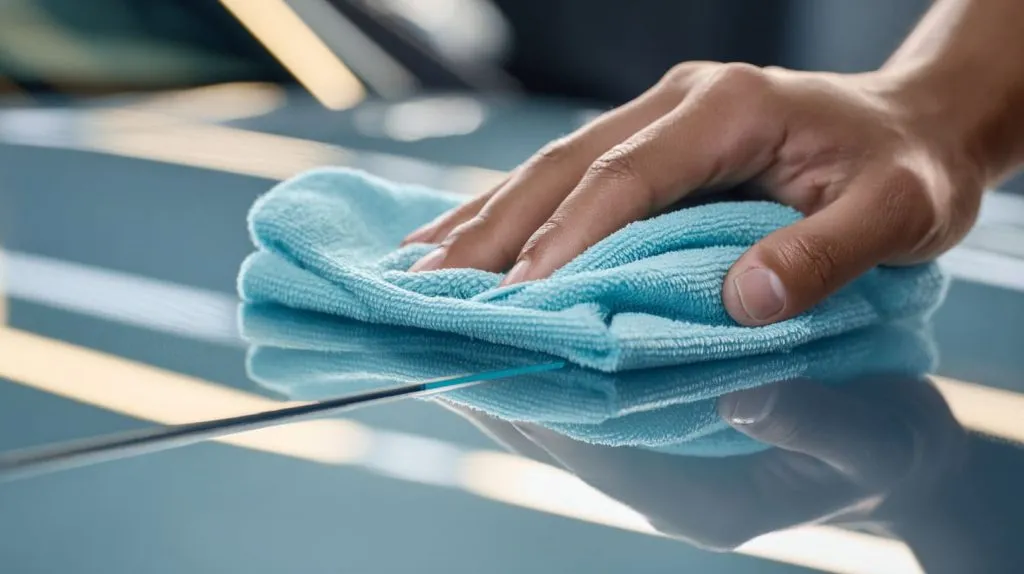
I like polishing as a recovery step, not as a magic trick. It helps, but it has limits.
When polishing gives good results
| Surface Condition | Expected Result |
|---|---|
| Mild dullness | Good improvement |
| Light haze | Good improvement |
| Fine swirl marks | Often improved |
| Deep scratches | Limited |
| Chemical burn | Poor |
A simple polishing mindset
Start light
Use the least aggressive method first.
Check often
Do not keep buffing blindly.
Stop before overdoing it
Too much polishing can create uneven shine.
My honest rule
If the acrylic needs heavy correction in too many areas, I start thinking less like a cleaner and more like a buyer. Sometimes replacement creates a better final result than endless rework.
Does alcohol damage plexiglass acrylic surfaces?
This is one of those questions where people want a neat yes or no. Real life is a bit messier.
Yes, alcohol can damage plexiglass acrylic surfaces, especially with repeated use, high concentration, or contact with stressed areas. It may cause dullness, micro-cracks, or surface weakening over time.
I know alcohol feels like a clean, efficient choice. It dries fast. It feels sanitary. That is exactly why so many people reach for it too quickly.
Why alcohol is risky
Acrylic can react badly to harsh chemical exposure. The danger is even greater when the part has been bent, drilled, glued, or laser cut.
Risk breakdown
| Alcohol Use Case | Risk Level |
|---|---|
| Rare light use on unstressed area | Medium |
| Frequent routine wiping | High |
| Strong alcohol solution | High |
| Use near cracks or drilled holes | Very High |
The trade-off people miss
Fast evaporation feels convenient, but convenience is not the same as compatibility. I would rather use a slower, safer cleaner than save ten seconds and shorten the life of the panel.
How do professionals maintain acrylic displays and panels?
This is where routine matters more than heroics. Good maintenance is usually quiet, simple, and consistent.
Professionals maintain acrylic displays and panels by removing dust first, using plastic-safe cleaners, wiping with clean microfiber cloths, polishing only when needed, and training staff to avoid harsh chemicals and rough materials.
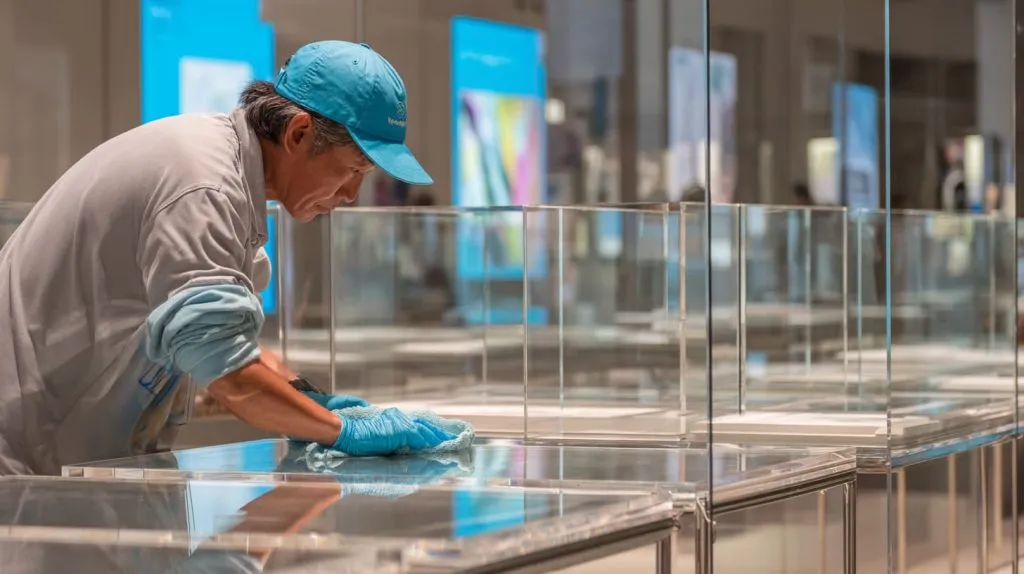
What separates professional maintenance from casual cleaning is not fancy equipment. It is discipline.
The habits I see in good operations
- Dust removal before wiping
- Separate cloths for wash and dry steps
- Approved acrylic-safe products only
- Regular light maintenance
- Staff instruction for handling and cleaning
- Quick response to scratches or haze
A simple professional workflow
| Step | Purpose |
|---|---|
| Inspect surface | Check dust, scratches, haze |
| Remove loose particles | Prevent rubbing grit |
| Clean gently | Remove dirt safely |
| Dry with care | Avoid streaks and friction |
| Polish if needed | Restore finish |
| Review handling habits | Prevent repeat damage |
What actually keeps acrylic looking good
Acrylic ages best when the whole team respects the material. One careful cleaner cannot save a panel that five other people keep wiping with whatever is nearby.
That is often the real story behind recurring damage.
Conclusion
Plexiglass acrylic stays clear longer when I treat it gently, clean it with mild products, and avoid rough tools or harsh chemicals. If you want acrylic displays, panels, or custom pieces that keep looking sharp, it helps to build the right cleaning habit from the start. For custom acrylic projects that need both good design and practical long-term use, you can reach me through Feilong Acrylic at flacrylic.com.