Skip to content

A clear panel can look simple. Then scratching, cracking, yellowing, and cost start fighting each other, and the wrong choice gets expensive very fast.
The best clear plastic for protective panels depends on the job. I usually choose acrylic for clarity and scratch resistance, polycarbonate for impact strength, and PETG when I need easier forming and a softer cost-performance middle ground.
That sounds clean on paper. Real buying decisions are not. I have seen one “clear panel” request turn into a long discussion about safety, price, weather, shipping, and how much abuse the panel will really take.
What Are the Main Types of Clear Plastic Used for Protective Panels?
Not all clear plastics behave the same, even when they look almost identical from a few steps away.
The main clear plastics used for protective panels are acrylic, polycarbonate, and PETG. Acrylic looks the clearest, polycarbonate resists impact best, and PETG sits in the middle with decent toughness and easier fabrication.
I have watched buyers compare these three as if they were just different price tiers of the same material. They are not. They solve different problems.
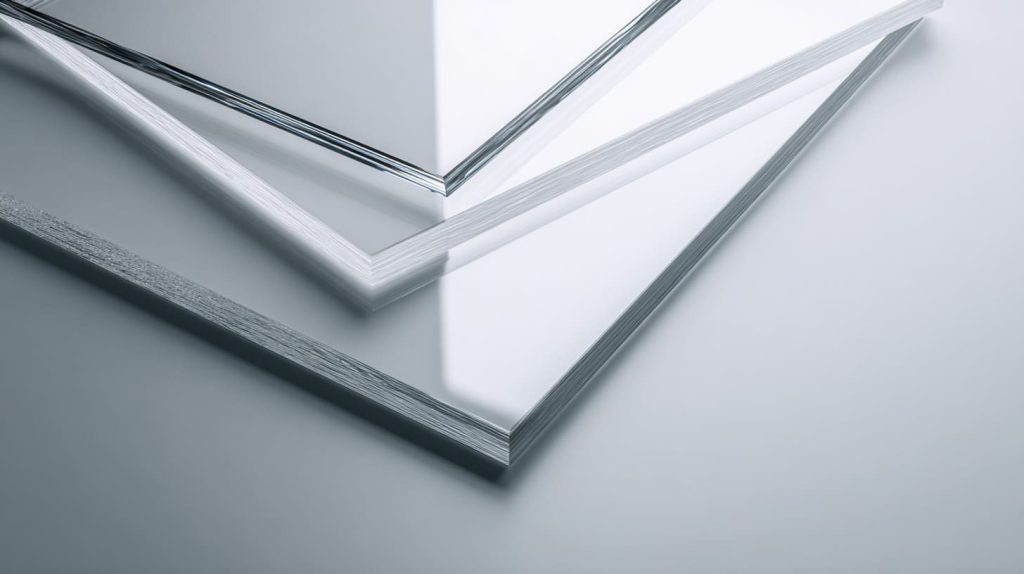
The three materials I see most often
| Material | What I like about it | Main weakness | Common uses |
|---|---|---|---|
| Acrylic | Very clear, clean surface, better scratch resistance than the others | More brittle under hard impact | Display guards, machine covers, retail panels |
| Polycarbonate | Very strong against impact, safer in abuse-heavy use | Scratches more easily, higher cost | Safety guards, riot shields, industrial protection |
| PETG | Easier to thermoform, good toughness, flexible processing | Softer surface, lower scratch resistance | Formed covers, light-duty guards, shaped panels |
How I think about them in real work
I do not start with material names. I start with the failure I want to avoid.
Sometimes that failure is cracking.
Sometimes it is scratching.
Sometimes it is a customer saying, “Why does this panel already look old?”
That is why I sort clear plastics in a practical way:
- Acrylic for beauty and clean presentation
- Polycarbonate for hard impact and rough handling
- PETG for formed parts and easier fabrication
The detail I never ignore is this: when a buyer says “protective,” I ask what kind of protection they actually mean. A sneeze guard, a machine guard, and a vandal-resistant panel can all be called protective panels, but they do not need the same plastic.
Quick comparison table
| Question | Acrylic | Polycarbonate | PETG |
|---|---|---|---|
| Best visual clarity? | Yes | Good | Good |
| Best impact strength? | No | Yes | Moderate |
| Best scratch resistance? | Better | Lower | Lower |
| Best for thermoforming? | Moderate | Moderate | Good |
| Best budget look-value balance? | Yes | No | Sometimes |
One thing I have learned the hard way is that people often buy clear plastic with their eyes first and with their use conditions second. That order causes trouble.
Is Acrylic or Polycarbonate Better for Protective Panels?
This question shows up all the time because these two materials sit at the center of most panel decisions.
Acrylic is better when I need clarity, surface appearance, and lower cost. Polycarbonate is better when I need impact resistance, safety, and higher toughness under real-world abuse.
The hard part is not understanding the difference. The hard part is accepting the trade-off.

Where acrylic wins
Acrylic gives me a cleaner visual result in many projects.
It looks sharp. It feels more premium on display panels. It usually stays nicer longer in places where people wipe, clean, and stare at the surface every day.
Acrylic is often the better fit for:
- Retail protective panels
- Counter shields
- Cosmetic display guards
- Low-impact machine covers
- Indoor display barriers
Where polycarbonate wins
Polycarbonate earns its higher price when impact risk is real.
It bends more before failure. It handles abuse better. It is the material I trust more when a panel may get hit, dropped, kicked, or stressed during use.
Polycarbonate is often the better fit for:
- Industrial machine guards
- Workshop barriers
- School or public-area protective screens
- Safety glazing applications
- High-contact environments
My real buying logic
| Situation | What I lean toward | Why |
|---|---|---|
| Clean retail display | Acrylic | Better surface look and value |
| Industrial safety guard | Polycarbonate | Much safer under impact |
| Public space with rough use | Polycarbonate | Better abuse resistance |
| Branded product cover | Acrylic | Better visual quality |
| Shaped formed panel | PETG or polycarbonate | Depends on abuse level |
I usually stop the conversation right here and ask one uncomfortable question: If this panel fails, will it create a cosmetic complaint or a safety problem? That single answer often makes the material choice much easier.
A small mistake that happens often
Some buyers choose acrylic because it is cheaper, then ask it to behave like polycarbonate.
That is not a material problem. That is a decision problem.
Acrylic is not weak. It is just not the right answer for heavy impact situations.
What Is the Difference Between Acrylic, Polycarbonate, and PETG?
These three materials get grouped together too often, and that hides what really matters.
Acrylic gives the best clarity and better surface hardness, polycarbonate gives the best impact strength, and PETG offers a softer middle option with easier forming and decent toughness for less demanding applications.
The difference is not just chemistry. The difference is how each material behaves when real life starts pushing on it.
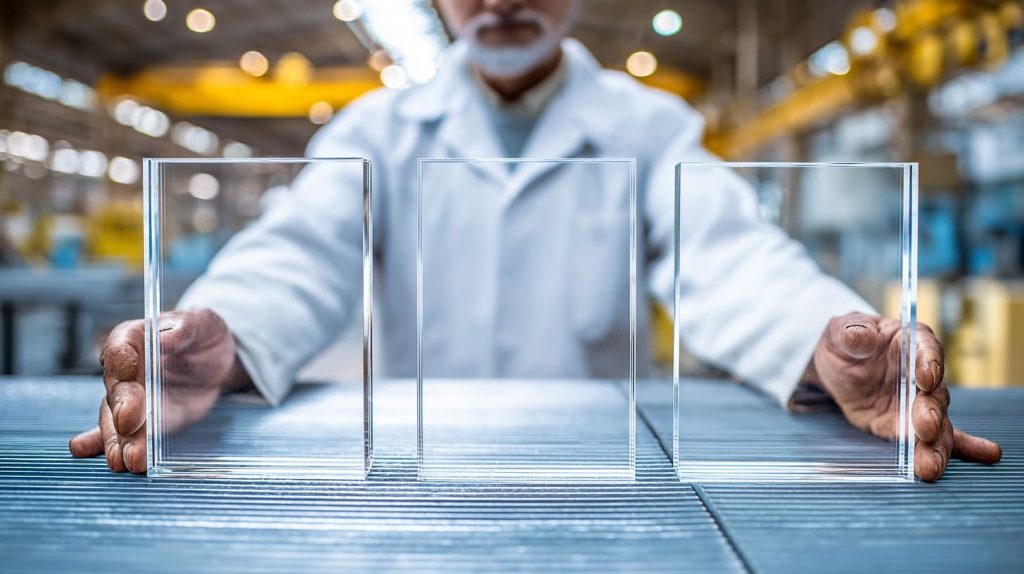
Side-by-side comparison
| Property | Acrylic | Polycarbonate | PETG |
|---|---|---|---|
| Clarity | Excellent | Very good | Very good |
| Impact resistance | Moderate | Excellent | Good |
| Scratch resistance | Better | Lower | Lower |
| Ease of forming | Moderate | Moderate | Good |
| Cost | Lower to mid | Higher | Mid |
| Stiff feel | Good | Good | Slightly softer |
| Typical look | Crisp, glossy | Functional, strong | Flexible, practical |
How they feel in real use
Acrylic feels like the material that wants to look good.
Polycarbonate feels like the material that wants to survive.
PETG feels like the material that wants to cooperate in production.
That may sound simple, but it matches what I see in workshops and sourcing discussions.
When PETG enters the conversation
PETG usually comes in when I need:
- Curved or formed shapes
- Easier fabrication
- Less brittle behavior than acrylic
- A lower-cost option than polycarbonate in some builds
Still, I do not treat PETG like a magic compromise. It helps in some jobs, but it does not dominate the field.
The thing that often changes my decision is not the material data sheet. It is how the panel will be cleaned, touched, packed, installed, and complained about six months later.
Which Clear Plastic Has the Highest Impact Resistance?
This one is the easiest question in the whole article.
Polycarbonate has the highest impact resistance among common clear plastics used for protective panels. It is far tougher than acrylic and stronger than PETG when impact, abuse, or sudden force is the main concern.
That is why polycarbonate keeps showing up in safety-heavy applications even when buyers dislike the extra cost.
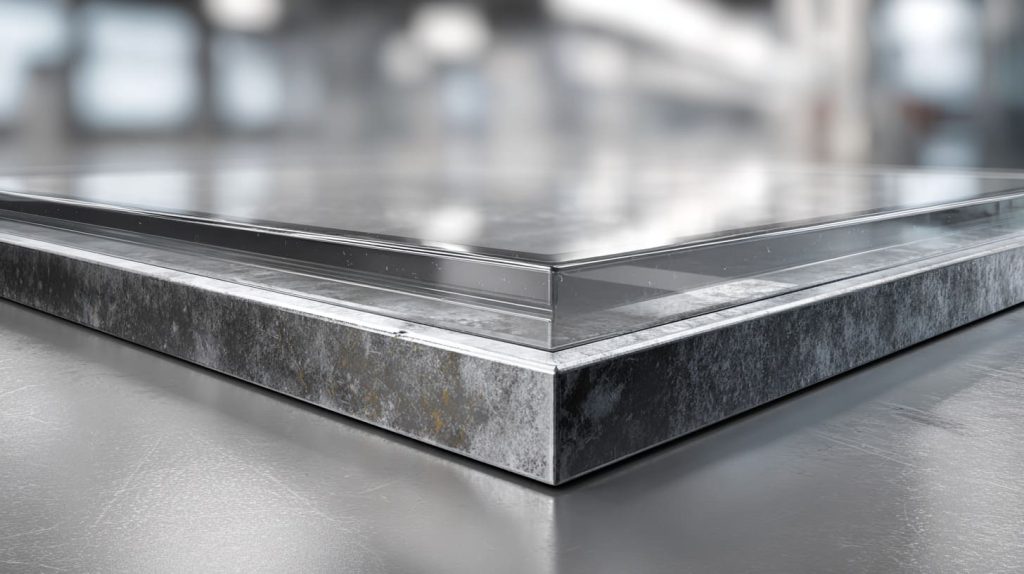
Why impact resistance matters
Impact resistance is not just about someone hitting a panel with a tool.
It also matters when:
- A panel gets dropped during installation
- A fastener stresses the edge
- A customer leans on it
- A cart bumps into it
- Repeated use creates fatigue over time
Simple ranking
| Material | Impact resistance level | My view |
|---|---|---|
| Polycarbonate | Highest | Best for real safety risk |
| PETG | Medium | Useful for moderate abuse |
| Acrylic | Lowest of the three | Fine if impact risk is low |
What buyers often miss
People hear “impact resistant” and imagine one dramatic event.
I think about repeated bad treatment.
That is where polycarbonate earns respect. It keeps giving me more room for mistakes. In factory work, public use, and rough logistics, that matters a lot.
My concern is rarely the perfect lab condition. My concern is what happens when a panel gets one stupid hit during shipping, then another careless hit during installation, and then daily abuse after that.
When I do not pay extra for polycarbonate
I do not default to polycarbonate every time. If the panel sits in a controlled indoor environment and mostly needs to look clean, I do not buy impact strength I will never use.
That is wasted budget.
Which Clear Plastic Is the Most Scratch-Resistant for Panels?
Scratches can ruin a panel long before it fails structurally.
Acrylic is usually the most scratch-resistant of these three common clear plastics for protective panels. Polycarbonate and PETG are tougher against impact, but their surfaces mark more easily in everyday handling and cleaning.
This is why some panels stay physically intact but still look tired far too soon.
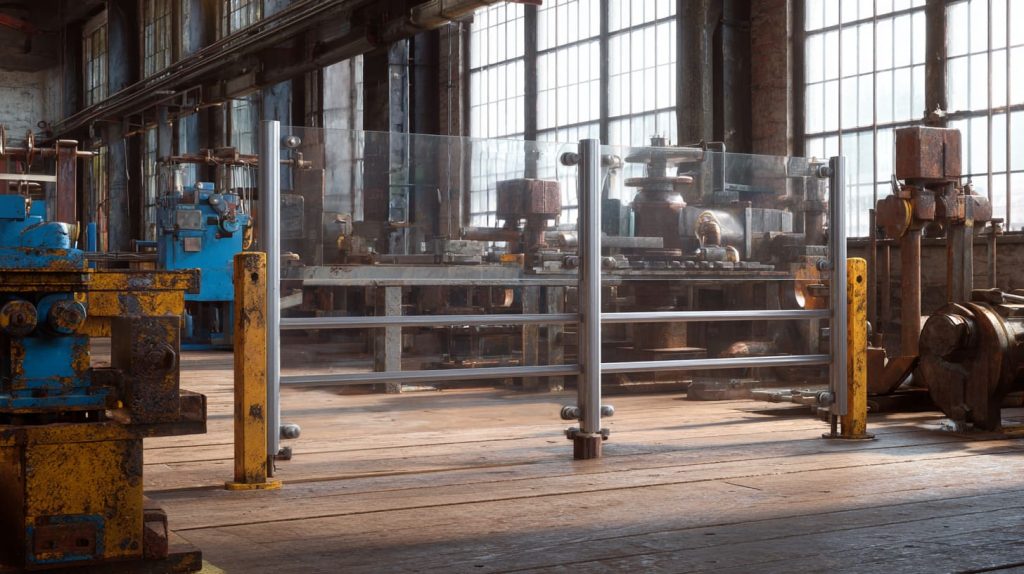
Surface appearance matters more than people expect
A protective panel can still do its job after scratching. The trouble is that customers often judge quality by appearance before anything else.
That matters in places like:
- Retail counters
- Product displays
- Cosmetic areas
- Office partitions
- Branded commercial fixtures
Scratch resistance comparison
| Material | Scratch resistance | Visual aging speed |
|---|---|---|
| Acrylic | Better | Slower in light-use environments |
| Polycarbonate | Lower | Faster without protection |
| PETG | Lower | Can look worn quickly |
Cleaning changes everything
Many panel problems start with cleaning habits, not with the original material.
Acrylic can still scratch.
Polycarbonate can still work well.
PETG can still be useful.
But if staff wipe a panel with rough cloths, dirty rags, or harsh habits, the surface story changes very fast.
What often makes me reject a softer-surface option is not the lab number. It is the cleaning routine at the customer site, because daily wiping can age a panel faster than people think.
A practical tip I keep in mind
If the panel is customer-facing and people care how “new” it looks, I lean toward acrylic unless impact risk tells me not to. That visual lifespan is worth money, even if it does not always appear on the quote sheet.
How Thick Should a Protective Plastic Panel Be for Safety?
Thickness questions sound simple, but they are usually tied to the wrong assumption.
The right thickness depends on panel size, mounting method, expected force, and safety level. A small indoor barrier may work at low thickness, while larger or higher-risk panels need much more thickness and stronger support.
I never choose thickness by material alone. Span and use matter just as much.

What changes the thickness decision
These factors matter first:
- Panel width and height
- Unsupported span
- Mounting frame strength
- Impact risk
- User contact frequency
- Safety requirement
- Indoor or outdoor use
General thinking guide
| Use case | Usual thickness logic |
|---|---|
| Light sneeze guard | Thin to moderate |
| Retail barrier panel | Moderate |
| Machine safety panel | Moderate to thick |
| Public protection screen | Thicker with stronger framing |
| High-abuse impact area | Thick panel plus structural support |
The mistake I see most
Many people ask, “What thickness is safe?” without asking, “Safe against what?”
That missing part causes weak decisions.
A thin panel may be fine in a quiet store. The same thickness may feel terrible in a school, workshop, or busy public setting.
The point I weigh most heavily is panel movement. If a sheet flexes too much when touched, even before it fails, the product already feels wrong to me.
Why support matters as much as thickness
A bigger sheet often needs better framing, not just more plastic.
I have seen buyers keep increasing thickness while ignoring mounting design. That gets expensive fast and still does not fully solve flex, vibration, or edge stress.
Is Polycarbonate Worth the Higher Cost Compared to Acrylic?
This is where budget pressure meets real-life risk.
Polycarbonate is worth the higher cost when impact resistance, safety, and durability under abuse truly matter. Acrylic is usually the smarter value choice when the panel needs good clarity, cleaner appearance, and lower cost in lower-risk settings.
I do not ask whether polycarbonate is better in general. I ask whether the extra money is buying a real benefit.

When the extra cost pays back
Polycarbonate often justifies the price when:
- Failure could hurt someone
- Replacement cost is high
- Installation is difficult
- Public abuse is likely
- Downtime would be expensive
When acrylic gives better value
Acrylic often wins when:
- The panel is mostly visual
- Contact is light
- The environment is controlled
- The buyer wants a cleaner look
- Budget matters more than extreme toughness
Simple cost-value view
| Scenario | Better value choice | Why |
|---|---|---|
| Display protection | Acrylic | Better look for the money |
| Factory guard | Polycarbonate | Safer and tougher |
| Office partition | Acrylic | Enough performance at lower cost |
| Public-use safety screen | Polycarbonate | Better risk control |
| Formed light-duty cover | PETG | Easier processing |
The place where I get cautious is when a buyer wants to save a little on material but creates a bigger replacement risk later. I would rather defend a higher material cost than explain a cracked panel after installation.
A cost mistake that looks smart at first
Cheap is not always low cost.
Acrylic may cost less at the start. But if the panel breaks in a rough-use environment, the total cost becomes much uglier. Freight, replacement, labor, and reputation all join the bill.
Which Clear Plastic Is Best for Outdoor Protective Panels?
Outdoor use changes the whole conversation because weather does not forgive weak assumptions.
For outdoor protective panels, I usually look first at, impact needs, and long-term appearance. Acrylic often performs well for weather and clarity, while polycarbonate can work better when outdoor impact risk is higher.
Outdoor panels live a harder life than many buyers expect.

What outdoor panels must survive
Outdoor clear panels deal with:
- Sunlight
- Rain
- Dust
- Temperature swings
- Expansion and contraction
- Cleaning marks
- Long-term aging
Material thinking outdoors
| Outdoor concern | Acrylic | Polycarbonate | PETG |
|---|---|---|---|
| Clarity retention | Good | Good, depends on grade | Moderate |
| Impact performance | Moderate | Strong | Moderate |
| Outdoor risk tolerance | Good for many uses | Good when toughness matters | More limited |
| Surface appearance over time | Better in many visual uses | Can scratch more easily | Can age less gracefully |
Outdoor choice is not one-size-fits-all
For a neat branded outdoor panel with moderate risk, I often feel comfortable with acrylic.
For an outdoor panel near rough contact, public touch, or possible abuse, I lean toward polycarbonate.
For PETG, I get more cautious outdoors unless the application is limited and well understood.
The question I trust most outdoors is not “Which sheet is stronger?” It is “Which problem will show up first after a year outside?” Sometimes that problem is not breakage. It is ugly wear.
One thing I never ignore
Outdoor performance depends on the exact grade, coating, and design, not just the base plastic name. A vague material choice can become a very expensive surprise outside.
Can PETG Replace Acrylic or Polycarbonate in Protective Applications?
PETG is tempting because it often feels like a compromise that solves everything.
PETG can replace acrylic or polycarbonate in some protective applications, especially when easier forming and moderate toughness matter. Still, it usually does not fully replace acrylic for scratch resistance or polycarbonate for high-impact safety.
That is why I treat PETG as useful, not universal.

Where PETG works well
PETG can be a smart choice for:
- Thermoformed covers
- Shaped guards
- Moderate-use barriers
- Projects needing easier fabrication
- Applications where extreme scratch or impact performance is not required
Where PETG falls short
| Requirement | Can PETG replace? | My view |
|---|---|---|
| Premium visual display panel | Sometimes | Acrylic often looks better long term |
| High-impact safety guard | Usually no | Polycarbonate is safer |
| Easy formed cover | Yes | PETG is often very practical |
| Budget mid-level panel | Sometimes | Depends on wear expectations |
The trap with PETG
PETG looks attractive because it sounds balanced.
Balanced is good. But balanced is not always best.
Some buyers pick PETG because it avoids making a harder choice. I understand that instinct. Still, I prefer PETG when the project clearly benefits from its forming behavior, not just because it sits in the middle.
I get suspicious when a material is chosen mainly because it feels like the least risky compromise. Middle-ground materials can still be the wrong answer when the job has one dominant requirement.
How Do You Choose the Right Clear Plastic for Your Specific Use Case?
This is the real question behind all the others.
I choose the right clear plastic by checking impact risk, scratch expectations, appearance needs, thickness, forming needs, environment, and budget together. The best material is the one that matches the real failure risk, not the one with the best headline property.
That sounds simple. It is not. But it does keep me from making lazy decisions.

My practical decision order
I usually move through the choice like this:
- What kind of failure matters most?
- Will people hit it, wipe it, or only look at it?
- Is the panel indoor or outdoor?
- Does it need forming or simple flat cutting?
- Does appearance matter more than toughness?
- What budget can the project really support?
My fast material guide
| If this matters most | I usually choose |
|---|---|
| Best clarity and cleaner surface look | Acrylic |
| Highest impact resistance | Polycarbonate |
| Easier forming with decent toughness | PETG |
| Lower-cost display protection | Acrylic |
| Higher-risk safety protection | Polycarbonate |
Questions I ask before I approve a panel
- Who will touch it?
- How often will it be cleaned?
- What happens if it cracks?
- What happens if it scratches?
- Does it sit in sun or weather?
- Will the buyer complain more about damage or price?
The decision that saves me most trouble is asking what kind of complaint the customer is most likely to make six months after delivery, because that answer often reveals the right material faster than any catalog description.
A simple way to avoid the wrong choice
If you want a clean-looking indoor panel, start with acrylic.
If you want safety against impact, start with polycarbonate.
If you need forming flexibility, test PETG.
Then refine the thickness, support, and finish from there.
Conclusion
I do not choose clear plastic by habit anymore. I choose it by risk, use, and what failure will hurt most later. That is why my answer changes by project. If you are comparing acrylic, polycarbonate, or PETG for a real panel job, you can contact me at info@xflacrylic.com or visit flacrylic.com to discuss the right custom direction.