Skip to content
People only notice directional signage when it fails. They miss a turn. They get annoyed. Then your front desk gets the same question ten times a day. That is a cost, even if nobody writes it on a budget sheet.
Acrylic works for directional signage because it is clear, clean-looking, easy to print on, and stable in daily use. It holds color well, resists many indoor chemicals, and supports many mounting styles. For most commercial wayfinding, it balances looks, durability, and lead time.
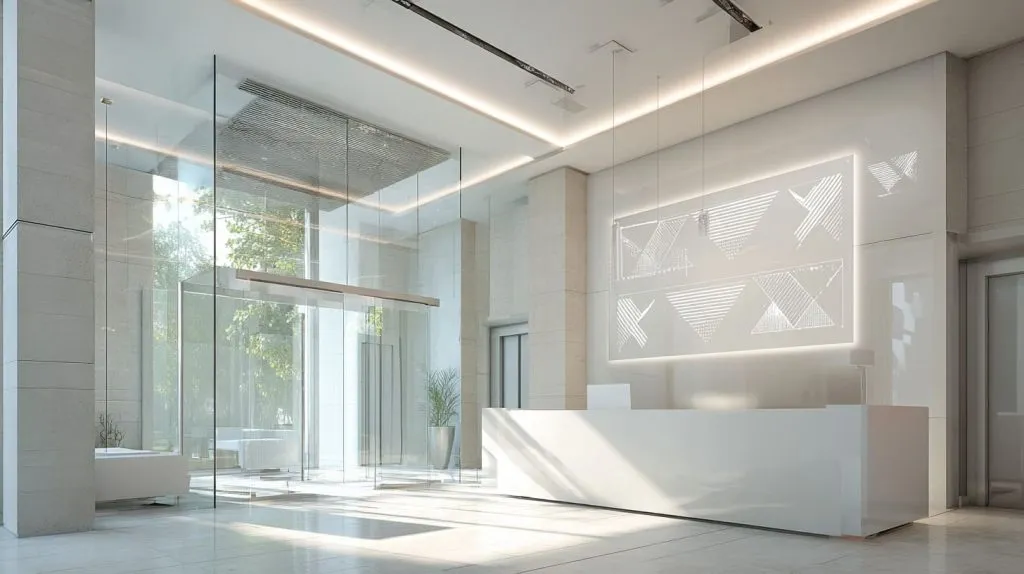
I have seen a small sign choice change the whole “feel” of a lobby. The funny part is that nobody says “nice acrylic.” They just feel the place is organized. And that is the real win.
What is acrylic signage and how is it used for directional signs?
Directional signage is not about art. It is about trust. People follow it fast, often while walking. If the sign looks cheap or confusing, they doubt it. Then they slow down and look around like they are lost.
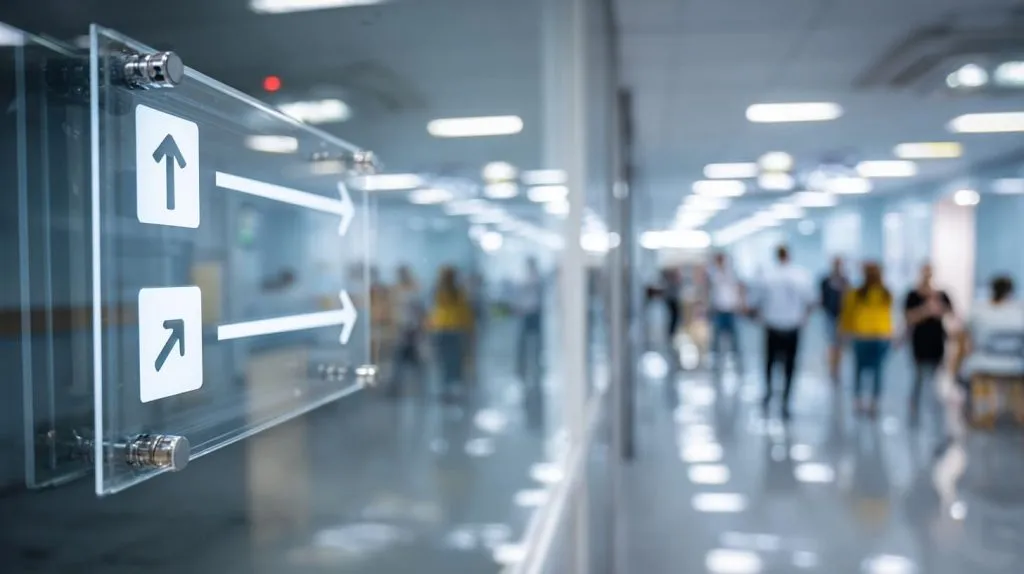
Acrylic signage for directional signs means using clear, frosted, or colored acrylic sheets with printed or engraved information. It is used for arrows, room names, floor guides, and wayfinding panels. Acrylic can be flat mounted, standoff mounted, or layered for depth and clarity.
Where I see acrylic used most often
- Hospitals: departments, clinic zones, elevator direction, ward numbers
- Malls: restroom direction, exits, store zone maps, parking guidance
- Office buildings: reception guides, meeting room labels, floor directories
- Factories: safety zones, SOP boards, equipment identification
Typical acrylic directional sign styles
| Style | What it looks like | Why people choose it |
|---|---|---|
| Flat printed panel | Clean and simple | Lowest cost, fast production |
| Frosted + printed | Soft, premium look | Less glare, easier reading |
| Layered acrylic | 2–3 layers | More depth, stronger brand feel |
| Engraved + paint fill | Carved letters | Durable text, classic look |
| Raised letters | 3D effect | High-end, strong visibility |
A practical note I learned the hard way
If the sign is meant to be read from 2–3 meters away, I keep the layout simple. Bigger arrow. Fewer words. Strong contrast. It sounds basic. It saves complaints.
What are the advantages of using acrylic?
Acrylic is a “quiet” material. It does not fight the space. It blends in. That is what wayfinding needs. Directional signs should guide, not shout.
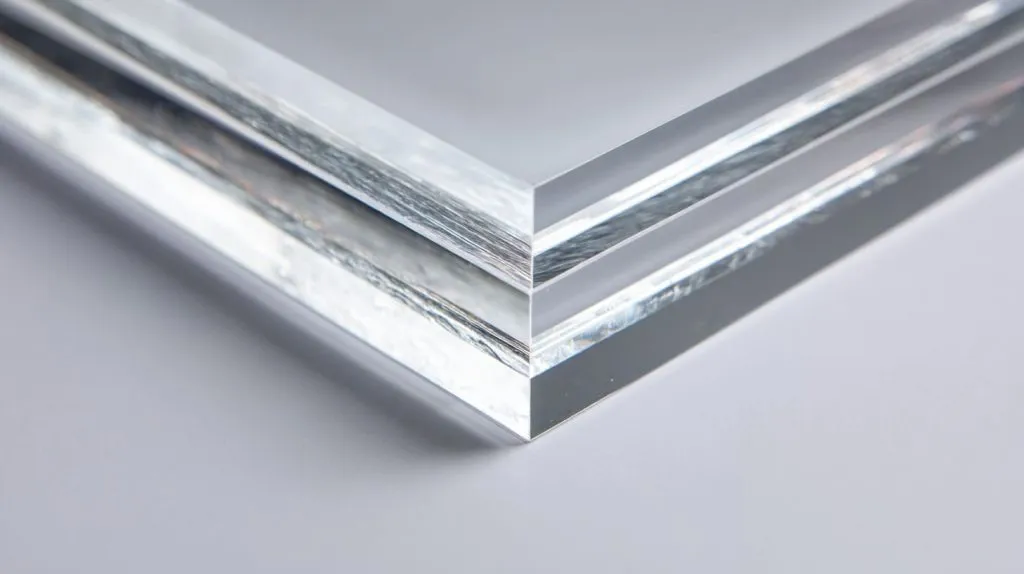
Acrylic advantages include high transparency, clean edges, good print compatibility, and stable flatness indoors. It supports many finishes like glossy, matte, frosted, and color sheets. It also allows precise CNC or laser cutting for tight shapes and consistent results.
The advantages that matter in real projects
| Advantage | What it means on site | Why buyers like it |
|---|---|---|
| Clean look | Feels modern and “designed” | Better first impression |
| Sharp fabrication | Tight corners and clean cutouts | Less rework, better fit |
| Print-friendly | UV print, screen print, vinyl | Many design options |
| Easy to mount | Tape, standoffs, frames | Flexible installation |
| Fast repeatable runs | Same size, same color, same holes | Good for multi-site rollout |
My honest “human” take
I like acrylic because it gives me control. When a client says “I want it to look premium but not expensive,” acrylic is often the safest answer.
Why is acrylic better than metal or wood for directional signage?
Metal and wood can look great. But directional signage is not only about the material. It is about legibility, consistency, and installation risk. That is where acrylic often wins.
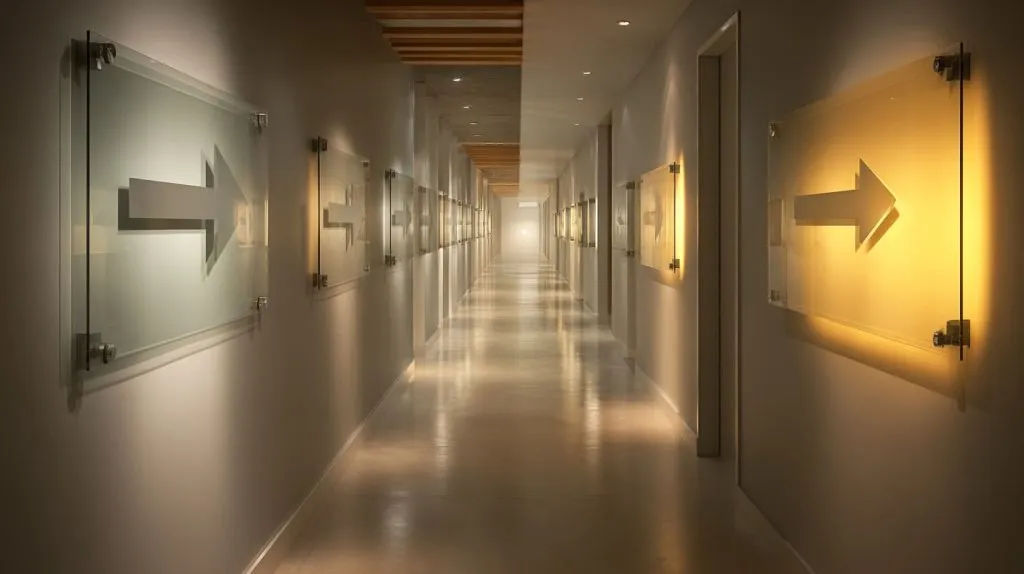
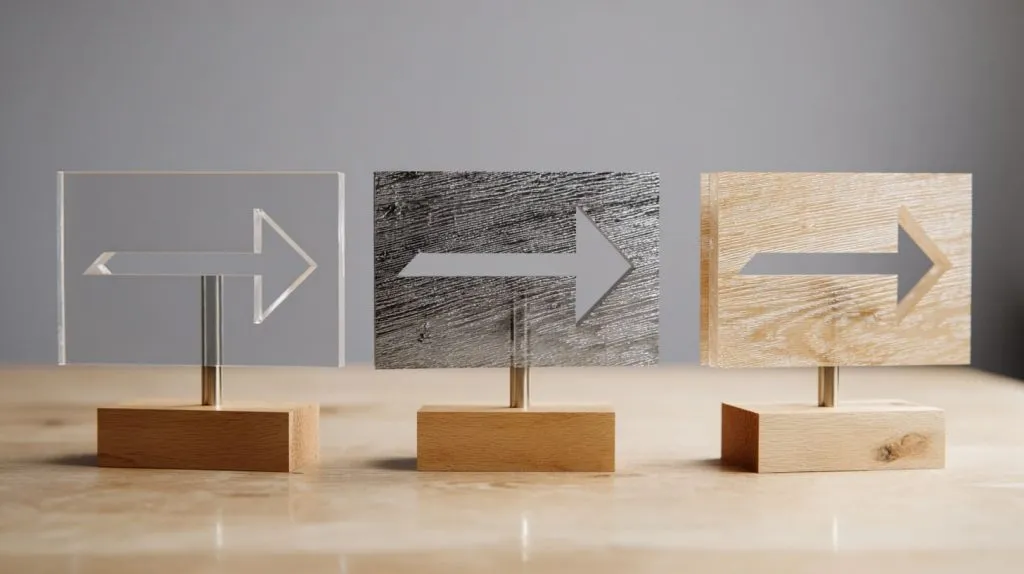
Acrylic is often better than metal or wood for directional signage because it offers cleaner contrast, easier printing, and more predictable finishes. It does not rust like metal, and it does not warp like some wood in humid indoor environments. It also supports back panels and layered designs easily.
Acrylic vs metal vs wood in wayfinding
| Material | Strength | Weak spot | Best use |
|---|---|---|---|
| Acrylic | Balanced | Can scratch | Most indoor wayfinding |
| Metal (aluminum/SS) | Very strong | Shows dents, higher cost | Heavy duty, outdoor, industrial |
| Wood | Warm feel | Moisture movement | Boutique spaces, interior branding |
The “bad surprise” I see with wood
A beautiful wooden sign can change shape slowly. One corner lifts. The mounting becomes uneven. Then it looks sloppy. In a wayfinding system, one sloppy sign makes the whole system feel less reliable.
Is acrylic durable enough for indoor and outdoor directional signs?
This question is really two questions. Indoor durability is about scratches and cleaning chemicals. Outdoor durability is about UV, heat, rain, and mounting strength.
Acrylic is durable enough for most indoor directional signs, and it can work outdoors if you choose the right thickness, UV-stable printing, and proper mounting. For harsh outdoor exposure, design details like edge protection, drainage gaps, and fastener choice matter as much as the acrylic itself.
What “durable” means in daily use
- Indoor: wiping, fingerprints, disinfectants, small knocks from bags
- Outdoor: sun fade, thermal expansion, wind vibration, water exposure
My rule of thumb
If it is outdoor and public-facing, I treat mounting as part of durability. A strong sign with weak mounting still fails. It just fails more dramatically.
Is acrylic good for outdoor signage?
Outdoor signs live a harder life. Sun and heat are not gentle. If you ignore UV and expansion, you will pay later.
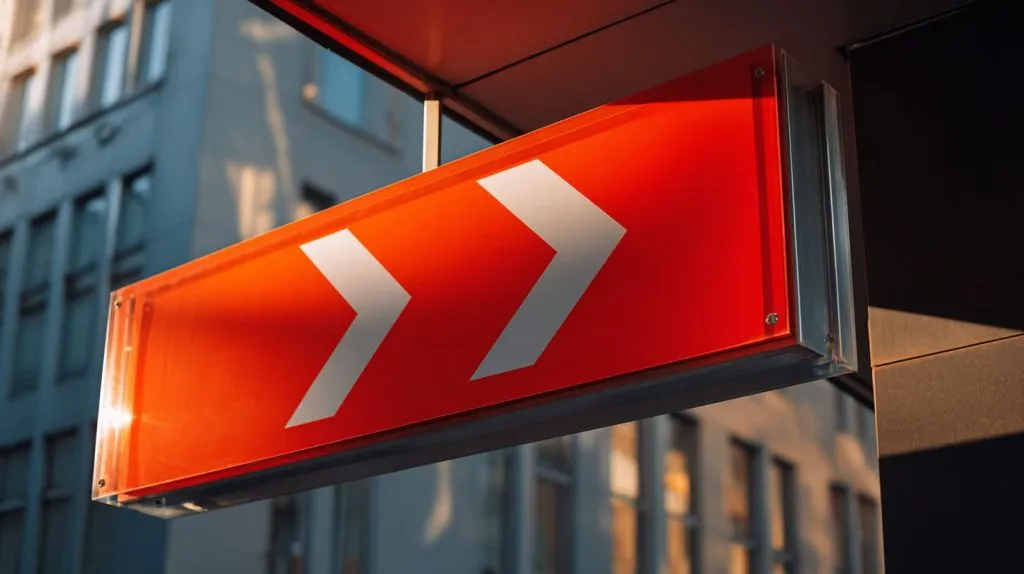
Acrylic can be good for outdoor signage when it uses UV-resistant materials and proper design. Choose suitable thickness, allow for thermal movement, and use weather-ready printing like UV printing with outdoor-rated ink. For extreme sun or coastal exposure, a protective design and maintenance plan help a lot.
Outdoor checklist I like to follow
| Item | What I check | Why it matters |
|---|---|---|
| UV exposure | Direction and hours of sun | Controls yellowing and fade |
| Heat | Surface temperature risk | Prevents warping stress |
| Wind | Vibration and load | Prevents cracking at holes |
| Water | Runoff path | Avoids dirty streaks |
| Hardware | Stainless/aluminum grade | Prevents corrosion stains |
A simple but important detail
I avoid placing screw holes too close to the edge. Outdoors, that is where cracks start if the sign moves with temperature.
Is acrylic weather resistant for outdoor wayfinding signage?
“Weather resistant” is a broad word. Acrylic itself handles moisture well, but the system must handle water, dirt, and UV together.
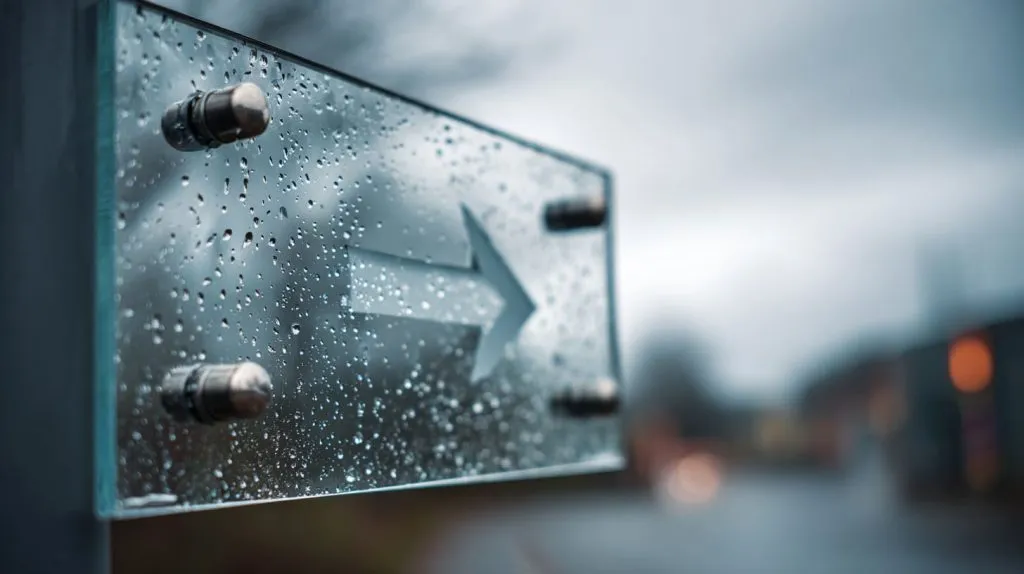
Acrylic is weather resistant for outdoor wayfinding when you use UV-stable acrylic, outdoor-grade inks, sealed edges when needed, and corrosion-resistant mounting hardware. The biggest risks are UV fading, stress cracking near fasteners, and dirt buildup at edges or standoffs.
Common outdoor failure points
- Fading print from weak ink or no UV protection
- Cracks at holes from over-tight screws or no expansion room
- Stains from rusty screws or dirty runoff
- Yellowing if poor-grade acrylic is used long-term
My critical-thinking view
Many “material problems” are actually design problems. Acrylic gets blamed. The real issue is the hole design, the screw torque, or a bad location with full sun all day.
How long do acrylic directional signs last?
Clients often want one number. The honest answer depends on where and how it is used. Still, we can talk in realistic ranges.
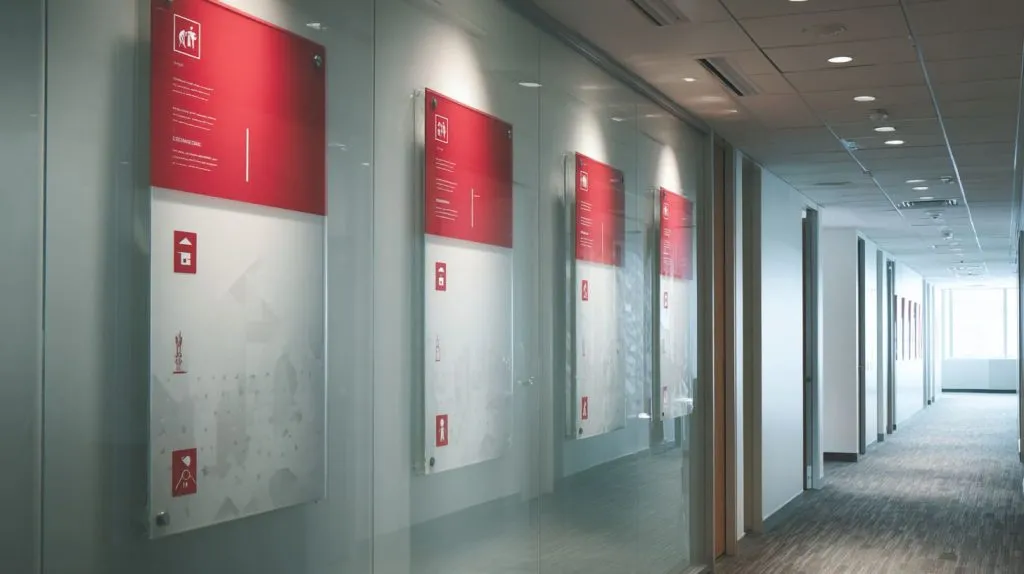
Acrylic directional signs can last many years indoors when cleaned correctly and protected from deep scratches. Outdoors, lifespan depends on UV exposure, print type, and mounting design. Good materials and correct installation usually last longer and look better over time.
What affects lifespan the most
| Factor | Indoor impact | Outdoor impact |
|---|---|---|
| Cleaning method | High | Medium |
| UV exposure | Low | Very high |
| Mounting stress | Medium | High |
| Print method | Medium | High |
| Thickness | Medium | High |
A small story that still makes me laugh
I once saw a sign that looked “old” in three months. The building team used a rough pad like they were cleaning a pan. The sign did not fail. It just looked tired. That is a training issue, not an acrylic issue.
What thickness of acrylic is best for directional signage?
Thickness is not just about strength. It changes the feel. Thin panels can look cheap. Too thick can look heavy. And mounting style matters.
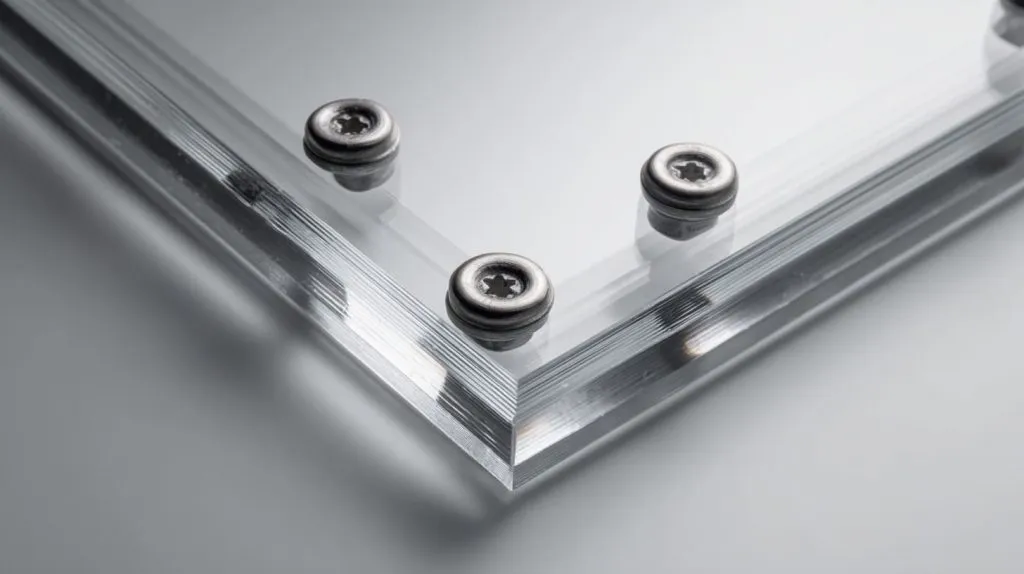
For directional signage, acrylic thickness depends on sign size, mounting method, and environment. Smaller indoor signs often use thinner sheets, while larger panels and standoff mounts usually need thicker acrylic for stiffness. Outdoor signs often benefit from extra thickness to handle wind and stress.
Thickness selection guide (practical)
| Sign size | Indoor wall mount | Standoff mount | Outdoor suggestion |
|---|---|---|---|
| Small (door/room) | Medium | Medium | Medium to thick |
| Medium (corridor) | Medium | Thick | Thick |
| Large (directory/map) | Thick | Thick+ | Thick+ |
The mistake I see
People choose thickness only by “feel.” Then the sign flexes during install. If it flexes in the installer’s hands, it will flex on the wall too.
Can acrylic directional signs be customized with logos or branding?
This is where acrylic gets fun. Brand owners want consistency. Designers want clean alignment. Acrylic can do both, if the production files are right.
Acrylic directional signs can be customized with logos, colors, and brand systems through UV printing, screen printing, engraving, or layered construction. You can match brand colors, add icons, and create depth with multi-layer acrylic. Consistency across locations is one of acrylic’s biggest strengths.
Customization options I often recommend
- UV print: fast, detailed, good for gradients
- Screen print: strong solid colors, good for large runs
- Vinyl application: flexible, good for quick changes
- Engraving + fill: durable text, premium feel
- Layered panels: brand depth, stronger contrast
Branding consistency tip
I always ask for one “golden sample” sign. Approve that first. Then all future signs follow it. It saves arguments later.
What printing methods work best on acrylic directional signs?
The best method depends on quantity, design detail, and expected wear. Some prints look great on day one but fade fast outdoors. Some last long but cost more.
UV printing and screen printing are two of the most common methods for acrylic directional signs. UV printing supports fine detail and fast lead times. Screen printing is strong for solid colors and bulk projects. Engraving is best when you want text that does not wear off easily.
Printing method comparison
| Method | Best for | Weak spot | Typical project fit |
|---|---|---|---|
| UV printing | Detail, fast turnaround | Outdoor ink quality varies | Mixed projects |
| Screen printing | Bulk, solid colors | Less detail for tiny text | Large rollouts |
| Vinyl | Quick updates | Can peel over time | Temporary or changeable |
| Engrave + fill | Long-life text | More steps, higher cost | Premium signage |
My “buyer” view
If the project is a hospital or office chain, I lean to methods that scale. The sign system must be repeatable, not just pretty.
Which is better, Panaflex or acrylic signage?
These are not direct substitutes. Panaflex is usually a flexible banner material. Acrylic is rigid. If you need a clean, permanent wayfinding system, rigid signs often look more trustworthy.
Acrylic is usually better than Panaflex for permanent directional signage because it is rigid, more premium in appearance, and easier to mount cleanly. Panaflex fits large, lightweight banners and temporary messaging. For indoor wayfinding panels, acrylic looks more stable and professional.
Quick decision table
| Need | Better choice | Why |
|---|---|---|
| Permanent wayfinding | Acrylic | Rigid, clean, easy to maintain |
| Temporary message | Panaflex | Low cost, fast to replace |
| Premium lobby look | Acrylic | Better finish and depth |
| Very large banner area | Panaflex | Lightweight and flexible |
The human truth
Acrylic signs feel like “this place has a system.” Panaflex feels like “we are still figuring it out.” That feeling matters more than people admit.
What are the advantages of acrylic over PVC for signage?
PVC is common and cost-friendly. Acrylic is usually clearer and more premium. But it is not always “better.” It depends on what you need: cost, look, or durability.
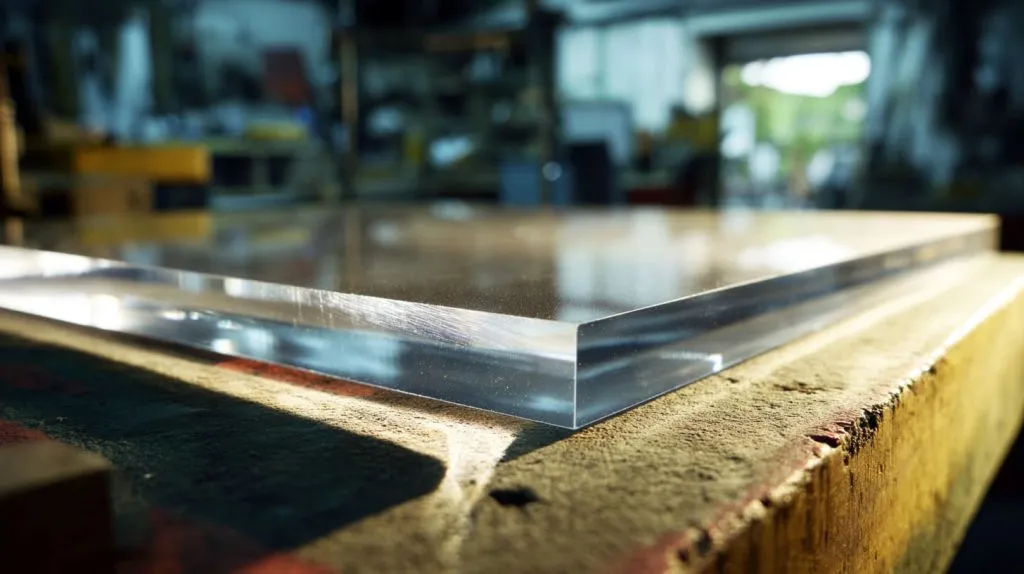
Acrylic often beats PVC for directional signage when you want a cleaner look, higher transparency, and a more premium finish. PVC can be cheaper and tougher against impact, but it may look less refined and can show surface wear differently. Acrylic is often chosen when appearance and clarity matter most.
Acrylic vs PVC for directional signs
| Topic | Acrylic | PVC |
|---|---|---|
| Look | Cleaner, more premium | More basic |
| Transparency | High | Low |
| Scratch behavior | Can scratch | Often hides wear differently |
| Cost | Usually higher | Usually lower |
| Best use | Lobbies, offices, retail | Budget signage, utility areas |
A practical mindset
If the sign is in the main path where visitors judge your brand, I spend more on the look. If it is inside a staff-only corridor, PVC can be fine.
How do you mount acrylic directional signs securely?
Mounting is where many projects win or lose. A great sign with bad mounting looks cheap. It can also fall, and that becomes a safety issue.
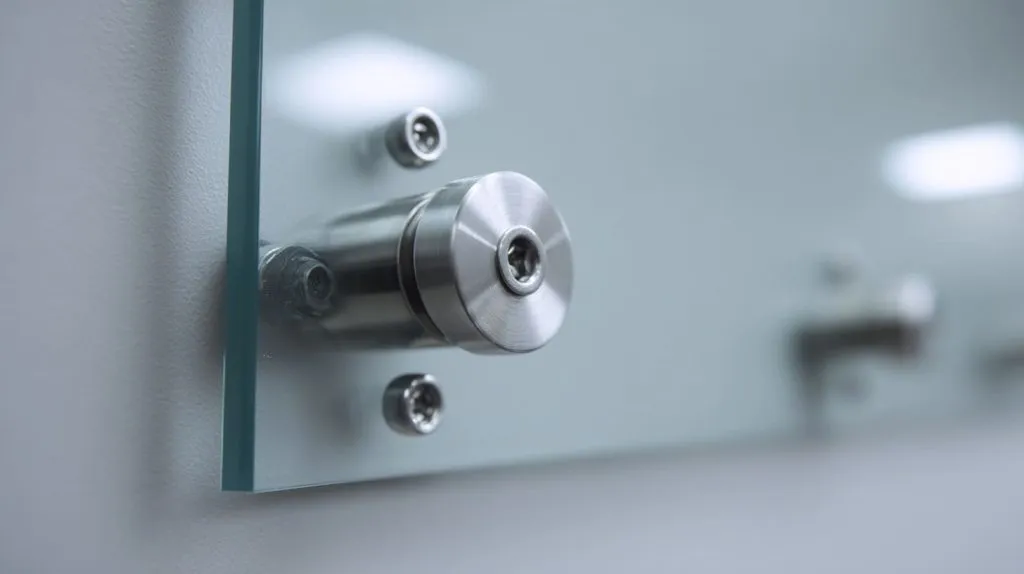
Acrylic directional signs can be mounted securely using standoffs, wall screws with spacers, high-bond tape, frames, or hidden brackets. The best choice depends on sign weight, wall type, cleaning needs, and whether you need easy replacement. Correct hole placement and proper torque prevent cracks.
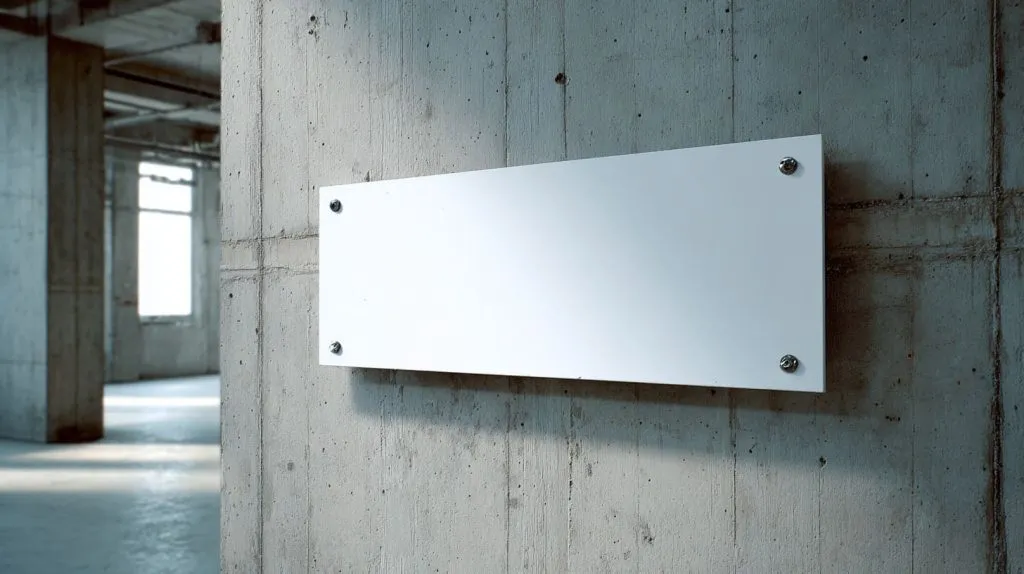
Mounting methods and when I use them
| Method | Best for | Watch out for |
|---|---|---|
| Standoffs | Premium look, easy cleaning | Hole stress, screw torque |
| High-bond tape | Fast install, no drilling | Paint quality, humidity |
| Frames | Changeable inserts | Frame tolerance and fit |
| Hidden brackets | Clean look | Higher install skill |
Installer-friendly tips
- Keep holes far enough from edges
- Add soft washers if needed
- Avoid over-tightening
- Confirm wall type early (concrete, drywall, tile)
Is acrylic signage cost-effective for bulk commercial projects?
Bulk projects are a different game. The unit price matters, but the hidden costs matter more: rework, delays, inconsistent color, install problems, and replacement.
Acrylic signage can be cost-effective for bulk commercial projects because it supports repeatable production, stable quality, and many fast printing methods. When you standardize sizes, hole patterns, and finishes, acrylic reduces rework and speeds installation. The total cost often improves even if the unit price is not the lowest.
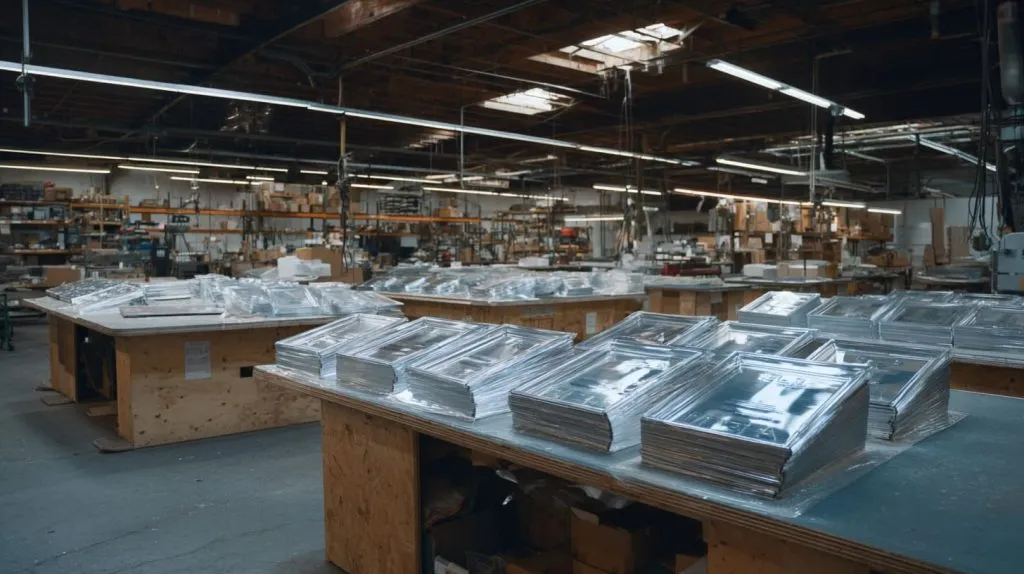
Where money is often saved in bulk
- Standard sizes reduce CNC time
- Standard hole positions reduce install mistakes
- One approved sample reduces remakes
- Clear packing labels reduce site confusion
Cost lens I use
I don’t only ask “what is the cheapest sheet.” I ask “what is the cheapest system that still looks right after one year.”
Are acrylic signs suitable for hospitals, malls, and office buildings?
These places have heavy traffic and high expectations. Signs must be easy to read, easy to clean, and consistent across many points.
Acrylic signs are suitable for hospitals, malls, and office buildings because they look clean, support high-contrast printing, and allow easy cleaning. They also work well with modular sign systems, where you need consistent design across many rooms and corridors. With the right mounting, they stay stable in high-traffic spaces.
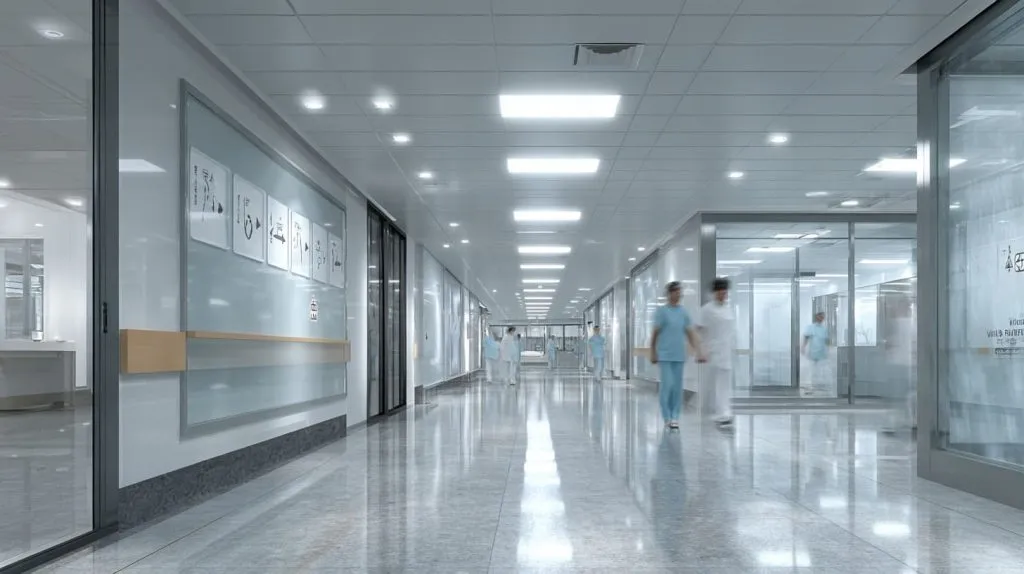
Environment-specific notes
| Space | What the signage must handle | Acrylic fit |
|---|---|---|
| Hospital | Strong cleaning, constant touch | Very good with correct cleaning |
| Mall | High traffic, varied lighting | Good, especially frosted |
| Office | Brand look, quiet premium feel | Excellent |
My personal bias
I like acrylic in these spaces because it “disappears” and lets the information lead. That is the point of wayfinding.
How do you clean and maintain acrylic directional signs?
Maintenance is not hard, but people still damage signs by cleaning them like glass or metal. Acrylic needs a gentler habit.
To clean acrylic directional signs, use a soft microfiber cloth and mild soap with water. Avoid abrasive pads and harsh solvents. For heavy fingerprints, use acrylic-safe cleaners. Proper cleaning keeps the surface clear and reduces micro-scratches that can make signs look old.
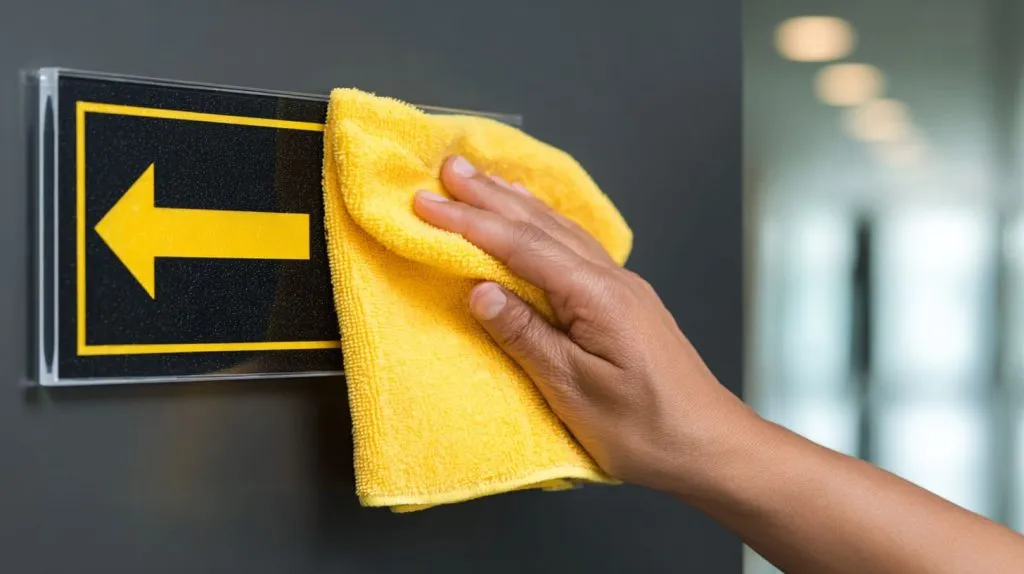
Cleaning do and don’t
- Do: microfiber cloth, mild soap, soft wipe
- Do: rinse gently if needed, then dry
- Don’t: rough sponges, scraping blades
- Don’t: strong solvents unless confirmed safe
My simple training tip
I tell site teams: “If it would scratch your phone screen, it will scratch acrylic.” That line sticks in their head.
Does acrylic signage meet fire safety or building code requirements?
This part is often overlooked. Acrylic is a plastic. Some projects need specific compliance or fire rating. The sign material is only one piece. Installation location and local rules also matter.
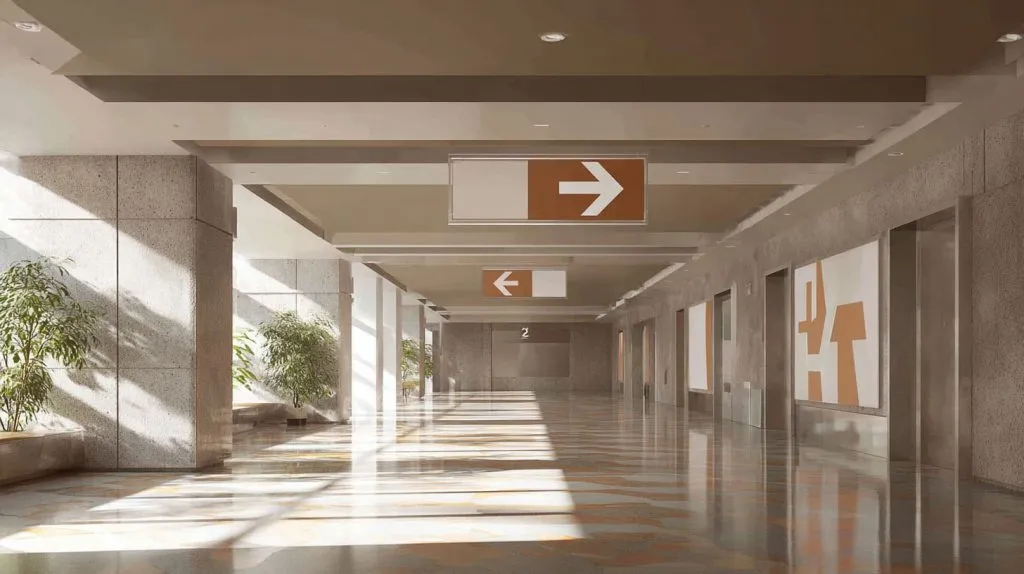
Acrylic signage may meet fire safety or building code requirements depending on local regulations, installation location, and the acrylic grade used. Some projects require specific fire-rated materials or testing standards. It is best to confirm requirements early, then choose materials and mounting methods that match the site rules.
What I ask before quoting a compliance-sensitive project
| Question | Why I ask it |
|---|---|
| Where will the sign be installed? | Corridor rules differ from office rooms |
| Does the project require fire-rated signage materials? | Some buildings do |
| Any local code reference from the contractor? | Avoid wrong assumptions |
| Is the sign near exits or emergency routes? | Often stricter |
My critical-thinking note
Many buyers ask “is acrylic fire safe?” when the real need is “does this sign system pass my building inspection?” Those are not the same question. The second one needs project context.
What are the common problems with acrylic directional signage?
Acrylic is strong in many ways, but it is not magic. Problems usually come from wrong design, wrong cleaning, or rushing installation.
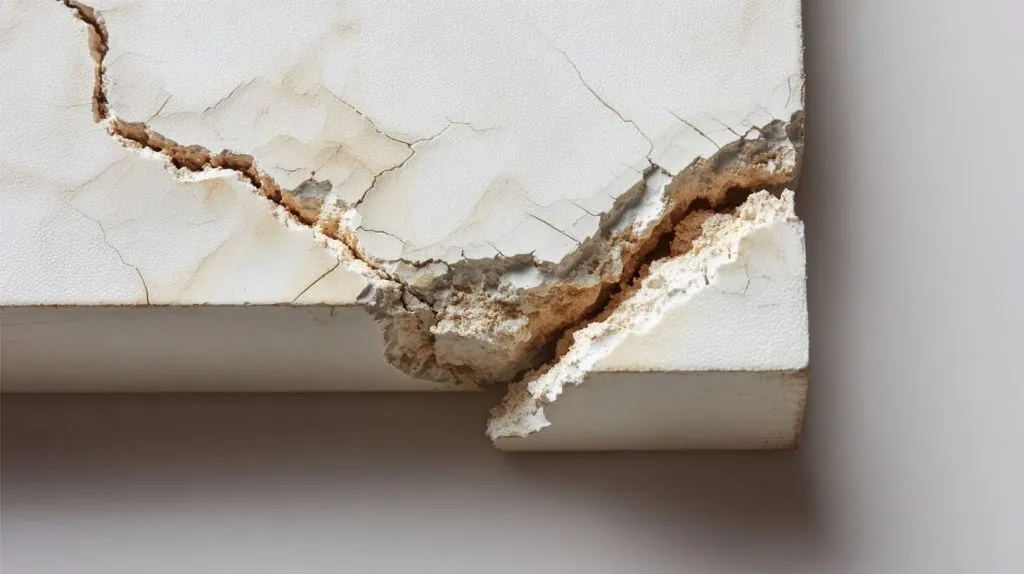
Common problems with acrylic directional signage include scratches, cracking near holes, faded outdoor prints, yellowing under strong UV, and messy mounting alignment. Most issues can be prevented by choosing correct thickness, safe printing methods, proper hole design, and clear cleaning guidance for the site team.
Problem → cause → prevention
| Problem | Likely cause | How I prevent it |
|---|---|---|
| Scratches | Rough cleaning, poor handling | Protective film + cleaning guide |
| Cracks at holes | Over-tight screws, holes too close | Better hole layout + torque control |
| Outdoor fade | Weak ink or no UV plan | Outdoor-grade UV print + test sample |
| Yellowing | Low-grade sheet, harsh sun | Better material choice + shade design |
| Crooked install | No template, uneven wall | Install template + standard hole pattern |
A small “real life” observation
The fastest way to ruin a sign system is letting ten installers “solve it their own way.” A simple template and one approved method can protect the whole project.
Conclusion
Acrylic works for directional signage because it looks clean, prints well, mounts easily, and stays stable in daily use. The best results come from the full system: right thickness, right print method, and right mounting. If you want a consistent wayfinding solution for a commercial rollout, email info@xflacrylic.com and tell me your size, thickness target, and quantity, and I will suggest a practical build plan.