Skip to content
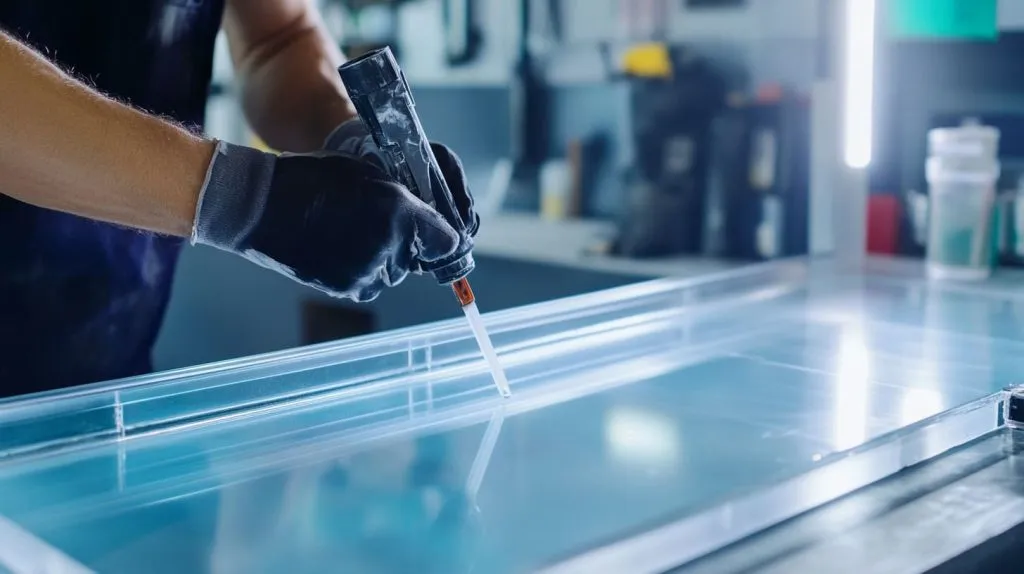
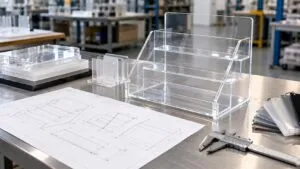
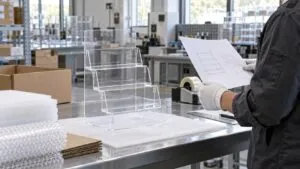
When walk into any of our workshops on a busy production day and you'll likely see it: a technician applying a smooth, precise bead of acrylic sealant along the edges of a display case. The panels come together cleanly, the seal sets quickly, and within an hour it's ready for the next stage—painting, branding, or packaging. This small but essential step happens dozens of times each shift, often unnoticed, yet it holds the entire piece together both physically and visually.
That’s exactly where acrylic sealant earns its place. It handles small movements, blends into the final finish, and lets us keep the workflow moving fast without compromising quality. In this post, I want to take you inside that world—where we use acrylic sealant, where we don’t, and why it’s become one of my most reliable tools on the line.
The basics are clear; the deeper questions come next.
What Is Acrylic Sealant?
Definition & Chemical Composition
Acrylic sealant is a water-based emulsion of latex polymers. When the water flashes off, the polymers lock together, forming a soft rubber line. I like to think of it as liquid masking tape—flexible, tidy, and always ready for paint. Sometimes manufacturers sprinkle in a touch of silicone to add stretch, but the backbone stays acrylic.
Key Physical Properties
| Property | Typical Range | Why It Matters to Me |
|---|---|---|
| Paint time | 30–60 min | Keeps the painter from pacing the floor. |
| Movement | 7–12 % | Fine for trim gaps, not for expanding joints. |
| Odor | Low | Allows finishing tasks inside showrooms. |
| VOC | < 50 g/L | Helps meet LEED points and local rules. |
Common Forms & Packaging
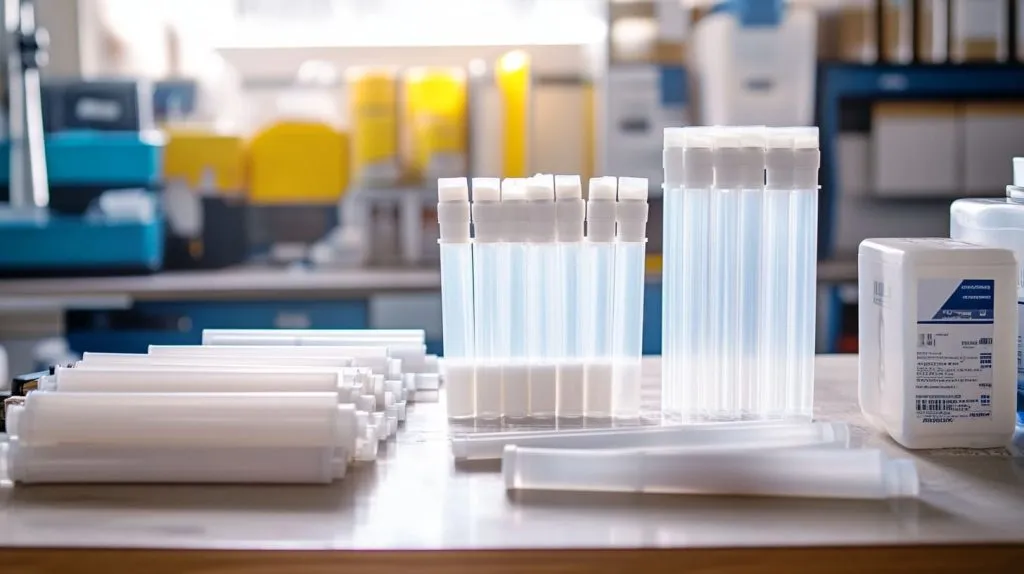
Most days I buy 310 ml cartridges. For production runs we switch to 600 ml sausages—less plastic waste, faster reloads. Colors? White is king, but clear cartridges save me when I bond glass shelves into makeup stands for boutique clients.
I could leave it there, but a sealant is only as good as its rivals.
Acrylic Sealant vs Other Sealants
Acrylic vs Silicone
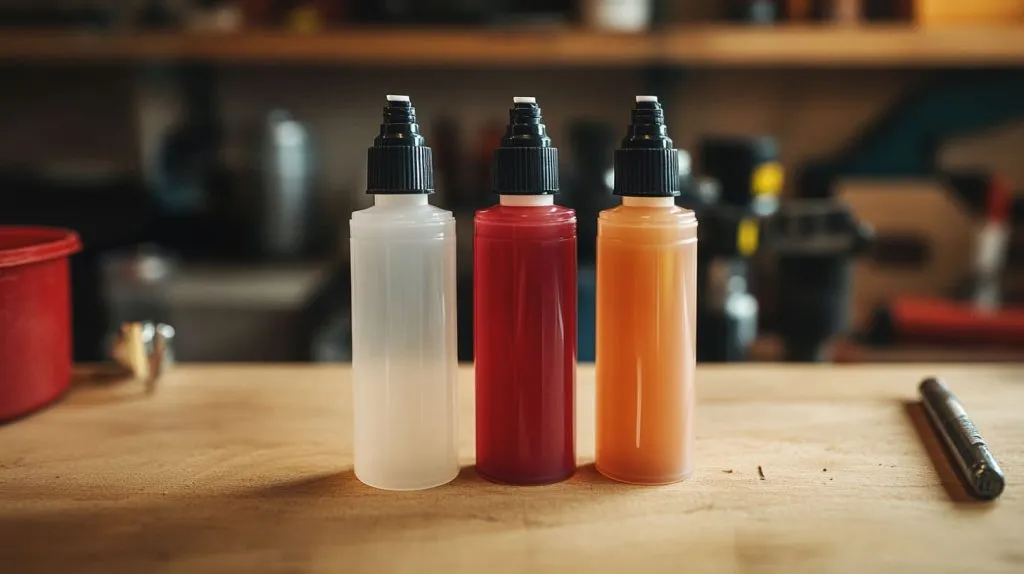
Silicone stretches like yoga pants and shrugs off sun and water. Perfect for showers. Trouble is, paint slides right off it. Acrylic, on the other hand, grabs paint and costs half as much. The trade-off is simple: paintability vs durability in wet zones.
Acrylic vs Polyurethane & Hybrid MS Polymers
Polyurethane is the construction heavy-weight—sticks to everything, laughs at movement, but smells like solvent and cures slowly. Hybrid MS polymers try to split the difference: faster cure, paintable later, yet still pricier than acrylic.
Cost, Availability & Environmental Footprint
A quick check at my local hardware chain shows acrylic cartridges selling for roughly USD 2.5. Silicone sits near USD 4. Polyurethane? Often above USD 5. Because acrylic is water-based, shipping rules and disposal stay lenient—no flammable labels needed.
Numbers aside, where does that leave the real-world choice?
Suitable Applications (Where to Use)
Interior Gaps & Cracks
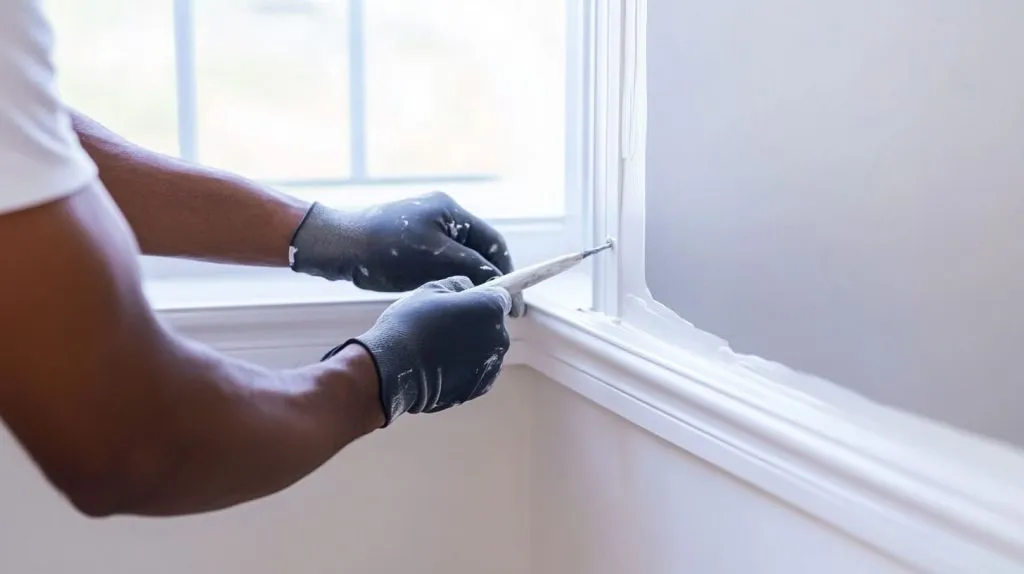
I run a thin bead along crown moulding, wipe it smooth, and watch small drywall lines vanish. After the paint dries, no one knows the wall once cracked.
Windows, Doors & Trim
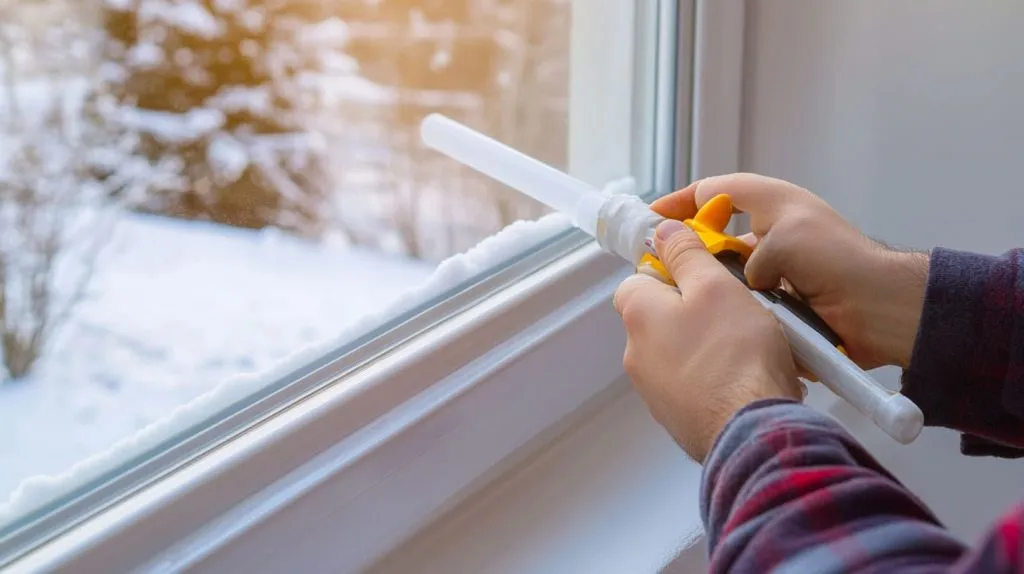
Drafty frames in a Canadian winter can spike heating bills. A painted acrylic joint seals the gap, blends into the wood grain, and stays flexible through mild seasonal shifts.
Masonry & Low-Movement Joints
Inside loft apartments, brick walls often need dust-tight control joints. Acrylic works because rain never hits these lines.
Display & Furniture Assembly (Retail / Acrylic)
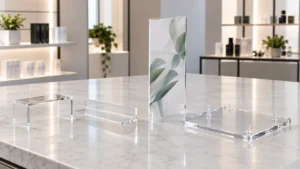
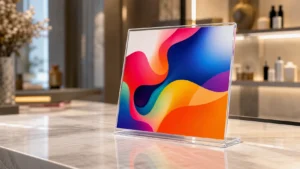
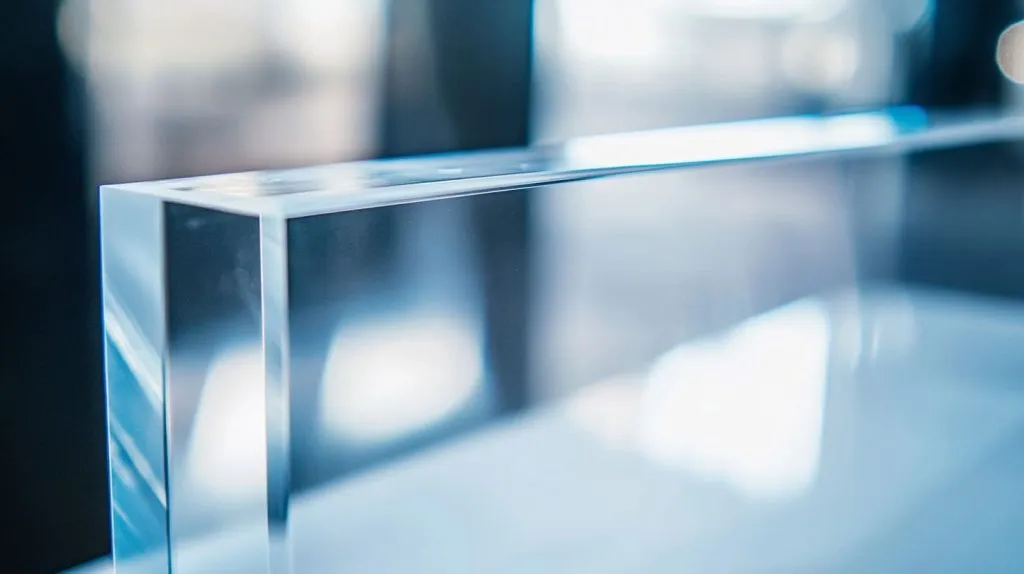
Our factory bonds acrylic lids to clear cases for cosmetic counters. A transparent acrylic sealant keeps the joint clean, invisible, and paint-ready if branding decals go on later.
Quick success stories are fun—but limits matter even more.
Unsuitable Applications (Where Not to Use)
| Scenario | Risk | Better Choice |
|---|---|---|
| Shower corners | Continuous water | Neutral-cure silicone |
| Exterior siding joints | High expansion | Polyurethane |
| South-facing roof flashings | UV & heat | Roofing silicone |
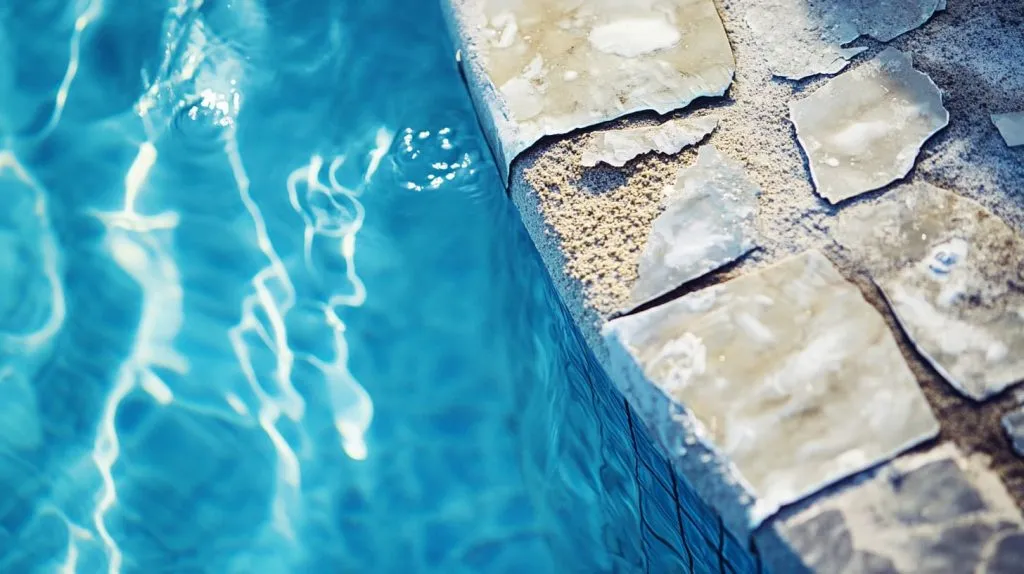
Acrylic shines indoors, but daily soaking or wide movement tears it apart. Once a client insisted on acrylic around a pool pump. Three months later the bead split like old rubber. Lesson stamped forever.
Knowing the tool is only half the victory; using it right seals the deal—literally.
Surface Preparation & Application Techniques
Cleaning & Priming Surfaces
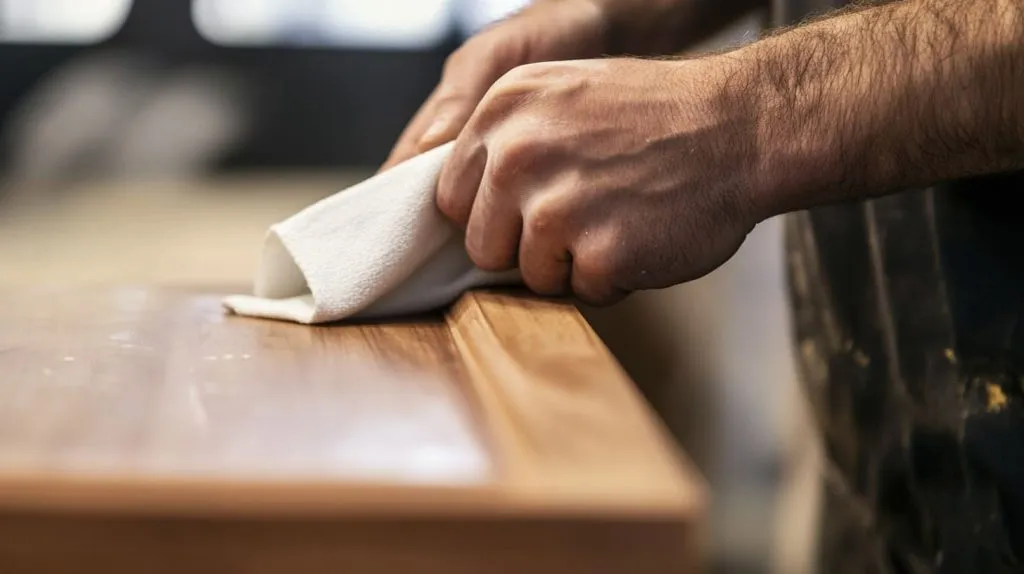
Dust, grease, or chalky paint kill adhesion. I wipe joints with a damp cloth and let them dry until just cool to the touch. Porous wood sometimes gets a thin acrylic primer.
Tooling & Finishing the Bead
I cut the nozzle at 45°, slow the dripless gun, and keep an even push. A wet finger or spatula within five minutes shapes the line. The rule is simple: smooth now or sand later—and sanding sealant is misery.
Curing Time & Paintability
At 23 °C, a 3 mm bead skins in 15 minutes. Full cure comes a day later, but latex paint can cover it after an hour. When winter hits Toronto job sites, I double those times.
Good technique meets good compatibility—let’s test the partners.
Compatibility with Materials
Porous Substrates (Wood, Drywall, Plaster)
Acrylic bites into pores like Velcro. That grip plus paint makes the joint look carved, not filled.
Non-Porous Substrates (Glass, Metal, Acrylic)
On glass doors of display cabinets, a clear acrylic bead is almost invisible. Yet I keep joints narrow; wide seams can fog as water escapes.
PVC, ABS & Other Plastics
I run a test dab first. Some plastics stress-crack. If the edge turns white, I switch to a neutral silicone instead.
No joint lives forever, so planning for upkeep saves calls at midnight.
Maintenance, Repair & Removal
Expected Lifespan & Reapplication Cycles
Indoors I aim for 8–10 years. Exterior painted seams often need a touch-up after five winters.
How to Remove & Replace Old Acrylic Sealant
I score both sides with a sharp utility blade, pull the bead out, then soften leftovers with warm soapy water. A nylon brush clears the rest before a fresh application.
Inspection Tips for Preventive Maintenance
Twice a year I walk showrooms with a flashlight, looking for hairline splits or corner lifting. Catching a crack early means a ten-minute fix, not a weekend repaint.
Safety and sustainability are the final lenses I use before any spec sheet leaves my desk.
Health, Safety & Sustainability

VOC Levels & Indoor Air Quality
Most acrylic sealants clock in under 50 g/L VOC. That keeps the painters happy and helps clients chase LEED points.
Eco-Friendly Formulations & Certifications
Brands now stamp EC1Plus or SCAQMD 1168 on low-odor lines. I ask for proof during purchasing, not after.
Safe Handling & Disposal
Wet sealant washes off with water. Cured scrap lands in regular construction waste—no special bins or flaming drum fires required.
And that brings me to the heart of every project: the payoff.
Conclusion
Acrylic sealant is my quiet workhorse. It hides gaps, takes paint, and rarely complains—so long as I keep it dry and out of heavy movement. For trim, drywall seams, and the clear display boxes we craft at Feilong Acrylic, it delivers a clean line that stays put. Know the conditions, trust the process, and that small bead will keep projects on schedule and looking sharp.