Skip to content
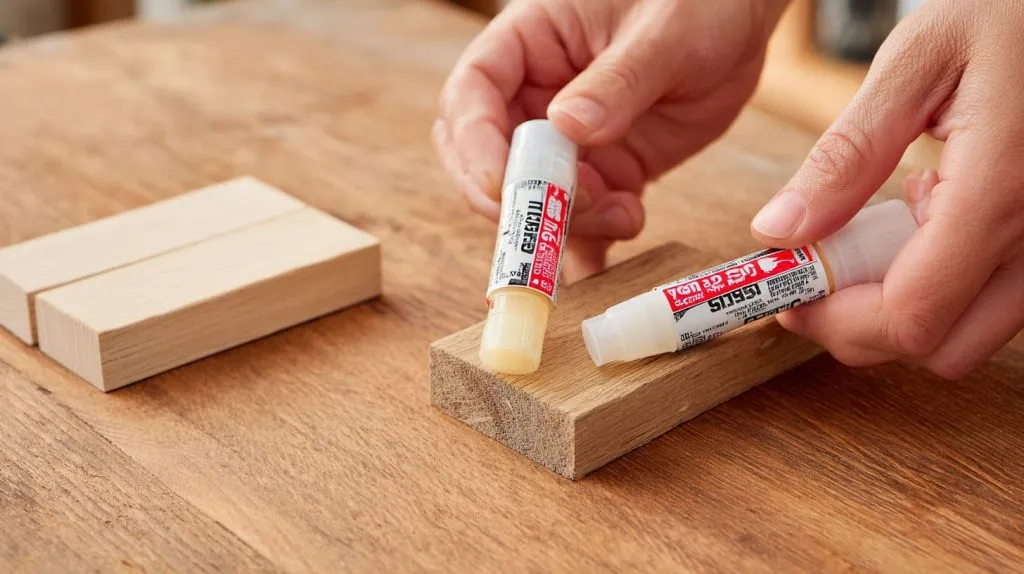
Plastic and wood don’t naturally get along. I learned that the hard way—projects falling apart, glue peeling off, nothing holding like I thought it would.
The best glue for bonding plastic to wood is a two-part epoxy, which provides strong adhesion and durability across both materials.
I’ve tried everything—hot glue, super glue, even wood glue. Most failed. But epoxy? That stuff changed the game.
Is super glue or Gorilla Glue better for plastic?
Some glues work better than others, especially with plastic.
Super glue works on some plastics, but Gorilla Glue isn't reliable on smooth plastic surfaces.
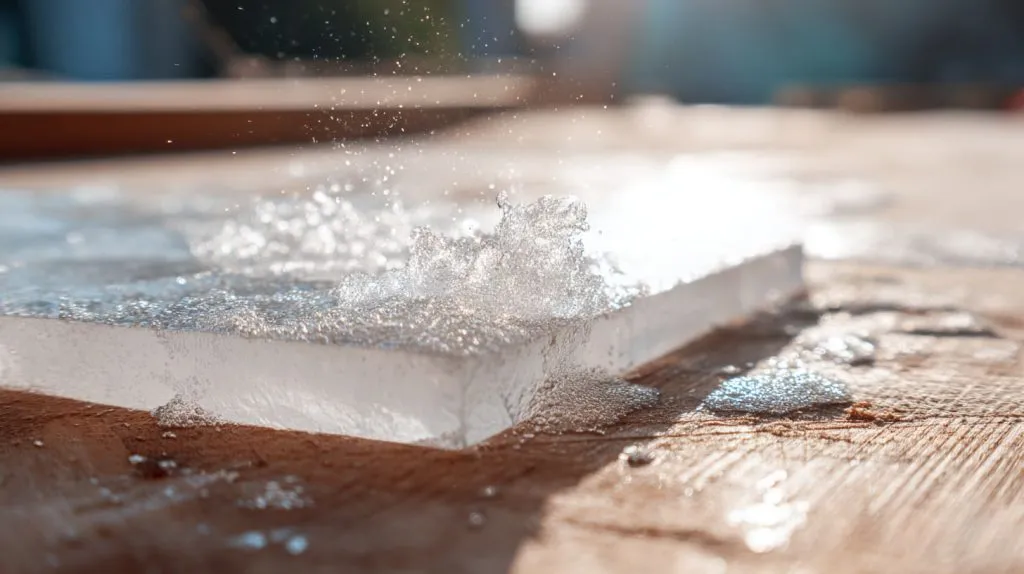
Breaking it down
| Glue Type | Plastic Compatibility | Wood Compatibility | Strength | Notes |
|---|---|---|---|---|
| Super Glue | Moderate | Good | Fast | Brittle under tension |
| Gorilla Glue | Poor on smooth plastic | Excellent | Expands | Needs rough surface & moisture |
Gorilla Glue expands as it cures, which can actually push plastic away instead of bonding it. Super glue dries fast but isn’t flexible—so it might crack under stress.
What happens if I use wood glue on plastic?
Wood glue looks innocent—but plastic sees right through it.
Wood glue won’t bond properly to plastic. It dries without grip and peels off easily.
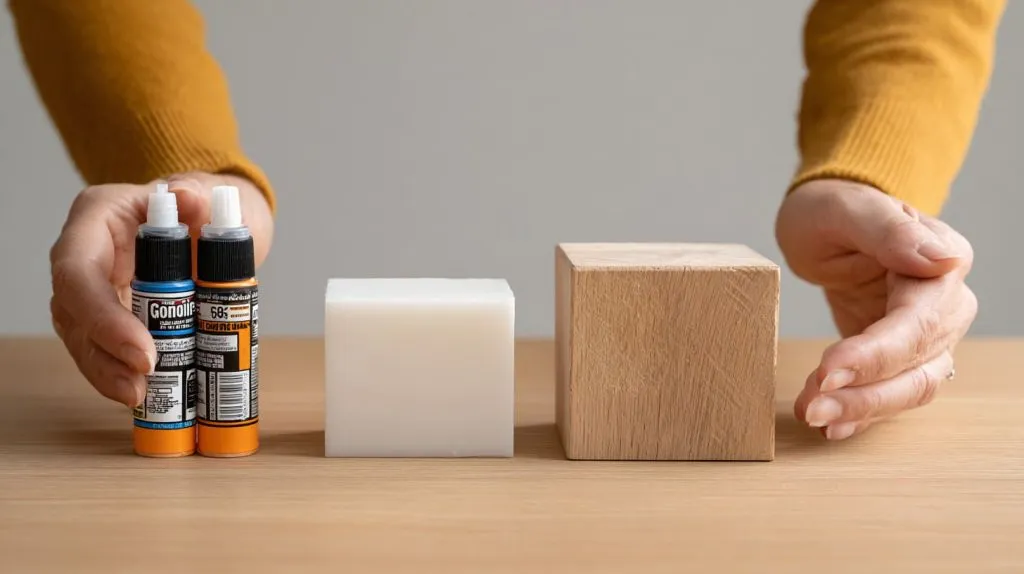
The surface tension of plastic is too low for wood glue to soak in. No soaking means no sticking.
Why can't I use Gorilla Glue on plastic?
It says “bonds almost everything.” Almost.
Gorilla Glue doesn’t stick well to smooth, non-porous plastic like acrylic or polypropylene.
Unless you rough the plastic surface or use a primer, the glue won’t bite. It needs texture or moisture to activate and expand—but plastic offers neither.
What is the strongest glue you can get for plastic?
This one’s easy—especially if you’re in B2B manufacturing like me.
Two-part epoxy is the strongest glue for plastic, forming a durable chemical bond.
Why Epoxy Wins
- Chemical reaction: Epoxy cures with a chemical bond, not just adhesion.
- Gap filling: It handles uneven surfaces between wood and plastic.
- Versatility: Works on ABS, acrylic, polycarbonate, and more.
But don’t mix it wrong. Once it's set, it’s staying forever—so align your parts right the first time.
Is epoxy or super glue better for attaching plastic to wood?
You could probably guess my answer now.
Epoxy is better than super glue for bonding plastic to wood—it’s stronger, more flexible, and lasts longer.
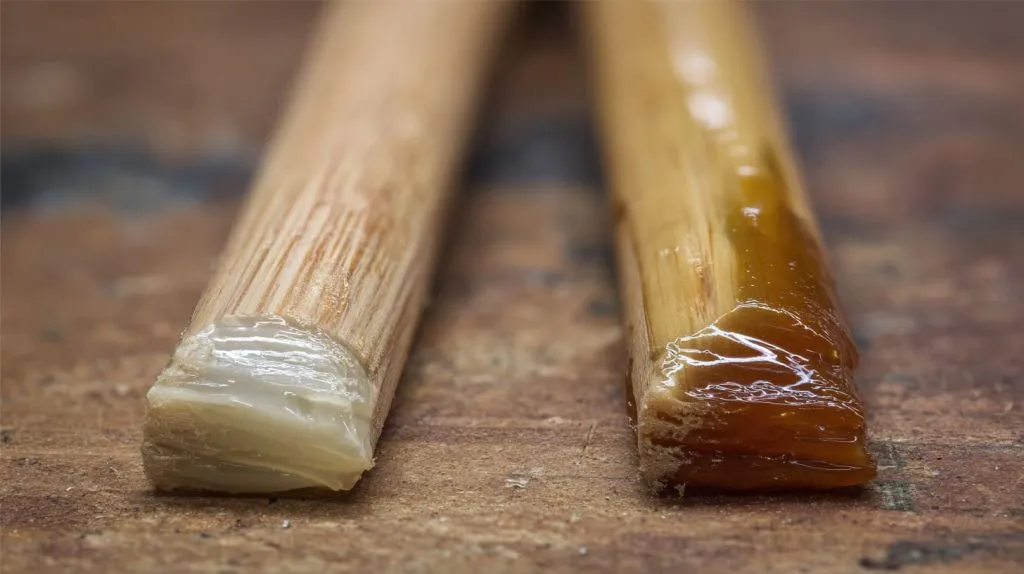
Super glue is fast. But epoxy is smart. It handles wood's pores and plastic's smoothness like a pro.
How do you prepare plastic and wood surfaces before gluing?
Glue is only as strong as the prep.
You should sand both surfaces lightly, clean with isopropyl alcohol, and ensure they’re dry before gluing.
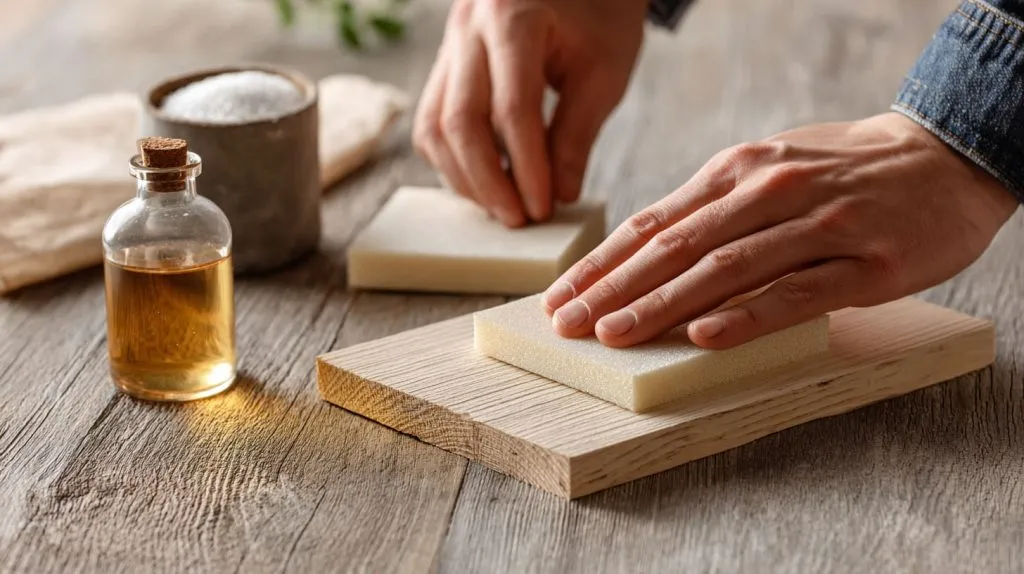
Prep Steps That Matter
- Sanding: Use 220–400 grit sandpaper. Rough up the surface—just enough for grip.
- Clean: Alcohol removes oils, fingerprints, and dust.
- Dry Fit First: Test placement. Epoxy sets fast.
Never skip surface prep—it’s the difference between success and failure.
Can hot glue effectively hold plastic and wood together?
It’s tempting. Fast. Convenient.
Hot glue can work temporarily, but it’s not reliable for long-term strength on plastic-to-wood joints.
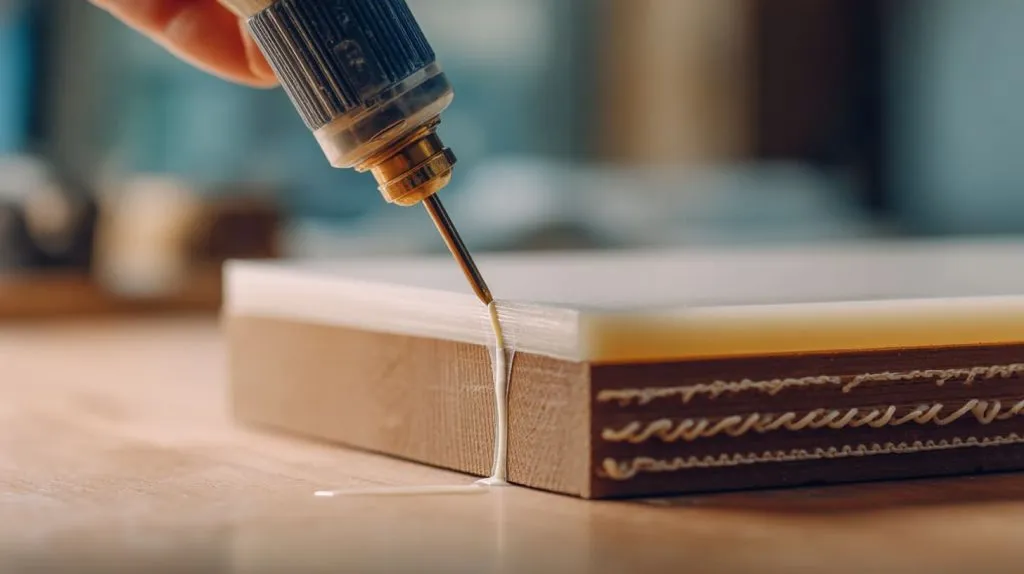
It doesn’t penetrate wood or fuse with plastic. And under heat or weight? It lets go.
Why won't glue stick plastic to wood securely?
It’s not the glue’s fault. It’s chemistry.
Plastic is non-porous and wood is porous, making bonding difficult without the right adhesive.
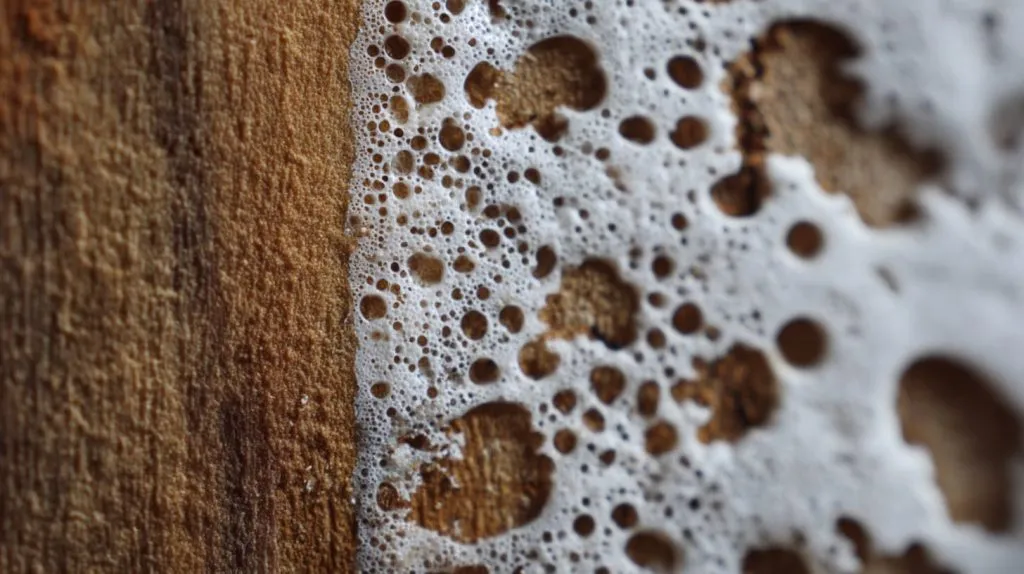
Glue either soaks into wood and misses plastic—or sits on plastic and never anchors.
What is the strongest industrial adhesive for plastic-to-wood applications?
For heavy-duty jobs, I’ve got a go-to.
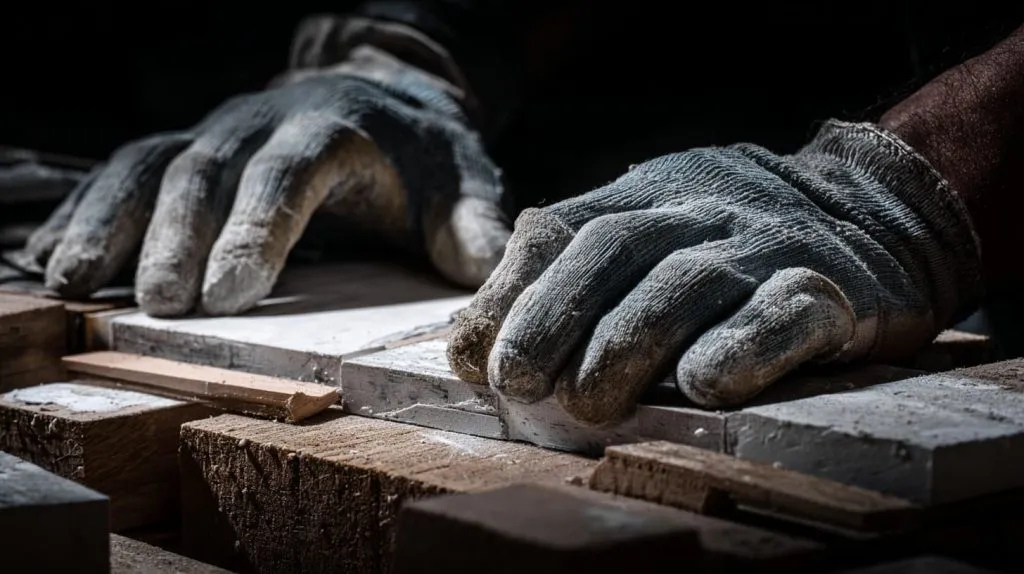
MMA (methyl methacrylate adhesive) is one of the strongest industrial glues for plastic-to-wood bonding.
MMA in the Real World
| Feature | MMA Glue |
|---|---|
| Shear Strength | Extremely high |
| Cure Time | 5–20 minutes |
| Flexibility | Moderate to high |
| Surface Tolerance | Works with oily plastics like ABS |
I’ve used MMA in large display rack assemblies. Once cured, the joint often outlasts the material itself.
Does acrylic cement work on wood surfaces?
I’ve had folks ask this a lot. The name cement is misleading.
No, acrylic cement is only for acrylic-to-acrylic bonding. It chemically melts and fuses plastic—not wood.
It’s like welding for plastic. Wood doesn’t melt. So you’ll just end up with a mess.
Conclusion
The best way to bond plastic to wood? Use epoxy. Prep right. And never trust the label blindly—test, tweak, and choose based on what you’re actually bonding.