Skip to content
If you're working on a project that involves bonding plastic, finding the right glue is crucial—especially when you're dealing with water exposure. The right glue can make all the difference, but not all adhesives are created equal.
A good water-resistant glue for plastic should have strong adhesion, durability, and flexibility. Epoxy, Gorilla Glue, and silicone-based adhesives are often top choices for these types of applications.
But how do you know which one to choose? With so many options out there, it can feel overwhelming. Let’s break it down and figure out which glue really holds up against the elements.
Is Gorilla Glue Really Waterproof?
You’ve probably seen it on the shelf, but does Gorilla Glue really live up to its claims? Let’s dive into whether it can handle water exposure.
Yes, Gorilla Glue is waterproof once cured. It bonds plastic well and is great for outdoor use, but you need to ensure proper curing time for the best results.
While Gorilla Glue is marketed as waterproof, it’s important to note that it needs time to cure fully. The glue forms a strong, water-resistant bond once it's set, but you must ensure it doesn't get wet during the curing period. This can be tricky in outdoor conditions, especially if you’re working with plastic exposed to constant moisture. If you're tackling heavy-duty projects, it’s best to let it cure in a dry environment for at least 24 hours to maximize its water resistance.
Is Epoxy Glue Waterproof for Plastic?
Epoxy is often touted as one of the best options for bonding plastic, but how does it fare against water exposure? Let’s find out.
Epoxy glue is highly water-resistant and often used for outdoor plastic bonding. It forms a durable, tough bond that holds up well in wet conditions.
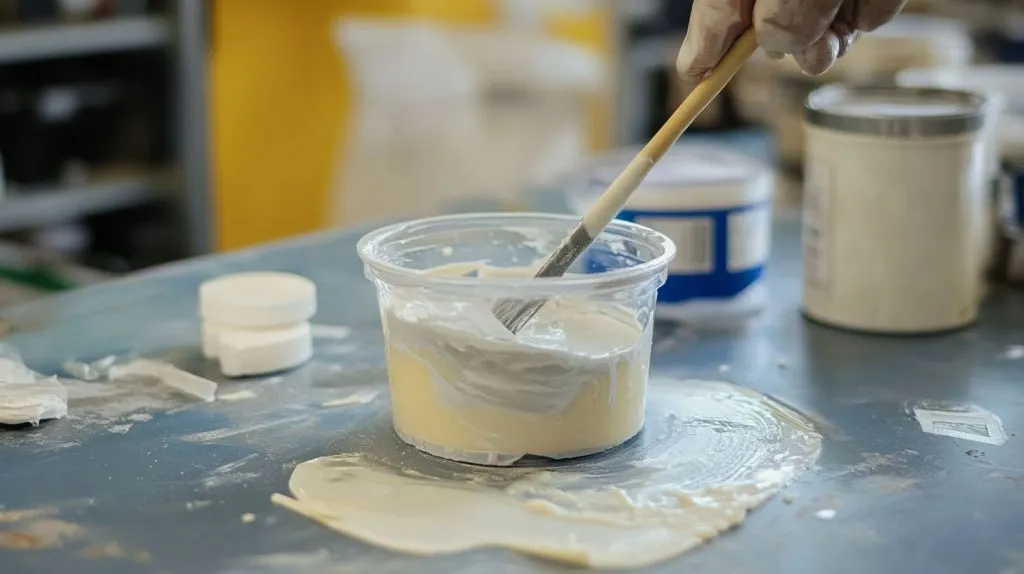
Epoxy is a two-part adhesive, typically mixed right before application, which forms a strong, rigid bond as it cures. This makes it ideal for plastic bonding in water-resistant applications. Whether you’re working on outdoor furniture, plumbing repairs, or automotive parts, epoxy's durability makes it a solid choice. However, be mindful that it can be a bit more difficult to work with than other adhesives, so it's essential to follow the instructions carefully to ensure the best results.
Does Water Break Down Gorilla Glue?
We know Gorilla Glue is water-resistant, but does it break down over time when exposed to water? Let's take a closer look.
No, water doesn't break down Gorilla Glue. However, prolonged exposure to water, especially under stress, can weaken the bond over time.
While Gorilla Glue performs well under typical wet conditions, it’s not impervious to the effects of constant moisture. If you're bonding plastic items that will be submerged in water regularly, it's important to consider alternatives like epoxy or silicone. These adhesives provide better long-term resistance to harsh environmental factors. For most casual outdoor uses, however, Gorilla Glue will maintain its bond, provided the bond is allowed to fully cure.
How to Glue Plastic to Plastic Waterproof?
So, how do you achieve a waterproof bond between two plastic surfaces? The right adhesive can make this task a breeze.
Use epoxy, Gorilla Glue, or silicone-based adhesives to create a waterproof bond between plastic surfaces. Make sure the surfaces are clean before applying glue.
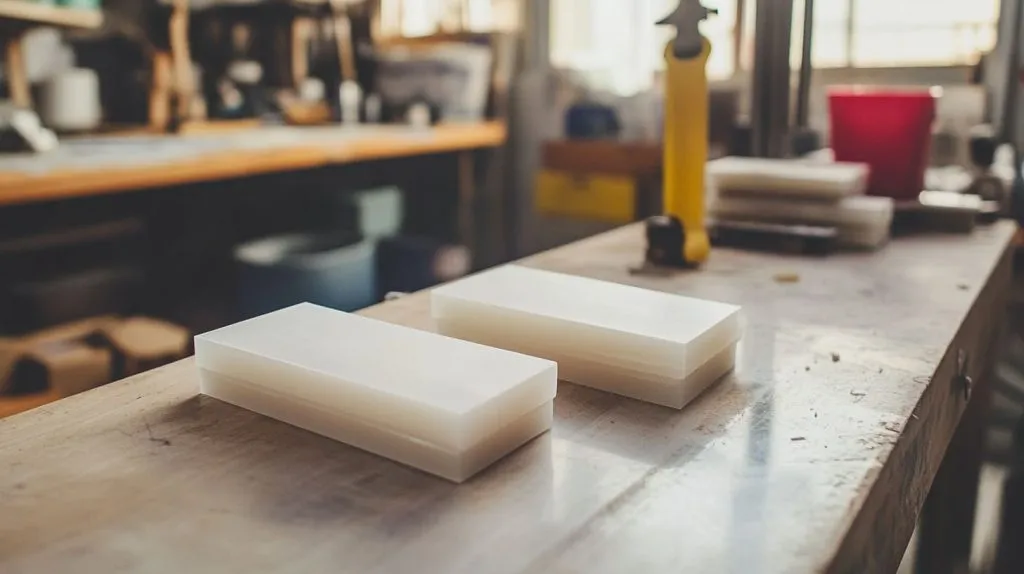
To get a waterproof bond, preparation is key. Begin by cleaning both surfaces thoroughly to remove any dirt, oil, or grease, as these can affect the adhesion. Then, depending on the materials and conditions, apply the glue of your choice. Epoxy is a top contender for heavy-duty applications, while silicone can offer more flexibility and is ideal for surfaces exposed to constant water contact. Be sure to follow the drying and curing instructions to ensure a strong, long-lasting bond.
What Glue Is Best for Outdoor Plastic?
When it comes to outdoor projects, you need a glue that can handle the elements. But which glue performs best for outdoor plastic?
Epoxy and silicone-based glues are the top choices for outdoor plastic. These adhesives offer both water resistance and long-term durability.
Outdoor plastic projects require adhesives that can withstand moisture, UV rays, and temperature fluctuations. Epoxy provides a solid, rigid bond that’s great for structural projects. Silicone, on the other hand, is more flexible and resistant to extreme weather, making it ideal for plastic items exposed to harsh environments. Choosing the right glue depends on the project’s needs—whether you’re building a garden structure, repairing plastic furniture, or sealing pipes.
How Long Does Gorilla Glue Take to Dry?
Timing is everything, especially when working with adhesives. How long does it actually take for Gorilla Glue to dry?
Gorilla Glue takes about 1-2 hours to set, but full curing time is 24 hours for maximum strength and water resistance.
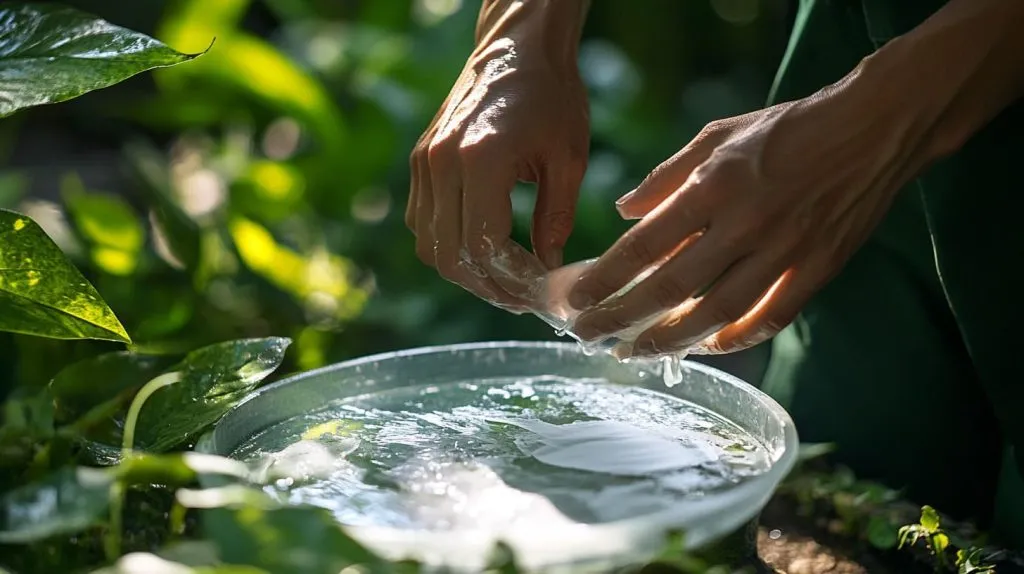
While Gorilla Glue sets quickly, it's crucial to allow the full curing time to achieve the best bond, especially in outdoor or water-exposed applications. The glue may appear dry after an hour or so, but it's the curing process that truly strengthens the bond. In wetter environments, you might want to err on the side of caution and let it cure for 24 hours to ensure the bond is as strong and durable as possible.
How Do You Choose the Right Glue for Plastic in Wet Conditions?
Choosing the right glue for plastic in wet conditions is all about understanding the materials and the environment.
For wet conditions, look for waterproof, durable adhesives like epoxy, Gorilla Glue, or silicone that are specifically designed for bonding plastic in challenging environments.
When selecting a glue for wet conditions, it’s essential to consider factors like exposure to water, temperature variations, and mechanical stress. Epoxy is ideal for permanent, rigid bonds, while silicone provides flexibility for items subject to movement. If you need a quick fix, Gorilla Glue might be your best option—just be sure to allow sufficient curing time for optimal performance.
Is Epoxy or Silicone Better for Bonding Plastic in Water-Resistant Applications?
Epoxy or silicone? That’s a question that often comes up in water-resistant plastic bonding. Let’s compare the two.
Epoxy is better for creating rigid, durable bonds, while silicone excels in flexible, waterproof applications. Both have their advantages, depending on your project’s needs.
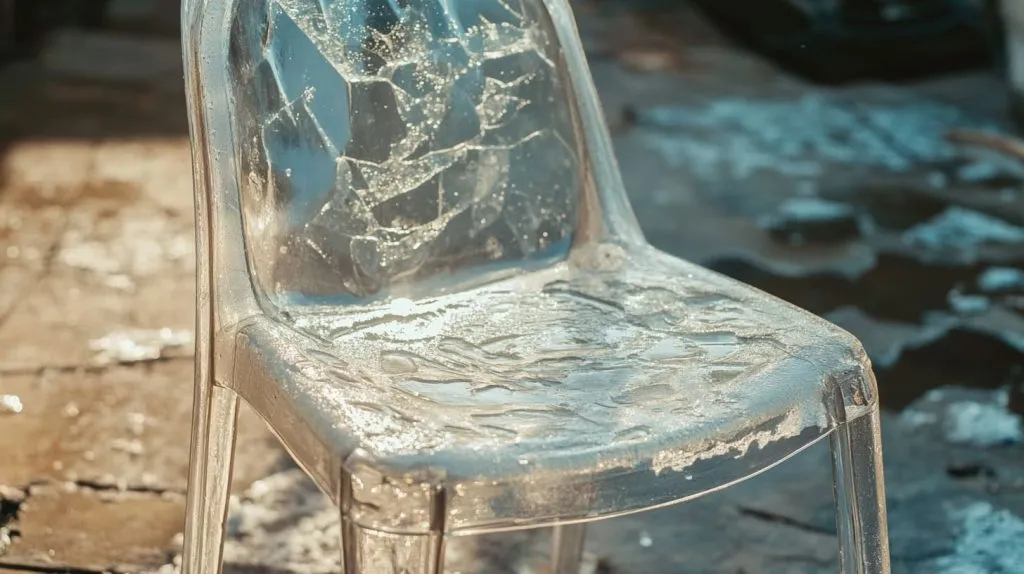
When it comes to water-resistant applications, epoxy offers superior strength and is best for projects requiring a rigid bond. However, silicone is more flexible, making it ideal for plastic items exposed to movement or expansion. For instance, silicone is perfect for sealing joints or gaskets, while epoxy is better suited for heavy-duty repairs or structural projects. Understanding your project’s needs will help you determine which adhesive is best.
What Are the Top-Rated Water-Resistant Glues for Outdoor Plastic Projects?
If you're tackling an outdoor project, you need glue that can handle the elements. Which adhesives are rated the best for outdoor plastic projects?
Epoxy, silicone, and polyurethane-based adhesives are top-rated for outdoor plastic projects due to their durability and water resistance.
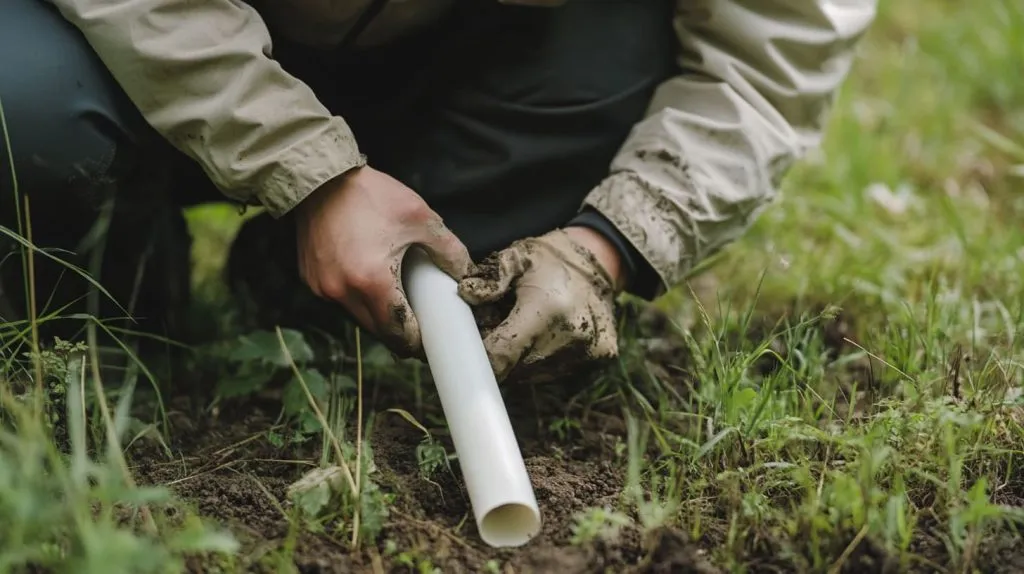
When selecting a glue for outdoor plastic, it's important to choose one that resists water, UV light, and temperature changes. Epoxy provides the strongest bond for structural projects, while silicone offers flexibility and excellent weather resistance. Polyurethane-based glues are another solid option for bonding plastic in outdoor environments, particularly if you’re working with materials that need a more elastic bond.
Conclusion
Choosing the right water-resistant glue for plastic requires considering the project’s demands. Whether it's epoxy for strength, silicone for flexibility, or Gorilla Glue for convenience, there's an adhesive for every situation.