Skip to content
When selecting mirrors for various applications, it's essential to understand the differences between acrylic and glass mirrors. This knowledge helps in making informed decisions based on specific needs and preferences. Both materials have unique properties that make them ideal for certain settings, and understanding these distinctions will allow you to choose the best one for your project. Whether you’re designing a display for a client or upgrading your home décor, these differences can have a significant impact on both functionality and aesthetics.
Material Composition and Manufacturing

Acrylic Mirrors
Acrylic mirrors are made from thermoplastic sheets, which are polished to achieve a reflective surface. They are lightweight and shatter-resistant, making them an excellent choice for places where safety is a priority. For example, in public spaces or areas with high foot traffic, acrylic mirrors can be a safer option. They are often used in applications like gym mirrors or in children’s playrooms, where the risk of breakage needs to be minimized. I’ve seen first-hand how a simple shift to acrylic mirrors has made spaces safer in schools and recreational centers.
Glass Mirrors
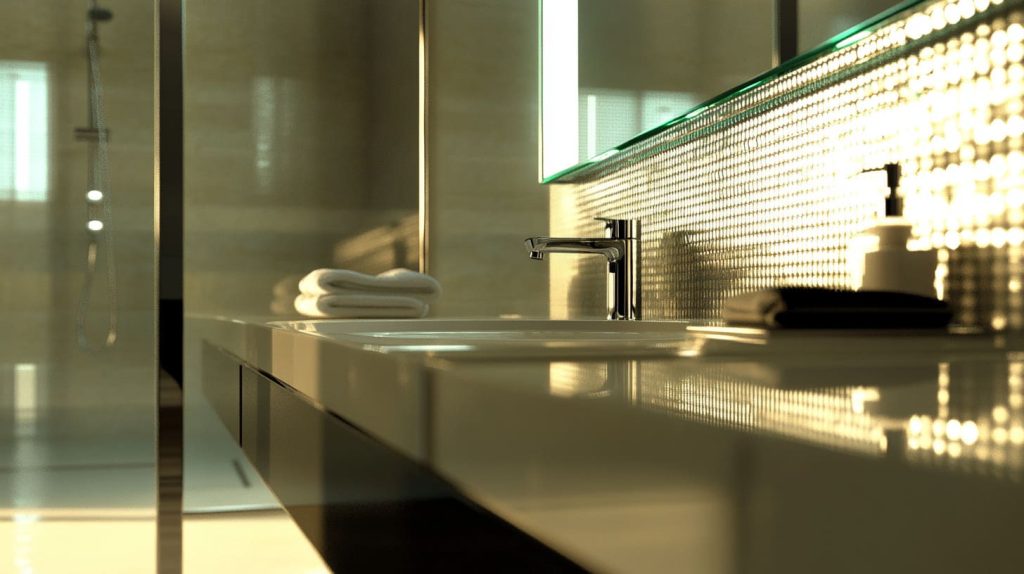
Glass mirrors are created by applying a reflective coating—usually silver or aluminum—to a glass base. This type of mirror is known for its superior optical clarity, which is why they are widely used in applications that require precision, like in bathrooms or high-end retail displays. When I was working on a project for a client in the retail space, the need for a distortion-free, clear reflection led us to opt for glass mirrors. The level of detail and sharpness in the reflection is something you simply don’t get with acrylic.
Durability and Safety
Acrylic Mirrors
One of the strongest selling points of acrylic mirrors is their high impact resistance. Acrylic is more likely to withstand accidental bumps or drops without shattering, which is perfect for busy areas like gyms or public spaces. However, they are not as scratch-resistant as glass mirrors, and over time, they may show signs of wear, especially if not properly maintained. If you don’t mind a bit of surface wear and tear, acrylic mirrors are a great option for applications where safety is a top concern.
Glass Mirrors
On the other hand, glass mirrors are incredibly rigid and retain their shape better over time. They don’t scratch as easily, but the downside is that they can shatter upon impact, which creates safety risks. I’ve seen glass mirrors crack during shipping—something that’s less of a concern with acrylic. But when properly supported and handled, glass mirrors offer a level of durability that makes them ideal for more permanent, decorative uses.
Optical Clarity

Acrylic Mirrors
Acrylic mirrors are generally good for providing a decent reflection, but they don’t always match the optical clarity of glass mirrors. In large sizes, acrylic mirrors can sometimes distort the reflection, especially in areas where precision matters, like in professional settings or scientific environments. I had a customer once who chose acrylic for a large display piece and later came back to ask for a glass version after noticing slight distortions in the reflection.
Glass Mirrors
If you’re looking for optical precision, glass mirrors are the way to go. Their reflective surfaces provide clear, crisp reflections with no distortion, even in larger sizes. This makes glass the preferred option for applications requiring high clarity—think high-end bathrooms, detailed displays, or fine art galleries where every detail matters.
Weight and Handling

Acrylic Mirrors
One of the most notable benefits of acrylic mirrors is how lightweight they are. This makes them easier to handle, install, and transport compared to glass mirrors. In fact, I once worked on an installation where the client was looking to update a large exhibition space but was concerned about the weight of glass mirrors. Switching to acrylic mirrors saved a lot of time and labor on installation.
Glass Mirrors
Glass mirrors, being much heavier, require more robust support structures. I’ve been part of projects where installing a glass mirror required custom framing or additional wall reinforcements. While the weight can be a challenge, for applications that demand precision and durability, this extra weight can be seen as a benefit, providing the mirror with a stable and secure feel.
Cost Considerations

Acrylic Mirrors
Acrylic mirrors are generally more affordable than glass mirrors, which makes them a cost-effective choice for larger installations or when working within a tight budget. In many of my past projects, acrylic mirrors have been the go-to option when the client wanted to cover a large area but didn’t want to overspend.
Glass Mirrors
While glass mirrors are more expensive, they offer a higher level of quality and durability. This higher cost can often be justified in applications where the mirror will be a focal point, such as in luxury bathrooms or in upscale retail stores. Although I’ve occasionally faced price concerns from clients, I’ve always found that glass mirrors provide an unbeatable value in certain high-end applications.
Applications

Acrylic Mirrors
Acrylic mirrors shine in spaces where safety and weight are priorities. For example, in children’s rooms, gyms, or public spaces where the risk of breakage needs to be minimized, acrylic mirrors offer an excellent solution. I've also seen them used in event displays, where their lightweight nature makes them perfect for temporary setups. I worked on a project for a local gym once, and switching to acrylic mirrors made a huge difference in both safety and aesthetics.
Glass Mirrors
Glass mirrors are more commonly used in settings that demand optical clarity and durability. You’ll find them in places like bathrooms, bedrooms, and fine dining establishments. They are also the preferred option for decorative installations where the mirror’s appearance is important. I remember working on a luxury hotel project where glass mirrors were chosen for their sleek, high-end appeal.
Conclusion

Choosing between acrylic and glass mirrors comes down to your specific needs and priorities. Acrylic mirrors offer safety, lightweight benefits, and a more budget-friendly price, while glass mirrors excel in optical clarity and durability. Ultimately, understanding the nature of your project and its requirements will guide you to the right decision.