Skip to content
I often catch myself pausing at windows, especially on chilly mornings, just to admire how they let the light dance across a room. It reminds me of the time I spent a whole afternoon seated by a tall glass window, watching a thunderstorm roll in. That day, I realized windows do more than show us the outside world—they shape how we experience our homes and offices. They influence our comfort, our energy bills, and even our feelings of security.
But why do we stick with glass windows when there are other materials out there, like resin? I’ve heard that question many times, especially from my colleagues who love experimenting with new ideas. So let’s take a closer look.
The Importance of Window Materials

I’ve come to see that windows are more than mere panes. They offer strength, clarity, and insulation, which is crucial if you’re dealing with harsh winters or scorching summers. From a practical standpoint, I can’t imagine living in a drafty place where heat escapes at every turn. On a personal note, I once stayed in an old cottage with outdated windows. I spent most of that weekend in a sweater, hugging a mug of hot tea. Since then, I’ve been convinced that the right window material can make or break a cozy space.
Critical Perspectives:
- Energy Efficiency: Good windows manage indoor temperatures better.
- Durability: Windows must last for years, standing up to storms, kids with baseballs, and more.
- Visual Appeal: Aesthetic beauty can mean the difference between a homey nook and a gloomy interior.
And so, material choice becomes a serious conversation, not a casual afterthought.
Overview of Glass vs. Resin
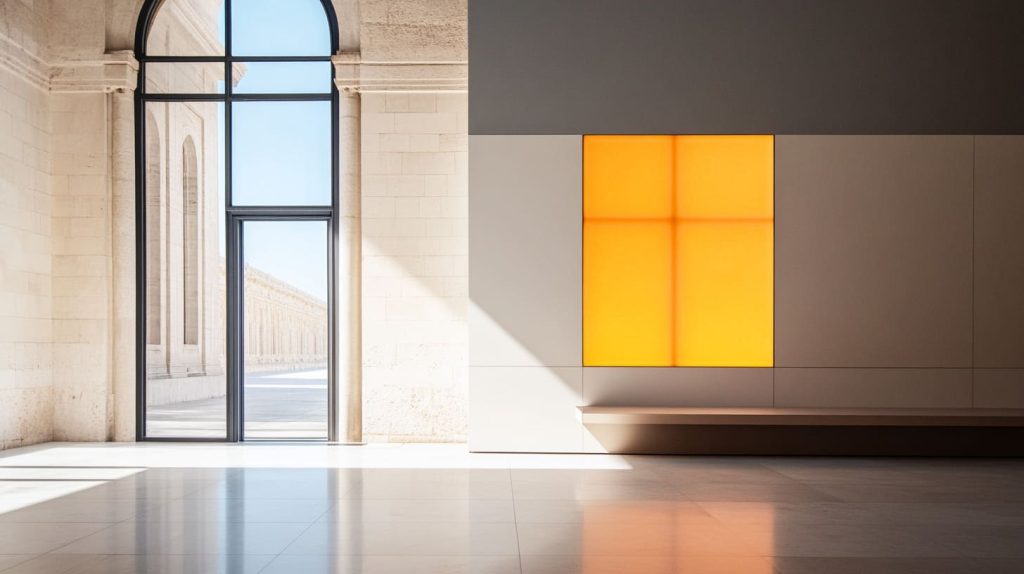
Glass is timeless. I like how it has served us for centuries with its clarity and classic look. Resin—like acrylic or polycarbonate—comes up as a contender, especially for custom projects or unique design concepts. But is it enough to dethrone glass?
Critical Perspectives:
- Glass: Often revered for its scratch resistance and classic appeal.
- Resin: Typically lighter and tougher but may face issues under intense UV exposure.
Sometimes, I think about my first time considering resin for a greenhouse project. I was amazed by its durability. But I worried about yellowing over time. It got me thinking: Why don’t we see resin windows everywhere?
I’d love to share more on this. Let’s explore the nuts and bolts in the next section while we keep an open mind toward both materials.
Defining Glass and Resin
Composition of Traditional Glass
I recall a fascinating tour of a glass factory where I witnessed silica, soda ash, and limestone melted together. The intense heat created a molten brew that cooled into the glass we know. It was mesmerizing to see liquid fire transform into something so clear and rigid. The process hasn’t changed much over centuries, although now we have better tools and production lines.
Critical Perspectives:
- Material Origins: Mining silica and other minerals can affect the environment.
- Manufacturing Footprint: High temperatures mean significant energy use, but we gain durable windows that stand the test of time.
Types of Resin (Including Acrylic)
Now, resin doesn’t come from a fiery cauldron in the same way. It’s a broad category encompassing acrylic, polycarbonate, and more. Some days, I forget how vast the family of resins really is. For example, I’ve used acrylic for display cases in my office, and they still look pristine after all these years.
Critical Perspectives:
- Acrylic: This is known for good clarity and a surprising level of impact resistance.
- Polycarbonate: More impact-resistant than acrylic, but it can get pricey.
Here’s a quick comparison table that sums up some points I’ve noticed in my own projects:
| Material | Clarity | Impact Resistance | Heat Resistance | Common Uses |
|---|---|---|---|---|
| Glass | Excellent | Moderate | Very Good | Windows, Mirrors, Decor |
| Acrylic Resin | Very Good | Good | Good | Displays, Boxes, Custom Furniture |
| Polycarbonate | Good | Excellent | Moderate | Safety Shields, Machinery Guards |
I see that each material shines in different ways. In the next section, I’ll share why glass still dominates the window market.
Why Are Windows Typically Made of Glass?
Historical Context and Technological Advancements

Once, I stumbled upon an old cathedral in Europe, with stained-glass windows dating back centuries. It was breathtaking. People have relied on glass for generations because it’s transparent, resilient, and easily shaped during manufacturing. Plus, advancements like tempered and laminated glass made it safer.
Critical Perspectives:
- Tradition vs. Innovation: Society often sticks with what works.
- Modern Upgrades: Laminated layers add safety. Tempered glass reduces sharp shards on impact.
Speaking of safety and tradition, let’s pivot to the essential physical properties that cement glass as a top choice.
Key Physical Properties of Glass
Hardness is what usually comes to mind when I think of glass. If you’ve ever tried to scratch a window with a key (I have, embarrassingly, when testing scratch resistance), you know it can hold up fairly well. Glass also remains stable under extreme temperatures. I remember using a glass measuring cup directly on my stove with no worries.
Critical Perspectives:
- Transparency: Light passes through without much distortion.
- Thermal Stability: Glass can handle temperature changes without warping.
Some might say these qualities are enough to keep glass on top. But others argue resin has its own advantages. Next, let’s see how resin stands out. Just so you won’t miss the good part ahead.
Potential Advantages of Resin for Windows
Impact Resistance and Durability

Years ago, I helped a friend fix a broken display at a local coffee shop. Glass shards were everywhere, and we spent half the day cleaning up the area. If that had been an acrylic display, we might’ve avoided the shattered chaos. Acrylic and polycarbonate generally stand up better to blunt force. This makes them appealing in places where safety is a priority, such as playground enclosures or sports facilities.
Critical Perspectives:
- Safety Factor: Fewer sharp fragments in case of breakage.
- Longevity vs. Wear: Some resins hold up better against knocks, but what about surface scratches?
When we consider these factors, some folks might find resin more reassuring. Let me share another advantage that I find especially relevant.
Weight and Ease of Installation
Once, I helped install glass signage on a wall, and it felt like wrestling a stubborn bull. It was heavy, and my arms ached for days. With resin, the lighter weight makes the entire installation process kinder on your muscles.
Critical Perspectives:
- Labor Costs: Lightweight materials can reduce manpower needs.
- Transportation Logistics: Lighter shipments cost less to move.
And if we’re talking design possibilities, that’s where resin truly shines.
Customization and Aesthetic Possibilities
I’ve had fun over the years experimenting with resin’s color range, from clear to neon brights. At Feilong Acrylic, we often receive requests for custom sizes and shapes that go beyond simple rectangles. I recall a project for a curved aquarium window that brought a certain whimsical charm to a client’s living room.
Critical Perspectives:
- Design Flexibility: Curves, colors, and embedded patterns open up creative doors.
- Brand Identity: Custom windows or panels can reflect a company’s personality.
So, resin has a lot of appeal. But before I crown it the champion, there are some challenges worth discussing. Let’s roll right into that.
Key Challenges with Resin Windows
Optical Clarity and Yellowing Over Time

Some time ago, I had a beautiful acrylic photo frame in direct sunlight. After about a year, I noticed a slight yellow tint. Newer formulations of resin are better, but UV exposure can still be a concern for certain products.
Critical Perspectives:
- Long-Term Performance: Some manufacturers add UV stabilizers, yet discoloration remains a risk.
- Cost-Benefit Analysis: Premium UV-resistant resin can cost more, so weigh your priorities.
Scratch Resistance and Surface Maintenance
I remember having a small acrylic side table that my cat loved to jump on. Over time, those tiny claws left noticeable marks. Resin can scratch more easily than glass, meaning you might need specialized cleaners or protective films.
Critical Perspectives:
- Maintenance Routine: You may need regular polishing or coatings.
- Aesthetic Sacrifice: Over time, scratches can dull the clarity.
Heat and UV Stability
I once placed an acrylic sheet near a heat lamp as an experiment. The edges didn’t exactly melt, but there was a slight deformation after a while. Proper formulation helps, but resin can warp if it gets too hot.
Critical Perspectives:
- Environmental Suitability: Not ideal for extreme temperature swings.
- Indoor vs. Outdoor: Resin might be better suited for controlled environments.
So, is resin doomed for window applications? Not necessarily. But you’ll want to consider these points. Let’s move on to the cost aspect, which is often a deciding factor.
Cost and Production Considerations
Raw Material Pricing
Glass might be cheaper in raw form, especially since it's produced in massive volumes worldwide. Resin costs vary widely, depending on the type and quality. I’ve seen premium polycarbonate outprice standard glass by a decent margin.
Critical Perspectives:
- Market Fluctuations: Resource availability can shift prices dramatically.
- Bulk Orders: B2B buyers might negotiate better rates for large volumes.
Manufacturing Processes and Equipment
At Feilong Acrylic, we use advanced CNC and laser cutting tools to shape resin with precision. Meanwhile, glass manufacturing demands high-temperature furnaces and more specialized safety protocols.
Critical Perspectives:
- Learning Curve: Resin fabrication requires different skills.
- Infrastructure: Glass facilities are often well-established.
Lifecycle Costs and Long-Term Value
It’s not just about the upfront cost. If resin windows need frequent maintenance or replacement, the total expense climbs. With glass, the replacement rate is often lower, but shattered glass incidents can be costly too.
Critical Perspectives:
- Maintenance: Factor in polishing or protective film for resin.
- Longevity vs. Upfront Investment: A balanced look at both is essential.
I think it’s wise to factor in environmental considerations, too. Let’s look at that next.
Environmental Factors
Sustainability of Resin vs. Glass

Glass is made from natural minerals, but melting them requires a lot of energy. Resin production can also have an environmental footprint, particularly when it comes to petroleum-based plastics. At Feilong Acrylic, we strive to minimize waste by reusing offcuts whenever possible.
Critical Perspectives:
- Resource Extraction: Glass might rely on mined minerals, while resin relies on petrochemicals.
- Energy Consumption: High temperatures for glass vs. chemical processes for resin.
Recyclability and Disposal
Glass is recyclable in many places, so it can re-enter the production cycle quite easily. Resin recycling depends on local facilities and the type of plastic. Some communities don’t accept certain plastics, which poses a disposal challenge.
Critical Perspectives:
- Recycling Infrastructure: Varies by region, affecting real-world sustainability.
- Innovations: Research into biodegradable or more recyclable resins is ongoing.
In my view, both options have pros and cons. Let’s wrap it all up.
Conclusion
Summary of Findings
After reflecting on my own experiences, I see why glass has reigned for so long. It’s robust, clear, scratch-resistant, and heat-stable. Resin, however, excels in impact resistance, offers a lighter install, and allows for creative design twists. They each have their strengths and weaknesses, especially when we weigh cost, sustainability, and durability.
Final Thoughts and Future Outlook
I believe resin windows have a niche, especially in specialized architectural features or places needing extra safety. With continued innovation in UV-resistant coatings and improved scratch resistance, resin could carve out a broader role in the future. At Feilong Acrylic, we’re committed to delivering high-quality, custom solutions—whether that involves acrylic displays, stands, or the occasional window project. We do all this with fast lead times and a focus on eco-friendly processes.
Ultimately, choosing the right material is about priorities: budget, style, environmental impact, and more. If we stay open-minded, I’m sure we’ll see more creative uses for both glass and resin in the coming years.