Skip to content
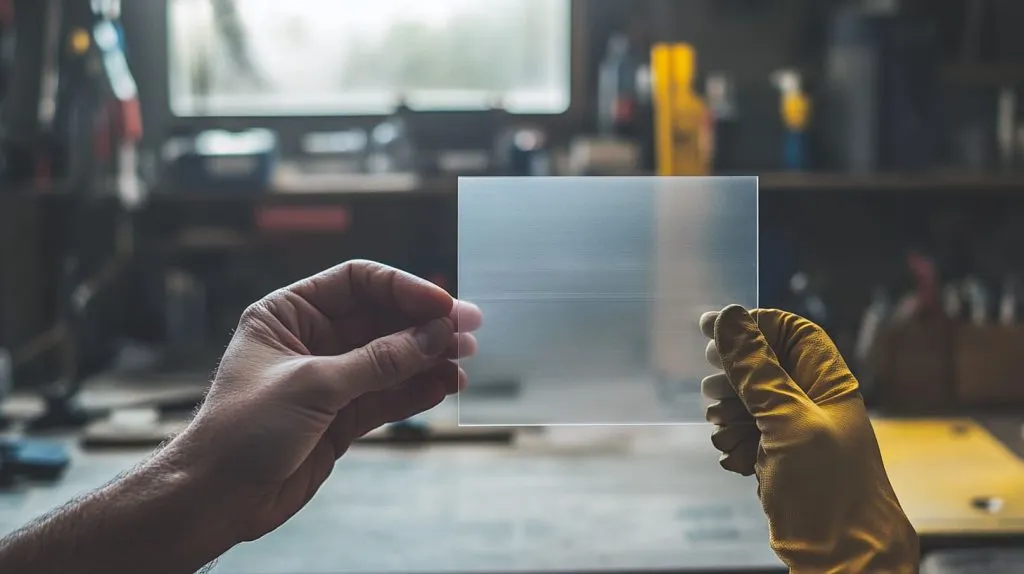
I remember the first time I held an acrylic sheet in one hand and a generic plastic sheet in the other, pondering their differences. It's a question that comes up often: Are plastic sheets and acrylic sheets the same?
No, plastic sheets and acrylic sheets are not the same. While all acrylic sheets are a type of plastic, they possess unique properties like higher clarity, strength, and UV resistance compared to general plastic sheets. This makes acrylic sheets ideal for applications requiring transparency and durability.
But what truly sets acrylic apart from other plastics?
What is the difference between acrylic and plastic sheets?
At first glance, acrylic and plastic sheets might seem identical, but they're quite different upon closer inspection.
Acrylic sheets are made from polymethyl methacrylate (PMMA), offering superior clarity and strength, whereas generic plastic sheets can be made from various polymers like polycarbonate or PVC with varying properties. Acrylic is clearer, more weather-resistant, and often used where transparency and aesthetic appeal are essential.
Understanding Material Composition
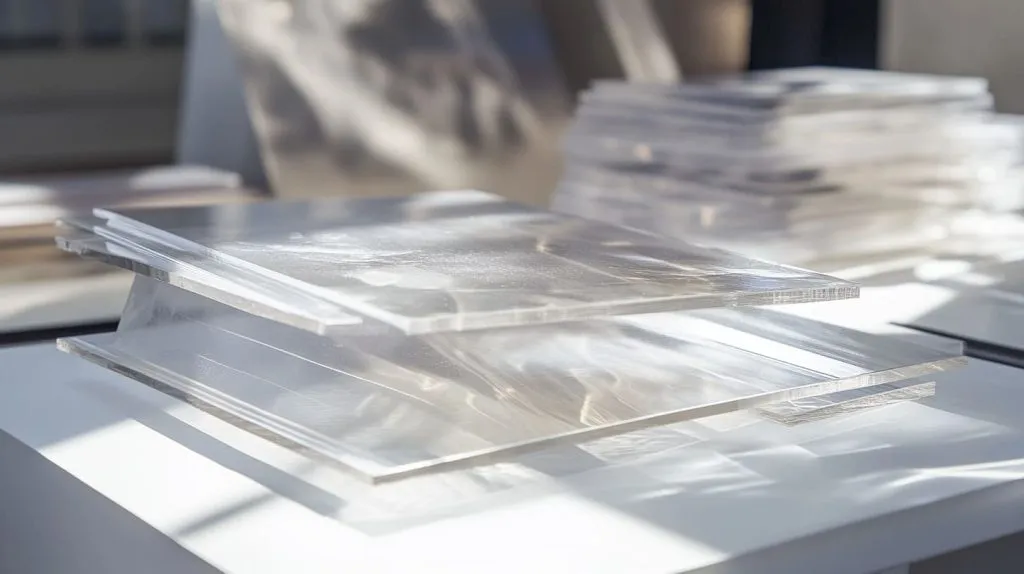
Acrylic, known chemically as PMMA, is prized for its glass-like qualities but with half the weight. Its transparency allows up to 92% of light transmission, making it ideal for displays and signage. In contrast, other plastics like polycarbonate are more impact-resistant but less clear, and PVC is more flexible but not as strong or clear as acrylic.
Applications and Uses
Acrylic's unique properties make it suitable for high-end products like museum displays, aquariums, and optical devices. Generic plastic sheets are often used in applications where clarity and aesthetic are less critical, such as packaging, insulation, or temporary barriers.
What is another name for acrylic sheets?
I often get asked if acrylic goes by other names, especially when clients are exploring material options.
Yes, acrylic sheets are also commonly known as Plexiglass, Perspex, or Lucite. These are brand names that have become synonymous with acrylic materials due to their widespread use and popularity over the years.
Brand Names and Terminology
These brand names originated from different manufacturers but have entered common language much like how "Kleenex" is used for tissues. Knowing these terms can help when sourcing materials or discussing options with suppliers.
How can you tell if acrylic is plastic?
Distinguishing acrylic from other plastics can be crucial for ensuring the right material is used for your project.
Acrylic can be identified by its exceptional clarity and rigidity. It is lighter than glass but more shatter-resistant. When you tap it, acrylic produces a distinct, higher-pitched sound compared to other plastics. Additionally, acrylic edges can be polished to a crystal-clear finish, unlike many other plastics.

Testing and Identification
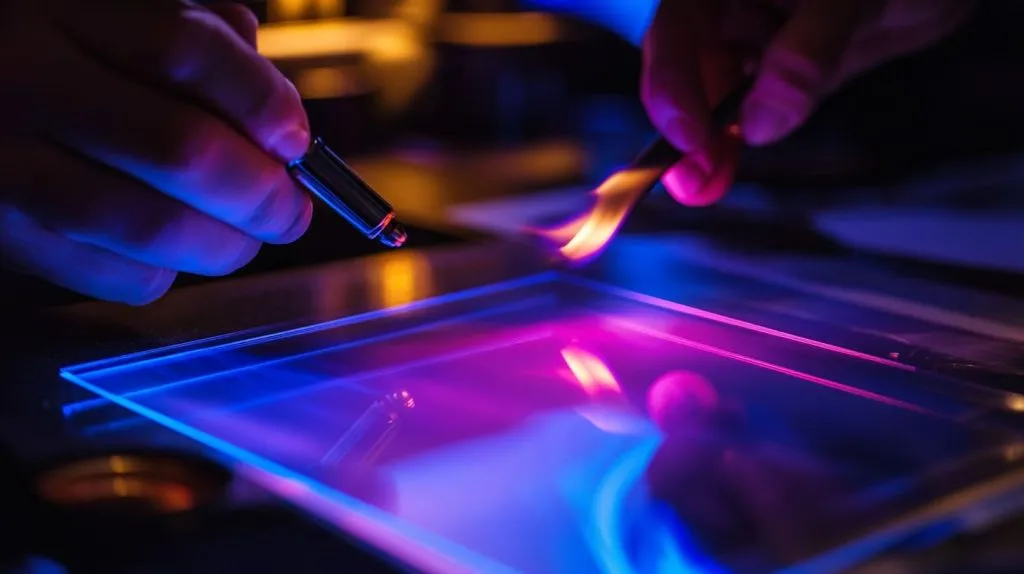
One simple test is to try scratching the surface lightly; acrylic is more scratch-resistant than softer plastics like PVC. Also, when exposed to a flame, acrylic burns with a clear flame and doesn't produce soot, whereas other plastics might behave differently.
What are the disadvantages of acrylic sheets?
While acrylic sheets have many benefits, they're not without drawbacks.
Acrylic sheets are more prone to scratching compared to materials like polycarbonate. They can also be more brittle under high impact, leading to cracks or breaks. Additionally, acrylic is sensitive to certain chemicals and solvents, which can cause crazing or surface damage.
Maintenance and Care
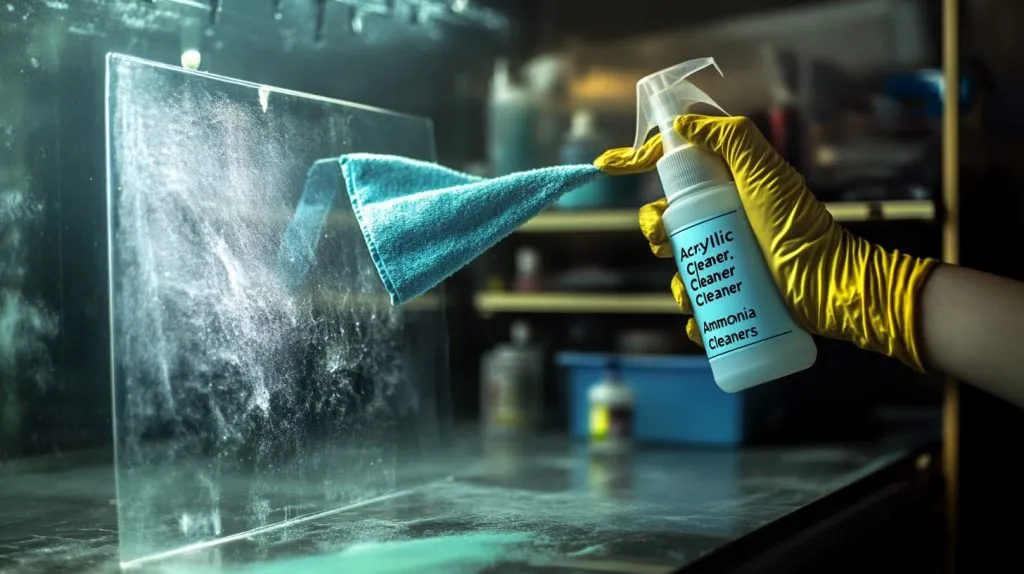
To maintain acrylic's appearance, it's important to use the right cleaning agents—avoid ammonia-based cleaners that can damage the surface. Also, consider the environment where the acrylic will be used; if high impact resistance is needed, alternatives might be more suitable.
Is acrylic more expensive than plastic?
Cost is always a key consideration in material selection.
Generally, acrylic is more expensive than standard plastic sheets due to its superior properties like clarity and UV resistance. However, its longevity and aesthetic advantages can offset the initial investment in applications where these attributes are valued.
Weighing Cost vs. Value
While the upfront cost is higher, acrylic's durability and low maintenance can result in cost savings over time. It's important to consider the total cost of ownership rather than just the initial material expense.
Is acrylic safer than plastic?
Safety is paramount, especially in applications involving human interaction.
Acrylic is considered safer than glass because it's shatter-resistant, but when compared to other plastics, safety depends on the specific type of plastic and application. Acrylic doesn't release harmful chemicals under normal use, making it a safe choice for various settings, including food displays and medical devices.
Environmental and Health Considerations
Acrylic is BPA-free and doesn't contain harmful additives commonly found in some plastics. However, it's not biodegradable, so environmental impact should be considered in the context of the product's lifecycle.
Conclusion
Understanding the nuances between acrylic and other plastic sheets can make a significant difference in the outcome of your project. Acrylic offers exceptional clarity and durability, making it a preferred choice for applications where aesthetics and longevity are important.