Skip to content
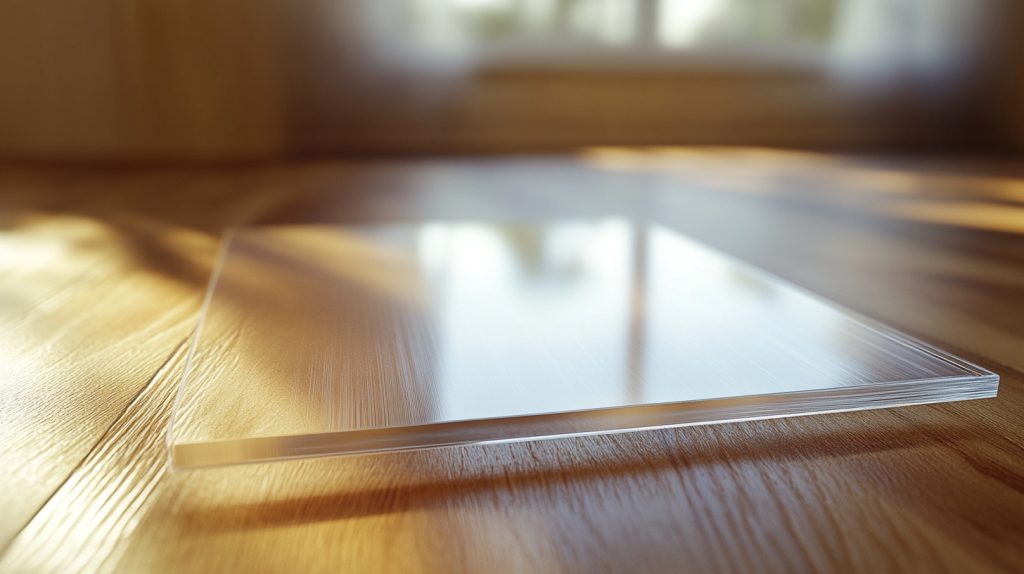
I once got tired of cleaning broken glass from my floor. I wanted a safer, friendlier solution. That's when I discovered acrylic glass, and my curiosity soared.
Acrylic and real glass share clarity but differ in weight, impact resistance, and customization potential. Acrylic is lighter, stronger, and easier to shape. Real glass is heavier, more brittle, yet offers a classic look.
My friend Jacky from Canada visited China factories with me to see how acrylic items are made. His insight pushed me to learn more. I hope my story helps others decide.
Is acrylic glass better than glass?

I used to ask this when I replaced my store displays with acrylic stands. It felt risky, yet exciting.
Acrylic shines for durability, lower weight, and fast customizations. Real glass offers timeless elegance but is prone to breakage. Each material has its advantages, depending on your needs.
I studied how both materials perform under daily stress. Acrylic rarely shatters, making it a favorite for busy spaces. Real glass breaks easily, but it has a familiar charm. I still love using acrylic from Feilong Acrylic because the factory specializes in custom designs with fast turnaround, perfect for either personalized or bulk orders.
Weighing the differences
I have tested both materials in real scenarios. Acrylic is surprisingly strong, while real glass can give me anxiety every time someone touches it. I also see how acrylic is easier to transport and store.
| Feature | Acrylic Glass | Real Glass |
|---|---|---|
| Weight | Light | Heavy |
| Impact Resistance | High | Low |
| Clarity | Excellent | Excellent |
| Shatter Risk | Very low | High |
| Custom Shapes | Easier to make | Limited |
What is the disadvantage of acrylic glass?
I was curious about drawbacks before committing to a large custom order.
Acrylic may scratch more easily and can lose clarity if cleaned with harsh chemicals. It also has some heat limitations, but careful handling helps it last a long time.
I learned how to protect the surface by using microfiber cloths and mild solutions. Acrylic can also crack if drilled incorrectly. My own mishap taught me to use the right drilling speed and bit size.
Handling high temperatures
I noticed acrylic can warp when left near strong heat. Real glass performs better in such conditions. However, I usually keep my acrylic products away from extreme heat, so I rarely see issues.
Does acrylic glass look like real glass?

Friends often mistake my acrylic stand for real glass. They realize the difference only when they try lifting it.
Quality acrylic can closely resemble real glass in clarity and shine. Under close inspection, it’s lighter and more pliable, yet it can look just as refined.
I replaced several glass photo frames with acrylic ones from Feilong Acrylic Furniture Parts. I love how they preserved my precious pictures without adding too much weight to the walls.
Transparency and style
Acrylic often has a brightness that real glass can match, but it feels less dense. Some clients prefer acrylic’s crisp edges and polished corners for modern interior design.
Which is more expensive, glass or acrylic?

I remember doing a cost analysis for my display racks, which weighed me down both literally and financially.
Real glass can be cheaper in bulk, but breakage risks and shipping costs can push up expenses. Acrylic might be more affordable overall, especially for custom projects that must avoid damage.
I pay attention to freight and packaging costs. I find acrylic is cost-effective for overseas shipping. At Feilong Acrylic, with five production lines and 150+ workers, they manage large-scale orders quickly, which also helps control prices.
Does acrylic glass crack?
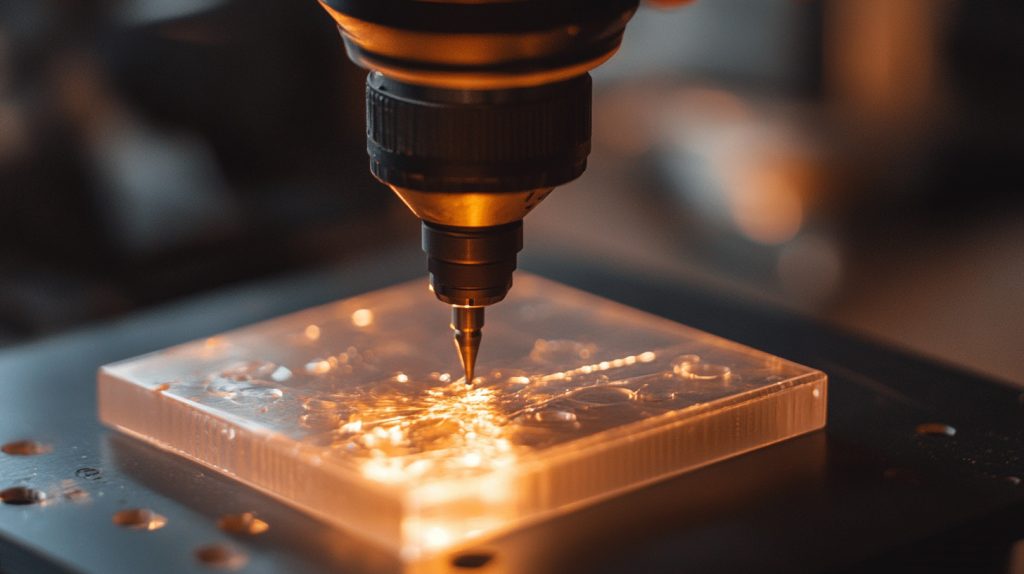
I once thought acrylic was indestructible, until I forced a drill bit on it.
Acrylic can crack with high stress or improper drilling, but it’s more resilient than real glass under normal wear and tear. Proper handling greatly reduces the chance of cracks.
In my experience, slower drilling speeds and gentle pressure solve most cracking issues. It’s important to get the correct tools. Working with experienced manufacturers also helps keep products stable.
Stress points
Edges are more vulnerable if they’re not properly finished. Polishing edges and maintaining an even thickness can protect the item. I’ve seen minimal cracks once I learned these finishing tricks.
Does acrylic glass scratch easily?
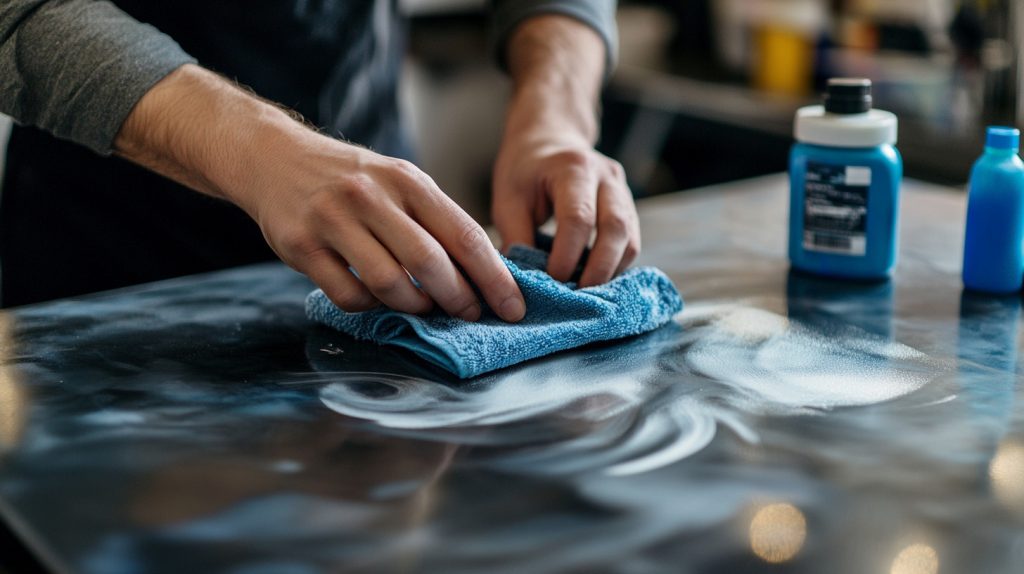
This was my main fear before switching to acrylic shelves.
Acrylic does scratch more easily than glass. Simple preventive steps like using soft cloths and mild polishes can keep surfaces smooth and clear.
I keep a tube of scratch-remover polish for small blemishes. It works like magic. With real glass, I might not worry about scratches, but I’d worry more about shattering. The tradeoff feels worth it for me.
Personal reflection
Sometimes, I miss the hefty feel of real glass. But acrylic’s versatility and safety features often outweigh that nostalgic love for weighty glass items.
Conclusion
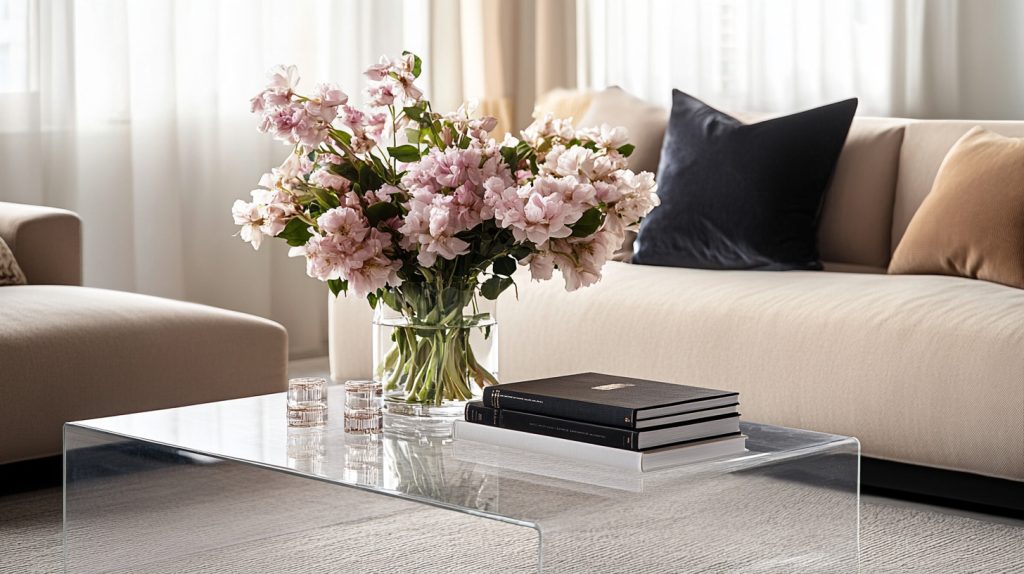
I choose acrylic for most projects because it balances durability, cost, and elegance.