Skip to content
I’ve always been fascinated by how plexiglass can make something look sleek and modern. My first encounter was years ago, when I tried to mend a scratched-up acrylic display stand in my college dorm. It took me several attempts (and many YouTube tutorials) to realize there’s a proper way to restore plexiglass. Today, I want to share what I’ve learned, so you can avoid my rookie mistakes.
What Is Plexiglass and Why Restoration Matters
I used to think plexiglass was just fancy plastic. But I soon discovered it’s a type of acrylic that’s stronger and clearer than what we imagine when we say “plastic.” If it becomes scratched, yellow, or cloudy, it can ruin the entire look of a display or box. That’s why restoration is crucial: a well-maintained acrylic surface can shine for years.
Importance of Proper Care for Longevity
I remember a time when I wiped my acrylic organizer with a harsh rag that left countless tiny scratches. It was such a disappointment. Proper care—using the right cloths, cleaners, and techniques—helps avoid those mishaps. Plus, it extends the life of your prized acrylic pieces. Let’s dive deeper into what makes plexiglass special, and then I’ll share how we can protect it for years to come.
I once obsessed over my scratched phone case until I found a tiny restoration trick, so keep reading to see how this knowledge applies to your plexiglass items.
Understanding Plexiglass

I’ve noticed that many of my friends often mistake acrylic sheets for typical plastic sheets. So I started asking questions and doing my own research to see if there’s a real difference. There is. And understanding those differences can guide us on how to prevent scratches or cracks. Hang with me here; I’ve got some interesting insights to share.
Characteristics of Plexiglass vs. Other Plastics
Plexiglass has higher clarity and sturdiness than many common plastics. I once tested two sheets—one was a standard plastic, the other was plexiglass—by placing them in direct sunlight for a month. The difference was clear: the standard plastic looked yellowed, while the plexiglass retained its clarity.
Here’s a small table that compares some general traits:
| Material | Clarity Level | UV Resistance | Durability |
|---|---|---|---|
| Plexiglass | Very High | Great | Strong |
| Standard Plastic | Moderate | Poor | Less Strong |
Common Uses and Why It’s Prone to Scratches
I see plexiglass everywhere: store displays, cosmetic organizers, signboards—you name it. But with frequent handling, it can get scratched easily, especially if we use rough cloths or apply too much force during cleaning. It’s somewhat ironic: the very reason I love it—its crystal-clear surface—makes me nervous every time I’m about to wipe it down. Different angles might reveal micro-scratches that you didn’t see before.
Do you ever notice the tiny marks on your acrylic phone case or display stand? It’s not just you. The exposed surfaces and contact points make acrylic more vulnerable. By now, you might be asking, “What really causes those dreaded scratches and scuffs?” Let’s dig into those damages next.
Let me share one more short anecdote before we move on, so I can hold your attention: I once tried to fix a scratch with steel wool—big mistake! Don’t do that.
Common Damages and Issues

I’ve spent countless hours tinkering with acrylic materials, and every time I think I’ve seen it all, a new type of damage shows up. Let’s break down the usual suspects.
Surface Scratches and Abrasions
Sometimes it’s barely noticeable, other times it’s glaring. Surface scratches can come from wiping with the wrong cloth, everyday friction, or even being shoved in a packed display. I used to think, “Maybe I should just ignore these tiny marks.” But they can accumulate, turning your once-shiny piece into a dull eyesore.
Discoloration and Cloudiness
When I see a foggy acrylic stand, I can’t help but cringe. Often, discoloration happens if you use poor-quality cleaning agents or leave the acrylic exposed to extreme sunlight. Over time, cloudiness can appear. It’s like a fog that slowly creeps in until you can’t see the object inside the display anymore.
Cracks and Chipping
This is the most heartbreaking form of damage—especially if you’re working with large, expensive acrylic pieces. Cracks can spread if not addressed quickly. I once had a cracked acrylic case that I tried gluing together with any random adhesive I found. Spoiler alert: it didn’t end well. The crack spread further, and I learned the hard way that you need specific acrylic-friendly solvents.
Essential Tools and Materials
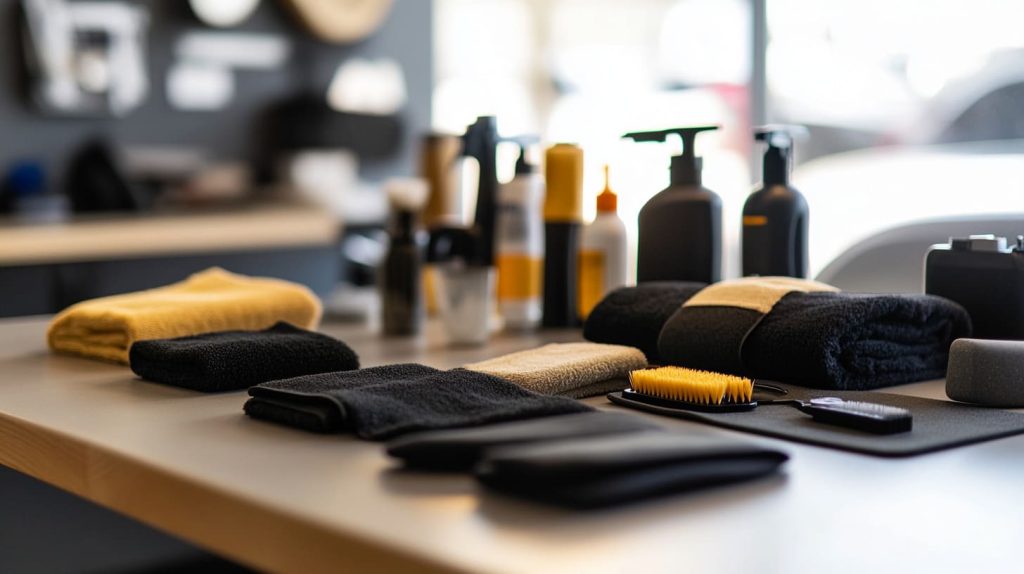
If you’ve ever tried to clean plexiglass with just water and a rag, you probably found out it’s not enough. Having the right arsenal of tools and materials can be a game-changer.
Cleaning Supplies (Soaps, Cloths, Brushes)
I always keep a stack of microfiber cloths nearby. They’re gentle and don’t leave lint behind. Mild soap solutions—like dish soap—are usually safe. Soft-bristle brushes help get rid of stubborn dust in those tricky corners without scratching the surface.
Polishing and Buffing Equipment
For polishing, I rely on specialized acrylic polish. I’ve got a small buffing pad that attaches to my drill, and it does wonders for removing fine scratches. But I’ve also tried manual buffing with a microfiber pad. It takes longer, though the result can be just as good.
Specialized Repair Kits and Products
I always tell people: “Don’t be afraid to invest in a quality repair kit.” Kits often come with different grades of sanding sheets, polishing compounds, and instructions that make the restoration process foolproof. It’s like having your own mini acrylic workshop in a box. If you’re dealing with serious scratches or cracks, a repair kit might be your saving grace.
When I got my first repair kit, I spent a whole weekend fixing every acrylic piece I owned. It was oddly satisfying.
Preparation Steps

Before you jump in with polish and power tools, it’s vital to set the stage. Think of it like prepping ingredients before cooking a meal.
Inspecting the Plexiglass for Severity of Damage
Look for hairline scratches, deep gouges, or cracks. I like to run my fingernail over the surface to feel if the damage is just superficial or truly deep. This helps me decide if a simple cleaning or a more involved sanding process is required.
Setting Up a Dust-Free, Well-Lit Workspace
I once tried sanding down a display stand in my garage with the door open. A gust of wind blew in, and dust went everywhere. Not fun. So now, I make sure I’m in a well-lit space with minimal dust. Proper lighting reveals scratches you might otherwise miss.
Choosing the Right Restoration Method Based on Damage Level
If the damage is light, simple polish might do. But for deeper scratches or cracks, you might need wet-sanding and specialized solvents. My general rule of thumb: start gentle, then escalate only if necessary. That keeps you from removing more acrylic than needed.
Restoration Techniques

My first big plexiglass restoration project was a cracked picture frame. I made every mistake in the book before figuring out the right techniques. To save you from that fate, let’s break down each method.
Cleaning and Debris Removal
I’m a firm believer that a good cleaning is half the battle. If you try to polish plexiglass while it’s still covered in dust or grime, you risk grinding those particles into the surface.
Mild Cleaners vs. Commercial Solutions
I typically start with a mild dish soap mixed in warm water. It’s effective enough to remove most dirt. Commercial cleaners can work too, but double-check the label to be sure they’re acrylic-safe. A wrong formula could cause haziness.
Proper Wiping Techniques to Avoid Further Scratches
I go in gentle, circular motions with a microfiber cloth. No heavy pressure. If the cloth becomes dirty, I switch it out rather than risk dragging dirt across the surface. A friend once used paper towels—bad move. Paper towels can be abrasive.
Scratch Removal
Scratches can be intimidating. I know, because I used to avoid them like the plague. But with the right approach, it’s not too scary.
Wet-Sanding Steps and Precautions
Wet-sanding involves soaking fine-grit sandpaper in water, then carefully sanding the scratched area. Keep the surface wet at all times. I usually start with 600-grit, then move up to 800, 1200, and 2000-grit. It’s a bit of elbow grease, but the smoother finish is worth it.
Using Micro-Mesh or Sandpaper Grits
Micro-Mesh is a type of sandpaper designed for ultra-fine polishing. I used it once to fix a giant scratch on a display box. The result was so clear, my friend asked if I’d bought a new box. It’s a slower process, but the clarity payoff is huge.
Spot Treatments for Deep Scratches
If it’s a localized deep scratch, I sometimes do a spot treatment by placing a tiny piece of high-grit sandpaper just on the scratch itself. It keeps me from accidentally sanding an entire area that’s not damaged.
Polishing and Buffing
Polishing is where things start to look shiny again. It feels like revealing a hidden gem.
Selecting the Correct Polish
Acrylic polishes are usually a safe bet. Some folks use car polish, but I recommend reading labels to ensure compatibility. I once used a polish meant for metal, and it made my acrylic piece cloudy.
Mechanical vs. Hand Buffing
Mechanical buffing with a low-speed buffer can speed up the process. But you need a steady hand and caution not to overheat the acrylic. If you’re worried, hand buffing may be a slower but safer approach.
Finishing Touches for Crystal Clarity
After buffing, I like to give the surface a final wipe with a clean microfiber cloth. It’s a small step, but it makes the difference between “almost clear” and “crystal clear.”
Addressing Cracks and Chips
I get a bit nervous when I see cracks. But sometimes, they’re still fixable.
Assessing the Feasibility of Repair
If the crack is too large or the structural integrity is compromised, it may be time for a replacement. But for smaller cracks, an acrylic solvent can fuse the material back together. Think of it like welding for plastic.
Using Acrylic Solvents or Fillers
Solvents melt the acrylic edges, letting them bond to each other. Fillers are more like glue. In either case, you need to be precise and patient. I’ve had times where a tiny bubble formed within the bond—annoying, but sometimes inevitable.
If you’re still with me, congratulations. You’re halfway to becoming a plexiglass guru. Let’s move on to the secrets of keeping your newly restored acrylic in tip-top shape.
Maintenance and Prevention
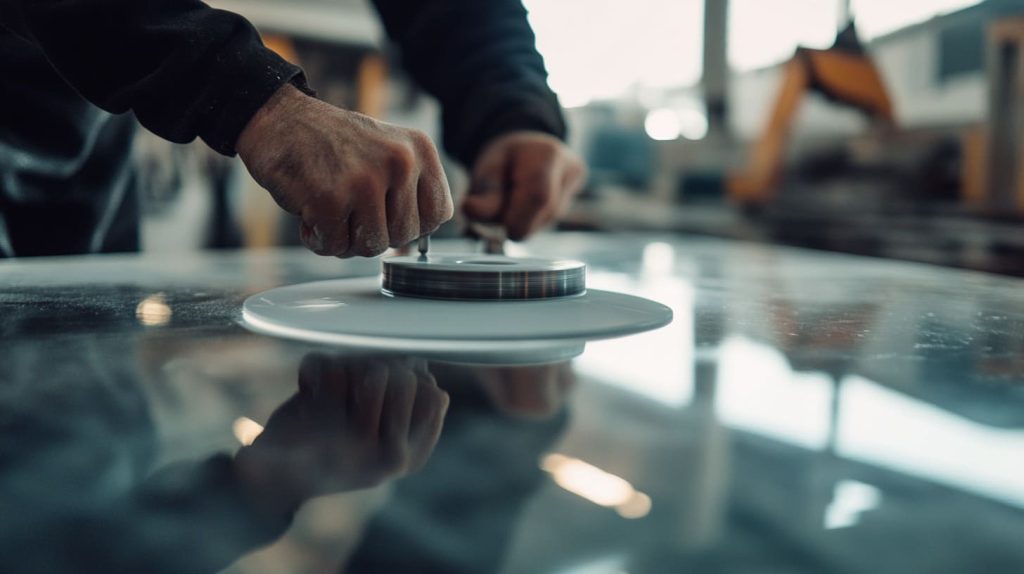
I’ve found that a little prevention goes a long way with plexiglass. After learning the hard way, I now have a few habits that keep my displays and organizers looking fresh.
Regular Cleaning Regimens
I do a quick wipe-down every couple of weeks. It’s simple: a mild cleaner, a soft cloth, and gentle strokes. This stops dust and grime from getting embedded. If you’re consistent, you won’t have to do major restorations as often.
Protective Coatings and Films
Some folks ask if protective films are worth it. I say yes, especially for high-traffic items. I once used a thin film on an acrylic tabletop. It not only reduced scratches but also made cleaning simpler. Peel and replace when it gets worn.
Tips to Prevent Scratching or Clouding
Avoid placing sharp objects directly on acrylic surfaces. Use coasters, mats, or other protective layers if needed. Don’t drag things across the surface. I’ve even seen some people add tiny rubber feet to items to minimize friction. Small details make a big impact.
Potential Mistakes to Avoid

We’ve all done it: used the wrong cleaner, or gone too hard with sandpaper. Here are some common blunders to steer clear of.
Over-Sanding or Excessive Pressure
Sometimes less is more. If you press down too hard, you might remove more material than necessary. Gentle, consistent strokes are safer.
Using Harsh Chemicals or Abrasive Cloths
I regret ever using paper towels. Also, never grab random household cleaners without checking the label. Products containing ammonia can harm your plexiglass.
Neglecting Surface Sealing After Polishing
After you polish, it’s smart to apply a finishing product or even a light acrylic protectant. This sealing helps maintain that restored clarity. Skipping this step can lead to quicker re-scratching or cloudiness.
Frequently Asked Questions (FAQ)

I get a lot of questions about plexiglass care. Here are a few that pop up most often.
Ideal Frequency of Plexiglass Maintenance
I recommend a quick cleaning every one to two weeks, especially if the item is frequently touched or displayed in a dusty environment. But there’s no hard rule—just keep an eye out for smudges and dust buildup.
Recommended Products and Their Safety
I’m cautious about brand recommendations, since formulas change. Look for “acrylic-safe” on the label. If in doubt, test a small, hidden area first. I love specialized acrylic polishes since they’re less likely to cause hazing. If you’re not sure, you can always check out acrylic-safe cleaning products that detail recommended options.
Professional vs. DIY Repairs
Sometimes I try to fix a problem myself, but if it’s a high-value piece or the damage is extensive, I might take it to a pro. Professionals have specialized tools and experience. If you’re short on time or patience, hiring help could be worth it.
Conclusion
Key Takeaways for Long-Term Plexiglass Clarity
Restoring plexiglass is a skill that anyone can learn with the right tools, a dash of patience, and consistent care. Starting gently, cleaning thoroughly, and sanding only as needed can transform a dull, scratched surface back to its pristine glory. Keep in mind: prevention is your best friend. If you maintain your plexiglass regularly, you’ll spend less time fixing and more time enjoying that glossy finish.
How Feilong Acrylic Supports Clients’ Custom Needs
I’ve seen so many factories that crank out standard items, but custom acrylic manufacturing takes real expertise. At Feilong Acrylic, we take pride in turning creative ideas into tangible solutions—like custom displays, organizers, and boxes. Over the years, we’ve helped people just like me and you get pieces that not only look amazing but also stand the test of time. Our slogan is “Deliver high-quality, custom solutions with fast lead times that are suitable for personalized or bulk orders.” I’ve worked with them to design a few of my own prototypes. The results? A perfect blend of functionality and style.