Skip to content
The Growing Popularity of Modern Print Materials
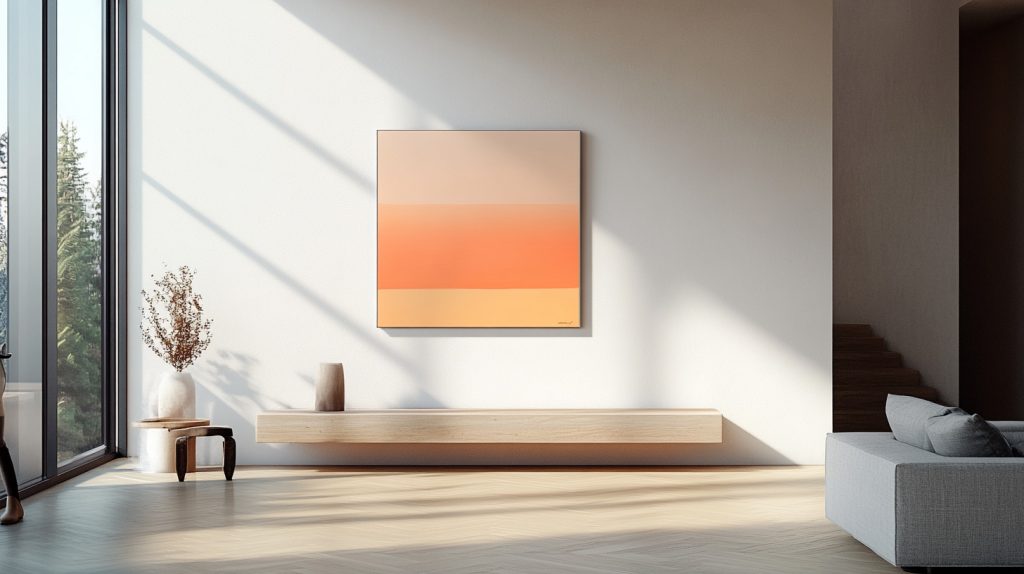
I remember the first time I explored modern print materials. I was standing in a friend’s living room, staring at a vivid image that seemed to float on her wall. It was unlike the usual prints I'd seen framed behind glass. Instead, the piece had a sleek surface and a unique shine that immediately pulled me in. That day, I realized many folks prefer new-age printing methods over traditional canvases because these materials offer sharper visuals, varied finishes, and sometimes a style that suits contemporary spaces.
Importance of Understanding Material Differences
It’s easy to assume all prints are the same until you try to install one or clean it for the first time. Some are heavier. Others reflect light differently. These small nuances can mean the difference between a big success and a big disappointment—especially if you’re planning a gallery, a home showcase, or even a commercial display. I’ve learned the hard way that not all prints belong in the same environment. Understanding these small details helps us pick what’s right for our needs without wasting resources or time.
I used to wonder if there was a single “universal” print option for everything—gallery walls, retail displays, or home décor. But after diving deep, I realized each print type offers its own charm. Stick around to see what sets aluminium prints apart from acrylic prints and why it matters.
Aluminium Prints
How Aluminium Prints are Made
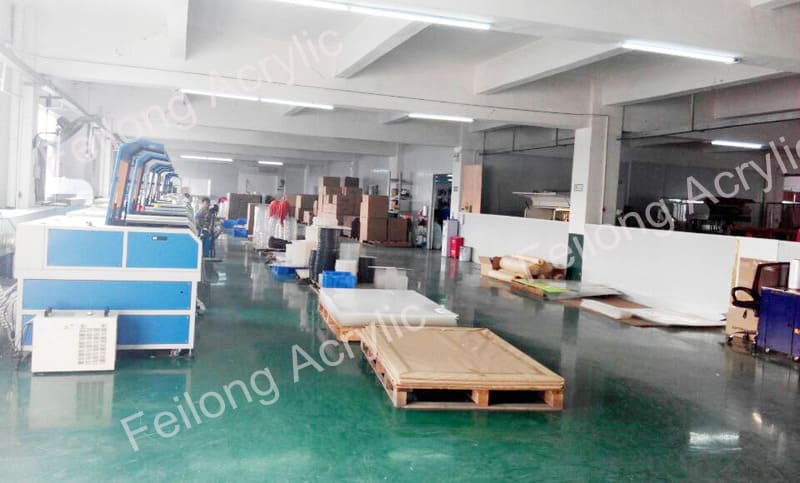
I visited a production facility a few years back to watch aluminium prints come to life. The whole process felt like a science project blended with art.
The Printing Process
It starts with a specially coated aluminium sheet. The image is either directly printed onto this coated surface or transferred using a heat press. In direct printing, modern printers embed the ink onto the metal, which helps the color stand firm. In heat transfer, a special dye sublimation method “fuses” the ink into the sheet.
Protective Coating Methods
Some manufacturers apply a clear protective layer on top of the ink. This layer shields the print from scratches, moisture, or minor bumps. It can be glossy for a bright shine or matte for a softer look. I’ve seen prints that survived accidental splashes thanks to this extra protection, making them last longer in unpredictable settings.
Characteristics of Aluminium Prints
My first impression of an aluminium print was that it felt surprisingly sleek and light, despite being metal. Yet, there’s more to this story.
Weight and Thickness
Most aluminium prints use thin metal sheets. These are lighter than you’d expect for something made of metal but still heavier than a similar-sized paper print. When I had to mount a large piece, I appreciated that I could handle it by myself without feeling overwhelmed.
Typical Finishes (Glossy vs. Matte)
Many of us might associate metal with a shiny look. However, some companies offer matte finishes to reduce reflections. I once chose a glossy aluminium print for a lounge area because I wanted it to pop under the room’s lighting. But for a hallway with lots of direct sunlight, I went for the matte version. Both looked great, but the reflective difference was huge.
Common Applications
Aluminium prints often suit modern interiors, commercial lobbies, or art shows. Their durability is also handy outdoors, though extreme weather can still be a concern. I’ve even noticed them in chic restaurants or offices wanting a minimalistic, upscale vibe.
I used to think aluminium prints were only for artsy folks, but I’ve seen them in professional waiting rooms and swanky retail stores too. Some friends have them hanging in their kitchens because the metal cleans up easily. This range of settings makes me think that if you want something contemporary and refined, aluminium prints can do the job.
Let me share a quick personal story before we move on to the next section: I tried installing an aluminium print in a room with bright windows. The glare got intense at certain angles, but I still adored the bold colors. That small detail made me realize how important it is to consider where we place our prints.
Acrylic Prints
How Acrylic Prints are Made
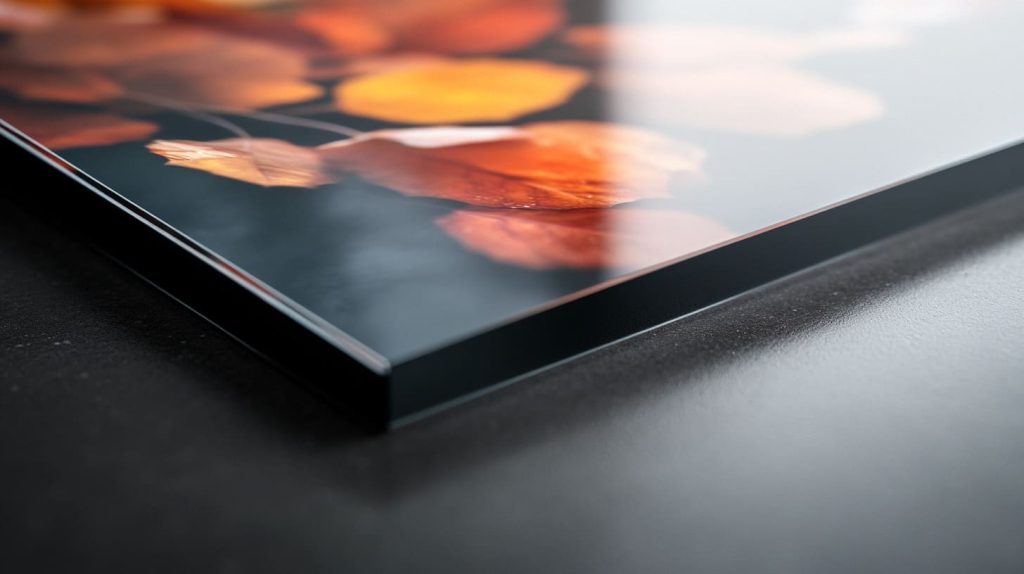
Acrylic prints are a different ballgame. They bring a level of depth that I first noticed in an art gallery, where the image seemed to have this layered, almost three-dimensional effect.
Face-Mounting Technique
In face-mounting, the printed image is pressed directly onto the backside of a clear acrylic sheet. The front surface of the acrylic then acts like a lens, magnifying the colors and giving a crystal-clear glow. I watched a demonstration of this once, and it felt almost magical how the acrylic sheet enhanced the vibrancy.
Direct Printing on Acrylic
Another method is direct printing. Manufacturers print the image on the acrylic’s rear surface, then add a backing layer to protect the ink. While face-mounting tends to look a bit richer, direct printing can be cost-effective. Either way, the acrylic’s clarity remains a star player.
Characteristics of Acrylic Prints
My first acrylic print left me speechless. It wasn’t just about how the colors popped, but how light seemed to dance through the acrylic, giving depth.
Thickness Options
Unlike aluminium sheets that are typically standard in thickness, acrylic can vary widely. From slim panels to thicker blocks, there’s a range. Thicker acrylic often adds a more pronounced 3D effect. When I was redecorating my office, I chose a thicker panel because I wanted that extra wow factor.
Transparency and Light Refraction
Acrylic’s transparency is a big deal. Light refracts through the edges, creating a unique glow. This can be mesmerizing, but it also means the environment’s lighting plays a bigger role in how the print appears. I once placed an acrylic print near a soft lamp, and the edges lit up like a halo around the artwork.
Common Applications
Acrylic prints show up in high-end galleries, sophisticated boutiques, and modern homes. The sleek finish and eye-catching depth make them a favorite for statement pieces. A friend even used acrylic prints in her bathroom because they’re resistant to humidity and super easy to clean. Still, I’d keep direct sunlight in check if you’re trying to avoid any long-term fading.
Before I jump into the main differences between aluminium and acrylic, let me tell you about my own switch. A few years ago, I replaced a canvas piece with an acrylic print. The moment I hung it, I was hooked on that glossy depth. Although it cost more, it felt worth it.
Key Differences at a Glance
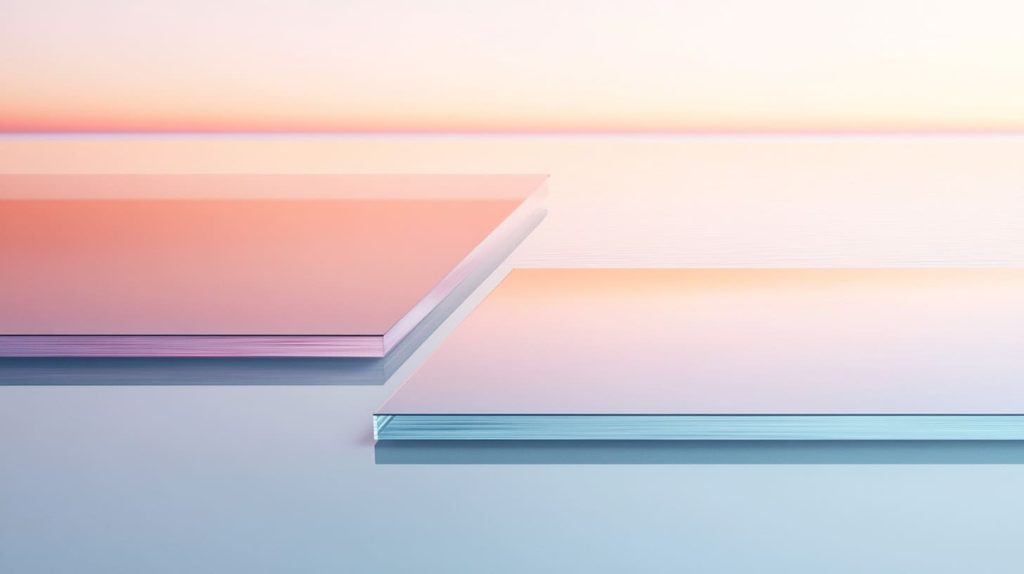
I know you might be tempted to skip the details. But trust me, these differences can change how your final display looks and performs.
| Criteria | Aluminium Prints | Acrylic Prints |
|---|---|---|
| Material Composition | Thin aluminium sheets with special coat | Clear acrylic sheet with image on the back or face-mounted |
| Visual Aesthetics | Modern, sometimes metallic glow | Glossy depth, almost a 3D effect |
| Durability & Longevity | Scratch-resistant, water-resistant | Highly durable, can resist humidity but watch for scratches |
| Weight & Portability | Lighter than you’d guess but still firm | Can be heavier, depends on thickness |
| Maintenance & Care | Wipe with a damp cloth, avoid harsh pads | Use soft cloth, non-abrasive cleaners |
| Cost Considerations | Generally less expensive | Typically higher for thicker, premium acrylics |
Material Composition
Aluminium is sturdy and feels cool to the touch. Acrylic is more like glass, but lighter and less fragile. This fundamental difference impacts weight, appearance, and how the prints react to their environment.
Visual Aesthetics
I once hung a small aluminium print next to an acrylic print of similar size. The aluminium print appeared more understated, while the acrylic beamed with color. Whether that’s good or bad depends on your taste and the setting.
Durability and Longevity
Both hold up well over time, but aluminium can handle a bit more roughness. Acrylic can scratch if you’re not careful. On the flip side, some high-quality acrylic pieces remain spotless for decades if you clean them gently.
Weight and Portability
I learned the hard way that large acrylic prints can be heavier than expected, especially the thick ones. Aluminium prints of the same dimension might be easier to lift and mount. For bigger installations, I definitely recommend factoring in the weight.
Maintenance and Care
Aluminium is straightforward to clean. A simple wipe works fine. Acrylic, while also easy, demands gentler cleaning because certain cleaners can dull or scratch its surface. Keep it simple: a microfiber cloth and mild soap solution usually do the trick.
Cost Considerations
Acrylic prints often cost more, particularly the thicker variety. Aluminium prints can be budget-friendly, but if you opt for specialized finishes or sizes, prices can climb. I usually tell people to think of it like choosing between a premium phone case and a basic one—both protect your phone, but one might look and feel a bit more special.
Let’s now see how these differences shape our buying decisions and what factors matter most before investing in these prints.
Factors to Consider When Choosing Between Aluminium and Acrylic Prints
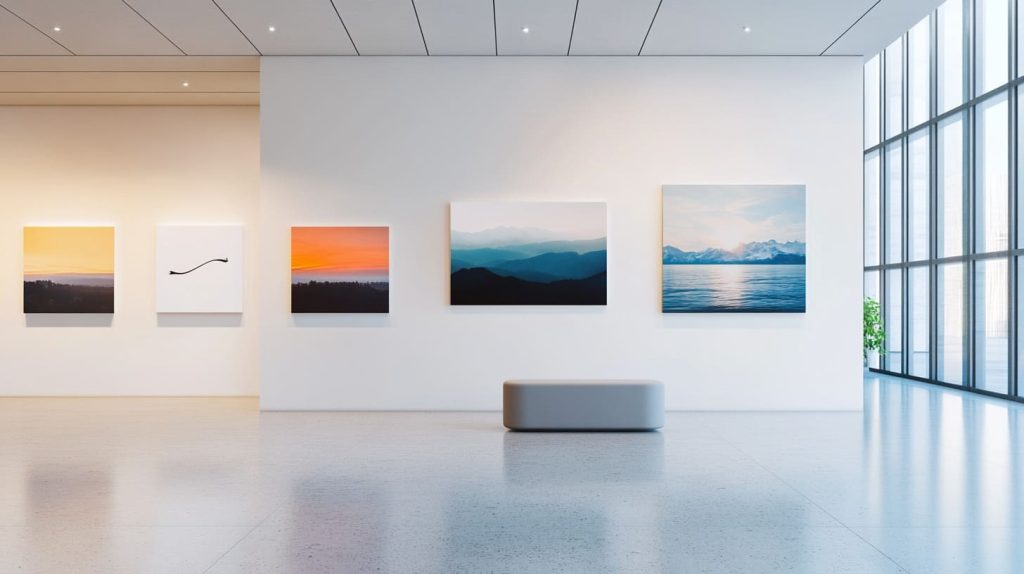
Purpose of Display
I once tried using an acrylic print for an outdoor sign in a shaded area. It looked stunning, but over time, the direct moisture became a concern. Aluminium might have been a better choice for constant exposure to the elements. It’s important to consider where and how you plan to display the piece. Indoor vs. outdoor can be a game changer.
Budget Constraints
Money matters. When I was designing a small office space, I chose acrylic for its pop of color. But if I had needed to outfit an entire lobby with 10 large prints, cost might have pushed me toward aluminium. If you have the budget, acrylic can be a real show-stopper, but aluminium offers a good balance of style and cost-effectiveness.
Desired Aesthetics
If you crave a glossy, deep look, acrylic wins. If you prefer a sleek, modern vibe with subtle reflections, aluminium might be for you. I’ve met people who love the metallic edge of aluminium prints because it adds a slight shimmer. Others want that luxurious sheen that only acrylic can deliver.
Installation Requirements
Weight, mounting hardware, and environmental conditions all matter. Aluminium is robust for many locations. Acrylic, while beautiful, might need more secure fixtures if you’re hanging a larger piece. For me, I once used a wall anchor system to ensure my heavier acrylic print stayed in place on a drywall surface.
I know these details can get overwhelming. But trust me, a bit of planning saves a lot of headaches later.
Feilong Acrylic’s Perspective
Why Acrylic Stands Out
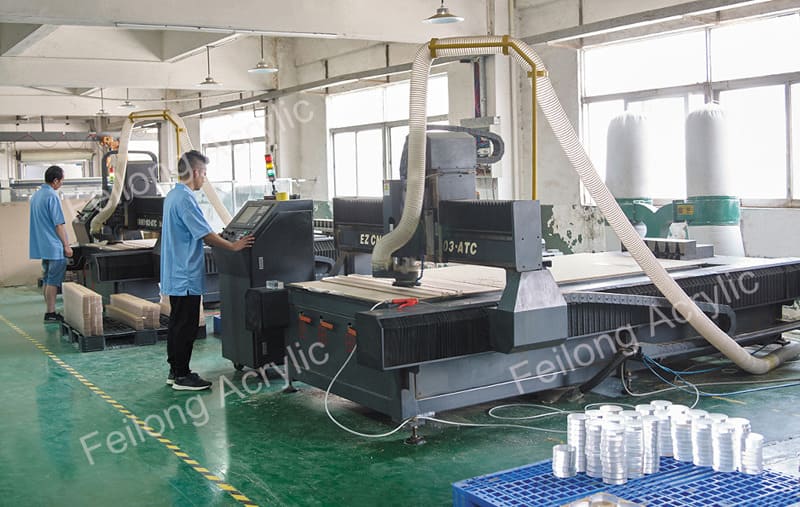
At Feilong Acrylic, we’ve spent over 13 years crafting custom acrylic products. I’ve seen acrylic transform dull corners into vibrant spaces. The clarity, the refraction, and the overall elegance are reasons we champion acrylic for many display solutions.
Customization and Bulk Order Capabilities
Our factory handles only B2B orders. I’ve helped clients design custom shapes, unique thicknesses, and various sizing options. One of my favorite memories was collaborating with a store designer who needed glossy countertop displays and matching wall-mounted pieces. We quickly turned those ideas into reality by leveraging our advanced laser and CNC machinery.
Quality Assurance and Fast Lead Times
We take pride in our ISO9001 certification. That’s why we keep our quality control strict. Whenever I chat with a new client, I explain how we use GSG-certified eco-friendly acrylic, which gives a high-transparency finish. We work fast, too, because we know that in the business world, time is everything.
Ideal Use Cases for Acrylic Prints
I’ve seen some folks assume acrylic is best for fancy art only. But we find it works brilliantly for store displays, furniture parts, and even specialized household items. Whether you want a statement piece in a corporate lobby or a personalized design for a high-end retail shop, acrylic can do the job in style.
Conclusion
Recap of Differences
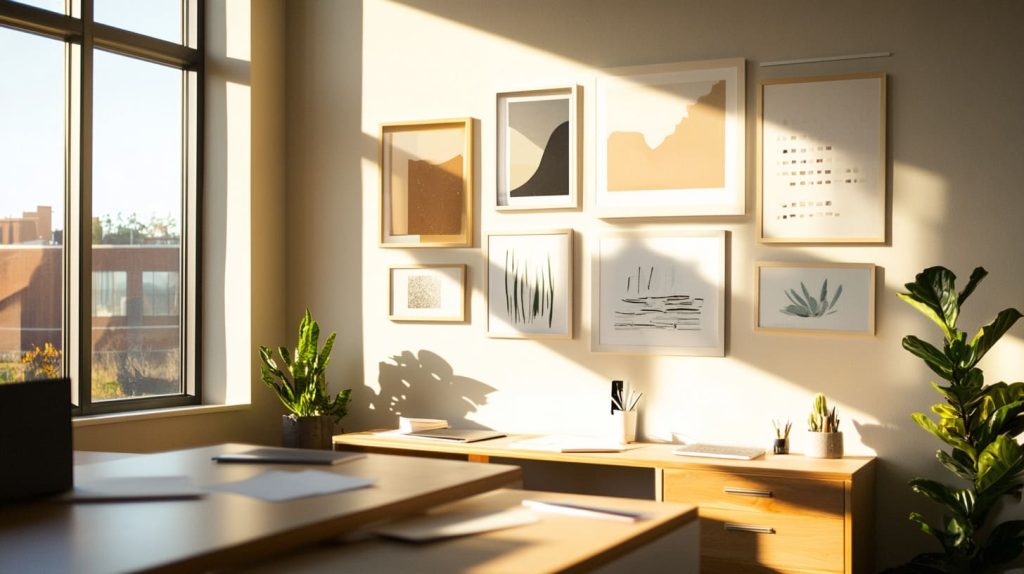
Aluminium prints often feel lighter and more minimal. Acrylic prints deliver unmatched depth and brilliance. Both have protective options, but they differ in thickness, weight, and cost.
Making an Informed Decision
Try to see a physical sample or a friend’s setup if you can. Make sure to consider lighting conditions and the level of maintenance you’re okay with. That first-hand experience might be the nudge you need.
Final Thoughts
I’ve handled both materials in various settings. Neither is universally better, but each stands out in different ways. Ultimately, it comes down to the atmosphere you want and how much effort you’re willing to invest. Thank you for joining me in this conversation. I hope you feel more confident as you decide which print style suits your space and vision.