Skip to content

The Growing Demand for Retail Efficiency
I remember the day I walked into a busy boutique in Toronto, searching for a new pair of shoes. The sales staff were friendly, but I noticed how cluttered their displays looked. It felt like a maze of mismatched stands. That’s when I realized how important it is to have displays that don’t just show products but also simplify the entire retail experience.
In a world where speed and clarity matter, retailers want solutions that help customers find what they need without feeling lost. They look for ways to save space and reduce confusion. I’ve learned through my own trials that every inch of a store has to work harder, and that’s why we need efficient solutions to make product presentation seamless.
Why Acrylic Displays Are a Preferred Choice
I first got hooked on acrylic display solutions when I saw how easily they fit into almost any retail environment. Unlike heavier materials, acrylic is light. It also keeps its shine for a long time. When I look back at some stores I've visited, I recall how a sleek acrylic stand made even simple items look like premium goods.
But does it really work better than other materials, like glass or metal? From my perspective, it does. Glass can crack, and metal can rust if you’re not careful. Acrylic, on the other hand, is easy to move around and stays crystal clear for a long time. Let’s move forward and see how these benefits stack up.
Understanding the Core Advantages of Acrylic Displays
Lightweight Yet Durable Characteristics
I’ve handled many displays that felt too heavy and delicate. Acrylic shows a different side. It’s light enough for me to reposition it on a whim but still strong enough to handle repeated use. This dual nature offers peace of mind in a busy store setting.
Table: Light vs. Durable
| Aspect | Explanation |
|---|---|
| Weight | Acrylic is lighter than glass or metal |
| Break Resistance | Less prone to shattering under moderate impact |
| Flexibility | Can bend slightly without permanent damage |
From these points, I see how acrylic balances portability and longevity. But there’s more to explore.
Crystal-Clear Visibility for Product Showcasing
When I talk to my friends in retail, they often say they want displays that give customers a clear view of the product. Acrylic excels here. It allows customers to focus on the item itself, rather than the stand. This clarity can boost sales because shoppers see every angle of what they might buy.
I’ve watched someone choose a necklace because the acrylic holder let the light reflect off the gems. It’s a simple difference that can lead to bigger revenues.
Versatility in Shaping and Styling
From gently curved edges to bold geometric designs, acrylic adapts well. When I experimented with custom shaping, I noticed the freedom is almost unlimited. You can bend it, laser-cut it, and even print on it.
Table: Versatility Options
| Style | Examples |
|---|---|
| Curved Designs | Smooth edges for modern look |
| Angled Geometrics | Sharp, bold lines for a contemporary feel |
| Printed or Engraved | Branding or artistic customization |
Seeing how shapes and designs vary, I realized we can bring almost any creative concept to life. That brings us to strategies that boost retail efficiency.
Design Strategies for Maximizing Retail Efficiency

Modular and Tiered Configurations
I once visited a pop-up shop where the owner stacked small acrylic shelves in tiers. That simple choice multiplied his display space without feeling overwhelming. Modular setups let you add or remove sections based on how much product you want to show.
Thinking critically, I see how modularity solves two issues at once: maximizing limited floor space and keeping the layout flexible. It’s like having building blocks that you can rearrange as new merchandise arrives.
Enhancing Brand Identity Through Custom Logo Engraving and Printing
I love seeing a store’s logo subtly etched into the edge of an acrylic stand. It adds a personal flair without distracting from the products. Engraving or printing logos can also unify a brand’s look across various departments.
If you run a premium boutique, this level of customization helps you stand out. It’s like putting your signature on every display. But be mindful of balancing the logo placement so your items remain the focus.
Integrating Lighting for Improved Visibility
During one of my market visits, I noticed a small jewelry store that used hidden LED strips beneath their acrylic risers. This simple lighting trick made their gems sparkle. It also guided my eyes directly to the products.
Critically, lighting isn’t just about making things “pretty.” It’s about directing attention where it matters. In an age of short attention spans, a well-lit display can be the difference between a passing glance and a purchase. Let’s keep that spark going as we move to tech integrations.
Just a quick note: we have only scratched the surface. Let’s see how technology takes these ideas further.
Incorporating Technology for Greater Impact

LED Illumination and Digital Signage
LED lighting embedded in acrylic stands can transform a dull corner into a focal point. I’ve seen boutiques rotate digital signage next to these stands to show product info. It’s like giving your product the spotlight in a mini stage production.
Yet, I question whether the extra flair justifies the cost. From what I’ve seen, it often does. The visuals spark curiosity, which boosts engagement. Still, it’s wise to plan the design carefully and ensure cables don’t create a safety hazard.
RFID and Smart Tag Integration
I once tried an RFID-enabled display at a trade show. Every time I picked up a product, the screen behind me changed to show details. It felt like stepping into the future. I realized this could also track inventory in real time.
From a critical standpoint, the technology is not always cheap. But in high-volume retail or specialized markets, it can pay off by minimizing human error. The biggest challenge is making sure your hardware blends seamlessly with the acrylic.
Interactive Elements to Boost Customer Engagement
Touchscreens, motion sensors, and QR codes can turn a static display into a conversation starter. I remember seeing a pop-up where scanning a code revealed the story behind each artisan product.
When I step back and analyze, it’s clear that interaction fosters connection. Customers become curious about brand stories and craftsmanship. This goes beyond simply looking at merchandise. Let’s shift gears to how we maintain these cutting-edge displays.
Ensuring Durability and Ease of Maintenance

Proper Cleaning and Protective Measures
Acrylic remains clear and shiny when cleaned with mild soap and water. I’ve made the mistake of using harsh chemicals, which left ugly scratches. That’s why gentle care makes a huge difference. Adding protective film during shipping also prevents damage.
However, I do wonder if people know how to clean acrylic properly. Based on my experience, a soft cloth and gentle touch can help it last for years. Sometimes, the simplest approach is the best.
Regular Inspection and Replacement Protocols
I’ve seen retailers ignore broken corners or cloudy surfaces for too long. This neglect ruins the store’s overall look. By setting a schedule to check for wear, you keep the customer experience top-notch.
In my opinion, it’s worth having a quick monthly review. Look for cracks or discoloration. Identify stands that need replacing. A fresh display speaks volumes about quality.
Eco-Friendly Considerations and Sustainability
Acrylic is not always the first material people associate with sustainability. Yet I’ve seen more brands exploring recyclable versions or offering take-back programs. This sparks hope for a greener future.
I believe balancing style, durability, and the planet’s well-being is crucial. We can also think about designs that use thinner acrylic without losing strength. It’s a journey, but every choice counts. Next, let’s talk about how to get these displays made quickly and effectively.
Customization and Fast Lead Times
How Specialized Manufacturers Like Feilong Acrylic Optimize Production
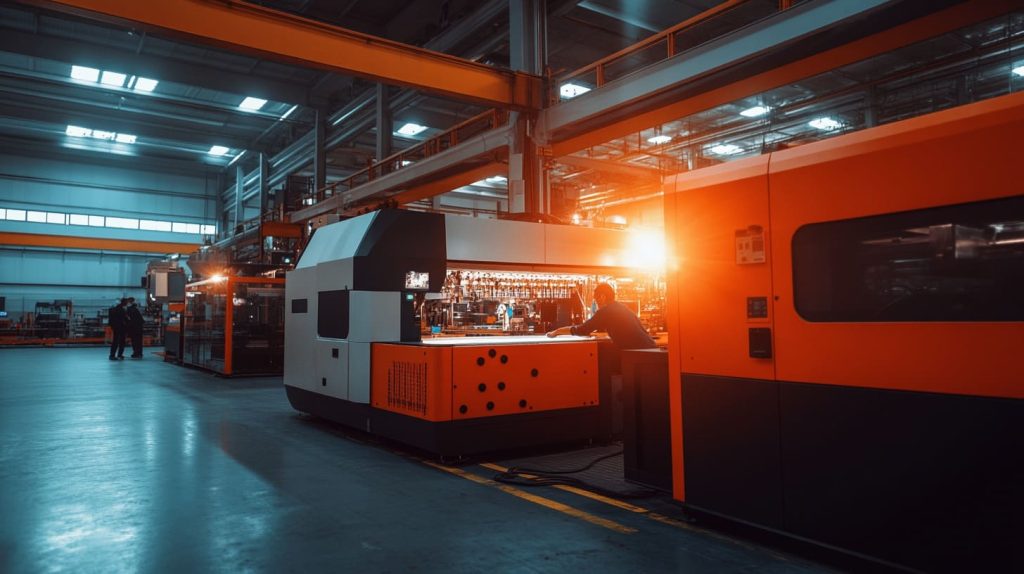
I’ve been lucky to work with teams who know acrylic inside and out. At Feilong Acrylic, we focus on delivering high-quality, custom solutions with fast lead times that are suitable for personalized or bulk orders. Our website flacrylic.com gives a glimpse of the range we handle. Our factory has laser and CNC machinery that turn ideas into reality fast.
From my perspective, it’s all about efficiency and communication. We run multiple production lines to keep timelines short. This makes sense if you have tight deadlines or seasonal promotions.
Communicating Design Needs to Achieve Tailored Solutions
Sometimes, the biggest hurdle is explaining exactly what you want. I’ve seen how simple design sketches or digital drafts guide our team. Detailed requirements, such as dimensions and logo placement, prevent hiccups.
It might feel like extra work at first, but it saves headaches later. In my opinion, investing time in clear specs pays off in a smoother process.
Balancing Bulk Orders and Personalized Requirements
I recall a large jewelry retailer who needed thousands of identical displays. Meanwhile, a smaller boutique wanted a dozen custom stands. We handled both by assigning separate lines. This approach keeps big orders flowing while still offering unique solutions for niche clients.
It’s a balancing act. But I’ve found that a well-structured system accommodates different scales without sacrificing quality. Let’s bring these thoughts to a close and see where this is all heading.
conclusion

Key Takeaways for Efficient Retail Displays
I believe the best acrylic displays combine functional design with a dash of creativity. They use the right shapes, lighting, and tech to guide the shopper’s eye. They stay clean, clear, and well-maintained over time. And they unify a brand’s message effortlessly.
Future Trends and Ongoing Innovations
From smart tags to eco-friendly materials, acrylic displays are evolving quickly. Retailers crave speed, clarity, and a personalized touch. I see a future where interactive elements become standard, and sustainability isn’t just an afterthought but a core feature.
Thank you for reading my experiences and insights. I hope this encourages you to rethink your retail strategies and possibly incorporate acrylic displays in a fresh, thoughtful way.