Skip to content
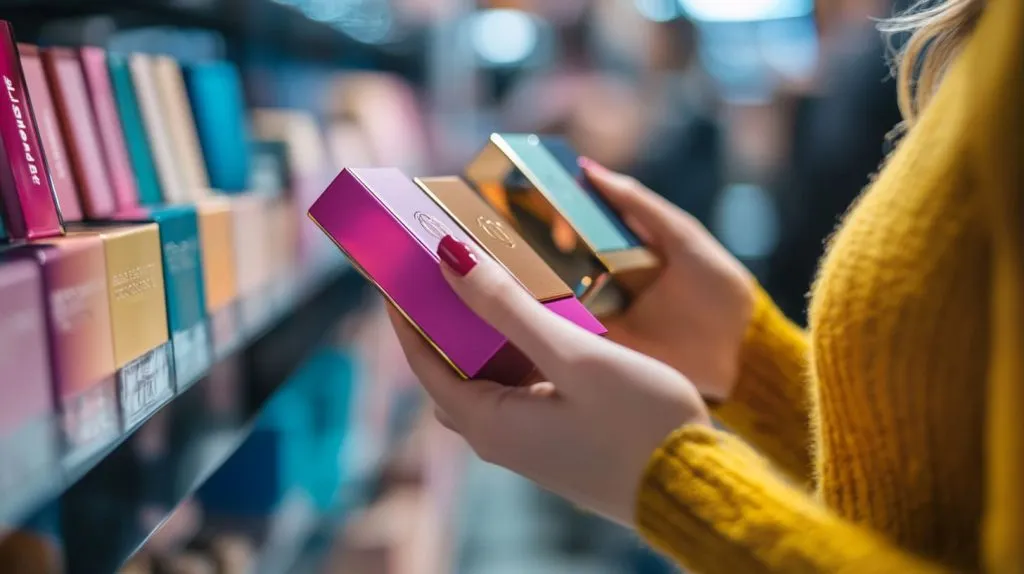
Walk into any beauty store today and you’ll notice something interesting. Shoppers don’t just scan shelves. They hover, reach out, feel the box, flip it over, and sometimes pause a little longer if something about the packaging clicks with them. I watched one customer recently comparing three nearly identical lipstick boxes. She ended up choosing the one with a deeper embossing on the logo and a slightly heavier feel in her hand. Same product inside. What won her over was the box.
This tiny moment says everything about how fiercely competitive cosmetics packaging has become. Shelves aren’t just shelves anymore—they’re crowded arenas where brands fight for attention with every color choice, finish, and fold. Online, it's even tougher. A thumbnail has to do the same job in half a second. First impressions are no longer a bonus. They're survival.
Market overview and the rise of “shelf wars”
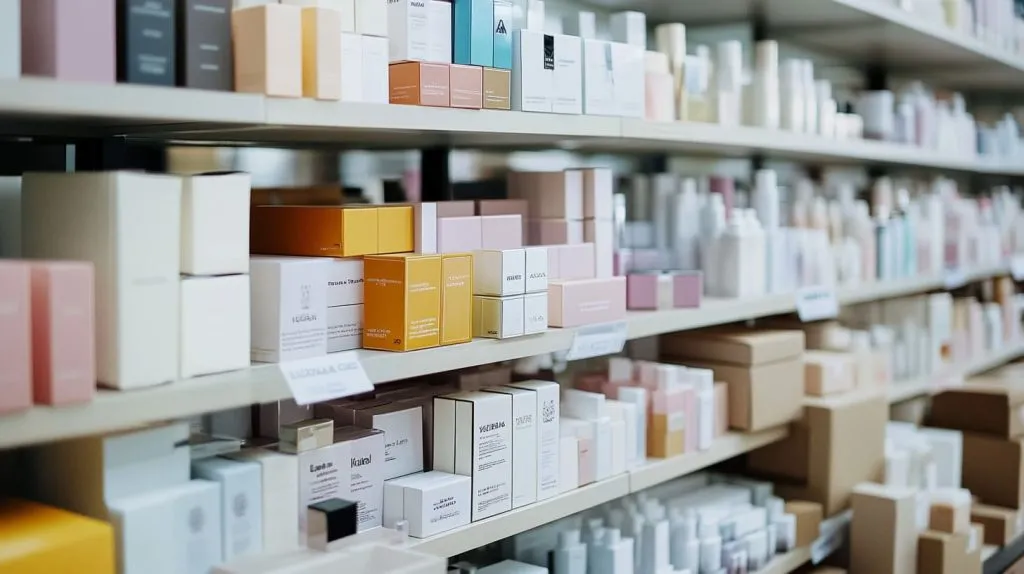
Beauty aisles are shrinking, but product lines are multiplying. Each brand competes for a tiny sliver of space. Claims like "clean beauty" or "vitamin-rich formula" have become expected. It’s the packaging that often decides who gets picked up—and who gets left behind. Even small upgrades in texture or design can shift sales dramatically.
First-impression psychology in beauty retail and e-commerce
Shoppers make decisions fast. Experts call it the three-second rule. In that short window, the box does all the talking. Color suggests mood. Fonts hint at trust. A soft-touch finish signals luxury. If you lose that first glance, the product may never even make it into their hands—or their cart.
(But beautiful packaging means nothing if it can’t protect what’s inside. Let’s get into that next.)
Market overview and the rise of “shelf wars”
Beauty aisles keep shrinking while product counts grow. I see brands fighting for centimeters of visibility. When every line boasts cruelty-free claims and hero ingredients, packaging does the heavy lifting. A small upgrade in print clarity or box texture can lift sell-through by double digits. I’ve watched it happen.
First-impression psychology in beauty retail and e-commerce
Designers call it the three-second rule. Shoppers decide faster than we can say “hyaluronic acid.” Colors set mood, fonts suggest trust, and embossing feels like luxury. On a webshop, zoomed-in photos must carry that same punch. Lose the first impression and the browser tab closes. Simple.
(Ready to see how the humble box protects more than brand ego? Let’s dig into the science of keeping formulas safe.)
Product Integrity & Protection
Environmental barriers: keeping light, air, and microbes out
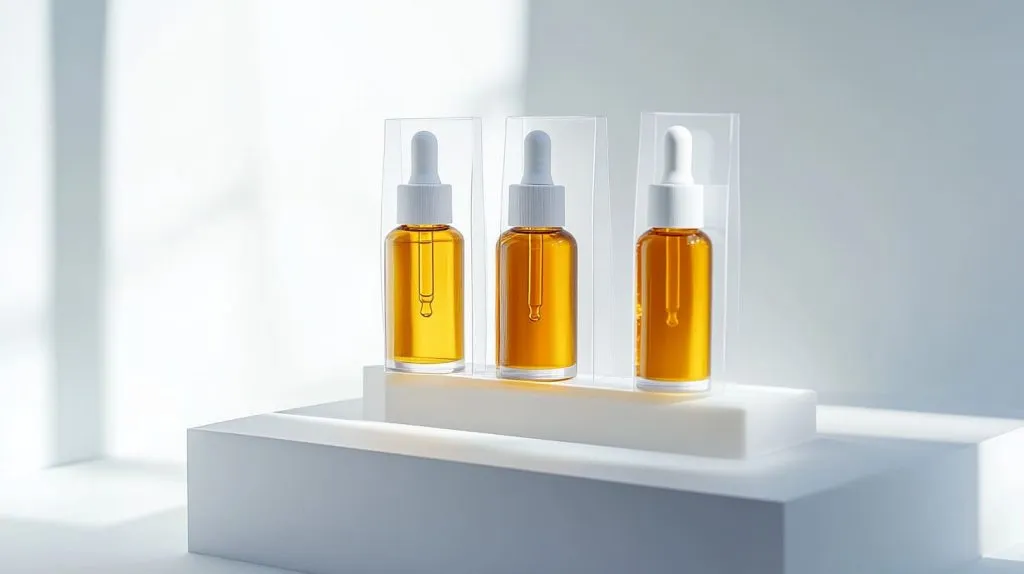
I once opened a serum sample that smelled like a damp cellar—UV exposure had wrecked the active oils. We now spec UV-blocking pigments or multilayer laminates for any light-sensitive line. Oxygen scavenger films go the extra mile for natural brands that skip heavy preservatives.
| Threat | Typical Damage | Packaging Fix (Quick View) |
|---|---|---|
| UV light | Color shift, rancid oils | UV-block film, opaque sleeves |
| Oxygen | Oxidation, browning | Foil laminates, airless pumps |
| Moisture | Mold, phase separation | Desiccant inserts, tight flaps |
| Impact/drop | Cracked jars, leaks | Reinforced corners, EVA inserts |
Structural durability for shipping, storage, and drop tests
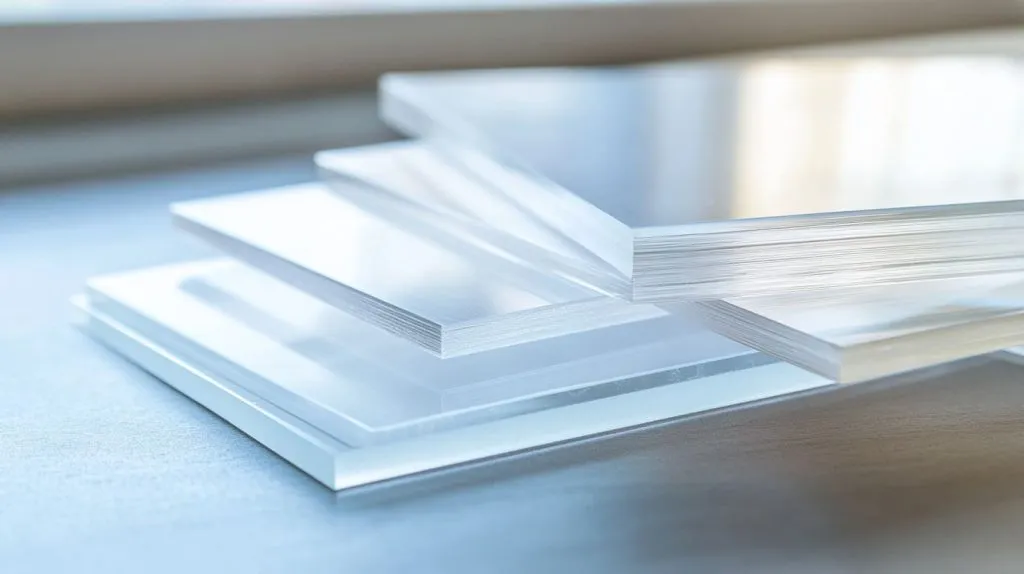
I had a Canadian client ship foundations during a winter freeze. Boxes with thin corners split before they reached Vancouver. We moved to 400-gsm SBS with acrylic windows—clarity plus strength. Now even a one-meter drop test barely dents the box.
Shelf-life extension and formula stability
Brands spend fortunes on labs; they dare not lose stability to flimsy packaging. A good box keeps the inner bottle upright, the pump centered, and the formula potent for its full promised period.
But protection means nothing if regulators pull the product. Let’s walk through compliance hurdles next.
Regulatory Compliance & Consumer Safety
Mandatory labeling and ingredient disclosure (FDA, EU, etc.)
North America wants INCI names; the EU demands 3-point type minimum; China adds Chinese characters. I juggle all three on the dieline—no magic, just disciplined spacing.
Tamper-evidence and counterfeit prevention features
I still remember hearing a client’s horror story: counterfeit primers flooded Amazon under their ASIN. Now we hide micro-text in artwork and seal folds with void labels. Break it once, you see the damage.
Usage warnings, batch codes, and traceability
Batch codes sound dull until a recall looms. Laser-etched codes track fillers, shift teams, even pallet ID. One table keeps it tidy:
| Code Example | Data Tracked | Benefit |
|---|---|---|
| 24F1203A | Year, filler line, run | Fast recall pinpoint |
| L5-0329 | Factory line, date | QA trend analysis |
With safety boxes ticked, I can focus on the fun part—letting a brand speak before a shopper even unboxes the product.
Brand Identity & Shelf Impact
Color, typography, and structural design as brand language
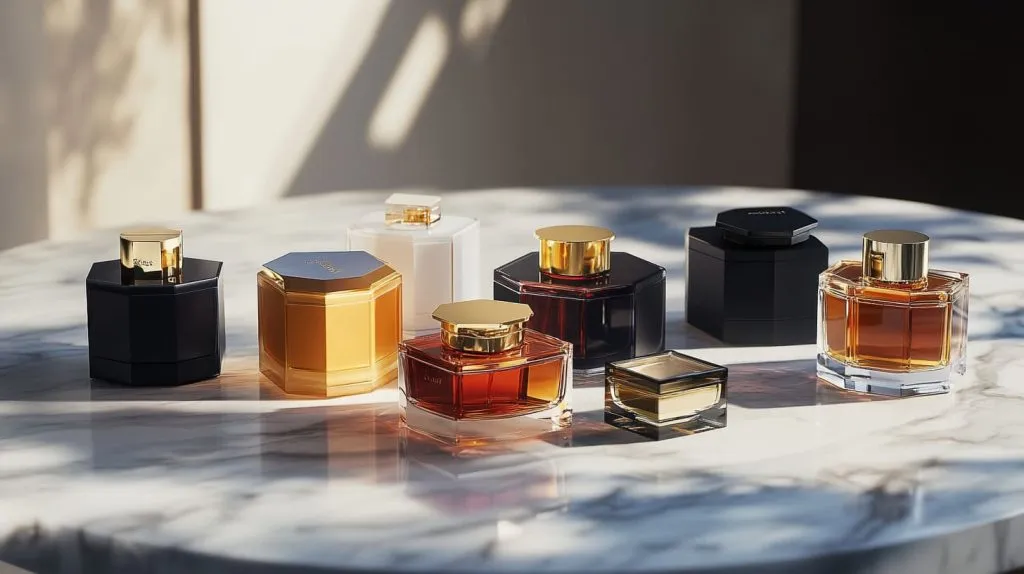
I once matched a blush line to the exact pink of a cherry blossom photo the founder snapped in Kyoto. That tint became their signature. Shape joins the choir: a hexagonal perfume box whispers couture; a minimal square hums Scandinavian calm.
Visual differentiation in crowded aisles and on thumbnails
In a Chinese duty-free shop, I watched travelers scroll their phones while scanning shelves. When the thumbnail mirrored the physical box—same bold stripe—they found it in seconds. Online coherence pays dividends offline.
Cohesive story across product lines and SKUs
Think LEGO bricks: every new SKU should click visually with the last. I map color families on a wall to ensure the mascara box talks to the eyeliner box like old friends.
Great looks hook them, but the unboxing moment seals devotion. Let’s lift the lid on that experience.
Consumer Experience & Unboxing
Sensory engagement and perceived value
I still grin when a reviewer calls our matte-soft-touch coating “buttery.” Texture triggers emotion. Add a faint vanilla scent on the insert and value shoots up without changing the formula.
When an influencer peels a holographic seal on TikTok, we see traffic spikes within hours. The box becomes free ad space—if it looks good on a phone screen.
Post-purchase loyalty and word-of-mouth
A refill reminder card tucked inside keeps customers cycling back. Simple. Cheap. Works.
Yet every nice detail must survive the green audit. Sustainability now rules boardroom chatter, so let’s face it head-on.
Sustainability & Environmental Responsibility
Eco-friendly materials: PCR, bio-plastics, paperboard, acrylic alternatives
I’ve been testing sugarcane-based HDPE and 80 % PCR acrylic windows. They cut virgin resin by half with no fogging.
Waste reduction, refill systems, and circular models
Our acrylic compounding line grinds off-cuts back into clear pellets. Last quarter, we kept 2 tons out of landfills. Small numbers add up.
Communicating sustainability credentials to conscious consumers
A QR code on the base links to the material’s life-cycle data. I’m amazed how many shoppers scan it before checkout.
Green choices count, but numbers on the freight invoice matter too. Let’s crunch those next.
Logistics & Cost Efficiency
Right-sizing to cut freight and storage costs
An extra 3 mm height added 12 % to pallet volume for one skincare box. We trimmed airflow gaps, saved a full container yearly.
Stackability, palletization, and inventory optimization
My warehouse team loves a box that nests. Fewer void fillers, faster pick-and-pack. Simple grid scores on the insert let it collapse flat.
Balancing customization with economies of scale
We group dieline orders so five indie brands share one print run. They pay less, waste less. Win-win.
Cost saved frees budget for playful campaigns. Seasonal edits keep shelves fresh—let’s see how.
Customization & Seasonal Campaigns
Limited editions, co-branding, and influencer kits
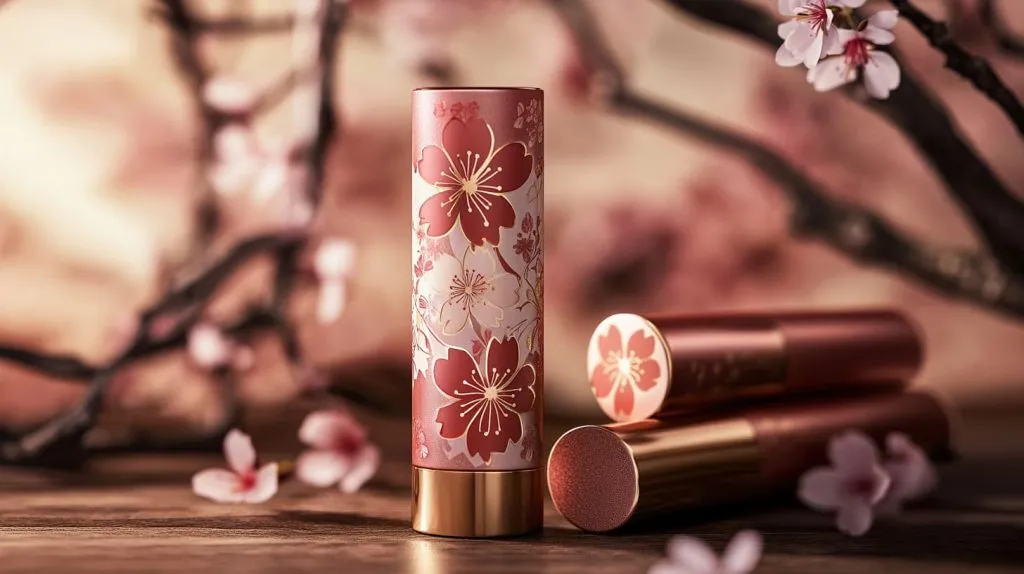
Last spring, we laser-cut cherry petals into a lipstick sleeve for a Sakura festival collab. Sold out in ten days. Limited runs create urgency.
Variable data printing and personalization at scale
Digital presses now print each box with a unique fan name or serial number. Personal touches cost pennies.
Agile small-batch production for rapid market tests
We prototype 500 units in a week, ship to micro-influencers, and refine based on real feedback. Speed beats guessing.
If today’s trends move this fast, imagine tomorrow. Let’s peek ahead.
Future Trends in Cosmetic Packaging
Smart packaging: NFC, QR, AR, and IoT integrations
Tap your phone on a cream jar, watch a 3-D overlay teach massage technique. I built a demo with a $0.12 NFC tag.
Refillable, modular, and “forever” containers
Picture an acrylic compact with a magnetic pan swap. Keep the shell, replace the color. Luxury feel, eco ethos.
Growing global regulatory alignment and its impact on design
The EU and Canada push for harmonized recyclability icons. I already leave room on artwork for future labels—we’ll be ready.
Trends thrill, but every insight circles back to one question: why do boxes truly matter?
Conclusion
Packaging is not decoration. It guards formulas, meets laws, tells stories, guides fingers, saves carbon, trims freight, sparks buzz, and points to tomorrow. Every time I hear a snap of a well-designed lid, I’m reminded that the box is the first handshake between brand and buyer—and a handshake should always feel right.