Skip to content

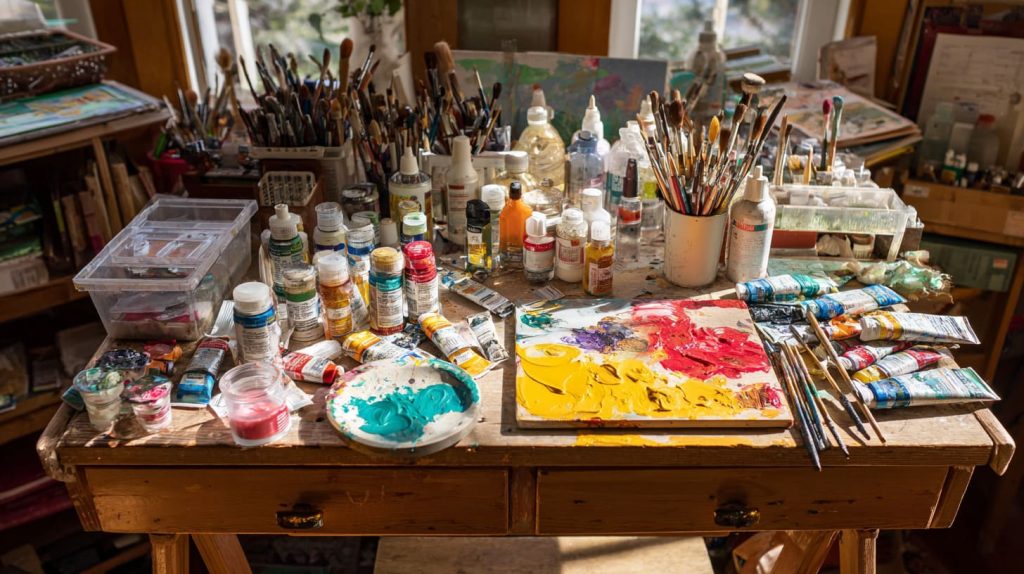
The palette was a mess of reds, yellows, and a single rogue streak of teal. I was helping a friend prep for a beginner’s painting class, and the table was scattered with all kinds of supplies—bottles, tubes, brushes still in plastic wrap. He held up a bottle and asked, “Is this better than those toothpaste-looking ones?”
It wasn’t a technical question. It was one of those where do I start moments. And honestly, it's a common one.
Why packaging matters for newcomers. The kind of acrylic paint you pick—tube or bottle—shapes more than how it looks on canvas. It changes how you mix, how fast you waste paint, and even how much you enjoy the process.
Snapshot of the debate. Tubes feel more professional, often thicker, and pack strong pigment. Bottles feel easier, quicker, and more forgiving. But which one actually helps you learn faster?
Let’s get clear on that—because your first paint shouldn’t be your last.
What Makes Acrylic Paint Beginner‑Friendly?
Fast drying & water clean‑up
I can spill a whole cup of rinse water, toss the rag in the washer, and pretend nothing happened. Fast‑drying layers let me correct mistakes before the pizza delivery guy rings the doorbell.
Budget‑friendly entry price
Student‑grade sets start cheaper than a movie ticket. That low barrier keeps learning fun and reduces the sting of ugly first attempts.
Works on almost any primed surface
From a leftover pizza box to a stretched canvas, acrylic sticks well. I once ran out of gesso and used white house primer; the paint forgave me.
I love these perks, but they vary by format—so let’s break that down next.
Acrylic Paint Formats Explained
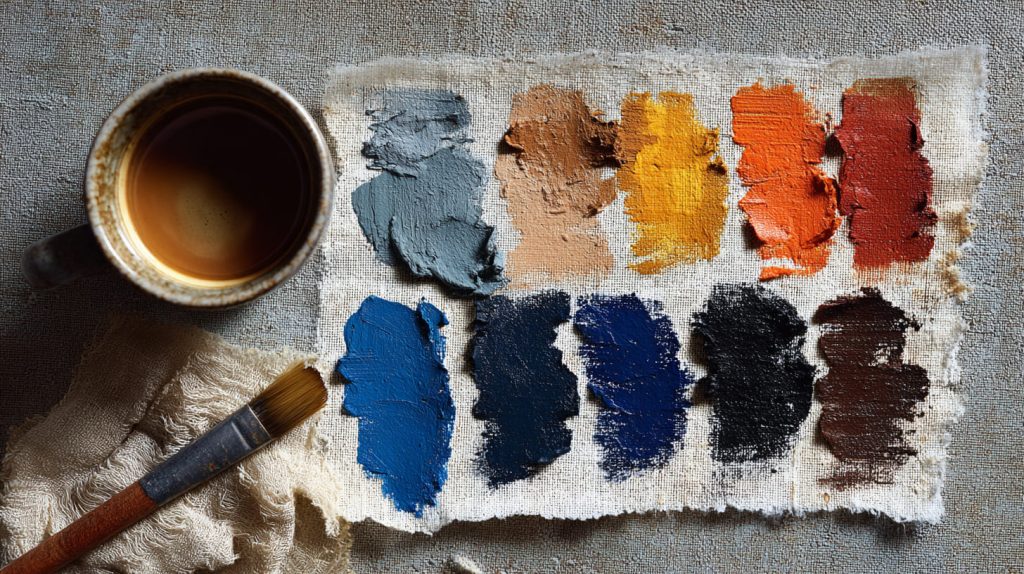
Tube paints – heavy‑body, high‑viscosity formula
Think frosting. Thick enough to hold peaks, perfect for bold knife strokes. Squeeze, slice, sculpt.
Bottle paints – soft‑body or craft consistency
Closer to pancake batter. The paint flows, making glazing and base‑coating easy. Great for large flat areas and stencils.
Jars & pouches – hybrid options for studio use
Jars offer scoop‑and‑mix freedom; pouches save shelf space. Both split the difference on thickness.
Choosing between these often starts with feel, but viscosity drives technique—so let’s inspect that quality more closely.
Viscosity & Consistency
| Body Type | Typical Package | Ideal Techniques | Water Needed? |
|---|---|---|---|
| Heavy | Tube | Impasto, knife | Rarely |
| Soft | Bottle | Brush glazing | Sometimes |
| Fluid | Bottle/jar | Pour art, airbrush | Minimal |
Heavy‑, soft‑, and fluid‑body defined
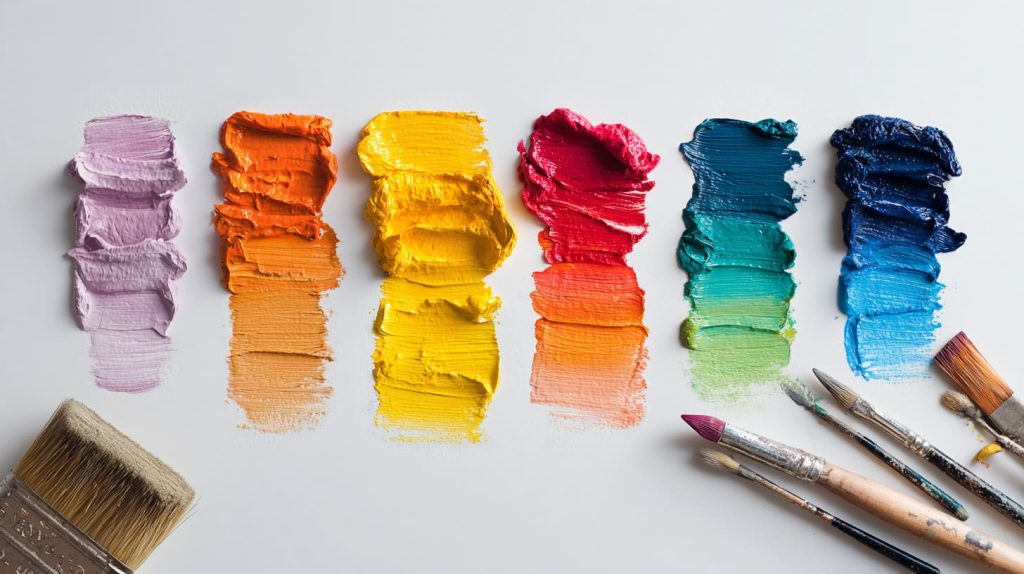
Viscosity is thickness. Heavy‑body feels like peanut butter; fluid acts like cream.
How thickness changes brushwork & palette knife techniques
Thicker paint retains ridges. Thinner paint levels out, leaving smooth fields.
Dilution tips: water vs acrylic mediums
Water thins but weakens binders. Mediums thin without killing strength—worth the extra coin when layers matter.
These thickness quirks tie into color strength. Pigment load comes next.
Pigment Load & Color Saturation

Tubes pack more pigment per milliliter
Brands cram color into the paste. One dab covers like a fat marker on cardboard.
Bottles trade density for volume—good for large fills
More vehicle, less pigment. You need extra layers but cover big walls on a budget.
| Format | Pigment Density | Coverage on Canvas (sq cm/ ml) |
|---|---|---|
| Tube | High | 50–70 |
| Bottle | Medium | 80–100 |
Opacity, tint strength, and mixing behavior
Dense pigment tints mixes fast; dilute paint keeps hues light. Match to your style.
Great color means nothing if half of it dries on the palette—let’s tackle dispensing next.
Dispensing, Mixing & Portion Control
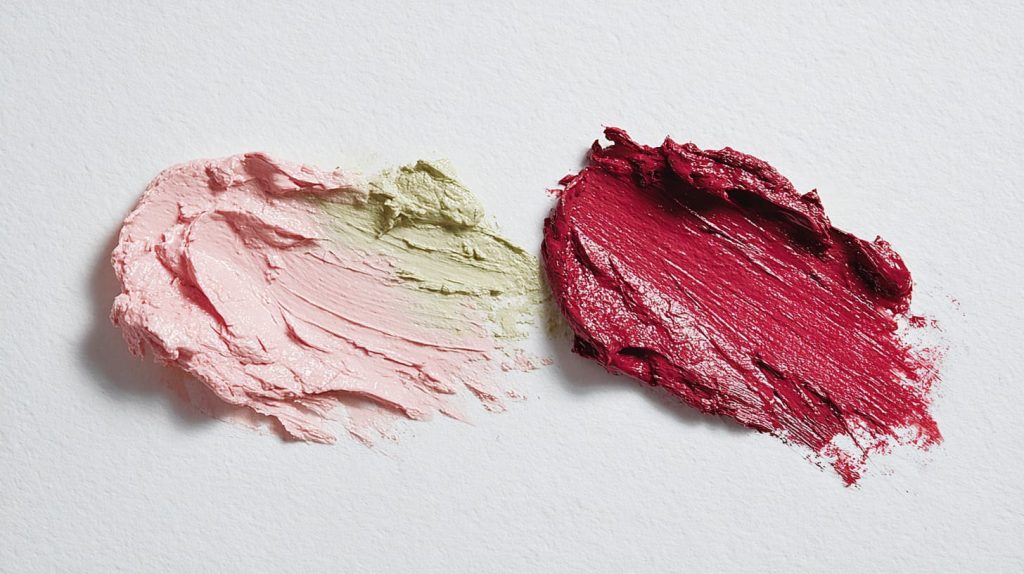
Micro‑dosing from a tube prevents waste
I roll the crimp like toothpaste, dab a pea‑sized amount, and keep the cap tight—easy math.
Bottles excel at quick pours but can flood a palette
One impatient squeeze and the puddle looks like a mini lake. A simple squeeze‑cap upgrade fixes that.
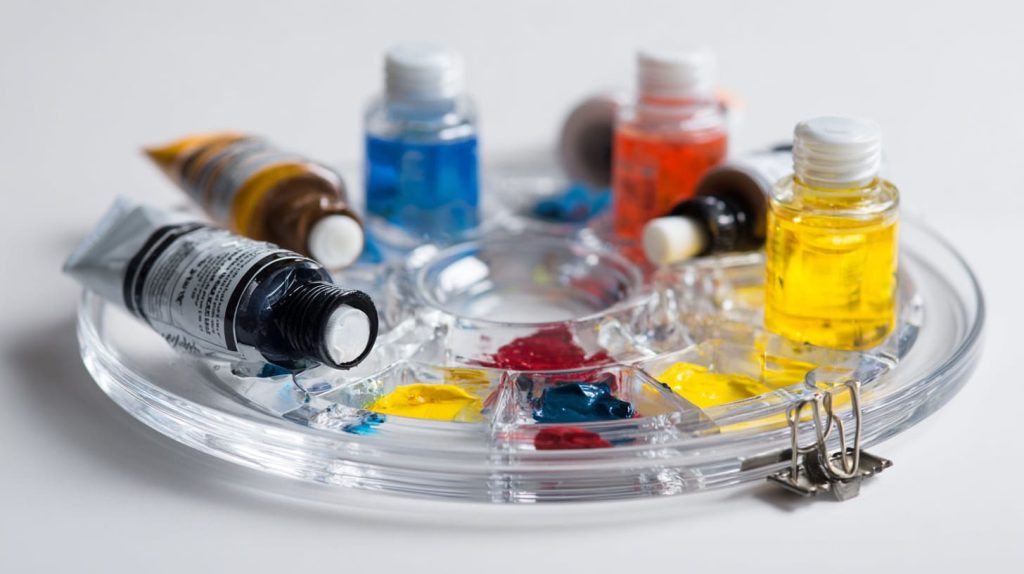
Simple tools: binder clips, stay‑wet palettes, squeeze caps
These $1 hacks prolong paint life and sanity.
Mess under control, let’s see how each format hugs different surfaces.
Coverage & Surface Suitability
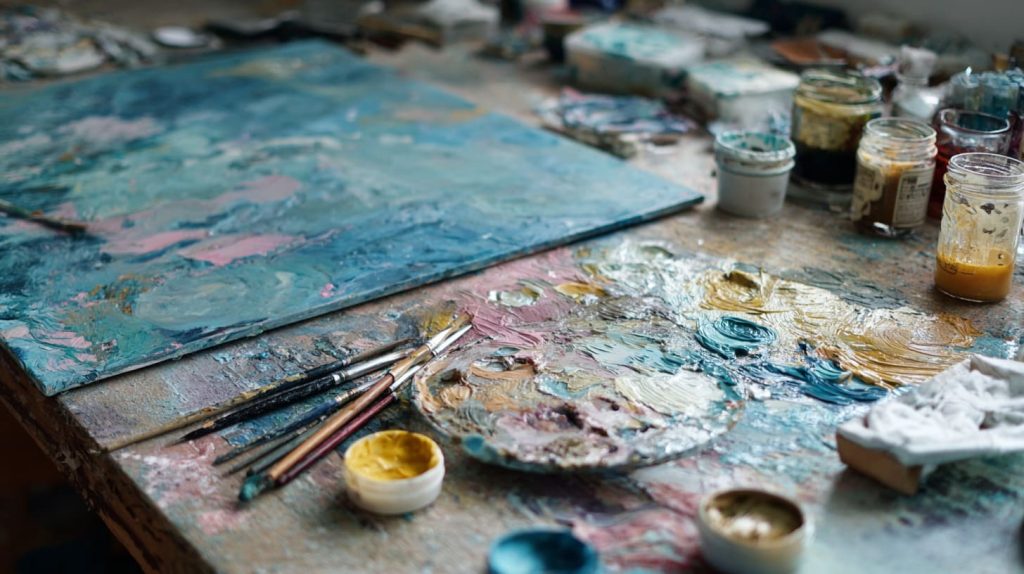
Textured canvas loves thicker paint
Heavy‑body grips peaks and valleys, adding character.
Paper, wood crafts & pours benefit from thinner formulas
Bottles soak fibers evenly, preventing paper warp.
Spray & airbrush compatibility
Fluid versions atomize with fewer clogs, saving cleanup time.
Surface match leads into budget talk—because materials cost real money.
Cost, Availability & Value
| Starter Pack | Contents | Price | Best For |
|---|---|---|---|
| Tube Set | 12 × 12 ml | $25 | Detail lovers |
| Bottle Set | 8 × 59 ml | $22 | Large areas |
| Classroom Jug | 1 × 473 ml | $15 | Group projects |
Price‑per‑ml comparison of student vs pro lines
Pro lines charge double per ml but last longer in coverage. Decide by project stakes.
Starter set recommendations under $30
Look for basic primaries plus white and black. Skip neon until later.
Bulk buying strategies for class settings
Split gallon bottles among students; refill small squeeze jars to cut mess.
Saving is nice, but wasted paint is dollars in the trash—let’s guard against that.
Waste, Storage & Shelf Life

Caps, lids, and air exposure: what really dries paint out
Air is the villain. Snap caps fast or cover with cling film.
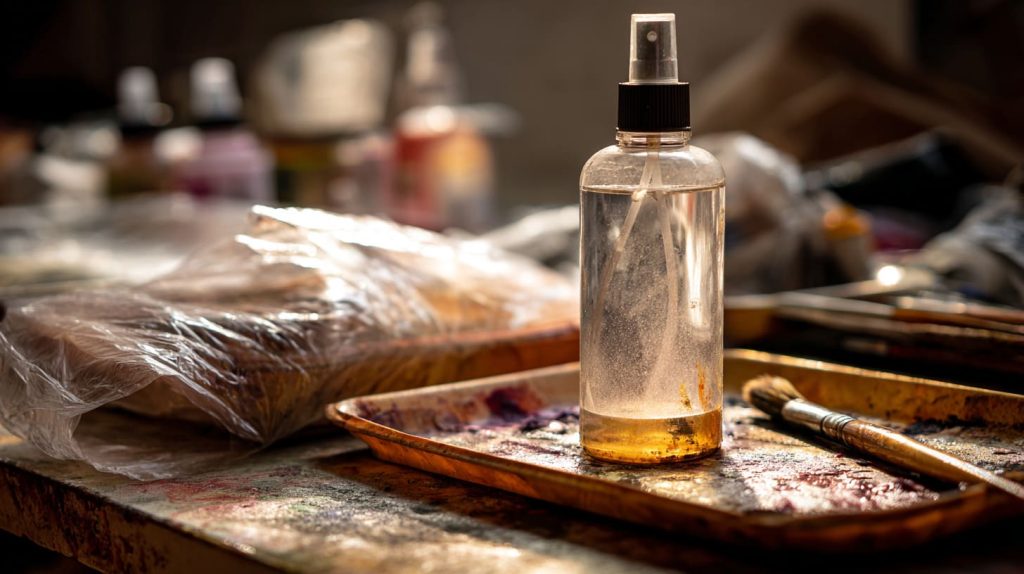
Reviving half‑dried paint with misting & mediums
I resurrect paint zombies by spritzing water and stirring in a touch of gloss medium.
Eco‑friendly disposal tips
Let leftovers cure on scrap, peel, then toss. Liquids down the sink hurt pipes and planet.
Mistakes still happen, especially early on. Let’s call them out.
Common Beginner Mistakes & How to Avoid Them
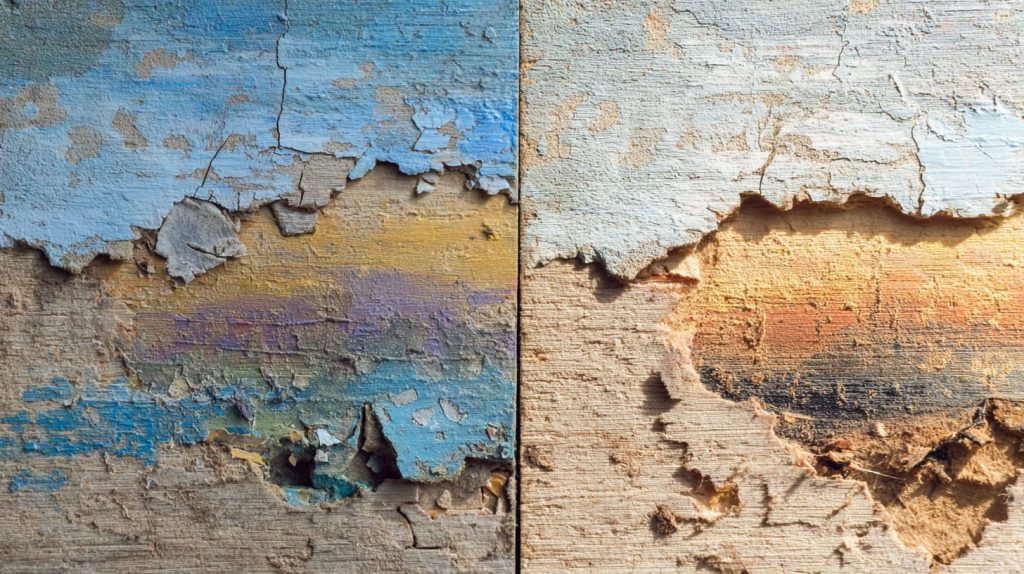
Over‑watering tube paint till it cracks
I once thinned a red so much the layer peeled like sunburn. Respect the binder.
Using craft‑bottle paint straight on slick canvas
Without a toothy primer, the coat slid off overnight. Always sand or gesso.
Forgetting to prime or seal porous surfaces
Raw MDF drinks paint like iced tea on a hot day. Seal first, thank yourself later.
After dodging pitfalls, how do you choose a format quickly? A decision matrix helps.
Decision Matrix: Which Format Fits You?
Quick quiz: space, budget, technique, and project size
Answer four questions, reveal your match. Small desk? Bottles. Love palette knives? Tubes.
Scenario walk‑throughs (miniatures, murals, pour‑art, classroom)
I paint mini figures with tube paint for detail. My friend covers café walls using bottle gallons. Context is king.
When to mix both formats on one piece
Background wash from a bottle, knife texture from a tube—best of both worlds.
Ready to switch formats or combine them? Here’s how without chaos.
Practical Tips for Transitioning Between Formats

Upgrading from craft bottles to artist‑grade tubes
Buy primaries first, then expand. Your mixes stay familiar while quality leaps.
Mixing viscosities in the same layer safely
Blend soft‑body with heavy‑body plus medium to avoid cracking. Test a corner before committing.
Organizing a dual‑format workspace
Store tubes upright in a tea tin, bottles in a shoebox rack. Label caps to spot colors fast.
Conclusion

Key takeaway. Pick the package that matches your learning goals and wallet. Both formats have strengths; neither should intimidate you.
Encouragement. Whether you twist a tube or flip a bottle, the best paint is the one getting smeared on your canvas today. Brew some coffee, open a fresh surface, and let color break the silence.