Skip to content
Acrylic is a popular material known for its clarity and durability. But what happens when temperatures drop? Does acrylic become brittle in the cold? Understanding this is crucial for designers and manufacturers who use acrylic in various applications.
Yes, acrylic can become brittle at low temperatures. The glass transition temperature (Tg) of acrylic is around 10°C (50°F), below which it loses flexibility and becomes more prone to cracking.
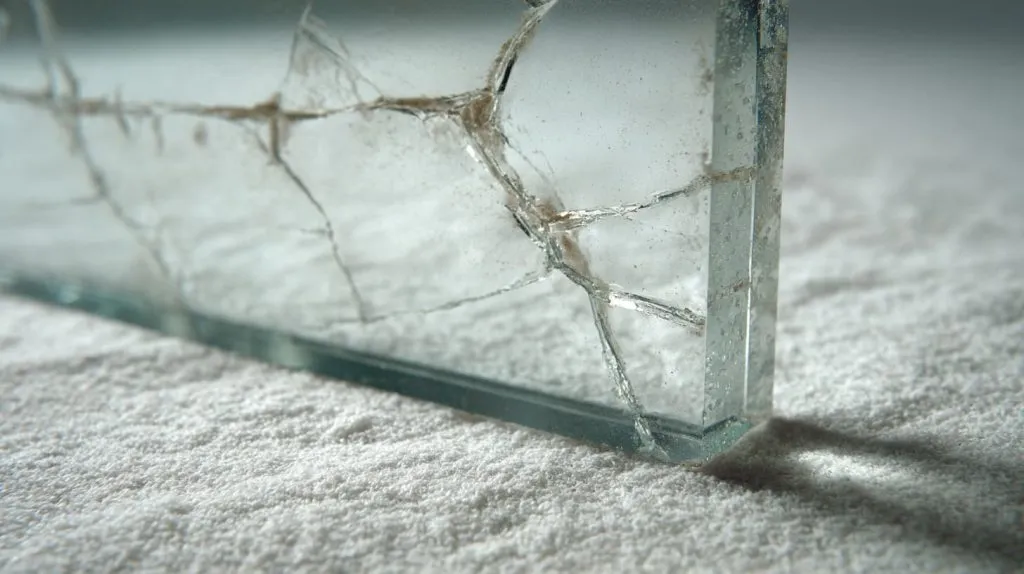
As someone who has worked with acrylic for years, I've seen firsthand how temperature affects its performance. Let's delve deeper into how cold temperatures impact acrylic and what precautions can be taken.
Is Acrylic Cold Resistant?
Acrylic is known for its versatility, but how does it fare in cold environments?
Acrylic exhibits good resistance to cold, maintaining its structural integrity in temperatures as low as -30°C (-22°F). However, below this threshold, its brittleness increases.
Temperature Range of Acrylic
| Temperature (°C) | Condition |
|---|---|
| Above 10°C | Flexible and durable |
| 0°C to 10°C | Slightly less flexible |
| Below 0°C | Noticeably more brittle |
| Below -30°C | Highly susceptible to cracking |
Factors Influencing Acrylic's Cold Resistance
- Thickness: Thicker acrylic sheets are more resistant to cold-induced brittleness.
- Type of Acrylic: Cast acrylic tends to perform better in cold temperatures compared to extruded acrylic.
- Environmental Conditions: Rapid temperature changes can exacerbate brittleness.
What Happens if Acrylic Paint Gets Too Cold?
Acrylic paint is widely used for its quick drying time and versatility. But does cold weather affect its performance?
Yes, acrylic paint can become brittle in cold temperatures. The paint film loses its flexibility, leading to potential cracking and peeling.
Minimum Film Formation Temperature (MFFT)
Acrylic paints have a Minimum Film Formation Temperature (MFFT) of approximately 9°C (49°F). Below this temperature, the paint cannot form a cohesive film, resulting in poor adhesion and increased brittleness.
Impact on Application
- Drying Time: Cold temperatures slow down the drying process, leading to extended curing times.
- Durability: Painted surfaces are more susceptible to damage and wear.
At What Temperature Does Acrylic Become Brittle?
Understanding the specific temperature at which acrylic becomes brittle is essential for its application in various environments.
Acrylic's brittleness increases significantly below its glass transition temperature of approximately 10°C (50°F). At temperatures below -30°C (-22°F), acrylic is highly susceptible to cracking.
Glass Transition Temperature (Tg)
The Tg of acrylic is the temperature at which it transitions from a hard, glassy material to a softer, more rubbery one. Below this temperature, acrylic becomes more brittle and prone to cracking under stress.
Practical Implications
- Outdoor Displays: Acrylic used in outdoor signage or displays should be evaluated for its performance in cold climates.
- Transportation: During winter months, acrylic products should be transported with care to prevent damage.:contentReference[oaicite:74]{index=74}
How Does Acrylic Perform in Freezing Conditions?
Freezing conditions can pose challenges for materials. How does acrylic hold up in such environments?
Acrylic can withstand freezing temperatures, but its brittleness increases as temperatures drop below -30°C (-22°F). Special considerations are needed for applications in extremely cold climates.
Applications in Cold Environments
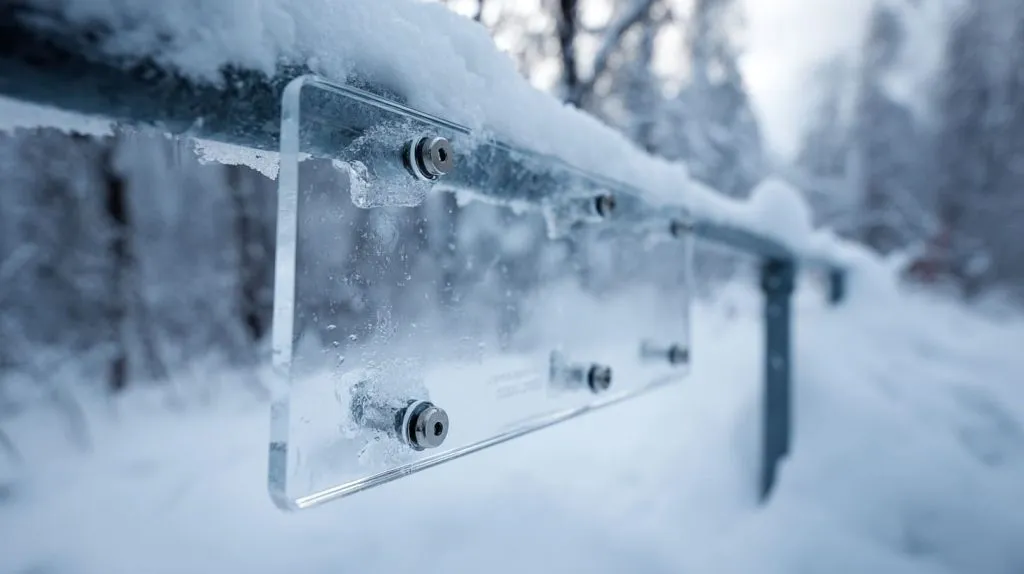
- Cold Storage: Acrylic is used in refrigeration units and cold storage facilities due to its clarity and durability.
- Outdoor Signage: With proper precautions, acrylic can be used for signage in cold climates.
Precautions
- Thickness: Use thicker acrylic sheets to enhance cold resistance.
- Coatings: Apply protective coatings to reduce the risk of cracking.
Is Acrylic Suitable for Outdoor Use in Cold Climates?
Outdoor applications require materials that can withstand various environmental conditions. Is acrylic a suitable choice for cold climates?
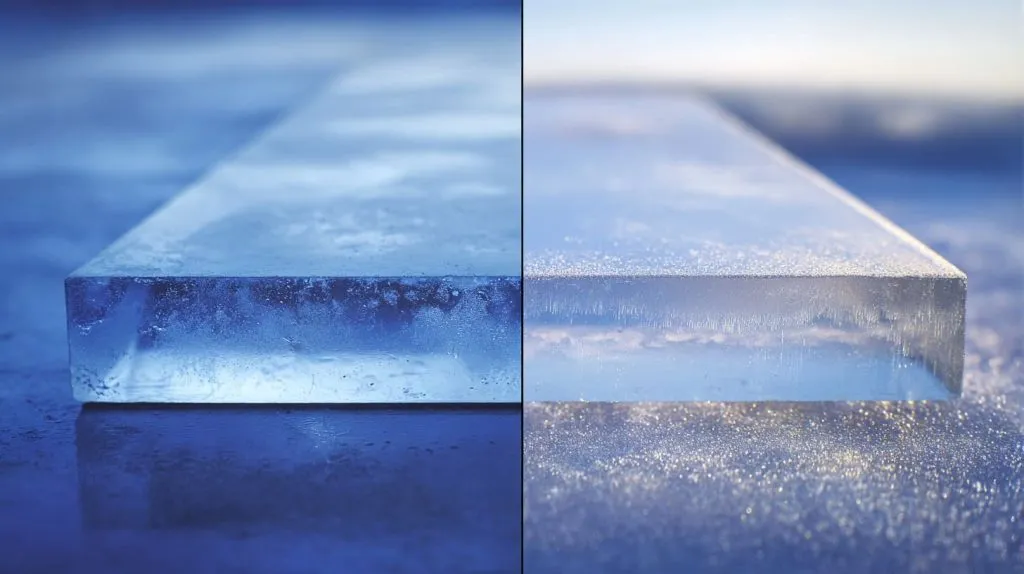
Acrylic is suitable for outdoor use in cold climates if proper precautions are taken. Its performance can be optimized by selecting appropriate thickness and type.
Best Practices
- Material Selection: Choose cast acrylic for better cold resistance.
- Design Considerations: Incorporate expansion joints to accommodate temperature-induced stresses.
What Are the Risks of Using Acrylic in Low-Temperature Applications?
Using acrylic in low-temperature applications presents certain risks. Understanding these risks is crucial for ensuring the longevity and safety of acrylic products.
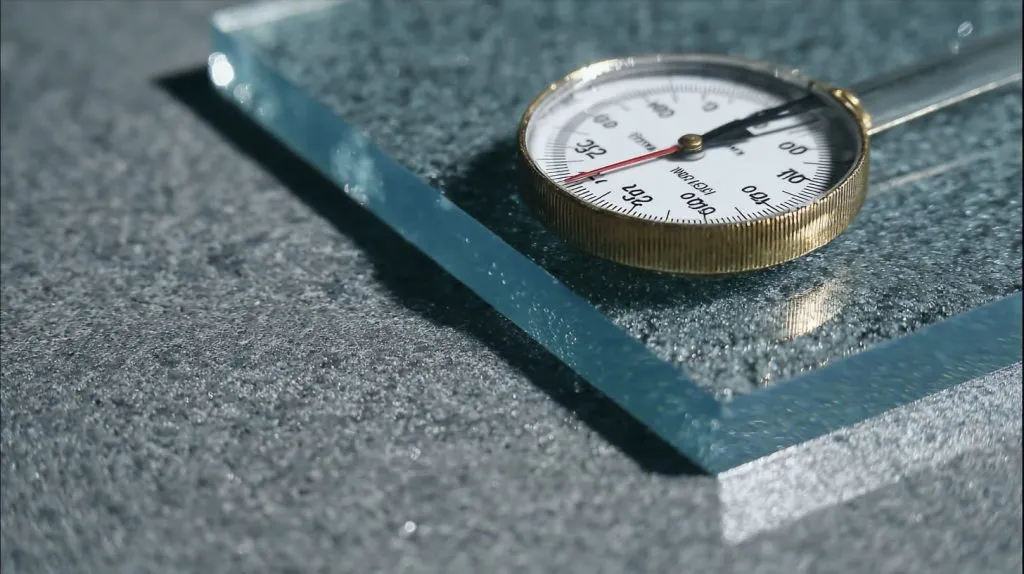
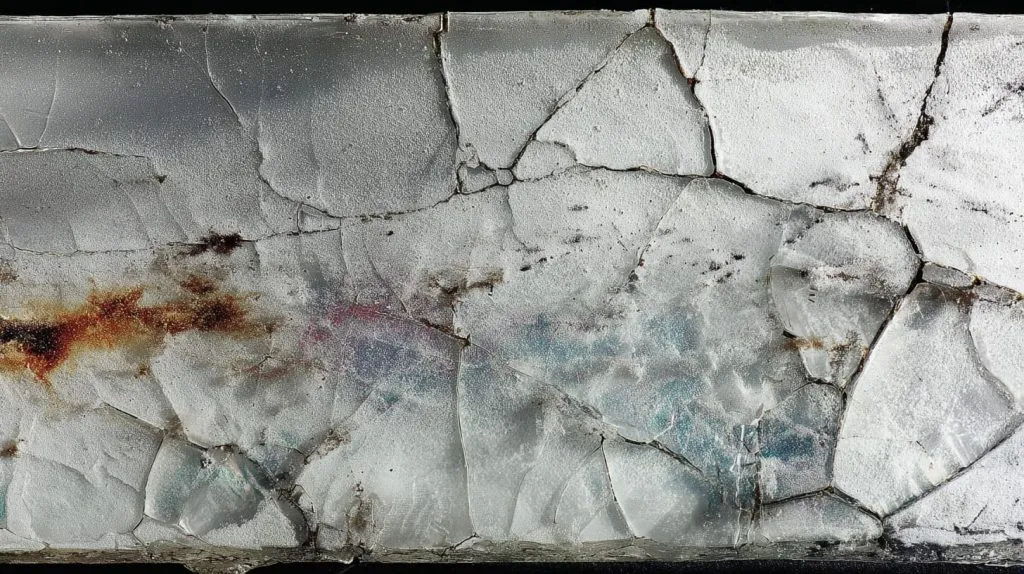
The primary risk is increased brittleness, leading to potential cracking under stress. This can compromise the integrity of the product and pose safety hazards.
Risk Mitigation Strategies
- Material Testing: Conduct tests to assess acrylic's performance at low temperatures.
- Design Adjustments: Modify designs to minimize stress concentrations.
How Does Acrylic's Brittleness Compare to Other Plastics in Cold Weather?
Different plastics exhibit varying degrees of brittleness in cold weather. How does acrylic compare to other materials?
Acrylic is more brittle than some plastics, such as polycarbonate, in cold temperatures. However, it performs better than others, like polystyrene, under similar conditions.

Comparative Analysis
| Material | Brittleness at Low Temperatures |
|---|---|
| Acrylic | Moderate |
| Polycarbonate | Low |
| Polystyrene | High |
Considerations
- Application Requirements: Select materials based on specific performance needs.
- Environmental Factors: Consider local climate conditions when choosing materials.
What Is the Glass Transition Temperature (Tg) of Acrylic?
The glass transition temperature (Tg) is a critical factor in determining a material's performance. What is the Tg of acrylic?
Acrylic's Tg is approximately 10°C (50°F). Below this temperature, acrylic transitions from a flexible to a brittle state.
Importance of Tg
Understanding Tg helps in predicting acrylic's behavior under different temperature conditions, aiding in material selection and design decisions.
Can Acrylic Be Reinforced to Withstand Cold Temperatures?
Reinforcing acrylic can enhance its performance in cold temperatures. What methods are available?
Yes, acrylic can be reinforced through various methods, such as incorporating additives or using thicker sheets, to improve its cold resistance.
Reinforcement Techniques
- Additives: Incorporate impact-resistant additives during manufacturing.
- Material Selection: Use acrylic grades specifically designed for low-temperature applications.
Conclusion
Acrylic is a versatile material that performs well in cold temperatures up to a certain point. Understanding its limitations and taking appropriate precautions can ensure its durability and functionality in various applications.