Skip to content
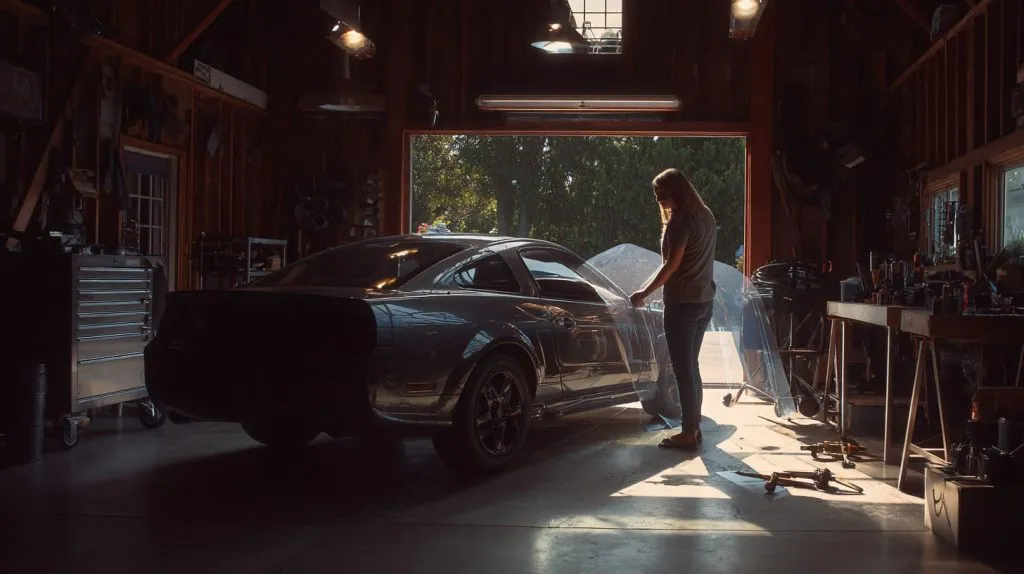
My first thought was—how hard could it be? Just swap out the broken window, right? But once I started researching Lexan and acrylic, the rabbit hole went deep.
Yes, you can replace car side windows with Lexan or acrylic, but it comes with trade-offs like legality, safety, and long-term durability.
I’ve replaced windows before, but this one made me pause. There’s more to it than strength—it’s also about staying safe, passing inspections, and not regretting the choice when the sun hits it wrong. Let's unpack this.
Is Lexan better than acrylic?
These two materials get compared constantly—and for good reason.
Lexan is stronger and more impact-resistant than acrylic, but scratches more easily.
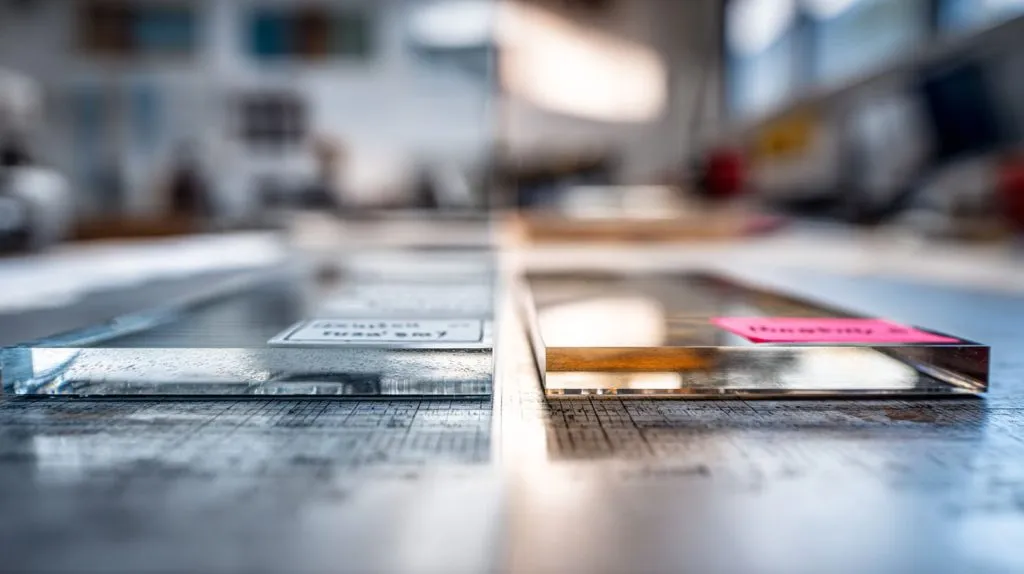
Head-to-head comparison
| Feature | Lexan (Polycarbonate) | Acrylic (Plexiglass) |
|---|---|---|
| Impact resistance | ★★★★★ (very high) | ★★★☆☆ (moderate) |
| Scratch resistance | ★★☆☆☆ (low) | ★★★★☆ (good) |
| Clarity | ★★★★☆ (slightly hazy) | ★★★★★ (crystal clear) |
| UV resistance | ★★★☆☆ (needs coating) | ★★★★☆ (naturally better) |
| Price | $$$ (higher) | $$ (cheaper) |
From what I’ve seen, Lexan is the go-to when you need toughness—like track racing or off-road rigs. But for a clean everyday finish? Acrylic might win your heart.
What are the disadvantages of Lexan?
Lexan sounds great—until you start living with it.
Lexan scratches easily, can yellow over time, and often requires UV coating to stay clear.
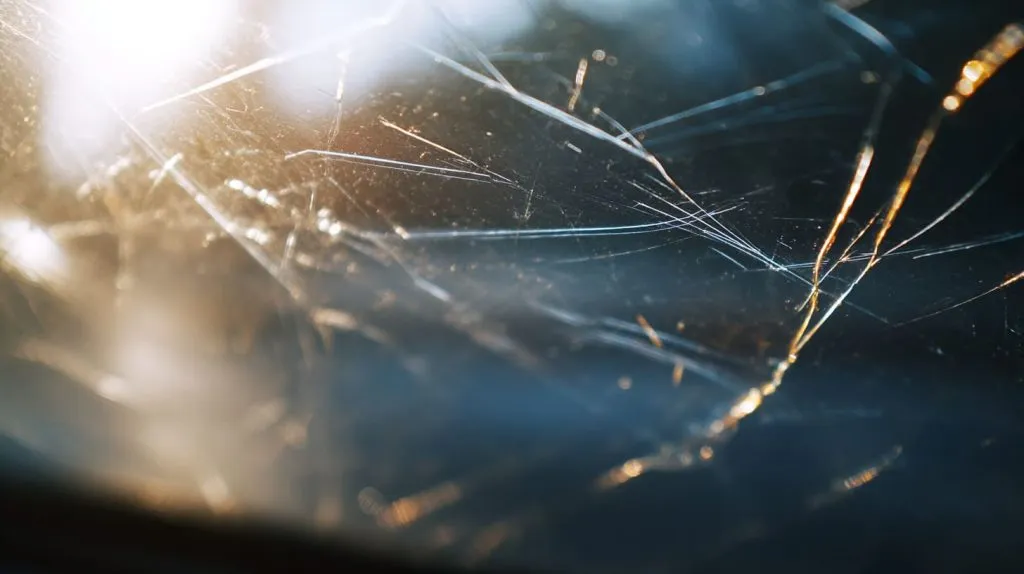
I've seen folks buff Lexan every other month because a fingernail left a mark. Also, without a good coating, it can turn cloudy under sun exposure—faster than you'd think. That’s where acrylic starts looking better, at least for clarity and looks.
What type of glass is used in car side windows?
Ever wondered what’s actually in your car door?
Most car side windows use tempered glass, which shatters safely on impact.
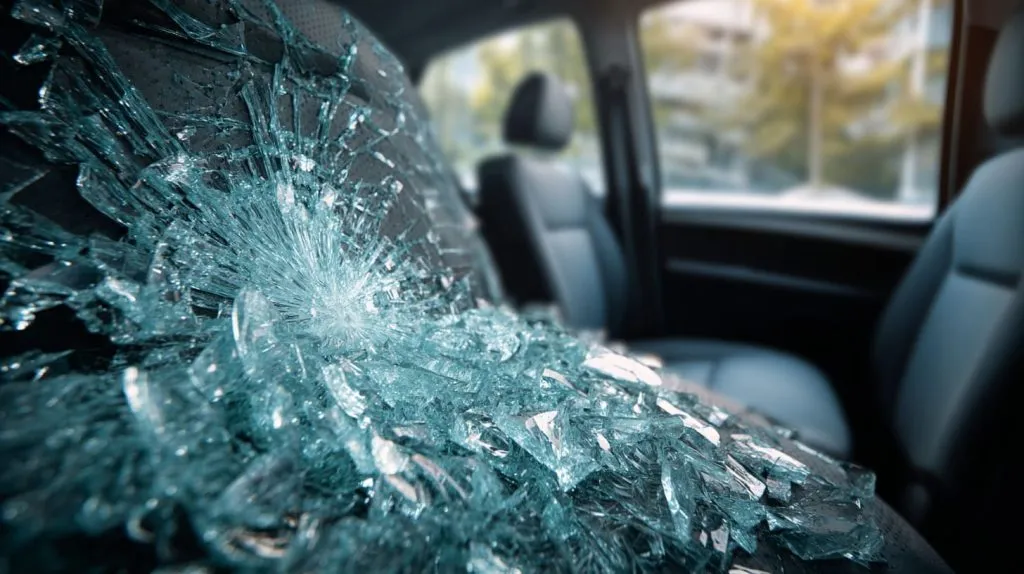
Tempered glass isn’t unbreakable—it’s designed to fail safely. If someone breaks in, it crumbles instead of slicing you. That’s a big difference from Lexan or acrylic, which might crack but stay in place.
Is it legal to use acrylic or Lexan for car windows in my country?
This is the part that trips most people up.
In many countries, replacing side windows with acrylic or Lexan is not street-legal due to safety codes.
Regulations vary. Some states or provinces allow it for off-road or race cars, others require DOT-certified tempered glass. Always check your local laws—don’t guess.
What’s the difference between Lexan, acrylic, and glass for car window replacement?
When you line them up, it’s not just about material—it’s about how each reacts in real-world use.
Glass is legal and safe; Lexan is strong but scratches; acrylic looks good but cracks easier.
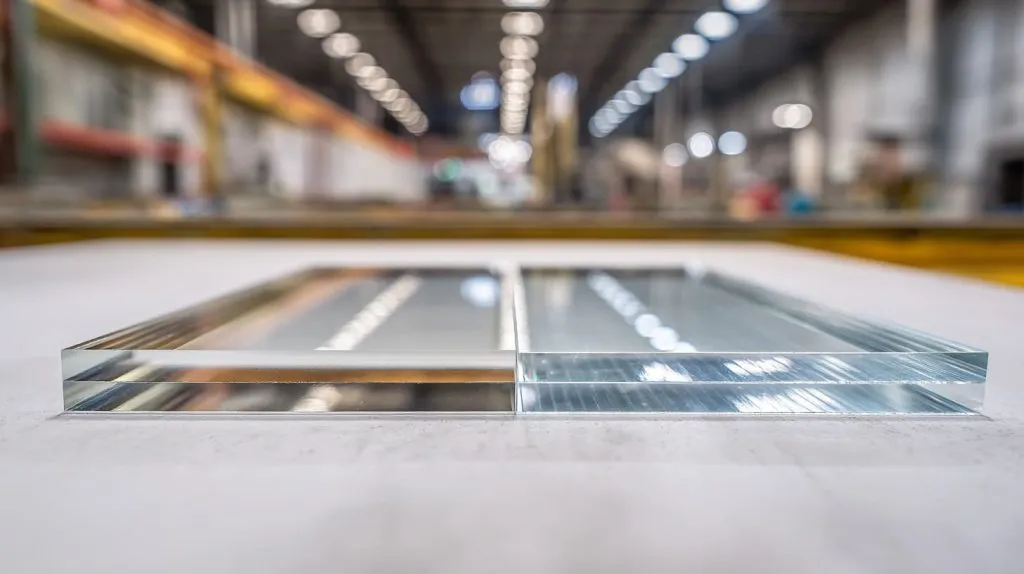
Side-by-side overview
| Property | Tempered Glass | Lexan (Polycarbonate) | Acrylic (PMMA) |
|---|---|---|---|
| Legality | ✓ DOT-approved | × (mostly illegal) | × (mostly illegal) |
| Durability | ★★★★☆ | ★★★★★ | ★★☆☆☆ |
| Clarity | ★★★★★ | ★★★★☆ | ★★★★★ |
| UV Resistance | ★★★☆☆ | ★★☆☆☆ (needs coating) | ★★★★☆ |
| Maintenance | Low | High (scratches) | Medium |
In real life, I’d say pick Lexan for track builds, acrylic for display or show cars, and stick to tempered glass for road safety.
How strong is acrylic or Lexan compared to tempered auto glass?
This was my biggest question too.
Lexan is 250x stronger than glass, while acrylic is about 10-20x stronger—but both react differently under stress.
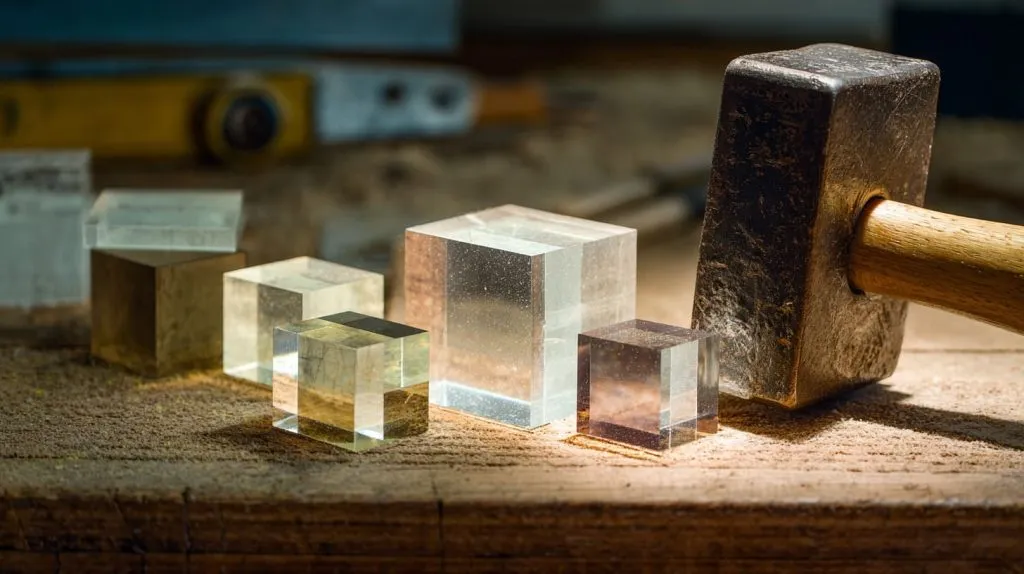
Tempered glass shatters by design. Lexan bends and absorbs impact. Acrylic may crack under sudden force. Think baseball bat vs slow pressure—each reacts its own way.
Will acrylic or Lexan fog, scratch, or yellow over time in cars?
This is where the long game matters.
Yes, both can fog, scratch, or yellow—especially without proper coatings.
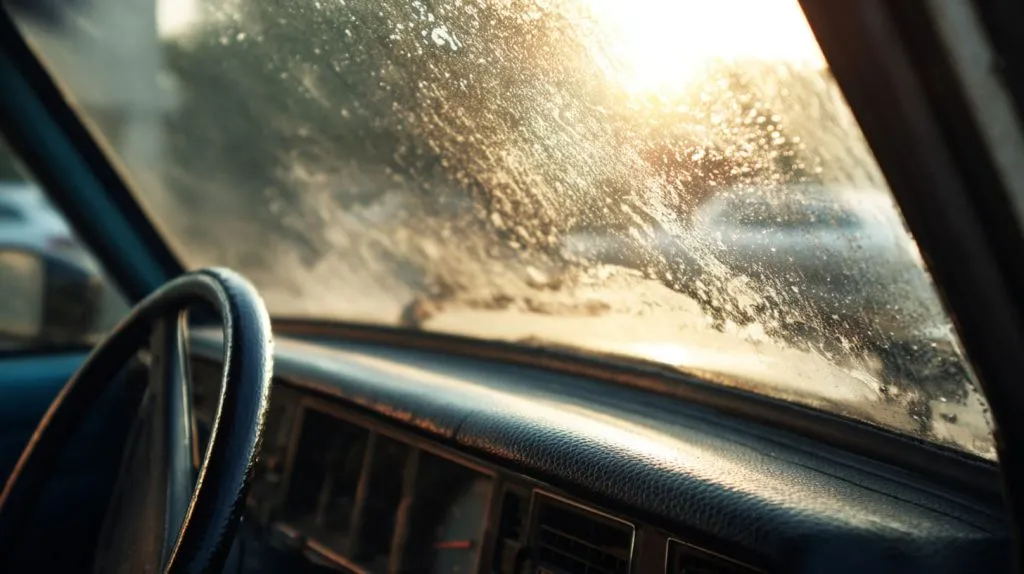
Lexan tends to yellow if exposed to UV without a protective film. Acrylic keeps its clarity better but scratches faster than glass. I’ve seen some older DIY installs go milky in under two years. You can avoid this—but only with maintenance.
Can I DIY replace a car window with acrylic or Lexan safely?
It depends on your tools and your patience.
Yes, but you need precise cutting, proper sealing, and awareness of legal risks.
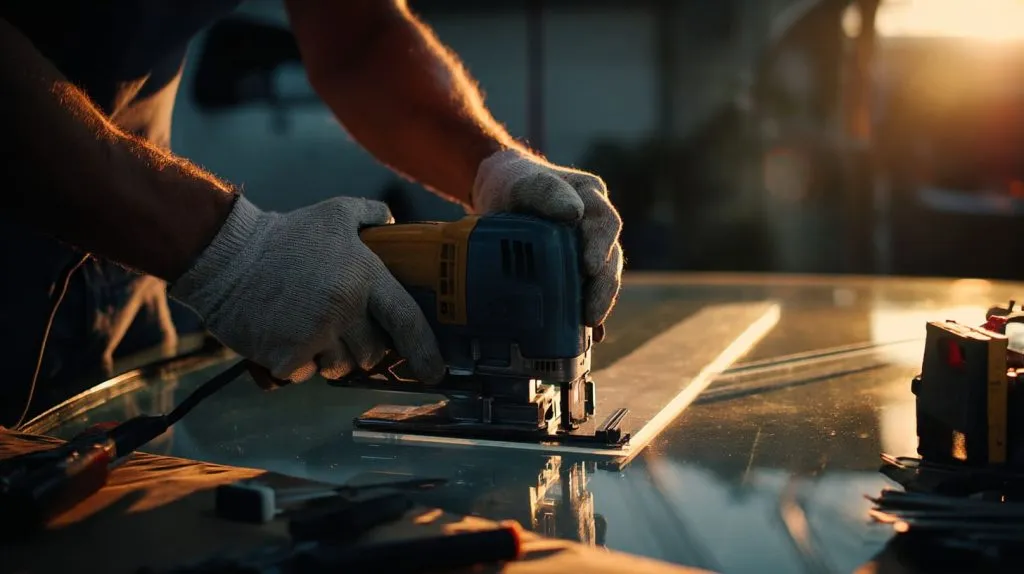
If you’re handy with templates, drills, and sealant—it’s doable. Just don’t expect factory-grade finish unless you’ve got serious skills or CNC help. And remember—insurance may not like it.
How do acrylic and Lexan perform in case of a car accident?
This is what kept me up at night.
Lexan and acrylic won’t shatter like glass, but they might become sharp or pop out during impact.
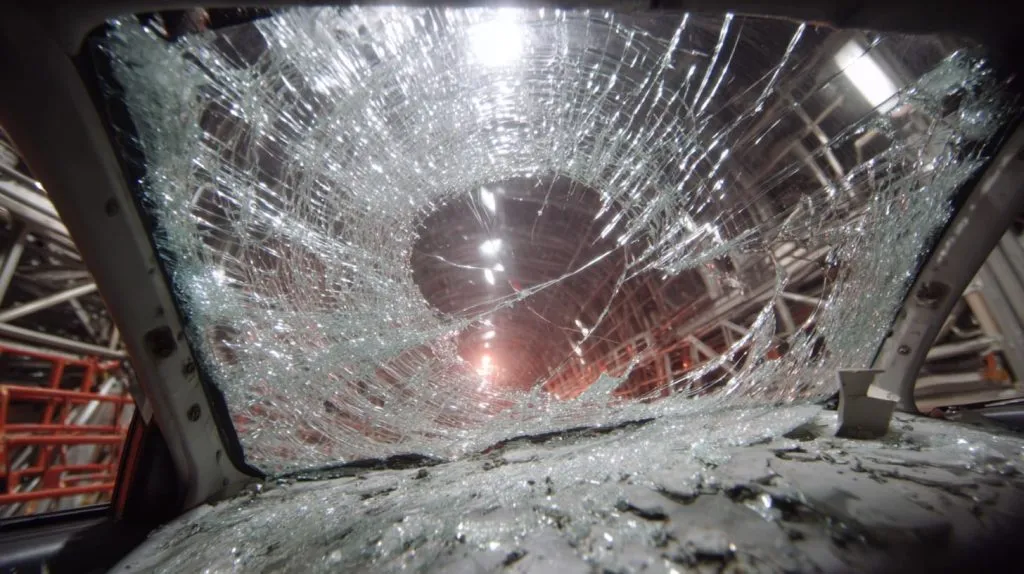
Glass breaks but absorbs energy. Lexan absorbs more impact but could deform dangerously. Acrylic? It can crack into sharp edges. This makes tempered glass safer for passengers unless you're building a race cage around it.
What thickness of acrylic or Lexan is best for car side windows?
Go too thin—it rattles. Too thick—and it won’t fit your frame.
Common thickness is 3/16" (about 4.5mm) for Lexan or acrylic side windows.

That’s a sweet spot—stiff enough not to bow in wind, flexible enough to work in sliders or fixed installs. For race use, 1/4" might be better. Measure twice, cut once.
Do Lexan or acrylic windows pass safety inspection or DOT approval?
This is the line in the sand for most buyers.
No, Lexan and acrylic side windows usually do not meet DOT or safety inspection requirements for public roads.
They’re great for racing, off-roading, or car shows. But for regular highway driving? Expect trouble during inspections—or worse, in an insurance claim.
Conclusion
Lexan and acrylic offer DIY-friendly strength and flexibility—but for public roads, tempered glass is still the safest and legal route.