Skip to content

A client once paused mid-meeting, turned the sample over in his hand, and asked, “Can we put a recycling symbol on this?” It was a simple acrylic organizer—clear edges, clean design, exactly what we were proud of. But that one question flipped the conversation. We weren’t just talking about product shape or price anymore. We were suddenly talking about material identity, downstream recycling, and how buyers interpret what we make.
Plastic recycling symbols aren’t just about the planet—they’re a hidden language in our industry. They tell us what the material is, how it behaves, and whether it fits into a sustainable product cycle.
In this guide, I want to walk you through what those little numbers and arrows actually mean. Especially for buyers like Jacky, who deal with molds, sourcing, and product development—this isn’t a side topic. It’s central to long-term planning, customer trust, and smart sourcing.
What Are Plastic Recycling Symbols?

These symbols pop up everywhere—on packaging, containers, even display stands—but they often go unnoticed.
The Origin of Resin Identification Codes (RIC)
The RIC system was introduced in 1988 by the plastics industry to help sort plastics for recycling. But here’s the twist: they don’t guarantee recyclability. They only tell you what resin type you’re dealing with.
How the Symbols Are Used in Packaging and Manufacturing
For manufacturers like us, it’s often about material sorting and mold identification. For buyers like Jacky, they can also affect logistics, cost, and end-user perception.
Why They're Important for Custom Product Buyers
If you’re sourcing thousands of acrylic boxes or trays, knowing whether they fall under PET, PP, or "Other" changes your whole story—both for branding and for compliance.
Before we dive into codes, here's something to think about:
Not all plastics are created equal—and not all recycling symbols mean what you think they do.
The 7 Types of Plastic Recycling Codes Explained

Code 1 – PET or PETE (Polyethylene Terephthalate)
You’ve seen this on water bottles, food trays, and transparent packaging.
- Pros: Lightweight, clear, and widely recyclable.
- Cautions: Can degrade over time with heat; limited reuse applications in product design.
| Feature | Notes |
|---|---|
| Common Uses | Bottles, display clamshells |
| Recyclability | High in most cities |
| Material Traits | Clear, stiff, moisture barrier |
Code 2 – HDPE (High-Density Polyethylene)
Great for rigid display bins, storage containers, and shelving inserts.
- Pros: Durable, resistant to impact and moisture.
- Cautions: Surface printing can be tricky; not as glossy.
| Feature | Notes |
|---|---|
| Common Uses | Retail bins, containers |
| Recyclability | Excellent in many systems |
| Material Traits | Opaque, stiff, waxy feel |
Code 3 – PVC (Polyvinyl Chloride)
PVC shows up in signage, but it’s fallen out of favor due to health risks.
- Pros: Flexible, cheap, good for indoor use.
- Cautions: Toxic to recycle; banned in many eco-label programs.
| Feature | Notes |
|---|---|
| Common Uses | Banners, wall mounts |
| Recyclability | Low to none |
| Material Traits | Soft, bendable |
Code 4 – LDPE (Low-Density Polyethylene)
It’s the soft stuff—flexible lids, wrap-around items.
- Pros: Flexible and lightweight.
- Cautions: Limited structural use, weak surface bonding.
Code 5 – PP (Polypropylene)
I like PP for hinges and organizers that need movement.
- Pros: Tough, heat-resistant, great for reusable items.
- Cautions: Takes time to cool during molding.
| Feature | Notes |
|---|---|
| Common Uses | Hinged boxes, trays |
| Recyclability | Moderate, growing access |
| Material Traits | Opaque, semi-rigid |
Code 6 – PS (Polystyrene)
I’ve had clients ask for foam stands or quick prototypes in PS.
- Pros: Lightweight, cheap, good for prototyping.
- Cautions: Cracks easily, bad environmental rep.
Code 7 – Other (includes Acrylic, Polycarbonate, Bioplastics)
This one’s tricky—and important for us in the acrylic business.
- Includes: PMMA (acrylic), PC, bioplastics, blends.
- Pros: High clarity (for acrylic), impact-resistant (PC).
- Cautions: Not usually accepted in curbside recycling.
| Code 7 Material | Common Uses | Recyclability |
|---|---|---|
| Acrylic (PMMA) | Displays, signage | Low (needs special handling) |
| Polycarbonate | Shields, covers | Moderate (some specialized systems) |
| Bioplastics | Packaging, utensils | Variable |
Now that we’ve laid the groundwork, let’s talk specifically about acrylic. That’s where things get personal—and relevant.
What About Acrylic?

Is Acrylic Recyclable?
Short answer: Yes—but not in your average blue bin.
There are two main types of acrylic:
- Cast Acrylic: Higher quality, easier to laser cut, more expensive.
- Extruded Acrylic: Cheaper, thinner, more prone to warping.
Recycling processes vary too:
| Recycling Method | Notes |
|---|---|
| Mechanical | Shredded and re-melted. Limited quality. |
| Chemical | Returns to monomer. Expensive, but purer. |
Most municipal systems don’t handle it. So, unless you’re in a closed-loop B2B system, it usually ends up as waste.
Why Acrylic Often Falls Under Code 7
Technically, acrylic doesn’t fit into Codes 1–6. It’s a synthetic thermoplastic resin. That’s why it gets grouped under the vague “Other.”
But from a custom manufacturing standpoint, it still deserves its own identity.
How B2B Buyers Can Choose Sustainable Acrylic
I usually guide clients to GSG-certified eco-friendly acrylic. We also offer recycled PMMA upon request.
Acrylic might not be the greenest material, but sourcing better versions makes a difference.
| Option | Environmental Benefit |
|---|---|
| GSG-Certified PMMA | Lower emissions during production |
| Recycled PMMA | Reuses existing material |
| Localized sourcing | Reduces transport footprint |
Every time I explain this to clients, they ask the same thing next…
How to Read the Symbols on a Product

Placement and Identification Tips
Look at the underside of the product—usually inside the mold or engraved.
If it's not there, ask your supplier to include it in the design file or mold.
What to Ask Your Supplier or Manufacturer
- “Which resin code applies to this material?”
- “Can we mark this with a recycling symbol?”
- “Can we switch to recycled or certified acrylic?”
And if you're working with us at Feilong Acrylic, we’ll help add embossed symbols on the mold itself—no extra hassle.
Let’s keep going. Because this next part speaks right to mold designers like Jacky.
Implications for Product and Mold Designers
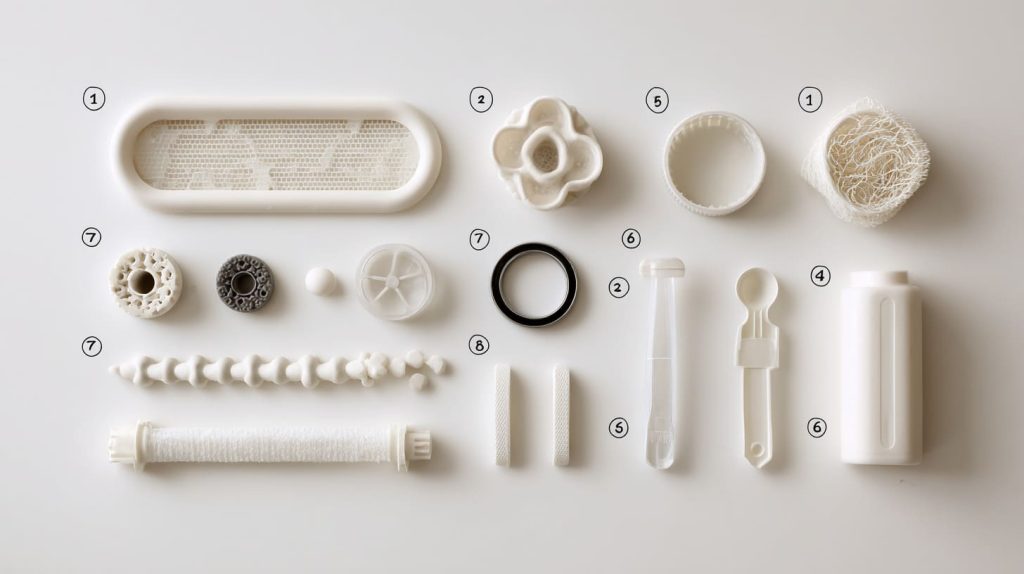
How Plastic Type Affects Product Lifecycle
Your plastic choice changes everything—from cost to shelf life to afterlife.
- PET = High clarity, short reuse life
- PP = Durable, great for long-term products
- Acrylic = Long shelf life, but low recyclability
Integrating Eco-Considerations into Mold Design
There’s a subtle art to embedding sustainability into design:
- Use symbols in molds so customers know what they’re buying
- Minimize mixed materials (e.g., acrylic + metal that can’t be separated)
- Plan for disassembly—make parts replaceable, not glued forever
| Design Consideration | Eco Impact |
|---|---|
| Embossed symbols | Boosts recyclability awareness |
| Material purity | Easier post-use processing |
| Modular design | Encourages repair, not toss |
Global compliance is another layer—especially if you’re exporting like most of our clients.
Global Variations in Recycling Practices

Canada, US, and EU Compared
| Region | Labeling Law | Accepted Codes | Notes |
|---|---|---|---|
| Canada | Varies by province | 1–6 mostly | Clearer rules in BC & Ontario |
| US | State-level | 1–6 mainly | Code 7 often ignored curbside |
| EU | Strict CE rules | 1–7 tracked | Eco-labeling is more enforced |
Labeling Standards and Compliance in Export Markets
If you’re exporting, remember:
- Some EU countries require traceability of Code 7 items.
- Canada may ask for dual-language symbols.
- US distributors often demand BPA-free certification.
So, where does this all leave us?
Conclusion
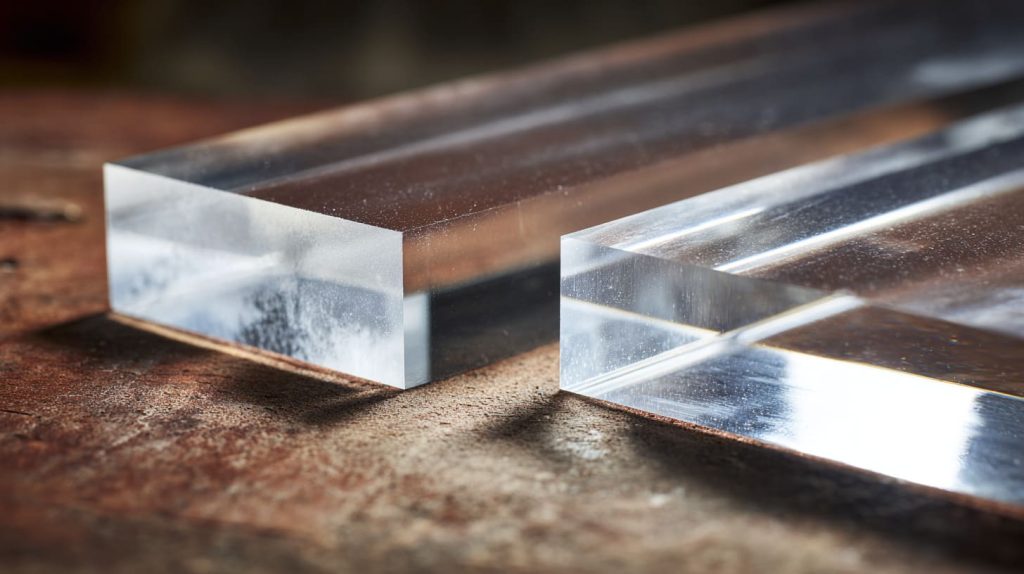
Understanding plastic codes isn’t just about recycling—it’s about being intentional.
Every number tells a story. And as a buyer or designer, you get to decide how that story ends.
If you’re working with acrylic, especially in custom B2B orders like we handle at Feilong Acrylic, it pays to ask the deeper questions:
- What kind of acrylic are we using?
- Can we use recycled PMMA?
- Should we mark this with Code 7?
Jacky, this guide was written with you in mind. You already know the difference a small material change can make. Let’s build smarter, together—with plastic that doesn’t just look good, but lives well too.