Skip to content
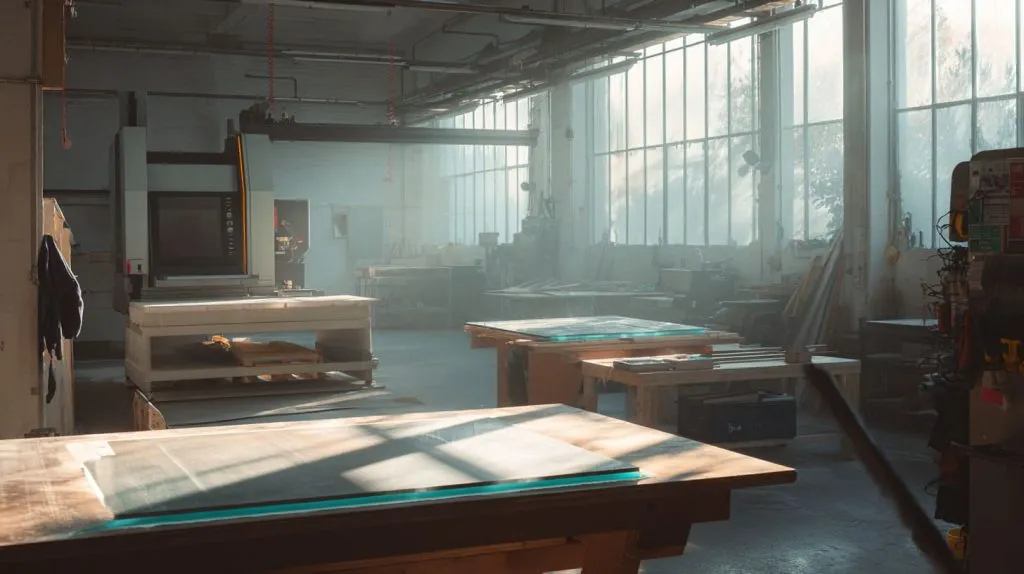
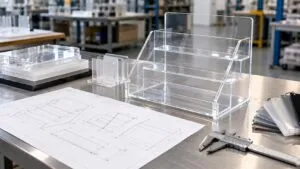
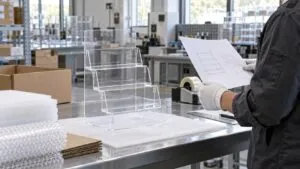
The scent of freshly cut acrylic fills the workshop long before the first coffee cools. Machines hum steadily in the background, and thin white dust glitters under the light like frost. It’s a peaceful sight—until someone leans a little too close to a spinning bit or wipes a hot panel with the wrong cloth. In a place like this, every move matters.
Why Acrylic Safety Matters in Manufacturing and Daily Use
Acrylic looks harmless—smooth, glossy, almost too perfect. But anyone who’s worked with it knows it demands respect. From laser cutting to gluing, every step involves heat, friction, or chemical reactions that can go wrong fast. A single spark or slip can ruin an entire batch—or worse, cause injury.
Real-World Risks in Improper Handling or Use of Acrylic
I’ve seen acrylic panels warp under sunlight, fumes make workers dizzy, and static buildup attract fine dust that caught fire near polishing machines. These aren’t one-off mistakes—they’re lessons every factory learns sooner or later.
| Common Issue | Possible Risk | Prevention |
|---|---|---|
| Overheating during bending | Cracks or deformation | Control temperature below 160°C |
| Poor ventilation | Toxic fumes | Use fans or extraction systems |
| Rough cleaning | Scratches | Use soft cloths and mild cleaners |
Who Should Care: Designers, Fabricators, and End Users
Whether you’re a designer sketching a new display or a fabricator handling sheets all day, acrylic safety isn’t optional. Even end users—those who assemble or clean acrylic furniture—benefit from knowing how fragile yet powerful this material really is.
When I realized how many people misunderstand acrylic’s behavior, I decided to write down these lessons—one safety tip at a time.
1. Know the Differences Between Acrylic and Other Plastics
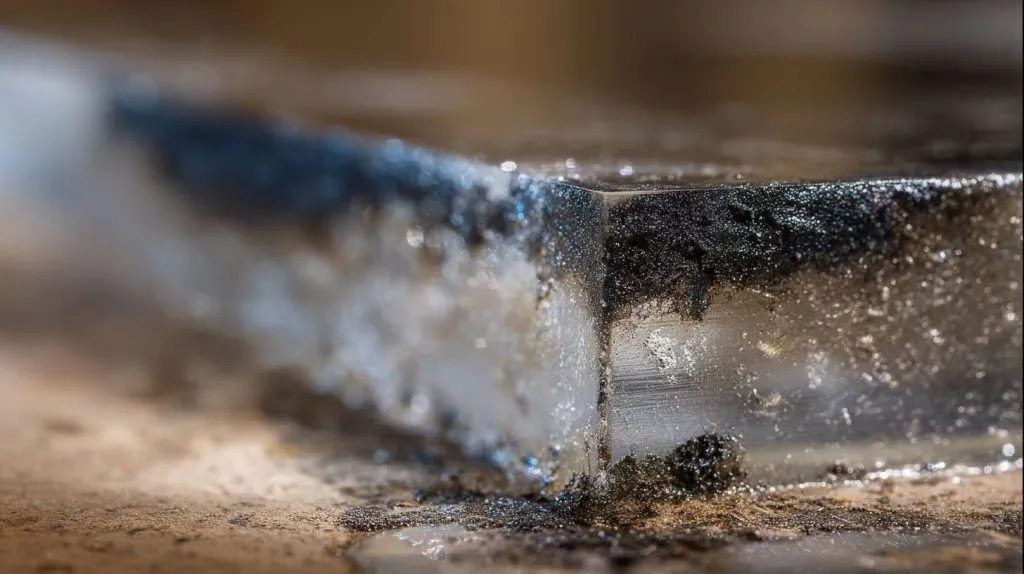
I once had a client who thought polycarbonate and acrylic were interchangeable. He used acrylic for a machine guard where impact strength mattered—and the result was a cracked panel after a week.
Acrylic vs Polycarbonate: Safety Implications
Acrylic offers better clarity but less impact resistance. Polycarbonate, meanwhile, is tougher but prone to yellowing under UV. Using the wrong one can lead to accidents or product failure.
| Property | Acrylic | Polycarbonate |
|---|---|---|
| Impact Resistance | Moderate | Very High |
| Clarity | Excellent | Good |
| UV Stability | High | Moderate |
| Flammability | Higher | Lower |
Glass vs Acrylic: Shattering, Cutting, and Burns
Acrylic won’t shatter like glass, but it can splinter into sharp edges when cut incorrectly. Always clamp it firmly, and use blades meant for plastics.
Transparency and Edge Finish vs Hazard Potential
The beautiful glossy edge that designers love? It’s often created by flame polishing—a process that must be handled carefully. One extra second of heat can cause internal stress cracks.
Before we talk about heat, let’s address the one risk that surprises most newcomers—fire.
2. Understand Flammability Risks
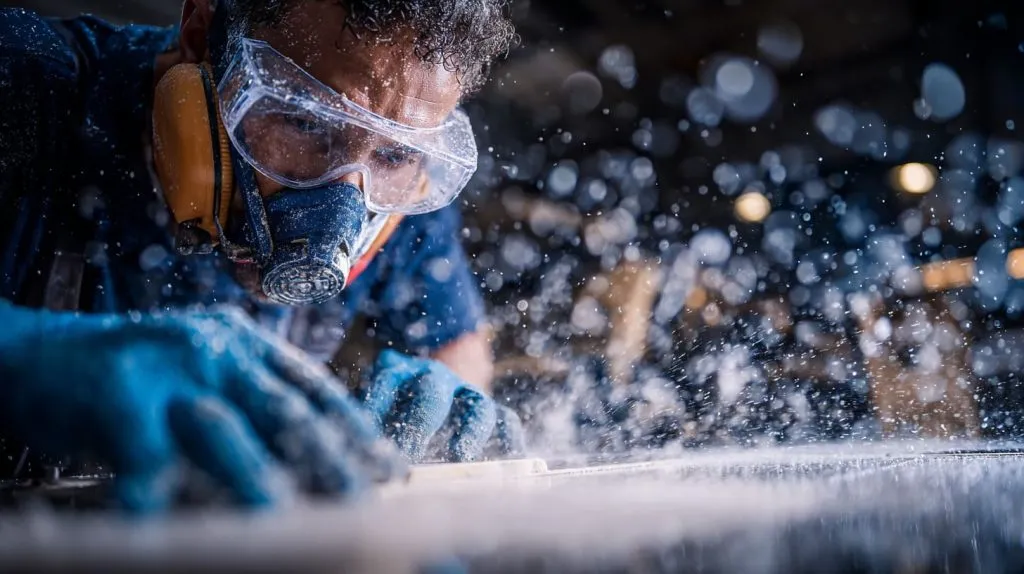
Acrylic burns faster than you think. I learned this the hard way when a small polishing cloth caught fire from a heat gun resting too close to a sheet.
At What Temperature Does Acrylic Ignite?
Acrylic ignites at around 460°C (860°F), which is lower than many metals used in the workshop. Sparks from cutting or hot tools can trigger it easily.
Is Acrylic Plastic Flame-Retardant?
Most standard acrylic isn’t flame-retardant. Flame-retardant grades exist, but they cost more and can alter transparency slightly.
Best Practices for Flame Prevention
Keep all ignition sources—like open flames and hot wires—away from work surfaces. Always have a CO₂ or dry chemical extinguisher nearby.
Fire safety aside, protecting yourself from tiny flying fragments is just as vital.
3. Wear PPE When Cutting or Machining Acrylic
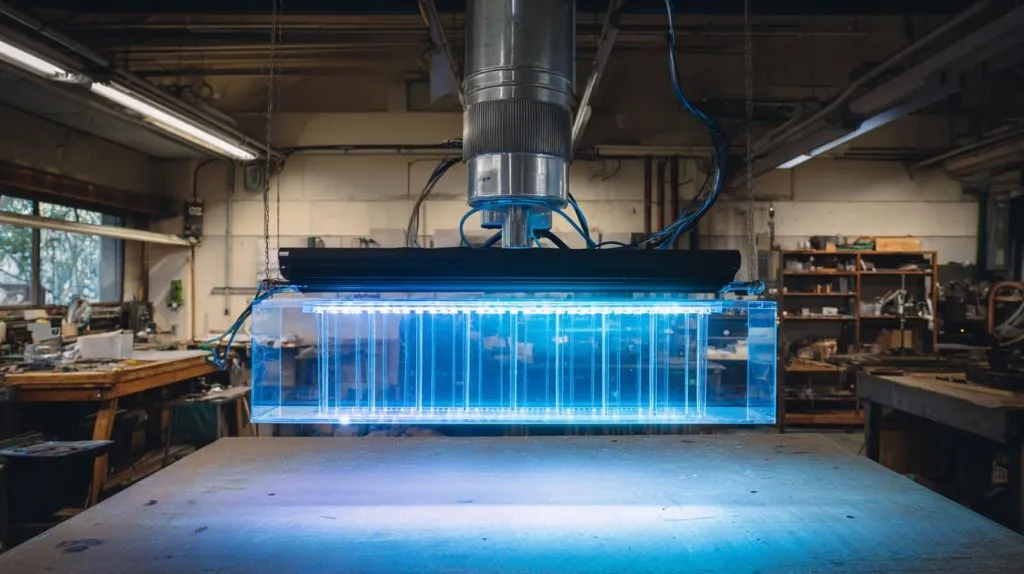
Acrylic dust is deceptive. It looks harmless, but it can irritate the eyes and lungs fast. I’ve wiped fine acrylic dust off my glasses more times than I can count.
Eye Protection and Acrylic Shards
Always wear wraparound goggles. Even a small chip from a router bit can ricochet off surfaces and hit your face.
Why a Dust Mask or Respirator Matters
Fine acrylic dust lingers in the air. Without a proper mask, you’ll end up breathing in microscopic fragments. That’s why I always keep a box of N95 masks near the CNC line.
Gloves vs Bare Hands When Handling Edges
Bare acrylic edges feel smooth but can cut skin easily. Use thin nitrile gloves—they protect without reducing grip.
Once you start heating acrylic, the safety rules multiply. Let’s breathe some air—literally.
4. Ventilation Is Key When Heating or Bending Acrylic
Acrylic releases fumes when overheated, and trust me, you’ll know it by the smell—a sharp, almost sweet chemical odor.
Off-Gassing and Fumes: What You Need to Know
When acrylic is heated past 180°C, it starts releasing methyl methacrylate (MMA) fumes. These can irritate your throat or eyes if you’re working in a closed space.
Safe Temperature Ranges During Heat Forming
Keep the heat forming temperature between 150°C–160°C. Use a heat strip or oven with a thermostat instead of a random heat gun.
Using Fume Extractors or Open-Space Workstations
I always prefer bending stations near windows or under an extractor hood. A simple fan won’t cut it.
Good airflow isn’t just for comfort—it’s the difference between safety and headaches.
5. Store Acrylic Sheets Safely to Avoid Warping or Breakage
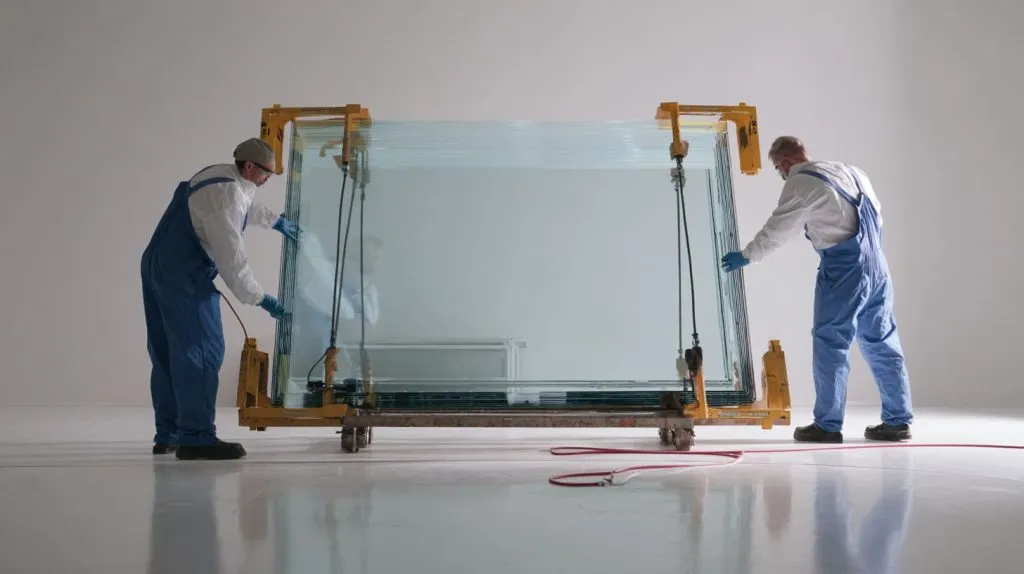
You can tell how experienced a workshop is just by how they store their acrylic. Piles on the floor? A disaster waiting to happen.
How Temperature and Sunlight Affect Stored Acrylic
High heat makes sheets bow or warp. Direct sunlight accelerates this. Always store them in a cool, shaded place.
Vertical vs Horizontal Storage: What’s Safer?
Store large sheets vertically with support on both sides. Flat stacking may cause stress cracks over time.
Protective Film Use and Removal Timing
Keep the protective film on until final assembly. Removing it early increases the risk of scratches or chemical stains.
| Storage Factor | Best Practice |
|---|---|
| Temperature | 18–25°C |
| Humidity | Low |
| Light Exposure | Avoid Direct Sun |
| Film Removal | After Cutting/Assembly |
After safe storage, cleaning is the next step where many go wrong.
6. Use Non-Abrasive Cleaners to Prevent Micro-Scratches
I once saw a cleaner use alcohol on a freshly polished display. Within minutes, the surface turned dull and streaky—irreversible damage.
What Chemicals to Avoid on Acrylic
Avoid ammonia, alcohol, acetone, and glass cleaners. They react with acrylic and cause cloudiness.
How Micro-Scratches Turn into Stress Fractures
Tiny scratches weaken the surface over time, especially under pressure or sunlight. Eventually, they become visible cracks.
Recommended Cleaners and Wipe Materials
Use a mild soap solution or cleaners made for plastics. Wipe with microfiber cloths, not paper towels.
Cleaners aside, the next hidden enemy is something you can’t always see—chemicals.
7. Avoid Chemical Exposure That Can Cause Cracking
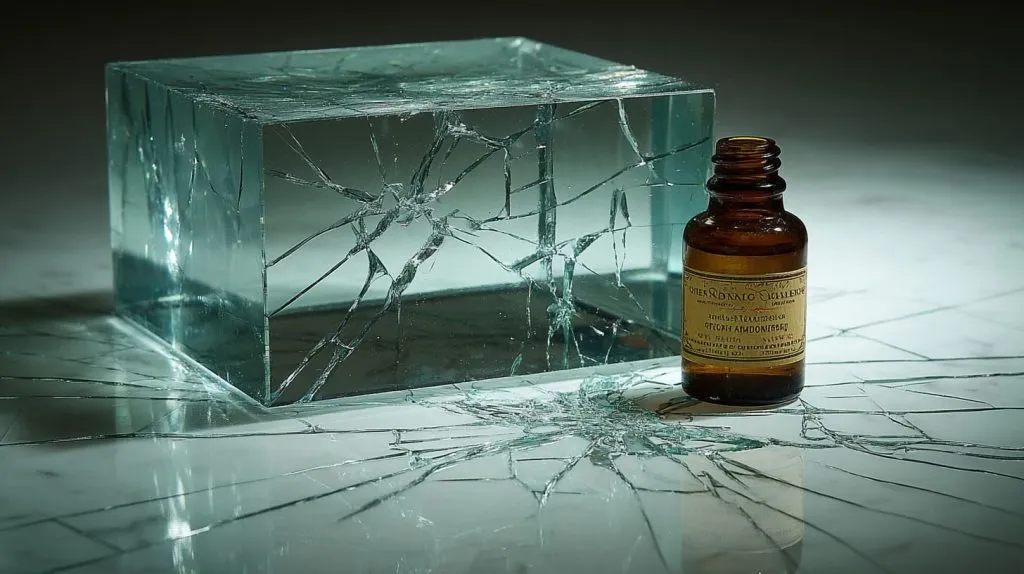
I once received a complaint from a client whose acrylic boxes cracked after applying glue labels. The culprit? The adhesive’s solvent.
Solvent Sensitivity in Acrylic Plastics
Acrylic reacts badly to strong solvents like toluene, xylene, or MEK. Even vapors can cause “crazing,” or spiderweb-like cracks.
Common Chemical Agents That React With Acrylic
Paint thinners, certain detergents, and harsh adhesives all trigger micro-cracks.
Protective Coatings and Barriers
If exposure is unavoidable, apply a clear acrylic-safe coating or use silicone-based adhesives.
When you finally handle these sheets, remember—they can slip like ice if you’re careless.
8. Handle Acrylic with Both Hands to Prevent Drops
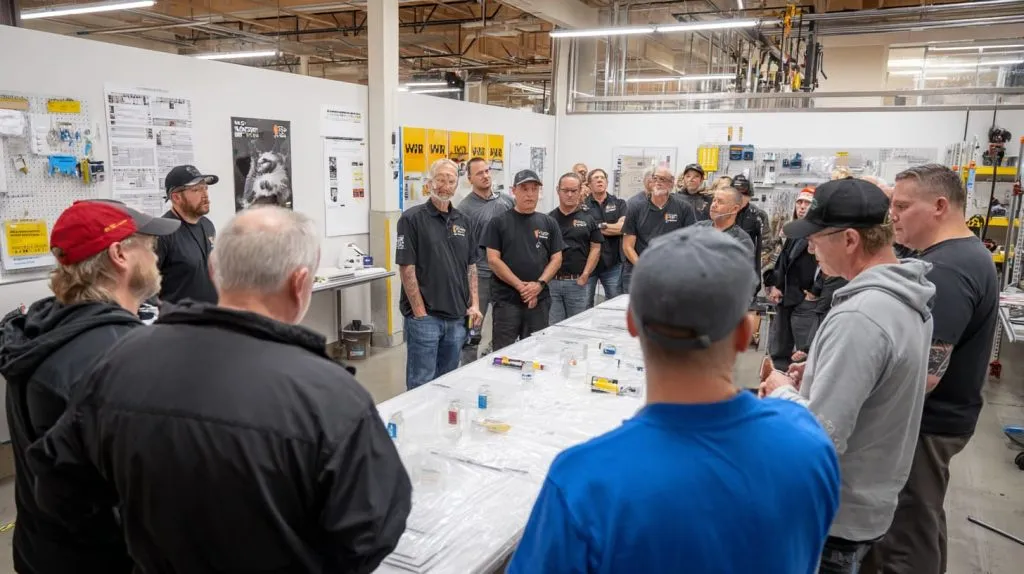
One careless lift can turn a perfect panel into expensive scrap. I’ve watched it happen more times than I’d like to admit.
Edge Strength vs Surface Tension
Acrylic edges are weaker than the center surface. Hold panels from both sides to spread the weight evenly.
Acrylic’s Brittleness When Dropped
Even small falls can cause internal cracks invisible at first glance—but they’ll show later during polishing or drilling.
Lifting Techniques for Large Panels
For big sheets, use suction lifters or have two people carry them. Don’t rush—it’s not worth the risk.
Now, let’s talk about something that happens far too often: cracking from screws.
9. Don’t Over-Torque Screws or Fasteners
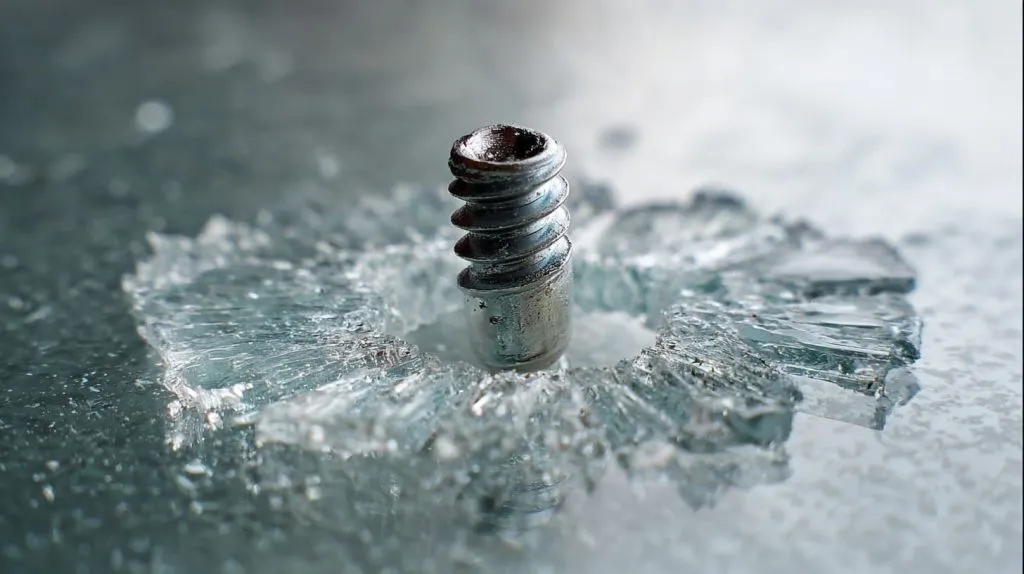
Acrylic doesn’t like pressure. The tighter you go, the closer you are to disaster.
Cracking from Mounting Pressure
Screws expand under heat, pressing against the acrylic. This stress leads to radial cracks around holes.
Using Countersinks or Grommets to Distribute Force
Always drill slightly oversized holes and use rubber grommets to absorb expansion.
Signs You’re Tightening Too Much
If you hear a faint click or see stress lines, stop immediately. Loosen the screw and check for micro-cracks.
When you cut it right, though, half your worries disappear.
10. Use the Right Blade Type When Cutting
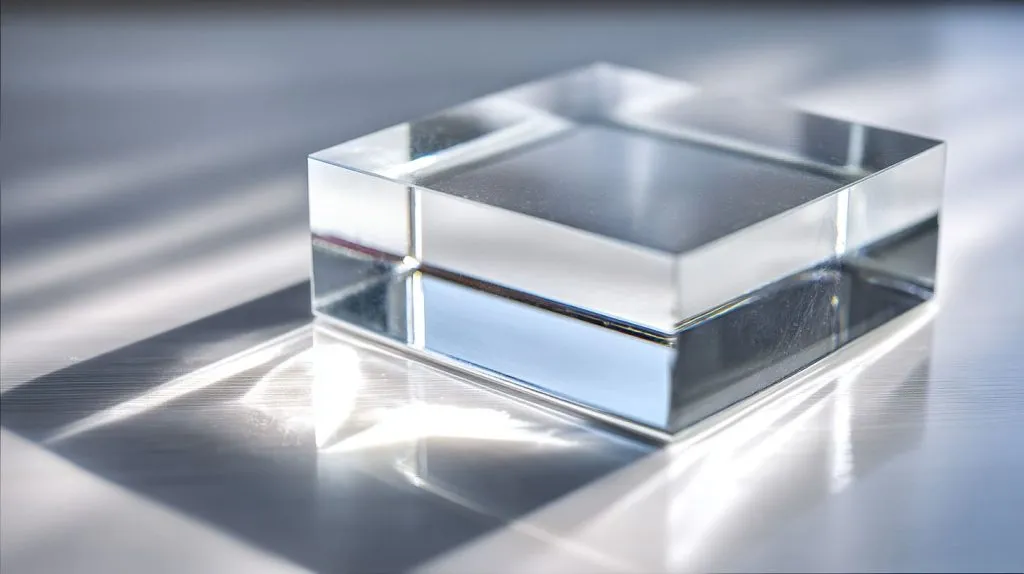
I still remember my first cut on a CNC router. The blade was dull, the edges melted, and I spent an hour sanding out the mess.
Why Not All Blades Are Acrylic-Safe
Wood or metal blades generate too much friction. Acrylic-safe blades have fine, polished teeth and shallow angles to prevent chipping.
Recommended Saw Blades and Router Bits
Use carbide-tipped or diamond-edge tools. Keep speeds moderate and feed rates steady.
Reducing Melting and Chipping
Cooling air or mist systems help. If you smell burnt plastic, stop—the heat’s too high.
Now that we’ve cut safely, let’s think long-term—what happens under the sun.
11. Avoid UV Exposure for Non-UV-Stable Acrylic
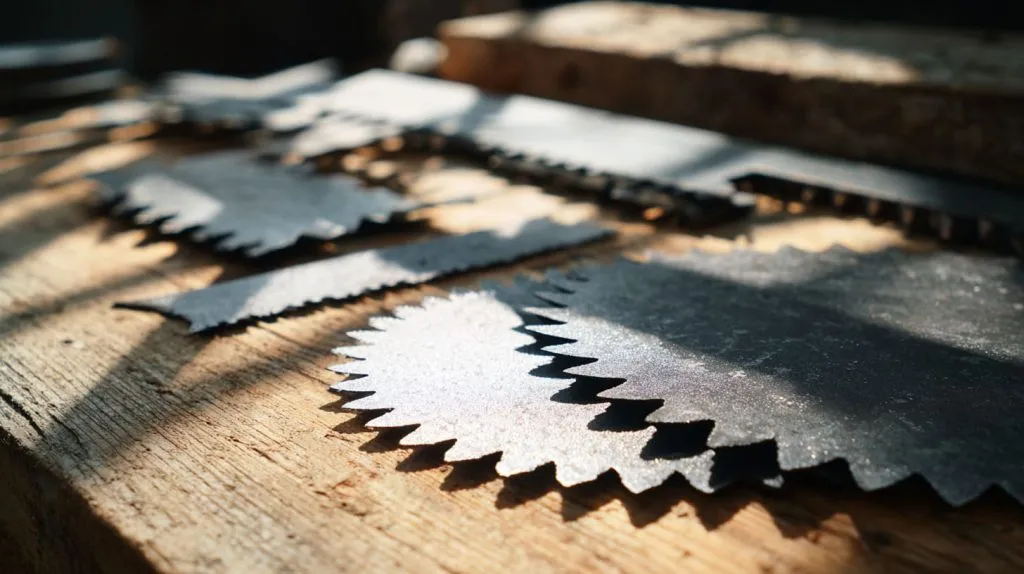
Sunlight can be acrylic’s slow poison. I once replaced a display case that had turned yellow after only a year outdoors.
How UV Damages Clarity and Structure Over Time
UV rays break down molecular bonds, causing fading and brittleness.
Difference Between UV-Stable and Non-Stable Acrylic
UV-stable grades contain additives that absorb harmful rays. Always specify UV-resistant material for outdoor projects.
Tips for Outdoor Use and Protective Films
Apply UV films or coatings. For signage, choose cast acrylic—it lasts longer in sunlight.
And finally, the most overlooked safety rule isn’t about tools—it’s about people.
12. Train Your Team on Acrylic Safety Protocols
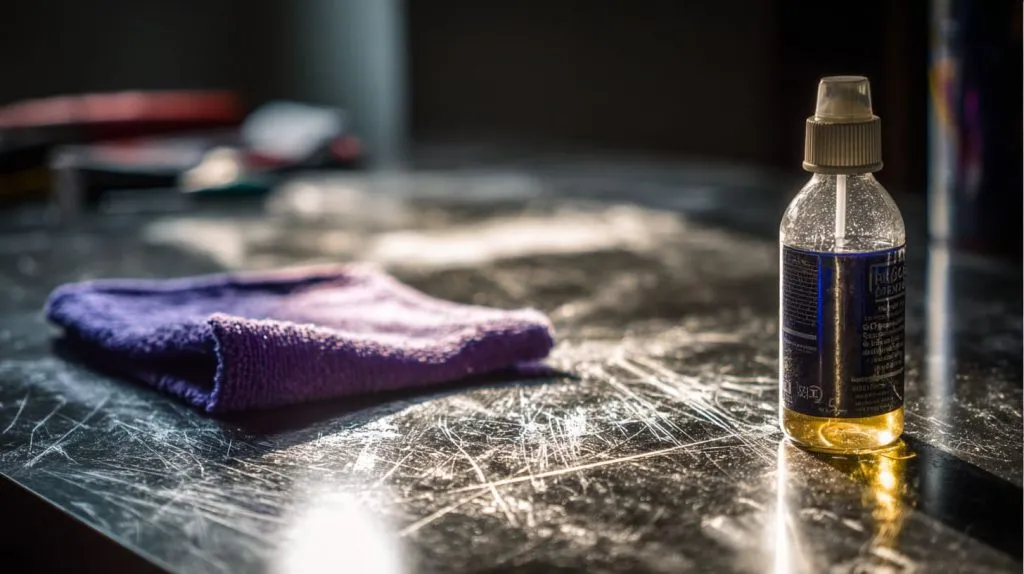
The best safety tool in any workshop isn’t a glove or a goggle—it’s knowledge.
Common Workshop Accidents with Acrylic
Most accidents happen from rushing or assumptions—burns, cuts, or inhaling dust. Training prevents nearly all of them.
Safety Briefings and Cutting Guides
I hold short weekly talks where we review mistakes and share quick safety wins. It keeps everyone alert and confident.
Labeling and Handling Instructions for OEM Buyers
If you ship custom acrylic parts, label them clearly. Warn clients about heat limits, cleaning agents, and storage guidelines.
When everyone understands the “why” behind safety, the “how” becomes second nature.
Conclusion
Safety isn’t just about avoiding accidents—it’s about protecting the craftsmanship that goes into every acrylic product. Each scratch avoided, each panel handled right, is a promise of quality that travels from our workshop to yours.
I’ve learned that safety doesn’t slow you down—it makes you sharper. It keeps the work consistent, the clients happy, and the team proud.
And if there’s one thing I hope you take away from this—it’s that a safe workshop is a smart workshop.