Skip to content
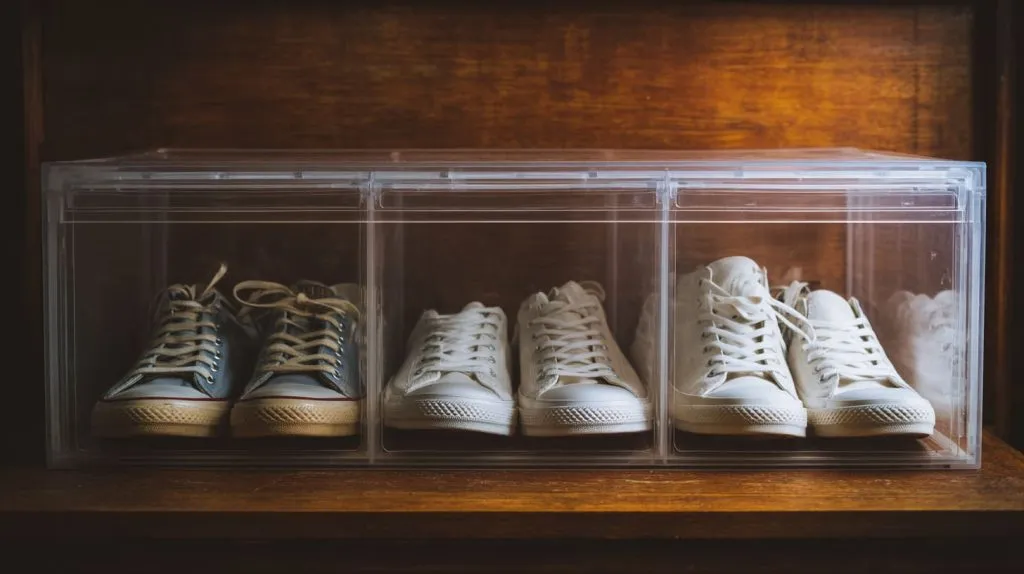
Shoes usually don’t get ruined overnight.
They sit quietly in a corner, inside a box that feels “safe,” while small problems build up without anyone noticing.
Storing shoes in plastic boxes isn’t always bad—but when airflow is missing, moisture, odor, and slow material damage can happen over time.
That’s why this question keeps coming up in real life, not forums. People don’t ask it when buying boxes. They ask it after opening one and realizing something feels off.
What is the best material for a shoe box?
Some folks swear by cardboard. Others like acrylic. I’ve seen it all.
The best shoe box material depends on your goals—acrylic is great for display and protection, while fabric and cardboard offer better breathability.
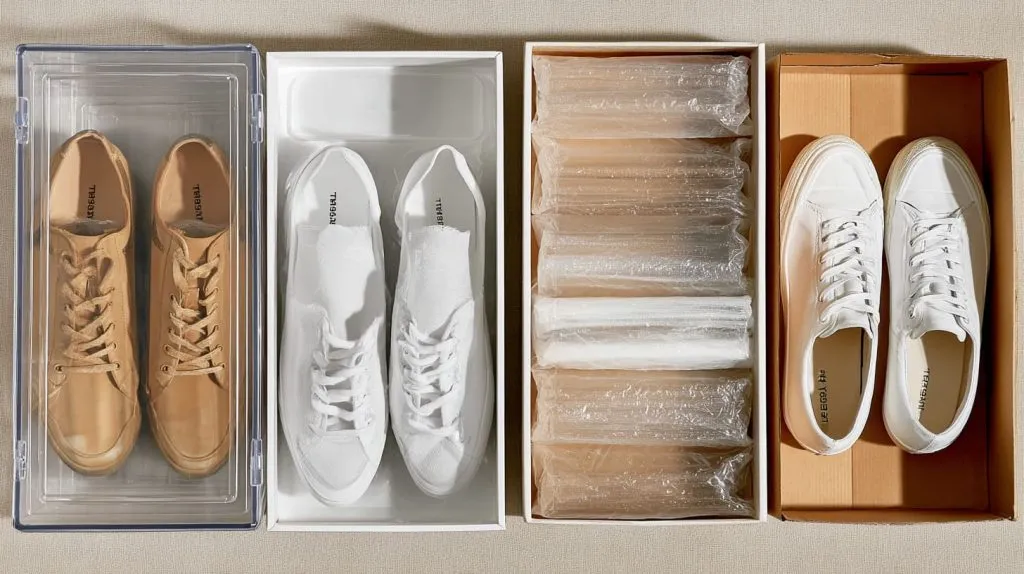
Compare the top materials:
| Material | Pros | Cons |
|---|---|---|
| Acrylic | Clear view, stackable, durable | Needs ventilation |
| Plastic (PP) | Affordable, protective | May trap moisture |
| Fabric | Breathable, foldable | Less protective |
| Cardboard | Cheap, breathable | Prone to pests, not waterproof |
If you're collecting high-end sneakers, acrylic or rigid plastic is a solid choice—but only if there’s airflow.
What not to store in plastic bins?
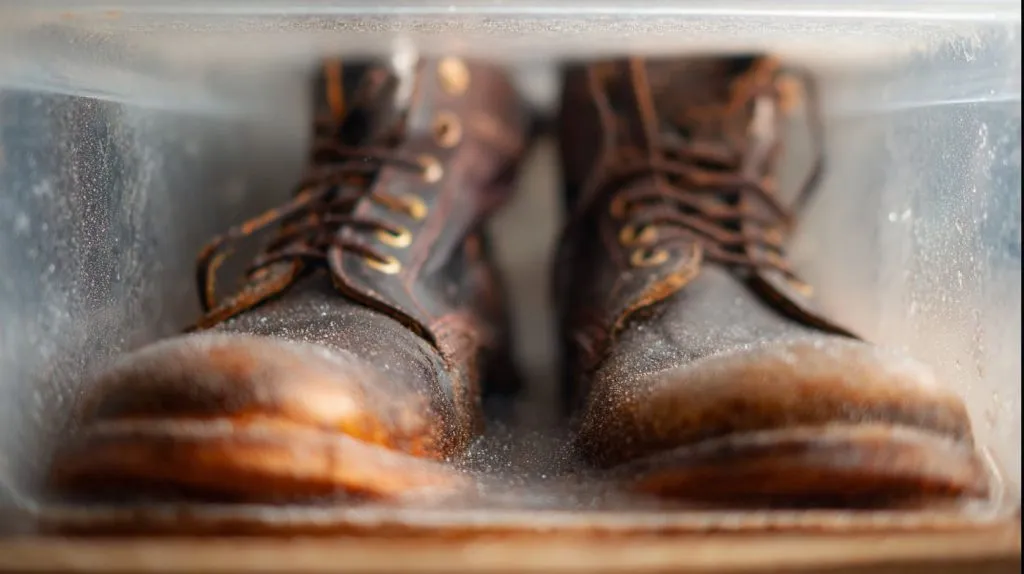
I learned this the hard way when I stored a pair of damp leather boots.
Never store wet, dirty, or untreated shoes in sealed plastic bins.
Moisture becomes your enemy here. And it doesn’t take much—a little sweat, a rainy day, a forgotten silica gel packet. That’s all it takes for mold to party in your bin.
Things to avoid storing in plastic bins:
- Wet or sweaty shoes
- Mold-prone materials (like untreated leather)
- Shoes with strong odors
- Anything without a breathable layer inside
Is it better to keep sneakers in boxes or out?
This depends—are you showing them off or protecting them?
Keeping sneakers in boxes protects them from dust and light—but if they're not ventilated, it can harm them over time.
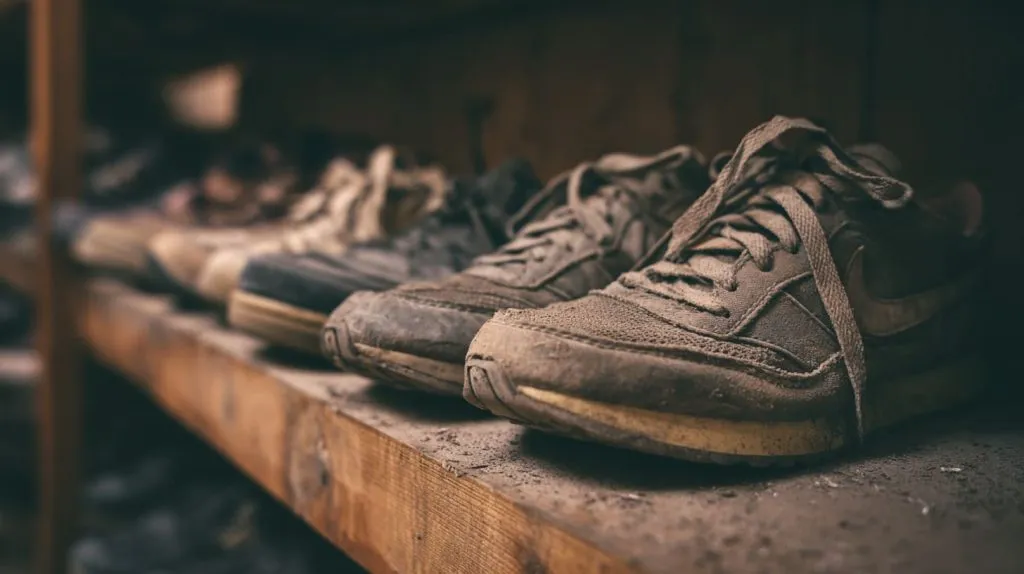
Open shelves give sneakers room to breathe but can lead to fading and dust buildup. If you're not wearing them often, a well-designed box is a good home.
Do plastic shoe boxes damage shoes?
Not directly. But indirectly? Definitely.
Poorly ventilated plastic boxes can trap moisture, deform soles, and speed up material breakdown.
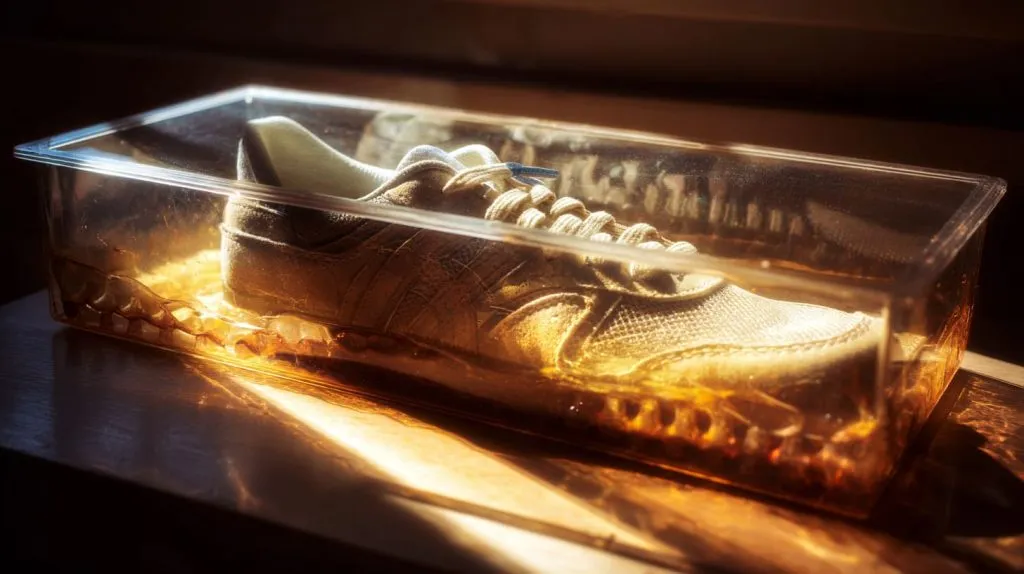
I once saw a client’s entire sneaker collection warped because the boxes were stacked too tight in a sunlit room. The heat warped the soles. Tragic.
What is the best way to store your shoes?
It’s not about being fancy. It’s about being smart.
The best way is to keep shoes clean, dry, supported, and protected from light, dust, and pests.
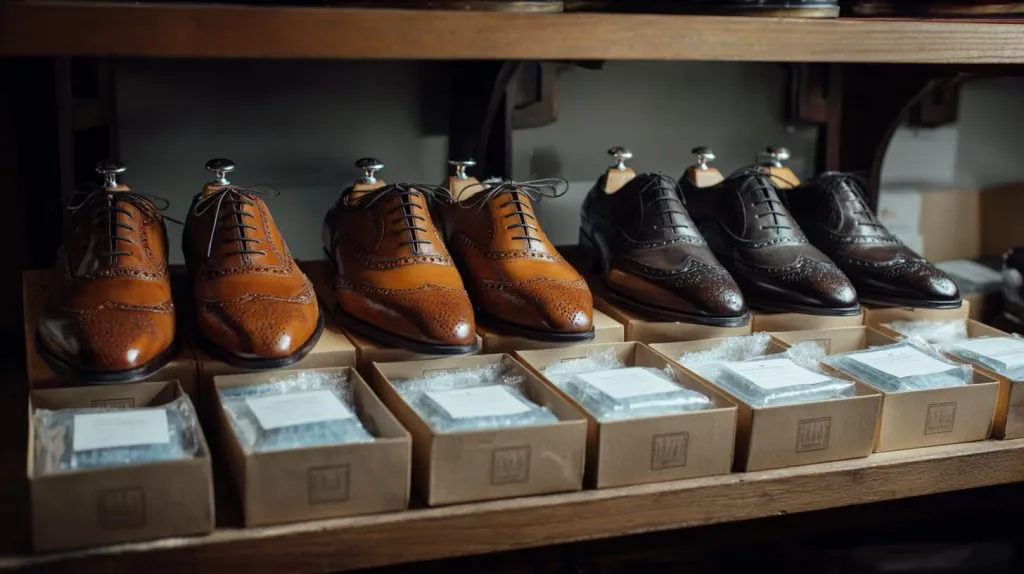
Here’s what works best for long-term storage:
- Clean shoes before storing
- Use shoe trees for shape
- Add silica gel or charcoal packs
- Avoid direct sunlight
- Ventilate every few months
Do plastic shoe boxes cause mold or odor buildup over time?
Yes—especially if you forget what’s inside.
Closed plastic boxes without ventilation can trap moisture, leading to odor and mold over time.

My tip?
Drill small air holes or choose boxes with built-in vents. You’ll thank yourself later.
What type of plastic box is best for long-term shoe storage?
Not all plastic is created equal.
Boxes made of clear, BPA-free PP or acrylic with ventilation slots are best for long-term shoe storage.
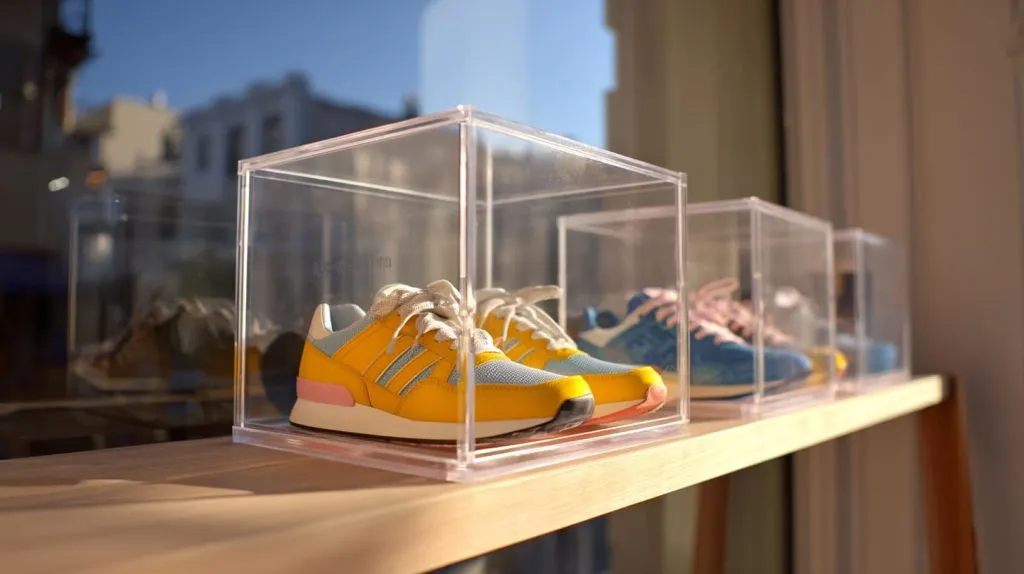
Avoid PVC or thin brittle plastics—they can crack, warp, or release chemical smells. Look for UV-protected options if your storage is near windows.
Can storing leather shoes in acrylic boxes damage them?
Only if you skip a few key steps.
Acrylic boxes can damage leather shoes if there’s no airflow or if the leather isn't treated or dried properly.
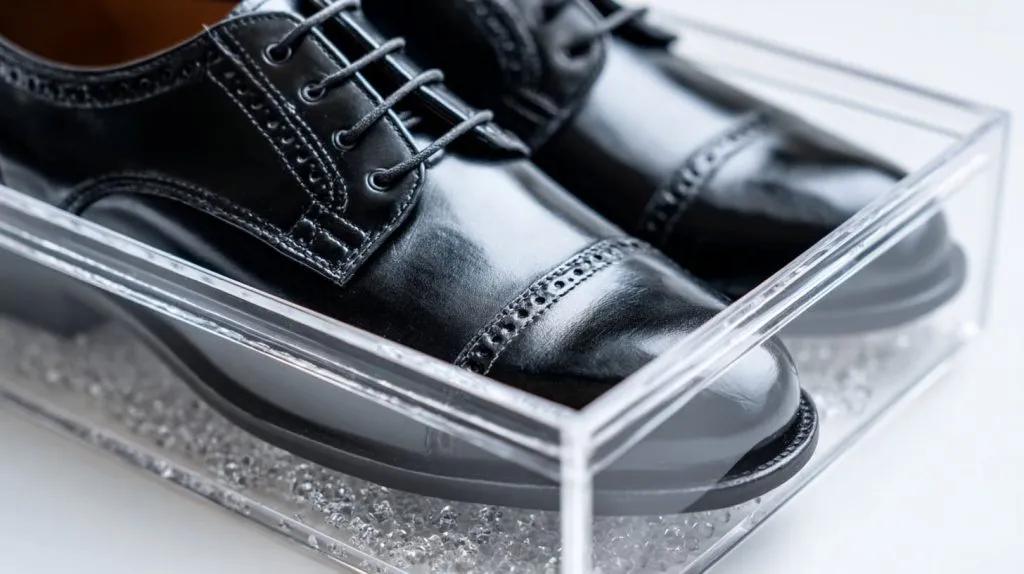
Leather needs to breathe. Add desiccant packs and open the box monthly to let moisture out. Also, never place leather directly on acrylic—use a soft pad.
Are clear plastic shoe boxes UV-resistant and safe for display use?
That depends on the box.
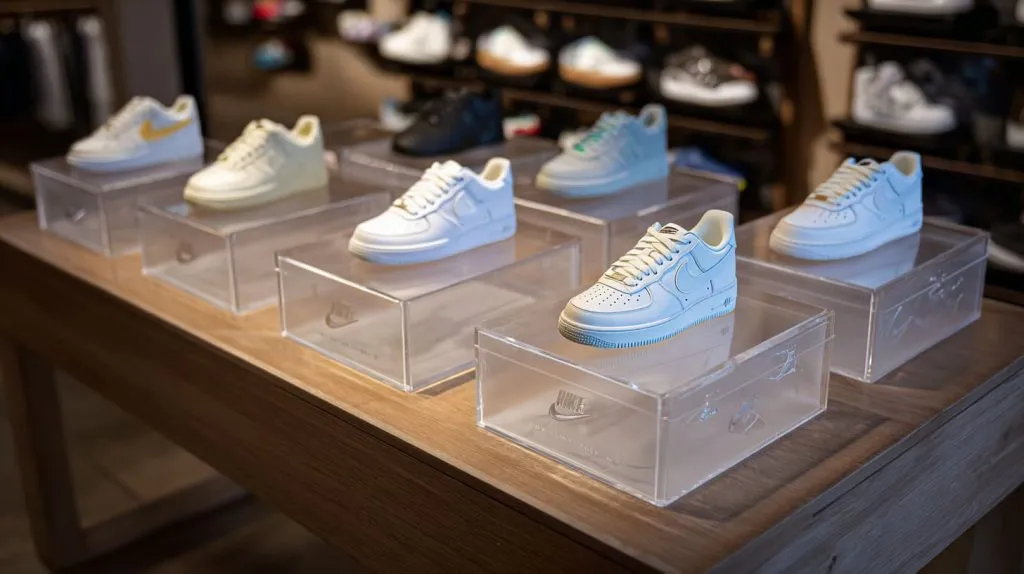
Some clear plastic boxes are UV-resistant and great for display—but others may yellow or crack under sunlight.
Look for these specs on the product label:
- UV protection rating
- Material type (acrylic > polystyrene)
- Anti-yellowing treatment
How do plastic shoe boxes compare to fabric or cardboard organizers?
Each has its fans, but here's my take.
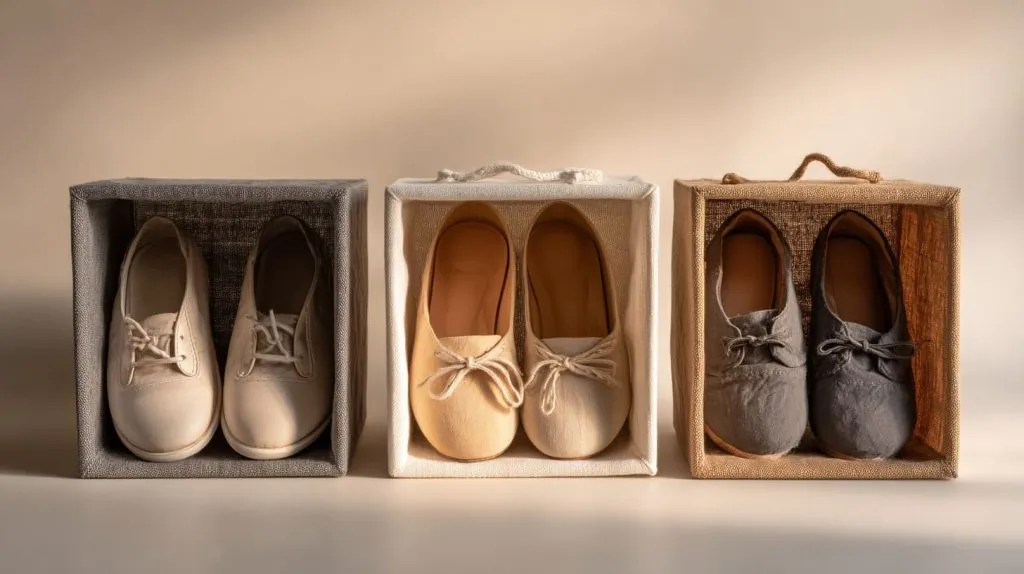
Plastic boxes offer better structure and visibility, while fabric and cardboard are more breathable but less durable.
| Feature | Plastic Box | Fabric Organizer | Cardboard Box |
|---|---|---|---|
| Ventilation | Poor–Moderate | Good | Good |
| Durability | High | Moderate | Low |
| Aesthetics | High | Low | Low |
| Pest Protection | Excellent | Moderate | Poor |
Can plastic shoe boxes prevent dust and pests better than open shelves?
Absolutely.
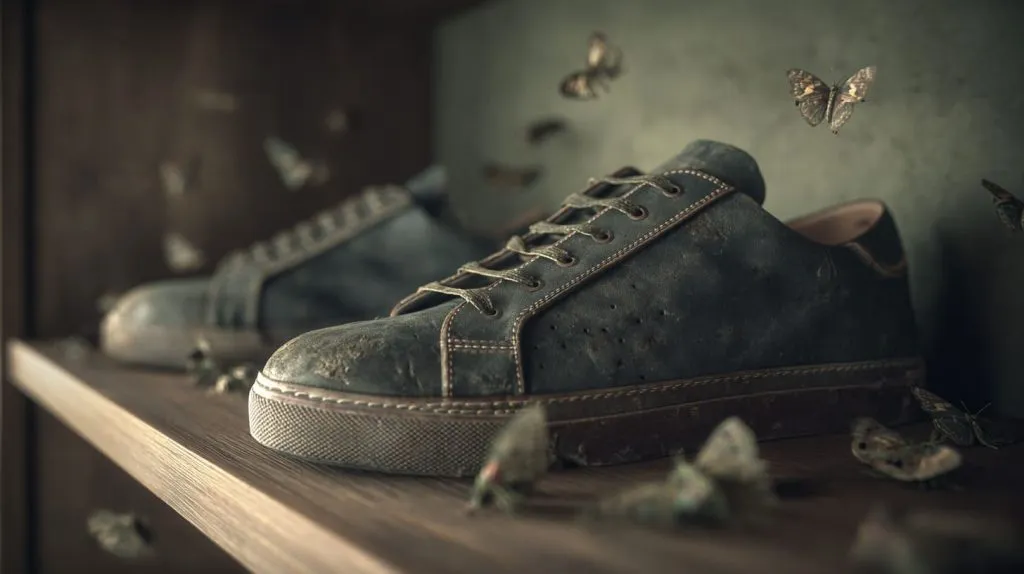
Plastic boxes are much better at preventing dust and pests than open shelves.
I’ve seen moths nibble on suede shoes left out too long. Sealing them in a clean box stopped the problem instantly.
What’s the ideal ventilation setup for acrylic shoe display boxes?
Most people forget this step.
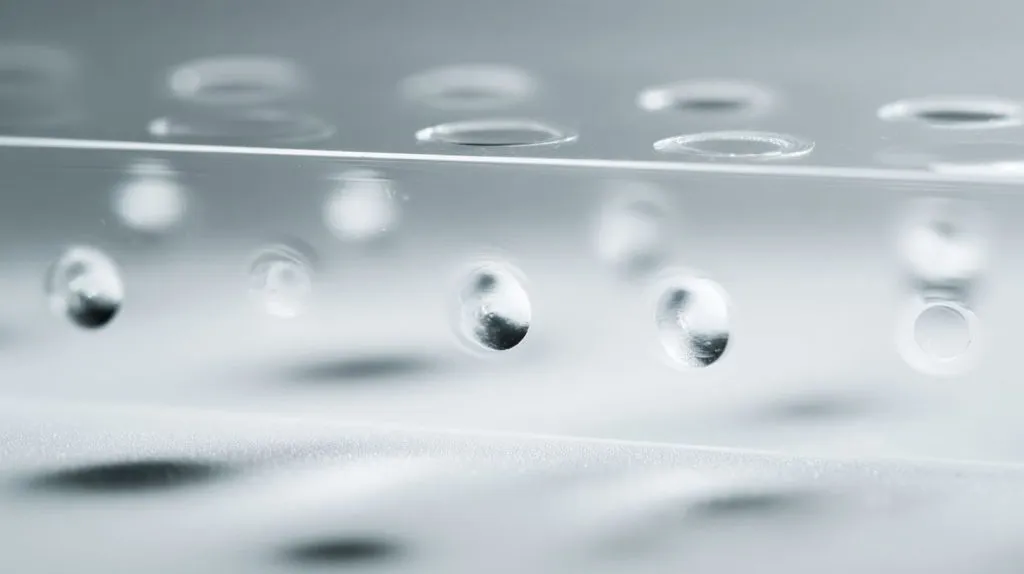
The best setup includes tiny vents, silica gel packs, and occasional airing.
You can drill 2–3mm holes near the top or back of the box if it’s sealed. Some custom boxes even have removable lids or mesh panels for airflow.
Is it worth customizing plastic boxes with logos or sizing for shoe storage?
If you care about aesthetics—or run a brand—yes.
Custom sizing ensures a perfect fit, and logos make storage visually cohesive and brand-consistent.
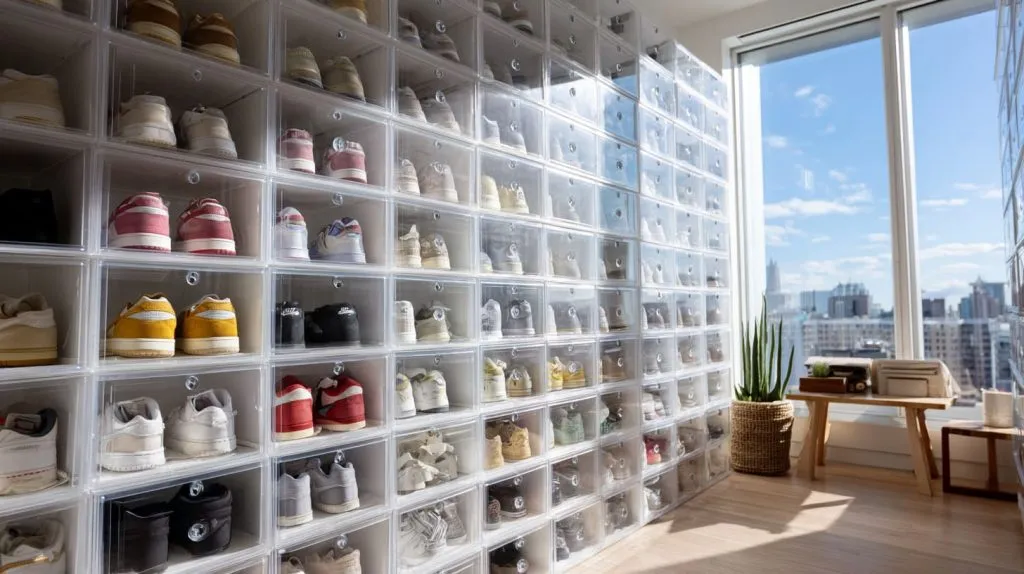
I’ve worked with clients who used custom acrylic boxes to turn their retail space into a museum-like sneaker gallery. It adds perceived value—and makes organizing way easier.
Conclusion
Plastic boxes can be shoe savers—or silent destroyers. It all depends on how you use them.