Skip to content
You’re getting everything packed. Labels printed. Deadlines looming. And right at the edge of the pallet, there’s that plastic box. It looks solid—but is it okay to ship?
Yes, you can ship in a plastic box, but success depends on the type, purpose, and how well it’s secured.
I’ve had this same question more times than I can count—sometimes from buyers, sometimes from my own shipping team. It sounds simple, but the answer isn’t always obvious.
Can I wrap a box in plastic and ship it?
Sometimes wrapping feels faster than boxing. But speed isn’t always smart.
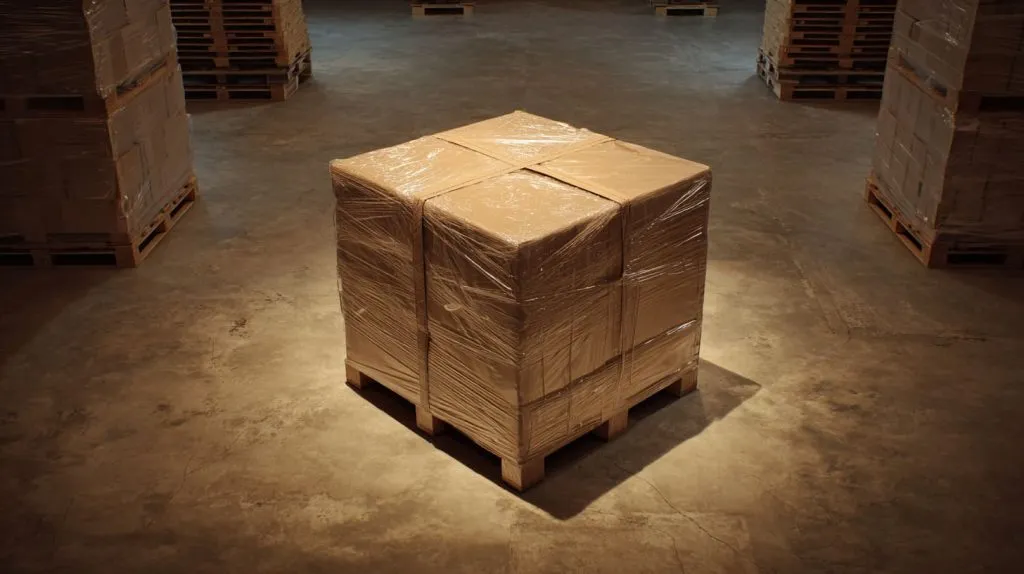
You can wrap a box in plastic for shipping, but only if it adds protection—not replaces it.
Why it matters
Wrapping a box in stretch film or shrink wrap can help prevent dirt, moisture, or label damage.
But it doesn’t provide impact protection, crush resistance, or proper sealing.
When it works
- On top of a solid inner box
- As an extra moisture barrier
- For palletized bulk shipments
When it doesn’t
- As the only packaging layer
- For fragile or irregular-shaped items
- When carriers require rigid outer protection
What to avoid in plastic containers?
I once used a dollar-store box for samples. Big mistake.
Avoid thin, brittle, or unsealed plastic boxes—they crack, pop open, and won’t survive stacking.

Common issues I’ve seen
| Type of Plastic Box | Risk |
|---|---|
| Thin snap-top box | Lid opens during shipping |
| Non-locking lid | Internal contents scatter |
| No inner foam/padding | Cracked items |
Look for gasket seals, locking tabs, and impact-resistant materials—especially for long trips.
Can products be safely shipped in a plastic box?
It depends what’s inside—and how much care you take to prepare it.
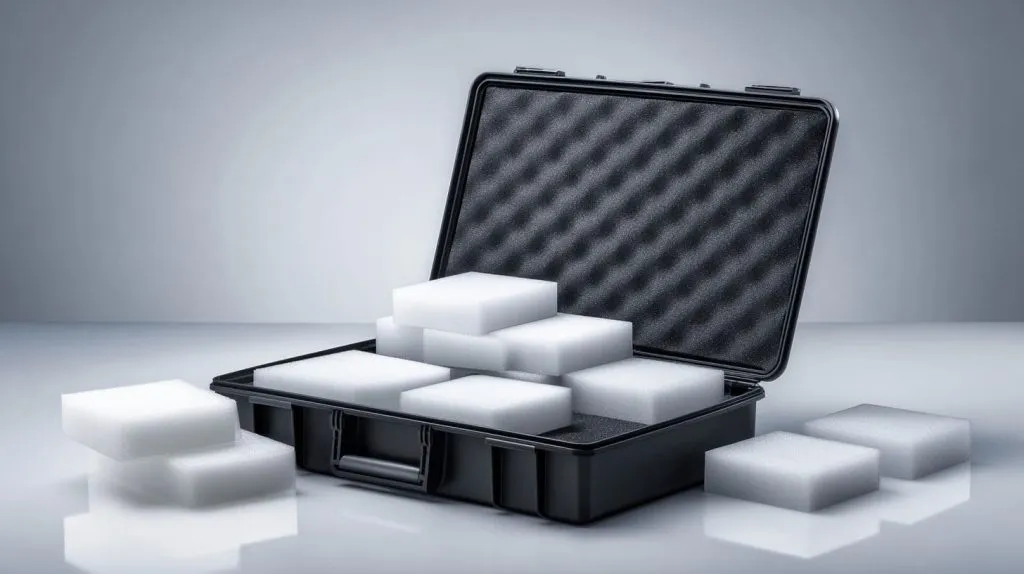
Yes, with proper padding and a secure lid, plastic boxes can safely ship many types of products.
What works well
- Acrylic blocks
- Cosmetics
- Hardware sets
- Electronics accessories
- Lightweight goods
The trick? Don’t rely on just the box. Use foam, corner guards, and void fillers inside.
Is a plastic box strong enough for international shipping?
Here’s where things get serious.
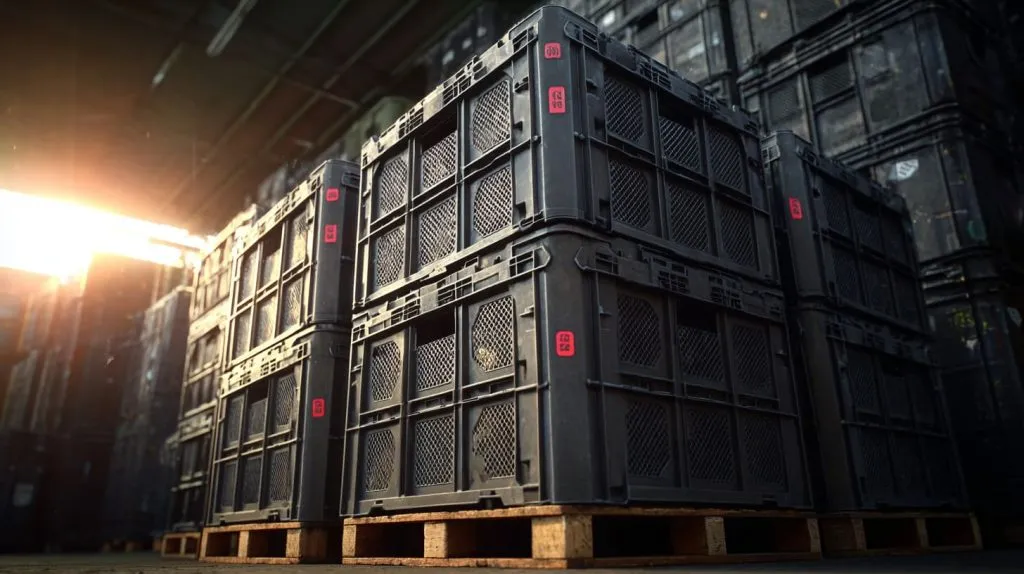
Only heavy-duty, industrial-grade plastic boxes hold up to international shipping.
Key requirements
- Stackable design
- Reinforced corners
- Heavy load capacity (30+ kg)
- Shock absorption
You’ll also want third-party test reports, like drop tests or compression strength ratings, if you're shipping B2B or bulk.
What types of plastic boxes are suitable for shipping?
Not all plastic is created equal.
Choose rigid plastic boxes made of HDPE, PP, or ABS for reliable shipping performance.
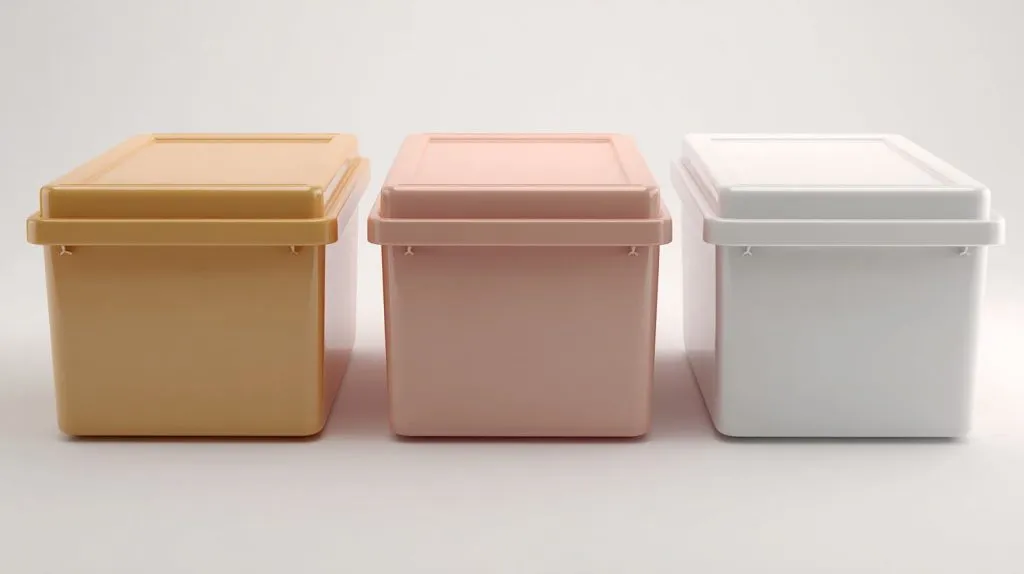
Top materials for shipping boxes
| Material | Strength | Water Resistance | Notes |
|---|---|---|---|
| HDPE | High | Excellent | Common in crates |
| PP | Medium | Very Good | Often used in bins |
| ABS | Very High | Moderate | Strong but heavier |
Avoid PET or polystyrene—they crack too easily.
Do plastic boxes meet shipping and carrier requirements?
That depends on the carrier, and your destination.
Plastic boxes are acceptable, but must meet carrier-specific guidelines for weight, labeling, and sealing.
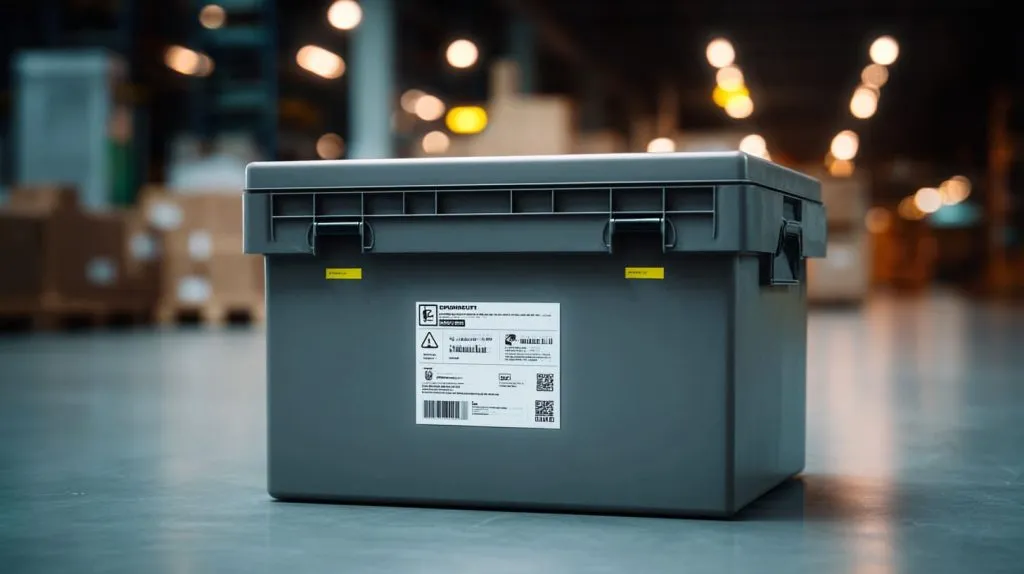
Some couriers require:
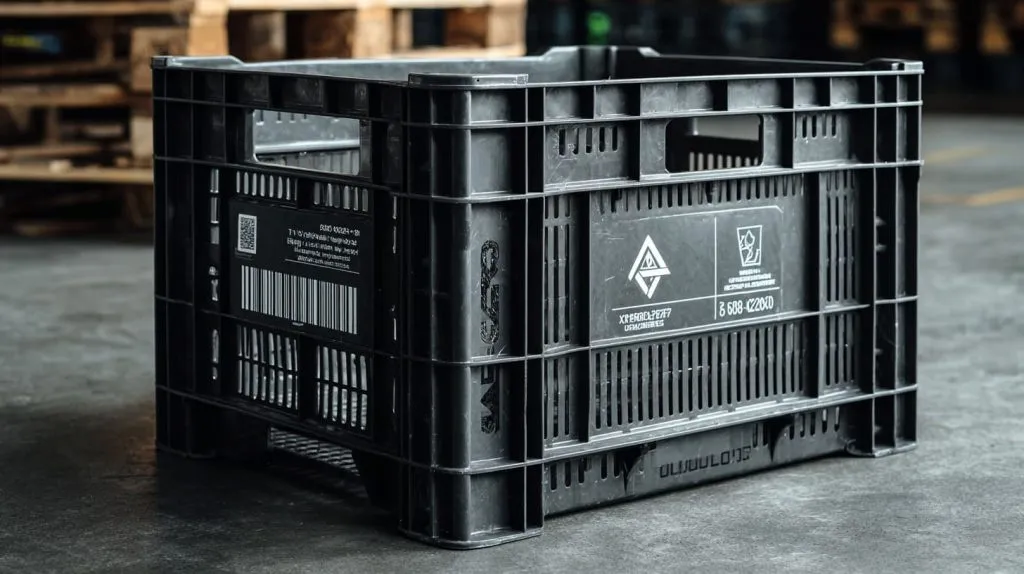
- Two side handles (for large boxes)
- Label visibility on flat surface
- Closure that won’t open under vibration
Always double-check with FedEx, DHL, or your freight forwarder. Some air routes require drop resistance testing too.
Plastic box vs cardboard box: which is better for shipping?
This is the classic question—cost vs durability.
Plastic boxes are more durable; cardboard is cheaper and lighter. The right choice depends on your product and shipping route.
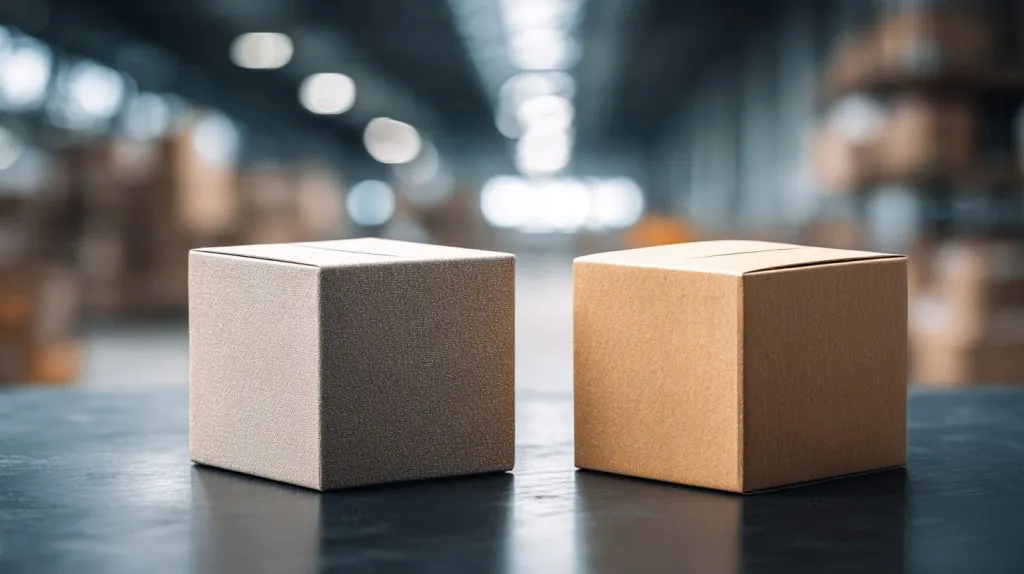
Comparison Table
| Feature | Plastic Box | Cardboard Box |
|---|---|---|
| Cost | Higher | Lower |
| Reusability | High (5+ uses) | Low (1 use) |
| Moisture Proof | Yes | No |
| Custom Inserts | Easy to mold | Needs cutting |
| Freight Stacking | Excellent | Risk of collapse |
For fragile, moisture-sensitive, or long-haul products, I go plastic. For light, low-cost items, cardboard works fine.
Can plastic boxes protect products from moisture and impact?
This one’s personal. I once had a box arrive soaked after sea freight. The acrylic inside was safe—thanks to plastic.
Yes, plastic boxes with sealed lids protect from moisture and can absorb moderate impacts.
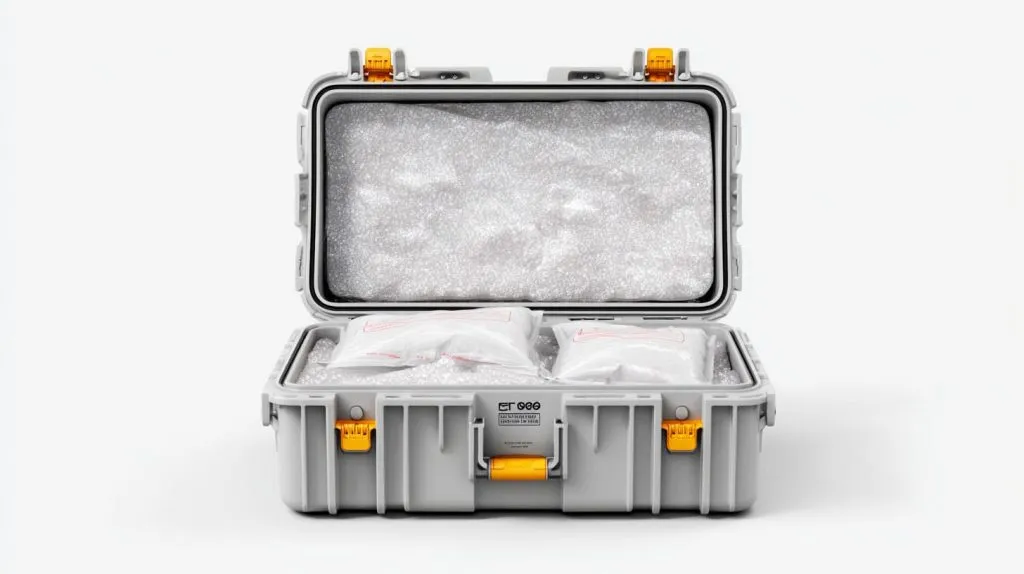
Look for these features:
- Foam-lined interiors
- Snap-lock seals or gaskets
- Reinforced walls or ribs
- Double-layer corners
If moisture is a major concern, toss in silica gel packs or use vacuum-sealed internal bags.
Are plastic boxes cost-effective for bulk or B2B shipping?
They cost more upfront—but I’ve seen long-term savings.
Plastic boxes are cost-effective in bulk if reused or if they prevent costly returns from shipping damage.
Cost Consideration Table
| Factor | Plastic Box | Cardboard Box |
|---|---|---|
| Unit Cost | $$$ | $ |
| Protection Level | High | Moderate |
| Reusable (5+ times) | Yes | No |
| Return/Damage Rates | Lower | Higher |
If you're a B2B buyer, shipping display parts or electronics—plastic pays off when reusability or product integrity matters more than cents.
How do plastic boxes perform in long-distance or sea freight shipping?
International freight is brutal. Shocks. Humidity. Stacking. I’ve seen it all.
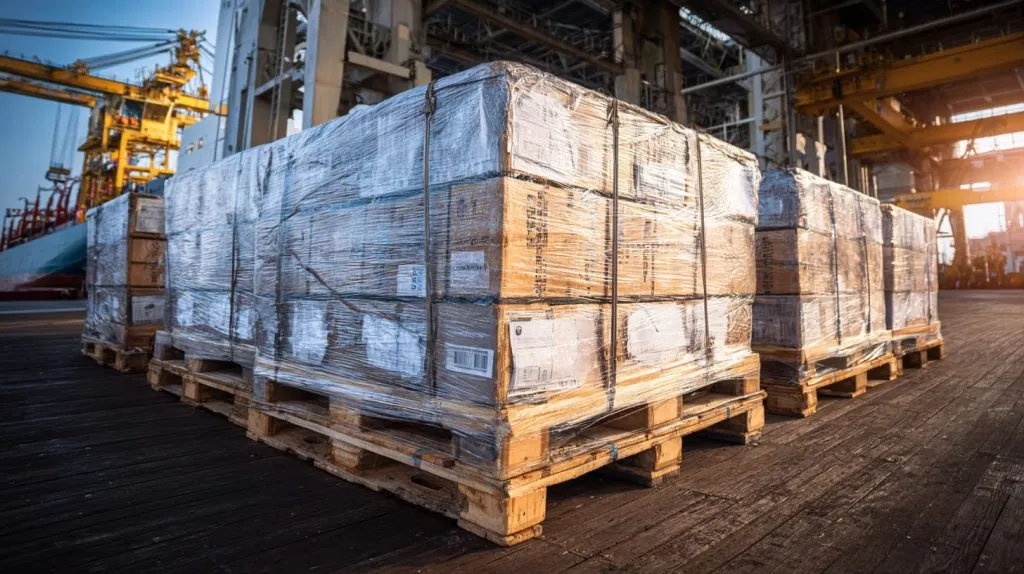
Plastic boxes perform better than cardboard in sea freight due to water resistance and stack durability.
In my experience:
- Plastic survives port rain.
- It resists deformation when stacked.
- It's easier to clean and reuse for returns.
But make sure they’re well-strapped and palletized, or even the best box won’t help.
Can custom plastic boxes reduce shipping damage rates?
Absolutely. I’ve designed boxes that halved my return rates.
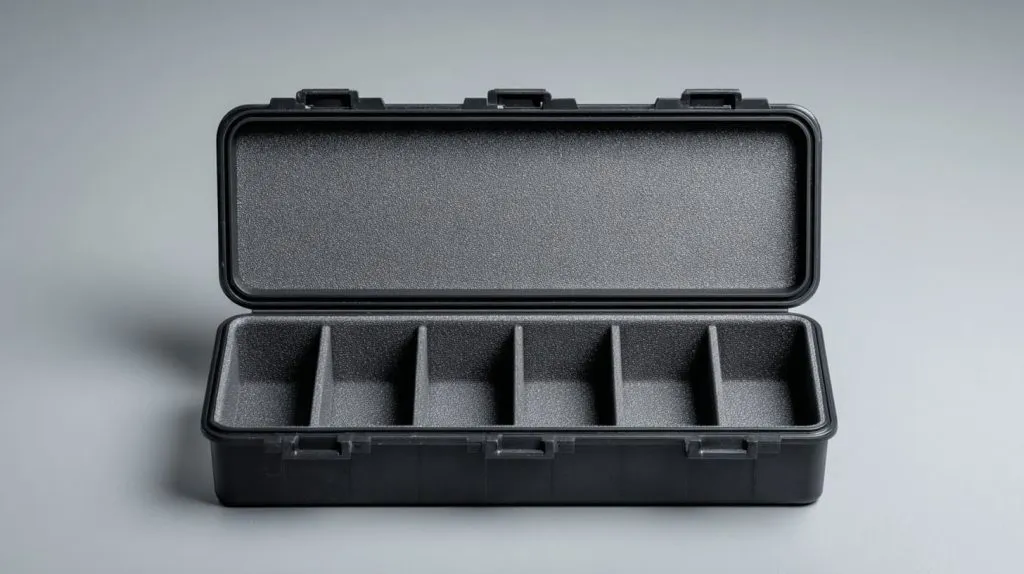
Custom plastic boxes with molded interiors or dividers greatly reduce damage during shipping.
Customization options:
- Molded foam inserts
- Dividers for small parts
- Logo branding for ID
- Tamper-evident locks
Yes, it adds cost—but if you’re shipping high-value goods, the ROI is real.
Is shipping in a plastic box compliant with export packaging standards?
This question comes up often—especially from first-time exporters.
Yes, plastic boxes can meet export standards, but must follow labeling, documentation, and fumigation-free rules.

Here’s what I usually check:
- ISPM-15 exempt (no fumigation needed for plastic)
- Weight/load labels on box exterior
- Pallet size matches container specs
- Export documents reference “plastic crate” or “HDPE box”
I’ve had zero issues with plastic exports to North America, Europe, or Asia when prepared this way.
Conclusion
Plastic boxes can be a smart, durable, and safe option for shipping—if you choose the right type and prepare carefully.