Skip to content

Finding affordable, high-quality acrylic wall panels shouldn’t feel like solving a puzzle. But between supplier options, custom requirements, and pricing tiers—it often does.
Acrylic wall panels typically cost between $10–$40 per square meter, depending on thickness, quality, finish, and customization options. Bulk orders and direct-from-China sourcing lower the cost significantly.
If you're buying for a project—especially in bulk—you probably don’t want to spend hours jumping between vague listings and endless supplier pages. So let me walk you through what I’ve learned from both sides of the supply chain.
How much do acrylic sheets typically cost?
Every buyer asks this first, and rightfully so.
Most acrylic sheets range from $10 to $40 per square meter, but custom options and thickness can push that price higher.

Thickness and finish affect cost the most
| Thickness (mm) | Type | Price (per m²) | Notes |
|---|---|---|---|
| 2mm–3mm | Extruded Clear | $10–$15 | Budget signage use |
| 4mm–6mm | Cast Clear | $15–$25 | Stronger, clearer |
| 8mm+ | Cast/Colored/Matte | $25–$40+ | Often used for décor walls |
Prices also shift if you need fire-rated, anti-scratch, or mirror finishes. I’ve seen clients pay 20% more for these—even more if they ask for rare colors.
What is a cheap alternative to acrylic sheets?
Budget constraints don’t mean you have to compromise the whole design.
Polystyrene and PVC foam boards are often used as cheaper alternatives to acrylic—but they lack the clarity, scratch resistance, and durability.
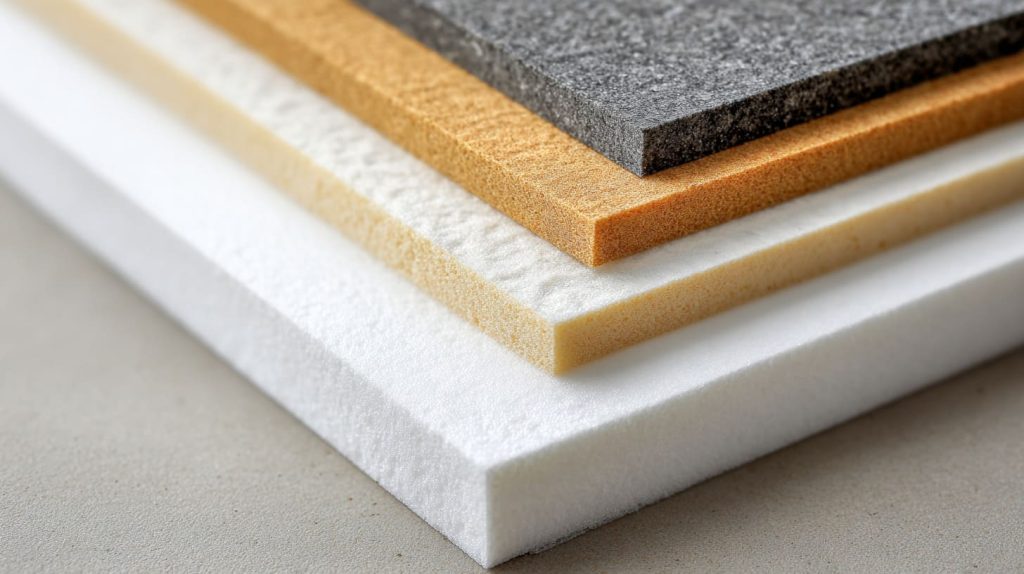
Compare alternatives side by side
| Material | Price (USD/sq.ft) | Looks Like Acrylic? | Durability | Use Case |
|---|---|---|---|---|
| Acrylic | $2.5–$3.5 | ✔️ | High | Displays, wall panels |
| Polystyrene | $1.0–$1.5 | ❌ (more matte) | Low | Temporary signage |
| PVC Foam Board | $1.2–$1.8 | ❌ | Medium | Interior decorative panels |
When customers are doing pop-up shops or exhibitions, I might suggest PVC foam to save costs. But for anything permanent or high-end, acrylic wins—every time.
Acrylic might cost a little more upfront, but it saves money in the long run—no warping, no yellowing, and better resistance to scratches and sunlight. If the client is building something for retail or long-term installs, I always say: don’t cut corners on the surface people will see first.
Where can I buy acrylic wall panels online for bulk orders?
If you're ordering small quantities, the internet is flooded with choices. But wholesale? That’s a different game.
Alibaba, Made-in-China, and Global Sources are the most common platforms for bulk orders of acrylic wall panels.

My advice after years in B2B
- Use filters like “verified supplier” or “factory direct”
- Always request a sample first—don't trust photos alone
- Ask if they support custom branding or packaging
- Confirm production lead time before payment
And if you're ordering overseas, build in shipping and customs buffer. That “fast delivery” banner can be misleading when a holiday hits the port.
What are the best wholesale suppliers of acrylic wall panels from China?
I've worked with—and competed against—many factories in this space.
Look for factories with ISO9001 certification, at least 5 years of experience, and in-house design capabilities.
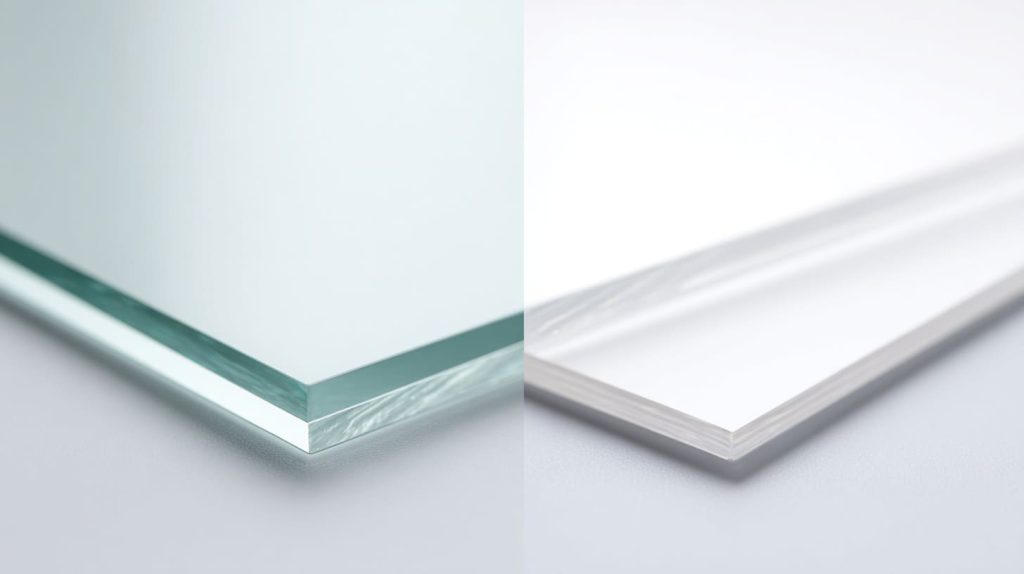
Questions I always ask suppliers
- How many production lines do you operate?
- Do you use cast or extruded acrylic?
- Can you handle OEM or ODM requests?
- What’s your MOQ and turnaround time?
At Feilong Acrylic, we’ve supported both bulk decorators and interior designers with fast-turn custom wall panels. Many come to us after getting burned by a middleman who ghosted halfway through production.
Can I source custom acrylic wall panels directly from manufacturers?
Yes—and you should if quality and cost matter.
Sourcing directly from a manufacturer lets you control design, negotiate better pricing, and reduce lead times.
What direct sourcing gets you
- Custom sizing (no waste on-site)
- Color matching or gradient blends
- Logo etching or printed designs
- Transparent QC and material traceability
I’ve seen clients save 15–20% just by cutting out the trading company and working with us directly.
What should I consider when buying acrylic wall panels for commercial vs. residential use?
Different settings mean different wear and tear.
Commercial projects require thicker, often fire-rated acrylic with higher impact resistance. Residential panels can be thinner and decorative.
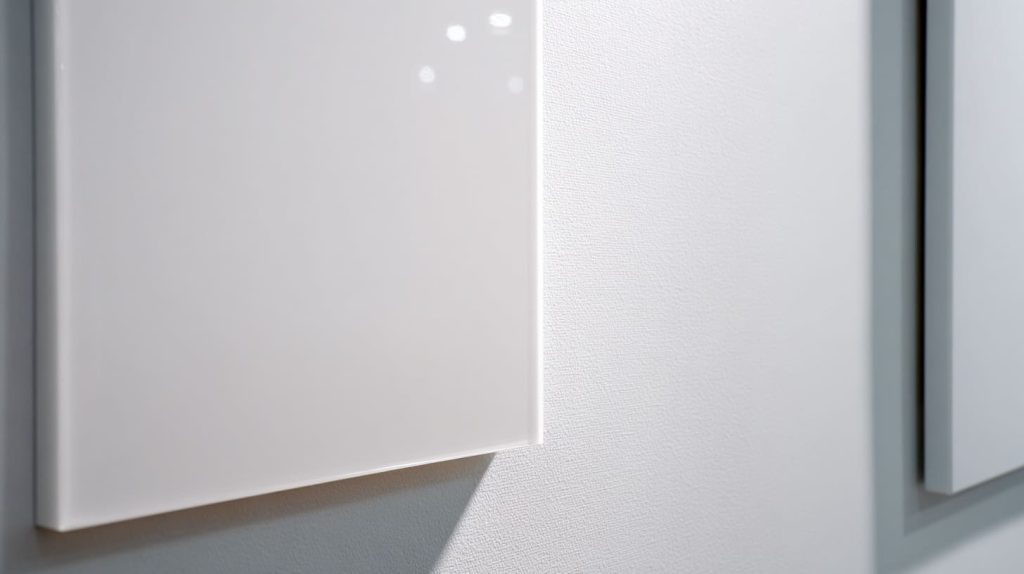
Use-based buying checklist
| Feature | Commercial Use | Residential Use |
|---|---|---|
| Thickness | 6mm–10mm | 3mm–5mm |
| Finish | Anti-scratch, matte | Glossy or printed |
| Certification | Fire-rated preferred | Not always required |
| Cleaning Resistance | High | Moderate |
If you're working with designers, let them specify the visual side. But leave performance specs to the manufacturer—you’ll avoid costly changes later.
Are there online marketplaces that specialize in decorative acrylic wall panels?
Decor-focused panels are in their own category.
Yes—platforms like DHgate, 1688.com (for Chinese buyers), and Alibaba's OEM sections carry a wide range of decorative panels.
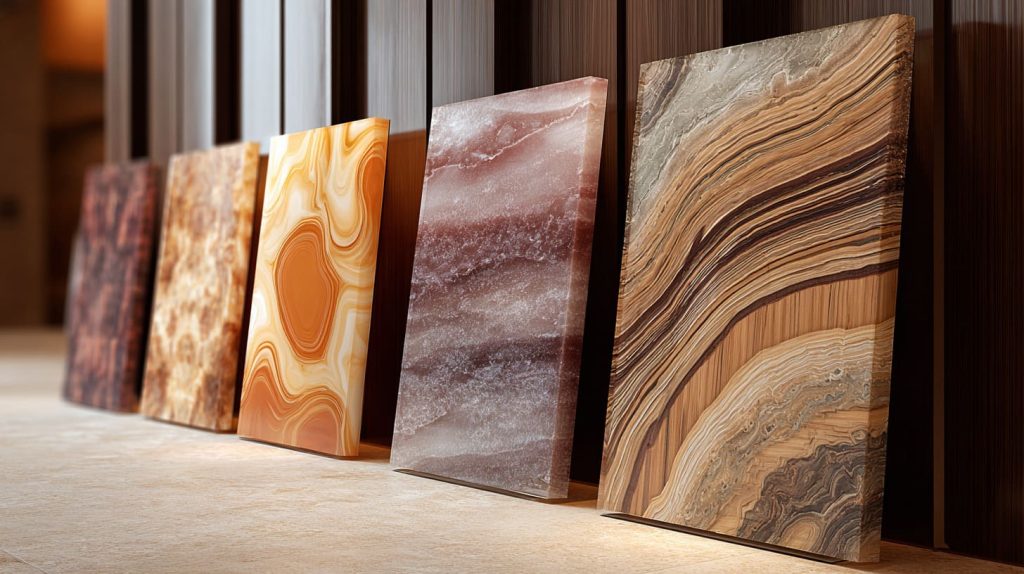
What makes a panel “decorative”?
- Unique color blends (frosted, marbled, iridescent)
- Printed patterns (wood grain, metal textures)
- CNC-milled 3D textures
These often come at a premium and require MOQ of 100–300 sqm. Designers love them, but they’re not ideal for fast turnaround unless pre-stocked.
How do I compare prices and quality when buying acrylic wall panels?
Too many listings? Start with specs.
Compare by material type (cast vs extruded), thickness, finish, origin, and shipping terms. Always ask for photos or samples.
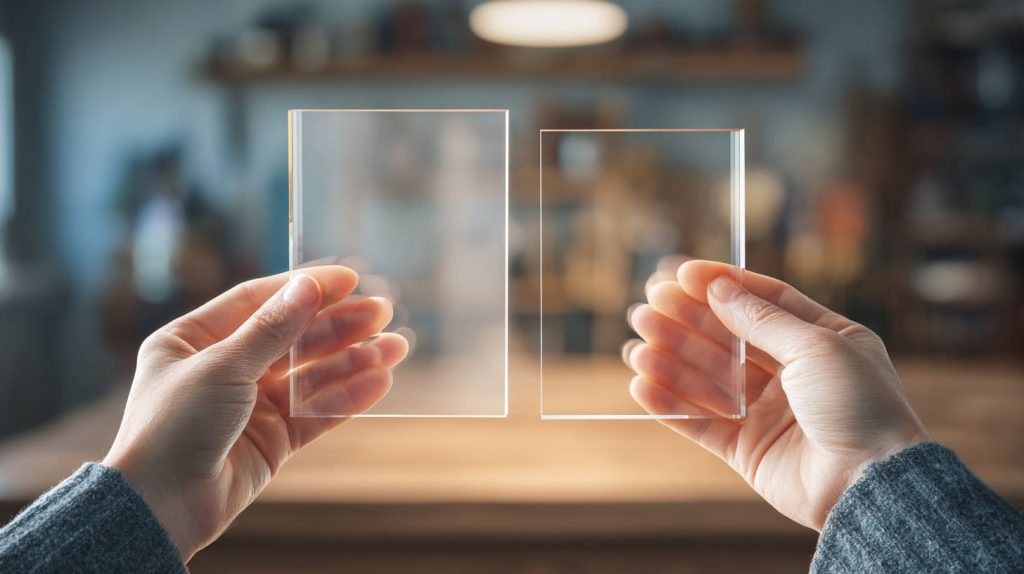
My go-to price comparison table
| Parameter | Option A | Option B | Notes |
|---|---|---|---|
| Type | Cast Acrylic | Extruded Acrylic | Cast is higher clarity |
| Thickness | 6mm | 5mm | 1mm can affect rigidity |
| MOQ | 100 pcs | 50 pcs | Higher MOQ, better rates |
| Lead Time | 15 days | 25 days | Watch factory overload |
| Unit Price | $18 | $14 | Ask what’s included |
Pricing without context is useless. Always line up your project specs first.
Is it better to buy acrylic wall panels locally or import from overseas suppliers?
It depends on your priority: speed or scale.
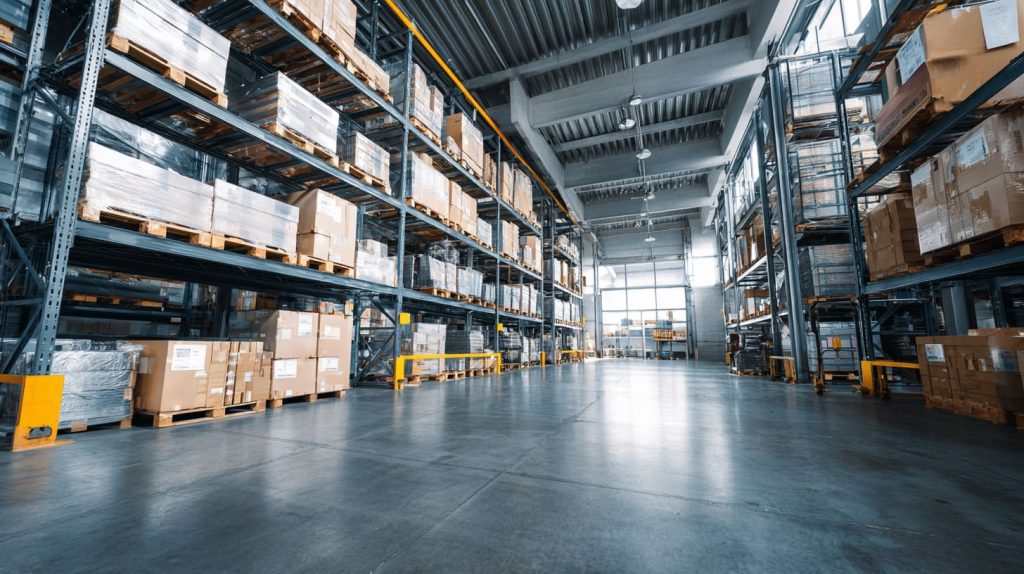
Local buying is faster but more expensive. Importing offers better customization and lower cost—but longer lead times.
Think about it like this
| Priority | Local Supplier | Overseas Factory (like ours) |
|---|---|---|
| Lead Time | 1–2 weeks | 3–5 weeks |
| Price | High (retail markup) | Lower (factory price) |
| Custom Options | Limited | Wide range |
| Support | Immediate | Time-zone delay possible |
Many of our clients import in bulk once a quarter, then store locally to meet ongoing needs.
Samples help avoid surprises later.
Architects can request samples directly from manufacturers, or browse design platforms like Architonic or Material Bank.
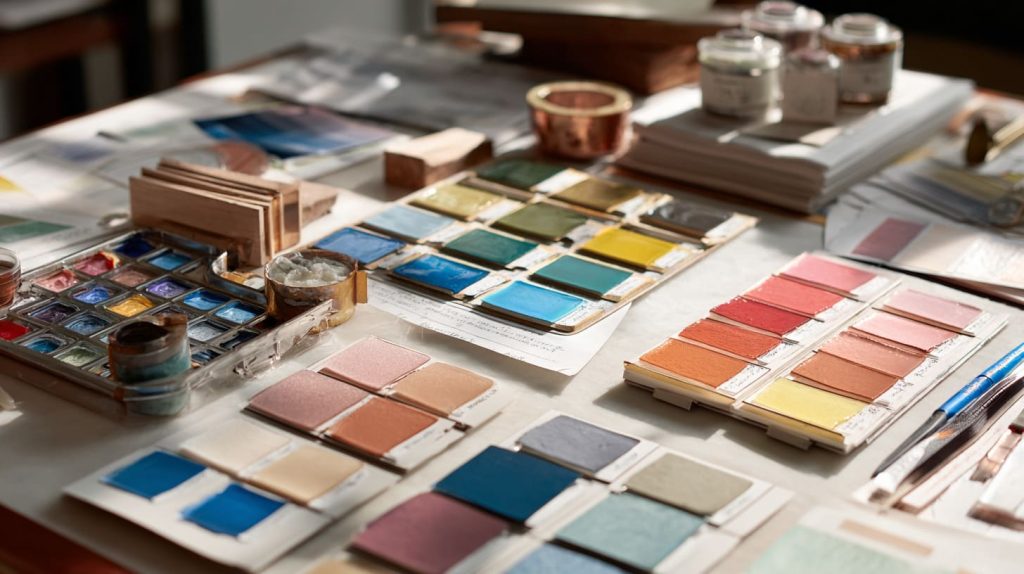
We often send custom sample kits with different thicknesses, edge finishes, and surface treatments. It costs us a bit more—but it builds trust and reduces back-and-forth.
Can I get custom‑printed acrylic wall panels from online manufacturers?
Yes—and they’re getting very creative.
Custom-printed acrylic panels are available through many OEM manufacturers who support UV printing, screen printing, or laser engraving.

Printing Options
- UV printing: Best for vivid graphics on clear or frosted acrylic
- Screen printing: Cheaper for large batches with limited colors
- Laser engraving: Adds depth, ideal for logos or patterns
We’ve done decorative acrylic walls for cafés, offices, and even gyms—where they wanted branding right on the surface.
What are reputable supplier directories to find acrylic wall panel manufacturers?
Directories save time. But not all are equal.
Alibaba, Made-in-China, Global Sources, and 1688 (domestic China) are widely used directories. Use filters to find manufacturers, not traders.

When I browse, I usually filter by:
- Years in business
- Export countries
- Certifications (ISO, GSG)
- Customization options
- Factory photos
And of course, I always message them directly to test response time and product knowledge.
Conclusion
I’ve spent over a decade helping people like Jacky find the right acrylic material—not just the cheapest. If there's one thing I’ve learned, it’s this:
Details matter.
Every cut, every polish, every bolt hole—it all adds up. And when you're sourcing from overseas, it's easy to miss something small that turns into a big headache.
That’s why I always inspect in person when I can. When I can’t, I make sure my clients work with a factory like ours—one that listens, checks, and double-checks.
Need help with sourcing or inspection?
Reach out—I’m happy to share what I’ve learned.