Skip to content
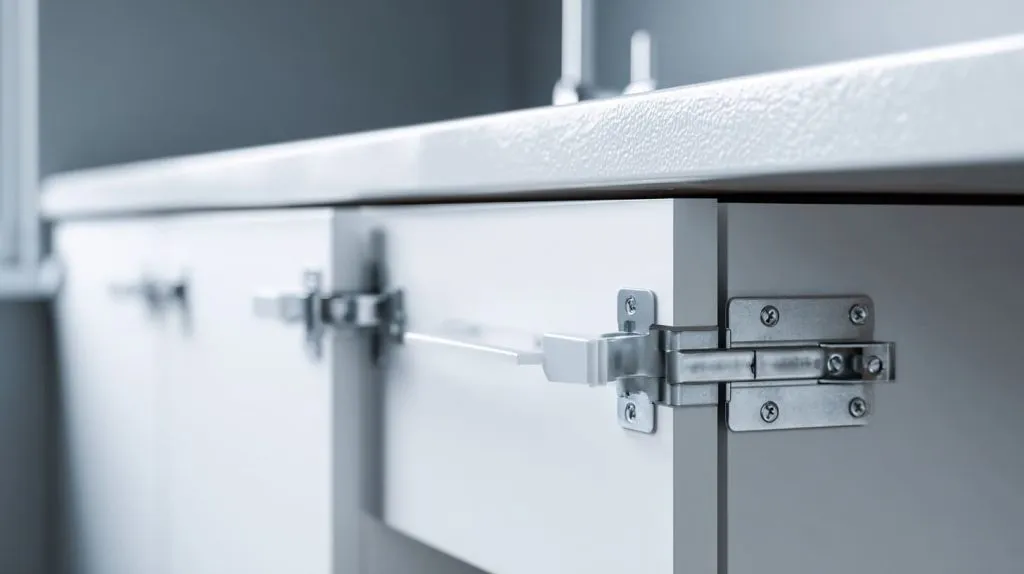
Most buyers tell me the same worry: kitchen cabinets look great on day one, then real life ruins them. Steam, oil, heavy use, and cleaning slowly test every material.
Acrylic kitchen cabinets are durable when you use good-quality sheets, proper thickness, stable substrates, and careful edge finishing; they resist moisture and daily cleaning well, but heat, sharp impacts, and poor installation can still cause scratches, warping, or fading over time.
I see this tension on almost every project: the design team wants mirror-gloss doors, the factory talks about thickness and glue, and the buyer just wants a kitchen that still looks “new” after five years of cooking.
Is acrylic good for kitchen cabinets?
Many people see acrylic first on glossy showroom doors, not in real kitchens with kids, oil, and hot pots. So they ask me if acrylic is only for “nice photos” instead of daily use.
Acrylic is good for kitchen cabinets if you pair it with a stable core like MDF or plywood, use enough thickness, and protect edges; it gives strong gloss, good stain resistance, and easy cleaning, but it is not indestructible.
When I walk through a finished project, I do not look at the color first. I look at corners, hinges, and sink areas. That is where acrylic either proves itself or quietly fails.
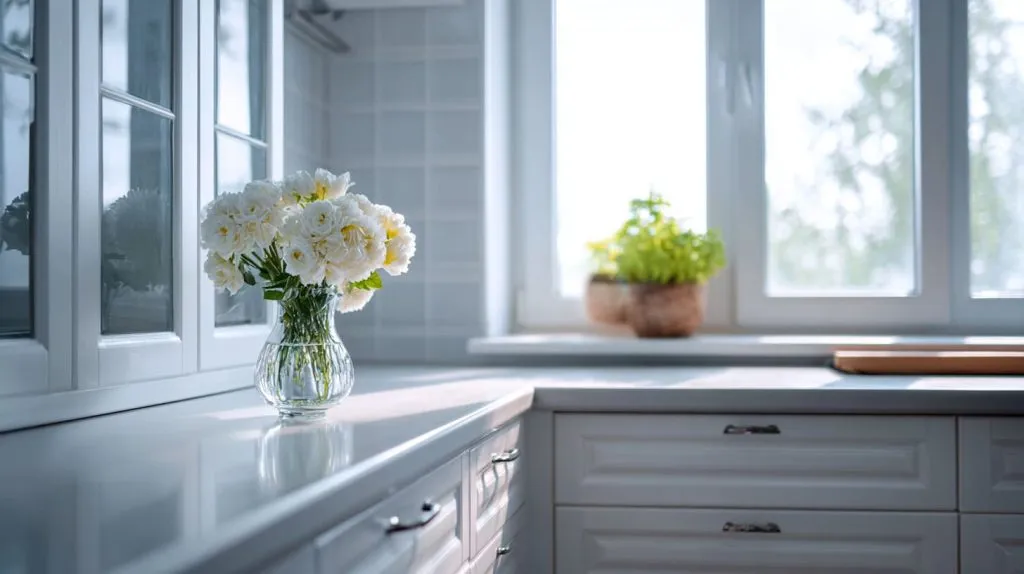
What makes acrylic “good” in a real kitchen
- Smooth, non-porous surface
- Strong color depth and gloss
- Easy to wipe with mild cleaners
- Good resistance to common kitchen stains
Simple comparison of front materials
| Property | Acrylic Front | Standard Laminate | Painted MDF |
|---|---|---|---|
| Surface gloss | Very high | Medium | High (depends on paint) |
| Stain resistance | Good | Good | Medium |
| Edge sensitivity | Medium–High | Medium | High |
| Repair difficulty | Hard for deep damage | Hard | Can repaint |
From my side as a supplier at Feilong Acrylic, I see acrylic as a good choice when the client accepts one simple idea: looks and durability depend on the whole stack, not just the shiny outer sheet.
How long do acrylic kitchen cabinets typically last?
Buyers often try to pull a number out of me: “Just tell me how many years this door can survive.” They want something simple they can write in a report.
Well-made acrylic kitchen cabinets usually last 10–15 years in normal home use, provided the acrylic sheet is thick enough, bonded to a stable core, protected from direct extreme heat, and cleaned with non-abrasive products.
When I check older projects, I care less about the calendar and more about small signs: hairline cracks near hinges, swollen edges near sinks, or cloudy patches where someone used the wrong cleaner.
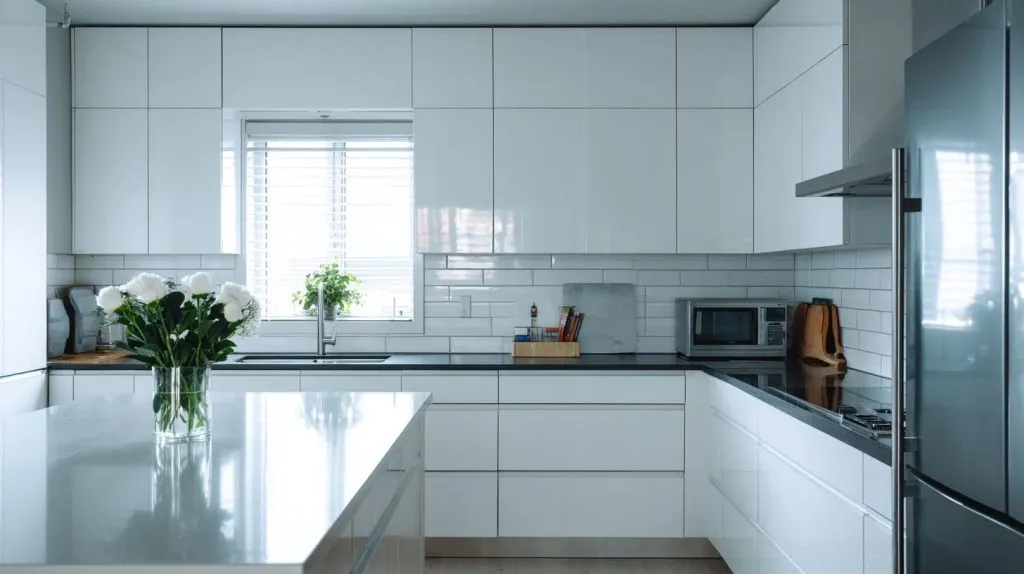
Typical lifespan in different situations
| Usage Type | Expected Lifespan (Good Build) |
|---|---|
| Normal home kitchen | 10–15 years |
| Busy family kitchen | 8–12 years |
| Light rental unit | 7–10 years |
| Heavy commercial use | 5–8 years |
Key factors that stretch or shorten lifespan
- Acrylic thickness and quality
- Quality of MDF or plywood core
- Humidity level near sink and dishwasher
- Distance from stove or oven
- How often and how hard people clean
One thing I always ask myself on projects is not “how long can acrylic last in theory,” but “how rough will the people in this kitchen be on the doors, day after day.”
Do acrylic kitchen cabinets scratch easily over time?
High-gloss doors make every small mark more visible. So the first fear from many designers is that acrylic will look tired in a few months.
Acrylic surfaces are more scratch-resistant than cheap laminates but softer than glass or ceramic; light scratches can appear from daily use, especially on dark colors, but careful cleaning and good hardware can keep the surface acceptable for many years.
In busy family kitchens, the real enemy is not one big impact. It is thousands of small contacts from rings, kids’ toys, and cleaning cloths that are not as soft as they look.
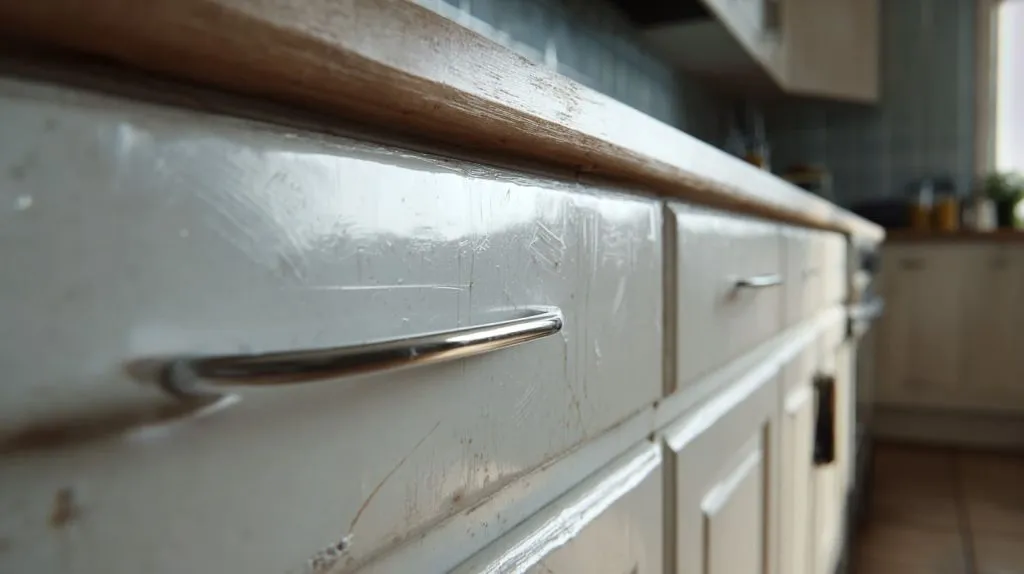
Common scratch sources
- Metal belt buckles and bag zippers brushing doors
- Rings and watches tapping near handles
- Dry wiping with dusty cloths
- Abrasive powders or scrubbing pads
Light vs deep scratches
| Scratch Type | Cause Example | Visibility | Repair Chance |
|---|---|---|---|
| Micro swirls | Daily wiping with dusty cloth | Low | Often polishable |
| Fine line marks | Fingernails, soft plastic touch | Medium | Sometimes polishable |
| Deep gouges | Knife, metal edge impact | High | Hard, may need replace |
What I pay attention to most is not if scratches will appear, but whether the clients’ cleaning habits and hardware choices will turn normal micro marks into something that looks like damage.
Which material is not recommended for kitchens?
Sometimes the right way to explain acrylic is to show what goes wrong with other materials first. Not every glossy sheet belongs next to a stove or sink.
Materials with poor heat resistance, low structural stability, or weak moisture resistance—such as cheap PVC films, unsealed particleboard, or low-density foamed panels—are not recommended for serious kitchen cabinets, especially near sinks and cooktops.
On real jobs, I see more problems from bad substrates and cheap foils than from the outer decorative layer itself.
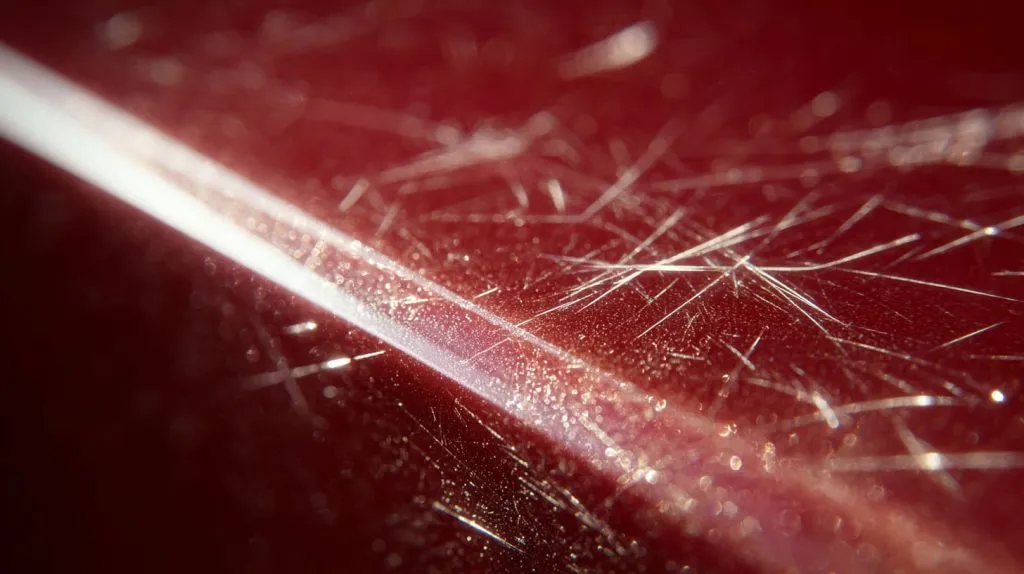
Materials that often cause trouble
- Thin PVC wrapped around sharp edges
- Raw particleboard without good sealing
- Very low-density foam boards
- Paper-based surfaces in humid zones
Typical failure modes
| Risky Material | Common Problem |
|---|---|
| Cheap PVC foil | Peeling at corners and edges |
| Raw particleboard | Swelling near water |
| Foam board | Dents and compression marks |
| Paper finish | Staining and tearing |
When I design acrylic fronts with customers, I quietly remove these weak options from the list, because saving a few dollars on the core can destroy the whole project two years later.
What type of material is best for kitchen cabinets?
This is the big debate on every project: acrylic, laminate, veneer, solid wood, or painted MDF. Each team has a favorite, and each has a different risk level.
There is no single “best” material for all kitchens; acrylic on stable MDF or plywood works very well for modern glossy designs, while high-pressure laminate, solid wood, and quality paint systems also perform well when matched to the right style and budget.
When I help buyers choose, I do not start with the sheet type. I start with how they cook, how they clean, and how much visual “aging” they accept.
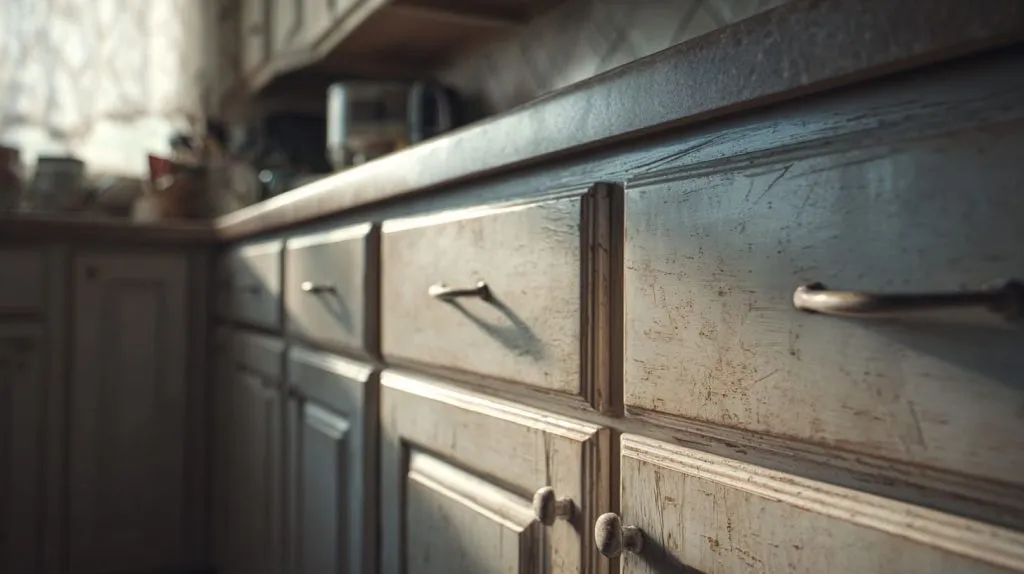
Quick comparison of common cabinet materials
| Material | Look Style | Durability (Typical) | Maintenance Level |
|---|---|---|---|
| Acrylic on MDF/plywood | High-gloss | High | Medium |
| High-pressure laminate | Matte/semi | High | Low |
| Painted MDF | Smooth colored | Medium–High | Medium–High |
| Solid wood | Natural grain | High | High |
When acrylic stands out
- Client wants deep, mirror-like glossy fronts
- Brand color needs strong, clean reproduction
- Project needs consistent color across many doors
- Edges can be handled with proper trims or bonding
For me, acrylic is often the “best” when the client really cares about glossy appearance and uniform color but is ready to respect a few rules about heat and cleaning.
How durable are acrylic kitchen cabinets compared to wood or MDF?
Many buyers compare acrylic directly with wood or MDF, as if they are all simple solid blocks. In reality, they work together more often than they compete.
Acrylic itself is a tough, impact-resistant plastic layer; when combined with good MDF or plywood cores, acrylic fronts can match or exceed the surface durability of painted MDF, but solid wood still wins in structural strength and long-term repair options.
I often think of acrylic as armor for the front surface, while wood and MDF act as the skeleton behind that armor.
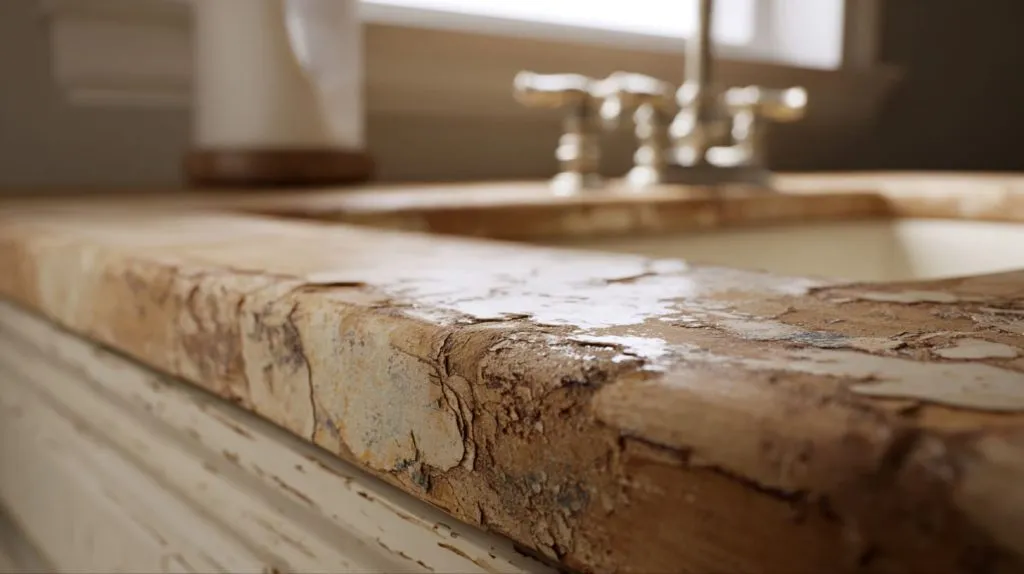
Durability comparison table
| Aspect | Acrylic Front | Painted MDF | Solid Wood |
|---|---|---|---|
| Surface hardness | Medium–High | Medium | Medium |
| Impact resistance | Good | Medium | High |
| Moisture sensitivity | Low (sheet) / core-dependent | Core-dependent | Medium (needs sealing) |
| Repair flexibility | Limited for deep marks | Repaint possible | Sand and refinish |
Where acrylic beats and where it does not
- Better color and gloss consistency than wood
- More stable surface than many paints in humid air
- Less flexible than solid wood for deep repair
When I choose between these for a project, I do not ask which material wins on paper; I ask which failure mode the client is more willing to live with: a scratch on acrylic, a paint chip, or a dent in wood.
Are acrylic kitchen cabinets resistant to heat and moisture?
Kitchens are full of steam, hot oil, and sudden temperature changes. So resistance to heat and moisture is not a “nice to have,” it is basic survival.
Acrylic sheets handle normal kitchen humidity and occasional splashes very well, but they should be kept away from direct high heat sources like open flames or very hot pans; the core material and edge sealing decide how well the whole door resists long-term moisture.
When I look at a drawing, the first place I check is always the oven and sink area, because that is where heat and water quietly attack the cabinet structure.
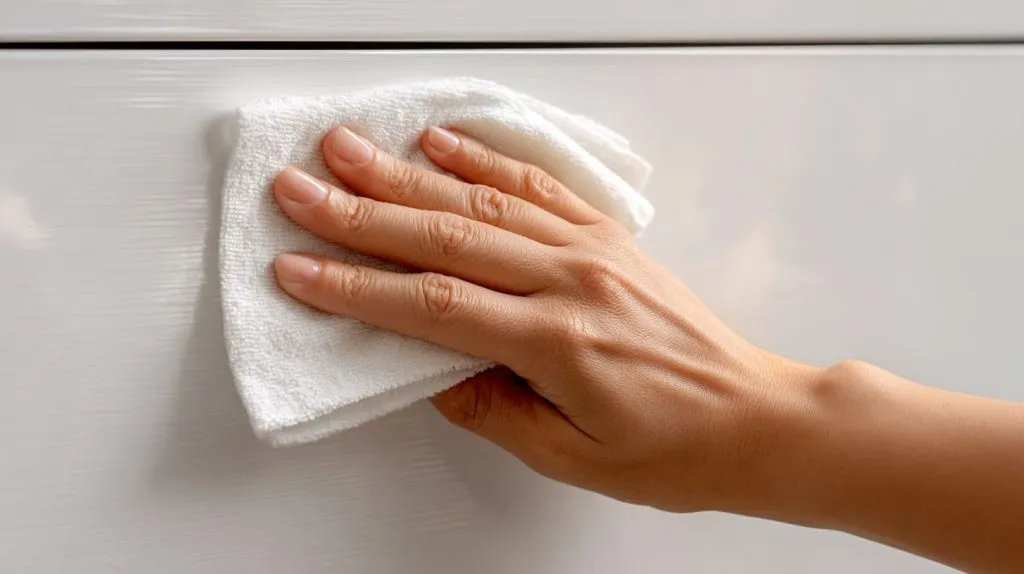
Heat and moisture behavior overview
| Condition | Acrylic Sheet | MDF Core | Plywood Core |
|---|---|---|---|
| Normal room humidity | Stable | Stable | Stable |
| Steam near kettle or pot | Stable | Needs sealing | Needs sealing |
| Direct contact with very hot pan | Risk of damage | N/A | N/A |
| Constant water leakage | Sheet ok, core at risk | Swelling | Better, but still at risk |
Design tips around heat and moisture
- Keep doors slightly spaced from oven fronts
- Use heat-shield strips where needed
- Seal all cut edges cleanly
- Use better core material near sinks
On projects with very heavy cooking, I treat the area right next to the stove and sink like a danger zone and add small protective details instead of trusting any material blindly.
Do acrylic kitchen cabinets fade or turn yellow after years of use?
Color stability is a sensitive topic, especially for white and light gray kitchens. Buyers worry that their “clean white” will turn into “old cream” after a few summers.
Good-quality, UV-stable acrylic resists yellowing and fading for many years indoors, especially in modern formulations; cheaper or non-stabilized sheets may slowly shift color under strong sunlight, so material choice and supplier quality control matter a lot.
When I review samples from different factories under daylight, I often see tiny color shifts that do not show under warm indoor light, and that is where long-term yellowing usually starts.
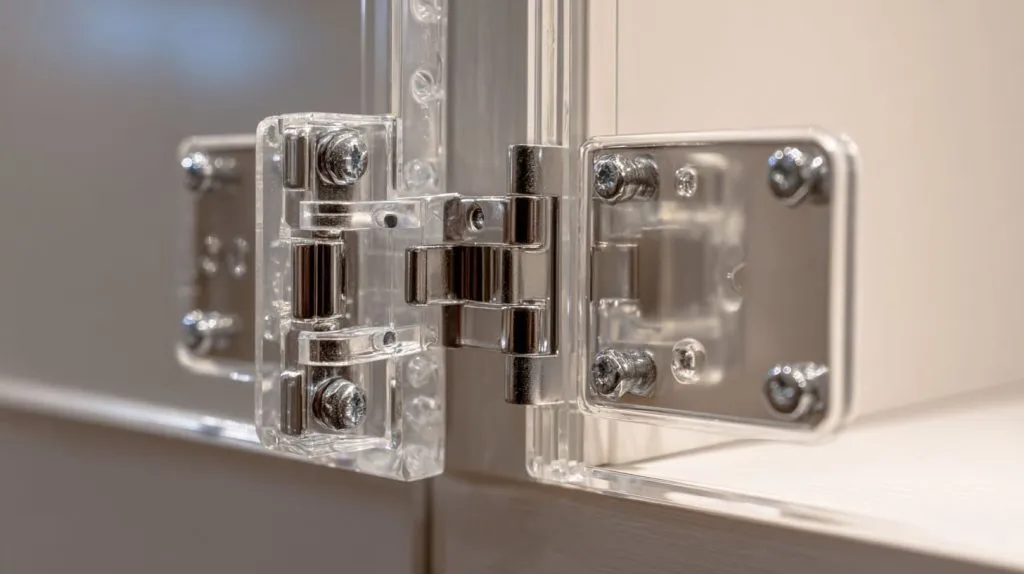
Main reasons for fading or yellowing
- Low-grade acrylic without UV stabilizers
- Strong direct sunlight through big windows
- Chemical reaction from harsh cleaners
- Heat build-up behind dark glossy fronts
How I think about color stability
| Factor | Low Risk Choice | Higher Risk Choice |
|---|---|---|
| Sheet source | Certified, branded acrylic | Unknown low-cost supplier |
| Color | Medium tones, soft neutrals | Pure bright white, neon |
| Sun exposure | North-facing, shaded windows | Large south-facing glass |
For clients who want pure white or very bright colors, I always push for higher-grade acrylic and more careful sample checks, because color disappointment is one of the hardest problems to fix after installation.
Are acrylic kitchen cabinets suitable for high-traffic or commercial kitchens?
Home kitchens and commercial kitchens behave very differently. In a restaurant, doors and drawers move like machine parts: fast, often, and with little gentle care.
Acrylic cabinets can work in high-traffic or light commercial kitchens if you use thicker sheets, strong cores, reinforced hardware, and accept more visible wear over time; for very heavy industrial kitchens, metal or special laminates are usually safer.
When I talk with clients about cafés or show kitchens, I always ask how many people will touch those doors each day, not just how the 3D render looks.
Suitability by kitchen type
| Kitchen Type | Acrylic Suitability | Notes |
|---|---|---|
| Normal home | Very suitable | Good mix of looks and durability |
| Busy family | Suitable | Expect more fine scratches |
| Café / bakery front area | Suitable | Great for display, protect edges |
| Heavy restaurant back | Limited | Consider steel or special laminates |
Design tweaks for high-traffic use
- Use thicker acrylic on doors
- Add edge protection with profiles
- Choose stronger concealed hinges
- Keep doors away from trolley paths
For front-of-house and display areas, I like acrylic a lot; for hot, crowded back kitchens with trolleys and heavy pans, I lean toward materials that can take more abuse without showing every scar.
What thickness of acrylic is best for durable kitchen cabinets?
Thickness is one of the questions I receive most from designers. Too thin feels cheap and fragile; too thick raises cost and weight.
For most kitchen cabinet fronts, 1.5–2.0 mm of quality acrylic laminated onto MDF or plywood is a common and reliable choice; very high-end projects may use 3.0 mm or more, while anything below 1.0 mm feels risky in hard use.
When I check a sample door in my hand, I do not just look at the number on the spec sheet; I bend the edge slightly and listen to how solid it feels.

Typical acrylic thickness options
| Acrylic Thickness | Use Case Example | Comment |
|---|---|---|
| 0.8–1.0 mm | Very budget projects | Higher dent and wave risk |
| 1.5–2.0 mm | Standard mid- to high-end kitchens | Good balance of cost and feel |
| 3.0 mm+ | Premium, large doors or panels | Heavy, needs strong hardware |
How thickness affects performance
- Thicker sheets hide small core imperfections better
- Thicker surfaces feel more “solid” when touched
- Very thick acrylic increases door weight and hinge load
On real orders for Feilong Acrylic, I like to stay in the 1.5–2.0 mm range for most residential fronts, unless a special design or size truly demands more.
How do high-gloss acrylic kitchen cabinets hold up against daily cleaning?
High-gloss doors look stunning in showrooms. In real kitchens, they meet fingerprints, oil mist, and cleaning cloths that are seldom perfectly clean.
High-gloss acrylic cabinets handle daily cleaning well with soft cloths and mild detergents; the finish stays bright for years if you avoid abrasive powders, rough sponges, and solvent-based cleaners that can dull or scratch the surface.
When I visit completed projects, I can often tell the cleaning habits of the home just by looking at the reflections in glossy doors.
Simple cleaning guideline
- Use soft microfiber cloths
- Use mild dish soap in warm water
- Dry with a clean, soft towel
- Avoid abrasive powders and pads
Cleaners to avoid
| Cleaner Type | Risk |
|---|---|
| Abrasive cream | Micro scratches, dull finish |
| Strong solvent sprays | Surface clouding or cracks |
| Powder cleaners | Swirl marks |
For clients who hate fingerprints but love gloss, I often suggest slightly lighter colors and better lighting, because that combination hides small marks better than any “special” cleaner can.
Are acrylic kitchen cabinets prone to cracking or warping?
Cracks and warps are the failures that scare buyers the most. They feel like structural problems, not just cosmetic ones.
Quality acrylic sheets do not crack or warp easily under normal indoor conditions, but poor bonding, thin sheets, weak cores, or strong localized heat can cause stress, leading to cracks around hinges or slight warping on large doors.
When I review a complaint about warping, I almost always find the root cause in the construction details, not in the acrylic sheet itself.
Common reasons for cracking
- Over-tightened screws near hinges
- Sharp inside corners without radius
- Impact at cold temperatures
- Stress from uneven bonding glue
Common reasons for warping
| Cause | Typical Symptom |
|---|---|
| Thin core or sheet | Door bows slightly outward |
| One-sided lamination only | Curved door over time |
| Strong heat on one side | Twist near appliances |
On large, tall doors, I try to control door size, core stability, and hardware quality together, because relying on acrylic alone to stay perfectly flat is not realistic.
What factors affect the durability of acrylic kitchen cabinets?
Durability is never about one single parameter. It is the sum of many small decisions across design, material choice, and daily use.
The durability of acrylic kitchen cabinets depends on acrylic sheet quality, thickness, substrate type, bonding method, edge sealing, hardware strength, room humidity, heat sources, cleaning habits, and how heavily the kitchen is used over its lifetime.
When I judge a new project, I do not ask “Is acrylic strong enough?” but “Have we made enough good decisions so acrylic can show its strengths instead of its weak points?”
Main technical factors
- Acrylic grade and color stability
- Sheet thickness and manufacturing quality
- MDF or plywood core density and sealing
- Adhesive type and press conditions
- Edge banding and trimming quality
Use and maintenance factors
| Factor | Better Choice | Risky Choice |
|---|---|---|
| Cleaning habit | Soft cloth, mild soap | Abrasive powders, rough pads |
| Heat source placement | Doors offset from oven and hob | Doors tight to hot surfaces |
| Humidity control | Good ventilation, no leaks | Chronic leaks, trapped steam |
| User behavior | Calm, careful handling | Slamming, kicking, tool impacts |
In my work at Feilong Acrylic, the projects that age best are not the ones with the thickest sheets, but the ones where the designer, buyer, and factory all respected these small factors from the start.
Conclusion
I like acrylic kitchen cabinets because they reward careful design and honest expectations: when we choose good sheets, stable cores, and simple cleaning habits, they stay beautiful for many years. If you want to explore custom acrylic fronts for your next project, you can always reach me and my team at Feilong Acrylic through flacrylic.com or info@xflacrylic.com to talk through real-world options, not just showroom photos.