Skip to content
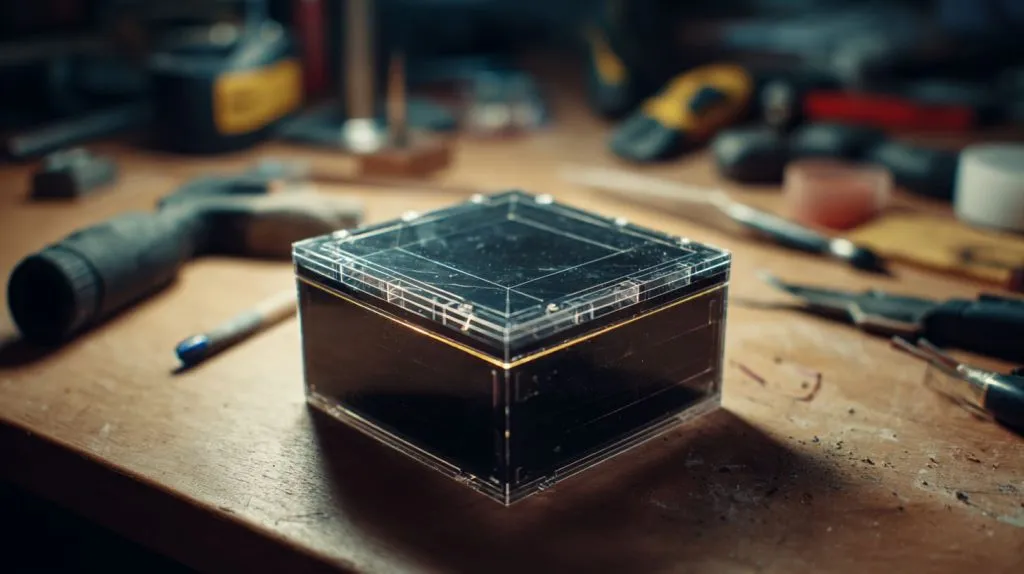
A plastic project box sat on my bench, marked neatly with tape and pencil lines. The layout looked good. But as soon as I started cutting the square hole, things went sideways—melting edges, chipped corners, and frustration piling up faster than the plastic dust.
To cut a square hole in plastic, score or drill pilot holes at corners, then use a jigsaw, Dremel, or file to shape the edges cleanly.
It seems easy until the plastic starts melting, cracking, or fighting back. But with a steady hand and a few right tools, clean square cuts are absolutely within reach.
How to cut a square hole in ABS plastic?
ABS is strong, but it behaves differently under stress. You can't just attack it with brute force.
The best way to cut a square in ABS is by marking, drilling corner holes, and finishing the shape with a jigsaw or fine-toothed saw.
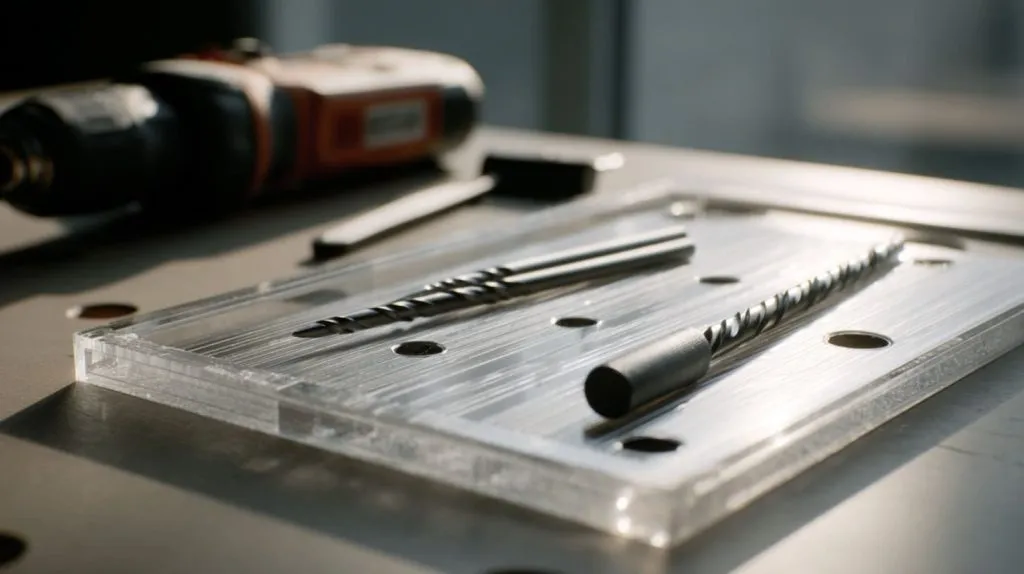
Tools that work well for ABS:
| Tool | Use Case | Notes |
|---|---|---|
| Drill | Start with corner holes | Go slow, use sharp bits |
| Jigsaw | Cut between drilled corners | Use fine blade, low speed |
| File | Smooth edges and fine-tune shape | Prevents cracking |
I've used all three when building small enclosures. With ABS, patience is key. Rush it, and it’ll crack.
What is the best tool to cut a hole in plastic?
Honestly, it depends on the type of plastic and hole shape.
For square holes, a Dremel, fine jigsaw, or utility knife (for thin plastic) are the most reliable tools.
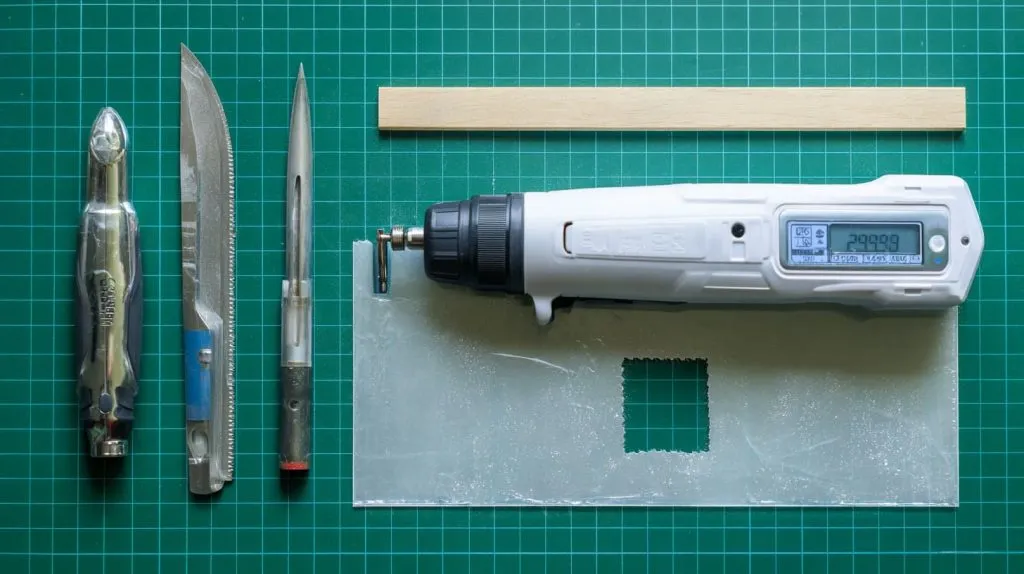
For thinner sheets, I’ve had success using a utility knife and a metal ruler. For anything thicker than 3mm, a rotary tool or jigsaw saves time—and your nerves.
How to cut a hole in plastic without a drill?
I’ve been caught without a drill more times than I care to admit. It’s doable—just slower.
You can cut a hole without a drill using a heated needle, utility knife, or rotary tool.
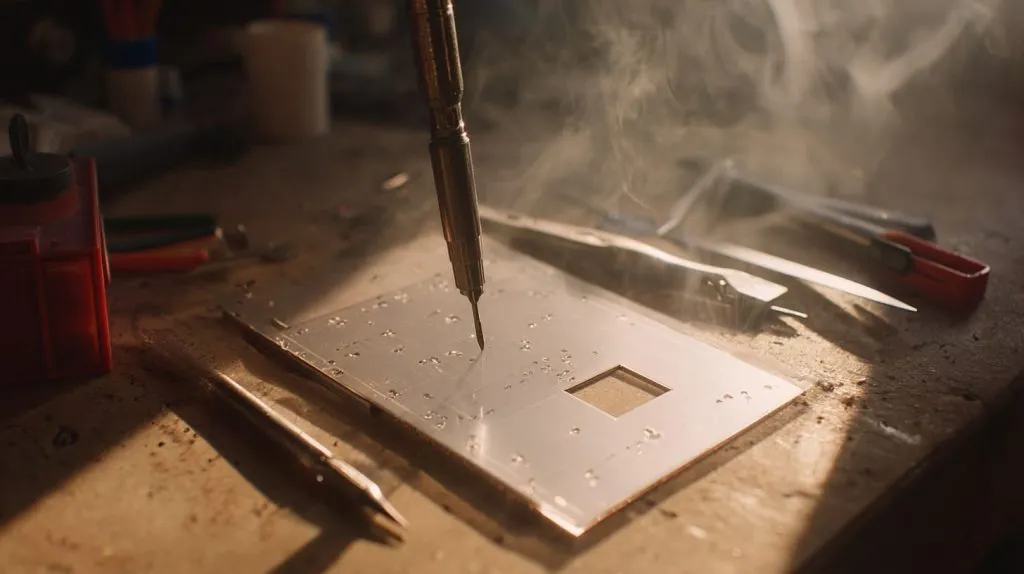
Be careful with heat though. Plastic melts fast, and fumes aren’t exactly healthy. I once used a soldering iron to trace a shape—it worked, but the smell stuck in the room for days.
Should you drill plastic fast or slow?
Speed matters more than people think.
Always drill plastic slowly with light pressure to avoid cracking or melting.
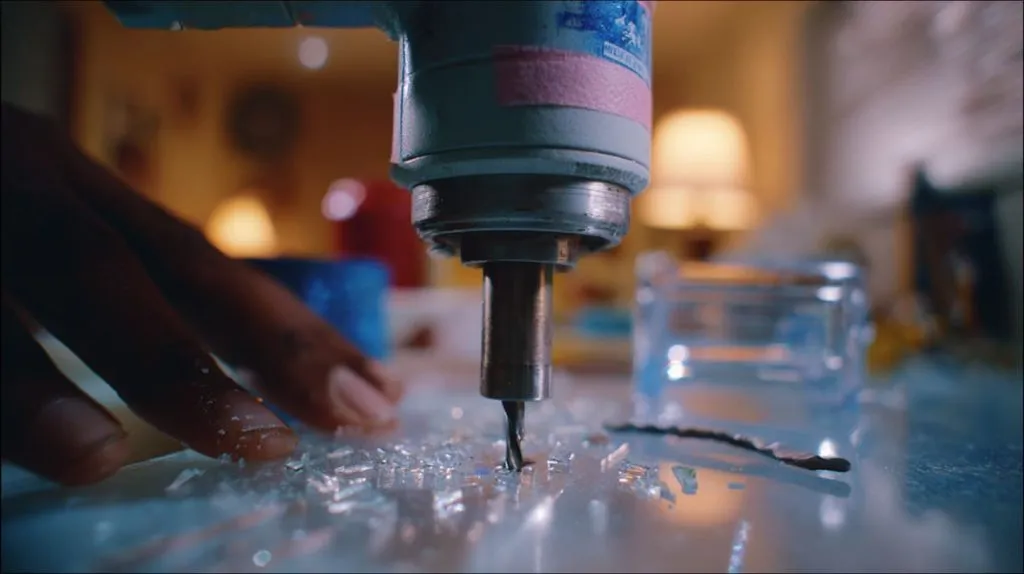
When I see new buyers in the workshop, their instinct is to speed up the drill. But plastic needs time. Too fast, and the bit overheats, melts the edges, or grabs and shatters the material.
Will a Stanley knife cut plastic?
It depends on what kind of plastic—and how thick it is.
Yes, a Stanley knife can cut thin plastic sheets like PET or acrylic under 2mm.
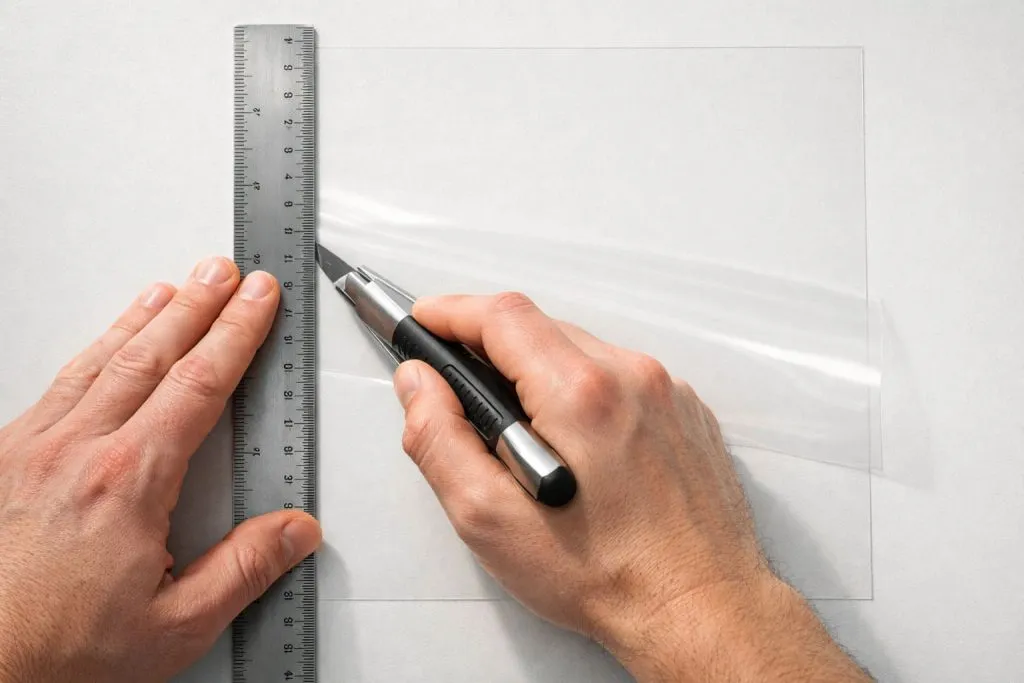
I’ve used it to score lines in plastic packaging or signage sheets. But don’t force it. Make several light passes instead of one deep cut. Slow and steady wins this race.
What drill bit is best for plastic?
Regular bits can work, but there’s a better choice.
Use step drill bits or brad point bits for plastic—they’re cleaner and safer.
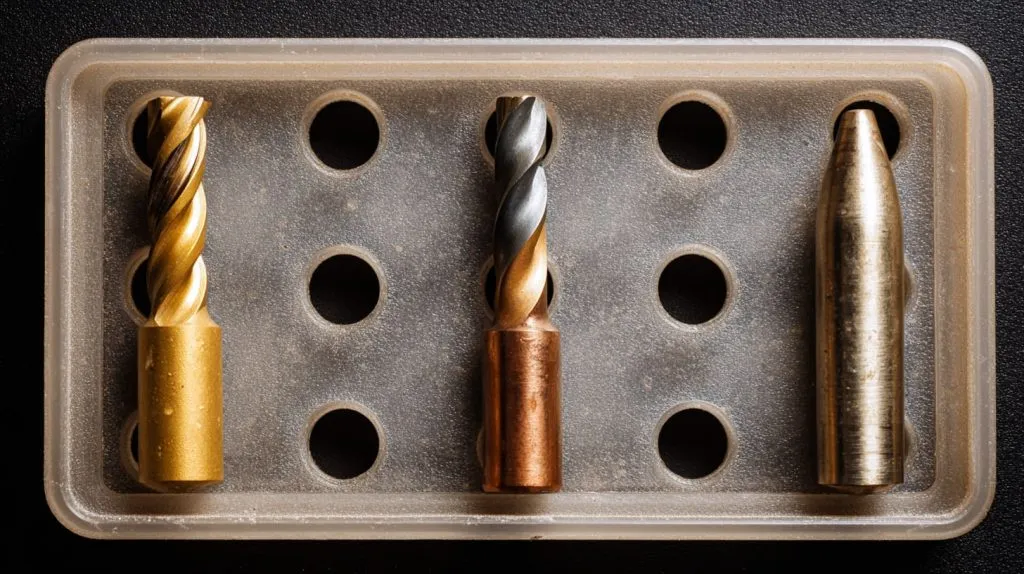
Comparison of Common Bits:
| Bit Type | Performance on Plastic | Risk Level |
|---|---|---|
| Twist Bit | OK, but chips and grabs | Medium |
| Step Drill Bit | Clean, controlled entry | Low |
| Brad Point Bit | Excellent for accuracy | Low |
Step bits are a personal favorite for quick panel holes. No cracking. Just smooth entry.
Can you use a Dremel or drill to make a square hole in plastic?
Definitely, with the right approach.
Yes, a Dremel or drill can be used by first creating pilot holes, then shaping the square with burrs or cutting wheels.
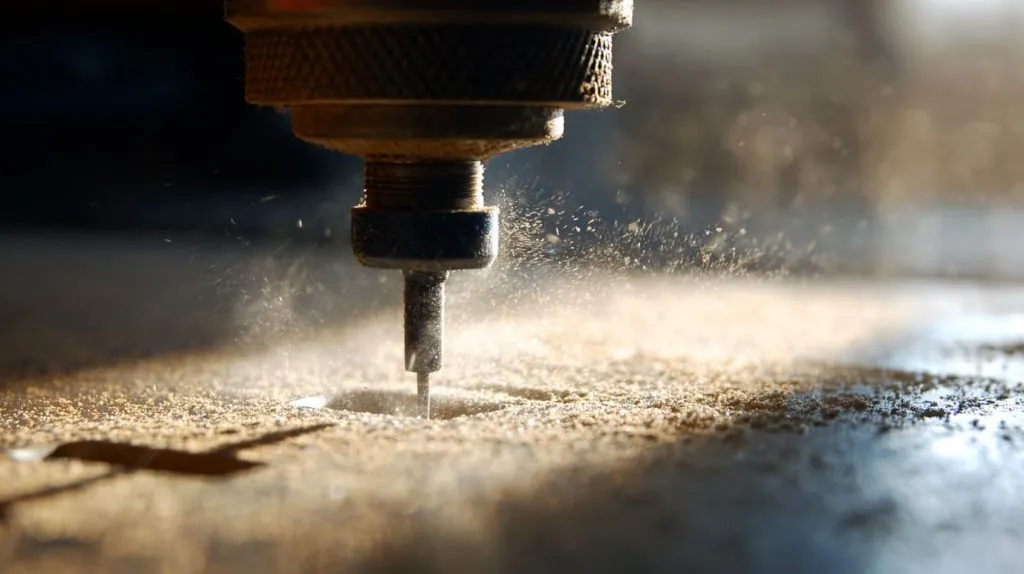
A Dremel shines when you’re shaping tight corners or curves. Use it gently, in short bursts. Don’t press too hard or you’ll melt the plastic or wear down the bit fast.
What’s the safest way to cut square holes in clear plastic panels?
Clear plastic shows every mistake—scratches, burn marks, everything.
The safest method is scoring and snapping thin panels, or using a jigsaw with masking tape for thicker ones.

Covering the cut area with masking tape helps avoid scratches and cracks. I always test on a scrap piece first—it saves a lot of pain.
What’s the difference between laser cutting and CNC for plastic hole making?
Both work great, but they serve different needs.
Laser cutting is precise and fast for thin sheets, while CNC excels at complex, thicker plastic machining.
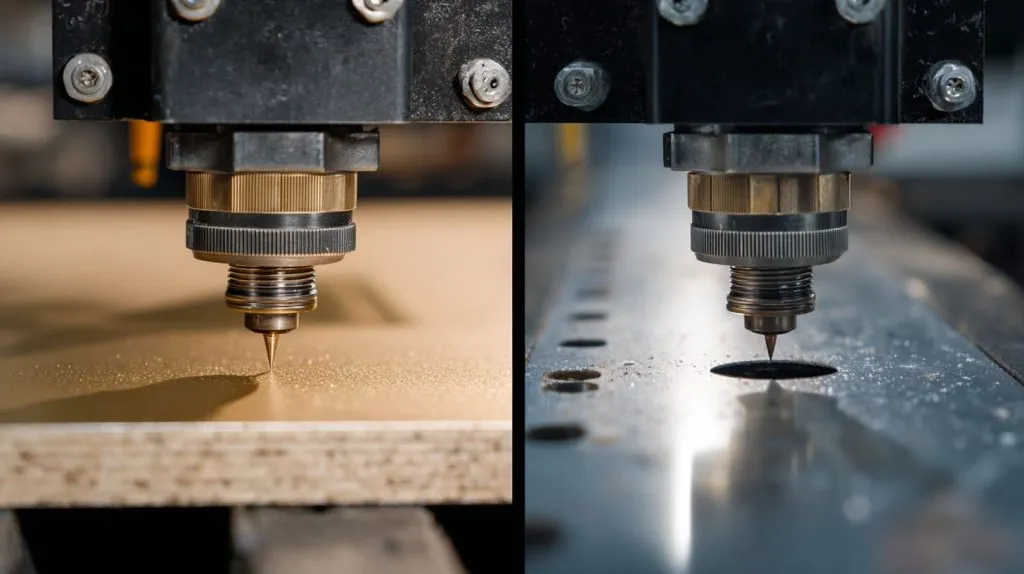
Quick Comparison:
| Feature | Laser Cutting | CNC Cutting |
|---|---|---|
| Thickness Limit | Up to 10mm (cleanest below 5mm) | 10mm+ is no problem |
| Edge Finish | Smooth, sometimes glossy | Depends on bit |
| Setup Time | Low for basic cuts | Higher for complex parts |
When I do bulk production for display panels, I prefer CNC for flexibility. But for signage or logos? Laser wins every time.
How to avoid melting edges when cutting square holes in plastic?
It’s all about controlling heat and friction.
Use sharp tools, go slow, and pause often to cool the material.
I’ve learned this the hard way. Melted edges not only look bad—they're harder to file cleanly. A simple tip: blow air or pause cutting every 10 seconds. It helps more than you'd expect.
Is it possible to cut square holes in thick acrylic sheets at home?
Yes—but gear up and take your time.
You can cut thick acrylic sheets at home with a jigsaw, router, or even hand files for finishing.
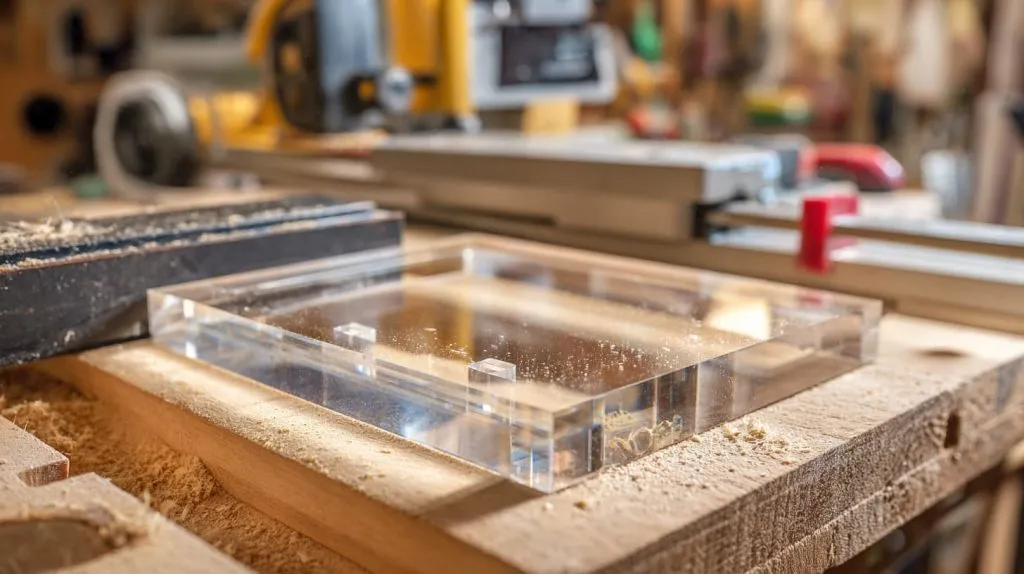
Acrylic feels strong, but under stress it chips easily. I always clamp the sheet tight and tape the surface to avoid chipping. Don’t forget protective glasses—chips can fly.
Conclusion
Cutting square holes in plastic isn't magic—it’s a mix of the right tools, steady hands, and patience. Take your time, test first, and you’ll get clean results.