 Skip to content
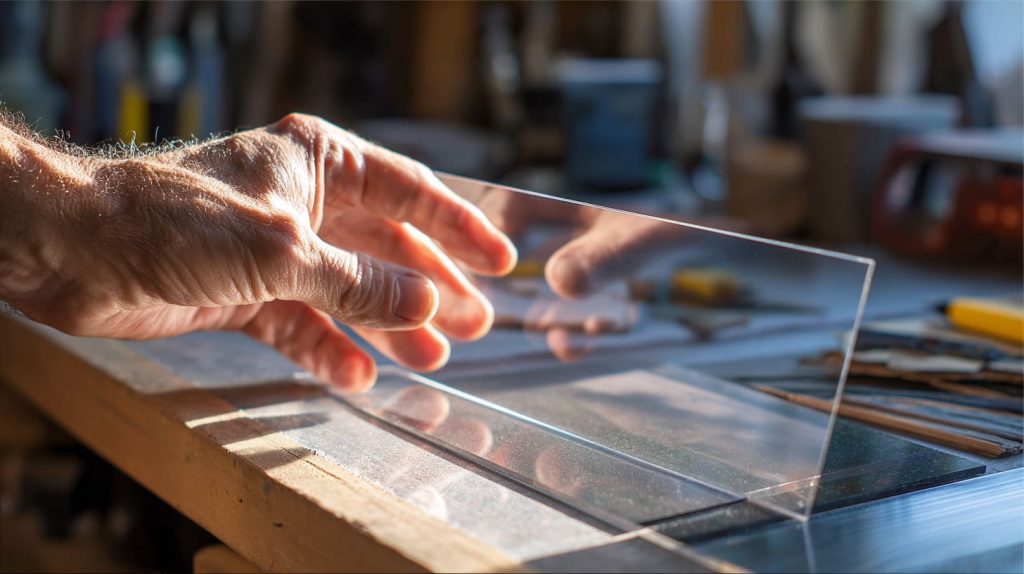
Recycled acrylic starts sounding important the moment a clean-looking sample turns into a harder question.
I see that shift often when a designer sends a drawing, a buyer asks about greener material choices, or a project team begins talking about sustainability right before sample approval. The first question sounds simple enough: Can we use recycled acrylic instead of virgin PMMA? But that question rarely stays simple for long.
I understand why.
Nobody wants a material that sounds responsible in a meeting but creates trouble on the factory floor. Nobody wants to approve a clear panel that later shows haze, unstable color, or poor edge polish. And nobody wants to explain to a customer why the “better” material suddenly caused more waste, more checking, or more complaints.
That is why recycled acrylic is getting real attention now. Brands want lower-impact materials. Buyers want better answers. Designers want options that still look good. Factories want something workable, not just something that looks good in a presentation slide.
I have had versions of this conversation with buyers like Jacky many times. He already knows acrylic well. He is not asking basic questions. He is asking the harder ones. Can recycled PMMA still hold the same look? Can it pass the same quality check? Can it stay stable in production?
That is where the real discussion begins.
When I look at recycled acrylic, I do not treat it as a simple “green upgrade.” I treat it as a material choice with trade-offs. Some of those trade-offs are small. Some of them sit quietly until mass production starts. Then they become expensive.
What matters to me most is not whether recycled acrylic sounds good on paper. What matters is whether it works in real products, with real tolerances, real finishing, and real buyer expectations.
That is the ground I want to cover here. I want to look at what recycled acrylic really is, how it is made, where it works well, where it struggles, and how I think buyers and designers should judge it before moving into production.
A lot of people only see the word recycled. I think the smarter move is to ask what happens after cutting, polishing, printing, packing, shipping, and daily use. That is usually where the truth shows up.
And once that question is on the table, the next step is obvious: we need to define what recycled acrylic actually means.
What Is Recycled Acrylic?
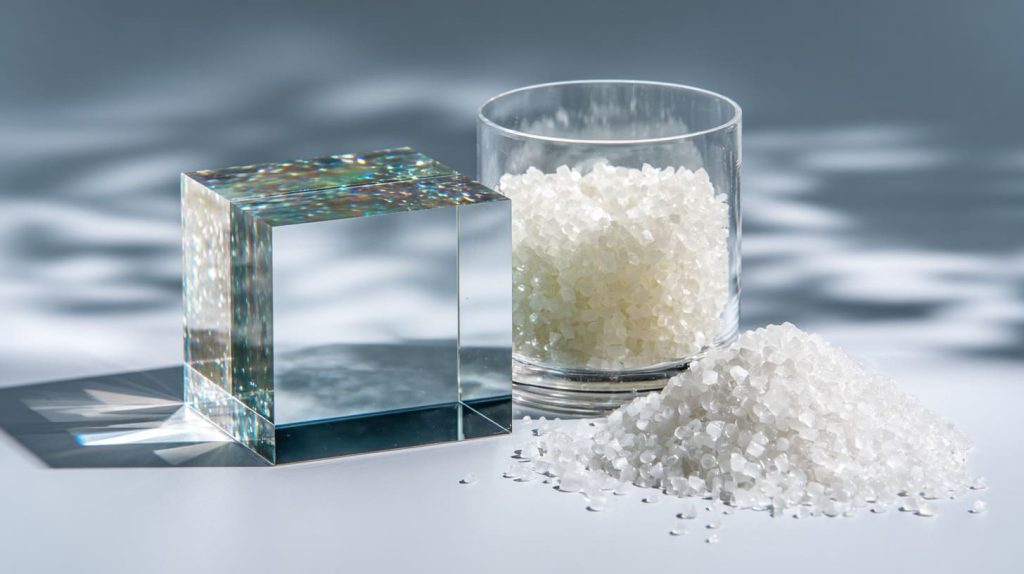
Recycled acrylic is acrylic material that has gone through a reuse process instead of being made fully from new raw material.
That sounds neat and tidy. Real life is not always neat and tidy.
In most factory talks, I notice that people use the term recycled acrylic as if it means one thing. It does not. It can mean scrap reused from production. It can mean material recovered after consumer use. It can also mean acrylic broken down to its chemical building block and made again. Those are not small differences. They affect clarity, consistency, cost, and trust.
The detail I pay attention to early is this: two suppliers can both say “recycled acrylic,” but the material behind that phrase may behave very differently in a real order.
Types of Recycled Acrylic
There are several common types of recycled acrylic. Each one comes with its own strengths and limits.
Pre-consumer recycled acrylic
This usually comes from industrial scrap. It may include offcuts, edge trim, rejected sheets, or unused acrylic pieces from factory production.
This type is often easier to control because the source is cleaner. The material is usually known. The contamination risk is lower. The color is easier to predict.
I usually see this as the safer entry point for many acrylic products because the input stream is more stable than mixed post-consumer waste.
Post-consumer recycled acrylic
This comes from acrylic that has already been used in the market. It may come from old signs, display parts, panels, or other finished products.
This route sounds attractive from a sustainability view. Still, it often brings more sorting and cleaning challenges. Old coatings, printing ink, glue residue, mixed plastics, and surface aging can all create problems later.
Chemically recycled acrylic
This is a different path. Instead of only grinding and re-melting material, chemical recycling breaks acrylic down into MMA monomer and then rebuilds it into PMMA again.
In theory, this offers a cleaner and higher-quality result. In practice, it depends heavily on the technology, purity control, and supplier capability.
Here is a simple comparison table I often keep in mind:
| Type | Main Source | Quality Stability | Clarity Potential | Cost Level | Common Risk |
|---|---|---|---|---|---|
| Pre-consumer recycled acrylic | Factory scrap | High | Good to high | Medium | Limited recycled story depth |
| Post-consumer recycled acrylic | Used market products | Medium to low | Medium | Medium to high | Contamination and batch variation |
| Chemically recycled acrylic | Depolymerized PMMA waste | High | High | High | Process cost and supplier access |
How Recycled Acrylic Differs from Virgin PMMA
Virgin PMMA starts from new raw material. Recycled acrylic does not. That single fact changes a lot.
Material purity
Virgin PMMA gives a cleaner starting point. The formulation is controlled from the beginning. Recycled acrylic depends on what came before it, and on how well that old material was sorted, cleaned, and processed.
That means purity can vary more in recycled material, especially when the source stream is mixed.
Optical clarity
This is where many buyers focus first, and I think that makes sense.
Acrylic is often chosen because it looks clean, bright, and premium. If recycled content reduces transparency or introduces haze, the material may still be usable, but not for the same job.
For display products, I usually judge the sheet under angled light, not just head-on. A panel can look acceptable from the front and still show enough minor visual defects to weaken the whole product impression.
Mechanical properties
Recycled acrylic can still perform well. But the result depends on how it was processed and how much recycled content is used.
Some recycled PMMA grades are close to virgin material in many applications. Others are clearly better suited for low-demand parts, thicker sections, or less visual-sensitive products.
Common Forms of Recycled Acrylic Materials
Recycled acrylic is not always sold in one standard format.
Sheets
This is the most familiar format for many designers and buyers. These sheets can be cast or extruded, and the recycled content may vary.
Pellets or granules
These are often used for molding or reprocessing. They matter more when the production route involves injection molding or compound blending.
Reprocessed PMMA resin
This form is useful when the manufacturer wants to mix recycled and virgin content to reach a target balance of cost, sustainability, and performance.
Here is a quick view:
| Form | Best For | Buyer Concern |
|---|---|---|
| Sheet | Displays, panels, boxes, signage | Clarity, polish quality, cutting stability |
| Pellets | Molding applications | Melt consistency, contamination |
| Reprocessed resin | Custom blending and industrial use | Traceability and property control |
Recycled acrylic is easy to oversimplify. That is why I never let the discussion stop at the material name alone. Once I know what kind of recycled acrylic I am dealing with, the next question becomes much more practical: how was it actually recycled?
How Is Acrylic Recycled?
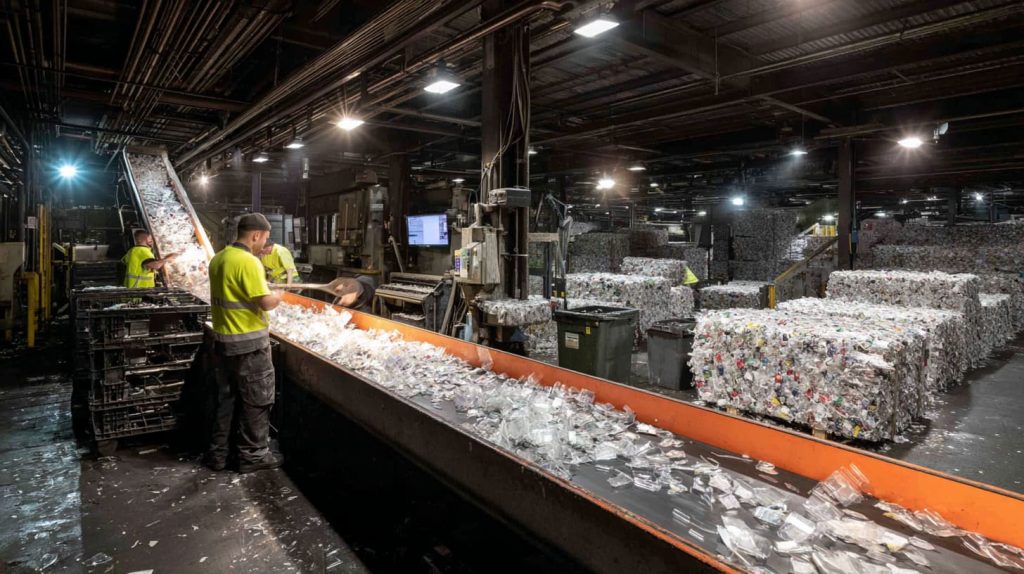
Acrylic recycling looks clean and logical in diagrams. Real production is less polite.
Most diagrams show a simple flow: collect waste, process it, make new material. That is true in a broad sense. But the quality of recycled acrylic depends on what happens in the messy middle. Sorting mistakes, glue residue, coating leftovers, and mixed-plastic mistakes can quietly lower the final result before anyone notices.
What tends to trip people up here is that a recycling method is not only an environmental detail. It is also a quality detail.
Mechanical Recycling Process
Mechanical recycling is the more direct route. Waste acrylic is collected, cleaned, sorted, and then reduced into flakes, chips, or pellets for reuse.
Collecting acrylic waste
The first step is getting usable acrylic waste. That can come from factory offcuts, rejected production pieces, scrap from fabrication, or used acrylic products recovered from the market.
Clean industrial scrap is usually easier to work with. It is known material. The thickness and color are often predictable. The chance of hidden contamination is lower.
Cleaning and sorting
This step matters more than many people think.
Acrylic that looks similar to other clear plastics can easily be mixed up. Adhesive film, printing layers, labels, silicone, dust, and oils can all cause trouble later. One small sorting failure can affect the visual quality of a whole recycled batch.
I tend to worry less about visible dirt than invisible leftovers. A small amount of adhesive or mixed polymer can create bigger trouble in extrusion than a buyer expects.
Grinding into flakes or pellets
After sorting and cleaning, acrylic is broken into smaller pieces. These may be used directly in some recycling streams or further processed into pellets.
This route is practical and widely used. But it does not magically erase the past history of the material. If the input was inconsistent, the output may also show variation.
Chemical Recycling: Monomer Recovery
Chemical recycling takes a more advanced route. Instead of only re-melting acrylic, it breaks PMMA back down into MMA monomer and then rebuilds it.
Depolymerization into MMA monomer
This process aims to reverse the polymer chain. PMMA is turned back into MMA, which is the main monomer used to make acrylic.
That is important because it offers a chance to reset the material more deeply than mechanical recycling does.
Purification and repolymerization
After recovery, the MMA is purified. Then it is used again to produce PMMA.
When this is done well, the final material can come much closer to virgin-grade quality. That is why chemical recycling gets strong attention in high-clarity and higher-value applications.
Advantages of chemical recycling
The biggest advantage is purity potential.
It gives manufacturers a better path to high optical quality and more stable mechanical performance. It also fits better with the idea of closed-loop acrylic production.
Still, it usually comes with higher cost, more technical demands, and more limited supplier options.
Here is a side-by-side view:
| Recycling Method | Main Process | Quality Potential | Cost | Best Fit |
|---|---|---|---|---|
| Mechanical recycling | Cleaning, sorting, grinding, reprocessing | Medium to good | Lower | Standard sheets, lower-risk applications |
| Chemical recycling | Depolymerization and repolymerization | Good to high | Higher | High-clarity, higher-performance applications |
Challenges in Acrylic Recycling
This is where recycled acrylic becomes less of a concept and more of a test of discipline.
Contamination from coatings or adhesives
Acrylic used in the market often carries extra layers. UV print, paint, protective film glue, tape, and coatings can all complicate recycling.
If these are not removed well, they can affect color, clarity, and processing behavior.
Mixed plastics
This is a very common issue.
Not every clear plastic is acrylic. Polycarbonate, PETG, and PVC may look similar in scrap form, especially after use. Mixing them creates trouble fast.
Economic feasibility
Recycling is not free. Collection, cleaning, sorting, testing, and reprocessing all cost money.
This is where factory reality matters. Some recycled acrylic stories sound strong in marketing, but the supply chain behind them is still weak, small, or expensive.
A simple list of real-world friction points looks like this:
- Scrap streams are often inconsistent
- Sorting requires labor and control
- Optical-grade recycling needs tighter standards
- Contaminated waste may cost more to recover than it is worth
- High-quality recycled acrylic supply is still limited in some markets
I have learned that recycled acrylic should not be judged only by whether recycling is technically possible. The smarter question is whether it can be done cleanly, consistently, and at scale. And that leads naturally to the next issue: what are the actual environmental gains when it is done right?
What Are the Environmental Benefits of Recycled Acrylic?
Recycled acrylic gets attention mainly because people want lower-impact material choices. That part is easy to understand.
Still, I think this topic deserves a little honesty.
A material does not become environmentally useful just because the word recycled appears in a brochure. The real benefit depends on the source, the process, the waste reduction, the energy used, and the final product life. So I try to look at the gains without turning them into a fairy tale.
When I judge environmental claims, I look for whether the recycled content changes something real in waste flow or production burden, not just whether it gives the sales team a cleaner sentence.
Reducing Plastic Waste
The most direct environmental benefit is simple: more acrylic waste gets reused instead of thrown away.
Acrylic scrap reuse in manufacturing
Factories that recover their own acrylic offcuts and reprocess them help reduce waste. This can be especially useful in sheet cutting operations, display production, and acrylic fabrication where scrap is unavoidable.
Acrylic waste is common in custom work. A large clear sheet may become many parts, and the offcut frame often ends up bigger than people expect. Reuse matters there.
Diverting PMMA from landfills
When acrylic is recycled instead of discarded, less material goes to landfill or low-value disposal channels. That matters more as use volumes increase.
It is not a perfect answer. It is still plastic. But it is a better move than treating valuable PMMA as permanent waste after one product cycle.
Here is a simple benefit table:
| Environmental Area | How Recycled Acrylic Helps | Practical Limit |
|---|---|---|
| Waste reduction | Reuses scrap and old PMMA | Only works well with proper sorting |
| Material efficiency | Extends life of acrylic resources | Some loss still happens in processing |
| Landfill reduction | Keeps usable acrylic out of disposal streams | Recovery systems are not equal everywhere |
Lower Carbon Footprint
This part is often discussed, but not always explained well.
Energy savings compared with virgin PMMA production
Producing virgin acrylic starts from new petrochemical feedstock. That process takes energy. Recycling, especially when efficient and localized, can reduce some of that burden.
The scale of the saving depends on the recycling route. Mechanical recycling often uses less energy than making virgin material from scratch. Chemical recycling may still offer savings, though it can be more energy-intensive than mechanical routes.
Lifecycle environmental impact
The better question is not only what happens during material production. It is also what happens through the full product life.
If recycled acrylic helps reduce waste but leads to shorter product life, more defects, or more replacement cycles, the environmental story gets weaker. A lower-impact material that fails too early may not be the smarter choice.
That is why I do not separate sustainability from product performance. They belong in the same conversation.
Supporting Circular Manufacturing
This is where recycled acrylic fits into a broader manufacturing idea.
Closed-loop material systems
Acrylic is one of the plastics that can work well in closed-loop systems when the scrap stream is controlled. Factory scrap can return into production. Material value stays in motion instead of ending at disposal.
That is a strong direction, especially for manufacturers who already generate stable PMMA scrap internally.
Sustainable product design
Design also matters.
Acrylic products that avoid mixed materials, unnecessary coatings, and hard-to-remove bonded parts are easier to recycle later. Good recycling does not begin at disposal. It begins at design.
This is one of those details that buyers often miss at first. A product can be made from recycled acrylic and still be badly designed for future recycling. That is a contradiction worth noticing.
A few useful environmental questions I like to ask are:
- Is the recycled content pre-consumer or post-consumer?
- Is the supply chain local or transport-heavy?
- Does the product last long enough to justify the material choice?
- Can the product be recycled again after use?
- Are extra coatings making recovery harder later?
The environmental value of recycled acrylic is real. But it is not automatic. It grows stronger when the material stream is clean, the product design is thoughtful, and the final application is a good fit. That last part matters a lot, because even the greenest story becomes shaky if the material cannot perform where it is used.
Does Recycled Acrylic Perform the Same as Virgin Acrylic?
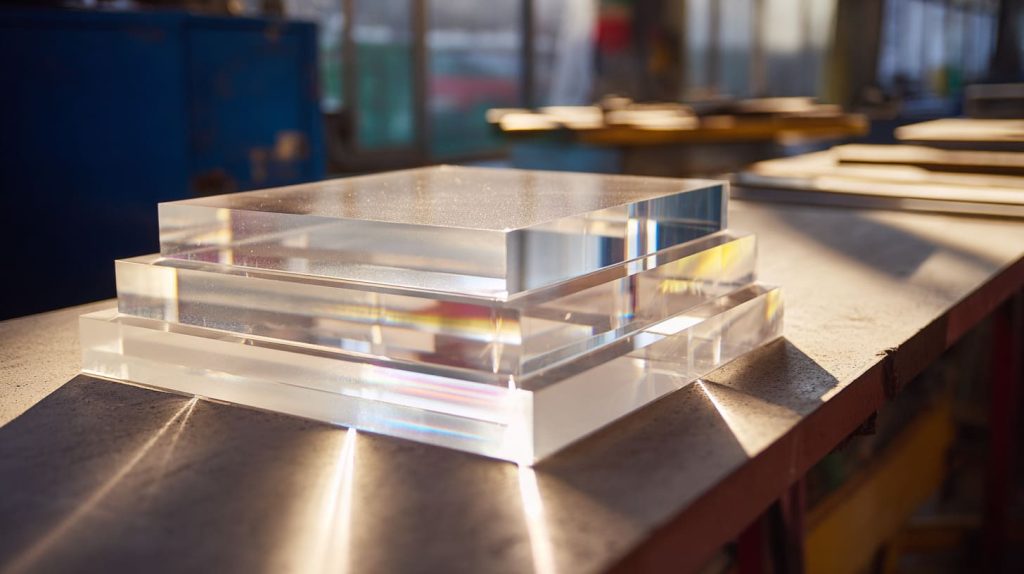
This is usually the question that makes the room go quiet.
Everybody likes the sustainability angle. Then somebody asks whether recycled acrylic performs the same as virgin PMMA, and suddenly the conversation becomes more careful. I think that is healthy. It should.
The honest answer is: sometimes close, sometimes not. It depends on the grade, the recycling method, the quality control, and the product requirement.
My own rule is simple. I never assume recycled acrylic is equal or inferior before testing. I treat it as a separate material option that must prove itself in the exact use case.
Transparency and Optical Quality
This is often the first checkpoint because acrylic is chosen so often for its clean look.
Clarity comparison
High-quality recycled acrylic can look very good. In some cases, especially with strong process control or chemical recycling, it may approach virgin-grade appearance.
Still, many recycled acrylic products show more risk of slight haze, tiny inclusions, or less perfect optical uniformity. For cosmetic displays, retail stands, and high-end clear boxes, these small changes can matter.
I do not trust a recycled acrylic sample after one quick glance on a bright desk. I want to rotate it, view it under side light, and see how the edge and flat surface behave together.
Yellowing risks
Yellowing is not always immediate. It may show later under UV, heat, age, or uneven raw material quality.
Some recycled acrylic performs well over time. Some does not. The problem is that short sample checks do not always reveal long-term color stability.
Strength and Durability
Visual quality gets attention first. Product survival comes next.
Impact resistance
Acrylic is not famous for high impact strength compared with some other plastics, and recycled content can sometimes make performance less consistent.
That does not mean recycled acrylic is weak by default. It means the property range may be wider. Some grades work well in display and panel applications. Others are less dependable in parts with stress, bending, fastening, or repeated handling.
Long-term stability
Durability includes more than one issue. It includes cracking risk, dimensional behavior, weather response, and aging under use.
This is where application matters a lot. A countertop display in a controlled indoor store is very different from a panel facing sunlight, cleaning chemicals, or repeated mechanical contact.
Here is a practical comparison:
| Property | Virgin Acrylic | Recycled Acrylic | What I Watch Closely |
|---|---|---|---|
| Optical clarity | Usually more consistent | Can vary by batch | Haze, inclusions, edge appearance |
| Color stability | Usually more stable | Depends on source and process | Yellowing over time |
| Mechanical consistency | More predictable | May vary more | Cracks, stress response |
| Processing stability | More standardized | Depends on recycling quality | Cutting and polishing behavior |
Surface Quality Considerations
This part matters a lot in real acrylic products, but it often gets less attention at the start.
Polishing
Polishing is where some material issues reveal themselves.
A sheet may cut fine, then show unexpected edge response during flame polishing, diamond polishing, or buffing. Surface smoothness can change. Edge clarity can shift. Tiny material differences become visible fast.
Laser cutting behavior
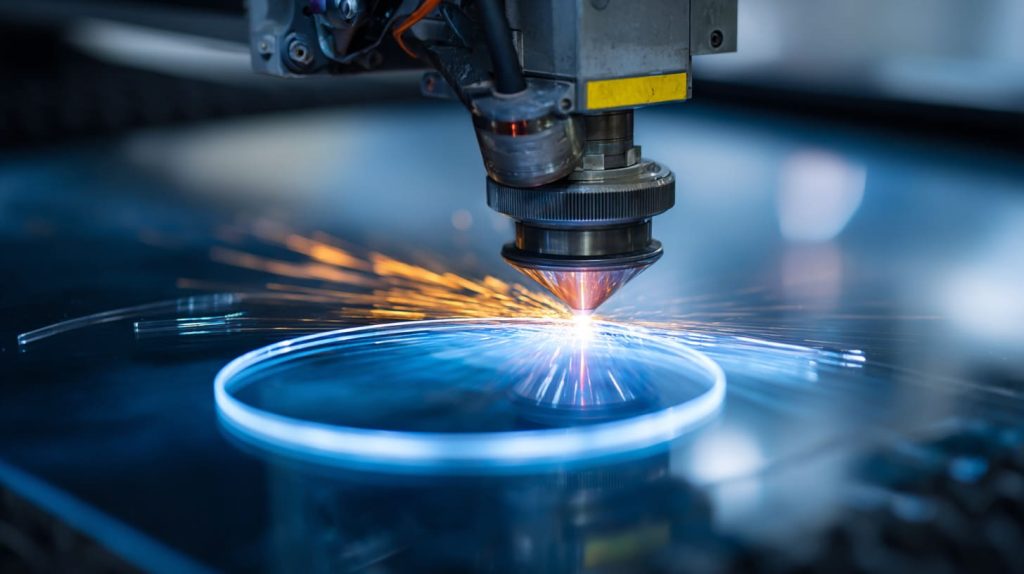
Laser cutting is another useful checkpoint. Recycled content can affect how edges melt, how clean the cut line looks, and whether the edge clouds or stays sharp.
This does not mean recycled acrylic cannot be laser cut well. It means process settings may need tighter control, and the material itself must be stable enough to support repeatable results.
I often tell buyers this: do not ask whether recycled acrylic is “good” in general. Ask whether it is good enough for this thickness, this finish, this product, and this customer expectation. That is the question that actually protects the order.
And once performance is judged honestly, the next logical step is to ask where recycled acrylic tends to work best.
Where Is Recycled Acrylic Commonly Used?
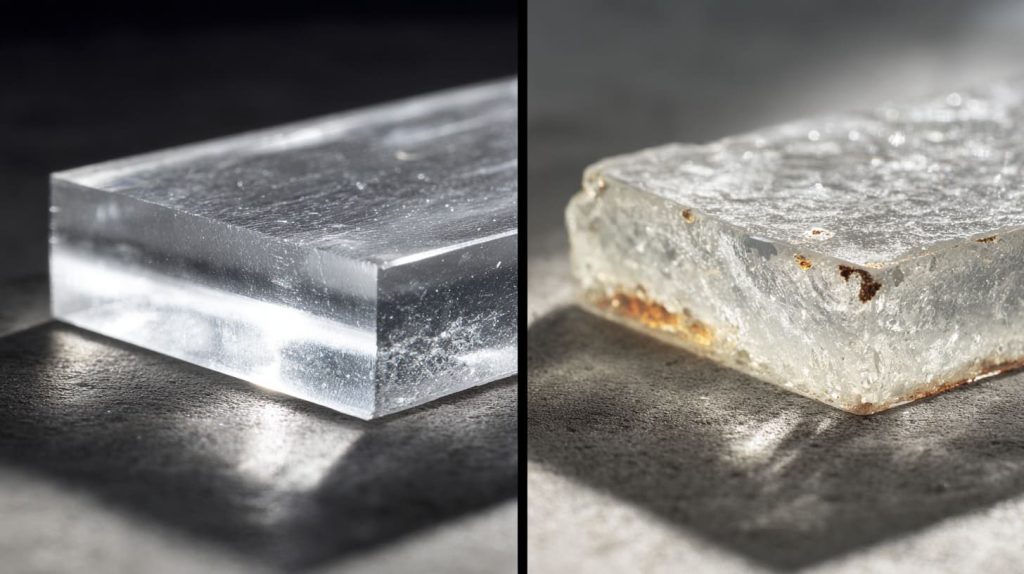
Recycled acrylic is not for every product. But it is useful in more places than some people assume.
The key is matching the material to the job. I have seen recycled acrylic perform very well in certain applications, especially when the design, quality target, and finish expectations are realistic. I have also seen teams force it into roles where every tiny visual defect becomes a problem.
The way I think about it is simple: the less the product depends on perfect optical beauty, the more room recycled acrylic usually has to succeed.
Retail and Display Applications
This is one of the most common use areas.
Store displays
Retail displays often use acrylic for shape, visibility, and clean presentation. Recycled acrylic can work well here, especially for colored parts, thicker components, hidden supports, or pieces that do not need museum-level clarity.
Cosmetic organizers
These products often need decent appearance, but not every part needs top optical perfection. Recycled acrylic can be a good fit for selected designs, depending on finish and buyer expectation.
Product stands
Small stands, holders, risers, and support pieces are often practical places to consider recycled acrylic, especially when the design tolerates minor visual variation.
Industrial and Commercial Products
This category is sometimes more forgiving than people think.
Protective covers
Machine covers, guards, and secondary protective parts may be suitable if the recycled acrylic meets the needed mechanical and visual standard.
Signage components
Not every sign demands premium crystal-clear acrylic. Back panels, side parts, structural elements, and some non-critical visual areas may use recycled material effectively.
Equipment housings
Certain housings and panels can use recycled acrylic when appearance requirements are moderate and the design is well tested.
One thing I often decide early is whether the acrylic is meant to impress, protect, guide, or simply support. That purpose changes the whole judgment.
Consumer Products
This area is wide, so it needs care.
Furniture components
Some furniture parts can use recycled acrylic, especially decorative or structural pieces where absolute optical perfection is not the main goal.
Home décor items
Recycled acrylic can fit trays, holders, stands, decorative blocks, and other items where sustainability adds appeal and the design works within the material’s limits.
Here is a use-case table I find practical:
| Application | Suitability for Recycled Acrylic | Why |
|---|---|---|
| Retail display base | Good | Visual demand is moderate and structure is simple |
| Premium luxury clear box | Limited to selective grades | High clarity expectations |
| Sign backing panel | Good | Lower optical sensitivity |
| Cosmetic stand | Medium to good | Depends on finish and buyer standard |
| Decorative home item | Good | Design flexibility is higher |
| Precision optical panel | Weak fit | Clarity and consistency demands are too strict |
A short list of strong-fit applications often includes:
- Display supports
- Signage parts
- Non-premium organizers
- Decorative accessories
- Hidden or less visible structural acrylic parts
Recycled acrylic can absolutely earn its place. But the success depends on being honest about where it belongs. That honesty becomes even more important when we look at where the material starts to show clear limits.
What Are the Limitations of Recycled Acrylic?
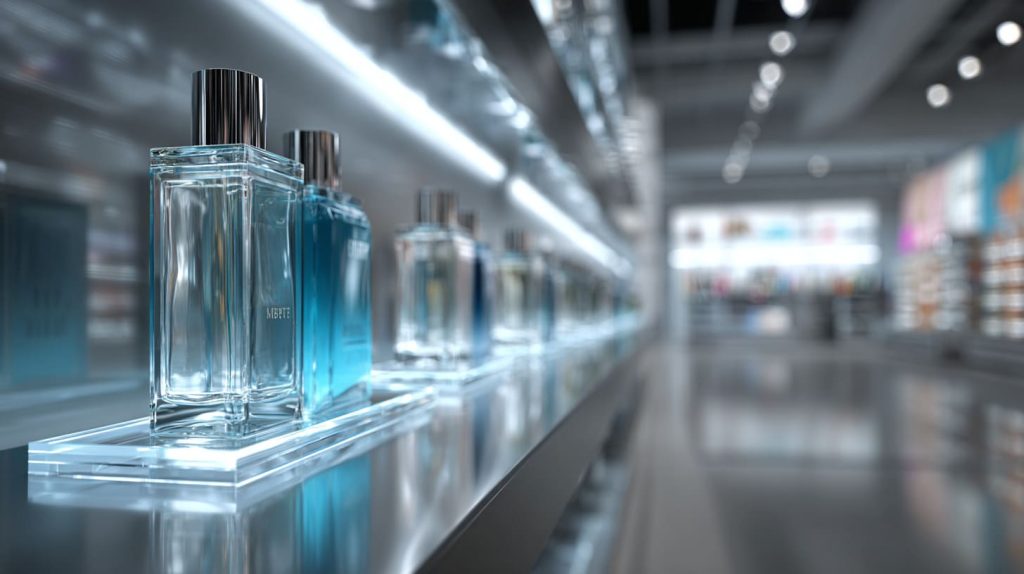
This is the section many people rush through. I do not.
When buyers are excited about recycled material, they often focus on the positive story first. That is natural. But I think the smartest material decisions happen when we slow down and look directly at the limits. Most bad acrylic decisions do not begin with one huge mistake. They begin with one small assumption that nobody challenged early enough.
When I start feeling too optimistic about a recycled acrylic option, I force myself to ask where the material will disappoint first, not where it will shine.
Quality Variability
This is one of the biggest issues.
Inconsistent optical clarity
Recycled acrylic may look fine in one batch and slightly different in the next. Even small changes in source material or processing can affect clarity, haze, and appearance.
That does not always matter. But in products where customers expect a very crisp, premium look, batch variation can cause problems fast.
Batch differences
Batch variation is not only visual. It can also affect processing behavior, edge finish, and stability during fabrication.
For custom orders, this matters because reorders need consistency. A buyer may accept one sample, then expect the second and third batch to match it closely.
Structural Performance Concerns
This is where material confidence can slip.
Reduced mechanical strength in some cases
Not all recycled acrylic grades have lower strength, but some do show less stable performance than virgin PMMA.
This becomes more important in parts with load, fastening stress, sharp corners, or repeated handling.
Processing limitations
Some recycled acrylic grades are more sensitive during cutting, forming, polishing, or bonding. That may mean more trial work, more setup control, or lower yield.
This is one of those factory details that does not always show up in a sample photo, but it shows up very clearly in cost and production rhythm.
Design Considerations
The design itself may need adjustment.
When recycled PMMA is not recommended
I get cautious when the product needs:
- Very high optical clarity
- Tight color matching
- Strong long-term UV stability
- Premium edge finish
- High repeat consistency across many batches
High-end optical applications
Some jobs are simply less suitable for recycled acrylic. Premium product showcases, museum-grade clear parts, optical lenses, and top-tier luxury display pieces usually leave less room for material variation.
Here is a table that helps frame the trade-offs:
| Limitation | Why It Matters | Best Response |
|---|---|---|
| Batch inconsistency | Reorders may not match | Ask for batch control data and sample retention |
| Optical haze risk | Premium appearance may suffer | Test in final thickness and lighting |
| Processing instability | Yield and finish may drop | Run pilot production before full order |
| Lower trust in unknown sources | Risk moves to the buyer | Choose suppliers with traceable input streams |
I think recycled acrylic becomes risky the moment people treat it as a moral decision instead of a technical one. Sustainability matters. But if the product fails, the whole decision loses strength. That is why the next question is not whether recycled acrylic has limits. Of course it does. The real question is how good manufacturers reduce those limits before the material ever reaches the customer.
How Can Manufacturers Improve the Quality of Recycled Acrylic Products?
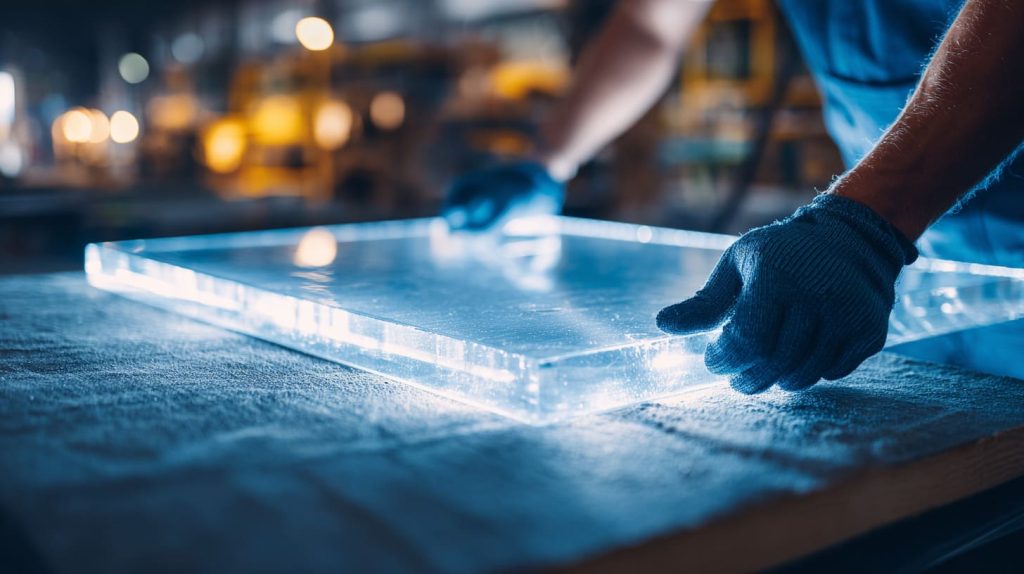
Good recycled acrylic does not happen by accident. It comes from control.
I say that because too many people talk about recycled material as if the quality issue begins at the product stage. It begins much earlier. It begins with scrap source, sorting discipline, process cleanliness, and inspection standards. In other words, it begins with how serious the manufacturer is.
I do not judge a recycled acrylic supplier by the recycled claim alone. I judge them by whether their process feels boring in the best possible way: stable, traceable, repeatable, and careful.
Material Sourcing and Sorting
Everything starts here.
Controlling input material quality
Clean input gives better output. That sounds obvious, but it is easy to overlook when buyers focus only on final sheet price.
If the acrylic scrap source is known, sorted, and consistent, the chances of good recycled quality improve a lot. Industrial offcuts are often much easier to manage than mixed market waste.
Avoiding mixed plastics
This is critical.
Acrylic mixed with PETG, PC, PVC, or coated scraps can create quality issues that are hard to fix later. The sorting stage needs more than visual checking. It needs a disciplined material system.
I get more confidence from a supplier that rejects questionable scrap than from one that claims to recycle everything.
Advanced Processing Technologies
Process quality matters just as much as source quality.
Filtration systems
During melt processing, filtration can help remove contamination and improve final material cleanliness.
This does not solve every problem. But it helps reduce visible defects and improve processing consistency.
Improved extrusion techniques
Modern extrusion control can help stabilize sheet thickness, reduce flow defects, and improve visual uniformity.
That matters because recycled acrylic does not only need good chemistry. It also needs smart manufacturing.
Quality Control in Manufacturing
This is where recycled acrylic either earns trust or loses it.
Optical inspection
Clear acrylic should be inspected under controlled conditions. Buyers should not depend on random warehouse lighting or quick sample photos.
Good inspection looks at surface quality, edge behavior, color tone, inclusions, and haze.
Mechanical testing
Mechanical checks matter too. Depending on the application, testing may include impact behavior, dimensional stability, bonding response, or weathering performance.
Here is a practical quality improvement table:
| Quality Area | What Good Manufacturers Do | Why It Helps |
|---|---|---|
| Scrap sourcing | Use known, traceable PMMA waste | Lowers contamination risk |
| Sorting | Separate by type, color, and history | Improves consistency |
| Processing | Use controlled melt and filtration systems | Reduces visible defects |
| Inspection | Test both appearance and performance | Prevents surprise failures |
| Documentation | Record recycled content and batch data | Builds buyer trust |
A few strong manufacturer habits I look for are:
- They can explain the recycled source clearly
- They retain batch records
- They test samples before large production
- They do not promise perfect equality with virgin material without proof
- They know which applications are suitable and which are not
That last point matters a lot to me. A good manufacturer is not the one who says yes to everything. It is the one who knows when to say, “This material fits this job, but not that one.” Once that mindset is clear, the buyer side gets easier too, because the next task is learning how to evaluate suppliers the right way.
How Do Buyers Evaluate Recycled Acrylic Suppliers?
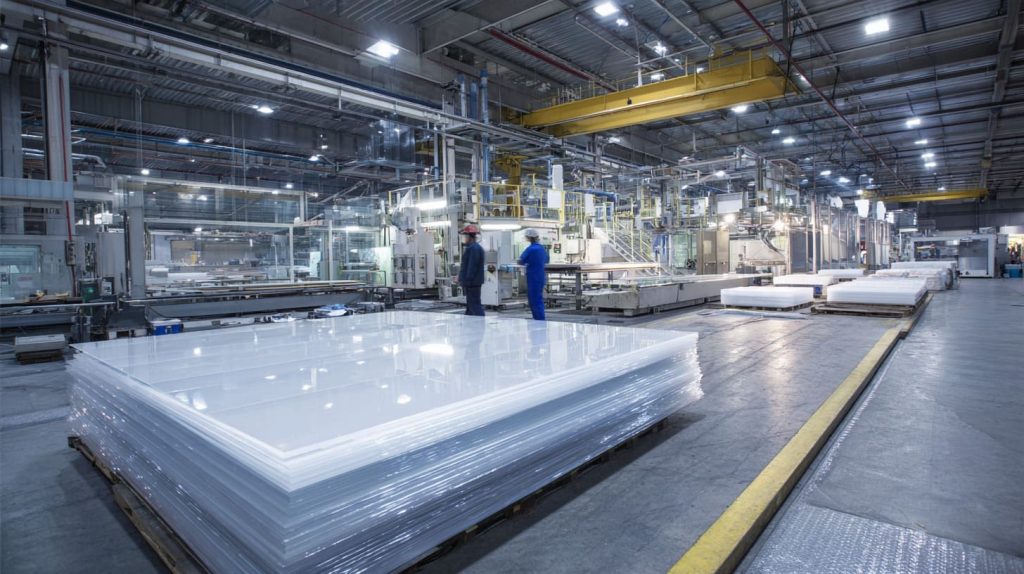
A recycled acrylic supplier can sound excellent in an email. That means very little by itself.
I say that as someone who has watched buyers compare suppliers based on nice wording, broad claims, and one attractive sample. Recycled material needs a more careful approach. A buyer has to look past the phrase eco-friendly and ask whether the supplier can actually control material quality in a repeatable way.
When I review a recycled acrylic supplier, I care less about how confidently they speak and more about how specifically they answer.
Questions to Ask Acrylic Manufacturers
The first step is asking direct questions.
Percentage of recycled content
A supplier should be able to explain how much recycled content is in the material. Is it 20%? 50%? 100%? Is that pre-consumer or post-consumer?
Those details matter because they affect both environmental value and material behavior.
Certifications and material traceability
I want to know whether the supplier can trace the source stream and whether they have a documented control process.
A vague answer here is usually a warning sign.
Useful questions include:
- What kind of recycled acrylic are you using?
- Is the recycled content pre-consumer, post-consumer, or chemically recycled?
- Can you provide batch-level data?
- What applications do you recommend for this grade?
- What applications do you avoid?
Certifications and Environmental Standards
Certificates do not solve everything. Still, they help show whether the supplier has a real system.
ISO environmental management
A supplier with environmental management systems may have stronger control over waste, process, and documentation.
Sustainability reporting
Some suppliers can provide sustainability statements, recycled content declarations, or traceability records. These are useful, especially for buyers who need to support brand claims or internal procurement requirements.
I think certificates should support judgment, not replace it. A factory can have documents and still give weak material control. That is why the sample stage matters so much.
Sample Testing Before Bulk Orders
This is where serious buying starts.
Transparency checks
Look at the sample under different light conditions. Check flat areas and edges. Do not rely on only one angle.
Surface finish inspection
Cut, polish, bond, print, or laser the sample in a way that matches the final product. Surface behavior often tells the truth faster than a specification sheet.
Durability tests
Depending on the use case, test for stress response, yellowing, edge finish, or handling wear.
Here is a buyer evaluation table that I find very useful:
| Evaluation Point | What to Ask or Test | Why It Matters |
|---|---|---|
| Recycled content | Exact percentage and type | Confirms material claim |
| Source traceability | Can the source stream be explained? | Builds confidence in consistency |
| Sample clarity | Inspect under multiple lighting conditions | Reveals haze and visual defects |
| Fabrication response | Laser, polish, print, bend, or bond the sample | Matches real production risk |
| Batch stability | Ask how they control repeat orders | Protects long-term consistency |
I have noticed that experienced buyers do not ask more questions because they are difficult. They ask more questions because they know small details become expensive later. That buying mindset leads straight into the money question, which always comes sooner or later: is recycled acrylic actually cost-effective?
Is Recycled Acrylic a Cost-Effective Option?
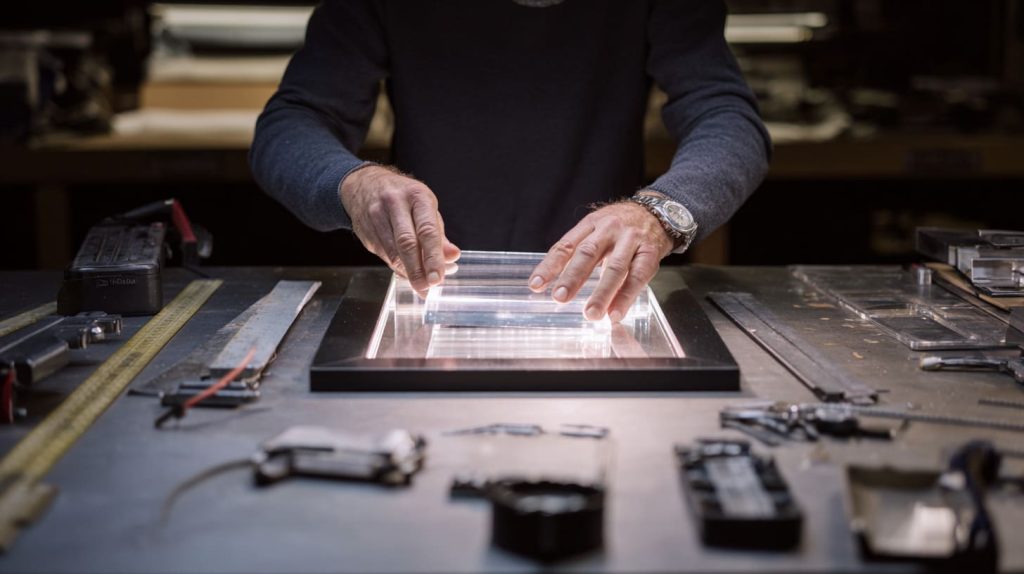
This question sounds financial, but it is really about judgment.
A lot of people assume recycled acrylic should automatically cost less than virgin material. That sounds logical at first. Old material goes back into use, so the price should drop. Real life is not that tidy. Recycling needs sorting, cleaning, checking, processing, and yield control. Sometimes the cost advantage is real. Sometimes it shrinks. Sometimes it disappears.
The mistake I try to avoid is comparing only raw sheet price while ignoring yield loss, finishing trouble, sample failure, or reorder inconsistency.
Cost Comparison with Virgin Acrylic
Let us start with direct material cost.
Raw material pricing
In some cases, recycled acrylic can reduce raw material cost, especially when pre-consumer scrap is well managed and supply is stable.
Still, premium recycled acrylic with strong clarity control or chemical recycling may not be cheap at all. In some markets, it may come close to virgin material pricing.
Processing costs
This part gets ignored too often.
If recycled acrylic needs more cautious setup, slower fabrication, tighter sorting, or added inspection, the total production cost may rise even if the sheet price looks lower.
That is why cost should be judged as material cost plus production behavior, not just invoice price per sheet.
Long-Term Business Benefits
Now the discussion gets broader.
Sustainability branding
For some buyers and brands, using recycled acrylic adds value beyond direct material savings. It can support environmental positioning, respond to customer demand, or strengthen procurement alignment.
That does not mean a weak product becomes strong because the message is good. Still, if the material performs well enough, the sustainability story can bring business value.
Meeting environmental regulations
Some customers are already under pressure to show better material choices, lower waste, or stronger environmental documentation.
In those cases, recycled acrylic may help the buyer meet internal or market expectations.
Market Trends Affecting Recycled Acrylic Pricing
This part is changing over time.
Supply chain factors
Recycled acrylic pricing depends on waste collection systems, processing scale, location, and supplier maturity.
A stable, local supply chain may support better pricing. A limited or fragmented one may do the opposite.
Recycling infrastructure
Better recycling infrastructure helps both cost and quality. Where the system is weak, recycled acrylic may remain a niche or premium option rather than a simple low-cost one.
Here is a useful cost view:
| Cost Factor | Virgin Acrylic | Recycled Acrylic | What I Compare |
|---|---|---|---|
| Raw sheet price | Usually more predictable | Can be lower or similar | Base price only tells part of the story |
| Fabrication yield | Often more stable | May vary by grade | Scrap rate and rework matter |
| Quality control effort | Standard | Sometimes higher | Extra checks cost time |
| Brand value | Neutral | Can support sustainability claims | Depends on customer market |
| Reorder confidence | Usually stronger | Depends on supplier control | Important for long-term projects |
A short reality check list helps here too:
- Lower material price does not always mean lower total cost
- Strong recycled quality may cost more than expected
- A sustainability claim may support sales value
- Inconsistent batches can erase any savings fast
- Stable suppliers matter more than hopeful assumptions
Cost-effectiveness is not a yes-or-no label. It is a balance between price, performance, brand value, risk, and repeatability. And that balance becomes even more interesting when a designer starts thinking not only about cost, but about how to build the product better from the beginning.
How Can Designers Use Recycled Acrylic in Sustainable Product Design?
This is the part I enjoy most, because design is where a lot of problems can be prevented early.
People sometimes treat recycled acrylic as a sourcing issue only. I do not see it that way. I think design has a huge role here. A smart design can help recycled acrylic work better. A careless design can make even good material look unreliable.
One decision I often make early is whether the design is helping the material succeed or quietly setting it up to fail.
Designing for Recyclability
A sustainable product should not only contain recycled material. It should also be easier to recycle later.
Avoiding mixed materials
When acrylic is bonded to too many different materials, coatings, or decorative layers, future recycling becomes harder.
This does not mean every mixed-material design is wrong. It means the designer should know the trade-off. More visual effects or structural combinations can reduce future recyclability.
Modular product design
Modular design helps in two ways. It can make repair easier, and it can help material separation later.
For acrylic products, removable parts, simpler assemblies, and cleaner joining choices often improve the recycling path.
Choosing the Right Acrylic Thickness and Finish
This is where sustainability meets practical product performance.
Balancing durability and material efficiency
Using less material sounds good, but going too thin can create cracks, flexing, or short product life. Then the “green” choice becomes wasteful in another way.
That is why thickness should match the real use, not just the target cost.
Choosing the right finish
A polished, high-gloss clear finish may look beautiful, but it may also raise the quality burden on recycled acrylic. Frosted, colored, textured, or partly hidden components often give the designer more room.
I find that many recycled acrylic designs work better when the finish strategy is chosen honestly, not romantically.
Integrating Recycled Materials into Product Branding
This part matters, but it should be handled carefully.
Eco-conscious product positioning
If the product genuinely uses recycled acrylic and performs well, that story can support the brand in a clear and credible way.
Transparency in material sourcing
Buyers and brands should be honest about what the recycled claim means. Is the product partly recycled? Fully recycled? Pre-consumer only? Chemically recycled?
Clarity builds trust. Vague green language does not.
Here is a design-focused table:
| Design Choice | Better for Recycled Acrylic? | Why |
|---|---|---|
| Simple single-material structure | Yes | Easier to recycle and control |
| Ultra-high clarity luxury showcase | Less ideal | Small defects become obvious |
| Frosted or colored acrylic design | Often yes | Hides minor visual variation |
| Modular assembly | Yes | Helps repair and future recovery |
| Overly thin sheet to save cost | Risky | Can shorten product life |
And here is a short list of design habits I think help a lot:
- Match the finish to the material reality
- Keep structure simple where possible
- Avoid unnecessary mixed-material decoration
- Test thickness with actual use, not guesswork
- Tell the recycled story clearly and honestly
Good design does not force recycled acrylic to act like perfect virgin PMMA. Good design understands what the material can do well and builds around that truth. Once that happens, the whole topic becomes much easier to judge calmly.
Conclusion
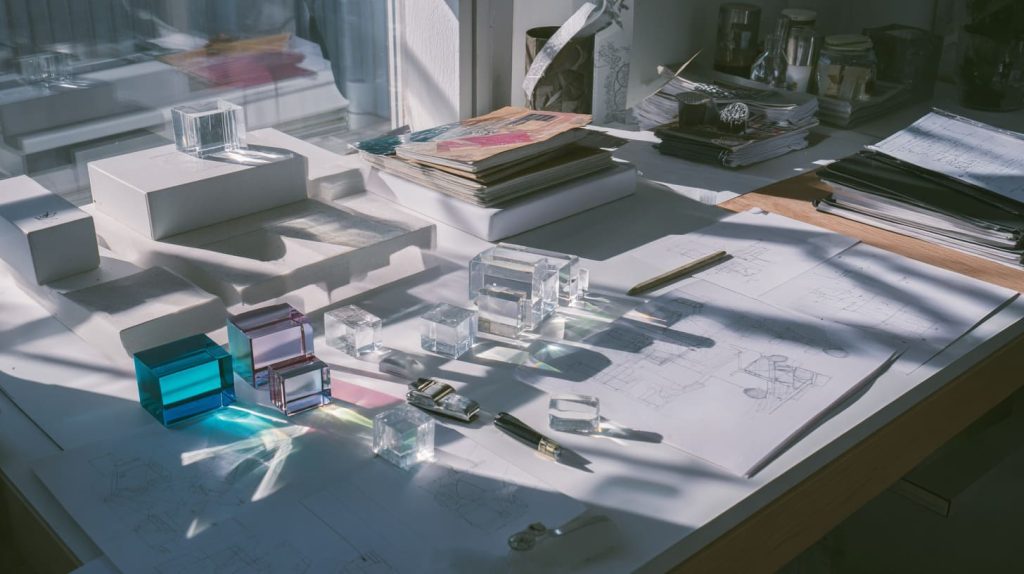
Recycled acrylic deserves real attention, but not blind trust.
I think that is the most honest conclusion I can give.
It is a useful material option. It can reduce waste. It can support more circular manufacturing. It can fit many display, signage, organizer, and decorative applications very well. In some cases, especially with strong process control or chemical recycling, it can come surprisingly close to virgin material in both look and performance.
Still, I would not treat it as a simple replacement for every acrylic project.
Its value depends on the source, the recycling method, the consistency of the supplier, the demands of the product, and the expectations of the end customer. For standard applications, recycled acrylic may be a smart and practical move. For premium optical work, very high-end clear displays, or projects that depend on exact repeat clarity across many batches, virgin PMMA may still be the safer choice.
That is why I keep coming back to the same core idea: material decisions should be made with both conscience and caution.
A recycled sheet that looks good in a meeting but fails in production is not a win. A carefully chosen recycled acrylic grade that fits the job, holds its quality, and supports a better material story? That is a much better result.
For buyers like Jacky, I think the smartest path is not to ask whether recycled acrylic is good or bad. It is to ask whether it is right for this product, this finish, this level of quality, and this reorder plan. That question is sharper. It leads to better sourcing decisions.
If you are now weighing recycled acrylic for a custom display, organizer, box, or branded acrylic product, I would suggest starting with the same method I use: test the exact material in the exact product condition. Look at clarity. Check the edge. Review fabrication behavior. Challenge the supplier. Trust the result, not the slogan.
And if you want a second opinion on whether recycled acrylic makes sense for your next custom project, you can always use that question as the starting point. In my experience, the right material decision almost always begins there.


