Skip to content
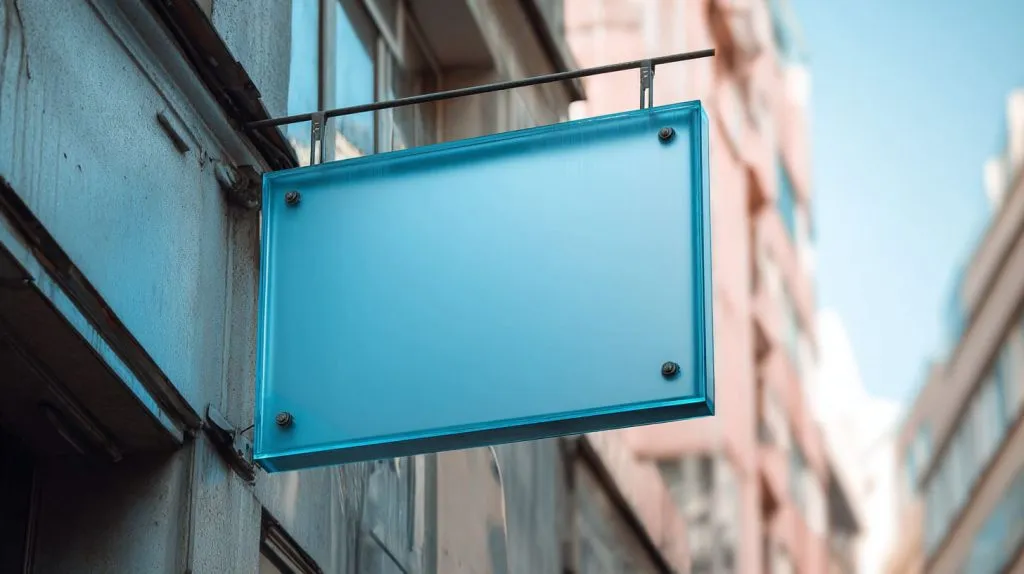
A photo once landed in my inbox. The sign looked beautiful. Deep blue background. Sharp white logo. It had only been installed for eight months. Yet the surface already felt tired. The color looked softer. The edges showed tiny cracks.
The client did not shout. He asked a quiet question:
“Is this normal for UV printed acrylic outdoors?”
That question always makes me pause.
I have worked with UV printed acrylic signs for more than a decade at Feilong Acrylic. I have seen signs last years. I have also seen signs fade too fast. The difference rarely comes from luck. It comes from testing.
Outdoor durability testing matters because branding lives outside. Sunlight does not care about your budget. Rain does not respect your timeline. If we do not test properly, the brand pays later.
From my side, I never approve mass production for outdoor UV signs until I see actual durability data, because a beautiful sample means nothing if it cannot survive a Canadian winter or a Florida summer.
Before we talk about testing, we need to understand what we are testing.
What Are UV Printed Acrylic Signs?
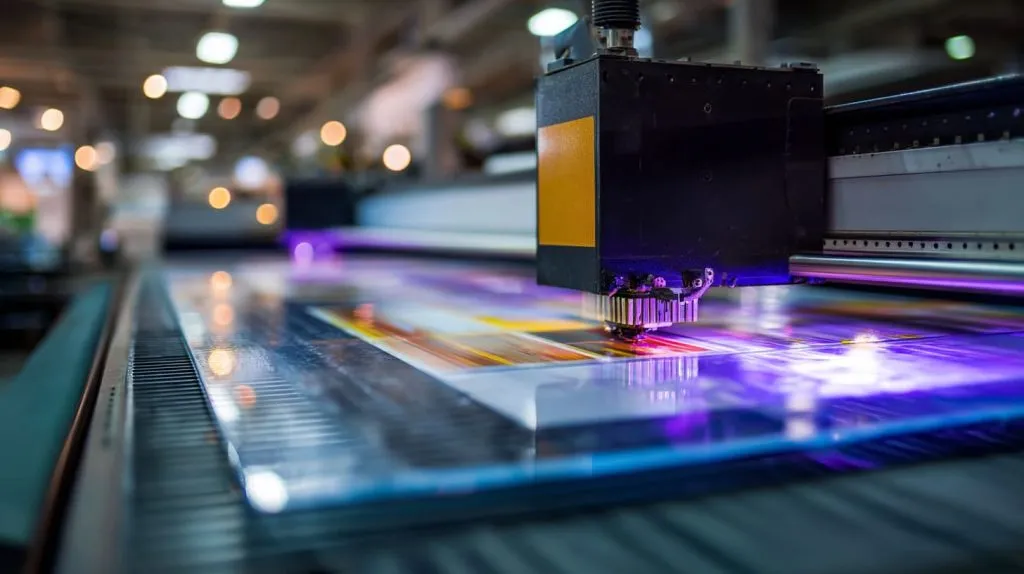
When I explain UV printed acrylic signs to buyers like Jacky, I keep it simple. It is acrylic sheet plus UV-cured ink. That is the base.
But the details matter more than the simple answer.
I decide whether UV printing is suitable only after I understand where the sign will live, because indoor showroom graphics and outdoor storefront signage are two very different battles.
What is UV printing?
UV printing uses special ink. The printer lays ink on the acrylic surface. Then UV lamps cure the ink instantly. The ink hardens and bonds to the surface.
Here is a simple breakdown:
| Step | What Happens | Why It Matters |
|---|---|---|
| Ink deposition | Ink is sprayed onto acrylic | Defines color density |
| UV exposure | UV lamp cures ink | Hardens surface immediately |
| Adhesion | Ink bonds to surface | Determines long-term stability |
The key point is bonding. If curing is weak, adhesion is weak. If adhesion is weak, outdoor life becomes short.
Benefits of UV printing for outdoor graphics
I like UV printing for several reasons:
- Instant curing
- Strong color
- Good surface adhesion
- Ability to print white layers
- Easy custom graphics for OEM orders
But benefits do not mean zero risk.
Color vibrancy is strong on day one. The real question is day 800.
How UV-printed acrylic differs from other methods
Let me compare quickly:
| Method | Durability | Cost | Detail Level | Risk |
|---|---|---|---|---|
| UV printing | Medium to high | Moderate | High | Surface exposure |
| Screen printing | High (thick ink layer) | Higher setup | Medium | Less flexible for small runs |
| Vinyl | Low to medium | Low | Medium | Peeling risk |
| Engraving | Very high | High | Low color | No fading but limited style |
I choose UV printing for custom, detailed designs. But I also know it sits on the surface. That fact alone changes how I think about outdoor exposure.
And once we understand the method, we can face the real enemy: nature.
Key Outdoor Durability Challenges for UV Printed Acrylic
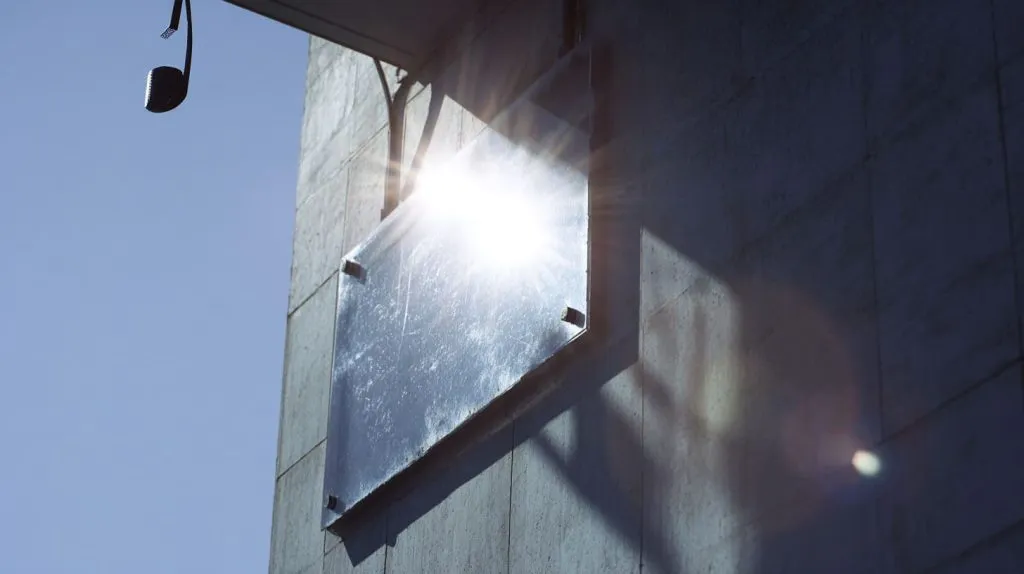
Outdoor life is not gentle. It tests everything.
This is where many projects quietly fail. The sample looks perfect. The environment wins later.
When I evaluate a project, I always ask: “Where exactly will this sign hang, and what will hit it every single day?”
Environmental stressors
Outdoor stress comes from:
- Sunlight (UV radiation)
- Heat
- Cold
- Humidity
- Rain
- Wind
- Pollution
Sunlight is the biggest enemy. UV radiation breaks pigment molecules slowly. It also degrades acrylic over time.
Here is how different factors attack:
| Factor | What It Damages | Visible Result |
|---|---|---|
| UV light | Pigment bonds | Color fade |
| Heat | Ink flexibility | Cracking |
| Moisture | Adhesion layer | Peeling |
| Temperature swing | Ink expansion mismatch | Micro fractures |
In Canada, freeze-thaw cycles can be brutal. In tropical areas, humidity dominates.
Not all acrylic is equal.
Cast acrylic usually performs better outdoors than extruded acrylic. It has better optical clarity and often better stress resistance.
I always check:
- Acrylic thickness
- Whether UV stabilizer is included
- Whether the sheet supplier provides outdoor grade certification
If someone chooses cheaper extruded sheet without stabilizers, the print quality may look fine at first. Long term performance becomes uncertain.
Ink and printing process variables
Even if acrylic is good, ink quality matters.
Things I pay attention to:
- Pigment quality
- Ink formulation
- Curing intensity
- Printer calibration
If curing is too fast or too weak, surface bonding suffers. That weakness may not show immediately. It shows after weather exposure.
Now that we know the risks, we need real testing methods. Guessing is not enough.
Standard Methods to Test Outdoor Durability
When I speak about durability, I do not rely on feelings. I rely on data.
I refuse to depend on “supplier promises” alone. I need measurable results before I commit to bulk production.
Accelerated weathering tests
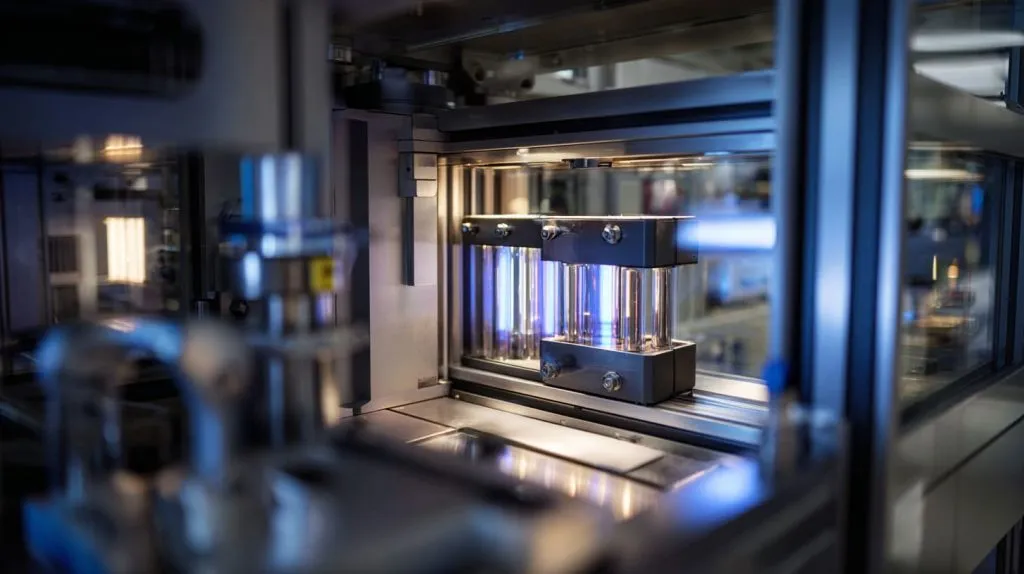
The xenon arc test is common. It simulates sunlight with strong UV lamps.
The machine runs for hundreds or thousands of hours.
| Test Type | Purpose | Advantage |
|---|---|---|
| Xenon arc | Simulate sunlight | Fast prediction |
| UV fluorescent | Focused UV exposure | Lower cost |
Accelerated tests save time. But they are still simulations. They are not perfect copies of real weather.
Lightfastness measurement systems
Color change is measured by ΔE value.
ΔE measures the difference between original and aged color.
| ΔE Value | Visual Impact |
|---|---|
| <1 | Almost invisible |
| 1–3 | Slight change |
| 3–5 | Noticeable |
| >5 | Obvious fade |
For outdoor branding, I usually aim for ΔE under 3 after significant test hours. That keeps brand color stable.
Blue Wool Scale is also used. It rates from 1 to 8. Higher is better.
Adhesion and mechanical testing
Surface print must stay attached.
Common tests:
- Tape test
- Crosshatch test
- Scratch test
If ink lifts under simple tape test after aging, I do not move forward. That is a red flag.
Gloss and surface evaluation
Gloss retention tells another story. If gloss drops too much, the sign looks old even if color remains.
Gloss meters measure reflection percentage.
And once lab testing is clear, I still believe in practical checks.
How to Conduct Practical Outdoor Durability Tests

Lab testing is one part. Practical testing is another.
Before I approve a production run, I prefer to run sample boards through controlled exposure.
Preparing test samples
I always standardize:
- Same acrylic thickness
- Same curing settings
- Same print layer structure
If variables change, results become meaningless.
Conducting light exposure tests
We expose samples to UV machine cycles.
We record:
- Exposure hours
- Temperature
- Humidity
Then we measure ΔE at intervals.
I do not wait until the end to check results. I monitor gradually.
Performing adhesion tests in practice
After exposure:
- Cut crosshatch grid
- Apply strong tape
- Pull at 180 degrees
- Inspect ink removal
Even small flaking worries me. It tells me bonding margin is weak.
Outdoor field trials
I still believe real sun is the final judge.
We mount samples outside factory roof.
We check monthly. We photograph. We compare.
It is slower. But it shows real behavior.
After testing, the hardest part begins. Interpreting the numbers.
Interpreting Test Results for Decision Making
Numbers alone do not decide. Interpretation does.
When I see a ΔE of 4 after accelerated testing, I ask myself: “Will the brand accept that visible shift?”
Understanding color fade outcomes
Acceptable limits depend on brand sensitivity.
Luxury brands demand tighter control. Industrial signs allow more tolerance.
| Brand Type | Suggested ΔE Target |
|---|---|
| Luxury retail | <2 |
| Corporate signage | <3 |
| Industrial | <5 |
Context matters.
Adhesion thresholds and quality control
If adhesion drops after aging, long-term peeling risk increases.
Even if color holds, poor adhesion kills performance.
Predicting lifespan from accelerated data
Accelerated test hours do not equal exact real years.
They provide estimates.
If performance drops too fast in lab, I assume risk outdoors is high.
Testing gives direction, not prophecy.
But testing alone does not fix issues. We also improve design.
Strategies to Enhance Outdoor Durability Based on Test Feedback
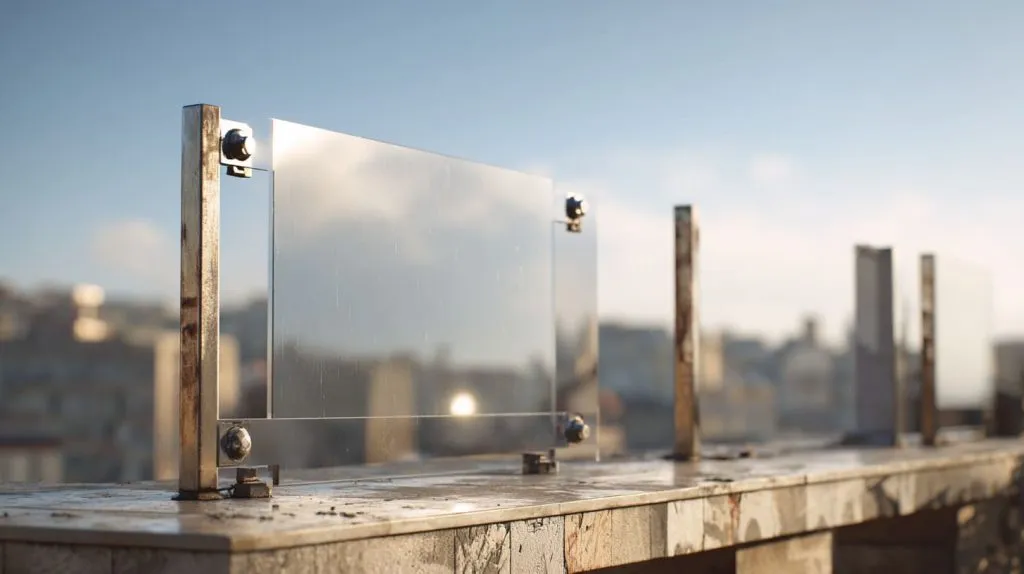
Testing shows weakness. Improvement follows.
I rarely accept the first version as final if durability margins look thin.
Material improvements
Upgrading to UV-stabilized cast acrylic helps.
Increasing thickness may reduce warping.
Protective coatings or lamination
Clear UV protective coating can extend life.
But coatings add cost. They also change surface feel.
I balance cost and benefit carefully. Some clients want five-year life. Some want ten.
Reverse printing techniques
Printing on the back side of acrylic protects ink from direct touch.
This is powerful.
Front remains clear acrylic. Ink sits behind. Sun still hits, but surface scratching reduces.
Enhanced installation methods
Sometimes orientation solves half the problem.
- Avoid direct south exposure if possible
- Add small shade overhang
- Reduce hardware stress points
Design choices matter as much as material.
And finally, buyers need a clear checklist before placing orders.
Quality Assurance Checklist for Buyers
I always encourage buyers like Jacky to ask tough questions.
If a supplier cannot provide durability data, I hesitate.
Pre-production testing protocols
Ask for:
- Accelerated weathering report
- Adhesion test result
- Material specification sheet
Supplier documentation requests
Documents should include:
| Document | Purpose |
|---|---|
| Acrylic spec | Verify UV stabilizer |
| Ink technical sheet | Check outdoor rating |
| Test report | Confirm durability |
On-site inspection best practices
When visiting factory:
- Check curing consistency
- Observe print surface
- Ask about quality control frequency
Even small details reveal real manufacturing discipline.
Conclusion
I focus heavily on durability testing because I have seen how small early decisions turn into big brand problems later. I do not test to impress. I test to protect my clients.
I believe outdoor UV printed acrylic signs can perform very well. But they must be tested honestly. I have learned that sunlight exposes shortcuts quickly. I prefer slow, careful verification over fast promises.
If you are designing outdoor signage, do not skip testing. Ask for data. Ask for real exposure samples. Ask uncomfortable questions.
At Feilong Acrylic, I build projects based on measurable durability, not hope. If you want to evaluate your next UV printed acrylic sign project seriously, contact me at flacrylic.com. Let us review your design and test plan together before the sun does it for you.