Skip to content
I see this confusion show up in emails more often than people admit.
A drawing looks clean. The sign looks simple. Then one short line appears:
“Can we use the same plastic for indoor and outdoor signs?”
That question sounds harmless. But I’ve learned it is often the start of higher cost, extra revisions, and quiet complaints after installation.
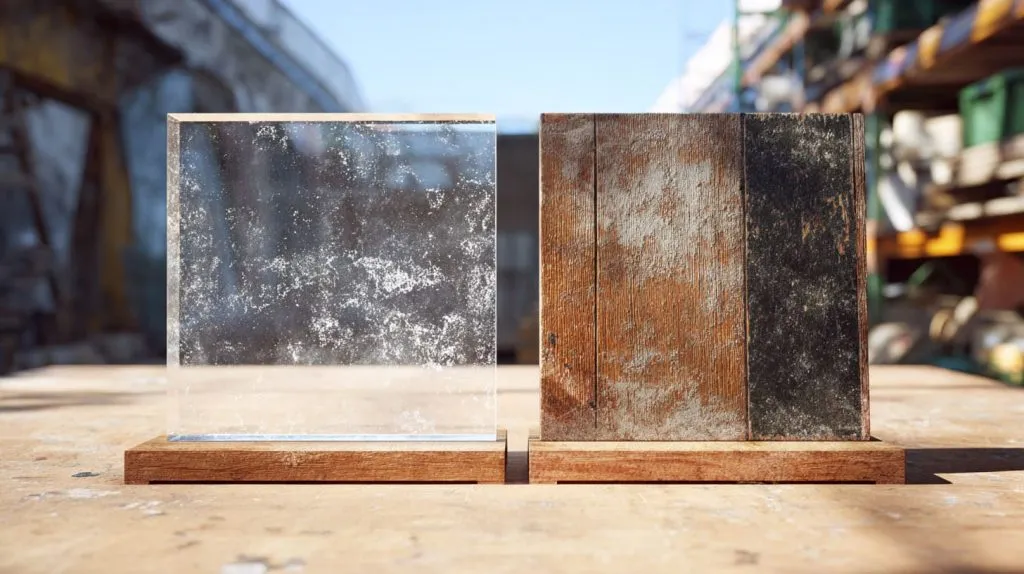
Indoor and outdoor signage plastics live very different lives. One stays safe, dry, and calm. The other fights sun, rain, heat, cold, and time. When these two are mixed up, the project still gets made—but the risk moves downstream. And downstream is always more expensive.
Let me break this down the way I usually explain it to buyers like Jacky, who already know factories, materials, and drawings. This is not theory. This is what I’ve seen fail, and what I’ve seen work.
What Are Indoor Signage Plastics?

Indoor signage plastics are designed for comfort. Not comfort for people—comfort for the material.
Typical environments for indoor signage
Most indoor signs live in places like:
- Retail stores
- Shopping malls
- Offices
- Exhibitions and showrooms
The air is stable. The temperature is controlled. There is no rain. No UV attack. No wind load.
That matters more than many designers expect.
Common indoor signage plastic materials
Here are the materials I see most often for indoor signs:
| Material | Why it’s used indoors | Common risk if misused |
|---|---|---|
| Acrylic (PMMA) | High clarity, clean edges, premium look | UV aging outdoors |
| PVC foam board | Light weight, easy printing | Warping, weak edges |
| PET / PETG | Good print surface, flexible | Low UV resistance |
| Polystyrene (PS) | Low cost, simple shapes | Brittle over time |
Acrylic dominates indoor signage for a reason. It looks honest. Clear. Sharp. Clients trust what they see.
Key performance priorities for indoor use
When I quote indoor signage, buyers usually care about:
- Optical clarity
- Smooth surface and polished edges
- Easy cutting, bonding, and printing
- Stable cost for repeat orders
Indoor plastics are chosen to look good fast, not to survive stress.
And this is where problems start—because looking good and surviving are not the same job.
Before we go outside, it helps to pause and ask one hard question:
What happens when the sign no longer lives in a controlled room?
What Are Outdoor Signage Plastics?

Outdoor signage plastics are not designed to be pretty first. They are designed to stay alive.
Typical environments for outdoor signage
Outdoor signs deal with things indoor signs never see:
- Direct sunlight
- Rain and moisture
- Heat in summer, cold in winter
- Wind, dust, and pollution
A sign may look calm on day one. Nature is not calm on day one hundred.
Common outdoor signage plastic materials
Here are materials I often recommend for outdoor use:
| Material | Strength outdoors | Trade-off |
|---|---|---|
| UV-stabilized acrylic | Good clarity + UV resistance | Higher cost than indoor grade |
| Polycarbonate (PC) | Very high impact strength | Needs UV coating |
| HDPE | Strong and weather-safe | Low visual quality |
| ACP (reference) | Structural stability | Not a true plastic |
Notice something important here. Outdoor materials always trade beauty for survival.
Key performance priorities for outdoor use
Outdoor signage plastics must handle:
- UV exposure without yellowing
- Rain and humidity without warping
- Impact from wind or accidents
- Shape stability over years
Outdoor plastics are chosen to fail slowly, not quickly.
That sounds negative. It isn’t. Slow failure gives time to plan, replace, or redesign.
This difference alone explains most signage complaints I hear after installation.
Key Differences Between Indoor and Outdoor Signage Plastics
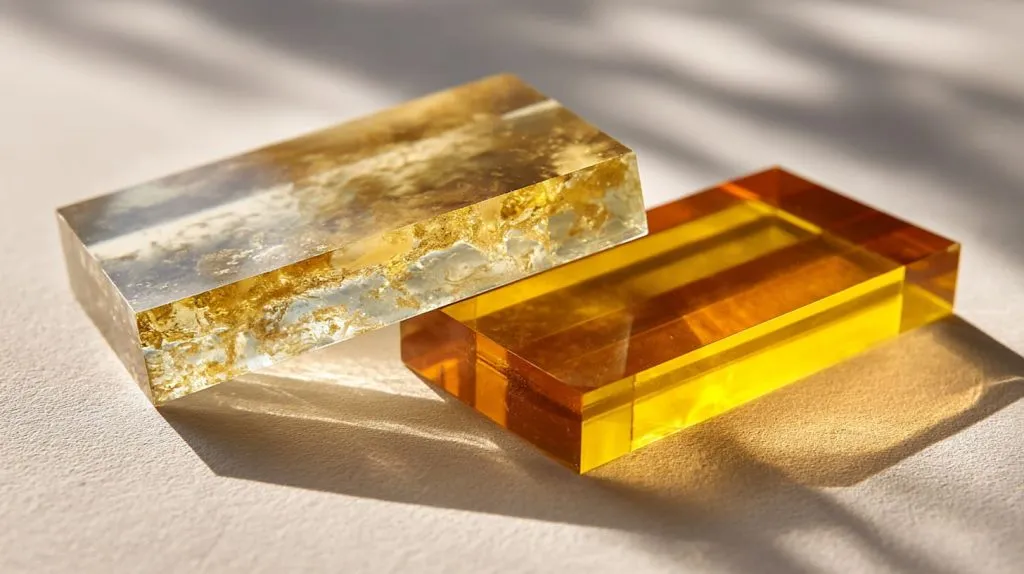
At this point, many buyers say, “Yes, I know they are different.”
But knowing how they are different is what protects the project.
UV resistance and aging behavior
UV is silent. It does not crack the sign on day one.
It does this instead:
- Gradual yellowing
- Fading graphics
- Brittle edges
| Plastic type | UV behavior |
|---|---|
| Indoor acrylic | Yellows over time |
| UV acrylic | Slower aging |
| Polycarbonate | Needs coating |
| PET / PS | Fast degradation |
UV stabilizers cost money. But replacing signs costs more.
Weather and moisture resistance
Water does not attack all plastics the same way.
Indoor plastics often:
- Absorb moisture slowly
- Expand unevenly
- Warp near fasteners
Outdoor plastics are designed to move without breaking.
That difference is invisible on drawings. It becomes obvious on walls.
Mechanical strength and impact resistance
Outdoor signs face stress from:
- Wind load
- Accidental hits
- Vandalism
Polycarbonate exists for one reason: it refuses to break easily.
Acrylic exists for another: it refuses to look cheap.
Choosing between them is never about “better.” It is about what failure you can accept.
Lifespan expectations
Here is how I frame lifespan with buyers:
| Environment | Typical lifespan |
|---|---|
| Indoor signage | 5–10 years |
| Outdoor acrylic | 3–5 years |
| Polycarbonate | 5–8 years |
Longer life always costs more upfront. Short life costs more later.
And later is harder to explain to management.
Acrylic vs Polycarbonate for Signage Applications
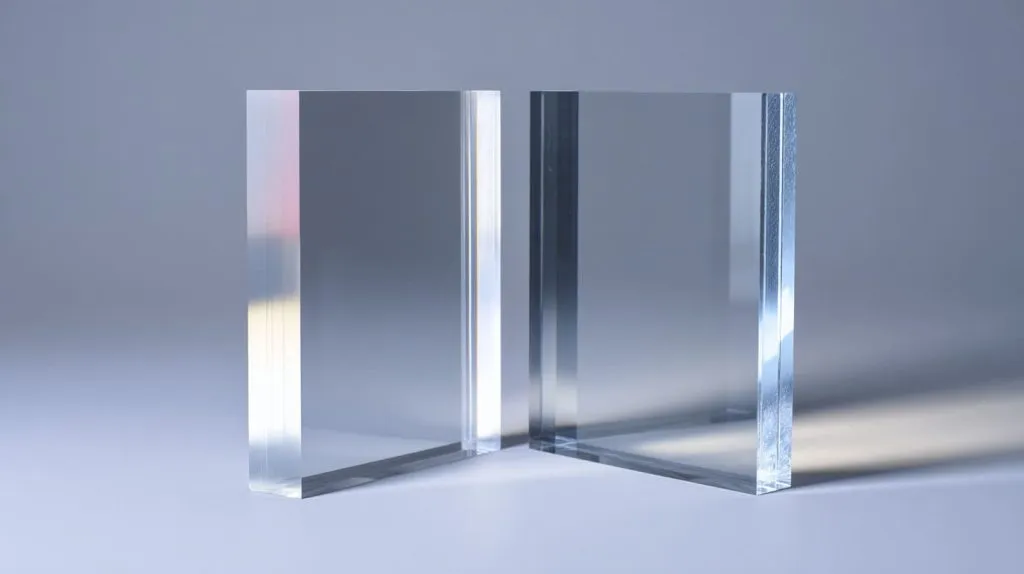
This debate shows up in almost every signage project I touch.
Acrylic strengths and limitations
Acrylic wins when:
- Visual clarity matters
- Branding needs a premium feel
- Scratches are acceptable
Its weakness is impact. Acrylic fails clean. Sometimes too clean.
Polycarbonate strengths and limitations
Polycarbonate wins when:
- Impact risk is high
- Safety matters more than looks
But it needs UV coating. And its surface never feels as calm as acrylic.
| Feature | Acrylic | Polycarbonate |
|---|---|---|
| Clarity | Excellent | Good |
| Impact | Medium | Very high |
| UV resistance | Needs grade | Needs coating |
| Cost | Lower | Higher |
When each material makes sense
I usually tell buyers this:
- Choose acrylic when people look first
- Choose polycarbonate when people hit first
That one sentence solves many meetings.
Cost Differences and Budget Impact
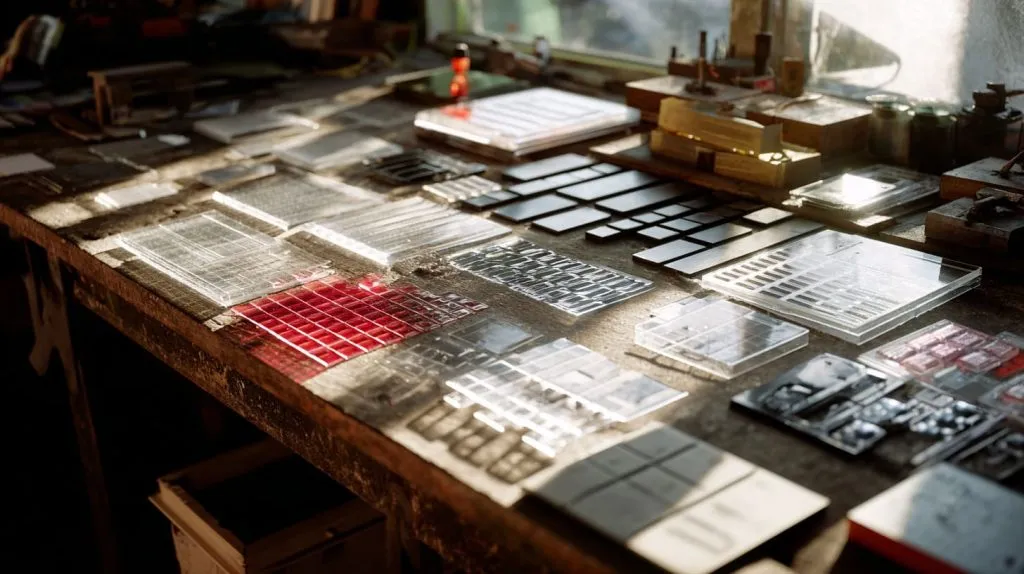
Cost mistakes in signage are rarely loud. They are quiet and delayed.
Material cost comparison
Outdoor-grade plastics cost more per sheet. That part is obvious.
What is not obvious:
- Removal cost
- Re-installation cost
- Brand damage
Cheap signs fail twice. Once in material. Once in trust.
Processing and fabrication costs
Outdoor materials are harder to process.
| Factor | Indoor plastic | Outdoor plastic |
|---|---|---|
| Cutting speed | Fast | Slower |
| Tool wear | Low | Higher |
| Finishing | Simple | Controlled |
Factories price this risk into quotes. When buyers push too hard on price, quality moves silently.
Common Material Selection Mistakes in Signage Projects
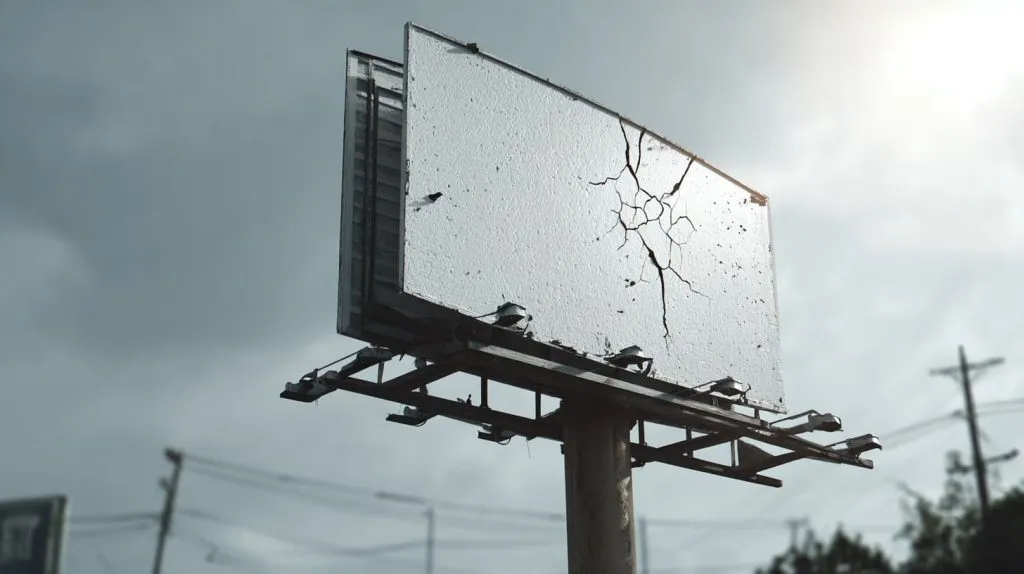
I’ve seen these mistakes repeat across countries and brands.
Using indoor plastics outdoors
This is the most common failure.
It usually starts with:
“It’s only a small sign.”
Then comes yellowing. Then comes cracking. Then comes silence.
Over-specifying outdoor plastics for indoor signs
This happens too.
Stronger is not always smarter.
Heavy materials increase cost, weight, and install time—with no return indoors.
Ignoring installation and mounting conditions
Material choice does not end at the sheet.
Fasteners matter. Expansion gaps matter.
I’ve seen perfect plastics fail because screws were too tight.
How to Choose the Right Signage Plastic for Your Project

The best decisions are boring ones. They feel slow. They save money.
Questions designers and buyers should ask
I always ask three things:
- Where will the sign live?
- How long must it last?
- What happens when it fails?
If those answers are clear, material choice becomes calm.
Matching material to application
| Application | Best-fit material |
|---|---|
| Retail branding | Acrylic |
| Wayfinding | UV acrylic or PC |
| Temporary promo | PET / PVC |
| Safety signage | Polycarbonate |
No material is perfect. Only appropriate.
Working with a custom manufacturer
Good factories do not push materials. They confirm them.
That means:
- Material samples
- Aging discussion
- Honest risk talk
This is how problems are removed before mass production.
Conclusion
Indoor and outdoor signage plastics are not rivals. They are specialists.
The environment decides the material—not the drawing, not the price list. When that logic is respected early, projects stay smooth, costs stay stable, and complaints stay rare.
If you are planning a signage project and feel unsure about material choice, that is a good sign. It means you are asking the right question early.
That is the moment when a short conversation can save months of repair later.