Skip to content

A store fixture can look like a simple buying decision on paper and still turn into an expensive mistake once it reaches the shop floor.
I have seen that kind of mistake happen more than once. A buyer compares two materials. One looks cheaper. One looks nicer. One sounds tougher. One sounds better for branding. At first, the choice feels easy. Then real life steps in. Staff members drag the fixture across the floor. Customers touch the edges all day. Store lighting hits every surface. Cleaning crews wipe it again and again. A few months later, the “cheaper” choice does not feel cheap anymore.
That is why I think the HDPE versus acrylic question matters so much.
Both materials have clear strengths. HDPE feels practical right away. It looks like the safe choice for rough use. Acrylic feels different. It speaks to display value, product presentation, and shelf appeal. One material helps absorb abuse. The other helps create attention. Most buyers know this part. The trouble starts when they only compare purchase price and ignore everything that happens after installation.
I do not judge fixture material by the quote alone. I judge it by what the fixture must do in the store, how it must look after months of use, and whether the material helps or hurts the product sitting on it.
That is where many cost traps begin.
A fixture is not just a holder. It is part of the sales environment. It supports the product, but it also frames the product. That small detail changes the whole math. A material that saves money in the factory can quietly lose money in the store. A material that costs more at the start can protect product image for much longer.
Here is a simple way I look at the two:
| Material | First Impression | Main Strength | Main Risk |
|---|---|---|---|
| HDPE | Practical, tough, low-drama | Durability and lower upfront cost | Weak visual impact in customer-facing use |
| Acrylic | Clear, premium, display-friendly | Presentation and branding value | Higher upfront cost and more care needed |
I think that table explains the core tension well. This is not just a material choice. This is a decision about where cost really lives.
That brings me to the first part of the trap, because HDPE often wins the first meeting very easily.
What Makes HDPE Attractive at First Glance?
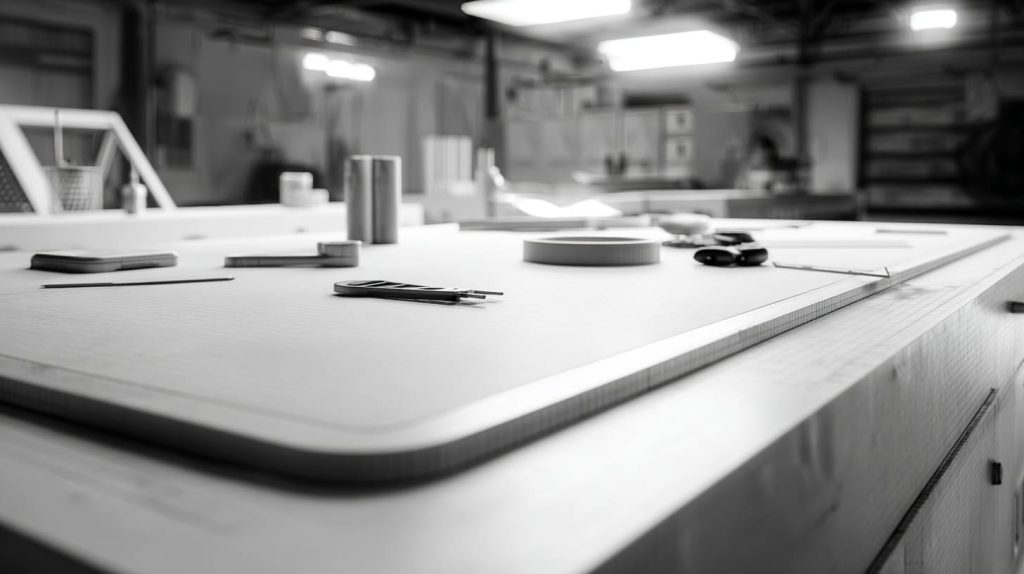
HDPE gets attention fast because it sounds like the responsible adult in the room.
I understand why buyers like it. It feels solid in the hand. It does not look fragile. It does not ask for much polishing or decorative work. It is one of those materials that gives off a quiet message: I am here to work, not to perform. In many cases, that message is useful.
When I talk with practical buyers, HDPE often enters the conversation early because it seems to solve several headaches at once. It can keep costs down. It can take abuse. It can handle moisture and cleaning. For the right fixture, that matters a lot.
What often catches my attention first is not whether HDPE is “good,” but whether the project is trying to solve a usage problem or a display problem, because HDPE is much stronger on the first one.
Low Material Cost and Easy Processing
The first reason buyers like HDPE is simple. It usually costs less than acrylic as a raw material, and it often needs less finishing work.
That changes the quote very quickly.
Acrylic often asks for more care. Clear edges may need polishing. Surface quality matters more. Visual defects stand out more. HDPE is usually less demanding in that way. Its value is tied more to function than to visual perfection.
Here is a basic comparison:
| Factor | HDPE | Acrylic |
|---|---|---|
| Raw material cost | Usually lower | Usually higher |
| Edge finishing needs | Low | Often higher |
| Surface perfection required | Lower | Higher |
| Machining speed | Often faster | Can be slower due to finish demands |
| Waste sensitivity | Lower in many utility parts | Higher in display-grade parts |
That is why HDPE looks so attractive for bulk projects. If the buyer needs many units, and if the fixture is not meant to act like a visual centerpiece, HDPE can look like a clean win.
Strong Impact Resistance and Durability
The second reason is toughness.
HDPE handles bumps, knocks, and rough handling better than acrylic. In a busy store, that matters. Staff members do not treat fixtures like museum objects. They move them. They stack them. They lean on them. They clip them with carts. Sometimes they drop them. I wish every fixture lived a careful life. Most do not.
HDPE often performs well in these rougher settings. It bends a bit before it fails. Acrylic does not always forgive that kind of treatment. Acrylic can crack. HDPE usually shrugs off more abuse.
That difference is important in places like these:
- stock rooms
- utility shelving
- under-counter organizers
- service areas
- heavy-use product bins
- temporary display structures moved often
I have seen buyers touch an HDPE sample and feel immediate relief. The material feels dependable. That feeling is not fake. In the right setting, it is earned.
Moisture and Chemical Resistance
HDPE also makes sense in places where water, spills, or frequent cleaning are part of daily life.
This is one reason it appears in food-related environments, industrial spaces, and some outdoor or semi-outdoor settings. It handles moisture well. It also tolerates many cleaning conditions better than acrylic.
That does not mean it wins every time. It just means its practical advantages are real.
Here is a quick view:
| Use Condition | HDPE Performance | Acrylic Performance |
|---|---|---|
| Frequent moisture | Strong | Usually acceptable, but depends on design and care |
| Rough cleaning routines | Strong | More sensitive |
| Impact-heavy use | Strong | Weaker |
| Premium product display | Weak | Strong |
| Optical clarity need | Poor | Excellent |
This is why HDPE can feel like the obvious answer at first glance. It solves visible problems quickly. It lowers stress during manufacturing. It reduces fear around breakage.
But first impressions can be expensive, and that is exactly where the next problem starts.
Where HDPE Becomes a Cost Trap
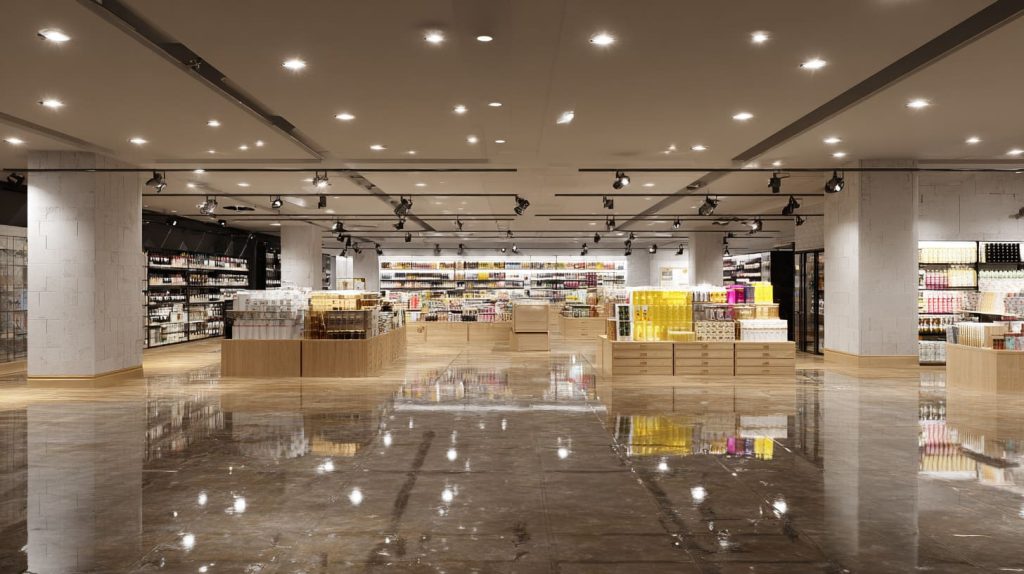
HDPE can save money at the start and still cost more later in ways that do not show up clearly on the purchase order.
This is the part many buyers feel only after the fixture is already in use. The structure still works. The fixture still holds products. Nothing has technically “failed.” Still, the display starts looking tired, dull, or cheap. That kind of loss is harder to measure, but I think it matters more than many teams admit.
I get cautious when a customer-facing fixture is judged only by toughness, because stores do not sell through toughness alone. They sell through feeling, trust, and visual cues too.
Poor Visual Appeal Reduces Product Perceived Value
HDPE is not a material that naturally helps products look premium.
That is not an insult. It is just a design truth.
It usually has a matte, waxy, or opaque look. It does not give the product much visual lift. It does not create depth. It does not interact with light in a clean, elegant way. If the store sells budget utility goods, maybe that is fine. If the store sells cosmetics, jewelry, electronics accessories, fragrance, or any product that depends on presentation, that is a different story.
I have seen this happen in real buying discussions. A fixture looked durable and sensible in a workshop. Then it entered a polished retail environment and suddenly felt flat, almost like it belonged in the back room instead of the front display.
That shift affects how the product feels to the customer.
| Display Goal | HDPE Result | Risk |
|---|---|---|
| Premium look | Weak | Product may feel less valuable |
| Clean light transmission | Poor | Display loses visual energy |
| Brand elegance | Limited | Fixture may fight brand image |
| Transparency | None | Product visibility becomes heavier |
A fixture does not need to scream for attention, but it should not quietly drag the product down either.
Surface Scratches and Wear Over Time
Many people think HDPE is the safer long-term choice because it is tough. That is only partly true.
Yes, HDPE handles impact well. But visible wear is a different issue. It scratches. It scuffs. Its surface can start to look used quite quickly in public-facing areas. The problem is not always structural failure. The problem is visual fatigue.
And unlike acrylic, HDPE does not offer the same path back through polishing for clear, premium presentation. Once the surface looks worn, the fixture often just looks old.
This is where things often go wrong in store planning: the buyer thinks “durable” means “will keep looking good.” Those are not the same thing.
Here is a better way to separate the two:
| Type of Durability | HDPE | Acrylic |
|---|---|---|
| Impact resistance | Strong | Moderate to weak |
| Visual freshness over time | Moderate to weak in display zones | Strong if maintained properly |
| Repairability of surface look | Limited | Better, especially for polished display parts |
That difference matters a lot in beauty retail, electronics displays, and branded shop-in-shop programs where surface quality carries sales weight.
Limited Customization and Finishing Options
HDPE also becomes limiting when branding needs become more serious.
Acrylic is much easier to turn into something visually precise. It can be clear, frosted, colored, edge polished, engraved, UV printed, bent, layered, and lit in attractive ways. HDPE is much more restricted. It can do the job, but it rarely creates that sharp branded finish many store displays need.
I have learned to be careful when a buyer says, “We just need something functional,” because many of those same projects later ask for logo quality, premium feel, and shelf impact. By then, the material is already fighting the goal.
Here is where acrylic clearly opens more doors:
- transparent body structures
- polished edges
- engraving with visual depth
- UV printing with stronger display appeal
- layered display effects
- light-enhanced presentation
- better fit for premium custom branding
HDPE still has value. I do not deny that. But when visual selling matters, HDPE can become cheap in the wrong place.
That leads to the other side of the story, because acrylic often wins for the exact reasons HDPE struggles.
Why Acrylic Looks Like the Premium Choice
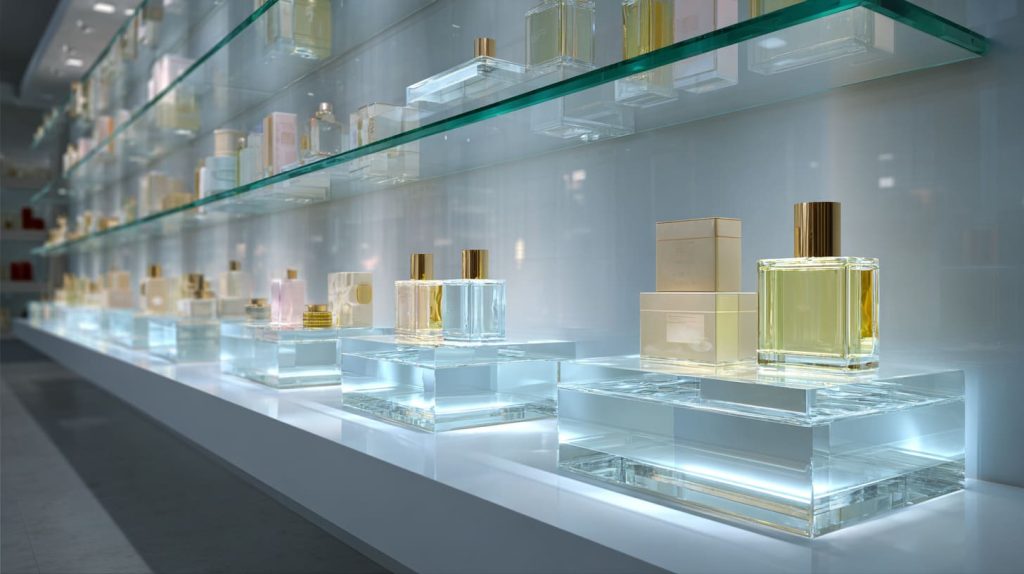
Acrylic usually wins hearts faster than HDPE because it helps products look more valuable before a customer even touches them.
I work with acrylic often, so I know I may sound biased. Still, the reason is not emotional loyalty to one material. The reason is visual performance. Acrylic does something useful in retail. It gets out of the way while still improving the scene. It can support the product without making the display feel heavy.
That is hard to do well.
When I look at a customer-facing fixture, I do not just ask whether it can hold the product safely. I ask whether it lets the product breathe, because crowded-looking materials can quietly kill the whole display.
High Transparency and Visual Impact
Acrylic gives stores a kind of quiet confidence.
Its transparency can make a fixture feel lighter, cleaner, and more refined. That matters in small spaces where bulky materials make the display feel crowded. It also matters in premium categories where customers expect a polished look.
Acrylic can create that “floating” effect many brands want. The product becomes the star. The fixture supports it without stealing attention.
That is not a small benefit. It changes how the customer reads the value of the product.
| Visual Factor | Acrylic Strength |
|---|---|
| Transparency | Excellent |
| Product visibility | High |
| Premium impression | Strong |
| Lightness in visual space | Strong |
| Suitability for luxury displays | High |
I have seen average products look more organized and more valuable just because the fixture material was cleaner and more visually disciplined.
Strong Branding and Customization Flexibility
Acrylic also gives designers much more room to shape the brand experience.
This is one reason it stays popular in cosmetics, beauty accessories, small electronics, eyewear, collectibles, and display boxes. It adapts well to custom work. That matters a lot in B2B projects, where buyers are not just ordering a material. They are building a branded environment.
Acrylic works well with:
- laser cutting
- CNC machining
- heat bending
- UV printing
- screen printing
- engraving
- layered assembly
- colored inserts
- frosted finishes
That range gives product and mold designers more freedom. Small details become possible. Edges can look sharp. Logos can feel intentional. The whole display can match the product story more closely.
I trust acrylic most when the fixture must carry brand identity, because it gives me more control over the feeling of the final piece.
Better Light Interaction for Display
Acrylic has another advantage that people sometimes underestimate: it works beautifully with light.
Retail is visual theater, even in ordinary stores. Spotlights, shelf lights, and ambient lighting all affect how a fixture performs. Acrylic responds to that light in a way HDPE does not. Clear or polished acrylic can brighten the display. It can create edge glow. It can make products feel crisp.
That helps in these situations:
| Scenario | Why Acrylic Helps |
|---|---|
| Cosmetic display | Clean, beauty-focused presentation |
| Jewelry or accessory display | Better brightness and detail visibility |
| LED-lit fixture | Stronger light transmission |
| Small retail space | Visual lightness reduces crowding |
| Premium shelf display | Better product framing |
I do not choose acrylic only because it is pretty. I choose it when visual clarity itself is part of the job.
Still, every material that looks beautiful can hide its own cost trap, and acrylic is no exception.
Where Acrylic Can Also Become a Cost Trap
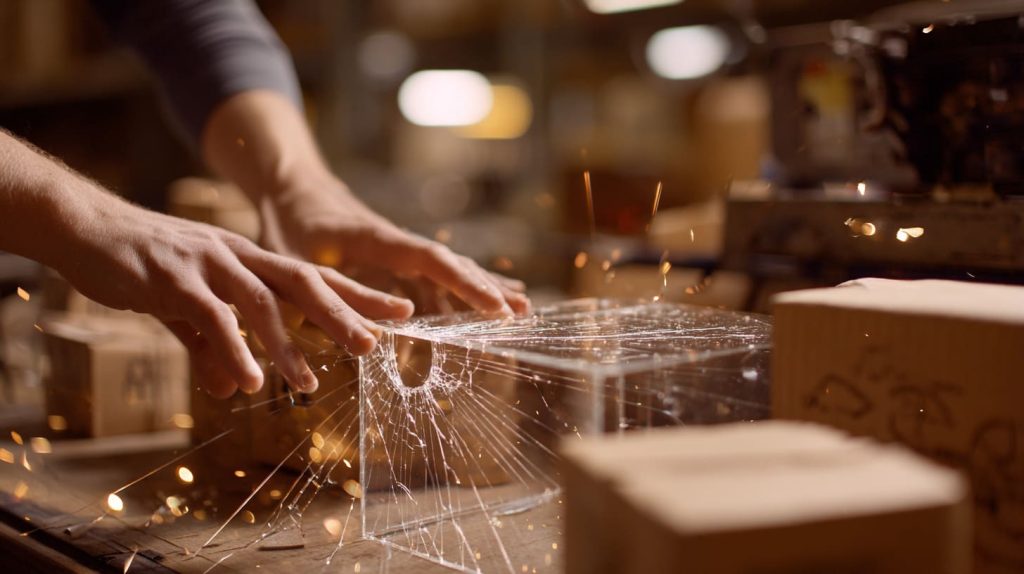
Acrylic can absolutely become the wrong choice if the buyer falls in love with the look and ignores the handling reality.
I have seen this happen too. A customer wants everything customer-facing to look premium. The fixture design gets thinner, cleaner, and more elegant. The sample looks great. Then the store team treats it like a warehouse tool, and the cracks begin. Or the cleaning process is too rough. Or the budget was never realistic for the finish level expected.
That is why I never treat acrylic like a magic answer. It works best when the environment respects what it is.
Higher Initial Material and Processing Cost
Acrylic usually starts with a higher price tag.
That part is obvious. What is less obvious is how much finishing quality can affect the final cost. Clear surfaces show flaws. Edge quality matters. Polishing takes time. Protective handling matters during manufacturing, packing, shipping, and installation.
So the cost difference is not only about the sheet price. It is also about labor, finishing, waste risk, and presentation standards.
Here is a useful comparison:
| Cost Element | HDPE | Acrylic |
|---|---|---|
| Raw sheet cost | Lower | Higher |
| Edge finishing labor | Lower | Higher |
| Cosmetic defect sensitivity | Lower | Higher |
| Packaging care needed | Lower | Higher |
| Premium appearance return | Lower | Higher |
Acrylic can be worth that cost. I just do not like when buyers pretend the extra labor is somehow optional while still expecting a premium result.
Brittle Nature and Risk of Cracking
This is the issue everyone should face honestly: acrylic is more brittle than HDPE.
If the fixture is likely to take hard impact, repeated drops, or rough staff handling, acrylic needs careful design. Thickness matters. Corner design matters. Load direction matters. Support structure matters. A beautiful thin acrylic shelf can become an expensive regret if it is designed only for visual elegance.
I get more conservative with acrylic when the store team changes layouts often, because repeated movement is where damage risk starts to climb.
This does not mean acrylic is weak. It means it is less forgiving. That is a different thing.
A few design choices help reduce trouble:
- avoid stress-heavy sharp internal corners
- use proper thickness for span and load
- add support where long shelves may flex
- protect drilled or fastened areas from stress concentration
- design for transport, not just display appearance
Acrylic rewards good design. It punishes careless design more quickly.
Maintenance and Cleaning Sensitivity
Acrylic also asks for better cleaning habits.
That is not always a problem, but it needs attention. Harsh chemicals, rough cloths, and dirty cleaning routines can dull or scratch the surface. In some stores, cleaning teams are trained and careful. In others, they are in a hurry and use whatever spray bottle is nearby. That difference matters more than the drawing often shows.
This is one of those overlooked details that changes the real cost later.
| Maintenance Factor | Acrylic Risk |
|---|---|
| Wrong cleaner used | Surface damage or haze |
| Rough cloth or pad | Scratching |
| Dusty wiping without care | Fine surface marks |
| Poor storage during fixture rotation | Edge or panel damage |
I respect acrylic most when the store has the discipline to maintain it properly. If that discipline is missing, the material may still work, but the long-term look may disappoint.
That brings us to the more honest question, which is not “Which one is cheaper?” but “Where does the real cost actually show up?”
The Real Cost Comparison: Beyond Unit Price
Unit price is easy to compare. Real cost is harder. That is exactly why so many fixture decisions go wrong.
I have sat in enough buying discussions to know how tempting the simple math can be. One material is cheaper per sheet. One fixture version cuts labor. One quote looks kinder to the budget. Everyone feels good for a moment. Then six months pass, and the hidden costs start leaking out through replacement, visual decline, and weaker shelf impact.
I pay more attention to the total life of the fixture than to the opening quote, because a fixture that performs badly in public is often more expensive than one that costs more to build.
Lifecycle Cost vs Initial Cost
This is the first split I want buyers to make in their minds.
Initial cost is what you pay to get the fixture made. Lifecycle cost is what the fixture costs you over its usable life. That includes how often it needs replacement, how it affects product display, and whether it ages in a way that still supports the brand.
Here is a simple side-by-side view:
| Cost View | HDPE | Acrylic |
|---|---|---|
| Upfront budget pressure | Lower | Higher |
| Display value over time | Lower in front-facing areas | Higher |
| Visual aging risk | Faster in premium settings | Better if maintained |
| Replacement pressure in visible zones | Higher | Lower in many display uses |
| Brand support value | Limited | Strong |
This is why I think the “cheaper” material can become more expensive in customer-facing use. The unit price is not the full story.
Impact on Sales and Customer Perception
Fixtures affect behavior more than some buyers like to admit.
Customers may not say, “This display uses the wrong plastic.” That is not how people think. They react in a softer way. The setup feels cheap. The product feels less special. The shelf looks cluttered or dull. The eye moves on.
That reaction affects sales, even when nobody names the real cause.
I have seen premium products placed in weak-looking displays, and the whole offer lost energy. Nothing was technically broken. The product just felt less worth stopping for.
Here is how I frame it:
- A utility fixture can prioritize toughness first.
- A display fixture must also sell visually.
- A premium product needs a fixture that supports perceived value.
- A cheap-looking fixture can quietly drag down a good product.
That is one reason acrylic often earns its place in customer-facing zones. It helps the product look intentional.
Maintenance, Replacement, and Downtime
Maintenance cost is not only labor. It is also disruption.
If a fixture looks worn too soon, the team may need to replace it early. If a panel cracks, the display might need temporary repair. If the front-of-store presentation falls apart, the brand pays for that in ways that never show neatly inside the original material quote.
This is the kind of table I wish more teams used:
| Hidden Cost Factor | HDPE Risk | Acrylic Risk |
|---|---|---|
| Front-facing visual wear | Higher | Lower if maintained |
| Damage from rough impact | Lower | Higher |
| Premium image loss | Higher | Lower |
| Need for careful cleaning | Lower | Higher |
| Early replacement in display zones | Higher | Moderate |
I do not think either material wins everywhere. I think each one leaks cost in a different direction. The real job is to stop guessing and match the material to the real store behavior.
That becomes much easier once we stop asking “Which material is better?” and start asking “Where exactly will this fixture live?”
How to Choose Based on Real Store Scenarios
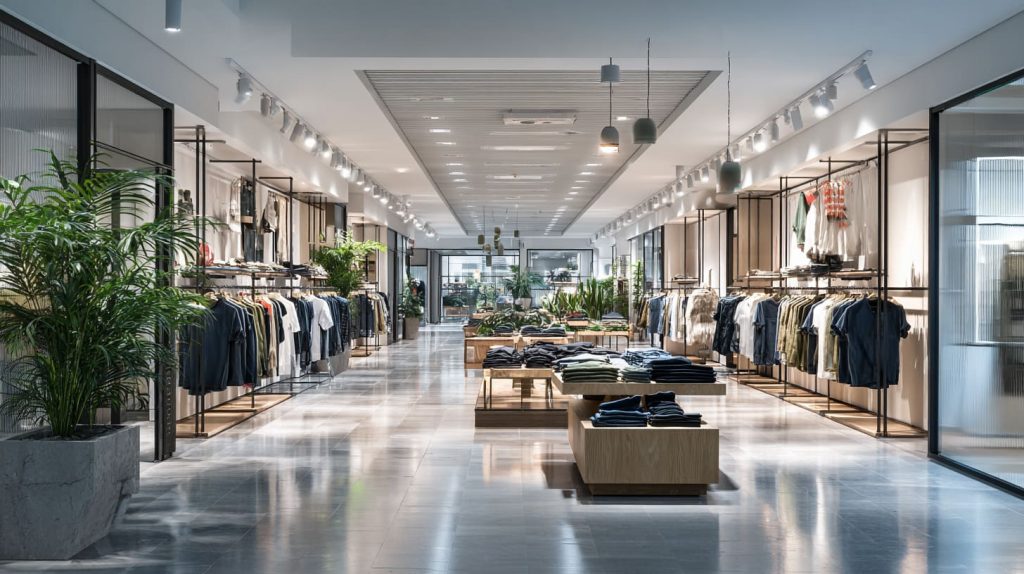
The best material choice usually becomes obvious once the store scenario is defined honestly.
I like this part because it brings the discussion back to real life. Not theory. Not material pride. Not habits from old projects. Just actual use. Where is the fixture placed? Who touches it? How often is it moved? What kind of products sit on it? Does it need to survive abuse, create beauty, or do both?
I decide more confidently when the store map is clear, because a material that is perfect in one area can be a bad choice ten feet away.
High-Traffic, Functional Areas
HDPE makes a lot of sense in rougher, more practical zones.
This includes areas where the fixture is mostly there to work, not to impress. Stock areas, under-counter parts, bulk bins, utility support pieces, and back-of-house display helpers often fit this category.
In those places, toughness matters more than elegance.
Examples where HDPE often works well:
- storage supports
- hidden dividers
- heavy-use organizers
- rough-access utility racks
- wet or cleaning-heavy support zones
I lean toward HDPE when the fixture will be handled like equipment, because asking acrylic to survive that kind of daily treatment can become an expensive act of denial.
Customer-Facing Display Areas
Acrylic usually performs better where the customer sees the fixture as part of the product story.
This is where visual lightness, transparency, edge quality, and clean branding start to matter. Front-of-store shelving, feature displays, countertop showcases, cosmetic risers, brochure holders, product stands, and clear boxes often benefit from acrylic.
The reason is simple. The fixture is not hidden. It is part of the buying moment.
| Display Area | Better Material Tendency | Why |
|---|---|---|
| Back room utility | HDPE | Durability and function |
| Front shelf product display | Acrylic | Presentation and perceived value |
| Cosmetic stand | Acrylic | Clean, premium visual support |
| Wet utility area | HDPE | Moisture resistance |
| Branded countertop display | Acrylic | Better branding and light interaction |
This is where I become less interested in saving a few dollars on material, because the fixture is now helping shape the customer’s judgment of the product.
Hybrid Approach for Cost Optimization
A lot of smart projects do not choose only one material. They combine them.
I like this approach because it respects both cost and function. The hidden support parts can use HDPE. The visible display faces can use acrylic. The structure does the tough work. The surface does the visual work.
That can create a much better cost balance.
A hybrid fixture may use:
- HDPE for hidden support panels
- HDPE for internal dividers
- acrylic for product-facing shelves
- acrylic for sign holders or front panels
- acrylic for branded visible touchpoints
This is often the most mature answer. Not ideological. Just practical.
Once that hybrid mindset appears, the next question becomes more technical, because design details can change the cost just as much as material choice itself.
Key Design Factors That Affect Cost Outcomes
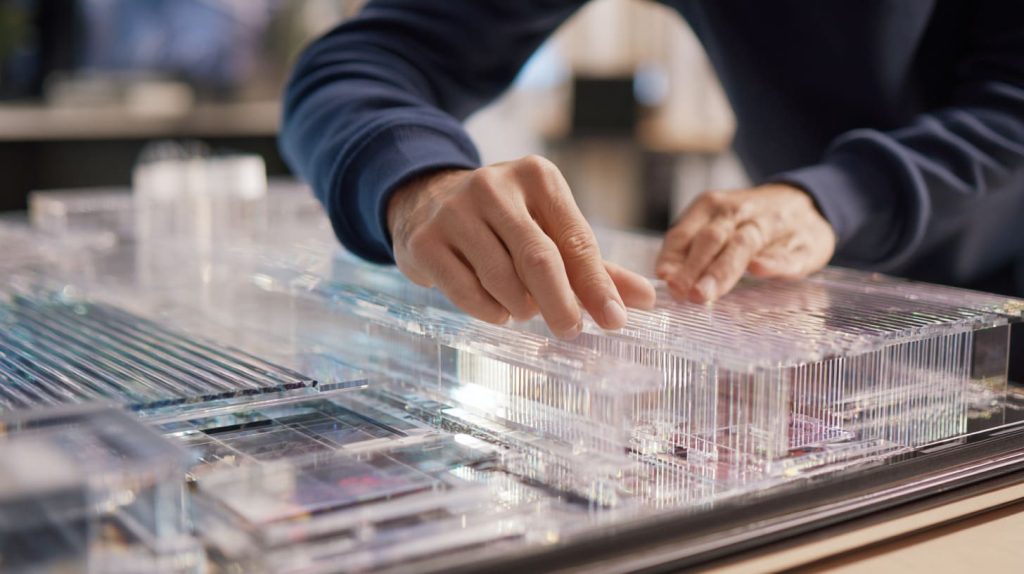
Material is only half the story. Design decisions can quietly double the cost or quietly protect it.
I have seen good materials wasted by lazy design, and I have seen average budgets saved by smart design. Thickness, support, edge treatment, customization choices, and order volume all affect the final result. A buyer can choose the “right” material and still lose money if the design logic is wrong.
I pay close attention to design details before I argue about material price, because overbuilt or poorly detailed fixtures can ruin the economics of both HDPE and acrylic.
Thickness and Structural Design
People often solve fear with thickness.
That sounds safe, but it is not always smart. Extra thickness increases material cost, weight, shipping cost, and sometimes machining time. It can also make the fixture look heavier than necessary.
A better question is this: does the design need more material, or does it need better structure?
For example, support ribs, folded geometry, shorter spans, and better load paths can sometimes reduce the amount of material needed. That is true for acrylic and for HDPE.
| Design Choice | Cost Effect | Smarter Alternative |
|---|---|---|
| Adding too much thickness | Higher material and shipping cost | Add support where needed |
| Long unsupported shelves | Flex risk | Reduce span or reinforce |
| Ignoring load direction | Failure risk | Design around real load path |
I get suspicious when thickness is used as the first fix, because that usually means the design has not fully thought through the structure.
Surface Finish and Edge Treatment
Finish quality can change the fixture’s cost and its business value at the same time.
Acrylic polished edges look beautiful. They also take more work. That cost may be worth it in premium retail. In utility zones, it may be unnecessary. HDPE usually asks for less finish work, which helps cost. Still, that same simplicity can look underwhelming in a premium setting.
This is where small visual details become expensive or valuable depending on the context.
Here is a quick guide:
| Finish Decision | Cost Impact | Business Impact |
|---|---|---|
| Polished acrylic edge | Higher | Stronger premium look |
| Standard acrylic cut edge | Lower | Less visual lift |
| HDPE basic finish | Low | Fine for utility use |
| Decorative branding details | Higher | Better shelf identity |
I do not mind paying for polished details when the customer will notice them. I mind paying for them when the fixture lives somewhere nobody sees.
Customization Level and Production Volume
Custom work changes the math.
Small batches can make premium features feel expensive quickly. Large batches can reduce that pain because setup cost spreads out better. This matters a lot in B2B fixture projects where buyers need branded custom work but still want cost control.
Acrylic often shines in custom branded projects because it supports more attractive visual features. HDPE can still work, especially when the functional case is stronger than the branding need.
I usually separate projects like this:
- Small custom batch: design simplicity matters more
- Large branded rollout: premium finish may become easier to justify
- Short campaign display: look may matter more than extreme durability
- Long utility use: function may matter more than appearance
This is why no material discussion feels complete without production context. Volume changes what “expensive” really means.
And once design enters the picture, I usually start seeing the same buyer mistakes again and again.
Common Buyer Mistakes That Lead to Cost Traps

Most cost traps do not come from bad materials. They come from incomplete thinking.
I do not say that to blame buyers. Fixture projects are messy. Teams move fast. Samples can be persuasive. Budgets push hard. People make reasonable decisions with limited time. Still, some mistakes repeat so often that I think they deserve plain language.
I have learned to slow down when a material choice feels “obvious,” because obvious decisions are often where the hidden costs are hiding.
Choosing Based Only on Sample Feel
A sample can mislead people very easily.
A buyer holds a part in hand. It feels strong. It feels clean. It feels premium. That moment matters, but it is not enough. A sample is usually clean, new, and isolated from real store conditions. It does not show months of wiping, dragging, stacking, fingerprints, lighting, and customer contact.
A showroom sample is not the same thing as a working retail life.
That is why I ask questions like these before I trust a sample:
- Where will this sit in the store?
- How often will staff move it?
- What products will it hold?
- What kind of cleaning routine will it face?
- Will customers see it from close range every day?
The sample tells part of the truth. The use environment tells the rest.
Ignoring Brand Positioning
This mistake is quiet but expensive.
A material can do the job physically and still damage the product story. If the brand wants to feel refined, elegant, clean, modern, or premium, then the fixture cannot look like an afterthought. A practical material may save money in the factory and lose value in the store if it makes the display feel cheap.
I get uneasy when a premium product is placed on a fixture that looks purely industrial, because that mismatch creates a small sense of distrust in the customer’s mind.
That mismatch matters most in categories like:
| Product Type | Brand Risk if Fixture Looks Cheap |
|---|---|
| Cosmetics | High |
| Jewelry | High |
| Premium accessories | High |
| Consumer electronics gift items | Medium to high |
| Utility hardware | Lower |
Not every product needs acrylic. But every product needs a fixture that matches its selling environment.
Overestimating Durability Needs
This mistake is common because toughness feels responsible.
Nobody wants a broken fixture. I understand that. But many projects end up buying more toughness than they really need, while underbuying presentation. Not all fixtures face warehouse-level abuse. Some mainly sit in place and support product display. In those cases, chasing maximum impact resistance may solve the wrong problem.
That is why I try to separate real risk from imagined risk before I decide.
A few signs of overestimating durability:
- choosing a heavy-duty material for a lightly used display
- adding too much thickness without real load data
- ignoring product value and only discussing abuse risk
- designing for the worst case while selling in a premium environment
That kind of thinking feels safe, but it can quietly flatten the whole display.
And once I see these mistakes clearly, the conclusion becomes much simpler.
Conclusion
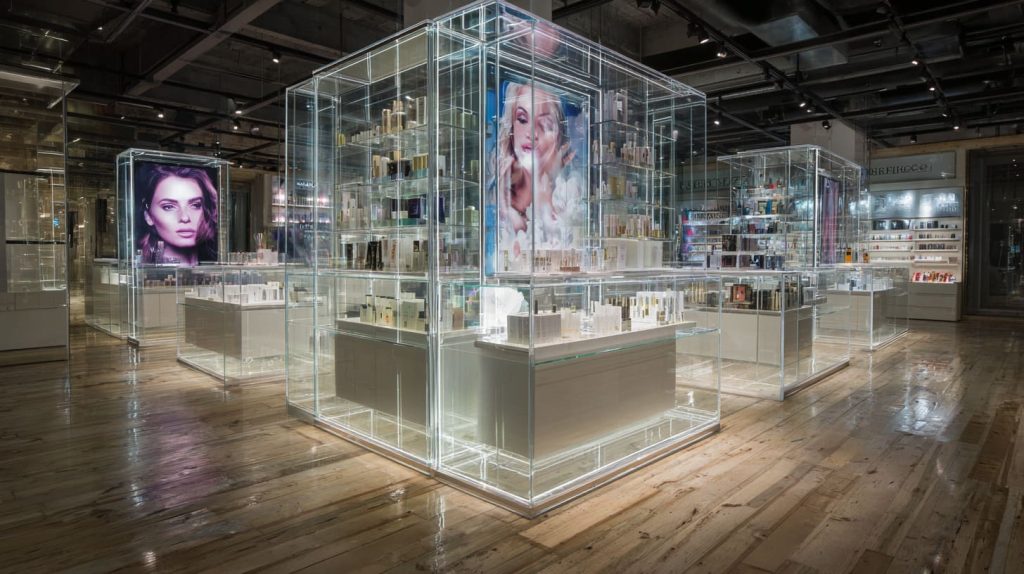
I do not believe there is one perfect answer to the HDPE versus acrylic question. I think there is only a better answer for each part of the store.
That is why I do not start with material loyalty. I start with use, visibility, and business effect. If the fixture is hidden, rough-handled, wet, or purely functional, HDPE can be a smart and cost-efficient choice. If the fixture is customer-facing, brand-sensitive, and expected to help products look more valuable, acrylic often earns its higher cost.
My view comes from seeing how these projects behave after the quote is approved. I have watched practical materials look tired too early in the wrong setting. I have also watched beautiful acrylic designs fail because nobody respected the real handling conditions. That is why I think the best decision is rarely emotional and never one-dimensional.
What pushes me toward acrylic in many store fixture projects is simple: a fixture is not just there to survive. It is there to support sales, display confidence, and product value. What keeps me cautious is also simple: visual beauty means very little if the design ignores real handling and maintenance.
So my conclusion is this:
| Situation | My Likely Choice | Why |
|---|---|---|
| Hidden utility area | HDPE | Lower cost, better toughness |
| Front-facing premium display | Acrylic | Better visual support and branding |
| Mixed-performance retail environment | Hybrid | Best balance of cost and presentation |
I believe smart buyers focus on total cost, not just purchase price. I believe good fixture design respects both function and feeling. I believe the strongest result often comes from using each material where it makes the most sense instead of forcing one material to do everything.
If you are planning a custom store fixture project and you want to sort out the right balance between HDPE, acrylic, or a hybrid design, you can start by looking at the real store conditions first. After that, the material choice usually becomes much clearer. If you want, you can also use that logic to review your next fixture drawing before it turns into a costly lesson.