Skip to content

Acrylic thickness gets treated like a small detail far too often.
I have seen this happen in very normal product discussions. A buyer asks for quotation options. A supplier gives 3 mm and 5 mm. Everyone looks at the price first. That reaction makes sense. Cost sits right there on the page. Thickness feels like a technical line item. So people move past it too fast.
But thickness is rarely just a technical line item.
It changes how a panel feels in the hand. It changes how a box survives shipping. It changes whether a display still looks neat after months of use or starts showing stress in all the wrong places. I have learned this in a very practical way. A piece can look fine in the sample room and still become annoying after transport, stacking, cleaning, and daily handling.
That is why I think the 3 mm vs 5 mm question deserves more respect than it usually gets.
One reason this topic gets messy is simple. People often compare sheet cost, but they do not compare total project cost. A thinner sheet may save money at the start. Then it may lose money later through breakage, rework, product complaints, or weak product feel. That gap between quote-stage thinking and real-world use is where many bad decisions begin.
I do not judge acrylic thickness by the quotation alone. I judge it by what the part has to survive after it leaves the factory.
A lot of the trouble starts after production, not during it. So before I talk about shipping damage and daily use, I think it helps to get clear on what 3 mm and 5 mm really mean in practice.
What Are the Real Differences Between 3 mm and 5 mm Acrylic?

At first glance, 3 mm and 5 mm acrylic do not look dramatically different on paper. It is only a 2 mm gap. That sounds small. In real products, it often does not feel small at all.
I have handled enough custom acrylic parts to know that small thickness changes can produce very noticeable changes in rigidity, feel, appearance, and user confidence. This is one of those cases where numbers look calm, but the finished product tells a louder story.
A buyer may ask, “Is 5 mm really necessary?” I think that is the right question. But I also think the wrong way to answer it is by staring only at material price.
What often guides my decision here is not the millimeter number itself, but how that small difference changes bending, visual weight, and risk after the product starts moving through real life.
Material thickness vs perceived strength
The first real difference is rigidity.
A 5 mm acrylic panel usually feels firmer than a 3 mm panel. That sounds obvious, but the effect is bigger than some people expect. A panel that flexes only a little less can feel much more stable to the customer. That matters in display work, box covers, risers, sign holders, and organizer walls.
Here is a simple way I look at it:
| Item trait | 3 mm acrylic | 5 mm acrylic |
|---|---|---|
| Hand feel | Lighter, thinner | Heavier, more solid |
| Flex under light pressure | More noticeable | Less noticeable |
| Visual edge presence | Slimmer | Fuller, stronger |
| User confidence | Depends on design | Usually higher |
| Suitable span size | Smaller | Larger |
When someone touches a product, they are not measuring thickness with a tool. They are making a judgment in one second. They press the edge. They lift the unit. They open the lid. They decide whether it feels cheap, normal, or well built.
I have seen this happen with acrylic organizer boxes. The 3 mm version looked acceptable on the table. The 5 mm version looked calmer, cleaner, and more trustworthy. The difference was not only technical. It was emotional too.
Why rigidity changes the whole product feeling
Rigidity affects more than strength. It affects behavior.
Acrylic that bends too easily may still be technically usable, but it can make a product feel less reliable. A display stand may wobble slightly. A box lid may feel less stable. A divider wall may lean under light pressure. None of those problems sound dramatic. That is exactly why they get overlooked.
Small weaknesses often do more damage to product perception than big failures, because customers notice them again and again.
Why appearance changes with thickness
The edge of acrylic carries visual weight.
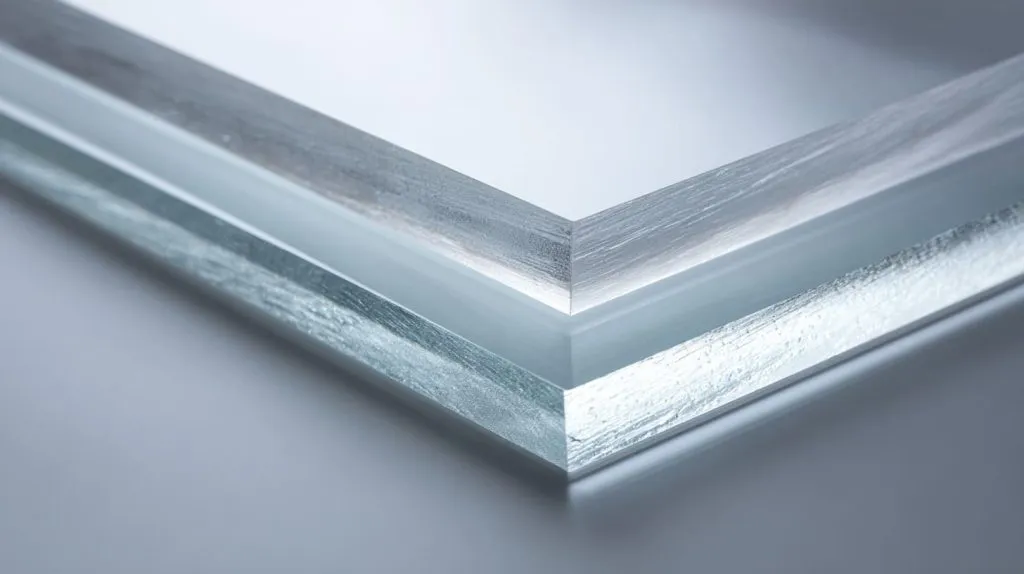
A 5 mm polished edge usually looks richer than a 3 mm polished edge. The product can feel more premium even before the user touches it. In retail displays especially, edge thickness changes how light moves through the acrylic and how “serious” the product looks on the shelf.
That does not mean thicker is always better. Slim designs can look elegant. But slim only works when the structure still feels intentional, not weak.
Cost vs performance trade-off
The next difference is cost. This is where many projects become too narrow in thinking.
Yes, 5 mm costs more than 3 mm. The sheet cost is higher. The shipping weight may be slightly higher. Some machining details may also cost a bit more. So on the quotation sheet, 3 mm usually looks friendlier.
But the cheaper option at the start is not always the cheaper option at the end.
Here is the trade-off I usually explain:
| Cost area | 3 mm acrylic | 5 mm acrylic |
|---|---|---|
| Material cost | Lower | Higher |
| Shipping weight | Lower | Higher |
| Packaging demand | Often higher for protection | Often easier to protect |
| Breakage risk | Higher in some designs | Lower in many designs |
| Return/replacement risk | Higher if design is marginal | Lower if design is solid |
| Perceived value | More basic | More premium |
This is where things often go wrong: I see buyers save a small amount on sheet thickness, then spend more money dealing with damaged goods, customer complaints, or disappointing product feel.
Acrylic thickness is a classic example of false economy. You save a little where the quote is easy to read, then lose more where the damage is harder to track.
Hidden cost vs long-term value
Hidden costs do not always show up as a formal line item. Sometimes they show up as silence. A customer does not complain, but he does not reorder. A store display survives, but it looks tired too soon. A box arrives, but one corner has stress whitening that makes the product feel lower grade.
Those costs matter.
I think thickness decisions should always include these questions:
- How far will the product travel?
- How many times will it be handled?
- Will the customer touch it every day?
- Does the product need to look premium?
- What happens if one corner cracks in transit?
That is where the real comparison begins.
And once we ask those questions honestly, shipping becomes the next thing to examine, because transport is where thin acrylic often starts revealing its limits.
How Does Acrylic Thickness Affect Shipping Damage?

Shipping is where many nice-looking acrylic products get humbled.
I say that because I have seen parts leave the factory looking perfect, only to arrive with edge cracks, corner damage, surface scuffs, or stress marks that were not obvious before transport. Acrylic is attractive, clean, and versatile. It is not magic. If the design and packaging do not match the thickness, shipping will expose that very quickly.
A lot of people think damage comes down to packaging alone. Packaging matters a lot, of course. Still, thickness changes how the acrylic reacts before the carton even gets a chance to help.
When I evaluate shipping safety, I pay more attention to how the part behaves under stacking, vibration, and repeated pressure than how pretty it looks on the sample table.
Flexibility vs brittleness during transport
This part is a bit tricky, because people often oversimplify it.
They assume thinner acrylic is always worse because it is thinner. Or they assume thicker acrylic is always safer because it is stronger. Real life is not that neat. Thickness changes both flexibility and damage pattern.
A 3 mm sheet is more flexible. That can help in some minor situations because it may move a little instead of staying completely rigid. But under shipping stress, that extra movement can become a problem. More flex can mean more rubbing, more local stress at corners, and more pressure concentration around joints or cutouts.
A 5 mm sheet is more rigid. It usually holds shape better. It often resists general deformation better during stacking and handling. That can reduce a lot of common transit problems.
Here is a practical comparison:
| Shipping behavior | 3 mm acrylic | 5 mm acrylic |
|---|---|---|
| Panel movement inside packaging | More likely | Less likely |
| Edge stress under pressure | Higher risk | Lower risk |
| Shape retention | Lower | Higher |
| Resistance to stack load | Moderate | Better |
| Need for internal support | Higher | Lower |
I have found that 3 mm becomes risky faster when the part is wide, tall, or poorly supported. A small flat part may travel fine. A larger display panel, lid, or organizer wall may not.
Why movement during shipping matters so much
Acrylic does not only break from one big hit. It also suffers from repeated small abuse.
Transport creates vibration. Boxes shift. Parts rub. Cartons get stacked. Someone lifts one side first. A courier drops a carton edge. All these small actions build stress over time. A thinner panel that flexes more can collect damage in ways that look random but are actually very predictable.
That is why I do not ask only, “Can it survive one impact?” I also ask, “Can it survive a whole trip?”
Common shipping failure scenarios
The failure patterns are very familiar.
I have seen the same problems show up again and again in acrylic shipping. The material is not bad. The design choice and protection level simply did not respect what the route would do to it.
Edge cracking
Edge cracking is common because edges take concentrated stress.
When acrylic parts sit too close to each other, or when the carton takes side pressure, the edge can become the first weak point. A thinner sheet often has less margin here, especially if the edge is near a notch, slot, bend line, or screw hole.
I pay special attention to polished edges on display-grade products. They look great, but any damage there becomes very visible.
Surface scratches due to bending
This problem gets underestimated.
Acrylic sheets can scratch when bending allows one part to rub against another surface, insert, or protective layer in a bad way. Even with film, repeated motion can still create marks if the pack-out is loose or pressure is uneven.
This is not only a shipping problem. It is also a packaging design problem.
Corner breakage under stacking pressure
Corners suffer when cartons are stacked, tilted, or compressed.
Acrylic corners already carry more stress than flat center areas. If the carton is overloaded or the part is too close to the outer wall, corner damage becomes much more likely. I have seen this happen with boxes, trays, display frames, and clear covers.
Here is a quick table of failure patterns:
| Failure type | Why it happens | More common with |
|---|---|---|
| Edge crack | Side impact or concentrated pressure | 3 mm |
| Surface scratch | Internal movement and rubbing | Both, but worse when thin parts flex more |
| Corner breakage | Stack pressure or drop shock | 3 mm |
| Stress whitening | Poor support near joints or bends | 3 mm |
| Joint separation | Movement under transit load | Thin designs with weak bonding |
Packaging requirements difference
People sometimes compare 3 mm and 5 mm only as material choices. I think that is incomplete. The packaging system should be part of the thickness decision.
A thinner acrylic product often needs better support to travel safely. That means more foam, more spacing, stronger inner protection, and sometimes thicker cartons or double-box solutions. Those extra steps can reduce or erase the original material savings.
This is the part many buyers miss.
A thinner part is not always cheaper to ship safely.
Protective film, foam, carton strength
For 3 mm acrylic, I usually become more careful with:
- Edge protection
- Foam density
- Internal spacing
- Layer separation
- Carton wall strength
- Drop-zone buffer around corners
For 5 mm acrylic, these still matter, but the product often starts with a better safety margin. That gives the packaging team more room to succeed.
Extra packaging cost for thinner sheets
Here is the trade-off in simple form:
| Packaging factor | 3 mm acrylic | 5 mm acrylic |
|---|---|---|
| Need for edge guards | Higher | Moderate |
| Need for rigid support boards | Higher | Lower |
| Risk of product movement | Higher | Lower |
| Sensitivity to carton pressure | Higher | Lower |
| Total packaging effort | Often higher | Often more manageable |
I do not like judging thickness in isolation from packaging cost, because shipping damage does not care which department made the decision.
Once the product survives the trip, the next question becomes just as important: how well does it hold up after people start using it every day?
Which Thickness Performs Better in Daily Use?

Shipping is only half the story. Daily use is where the product starts earning or losing trust.
Acrylic can look excellent on day one. That is not the hard part. The hard part is making it still look stable, clean, and credible after weeks or months of real handling. This is where 3 mm and 5 mm begin to separate more clearly, especially in products people touch often.
I think many buyers focus too much on “Will it arrive safely?” and not enough on “Will it still feel right after daily use?” The second question matters just as much.
When I compare thickness for real use, I watch for sagging, leaning, scratch visibility, movement fatigue, and the kind of wear that makes customers quietly lose confidence.
Resistance to bending and deformation
Bending is one of the clearest differences.
A 3 mm acrylic part can work very well when the dimensions are controlled and the load is light. But once the panel gets wider, taller, or more exposed to pressure, the risk of visible deformation goes up. That may show up as shelf sagging, panel bowing, or divider walls leaning slightly out of line.
A 5 mm part usually holds shape better. That matters a lot in products that need to look neat all the time.
Shelf sagging and panel warping
I have seen this issue in retail displays more than once.
The display does not collapse. It just starts looking tired. The front edge droops a little. A side wall flexes when customers touch it. The shelf line no longer looks crisp. These are not dramatic failures, but they slowly make the product feel lower quality.
That is why I take long spans seriously.
| Daily use issue | 3 mm acrylic | 5 mm acrylic |
|---|---|---|
| Short shelf stability | Often acceptable | Very good |
| Long shelf stability | Risk of sagging | Better control |
| Upright panel stiffness | Moderate | Stronger |
| Resistance to casual pushing | Lower | Higher |
| Shape retention over time | Lower | Better |
Long-term shape stability
Acrylic thickness is not only about surviving pressure once. It is about surviving repeated small pressure over time.
Customers lift lids. Staff clean surfaces. Products get moved for restocking. Boxes are opened and closed. Trays get picked up from one side first. All these small actions add up.
I lean toward 5 mm whenever the product must keep a strong shape for a long time without needing design tricks to stay stable.
Durability in handling and cleaning
Daily use means hands, cloths, movement, and repetition.
Acrylic products in stores and homes rarely sit untouched forever. People wipe them. They carry them. They reposition them. They load them unevenly. Thickness affects how calmly the product handles all that.
Scratch visibility and surface wear
Scratch behavior is not only a thickness issue, but thickness changes how users perceive wear.
A thinner piece that flexes more may show wear in a more obvious way because the whole product already feels lighter and less stable. A thicker piece often “absorbs” small visual flaws better in the customer’s mind because the product still feels substantial.
That is a subtle point, but it is real.
Resistance to repeated movement
Repeated movement puts stress on joints, bends, and corners.
If the structure is built with thin acrylic and little support, repeated handling can create fatigue faster. You may not see a crack immediately. You may first see slight looseness, whitening at stress points, or a feeling that the piece is getting tired.
This is where I become cautious with 3 mm on anything that will be moved often.
Load-bearing performance
Not all acrylic products carry the same job.
Some only need to stand there and look clean. Some need to hold products all day. Some must survive customer touching, frequent cleaning, and staff handling in busy environments. Thickness choice should reflect that reality.
Lightweight vs heavy-duty applications
Here is how I roughly sort it:
| Application type | 3 mm acrylic | 5 mm acrylic |
|---|---|---|
| Small brochure holder | Good choice | Good but may be unnecessary |
| Lightweight cosmetic riser | Often fine | Better for premium feel |
| Large display shelf | Risky | Better choice |
| Acrylic storage box with daily handling | Acceptable if small | Safer |
| Organizer with load on walls and lid | Limited by design | More forgiving |
Real-world examples
A small sign holder on a countertop may do perfectly well in 3 mm.
A wider retail riser that holds product all day may feel much more reliable in 5 mm.
A box with a lid that gets opened many times may benefit from 5 mm because the whole structure feels calmer and more durable.
A simple organizer divider for light use may stay in 3 mm if the spans are short and the layout is smart.
I do not decide thickness based on the product name. I decide it based on how much stress the product will actually see.
And even when two products survive equally well, they may not look or feel equally good. That brings us to perception, which is often more powerful than people admit.
How Does Thickness Influence Product Perception?

Product perception is not a soft topic. It affects reorder rates, brand trust, and how buyers judge value.
I think this gets dismissed too easily in B2B work. People act like only physical durability matters. But perception shapes the whole user experience. A product can function well and still lose points because it feels too thin, too light, or too easy to flex.
I have watched customers make decisions with their hands before they say a single word. That first touch tells them something. Thickness changes that message.
I often treat edge feel and visual weight as early warning signs, because customers forgive a higher price more easily than they forgive a product that feels weak in the first three seconds.
This is where 5 mm often has a clear advantage.
A thicker acrylic part usually looks more premium, especially in polished clear products. The edges look richer. The body looks more intentional. The product feels less like a temporary piece and more like a designed object.
That may sound subjective. It is. But customers buy with subjective judgment all the time.
Thin acrylic looks cheaper in retail environments
Under retail lighting, thin acrylic can sometimes look too plain.
It may still be transparent and neat. But it can lose the visual depth that makes a display feel high value. In some projects, that is not a problem. In others, especially premium cosmetics, gifts, or branded displays, it matters a lot.
Thick acrylic enhances perceived value
A 5 mm edge usually catches light in a more satisfying way. The product feels more expensive, even when the design stays simple.
That is especially useful when the brand wants clean luxury without adding extra decoration.
| Perception factor | 3 mm acrylic | 5 mm acrylic |
|---|---|---|
| Edge presence | Light | Stronger |
| Premium feel | Basic to mid-level | Mid to premium |
| Shelf confidence | Depends on design | Higher |
| Customer touch response | More cautious | More positive |
| Brand presentation | Good for simple use | Better for value display |
Customer experience and brand image
Customer experience is shaped by tiny moments.
A display that shakes a little. A lid that feels light. A shelf that flexes under product weight. These details do not always cause failure, but they do change how the brand is judged.
Stability affects trust in product quality
People connect stability with quality.
They do not say it in those exact words, but that is what happens. When a product feels stable, they trust it more. When it flexes too much, they start wondering what else is weak.
I have seen this with display stands in stores. The structure technically worked. But because it moved too much under normal handling, the whole display felt less premium than the brand wanted.
Impact on end-user satisfaction
Satisfaction is not only “Did it break?” It is also “Did it feel right every time I used it?”
That is why I think thickness deserves to be part of brand thinking, not just engineering thinking.
A thin sheet can work very well in the right job. Still, not every project needs the strongest or thickest material. There are many cases where 3 mm is the smart choice, and I think that deserves a fair look too.
When Is 3 mm Acrylic Still a Good Choice?

I do not think 3 mm acrylic should be treated like a weak option. That is too simplistic.
A lot of successful acrylic products use 3 mm very well. The key is not to force it into jobs that ask too much from it. When the product size, load, and use pattern are controlled, 3 mm can be cost-effective, clean-looking, and perfectly reliable.
The mistake is not choosing 3 mm. The mistake is choosing 3 mm without respecting its limits.
If the product stays small, light, and well-supported, I am often comfortable with 3 mm because it can keep cost under control without creating unnecessary bulk.
Suitable applications
3 mm acrylic works well in many practical cases.
Small items, low-load displays
For smaller products, 3 mm can be a very reasonable choice:
- Small sign holders
- Lightweight brochure stands
- Compact cosmetic display parts
- Divider panels with short spans
- Small boxes with limited handling
- Low-load countertop fixtures
These products often do not need the extra thickness of 5 mm, especially when the design already gives them enough support.
Cost-sensitive bulk projects
Bulk orders are where 3 mm can make a lot of sense.
When the product is simple, the application is low-risk, and the buyer needs to manage a large quantity, 3 mm can help control cost while keeping the product visually clean.
That said, I only feel good about that choice when the project conditions really support it.
| Good fit for 3 mm | Why it works |
|---|---|
| Small countertop displays | Short span, low pressure |
| Simple acrylic holders | Limited movement and load |
| Internal organizers | Lower visual stress and lower impact |
| Budget-sensitive orders | Lower sheet cost |
| Products with added support geometry | Design helps the material |
Design strategies to compensate
This is where good design matters.
Thin acrylic does not have to work alone. Smart structure can help it perform better than people expect.
Structural reinforcement
I often use design features to support thinner sheets:
- Bent edges
- Folded forms
- Ribs
- Side walls
- Interlocking slots
- Shorter unsupported spans
These choices increase stiffness without jumping to a thicker sheet immediately.
Reduced span and size optimization
One of the most effective tricks is simply controlling size.
A 3 mm shelf that is too wide may disappoint. A slightly narrower one may work just fine. A tall thin wall may flex too much. A lower or better-supported wall may solve the problem without changing thickness.
This is why I never ask only, “Can 3 mm work?” I ask, “Can 3 mm work in this exact design?”
That question matters.
And once the product moves beyond those friendly conditions, 5 mm starts becoming much easier to justify.
When Should You Choose 5 mm Acrylic Instead?

There are projects where 5 mm is not an upgrade. It is simply the more sensible choice.
I usually start leaning toward 5 mm when the acrylic part has wider spans, carries more load, needs to look premium, or must survive shipping and daily handling with less risk. In those cases, the extra thickness often buys peace of mind, better appearance, and fewer after-sales problems.
I become more willing to spend on 5 mm when the product will be judged harshly by touch, movement, and long-term appearance, because that is where thin designs get exposed fastest.
Ideal use cases
5 mm makes the most sense when the job is more demanding.
Large panels and wide spans
Larger acrylic parts benefit a lot from the added stiffness of 5 mm.
This includes:
- Wide display shelves
- Taller sign holders
- Larger boxes and lids
- Wider risers
- Larger organizer walls
- Display parts exposed to frequent customer contact
The bigger the unsupported area, the more useful 5 mm becomes.
Premium display products
Premium products need more than basic function. They need presence.
Acrylic for luxury cosmetics, branded countertop displays, gift presentation, or elegant organizer products often looks stronger and more refined in 5 mm. The thickness supports the visual story.
| Best fit for 5 mm | Why it helps |
|---|---|
| Premium cosmetic displays | Better feel and visual depth |
| Larger countertop stands | Better shape control |
| Acrylic boxes with daily use | More durable structure |
| Retail fixtures with customer contact | Better stability |
| High-value brand presentation | Stronger premium signal |
Risk reduction benefits
Sometimes 5 mm wins because it reduces trouble, not because it adds beauty.
Lower return rate due to damage
If the shipping route is long, rough, or unpredictable, 5 mm often gives more margin.
That can mean fewer cracked corners, fewer stress marks, and fewer replacements. When the project volume is high, even a small drop in damage rate can matter a lot.
Better long-term durability
A 5 mm product usually gives you more forgiveness.
It handles daily use more calmly. It keeps shape better. It feels more solid to the end user. It asks less from the design team to “save” the structure through workarounds.
I do not choose 5 mm just because it is thicker. I choose it when I want fewer arguments later about why the product looked good in the quote but disappointing in the field.
That idea leads directly to a bigger issue: many thickness mistakes happen because buyers overlook certain costs and miss important communication with suppliers.
What Do Buyers Often Overlook When Choosing Thickness?

This is the part I think deserves more honesty.
Many thickness decisions are not wrong because the buyer lacks intelligence. They are wrong because the decision gets framed too narrowly. The discussion becomes “Which one is cheaper?” instead of “Which one creates the least trouble for the whole project?”
That shift in thinking matters.
I have seen experienced buyers make avoidable mistakes when the project conversation stays too focused on unit price and too vague about shipping conditions, user behavior, and product expectations.
One thing that raises concern for me fast is when thickness gets approved before anyone has clearly described how the product will be packed, moved, touched, and loaded.
Total cost vs unit cost
Unit cost is visible. Total cost is usually hidden.
That is why people fall into the trap so easily.
Shipping damage replacement cost
If 3 mm saves money on the quotation but increases the chance of shipping damage, the savings may disappear. One cracked unit can mean replacement product, extra shipping, customer delay, and internal handling time.
That is real cost.
Customer complaints and returns
Complaints are not always dramatic. Sometimes the customer says the product feels weak. Sometimes a shelf flexes more than expected. Sometimes a lid corner arrives with a minor stress mark. Those small issues still create friction.
Here is how I compare it:
| Cost type | Easier to see? | Commonly overlooked? |
|---|---|---|
| Sheet material cost | Yes | No |
| Packaging upgrade cost | Yes | Sometimes |
| Breakage replacement | No at first | Yes |
| Customer dissatisfaction | No | Yes |
| Lost reorder chance | No | Very often |
| Brand perception damage | No | Yes |
Communication gaps with suppliers
Good thickness decisions need good information.
A supplier cannot always recommend the best thickness if the use case is vague. And buyers sometimes assume the standard option is the safest option. That is not always true.
Lack of real usage scenario discussion
Acrylic thickness should be linked to real usage questions:
- How wide is the product?
- What will it hold?
- How many times will it be handled?
- Is it for premium display or simple storage?
- Will it go by courier, sea shipment, or palletized cargo?
- Does the customer care about luxury feel?
Without that context, the recommendation becomes too generic.
Over-reliance on standard thickness options
Some buyers accept 3 mm or 5 mm because those are the common options offered, not because those are the correct options for the project. That is understandable, but it can lead to lazy decisions.
I prefer thickness choices that come from product behavior, not habit.
Once all these blind spots are on the table, the final step becomes easier. We can make a practical decision instead of a rushed one.
How to Decide Between 3 mm and 5 mm for Your Project?

By this point, I think the real answer is clear: neither 3 mm nor 5 mm is automatically right. The better choice depends on the product, the route, the user, and the risk you can tolerate.
That is why I do not like blanket rules.
A simple acrylic holder for light use may be perfect in 3 mm. A premium display with larger spans and shipping exposure may clearly deserve 5 mm. The right decision comes from matching thickness to actual conditions.
When I have to choose quickly, I trust the combination of span, load, handling frequency, and shipping risk more than I trust general assumptions about what is “usually enough.”
Key decision factors
Here are the questions I think matter most.
Product size and span
The larger the unsupported area, the more likely 5 mm becomes the better choice.
Load requirements
If the product must carry meaningful weight or keep a sharp shape under use, 5 mm usually gives more confidence.
Shipping distance and handling risk
If the route is long, rough, or includes frequent handling, 5 mm often reduces risk enough to justify the higher cost.
Quick comparison table
| Factor | 3 mm Acrylic | 5 mm Acrylic |
|---|---|---|
| Cost | Lower | Higher |
| Strength | Moderate | High |
| Shipping safety | Medium risk | Lower risk |
| Visual quality | Basic | Premium |
| Best for | Small/light items | Large/heavy displays |
Here is my practical version of the decision:
| Project condition | My likely choice |
|---|---|
| Small part, light load, controlled use | 3 mm |
| Bulk order with tight budget and low risk | 3 mm |
| Large panel, wide shelf, or frequent handling | 5 mm |
| Premium brand display | 5 mm |
| Long shipping route with rough handling risk | 5 mm |
| Thin look desired but strength still needed | Depends on structure and support |
If I were advising a buyer like Jacky, I would say this: do not ask only which sheet is cheaper. Ask which version gives you the fewest regrets after shipping and after six months of real use.
That is the question that protects both margin and reputation.
Conclusion
I see acrylic thickness as a performance decision first and a cost decision second.
That is not because I like thicker material for its own sake. It is because I have seen what happens when a project chooses thickness too quickly. The quote looks nice. The sample looks acceptable. Then shipping, handling, and daily use start asking harder questions. That is where weak decisions become visible.
I believe 3 mm acrylic has a very real place. I would still choose it for small, low-load, cost-sensitive projects where the design is well controlled and the risk stays low. I do not think thinner material is a bad choice when the job honestly fits it.
But I also think 5 mm earns its higher cost in many real projects. It usually holds shape better. It often survives shipping better. It gives a stronger hand feel. It supports premium presentation. And in many cases, it lowers the chance of those frustrating little problems that eat time and trust.
The reason I think this way is simple: I do not want a product to succeed only on the quotation sheet. I want it to succeed in the customer’s hands.
So when I compare 3 mm and 5 mm, I ask myself a few blunt questions. Will this part travel far? Will people touch it often? Will it need to look premium every day? Will a small crack or flex become a bigger business problem later? Those questions usually lead me to a better answer than price alone ever does.
If you are choosing acrylic thickness for a custom project, I would strongly suggest looking at your real use conditions before you approve the drawing. Check the span. Check the load. Check the shipping route. Check what kind of feeling the product needs to create.
And if you want, you can bring that discussion to us at Feilong Acrylic. I can help you review the structure, usage scenario, and thickness choice before production starts, so the final product does not just look good in the sample room, but also holds up where it really matters.