Skip to content
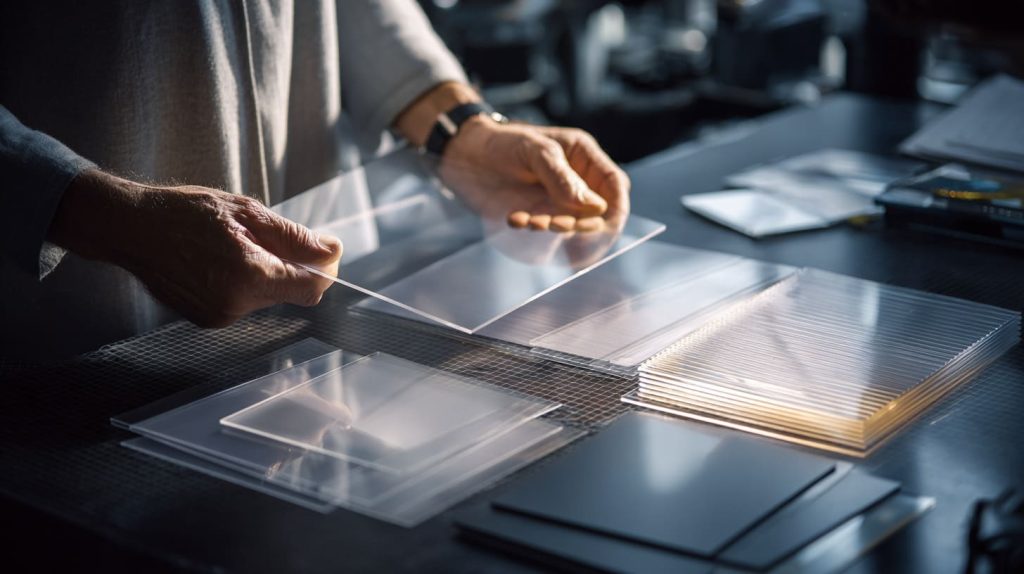
Acrylic material choice can look like a small line on a quotation sheet.
One buyer asks for clear acrylic. Another buyer asks for UV protection. Another one sends a sample photo and says, “We want something like this, but better.” At first, OP3 acrylic sounds like the safe answer. It protects against UV light. It looks clear. It feels premium. It is often used in museums, retail displays, art framing, and signage.
So why not choose it every time?
That is where real custom display work becomes more interesting.
OP3 acrylic is a UV-filtering acrylic sheet, commonly used when products, photos, artwork, or display items need protection from ultraviolet light. But OP3 acrylic is not always the best choice for every custom display project.
I have seen buyers choose OP3 because it sounds “higher grade.” I understand that feeling. Nobody wants to look cheap on a display project. Nobody wants a product to fade under lighting. Nobody wants a customer to complain six months later.
But better material is not always the right material.
The small decision that I often look at first is not “Is OP3 good?” but “What problem are we really trying to solve?” If the display does not need UV protection, OP3 can add cost, lead time, and visual trade-offs without giving much value back.
That is why I like to talk about when not to choose OP3 acrylic. Sometimes saying no to a premium option is the smarter custom choice.
What Is OP3 Acrylic and Why Is It Commonly Used?

OP3 acrylic is usually known as a UV-filtering acrylic sheet. It is designed to block most ultraviolet light while still keeping a clear, glass-like appearance.
In simple words, OP3 helps protect what sits behind it.
That is why it is common in displays that hold sensitive items. Think artwork, printed photos, collectibles, museum pieces, cosmetic packaging, certificates, and premium retail products. These items can fade or change color when exposed to too much UV light over time.
I do not treat OP3 as “normal clear acrylic with a fancy name.” I treat it as a functional material, because it solves a real aging problem for certain products.
Key properties of OP3 acrylic
OP3 acrylic is valued because it offers several useful properties at the same time.
| Property | What it means in real use | Why buyers like it |
|---|---|---|
| UV filtering | It blocks most UV light | It helps reduce fading |
| High clarity | It still looks transparent | It keeps products visible |
| Lightweight | It is lighter than glass | It is easier to ship and install |
| Fabrication friendly | It can be cut, polished, and formed | It works for custom display designs |
| Safer than glass | It is less likely to shatter | It helps reduce breakage risk |
Many people mention that OP3 acrylic blocks around 98% of UV light. That number sounds impressive. And for the right project, it is impressive.
But I always remind buyers of one simple thing: UV protection is useful only when UV exposure is part of the real risk.
If there is no strong UV problem, then OP3 may be like wearing a winter coat in a warm office. It works. But it may not be necessary.
Typical applications in custom displays
OP3 acrylic is often used in projects where protection matters as much as appearance.
| Application | Why OP3 may be used |
|---|---|
| Museum display cases | To protect historical objects and artwork |
| Art framing | To reduce fading of prints and photos |
| Retail displays | To protect light-sensitive packaging |
| Certificate frames | To preserve printed colors |
| Collectible covers | To protect signed items or rare pieces |
| Signage covers | To reduce UV damage on printed graphics |
I once handled a display inquiry where the buyer wanted acrylic covers for limited-edition product samples. The samples were not expensive in material cost, but the brand value was high. The buyer cared about long-term display quality. In that case, OP3 made sense.
But I have also seen buyers request OP3 for simple short-term countertop displays used for only two months. That is a different story.
And that brings us to cost.
When Cost Sensitivity Is a Priority
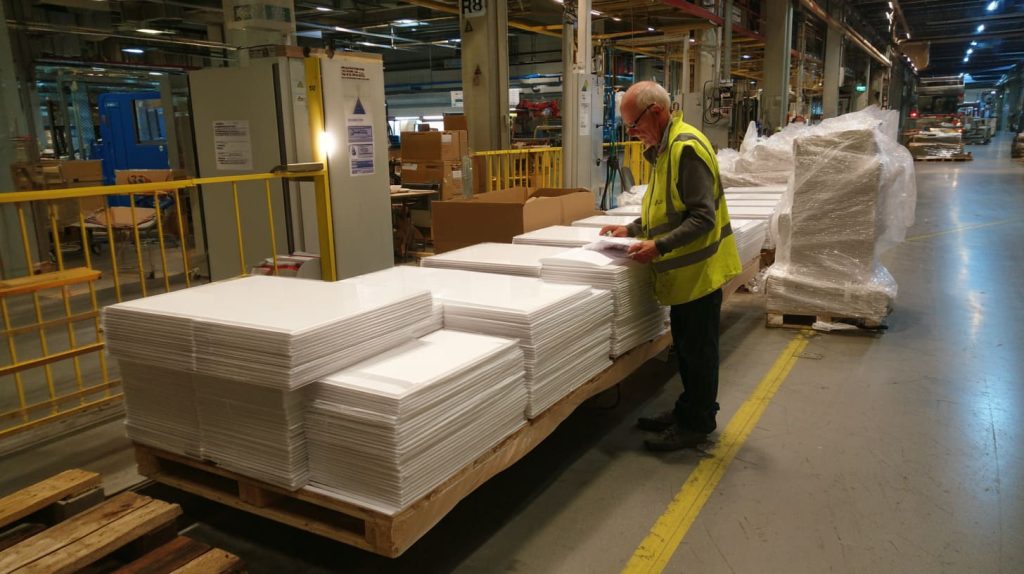
Cost is not always about being cheap.
In B2B custom display projects, cost is about balance. A buyer may need 500 pieces, 2,000 pieces, or even more. One small material upgrade can become a big number when the order quantity grows.
OP3 acrylic usually costs more than standard clear acrylic. The reason is simple. It has UV-filtering properties, and that function adds material cost.
The mistake I see in real projects is that buyers sometimes approve OP3 because it sounds safe, but they do not calculate whether the display truly needs that function.
OP3 acrylic vs standard clear acrylic pricing
For a small sample order, the price gap may not feel painful. But for bulk custom orders, it can change the whole quotation.
| Material choice | Cost level | Best use case | Risk if chosen wrongly |
|---|---|---|---|
| Standard clear acrylic | Lower | General indoor displays | Less UV protection |
| OP3 acrylic | Higher | UV-sensitive displays | Extra cost if UV protection is not needed |
| P99 acrylic | Higher | Anti-glare viewing | May reduce sharp clarity |
| Hard-coated acrylic | Higher | Scratch-sensitive displays | Higher cost and longer lead time |
A display buyer may look at one unit and say, “The difference is acceptable.”
But purchasing teams do not live in one unit. They live in totals.
| Order quantity | Small extra cost per piece | Total extra cost |
|---|---|---|
| 100 pcs | $2 | $200 |
| 500 pcs | $2 | $1,000 |
| 2,000 pcs | $2 | $4,000 |
| 5,000 pcs | $2 | $10,000 |
That is why I do not ask only, “Can the buyer afford OP3?” I ask, “Will OP3 protect enough value to justify the extra cost?”
That small question can save a project from quiet waste.
When standard acrylic is a better alternative
Standard clear acrylic can be the better choice when the display does not face strong UV exposure.
For example:
- Short-term promotional displays
- Indoor cosmetic stands away from windows
- Product holders used in LED-lit stores
- Acrylic boxes for packaging presentation
- Basic retail shelves for non-sensitive items
- Display risers for seasonal products
If the product will be replaced quickly, OP3 may not have enough time to show its benefit.
A simple countertop display for a three-month campaign usually needs clean edges, stable structure, good packing, and nice finishing. It may not need UV filtering.
I like to compare it with buying travel insurance for a trip you are not taking. The protection is real. But the situation does not call for it.
When cost matters, the right material is not always the most advanced material. It is the material that supports the real display goal without adding dead weight to the budget.
Now, cost is only one side. The next question is even more basic: do you need UV protection at all?
When UV Protection Is Not Necessary
UV protection sounds important because fading sounds scary.
And yes, fading is real. I have seen printed colors lose life. I have seen old display samples look tired. Red becomes dull. White becomes yellowish. Packaging loses its clean look.
But not every display faces that kind of light exposure.
Many custom acrylic displays are used indoors, far away from direct sunlight. Some stores use LED lighting. Some showrooms have controlled lighting. Some displays are used for short-term product launches. In these cases, OP3 may be solving a problem that does not really exist.
The detail I like to check before quoting OP3 is where the display will sit during most of its life, not where it looks nice in a product photo.
Understanding real UV exposure conditions
The environment matters more than the material name.
| Display environment | UV risk level | OP3 need |
|---|---|---|
| Near large sunny windows | High | Often useful |
| Museum with sensitive items | High | Often recommended |
| Indoor retail store with LED lighting | Low to medium | Depends on product |
| Short-term trade show booth | Low | Usually not necessary |
| Warehouse sample display | Low | Usually not necessary |
| Outdoor display area | More complex | OP3 alone is not enough |
A buyer may say, “The display is indoor.”
But indoor does not always mean low UV. A display near a glass storefront can still receive sunlight every day. Another display inside a mall aisle may receive very little UV.
So I usually ask:
- Will the display face direct sunlight?
- Will the display sit near a window?
- How long will the product stay in the display?
- Is the product light-sensitive?
- Is the display for retail sales or long-term preservation?
These questions sound simple. But they change the material decision.
Over-specification risks in B2B projects
Over-specification happens when a project uses a higher-grade material without a real reason.
It feels safe at the start. Then the problems show up later.
| Over-specification issue | What happens |
|---|---|
| Higher material cost | The quote becomes less competitive |
| Longer sourcing time | The production schedule becomes tighter |
| More limited material options | Color, thickness, or finish choices may narrow |
| No visible benefit | The end customer may not notice the upgrade |
| Lower margin | The buyer pays more but sells at the same price |
I have seen this happen in custom display orders. A buyer wants to impress a client, so the spec becomes heavier and heavier. OP3. Thicker sheet. Special polish. Extra packing. More samples.
Then the final quote becomes too high.
The client says, “Can we reduce the cost?”
At that point, the project has to go backward.
That is why I prefer to make the material decision early. It keeps the project clean. It keeps the quote honest. It also keeps the buyer in control.
If UV protection is not needed, a good standard clear acrylic display may be better than an overbuilt OP3 display.
But there is another point that many buyers forget. OP3 is clear, but it may not always give the best optical result.
When Maximum Transparency and Optical Clarity Matter
Clear acrylic is not just “clear.”
That may sound strange, but anyone who has compared samples under real lighting knows what I mean. Two sheets can both look transparent. But one may look slightly brighter. One may have a warmer tone. One may create a small visual difference when placed over a white card or colorful product.
OP3 acrylic is designed for UV filtering. That function can slightly affect light transmission and color feel.
For many displays, this difference is small. For some displays, it matters a lot.
When a buyer is selling visual beauty, I pay more attention to how the acrylic changes the product behind it, even if the technical difference looks small on paper.
Light transmission differences
OP3 acrylic still has good clarity. It does not look dark or cloudy in normal use.
But when compared with high-quality standard clear cast acrylic, there can be slight differences.
| Visual factor | Standard clear acrylic | OP3 acrylic |
|---|---|---|
| Brightness | Usually very high | Slightly reduced in some cases |
| Color neutrality | Usually very neutral | May show slight warmth or tint |
| Product visibility | Excellent | Very good |
| UV protection | Limited | Strong |
| Best use | General display clarity | Protection plus clarity |
For simple display boxes or covers, the difference may not matter.
But for a luxury cosmetic display, jewelry showcase, or product photography setup, even a small visual shift can feel wrong.
A buyer may not explain it in technical words. They may simply say:
“The product does not look as fresh.”
That sentence can make a whole sample round feel painful.
Applications where clarity is critical
Some displays are built to protect products. Others are built to make people want to buy.
That is a different job.
| Application | Why clarity matters |
|---|---|
| High-end cosmetic displays | Color, shine, and packaging details sell the product |
| Jewelry showcases | Light reflection and sparkle matter |
| Watch displays | Small details must stay sharp |
| Product photography props | Camera sees small color shifts |
| Premium gift displays | The display must not steal attention |
| Optical sample covers | Distortion must be low |
I once worked on a cosmetic display where the buyer cared deeply about how the lipstick color looked under store lighting. The product itself was small, but the color was everything. A slight visual change could make the product look different from the brand image.
In that type of project, I would not choose OP3 automatically.
I would first test the acrylic with the real product, under the real light, with the real background color.
Because the eye does not read a material data sheet. The eye reads the final display.
And when color becomes part of the selling experience, we need to slow down even more.
When Color Accuracy Is Essential
Color accuracy can be a quiet troublemaker.
It rarely looks like a problem at the drawing stage. The CAD file looks fine. The size is right. The structure is clean. The quotation is accepted. Then the sample arrives, and someone places the product inside.
Suddenly the brand color feels a little off.
Not terrible. Not broken. Just wrong enough to make everyone uncomfortable.
OP3 acrylic can sometimes create a slight tint or warmth because of its UV-filtering function. This does not mean the material is bad. It only means it may not be the best choice when color accuracy is the main goal.
The thing I watch carefully is not whether the sheet looks clear by itself, but whether the brand color still looks right after the sheet sits in front of it.
How UV-filtering layers affect color perception
Color perception is sensitive. A small material difference can change how the eye reads a product.
| Product color | Possible issue with slight tint | Why it matters |
|---|---|---|
| Pure white packaging | May look warmer | White should look clean |
| Soft pink cosmetics | May look less fresh | Tone affects beauty products |
| Silver jewelry | May lose cool brightness | Premium feel depends on light |
| Blue branding | May shift slightly | Brand consistency matters |
| Printed artwork | May look different from proof | Buyers compare against approved samples |
This is why I do not like making color-sensitive decisions from photos alone.
Photos lie sometimes.
Lighting lies too.
Even a phone screen can make one acrylic sheet look better than another.
Better alternatives for color-sensitive displays
When color accuracy matters more than UV filtering, other acrylic options may work better.
| Material option | Best for | Main trade-off |
|---|---|---|
| Standard clear cast acrylic | Clean, neutral display | Less UV protection |
| P95 acrylic | Soft matte surface | Less glossy clarity |
| P99 acrylic | Non-glare viewing | Slight image softness |
| Low-iron glass | Very clear premium viewing | Heavier and more fragile |
| Custom tested acrylic sample | Brand color review | Takes more time |
P95 and P99 are not direct replacements for OP3. They solve different problems. P95 gives a soft matte effect. P99 reduces glare. Standard clear acrylic gives strong clarity and simple transparency.
So the better choice depends on what the display must do.
If the goal is to protect valuable artwork, OP3 may be smart.
If the goal is to show exact cosmetic color under store light, I would test standard clear acrylic first.
There is no shame in choosing the simpler material when it gives the better visual result.
And while we are talking about performance, we should also talk about something that buyers often assume but should not: scratch resistance.
When Scratch Resistance and Surface Durability Are Key
Some buyers hear “OP3” and think it means stronger acrylic.
I understand why. A special material name can sound like an upgrade in every direction. But OP3 mainly refers to UV filtering. It does not automatically mean better scratch resistance. It does not automatically mean better impact strength. It does not automatically mean a hard-coated surface.
This point matters because display products live a rough life.
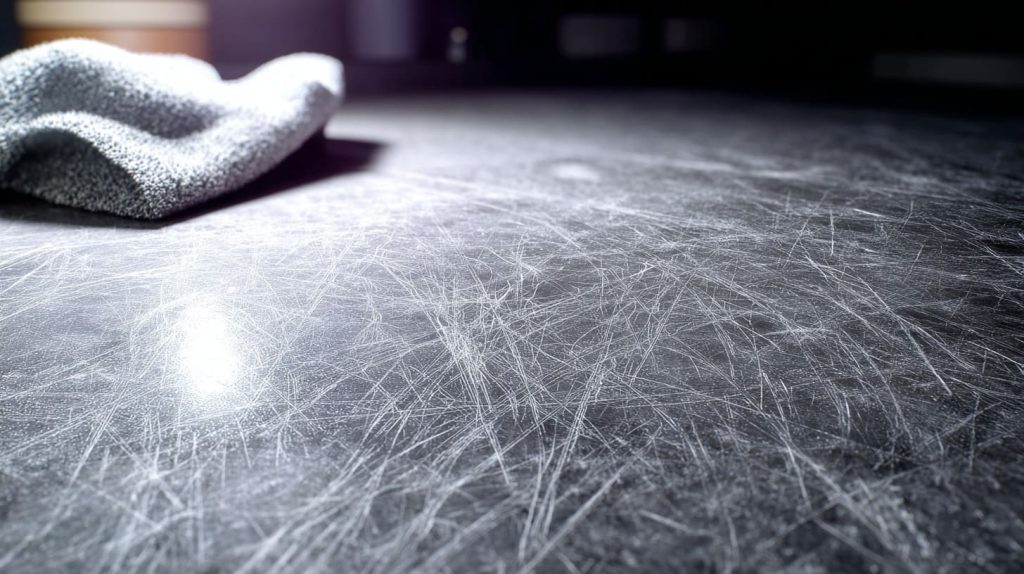
People touch them. Staff clean them. Products slide across them. Packaging rubs against them during shipping. One careless wipe with a dusty cloth can leave marks on a glossy surface.
Before I recommend OP3 for a display that will be cleaned often, I think about the hands that will touch it every day, not only the light that will hit it.
OP3 surface characteristics
OP3 acrylic has similar surface behavior to many standard acrylic sheets.
| Feature | OP3 acrylic performance | Common misunderstanding |
|---|---|---|
| UV protection | Strong | Correct |
| Scratch resistance | Similar to normal acrylic | Often overestimated |
| Impact strength | Better than glass, lower than polycarbonate | Sometimes misunderstood |
| Surface hardness | Not hard-coated by default | Often assumed |
| Cleaning tolerance | Needs proper care | Often ignored |
Acrylic can look beautiful. But it can scratch.
This is not a reason to avoid acrylic. It is a reason to use it correctly.
For display covers, cabinets, and retail fixtures, I always care about the cleaning method. A good display can become ugly if staff clean it with rough cloth or strong chemicals.
Alternative materials for durability
If the project needs more durability, OP3 may not be enough.
| Need | Better option | Reason |
|---|---|---|
| Better impact resistance | Polycarbonate | It is tougher than acrylic |
| Better scratch resistance | Hard-coated acrylic | Surface coating improves wear |
| Better chemical resistance | Material-specific testing | Some cleaners can damage plastics |
| Heavy public use | Thicker acrylic or reinforced design | Structure matters too |
| Long-term premium surface | Protective film and cleaning guide | Maintenance protects appearance |
Polycarbonate is tougher, but it scratches more easily unless coated. Hard-coated acrylic resists scratches better, but it costs more and may need longer lead time.
So there is no magic material.
There is only the right trade-off.
I have seen customers choose OP3 for a display counter cover, then later worry about scratches from daily cleaning. In that case, the real issue was not UV. The real issue was surface wear.
A better conversation would have been:
- How often will staff clean it?
- What cleaner will they use?
- Will customers touch it?
- Will products slide on it?
- Does it need UV protection or scratch resistance more?
That is how we avoid choosing the wrong “premium” feature.
But scratches are not the only environment problem. Some projects face outdoor exposure, heat, humidity, dust, and weather. That changes the whole decision.
When Outdoor or Harsh Environments Are Involved

Outdoor use is where many material decisions become less forgiving.
A sheet may look perfect in the factory. It may look perfect in the sample photo. But outside, the material has to deal with sunlight, rain, temperature changes, dust, wind, and cleaning. A display near a window is one thing. A display under real outdoor weather is another thing.
OP3 acrylic filters UV light. But UV filtering is not the same as full outdoor durability.
That is a small sentence, but it matters a lot.
The risk I try to catch early is when a buyer uses “UV protection” as a shortcut for “outdoor suitable,” because those two ideas are not the same.
Limitations of OP3 in outdoor use
OP3 can help protect items from UV. But the whole display system still needs to survive the environment.
| Outdoor factor | Why it matters |
|---|---|
| Sunlight | Can affect plastic aging and printed graphics |
| Rain | Can enter poorly sealed joints |
| Heat | Can cause expansion and stress |
| Cold | Can make some materials more brittle |
| Dust | Can scratch surfaces during cleaning |
| Wind | Can stress mounting points |
| Cleaning chemicals | Can damage surfaces if unsuitable |
A custom display is not only a sheet.
It is also glue, screws, seams, polishing, packaging, printing, mounting, and use environment.
If one part fails, the buyer does not blame only that part. The buyer sees the whole display as a problem.
Better material choices
For harsh environments, I prefer to review the full use case before choosing material.
| Project condition | Possible better choice |
|---|---|
| Outdoor sunlight exposure | UV-stabilized acrylic |
| High impact risk | Coated polycarbonate |
| Wet environment | Better sealing design |
| Public outdoor display | Stronger structure and mounting |
| Long-term outdoor signage | Weather-rated material and print method |
| High cleaning frequency | Scratch-resistant surface option |
Sometimes OP3 can still be used as part of a solution. But I would not choose it only because the word “UV” appears in the product description.
For outdoor displays, we also need to consider:
- Sheet thickness
- Expansion gaps
- Sealing method
- Fastener design
- Adhesive choice
- Print durability
- Drainage
- Cleaning process
That may sound like a lot. But outdoor projects punish lazy decisions.
I have learned to respect the environment. It always gets the final vote.
And even when the environment is simple, another problem can still appear: lead time.
When Fabrication Complexity or Lead Time Is Tight

A material can be technically correct and still be a bad choice for the schedule.
This happens more often than buyers expect.
A project may have a trade show deadline. A store opening date. A product launch. A photo shooting schedule. A buyer may need samples fast, then bulk production fast, then packing fast, then shipping fast.
In that kind of project, material availability becomes part of the design.
OP3 acrylic may not be as easy to source as standard clear acrylic in every thickness, size, or finish. It may also require more careful handling, depending on the project design.
When the timeline is tight, I care less about the “best possible material” and more about the safest material that can be produced well and delivered on time.
Processing considerations
OP3 acrylic can usually be fabricated like acrylic. It can be cut, polished, drilled, bonded, and shaped for many display applications.
But custom work is not only about whether something is possible.
It is about whether it is stable, repeatable, and available for the full order.
| Fabrication factor | Why it matters |
|---|---|
| Cutting | Edge quality affects final appearance |
| Polishing | Clear displays need clean edges |
| Bonding | Glue marks can ruin premium display parts |
| Drilling | Stress cracks can appear if processing is poor |
| Thickness availability | Limited stock can delay production |
| Surface protection | Scratches during handling create waste |
For simple flat covers, OP3 may be easy enough.
For complex display boxes, bent parts, glued cabinets, or polished retail fixtures, I would review fabrication risk before confirming the material.
Impact on production timelines
Lead time is not only the number of production days.
It includes material sourcing, sample testing, buyer approval, mass production, packing, and shipping.
| Stage | Possible OP3 impact |
|---|---|
| Material sourcing | May take longer than standard acrylic |
| Sampling | May require extra confirmation |
| Color/clarity review | Buyer may need real sample testing |
| Mass production | Material waste may be more costly |
| Packing | Surface protection becomes more important |
| Shipping | Delay risk grows if material arrives late |
I have seen projects where the buyer chose a special material, then lost more time waiting for the sheet than they saved anywhere else.
That is painful because nobody sees “waiting for material” in the final product.
They only see a late display.
If the display is not UV-sensitive and the deadline is tight, standard clear acrylic may be the more responsible choice.
A good supplier should not only say yes to every material request. A good supplier should help the buyer avoid a schedule trap.
Now, there is one more area where OP3 may disappoint some buyers: surface finish.
When You Need Specialized Surface Finishes
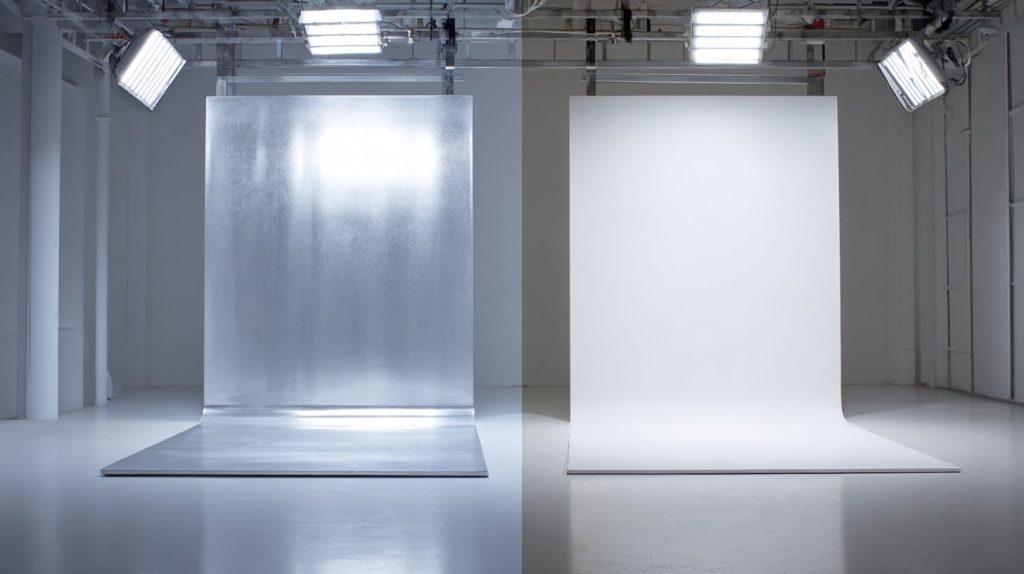
Surface finish changes how a display feels.
A glossy display can look clean and sharp. A matte display can feel soft and modern. A non-glare display can make viewing easier under strong light. A frosted panel can diffuse light and create privacy.
OP3 acrylic is usually chosen for UV protection, not for special surface texture.
So if the main goal is matte appearance, anti-glare viewing, or soft light diffusion, OP3 may not be the best starting point.
The choice becomes clearer when I ask myself what the customer will notice first: the UV protection they cannot see, or the surface effect they see every second.
OP3 vs matte or anti-glare options
A glossy OP3 sheet can protect against UV. But it may still reflect light.
That matters in displays under strong lighting.
| Material type | Main purpose | Visual effect |
|---|---|---|
| OP3 acrylic | UV filtering | Clear and usually glossy |
| P95 acrylic | Matte surface | Softer reflection |
| P99 acrylic | Non-glare viewing | Reduced glare |
| Frosted acrylic | Light diffusion | Soft, cloudy look |
| Standard clear acrylic | General clarity | Bright and transparent |
If a buyer says, “The customer must see the product clearly from different angles,” glare may be a bigger problem than UV.
If a buyer says, “We need a soft lighting effect,” frosted acrylic may work better.
If a buyer says, “This is for art protection near sunlight,” OP3 may be the better choice.
The purpose changes the material.
Better choices for specific display effects
Here is how I usually think about it.
| Display goal | Material I may consider first |
|---|---|
| Protect artwork from UV | OP3 acrylic |
| Reduce glare on framed prints | P99 acrylic |
| Create a soft matte look | P95 acrylic |
| Diffuse LED lighting | Frosted acrylic |
| Show products with maximum brightness | Standard clear acrylic |
| Handle frequent touching | Hard-coated acrylic |
Acrylic is not one material decision. It is a family of choices.
That is why I always feel a little careful when a buyer says, “Give me the best acrylic.”
Best for what?
Best for UV protection?
Best for clarity?
Best for anti-glare?
Best for cost?
Best for outdoor life?
Best for shipping?
Each answer points to a different direction.
And this is where a simple decision checklist helps.
How to Choose the Right Acrylic for Your Display Project
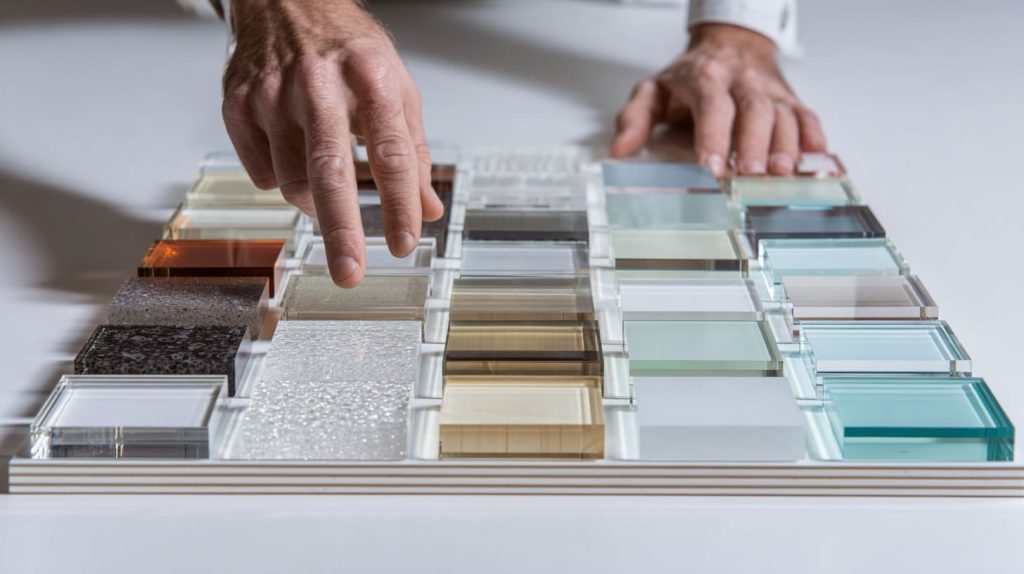
Choosing acrylic is not about memorizing material names.
It is about asking better questions before the project moves too far.
I have worked with buyers who know exactly what they want. I have also worked with buyers who only have a product photo and a target price. Both situations are normal. The key is to slow down at the material selection stage.
Once a display enters sampling, every wrong assumption becomes more expensive.
Before I confirm OP3, I like to compare the product risk, the use environment, and the buyer’s real budget instead of treating UV protection as an automatic upgrade.
Key decision factors
These are the questions I would ask before choosing OP3.
| Decision factor | Question to ask | Why it matters |
|---|---|---|
| Environment | Will the display face sunlight? | UV risk depends on location |
| Product sensitivity | Can the product fade or discolor? | Some items need protection |
| Display lifespan | Is it short-term or long-term? | Short use may not justify OP3 |
| Budget | Is the buyer price-sensitive? | OP3 can raise unit cost |
| Clarity | Is maximum transparency needed? | OP3 may slightly affect visual feel |
| Color accuracy | Are brand colors critical? | Slight tint may matter |
| Surface finish | Is matte or non-glare needed? | OP3 may not solve glare |
| Lead time | Is material available fast? | Special sheets can delay production |
| Durability | Will it be touched or cleaned often? | Scratch resistance may matter more |
This table may look simple. But it can prevent a lot of trouble.
Material choice should follow the project, not the other way around.
Practical selection checklist for B2B buyers
For B2B custom display buyers, I would use this simple checklist before choosing OP3.
- Define where the display will be used.
- Check whether direct sunlight is part of the environment.
- Confirm whether the displayed item is UV-sensitive.
- Decide how long the display will be used.
- Review whether the product color must stay very accurate.
- Compare OP3 with standard clear acrylic samples.
- Ask if matte, anti-glare, or frosted finish matters more.
- Confirm the required thickness and available sheet size.
- Check material lead time before promising delivery.
- Balance material cost against product value.
A simple material choice guide
| If your main concern is... | Consider... | Be careful about... |
|---|---|---|
| UV protection | OP3 acrylic | Extra cost |
| Lowest cost | Standard clear acrylic | Limited UV protection |
| Anti-glare viewing | P99 acrylic | Slight softness |
| Matte appearance | P95 acrylic | Lower glossy clarity |
| Light diffusion | Frosted acrylic | Less transparency |
| Impact resistance | Polycarbonate | Surface scratching |
| Scratch resistance | Hard-coated acrylic | Higher cost |
No table can replace real sample testing. But a table can stop a bad decision before it becomes a bad sample.
I often tell buyers that acrylic selection should feel boring before production starts. If everyone understands the trade-offs early, the project becomes calmer later.
And calm projects usually finish better.
Conclusion
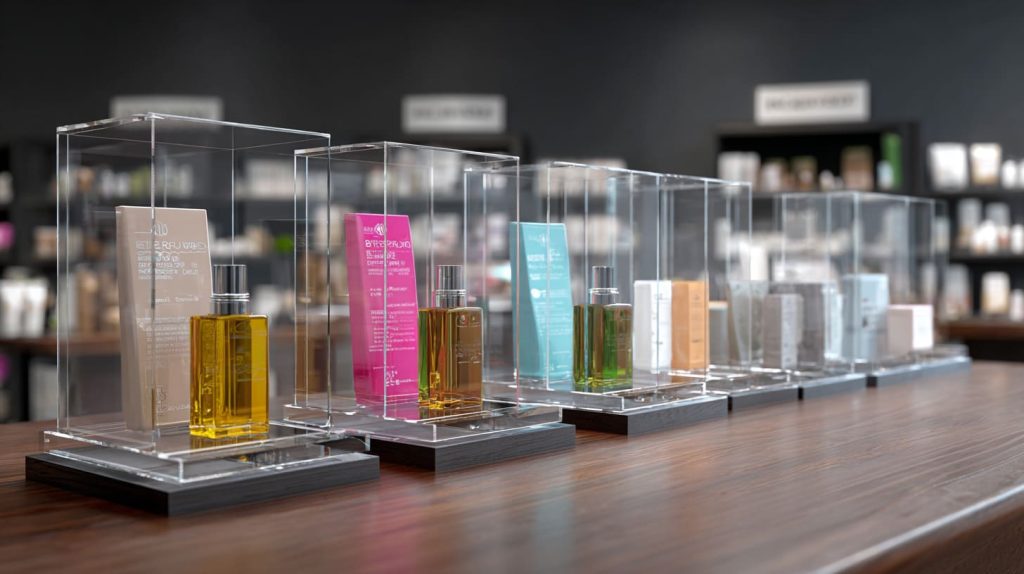
OP3 acrylic is a useful material. I do not want to make it sound bad. It has a clear purpose. It helps protect light-sensitive products, artwork, photos, and display items from UV exposure. For museums, framing, premium retail protection, and long-term display cases, OP3 can be a smart choice.
But OP3 is not a universal answer.
It may not be the best choice when cost is tight. It may not be needed when UV exposure is low. It may not be ideal when maximum clarity or exact color accuracy matters. It does not automatically solve scratch resistance. It is not the same as outdoor durability. It may also create sourcing or lead time pressure in some custom projects.
The way I judge this in real work is simple: I do not ask whether OP3 is better; I ask whether OP3 solves the biggest risk in this specific display.
That question keeps the project honest.
For some displays, the best answer is OP3.
For others, standard clear acrylic, P95, P99, frosted acrylic, hard-coated acrylic, or polycarbonate may be a better fit.
At Feilong Acrylic, I always prefer to match the material to the real use case, not just the most premium-sounding option. If you are planning a custom acrylic display, you can share your product type, display environment, quantity, size, and visual requirements with us. We can help you compare the options before production starts, so the final display looks right, works right, and makes sense for your budget.