Skip to content
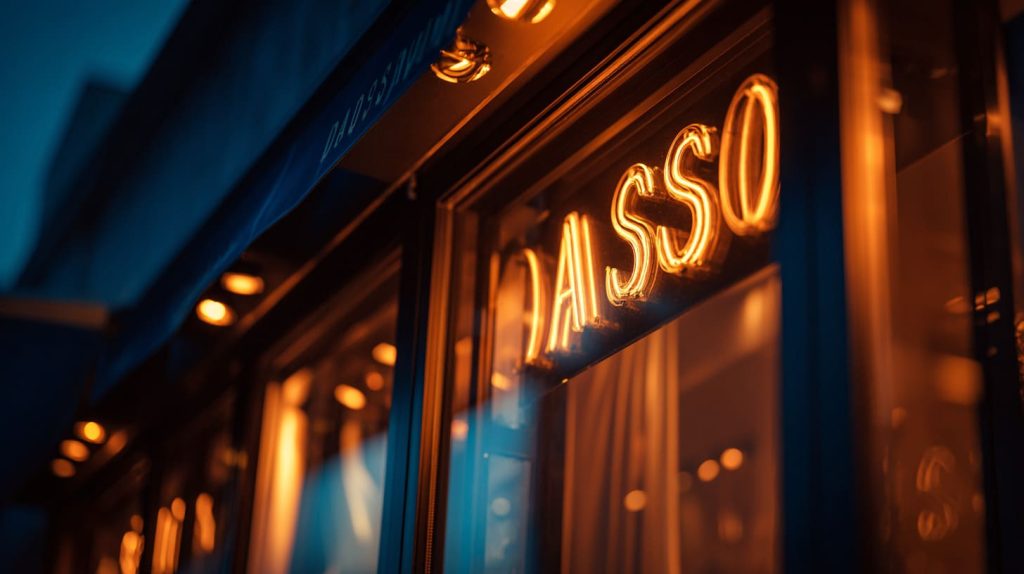
A dark storefront. A glowing sign. One word—remembered. That’s the power of acrylic illuminated letters.
Acrylic illuminated letters are custom-cut plastic letters lit from inside or behind using LEDs, used in signage for branding and visibility, day or night.
I’ve spent years watching buyers hesitate between metal and acrylic—until they see one light up. That glow? It wins every time.
Why is acrylic used for illuminated signs?
Acrylic signs pop in ways metal or wood can’t. But why?
Acrylic is lightweight, durable, and transmits light evenly—perfect for backlit or edge-lit signage.
Acrylic vs. Other Materials for Sign Illumination
| Material | Light Transmission | Weight | Customization |
|---|---|---|---|
| Acrylic | ★★★★☆ | Light | High |
| Glass | ★★★★★ | Heavy | Low |
| Metal | ★☆☆☆☆ | Heavy | Medium |
If you’ve ever held all three in your hands—acrylic, glass, and metal—you’d feel the difference right away. Acrylic is light but tough, easy to shape, and takes LED light beautifully. It glows softly and evenly, without those harsh hot spots. Glass is brighter, yes, but it’s heavy and fragile. Metal? Sleek, but doesn’t let light through. So if your goal is a glowing sign that looks clean and professional without weighing a ton, acrylic is usually the go-to.
What is the best acrylic for backlit signs?
There’s acrylic… and then there’s sign-grade acrylic.
Cast or extruded acrylic with high light diffusion is best for backlit signs.
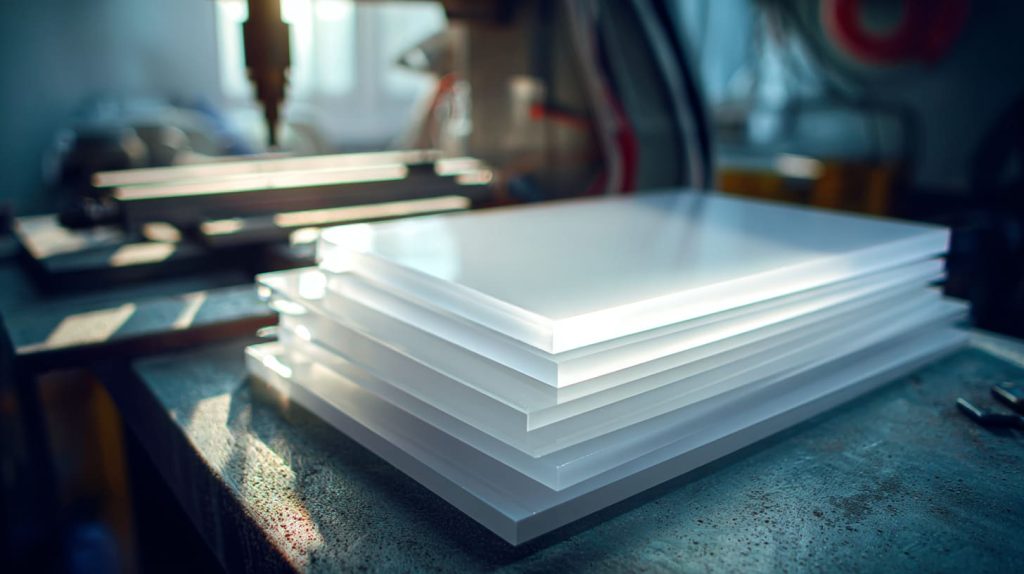
Some people assume any clear sheet will do—but clarity isn’t the only factor. You want something that hides hotspots and gives your letters that uniform glow. White opal acrylic, for example, is a go-to for soft glow effects.
How are illuminated letters made?
From sheets to shine, here’s what happens.
Acrylic letters are CNC or laser cut, then fitted with LEDs and enclosed to diffuse and direct light.

The process is precise, involving tight tolerances. We polish the edges for clarity, embed LED strips, and test each light channel to prevent uneven lighting. The final touch? Assembling it into a full face-lit or back-lit set—ready to wow.
How do acrylic illuminated letters work?
Ever wonder what’s inside?
LEDs are embedded behind or inside the acrylic, lighting the surface or wall to create a glowing effect.

Once powered, the light travels through the acrylic. Depending on the design, it escapes through the front, back, or edges. Think of it like a glowing ice cube, but smarter.
What types of illuminated acrylic letters are available?
Different styles, different vibes.
Common types include front-lit, back-lit, edge-lit, and halo-lit acrylic letters.

- Front-lit: Light shines through the face.
- Back-lit: Letters glow around the edges (halo effect).
- Edge-lit: Light radiates from the acrylic edges.
- Combo-lit: A mix of front and back for extra drama.
Each type has its place—front-lit for storefronts, halo-lit for elegant branding.
Are acrylic illuminated letters weatherproof for outdoor use?
Yes—if built right.
With proper sealing and waterproof LEDs, acrylic letters can withstand rain, wind, and UV rays.

Of course, not all signs are equal. Outdoor versions need silicone seals, IP67-rated LED modules, and UV-stable acrylic. I’ve seen signs glowing bright even after typhoon season here in Dongguan.
What’s the difference between front-lit and back-lit acrylic letters?
They look similar—until you light them up.
Front-lit signs glow through the surface, while back-lit ones create a glowing aura behind the letters.
| Feature | Front-lit | Back-lit (Halo) |
|---|---|---|
| Glow direction | Through face | Behind letter |
| Visibility | High from front | Subtle halo look |
| Mounting | Direct or raised | Spacers needed |
Front-lit demands attention. Back-lit whispers elegance.
How thick should acrylic be for LED illuminated letters?
Thickness changes everything.
Acrylic thickness for LED letters typically ranges from 5mm to 30mm, depending on size and effect.
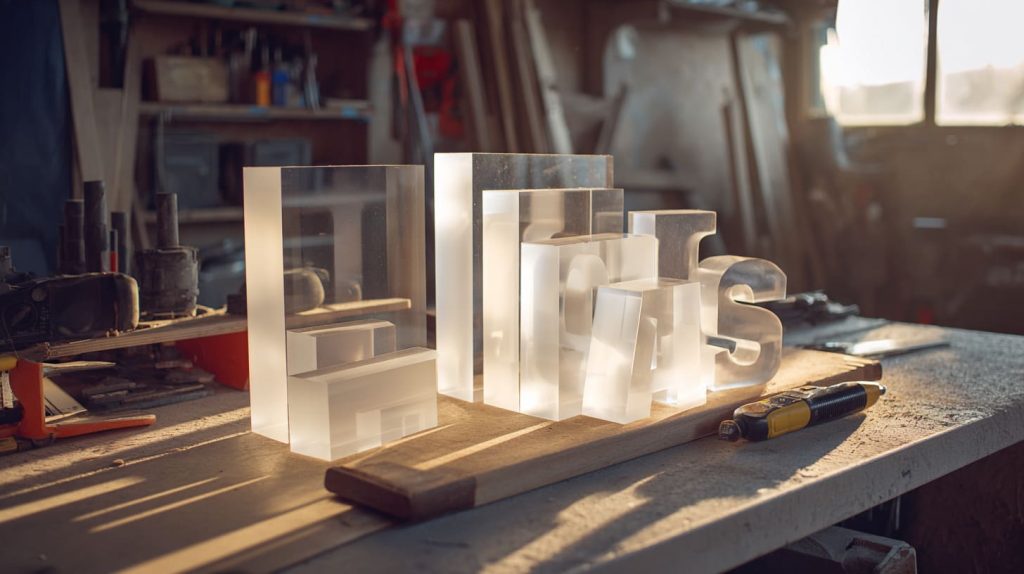
Thicker acrylic improves light diffusion and edge brightness but adds weight. We usually recommend 10–20mm for most signage. Thinner sheets (like 5mm) suit small logos, while chunky 25mm+ gives depth for large letters.
Can acrylic illuminated letters be customized with logos or colors?
Absolutely—and that’s half the fun.
Yes, acrylic letters can be custom-colored, UV-printed, engraved, or shaped into logos.

We’ve done everything from neon pink boutique names to gold-gradient tech logos. With digital printing and laser cutting, there are few limits. Add a frosted edge, gradient fill, or 3D logo? Totally doable.
What are the installation methods for acrylic light-up letters?
Installation depends on structure and lighting style.
Acrylic letters can be installed via studs, adhesive, raceway mounting, or direct flush mount.
Common Methods:
- Stud Mount: Screwed into wall with spacers.
- Raceway: Letters mounted on a box housing all wiring.
- Flush Mount: Adhesive or screw, directly on the surface.
We usually pre-wire and label everything to save clients time. One client told me he installed a 12-letter sign in under 40 minutes—alone.
How much do acrylic illuminated letters cost compared to metal ones?
Price often surprises buyers—in a good way.
Acrylic illuminated letters usually cost 30–50% less than metal ones, depending on design complexity.
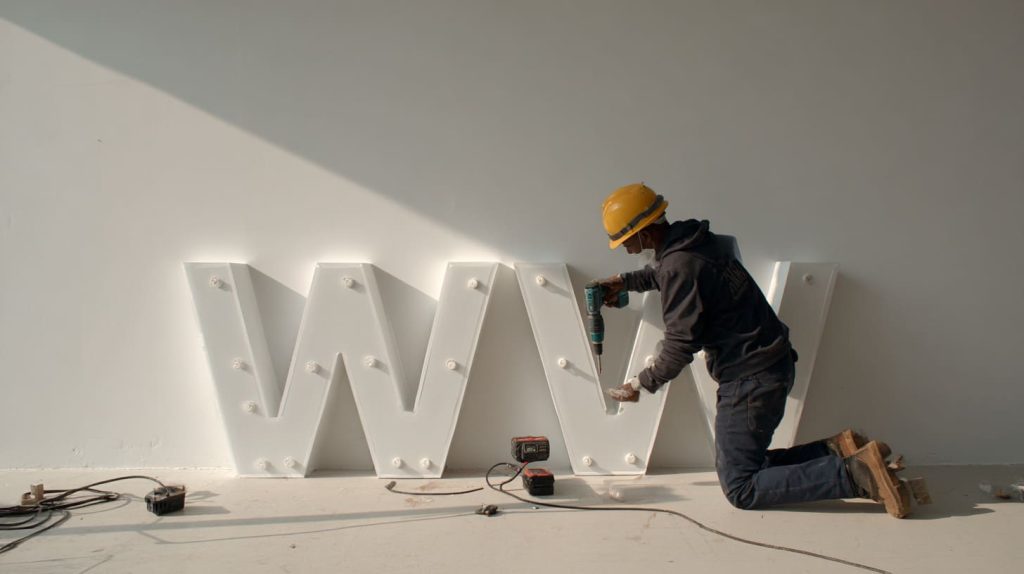
Metal is heavier, harder to cut, and needs more manual labor. Acrylic, on the other hand, works better with machines, reducing cost without sacrificing glow.
What industries use custom acrylic illuminated letters?
More than you think.
Retail, hospitality, healthcare, education, and tech companies use acrylic signs to brand their spaces.
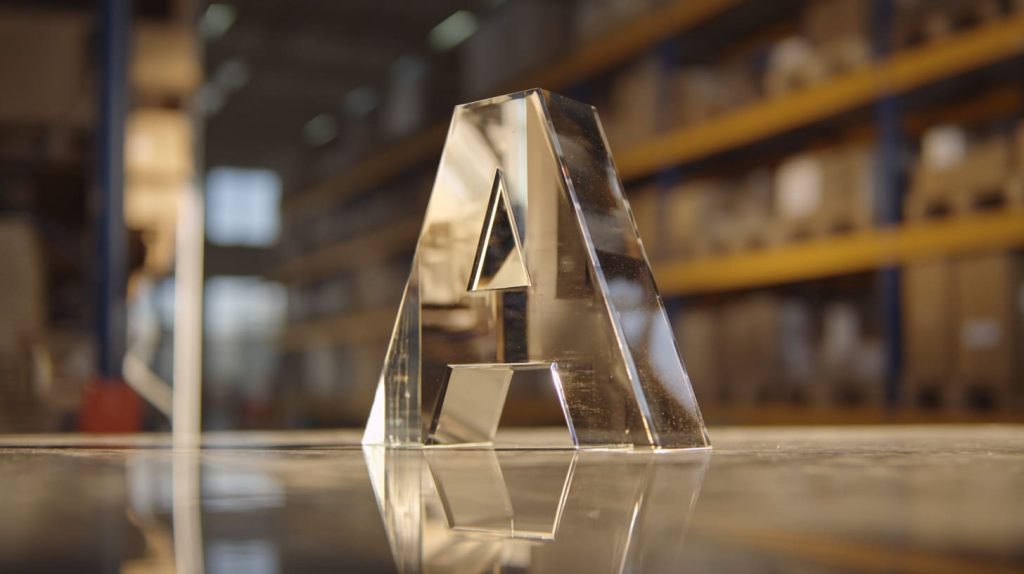
- Retail: Storefronts, mall booths, brand walls
- Hospitality: Hotel lobbies, restaurant entrances
- Healthcare: Clinics, dental offices, wellness centers
- Tech: Office receptions, event booths
Basically—anyone who wants to shine.
Conclusion
Acrylic illuminated letters blend beauty, function, and customization—all in a glow that sticks in your memory.