Skip to content
A Funko Pop box can look harmless on a shelf. Small. Colorful. Easy to stack. Almost too innocent.
Then one day, the shelf is full. The closet is full. The corner near the desk is full. And suddenly, a collector starts asking a question that feels much bigger than a vinyl figure:
Should I have kept them boxed, or should I have opened them from the beginning?
That is why the boxed vs unboxed Funko Pop debate never really dies. It is not only about plastic figures. It is about money, space, memory, taste, and that tiny fear of making the wrong choice.
Some collectors treat Funko Pops like little assets. They protect the box, check the corners, use soft protectors, and watch market prices like they are watching a stock chart. Other collectors just want to enjoy the characters. They open the box, place the figure on a clean acrylic riser, build a movie scene, and smile every time they pass by.
I understand both sides.
As someone who works with acrylic display products, I often see this same tension in real display projects. A buyer wants protection. A designer wants beauty. A collector wants emotion. A purchasing manager wants space efficiency. Nobody is fully wrong. The hard part is choosing which pain you can accept later.
The way I judge this decision is simple: if the item has future value, I protect flexibility first; if the item gives daily joy, I protect enjoyment first.
That is the whole problem in one sentence.
The choice that creates the least regret depends on what the collector truly wants. If the goal is long-term value, boxed collecting usually feels safer. If the goal is daily visual pleasure, unboxed display often feels better. But most regret does not come from choosing boxed or unboxed.
It comes from choosing without thinking.
So let’s talk about it like collectors actually experience it. Not as a perfect rule. Not as a loud internet argument. More like a quiet conversation beside a messy shelf, where the real answer is hiding between a crushed box and a favorite figure.
Why Is the Boxed vs Unboxed Decision So Important?
At first, the decision feels small. You buy a Funko Pop. You bring it home. You either open it or keep it sealed. Done.
But after a few months, the choice starts to grow teeth.
One Pop becomes ten. Ten becomes fifty. Fifty becomes a wall. Then the question changes from “Should I open this?” to “What kind of collector am I becoming?”
A small display decision can affect four things at the same time:
| Factor | Boxed Collecting | Unboxed Collecting |
|---|---|---|
| Resale value | Usually stronger | Usually weaker |
| Display beauty | More uniform, but less expressive | More lively and personal |
| Storage space | More demanding | Easier to arrange |
| Emotional connection | More distant | More direct |
| Cleaning needs | Lower | Higher |
| Future flexibility | Higher if box stays clean | Lower if box is lost |
This is why the decision matters. It is not only about one figure. It is about the whole direction of the collection.
Funko Pops Serve Different Purposes for Different Collectors
I have met buyers who treat display products like investment tools. They ask about dust protection, UV resistance, locking doors, packaging, and long-term storage. I have also met people who just want their collectibles to look good in a room.
Funko collectors are the same.
Some people collect for value. They want rare items, clean boxes, and strong resale potential. A dented corner feels like a bad day.
Some people collect for personal joy. They want Batman on the desk, Spider-Man near the monitor, or a full anime lineup on a floating shelf. They do not care much about market price.
Some people collect for visual display. They care about height, spacing, lighting, and the whole shelf composition. For them, the shelf is not storage. It is a tiny stage.
None of these reasons are silly. They just lead to different decisions.
| Collector Type | Main Goal | Better Starting Choice |
|---|---|---|
| Investment collector | Keep value | Boxed |
| Character fan | Enjoy the figure | Unboxed or mixed |
| Room decorator | Build a visual scene | Unboxed |
| Completion collector | Keep full sets clean | Boxed |
| Casual buyer | Enjoy without stress | Unboxed |
| Long-term collector | Keep options open | Keep box, display selectively |
A collector who buys for investment but opens every rare Pop may feel regret later. A collector who buys for joy but hides every figure in a box may also feel regret. The problem is not the method. The problem is mismatch.
The Decision Often Becomes Difficult Over Time
Collectors change. That is the part people forget.
A person may start as a casual fan. They open everything. They throw boxes away. They enjoy the shelf. No stress.
Then five years later, one figure becomes rare. Another gets vaulted. A convention exclusive rises in price. Suddenly, the old boxes feel important.
The opposite also happens.
A collector may keep everything boxed for years. The boxes stay perfect. The value stays safe. But the room feels like a warehouse. The collector realizes that the characters never really became part of daily life.
That is a quiet kind of regret.
A collection changes because life changes.
- Taste changes.
- Room size changes.
- Money pressure changes.
- Display style changes.
- Favorite characters change.
- Market value changes.
- The collector’s patience changes.
The choice becomes difficult because the collector is not frozen in time.
Many Collectors Underestimate Future Regret
I think future regret is the hidden cost in this debate.
When people buy a Pop, they usually think about the current feeling. They think, “I love this character.” Or “This one may be valuable.” Or “This box looks nice.”
But they do not always think about the future version of themselves.
Will future me still have enough space?
Will future me care about resale value?
Will future me feel sad if the box is gone?
Will future me actually enjoy looking at boxed figures?
That future version matters.
A common mistake is treating all Pops the same. A $12 common retail Pop and a signed limited-edition Pop should not always follow the same rule. That is like using the same packaging for a cheap sample and a luxury display product. It may work, but it is not smart.
A small pause before opening can save a lot of regret later.
And honestly, the most painful regret usually starts with a small sentence:
“It probably won’t matter.”
Sometimes it does.
Why Do Many Boxed Collectors Eventually Regret Their Choice?
Boxed collecting looks safe. It feels responsible. The Pop stays protected. The box art stays complete. The resale value stays stronger.
But boxed collecting has its own kind of regret.
It can slowly turn a fun collection into a storage project.
I have seen this feeling in display work many times. A customer wants everything protected. Then the final display becomes so protected that it loses warmth. It looks clean, but not alive.
For Funko Pops, boxed collecting can create the same problem.
The decision I usually question is this: if protection blocks the reason you bought the figure, then protection has started to cost too much.
Boxes Can Reduce Visual Enjoyment
Funko boxes are part of the product. I get that. The front window, side art, name, number, and series design all have value.
But a box also creates distance.
The plastic window reflects light. The figure sits behind a flat panel. Small details disappear. If the room has strong sunlight or ceiling lights, the box front may show glare instead of the character.
For some collectors, that is fine. They enjoy the full boxed look. For others, the box becomes a wall.
| Display Detail | Boxed Effect | Unboxed Effect |
|---|---|---|
| Character face | Partly hidden by window glare | Fully visible |
| Body details | Less noticeable | Easier to see |
| Shelf depth | More space needed | More flexible |
| Visual emotion | More like a product | More like a character |
| Uniformity | Strong | Weaker unless arranged well |
This is where boxed collectors may feel regret. They own the figure, but they rarely see the figure.
It is like buying a beautiful acrylic block and never removing the protective film. Technically, it is safe. Emotionally, it feels unfinished.
Large Collections Consume Significant Space
Boxes stack well at first. That is their charm.
A boxed Pop has a clean shape. It sits nicely on shelves. It lines up with other boxes. It feels organized.
Then the collection grows.
Suddenly, the boxes are not charming. They are furniture. They demand walls, shelves, closets, and storage bins. If the collector rents a small apartment, every new Pop becomes a space decision.
Boxed collecting is not only about the price of the Pop. It is also about the price of space.
| Collection Size | Boxed Display Challenge | Common Feeling |
|---|---|---|
| 10–30 Pops | Easy to manage | Fun and clean |
| 30–100 Pops | Shelf planning needed | Still enjoyable |
| 100–300 Pops | Space pressure grows | Hard choices begin |
| 300+ Pops | Storage becomes serious | Collection may feel heavy |
A collector may think they are preserving value, but they are also paying with room space.
That cost is invisible at first.
Collections Can Begin to Feel Like Inventory
This is the part nobody likes to admit.
A boxed collection can start to look like a shop shelf. Neat rows. Perfect fronts. Clean numbers. Protectors. Labels. Price tracking.
For some people, that is wonderful. It gives order and pride.
For others, it kills the feeling.
A collection may slowly shift from “I love these characters” to “I own these units.” That sounds cold, but it happens.
I have seen this mood in custom display projects too. If a display is designed only for product count, it can lose storytelling. It becomes efficient, but not memorable.
A boxed Funko wall can do the same thing.
It can be impressive and lifeless at the same time.
Some Collectors Realize They Rarely Look at the Figures Themselves
One boxed collector regret is very simple:
“I never really enjoyed the figures.”
The box becomes the main object. The figure becomes a background item inside the box. The collector sees the brand, the number, the series, and the clean condition. But they do not connect with the character in the same way.
This does not mean boxed collecting is wrong. It means boxed collecting should be chosen on purpose.
A boxed display works best when the collector enjoys the package as part of the art.
If the collector only loves the character, boxed display may feel too distant.
Before moving to the unboxed side, I think of one small scene. A collector opens a box after years of keeping it sealed. The figure comes out, stands on the shelf, and suddenly the shelf feels warmer. That small moment explains why many people eventually open at least some of their Pops.
Why Do Many Unboxed Collectors Eventually Regret Their Choice?
Unboxed collecting feels free.
You open the box. You touch the figure. You place it where you want. You build scenes. You make the shelf feel personal. No plastic window. No cardboard wall. No museum mood.
But freedom has a bill.
Sometimes the bill arrives years later.
I have learned this from packaging and display projects: once original packaging is gone, the product loses one layer of control. The item may still be beautiful, but the future becomes harder to manage.
Resale Value Can Be Affected
This is the most obvious regret.
A Funko Pop with its original box often has better resale value than the same figure without it. Many serious collectors care deeply about complete packaging. They check the front window, corners, inserts, sticker placement, and general condition.
An unboxed Pop is not always worthless. That would be too simple. But it usually has a smaller buyer pool.
| Condition | Typical Buyer Interest | Value Risk |
|---|---|---|
| Mint box, unopened | Strongest | Lowest |
| Box opened, box kept | Still strong | Moderate |
| Figure displayed, box clean | Good for many buyers | Moderate |
| Figure only, no box | Smaller audience | Higher |
| Damaged figure, no box | Weak | Highest |
This matters more for rare Pops.
For common Pops, the resale loss may not hurt much. For limited or vaulted Pops, the loss can feel painful.
I would not open a high-value Pop without asking one question first: would I still feel happy if this choice cut the future resale value?
If the answer is yes, open it. If the answer is no, pause.
Reboxing Later Becomes Difficult
Many collectors say, “I will keep the box somewhere.”
That sounds easy.
Then life happens.
The box gets crushed during a move. The insert gets lost. The window bends. A pet attacks the cardboard. A family member throws away a storage bag because it looks like empty packaging.
And then the collector has a figure, but not a complete collectible.
Reboxing is harder than people think because the box is not just a container. It is part of the collectible package.
| Reboxing Problem | Why It Happens | Result |
|---|---|---|
| Lost box | Box stored separately | Lower resale value |
| Crushed box | Poor storage | Visible damage |
| Missing insert | Insert removed and forgotten | Figure may sit badly |
| Mixed boxes | Large collection confusion | Wrong pairing |
| Sun-damaged box | Bad storage spot | Faded packaging |
The best time to protect a box is the day the Pop is opened. Not three years later.
Dust and Environmental Exposure Increase
Unboxed Pops look better, but they also meet the real world.
Dust lands on the head, shoulders, base, and small details. Sunlight can fade color. Humidity can affect surfaces. Kitchen air can leave a thin greasy layer. Pets can knock figures down. Children can treat a rare Pop like a small toy.
That sounds funny until it happens.
Unboxed display is not careless by itself. But it needs a display plan.
| Risk | What It Can Do | Simple Protection |
|---|---|---|
| Dust | Makes figures dull | Acrylic display case |
| Sunlight | Causes fading | Avoid direct sun |
| Humidity | May affect long-term condition | Stable room environment |
| Pets | Knock figures down | Enclosed shelf |
| Handling | Scratches or marks | Touch less often |
This is where acrylic display boxes and risers make sense. They let the figure breathe visually while reducing dust and contact. The figure is still visible. The shelf still has life. But the collector does not need to clean every tiny corner every week.
Certain Rare Pops Become Expensive Mistakes
Some Pops should make collectors slow down.
Limited editions, convention exclusives, signed Pops, chase variants, and vaulted releases carry more risk. Opening them is not a crime. But it should be a conscious choice.
The regret often appears after market value rises.
A collector may open a Pop when it is cheap. Later, the figure becomes harder to find. Then the missing box feels like a tiny cardboard ghost.
This does not mean every rare Pop must stay sealed forever. Collecting should not feel like prison. But rare items need better judgment.
A simple rule helps:
- Open common Pops with less worry.
- Keep rare Pops boxed unless display joy is clearly more important.
- If opening a rare Pop, keep every part of the packaging safely.
- Use a protective display case if the figure is out.
Unboxed collecting has soul. I like that. But soul still needs a little discipline.
And that brings us to the next question: which Pops are safer to keep boxed from the start?
Which Funko Pops Are Usually Safer to Keep Boxed?
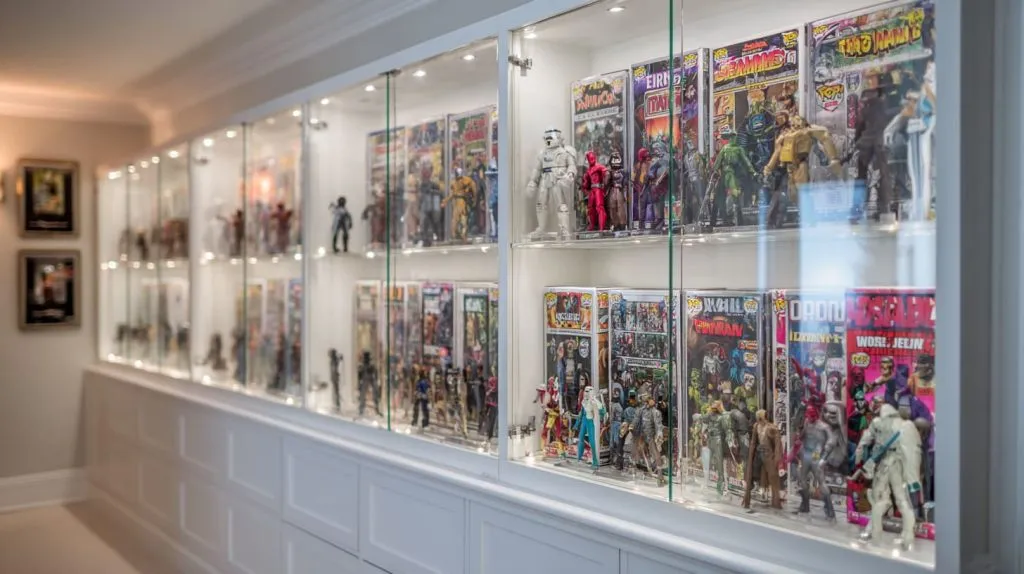
Not all Funko Pops deserve the same treatment.
That may sound cold, but it is true. A common figure from a local store and a signed limited release do not carry the same risk.
In custom manufacturing, I never treat every order the same either. A simple countertop display and a premium retail cabinet need different material choices, packing methods, and inspection standards. The same thinking works for collectibles.
The part I pay attention to first is replacement difficulty, because a Pop that is easy to buy again gives more freedom than one that may disappear for years.
High-Value Collectibles
High-value Pops are usually safer to keep boxed.
These include grails, rare editions, signed figures, and items with strong collector demand. The box protects more than the figure. It protects the story, the proof, and the market trust.
A signed Pop without its box may still be meaningful, but the full package feels more complete. If the signature is on the box window, the box becomes the main collectible.
| Pop Type | Why Box Matters | Suggested Choice |
|---|---|---|
| Grail Pop | Hard to replace | Keep boxed |
| Signed Pop | Signature may be on box | Keep boxed |
| Rare vaulted Pop | Strong resale interest | Keep boxed |
| High-value chase | Collector demand | Keep boxed |
| Personal holy grail | Emotional and financial value | Boxed or protected display |
Collectors can still enjoy boxed Pops. A clean acrylic protector can make a boxed display look sharper. A dust-proof acrylic cabinet can reduce cleaning and give the shelf a more premium feeling.
Boxed does not have to mean boring. It just needs better presentation.
Limited Production Releases
Limited releases carry regret risk because supply is not endless.
Convention exclusives, chase variants, and special stickers often matter to collectors. The sticker itself can affect interest. The box condition can affect price. Even small damage may change how serious buyers view the item.
For these Pops, I would avoid casual opening.
Not because opening is wrong. But because the decision has more weight.
A collector can ask:
| Question | Why It Matters |
|---|---|
| Can I buy another one easily? | If no, boxed is safer |
| Is the sticker important? | If yes, protect the box |
| Is the Pop part of a rare set? | If yes, full condition matters |
| Would I sell it one day? | If maybe, keep packaging |
| Do I love the figure enough to accept value loss? | If yes, opening may still be fine |
The “maybe I will sell it later” answer is important. Many collectors do not plan to sell. Then life changes. Moving, money needs, taste changes, or collection downsizing can happen.
Keeping the box gives options.
Pops Purchased Primarily for Investment
If a Pop is bought mainly for investment, keeping it boxed is the cleaner decision.
I know “investment” can sound too serious for a vinyl figure. But many collectors do think this way. They track values. They buy limited items. They care about condition.
If that is the mindset, opening the Pop creates conflict.
The collector may enjoy it more for a while, but the investment logic becomes weaker.
| Investment Goal | Best Habit |
|---|---|
| Preserve resale value | Keep box clean |
| Reduce handling damage | Do not open often |
| Protect from dust | Use protector or cabinet |
| Track value | Keep records |
| Avoid regret | Separate investment Pops from display Pops |
This is where many collectors get into trouble. They mix investment buying with emotional display habits. Then they feel pulled in two directions.
A better method is to separate the collection:
- Investment Pops stay boxed.
- Personal enjoyment Pops can be opened.
- Uncertain Pops stay boxed until the collector decides.
That is not boring. That is peaceful.
Pops With Historically Strong Collector Demand
Some franchises have strong long-term demand. Popular characters from major movies, anime, games, and comic worlds may hold interest longer than random releases.
That does not guarantee value. Collectibles markets move in strange ways. But demand history is still worth checking.
A Pop may be safer to keep boxed if it belongs to:
- A major character
- A strong franchise
- A limited wave
- A beloved retired line
- A fan-favorite design
- A set that collectors try to complete
The box helps complete the item.
For strong-demand Pops, I like a careful display method. Keep the Pop boxed, but use a better shelf, clean spacing, and maybe acrylic protection. That way, the collector still gets visual pleasure without giving up future value.
Of course, not every Pop needs this level of caution.
Some figures are born to come out of the box.
Which Funko Pops Are Usually Better Displayed Unboxed?
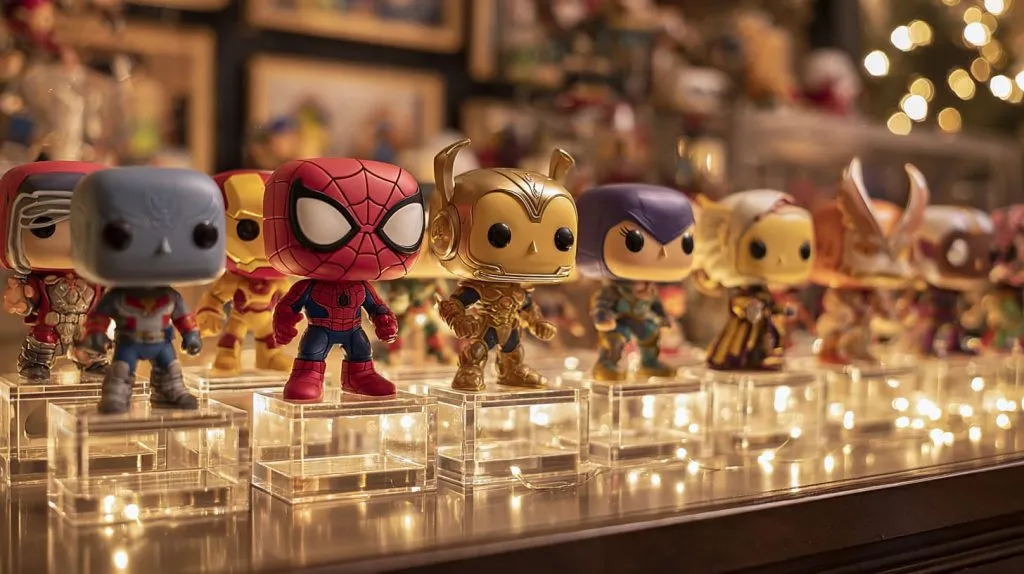
Some Funko Pops look happier outside the box.
I know that sounds odd, but collectors understand it. Certain figures have poses, colors, shapes, and details that feel wasted behind a plastic window.
Unboxed display turns a product into a scene.
It can make a shelf feel more personal. More playful. More alive.
The trade-off I look at here is simple: if the Pop is easy to replace and the joy is high, opening it usually feels reasonable.
Common Retail Releases
Common Pops are often better candidates for unboxed display.
They are easier to replace. They usually have lower resale pressure. If the box gets damaged or lost, the regret is smaller.
This does not mean common Pops are not loved. A common Pop can be someone’s favorite item. But from a risk angle, it is safer to open.
| Pop Category | Opening Risk | Why |
|---|---|---|
| Common retail Pop | Low | Easy to replace |
| Recent mass release | Low to moderate | Supply may still be available |
| Personal duplicate | Low | Backup exists |
| Low-value figure | Low | Resale loss is small |
| Rare exclusive | High | Hard to replace |
Common Pops are perfect for creative display.
They can go on risers, inside acrylic boxes, on floating shelves, or in themed groups. A collector can build a scene instead of a stack.
Personal Favorite Characters
This is where logic gets softer.
If a character means something to the collector, unboxed display may be worth it even if the Pop has some value.
A favorite character on a desk can give a tiny lift during a long workday. That sounds small. It is not.
A collector may enjoy seeing the figure directly every day. The pose, face, costume, and colors become part of the room. The Pop is no longer only an item. It becomes a little emotional marker.
I think this matters more than many value-focused collectors admit.
| Personal Value Question | What It Reveals |
|---|---|
| Do I smile when I see it? | Emotional value is high |
| Would I miss it if stored away? | Display value is high |
| Do I care about selling it? | Resale value may be less important |
| Does the box block the feeling? | Unboxed may be better |
| Is the figure part of my daily space? | Display matters |
A collection should not become a cold bank account.
If every decision is based only on resale, the hobby can lose its heartbeat.
Pops Purchased for Room Decoration
Some Pops are clearly bought for decoration.
They match a gaming room, movie shelf, office desk, bedroom, studio, or display corner. In this case, unboxed display often looks better.
Boxed Pops give a store-like feeling. Unboxed Pops create shape, depth, and movement.
This is especially true when collectors use different display levels.
| Display Tool | Why It Helps Unboxed Pops |
|---|---|
| Acrylic risers | Creates height and layers |
| Clear display boxes | Reduces dust while keeping visibility |
| Wall shelves | Saves desktop space |
| LED-lit cabinets | Adds mood and focus |
| Themed backdrops | Builds a scene |
| Rotating stands | Highlights special figures |
Acrylic display is useful here because it does not fight with the figure. Clear acrylic almost disappears. It lifts, protects, and organizes without stealing attention.
That is why many retail stores use acrylic for collectibles and small products. The display supports the item, but the item stays the hero.
Large Themed Collections
Large themed collections often look better unboxed.
Imagine a full movie scene. Or a gaming lineup. Or a character group from the same anime. When the figures are boxed, the display looks like a product wall. When they are unboxed, the collection can tell a story.
For example:
| Theme | Unboxed Display Idea |
|---|---|
| Movie collection | Arrange by scene or character group |
| Anime collection | Use tiered risers for teams |
| Gaming setup | Place figures around console or desk |
| Superhero shelf | Group by universe or battle scene |
| Horror collection | Use darker background and enclosed case |
This kind of display gives collectors more creative control.
But there is one warning. Large unboxed collections need cleaning and spacing. If the figures are packed too tightly, the shelf becomes visual noise. If they are too exposed, dust becomes annoying.
A good display needs room to breathe.
And that leads to a bigger issue. Collection size changes everything.
How Does Collection Size Change Collector Regret?
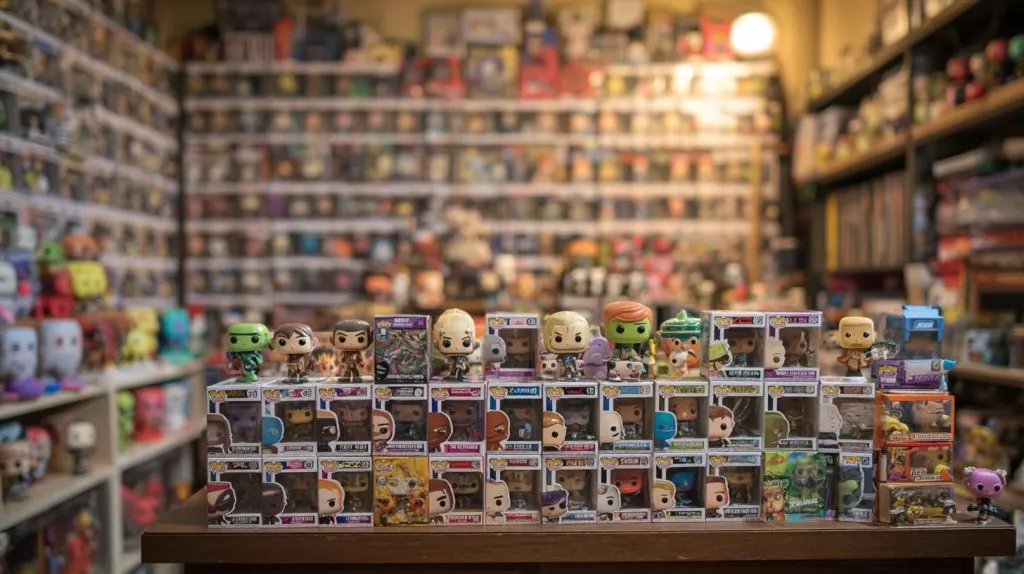
A collection of five Pops is cute.
A collection of five hundred Pops is a logistics project with feelings.
That is not an insult. It is just reality.
The bigger the collection gets, the more every choice matters. Boxed or unboxed is not only about style anymore. It becomes about space, cleaning, money, storage, and mental load.
The hidden risk I watch for is when the collection grows faster than the display plan, because that is when joy starts turning into clutter.
Small Collections Often Benefit From Flexibility
Small collections are easy to manage.
A collector with 10 or 20 Pops can change the display often. They can keep boxes in one closet. They can open favorites and box others. They can test different shelf styles without much pain.
Small collections are forgiving.
| Small Collection Advantage | Why It Helps |
|---|---|
| Easy to move | Less damage risk |
| Easy to clean | Less maintenance |
| Easy to display | More shelf options |
| Easy to store boxes | Less space pressure |
| Easy to change strategy | Lower regret |
For small collections, I usually like a mixed method.
Open the favorites. Keep the boxes. Protect anything rare. Let the collection stay fun.
There is no need to act like a museum if the collection is still small and personal.
Medium Collections Create Trade-Offs
A medium collection is where things get interesting.
At around 50 to 150 Pops, the collector starts making real choices. Shelves need planning. Boxes need storage. Duplicates become annoying. Themes matter more.
This is where a casual approach can start to fail.
| Issue | Boxed Collection | Unboxed Collection |
|---|---|---|
| Space | Boxes take more room | Figures fit more flexibly |
| Visual style | Clean but repetitive | More expressive |
| Cleaning | Easier | More work |
| Value protection | Better | Depends on box storage |
| Organization | Easier by number/series | Easier by theme |
Medium collections need a system.
A collector can divide Pops into groups:
- Keep boxed: rare, signed, high-value, investment items
- Display unboxed: favorites, commons, decoration pieces
- Store carefully: boxes for opened Pops
- Review yearly: sell or donate items that no longer matter
This may sound too organized, but it prevents shelf fatigue.
Shelf fatigue is real. It happens when a collector has too many items to enjoy any single one.
Large Collections Amplify Mistakes
Large collections are unforgiving.
If a collector throws away boxes early, the resale impact can become huge. If a collector keeps everything boxed, the space pressure can become huge. If a collector opens everything, dust and cleaning become huge.
Large collections make small mistakes repeat hundreds of times.
| Mistake | Small Collection Result | Large Collection Result |
|---|---|---|
| Throwing away boxes | Minor regret | Major value loss |
| Keeping all boxes badly | Some damage | Storage chaos |
| No display plan | Messy shelf | Whole room clutter |
| Buying too widely | Fun variety | No clear identity |
| No value record | Not serious | Hard to manage |
A large collection needs rules.
Not harsh rules. Human rules.
For example:
- I only keep boxed Pops above a certain value.
- I only open commons and personal favorites.
- I keep boxes for all opened Pops.
- I sell items that no longer fit my theme.
- I leave empty space on shelves.
Empty space is underrated. It makes a collection look intentional instead of desperate for oxygen.
Veteran Collectors Often Become More Selective
Many long-term collectors become selective over time.
They stop buying every release. They focus on favorite lines. They care more about display quality. They become less impressed by quantity.
This happens in business too. New buyers often ask for many product styles. Experienced buyers ask better questions. They care about material, finishing, packing, lead time, and failure points.
Collectors mature the same way.
They move from “I want more” to “I want the right ones.”
That shift reduces regret.
| Beginner Mindset | Veteran Mindset |
|---|---|
| Buy many Pops | Buy fewer, better Pops |
| Open or box without thinking | Decide by value and purpose |
| Fill shelves fast | Leave space for display |
| Chase trends | Build personal themes |
| Ignore storage | Plan storage early |
A collection should not become a burden.
If it does, the boxed vs unboxed debate becomes less important than a deeper question:
“Why am I still buying?”
That question may sting a little. But it helps.
Now let’s talk about what long-term collectors often wish they had done earlier.
What Do Long-Term Collectors Usually Wish They Had Done Earlier?
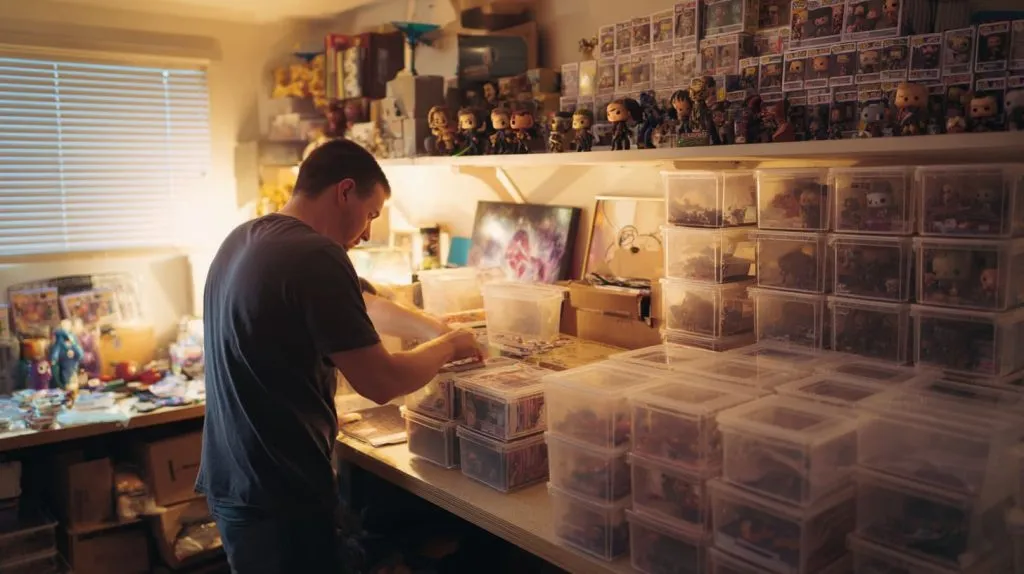
Most collector regret does not appear on day one.
It appears after years.
After moves. After shelves change. After prices rise. After tastes shift. After a favorite figure becomes hard to find. After a box gets thrown away by accident.
Long-term collectors often do not regret collecting. They regret not having a simple system earlier.
The lesson I take from long-term collecting is this: the best decision is not always the strictest one; it is the one that keeps future choices open.
Keep Boxes Even When Displaying Unboxed
This is probably the most practical advice.
If a collector wants to open Pops, they should still keep the boxes when possible.
This gives the best of both worlds. The figure can be enjoyed outside the box. The packaging still exists for future resale, moving, or storage.
But box storage needs care.
| Box Storage Habit | Good or Bad | Why |
|---|---|---|
| Keep box and insert together | Good | Easier to rebox |
| Store in dry place | Good | Reduces damage |
| Label storage bins | Good | Saves time |
| Crush boxes flat | Bad | Damages collectible value |
| Mix boxes randomly | Bad | Creates confusion |
| Store near heat or sun | Bad | Causes fading or warping |
Some collectors flatten boxes to save space. I understand why. But for Funko Pops, flattening is risky because the box condition matters. Creases and folds can reduce value.
If space is tight, a collector should keep boxes for higher-value Pops first.
Create a Collection Strategy From the Beginning
A strategy sounds serious, but it can be simple.
A collector just needs to decide what kind of collection they want.
For example:
| Strategy | What It Means | Best Display Choice |
|---|---|---|
| Investment-first | Value matters most | Mostly boxed |
| Enjoyment-first | Daily happiness matters most | Mostly unboxed |
| Hybrid | Value and display both matter | Keep boxes, open selectively |
| Theme-first | Visual story matters most | Unboxed or mixed |
| Completion-first | Full series matters most | Boxed or uniform display |
The strategy does not need to be perfect. It only needs to prevent random decisions.
Random decisions create random regret.
A collector may open one rare Pop, keep one common Pop sealed, throw away some boxes, and store others badly. Years later, the collection has no clear logic.
That is when regret enters.
Separate Collectible Pops From Display Pops
This is one of my favorite methods.
Do not force every Pop into the same category.
Some Pops are collectible assets. Some are display pieces. Some are emotional favorites. Some are just fun items.
Once they are separated, decisions become easier.
| Category | Example | Suggested Handling |
|---|---|---|
| Value Pops | Rare, signed, vaulted | Keep boxed |
| Display Pops | Common favorites | Open and display |
| Emotional Pops | Personal meaning | Choose by feeling |
| Uncertain Pops | Possible future value | Keep boxed for now |
| Duplicate Pops | Extra copy | Open one, box one |
This method removes pressure.
A collector does not need to choose one religion: boxed forever or unboxed forever. That kind of thinking makes the hobby too rigid.
A mixed collection is often more honest.
Document Collection Values Periodically
This sounds boring.
It is also useful.
Collectors do not need to track every price daily. That can turn the hobby into stress. But a simple value check once or twice a year can help.
| What to Track | Why It Helps |
|---|---|
| Purchase price | Shows real cost |
| Current estimated value | Helps with decisions |
| Box condition | Matters for resale |
| Opened or sealed status | Helps organize |
| Storage location | Saves time |
| Personal importance | Prevents selling regret |
The last one matters most to me.
Personal importance should sit beside market value. A low-value Pop may still be priceless to the owner. A high-value Pop may bring no joy at all.
A good collection record should not only ask, “What is this worth?”
It should also ask, “Why do I still keep it?”
That question can clean a shelf better than a dust cloth.
Is Keeping the Box While Displaying Unboxed the Best Compromise?
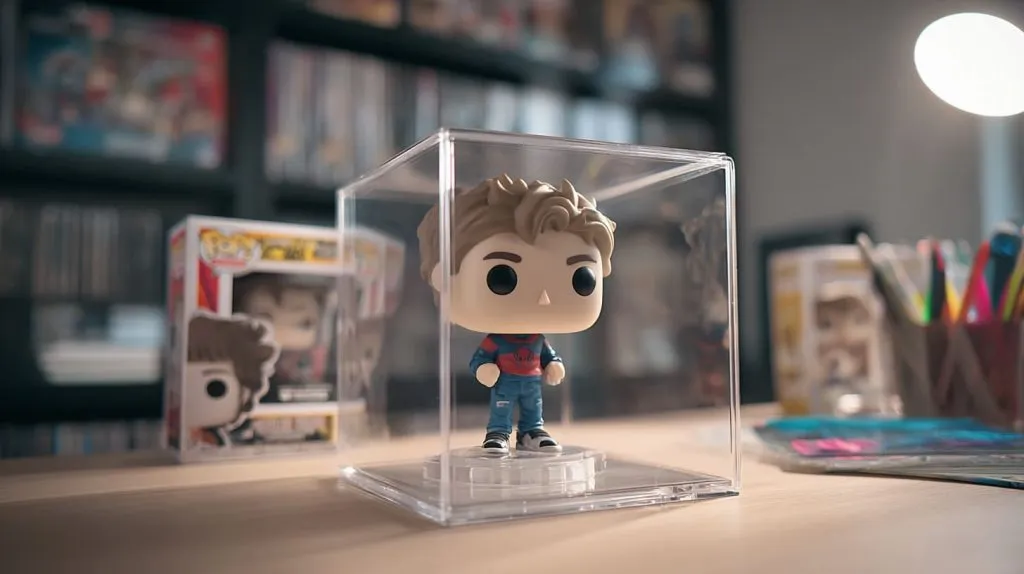
For many collectors, yes.
Keeping the box while displaying the figure unboxed is often the best compromise. It gives daily enjoyment and keeps future flexibility.
It is not perfect. It needs storage space. It needs care. It needs discipline.
But it solves the biggest problem in the debate: collectors do not always know what they will want later.
The practical balance I like is to enjoy the figure now while protecting the option to change my mind later.
Benefits of Preserving Original Packaging
Original packaging keeps options open.
A collector can display the Pop unboxed today, then rebox it later. They can move it safely. They can sell it more easily. They can store it with better protection.
The box is not only cardboard. It is a backup plan.
| Benefit | Why It Matters |
|---|---|
| Better resale potential | Buyers often prefer complete packaging |
| Easier moving | Figure has original support |
| Better long-term storage | Box helps protect shape |
| More collector trust | Complete item feels safer |
| Less future regret | Choice remains flexible |
This compromise works especially well for collectors who love display but do not want to destroy value.
It also works for people who change room styles often.
Today, the Pop may look great unboxed on a desk. Later, the collector may want a clean boxed wall. Keeping the box allows both.
Storage Considerations
Keeping boxes takes space. That is the main downside.
A collector needs a storage plan before the boxes become a messy pile.
Good box storage is simple:
| Storage Method | Recommendation |
|---|---|
| Clear plastic bins | Good for organization |
| Dry closet | Good for protection |
| Label by series | Saves time |
| Keep inserts inside | Easier reboxing |
| Avoid heavy stacking | Prevents crushing |
| Avoid sunlight | Prevents fading |
| Avoid damp areas | Protects cardboard |
Collectors should not store boxes in places with heat, moisture, or pressure. Attics, garages, and damp basements may cause damage over time.
A box that survives years in poor storage may still look tired.
And tired packaging does not help much.
Common Mistakes Collectors Make
The most common mistake is throwing boxes away too early.
At the moment, the box feels like trash. Later, it may feel like missing money.
Another mistake is damaging the insert during opening. The insert holds the figure properly inside the box. If it is bent or lost, reboxing becomes less clean.
Collectors also mix boxes from different figures. This gets messy fast in large collections.
| Mistake | Later Problem |
|---|---|
| Throwing boxes away | Lower resale value |
| Crushing boxes flat | Permanent creases |
| Losing inserts | Poor reboxing |
| Storing boxes randomly | Hard to match later |
| Opening rare Pops casually | Possible value regret |
| Displaying in sunlight | Figure and box fading |
The fix is not complicated. Open carefully. Keep everything together. Store boxes like they matter.
Because sometimes they do.
Why Many Experienced Collectors Adopt This Strategy
Experienced collectors often choose flexibility.
They have seen values rise and fall. They have moved homes. They have changed tastes. They have sold parts of collections. They know that today’s simple decision can become tomorrow’s regret.
Keeping the box while displaying unboxed gives them room to breathe.
It lets them enjoy the figure without fully burning the bridge.
This is also where acrylic display solutions fit naturally. A collector can take the figure out, keep the box stored, and place the Pop inside a clear acrylic display case or on acrylic risers. This reduces dust while keeping the figure visible.
It is not the cheapest way. But it is often the most comfortable way.
And comfort matters in a hobby.
A hobby should not feel like a legal contract with cardboard.
Which Choice Creates Less Regret for Most Collectors?
The honest answer is not “boxed” or “unboxed.”
The honest answer is: the choice that matches the collector’s real goal creates less regret.
That sounds simple, but many collectors skip this step. They follow internet opinions. They copy other collectors. They react to one rare price increase. Or they open everything because it feels good in the moment.
Then regret appears later.
The mistake I see most is not opening the wrong Pop; it is using no clear rule and hoping every decision will still make sense years later.
When Boxed Collecting Makes More Sense
Boxed collecting makes more sense when value, condition, and resale matter.
It also makes sense for rare items, signed Pops, limited editions, and collectors who enjoy the box art as part of the object.
| Boxed Collecting Makes Sense If... | Reason |
|---|---|
| You may sell later | Complete packaging helps |
| You collect rare Pops | Condition matters more |
| You like uniform shelves | Boxes create order |
| You dislike cleaning figures | Boxes reduce dust |
| You care about stickers | Box condition is important |
| You treat Pops as assets | Preservation comes first |
Boxed collecting is not cold if the collector enjoys it.
Some people love the clean rows. They love the numbers. They love the full package. That is a valid collecting style.
But boxed collectors should still design the display well. Rows of boxes can look heavy if the shelf has no spacing, lighting, or structure.
Protection should not become visual punishment.
When Unboxed Collecting Makes More Sense
Unboxed collecting makes more sense when daily enjoyment matters more than resale.
It fits collectors who want scenes, character interaction, room decoration, and a warmer display style.
| Unboxed Collecting Makes Sense If... | Reason |
|---|---|
| You collect for joy | You see the figure better |
| Most Pops are common | Lower resale risk |
| You want themed scenes | Figures work better outside boxes |
| You have limited shelf depth | Unboxed can save space |
| You enjoy rearranging | More creative freedom |
| You do not plan to sell | Value loss matters less |
Unboxed collecting feels more personal.
The shelf can show the collector’s taste, humor, and story. It can feel less like a store and more like a little world.
But unboxed collectors need protection habits. Dust, sunlight, and lost boxes are real risks. Fun should not mean careless.
The Importance of Defining Collecting Goals Early
A collector should decide the goal before the collection becomes too large.
The goal can change later. That is fine. But starting with a clear direction prevents messy decisions.
Here is a simple decision table:
| Main Goal | Best Choice |
|---|---|
| Preserve value | Keep boxed |
| Enjoy favorite characters | Display unboxed |
| Avoid future regret | Keep boxes even if opened |
| Build a themed room | Mostly unboxed |
| Collect rare items | Mostly boxed |
| Balance value and joy | Mixed strategy |
A mixed strategy is often the most realistic.
For example:
- Keep rare Pops boxed.
- Open common favorites.
- Store boxes safely.
- Use acrylic cases for unboxed figures.
- Review the collection once a year.
- Sell items that no longer fit.
This approach respects both the heart and the wallet.
And let’s be honest. Most collectors need both.
Final Judgment
Most collector regret comes from inconsistency rather than the choice itself.
A fully boxed collection can be satisfying if the collector loves preservation. A fully unboxed collection can be satisfying if the collector values display and emotion. A mixed collection can be satisfying if the rules are clear.
Regret grows when decisions are random.
One rare Pop opened casually. One favorite Pop trapped forever in a box. Boxes thrown away without thought. Figures placed in sunlight. Shelves packed too tightly. No plan. No system. Just impulse.
That is where regret hides.
So the better question is not:
“Should collectors keep Funko Pops boxed or unboxed?”
The better question is:
“Which Pops deserve protection, and which Pops deserve to be enjoyed every day?”
That question gives a better answer.
Conclusion
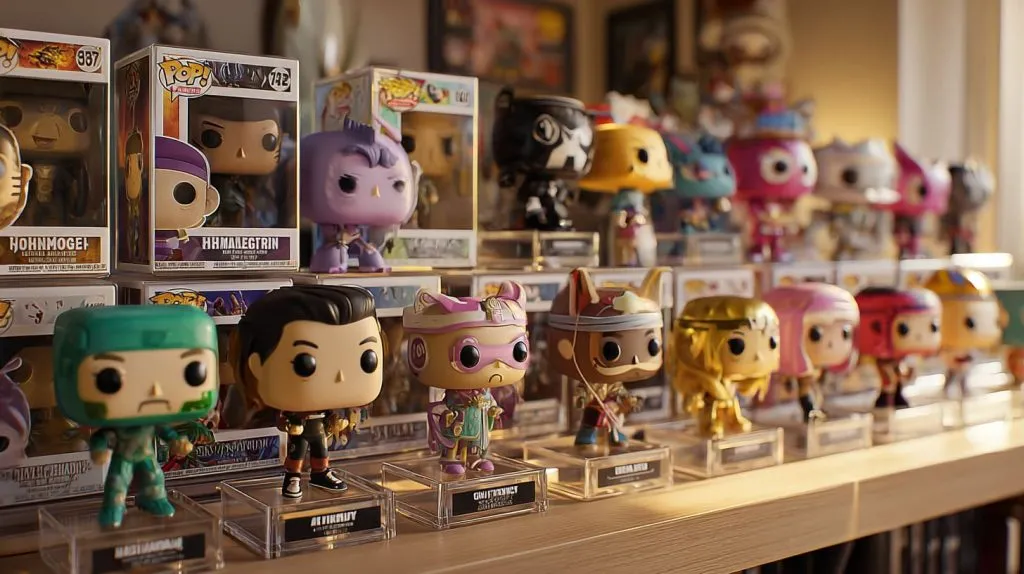
The boxed vs unboxed Funko Pop debate feels endless because both sides are partly right.
Boxed collectors protect value, packaging, and future resale potential. Unboxed collectors protect daily enjoyment, visual display, and emotional connection. One side protects the future. The other side enjoys the present.
The hard part is that collectors live in both.
I believe most regret comes from unclear thinking at the start. A collector opens rare Pops without considering future value. Another collector keeps every figure boxed and later feels no real connection to the collection. Someone throws boxes away too fast. Someone stores everything so carefully that the hobby stops feeling fun.
That is why my practical recommendation is simple:
Keep the box when possible, open selectively, and treat different Pops differently.
I think this way because I work around display decisions every day. In acrylic manufacturing, a good display is never only about showing a product. It is also about protection, space, cost, cleaning, and how the user feels when looking at it. A beautiful display that is hard to maintain will fail slowly. A protective display that hides the product will also fail, just in a quieter way.
Funko Pops are no different.
If a Pop is rare, signed, limited, or bought for investment, I would keep it boxed or use serious protection. If a Pop is common, personal, funny, or part of a scene, I would feel comfortable displaying it unboxed, as long as the box is stored safely.
The best choice is not the loudest opinion online.
The best choice is the one that still feels right after the shelf is full, after the room changes, after the collection grows, and after the first wave of excitement fades.
If you collect Funko Pops and want a cleaner, safer way to display them, this is where a custom acrylic solution can help. At Feilong Acrylic, we make custom acrylic display boxes, risers, shelves, and protective cases for collectors, brands, and B2B buyers. We do not sell a fixed retail catalog. We build based on your size, structure, display goal, and packaging needs.
If you want your collectibles to look visible, protected, and organized, you can contact us through flacrylic.com and share your idea.
A good collection should not make you feel trapped.
It should make you stop for a second, look at the shelf, and think, “Yes. This still feels like me.”