Skip to content
When I first worked with plexiglass, I doubted its strength. It looked too light to be tough.
Plexiglass is much stronger than regular glass, resists impact, and can handle weight depending on thickness. It is durable but not unbreakable.
I learned this the hard way when a poorly supported sheet bent under load. That mistake taught me where plexiglass shines and where it fails.
Can plexiglass hold a lot of weight?
It depends on thickness, support, and span.
Thicker plexiglass sheets can hold significant weight, but unsupported large spans will bend or crack under heavy loads. Proper framing increases load capacity.
What affects plexiglass load strength?
- Thickness (6mm vs 20mm has huge difference)
- Span (shorter distances hold better)
- Support (framed edges prevent bending)
| Thickness | Load Capacity (per sq ft) | Support Condition |
|---|---|---|
| 6mm | Light to medium | Needs full support |
| 12mm | Moderate | Can hold objects with side framing |
| 20mm+ | Heavy | Handles significant load with frame |
Does plexiglass break easily?
People often confuse “light” with “fragile.”
Plexiglass does not shatter like glass. It is impact-resistant but can crack if stressed or drilled incorrectly.
Why plexiglass sometimes cracks
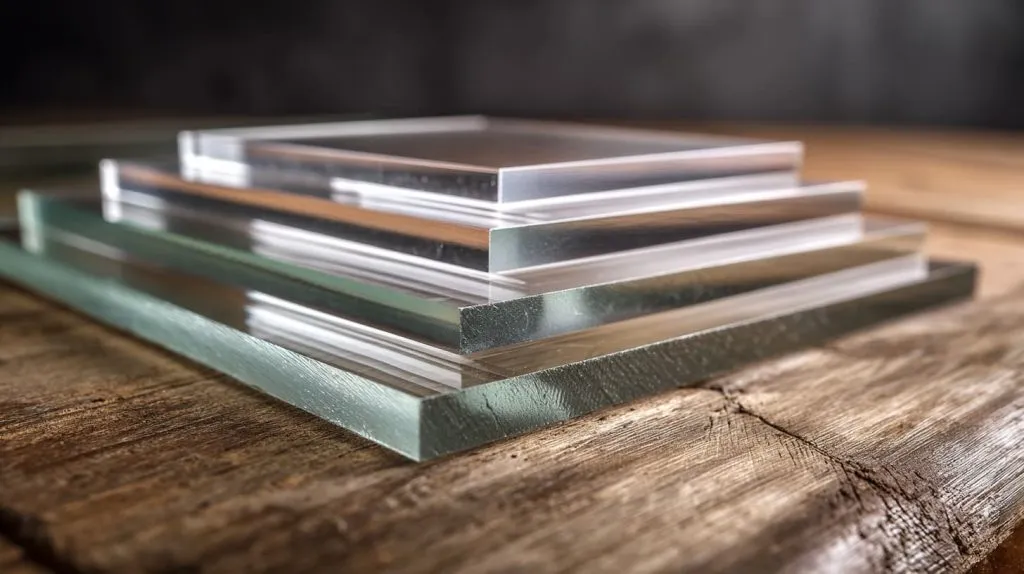
When I once drilled too close to the edge, it cracked instantly. With proper tools and spacing, plexiglass remains tough. Unlike glass, it bends slightly before breaking.
What are the negatives of plexiglass?
Every material has trade-offs.
Plexiglass scratches more easily than glass, expands in heat, and loses clarity with UV exposure unless treated.
Key drawbacks of plexiglass
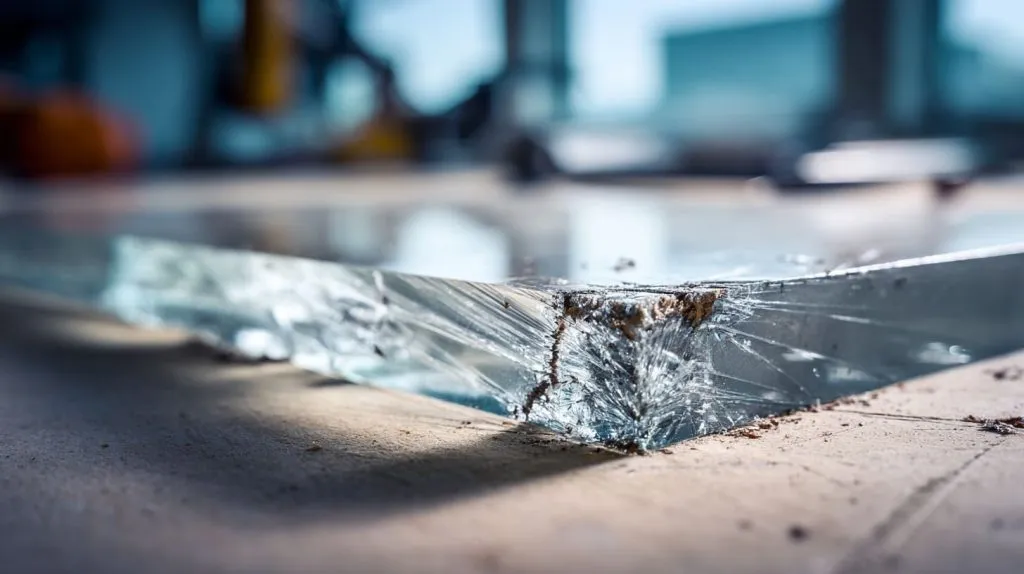
- Scratches: Daily wiping with rough cloth leaves marks.
- Heat expansion: A sheet in a sunny window can warp.
- Cost vs glass: Plexiglass is more expensive than simple float glass.
Is plexiglass stronger than regular glass?
The comparison is not close.
Plexiglass is 10x stronger than glass and resists shattering, but glass is harder and less prone to scratches.
How plexiglass compares to glass
When I replaced a glass shelf with plexiglass, it held better under knocks. But I had to be careful with cleaning to avoid scratches.
How much impact can plexiglass withstand before breaking?
Impact resistance is one of its highlights.
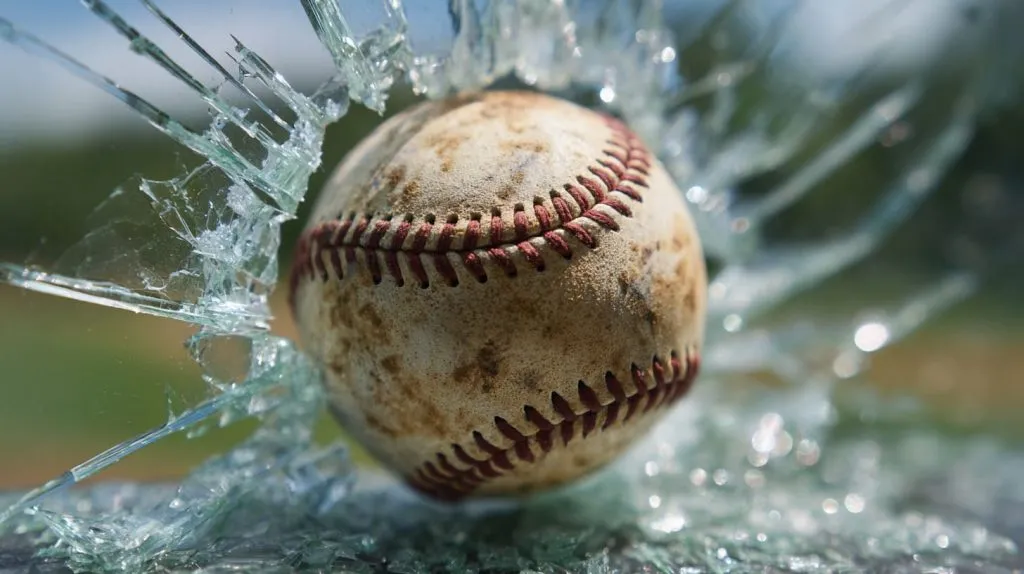
Plexiglass can withstand impacts up to 17 times greater than glass of the same thickness before breaking.
Real-life examples of plexiglass impact strength
Think of a baseball hitting a window. A glass pane shatters, but plexiglass absorbs the force, maybe cracking but not shattering.
Does plexiglass scratch or crack easily in daily use?
It depends how you use it.
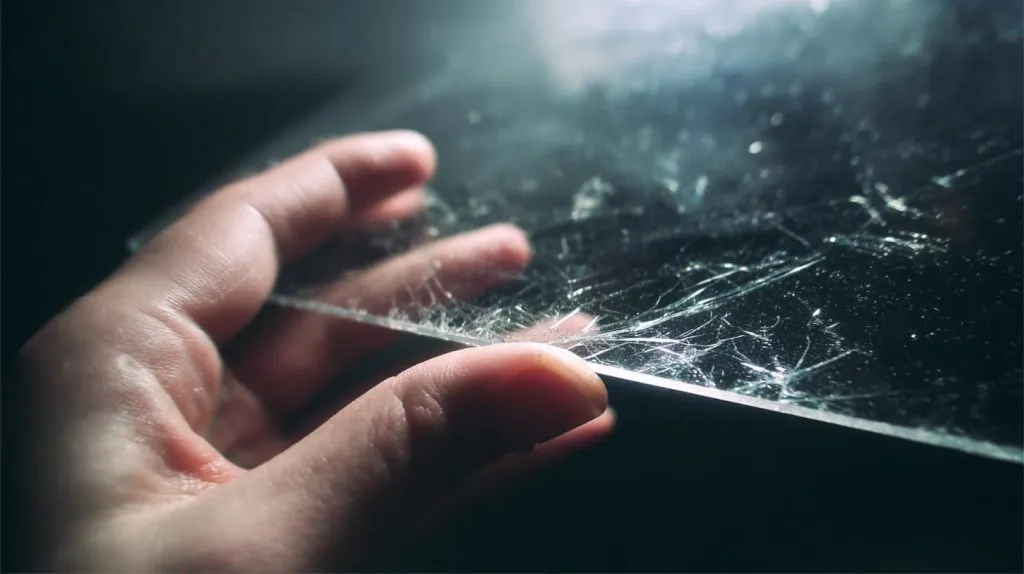
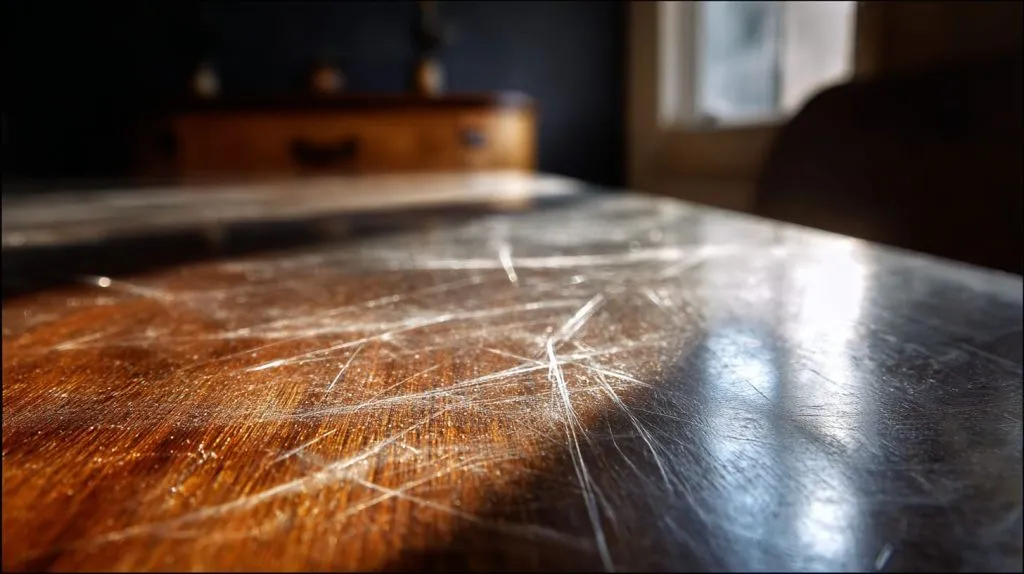
Plexiglass resists cracking but scratches easily without protective coating. Scratches can be polished out, unlike cracks.
Daily wear and tear on plexiglass
At home, I used plexiglass tabletops. They never cracked, but kids’ toys left fine scratches that I later polished with a kit.
How does plexiglass strength compare to polycarbonate?
This is a common debate.
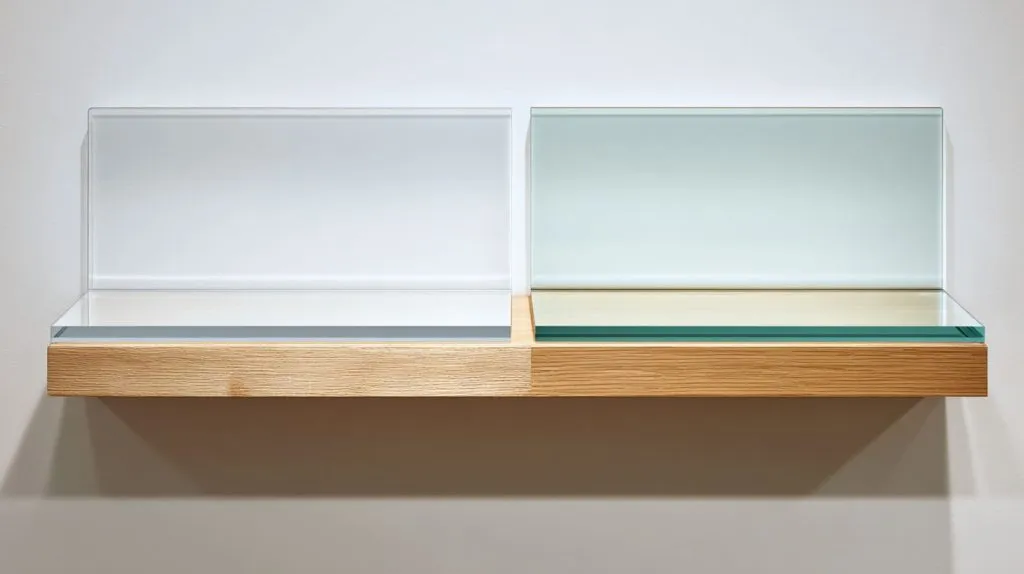
Polycarbonate is stronger and more impact-resistant than plexiglass, but plexiglass has better optical clarity and lower cost.
Plexiglass vs polycarbonate comparison
| Material | Impact Strength | Scratch Resistance | Clarity |
|---|---|---|---|
| Plexiglass | High | Lower | Excellent |
| Polycarbonate | Very High | Higher | Good |
Can plexiglass hold heavy weight without bending?
Weight support depends on engineering.
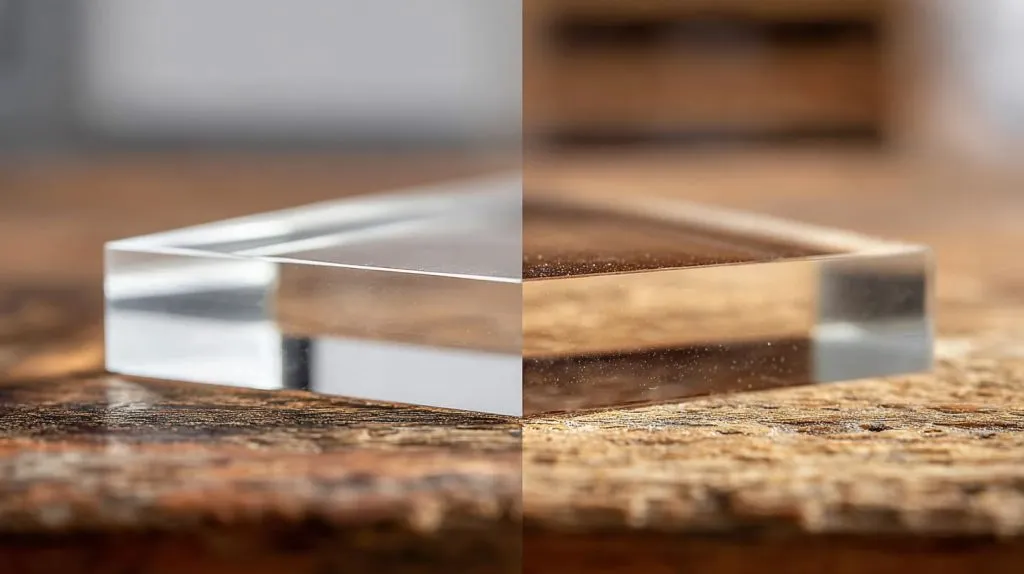
Plexiglass can hold heavy weight if thick and well-supported, but thinner sheets bend under pressure.
Preventing bending in plexiglass
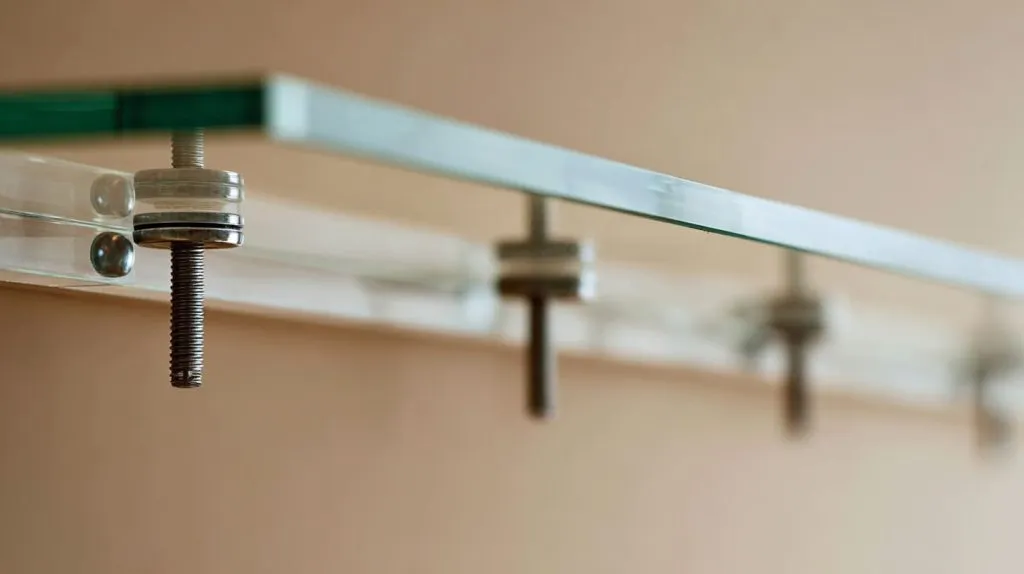
For shelving, I learned to add metal brackets under plexiglass to prevent sagging over time.
Is plexiglass safe for outdoor and UV-exposed applications?
Sunlight changes the game.
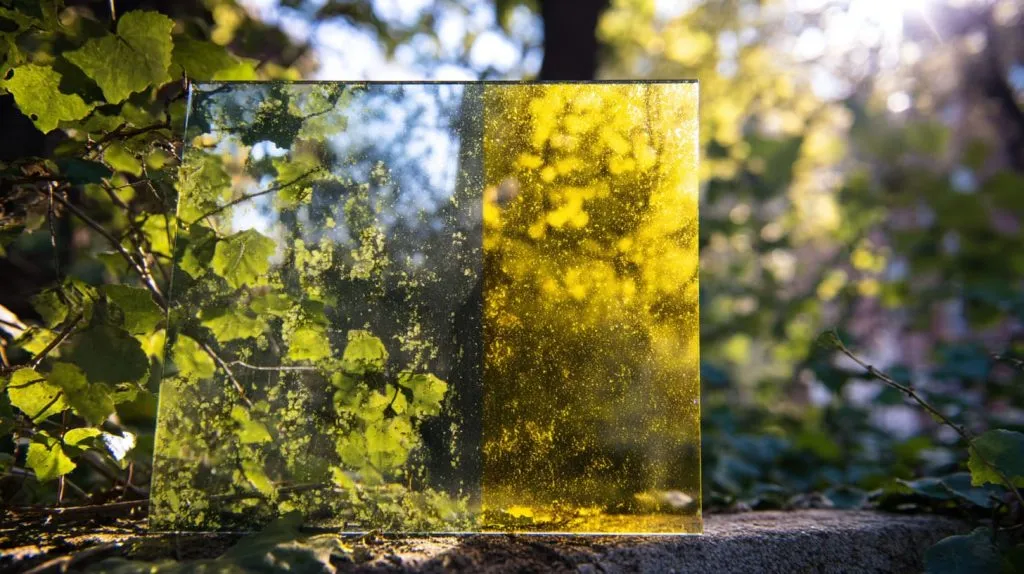
UV-treated plexiglass is safe outdoors, but untreated sheets yellow and weaken over time.
How plexiglass behaves outdoors
When I once installed untreated plexiglass outdoors, it yellowed in two summers. With UV-grade material, clarity lasted for years.
How thick should plexiglass be for durability and safety?
Thickness defines performance.
For durability, at least 6mm is common indoors. For safety barriers or outdoor use, 10mm or more is recommended.
Recommended plexiglass thickness by use
| Application | Recommended Thickness |
|---|---|
| Picture frames | 2-3mm |
| Shelves / covers | 6-8mm |
| Outdoor barriers | 10-12mm |
| Heavy-duty glazing | 15mm+ |
Can plexiglass be used as a substitute for tempered glass?
This depends on the application.
When plexiglass can replace tempered glass
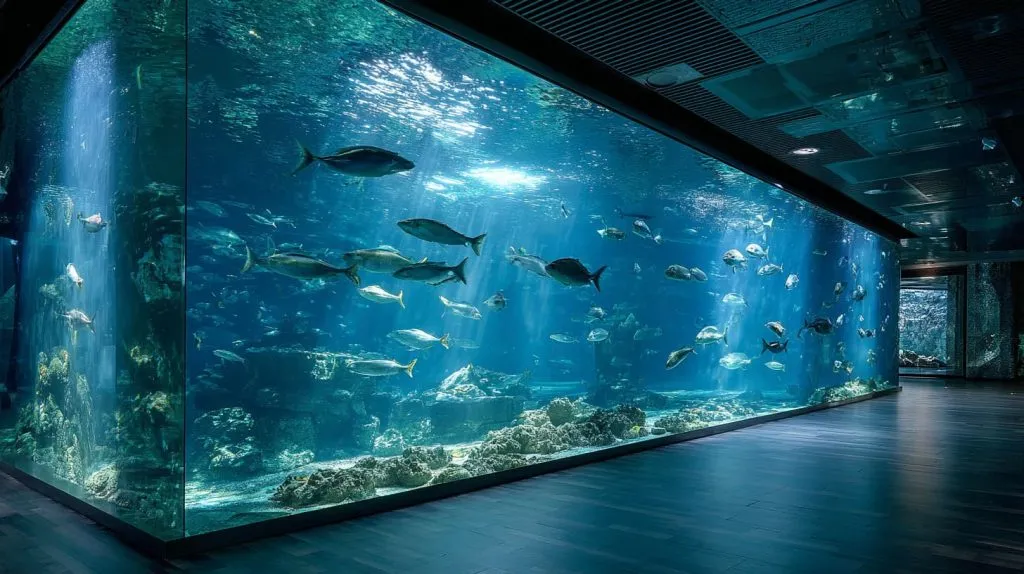
In aquariums or windows, plexiglass is safer because it does not shatter. In ovens or fireplaces, tempered glass is still necessary.
Conclusion
Plexiglass is tough, versatile, and safer than glass, but it scratches easily and needs the right thickness for strength.