Skip to content
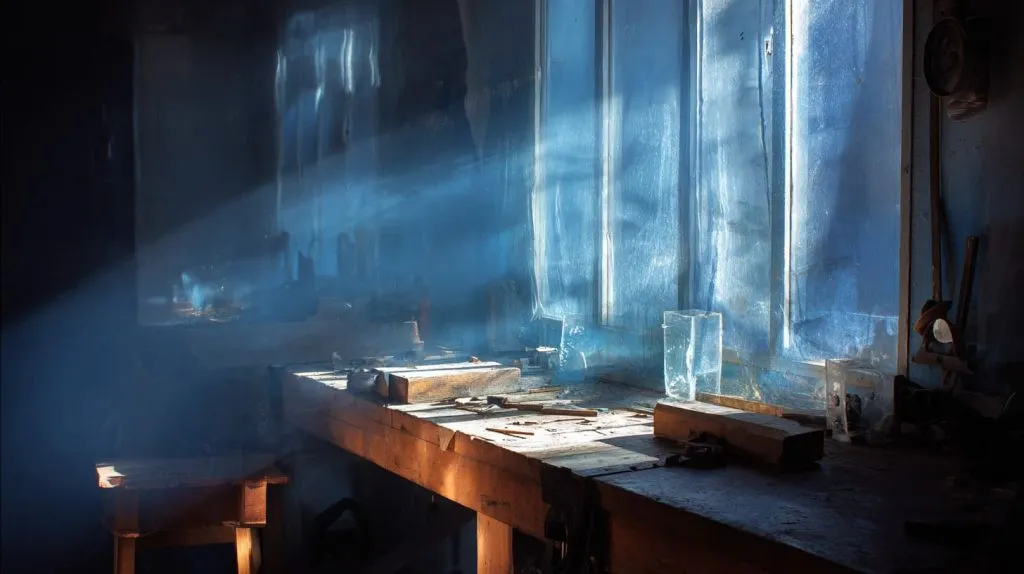
The heater was running quietly, yet a thin breeze kept brushing my ankles. I turned and noticed the source—my workshop’s plexiglass window. It looked perfect from a distance: crystal clear, neatly fitted. But up close, I could feel the draft sneaking through the frame like it owned the place. That tiny stream of cold air was more than a nuisance—it was a reminder that good insulation isn’t about looks; it’s about control.
What is plexiglass and why is it used for windows?
Plexiglass, also called acrylic, is often chosen because it's lighter, tougher, and more shatter-resistant than traditional glass. It’s clear like glass but can be cut, shaped, and installed with far less effort. That’s why I’ve used it for display stands and even home windows in workshops or sheds.
Why insulation matters for plexiglass?
The thing is, acrylic doesn’t naturally insulate well. It’s a single sheet, often thinner than glass, and doesn’t have the same thermal properties. So if you’ve used it without thinking of sealing or layering—it’s probably costing you more in heating.
The link between window insulation and energy efficiency
Every crack, gap, or cold surface around a plexiglass panel is like leaving a small window open all day. Multiply that across your space and your heater is working overtime. That’s money—literally flying out the window.
Let’s dive deeper into why plexiglass behaves the way it does—and how we can fix it.
What Makes Plexiglass Different from Glass?
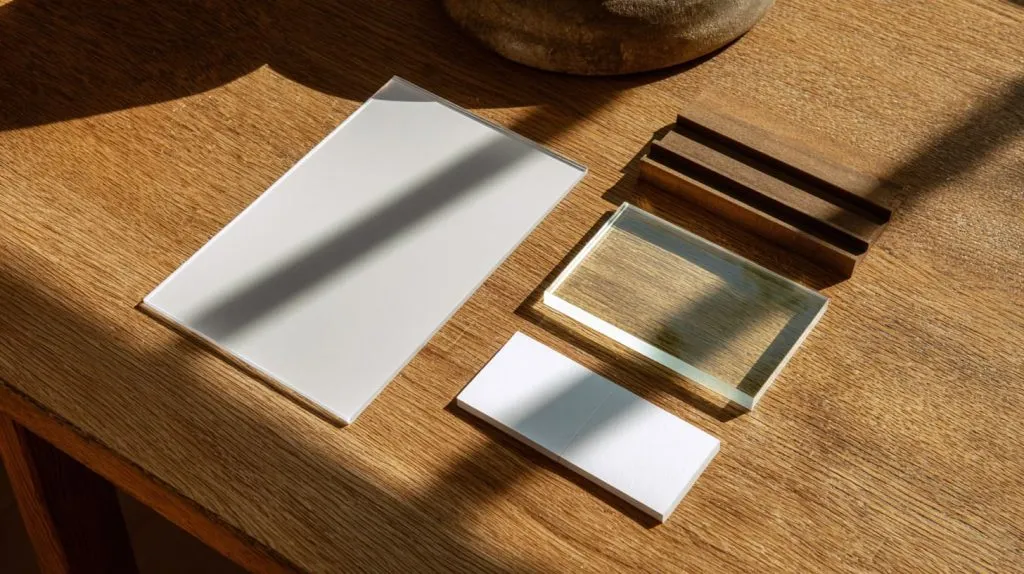
Heat retention and conductivity comparison
Glass is denser. It slows down heat transfer. Plexiglass? Not so much. It’s around 10x more insulating than glass in air-tight, double-glazed form, but loses badly when used as a single pane. That’s why even a small DIY insulation upgrade makes a difference.
| Material | Thermal Conductivity (W/m·K) | Notes |
|---|---|---|
| Standard Glass | ~1.0 | Heavy, brittle |
| Plexiglass | ~0.2 | Light, flexible, insulative |
| Air Gap | ~0.026 | Great insulator when trapped |
Pros and cons of using plexiglass for windows
Pros: Lightweight, easy to shape, good clarity, and safer in impact zones.
Cons: Scratches easily, warps in heat, and doesn’t insulate as well when used alone.
When plexiglass is better than traditional glass
In high-impact zones (like kid’s play areas or tool sheds), or when working with unusual sizes, plexiglass shines. Especially for seasonal projects or temporary buildings.
So, if plexi’s a bit of a thermal lightweight, where exactly is the heat slipping away?
What Are the Main Heat Loss Problems in Plexiglass Windows?
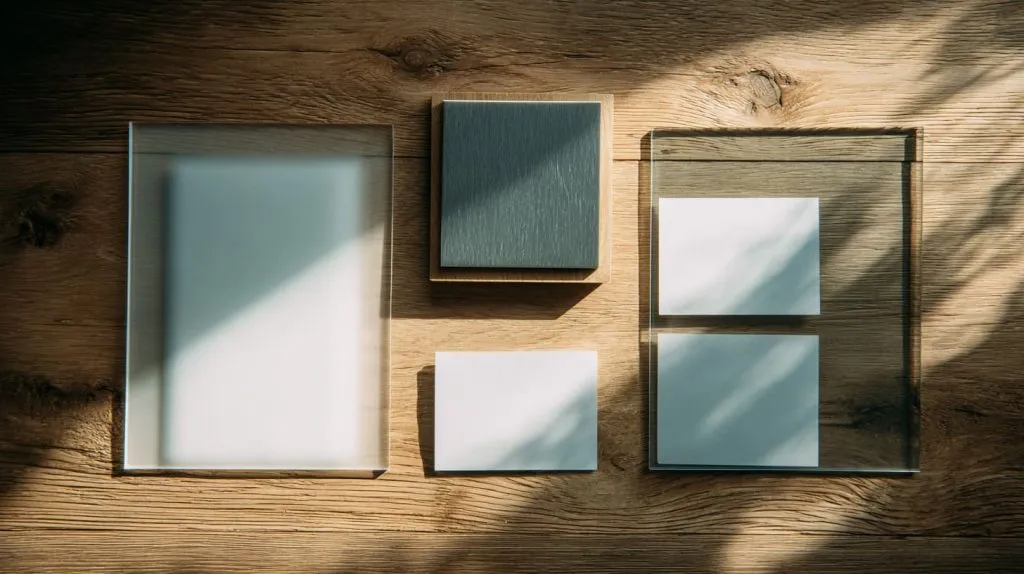
Air leakage and edge gaps
This is the sneaky part. Even if the panel sits tight, air seeps around edges, screw holes, and misaligned frames. I’ve had clients seal the panel but forget the corner—and boom, draft city.
Single-pane plexiglass and thermal transfer
One sheet is never enough in winter climates. Heat escapes fast through the surface. Think of it like using a thin t-shirt on a snowy day—it just doesn’t cut it.
Condensation and moisture effects on insulation
When warm indoor air hits cold plexi, moisture forms. Over time, this can warp the material or cause mold in wood frames. I once saw someone use unvented plexiglass in a greenhouse—within weeks, the corners were black with moisture.
When I first tackled these issues, I didn’t go big. I started with weatherstripping. Let’s start there too.
What Are the Most Effective Ways to Insulate Plexiglass Windows?
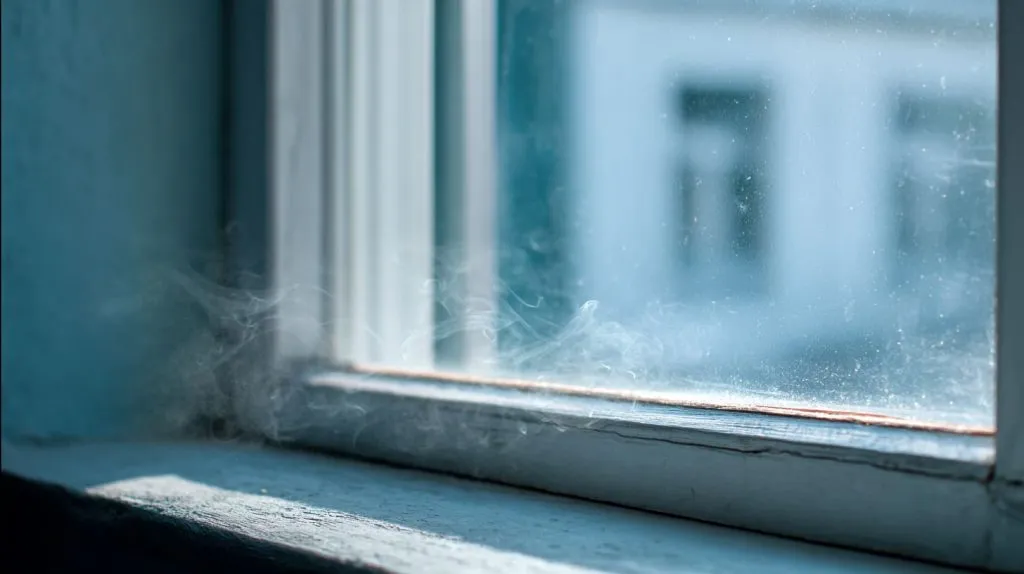
Use of weatherstripping around window frames
This is your first line of defense. Foam or rubber strips close the gap between frame and acrylic. Quick, cheap, and wildly effective if applied properly.
Applying window insulation film or shrink-wrap kits
I’ve used clear insulation film (the kind you blow-dry to tighten). It’s like adding a second skin to the window. Works especially well for winter months—and easy to remove come spring.
Installing magnetic secondary glazing with acrylic sheets
Now this one’s my favorite. Use thin acrylic panels with magnetic strips around the frame. Snap them on when it’s cold, pop them off for ventilation. Clean look. Great seal. No screws.
Caulking and sealing cracks or gaps around panes
Use clear silicone to seal edge gaps. Just be careful—not all sealants stick well to plexiglass. Test a small area first.
Once you’ve got your insulation method, the next question is: can we go further?
Can You Add Layers or Panels to Improve Insulation?
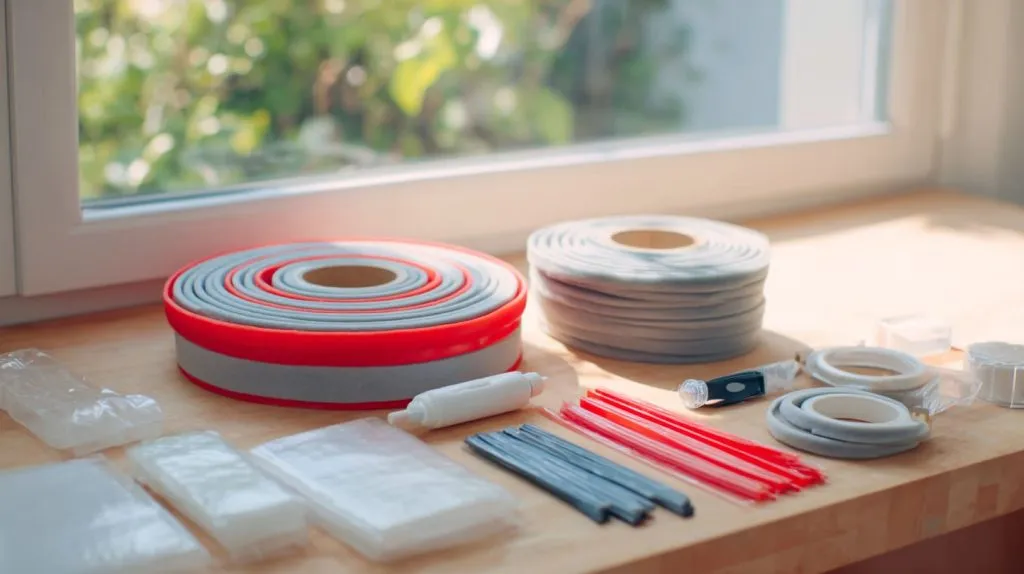
Double glazing with additional acrylic sheet
Yes! Layering is the secret. I’ve added a second panel using spacers or magnetic tape, leaving a trapped air gap in between. That air acts like a thermal coat.
How to apply air gaps or spacer bars effectively
Even a 1cm air space does wonders. Use plastic spacers, not metal (metal conducts heat). Keep the gap sealed from dust and moisture.
Framing options for layered plexiglass panels
Custom aluminum or PVC U-channels work great. If you're into DIY, wood frames can be made with routered grooves—but seal well to avoid warping.
Now, let’s talk gear. No fancy tools needed—but some precision helps.
What Tools and Materials Do You Need?
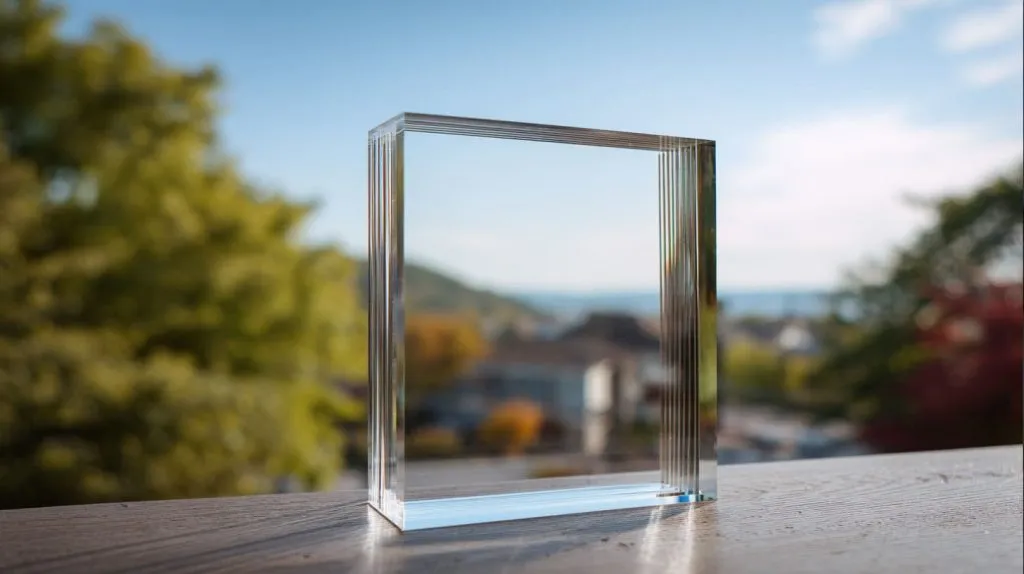
Essential insulation materials (strips, films, adhesives)
- Weatherstripping foam or rubber
- Clear insulation film
- Acrylic panel (extra layer)
- Magnetic tape or double-sided tape
- Silicone sealant (compatible with acrylic)
Recommended tools for measurement and installation
| Tool | Purpose |
|---|---|
| Utility knife | Cut strips and tape cleanly |
| Ruler/T-square | Straight lines and measurements |
| Heat gun or dryer | Tighten insulation film |
| Caulking gun | Apply sealant cleanly |
Safety tips when working with plexiglass
Always remove protective film slowly. Don’t overtighten screws—they’ll crack the sheet. And watch out: heat guns can warp plexi if you hold too close.
Once you’ve got your tools laid out, here’s how I usually tackle the install.
How to Install Insulation Step by Step?
Step 1: Clean and measure your window surface
Use a lint-free cloth and alcohol. No dust allowed. Measure twice—cut once.
Step 2: Apply weatherstripping or sealing foam
Press firmly along the frame. Don’t stretch it—it’ll shrink later.
Step 3: Attach insulation film or additional sheet
Start from one side and smooth slowly. For film, use a hair dryer to shrink. For acrylic, align carefully—magnets help.
Step 4: Secure edges and eliminate air pockets
Use a squeegee or your hands. No air pockets allowed. That’s where moisture sneaks in.
Step 5: Test for air leaks and adjust
Use a lit incense stick or a candle—watch the smoke. If it flickers near the edge, you’ve got a leak.
Even with all this effort, mistakes happen. Here’s what to avoid.
What Are Some Mistakes to Avoid?

Using the wrong adhesive or tape on plexiglass
Not all tapes stick to acrylic. And some leave permanent residue. Avoid duct tape—trust me.
Skipping surface preparation
Dust is the enemy. Any dirt under tape or film creates bubbles and ruins the seal.
Blocking ventilation completely
Don’t seal off every crack in humid rooms. You’ll get condensation inside. Leave a small breathing gap if needed.
Over-tightening or cracking the sheet
Screws should be snug—not tight. Plexiglass cracks under pressure, especially in cold weather.
Now you’re probably wondering—after all this, is it worth it?
Are There Long-Term Benefits for Energy Bills?
Monthly cost savings examples
After insulating my small studio’s plexi windows, I shaved nearly 15% off my winter bill. That’s just one room.
Return on investment and material cost analysis
| Item | Approx Cost | Lifespan | ROI Timeline |
|---|---|---|---|
| Weatherstripping | $10 | 2-3 years | 1–2 months |
| Insulation film kit | $20 | 1 season | Immediate |
| Magnetic acrylic glazing | $50–$100 | 5+ years | 6–12 months |
Environmental impact and carbon footprint reduction
Less heating = fewer emissions. One insulated window may not change the world—but it’s a start.
But what about alternatives? Let’s see how plexi stacks up.
How Does Plexiglass Compare to Other Window Insulation Options?
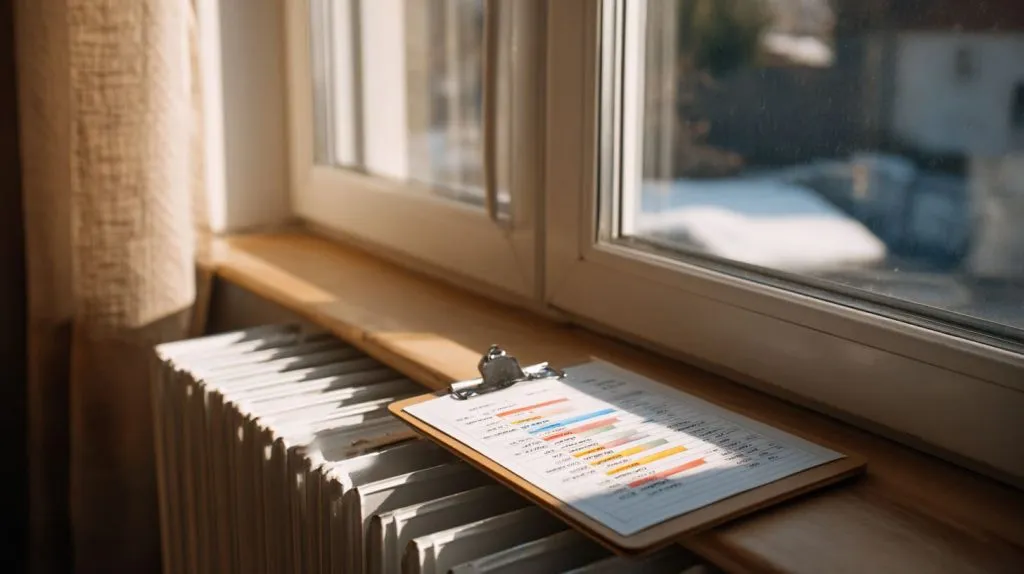
Plexiglass vs polycarbonate vs glass
| Material | Insulation | Durability | Cost |
|---|---|---|---|
| Plexiglass | Medium | High | Medium |
| Polycarbonate | High | Very High | Higher |
| Glass | Low–High | Medium | High |
Plexiglass insulation vs traditional storm windows
Plexiglass is lighter and safer but needs more care. Storm windows are durable, but harder to customize or remove.
Best use cases by budget and climate zone
- Cold climates: go double-layer or add film
- Mild climates: weatherstripping may be enough
- Budget tight? Try film first, then upgrade later
I recently helped a café owner with custom acrylic panels. Let’s talk about what worked for him.
Tips for Commercial, Retail, or Workshop Applications
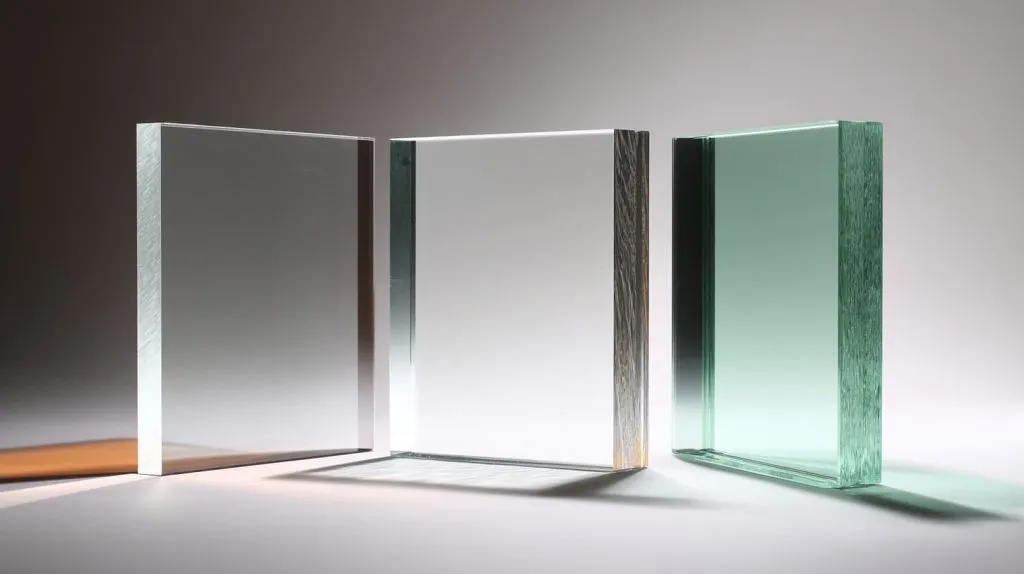
Insulation strategies for large-scale acrylic windows
Use modular panels with framing. Mount them on hinges or magnetic seals so staff can access them for cleaning.
Portable or removable insulation for seasonal use
Design snap-on frames with foam seals. Store flat in the off-season. Clients love the flexibility.
Custom-built window kits for business owners
Offer clients branded plexi panels with UV or insulation layers. We’ve made them for retail shops, bakeries, and even flower studios.
So—should you do it yourself or call in the pros?
Conclusion

Insulating plexiglass windows isn’t hard. It’s just... detail work. Measure well. Seal carefully. Add layers when possible. You’ll feel the difference.
If you're handy, give it a shot. If you're not, you can still test it on one small window. Trust your instincts, and don’t be afraid to get creative with how you seal or layer.
And if you’re building custom panels or displays and want help? That’s where we come in.
—
Vincent from Feilong Acrylic