Skip to content
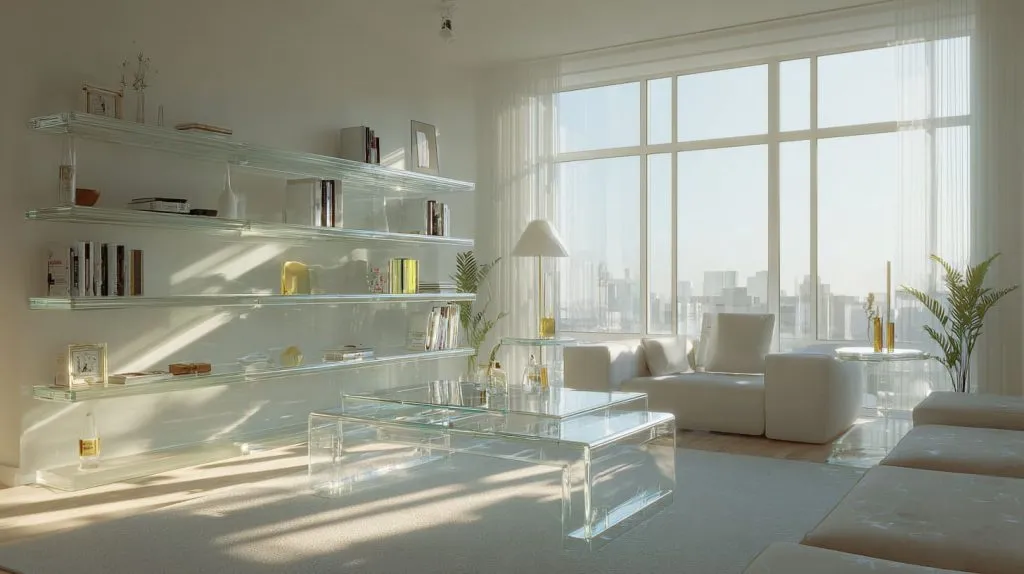
A home can start to feel crowded long before it is actually full. I have noticed that many times when I looked at a room that had good furniture, nice light, and enough floor space, but still felt heavy. The problem was not always size. A lot of the time, the problem was visual weight.
That is one reason I keep coming back to plexiglass.
I like plexiglass because it does something very few materials do so well. It stays useful without feeling loud. It can protect, divide, display, support, and decorate. At the same time, it lets light move through the room. That matters more than people think.
Most people know plexiglass as acrylic. I work with acrylic every day, so I see both the beauty and the limits of it in real jobs. In a home, it can replace glass in many places, but I do not treat it as a simple copy of glass. I treat it as its own material with its own strengths. It is lighter. It is more impact-resistant. It is easier to shape. It also gives homeowners and designers more freedom when they want custom sizes, soft curves, frosted finishes, or clean modern lines.
I have seen homeowners choose it for practical reasons first, then fall in love with the look later. A clear acrylic shelf can make a narrow bathroom feel less boxed in. A small side table can hold its shape without making the room feel busy. A display box can protect a collection without hiding it.
When I judge whether plexiglass belongs in a home project, I do not ask only whether it looks like glass. I ask whether it solves the daily problem better than glass would.
That question changes everything.
And once that door opens, the material starts showing up in more places than most people expect.
What Is Plexiglass and Why Is It Ideal for Home Use?
Plexiglass sounds technical at first. Some people hear the name and imagine factory parts, machine covers, or store fixtures. I understand that reaction. The name feels industrial. The real material feels much more flexible than that.
What is plexiglass (acrylic)?
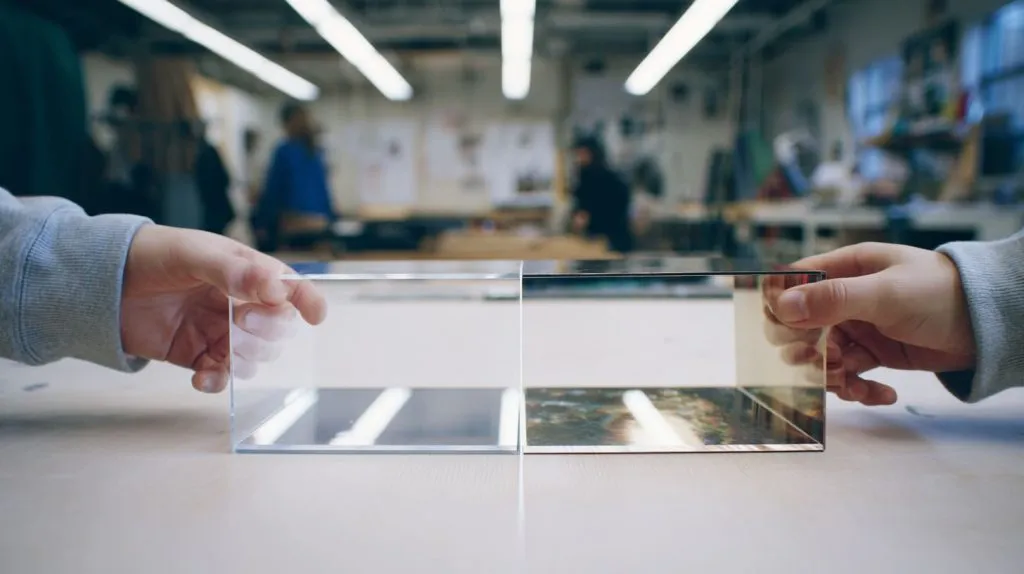
Plexiglass is a common name for acrylic sheet. It is a clear plastic material that people often use as a substitute for glass. It has a smooth surface, high transparency, and good strength for many daily uses.
I usually explain it in the simplest way possible: it gives you the visual lightness of glass, but with more design freedom and less fear of sudden breakage.
Here is a quick comparison:
| Feature | Plexiglass (Acrylic) | Traditional Glass |
|---|---|---|
| Weight | Light | Heavy |
| Impact resistance | Higher | Lower |
| Transparency | Very high | Very high |
| Ease of fabrication | Easy to cut and shape | Harder to process |
| Safety in active spaces | Better | More fragile |
| Custom finish options | Many | Fewer in small custom runs |
That does not mean acrylic is perfect. It can scratch more easily than glass. It also reacts differently to heat and cleaning chemicals. So I do not treat it like a magic answer. I treat it like a smart answer when the use case fits.
Key advantages for home applications
The reason plexiglass works so well at home is simple: home use is not only about beauty. It is about daily behavior. Kids touch things. Pets jump. Guests lean on surfaces. Bathrooms stay wet. Kitchens get messy. Sunlight shifts across rooms.
That is where acrylic starts making sense.
It is lightweight and easier to handle
Acrylic is much lighter than glass. That matters during installation, moving, cleaning, and long-term use. A wall-mounted panel or shelf made from acrylic often creates fewer handling problems than a glass one.
It is more shatter-resistant
I do not like making safety sound dramatic, but this point matters. If a panel gets bumped, dropped, or pressed the wrong way, acrylic usually behaves in a less risky way than glass.
It is easy to customize
This is one of my favorite parts. Acrylic can be cut, bent, polished, frosted, engraved, and shaped into forms that would be harder or more expensive with glass. That gives homeowners more design freedom.
It handles weather and UV better than many people expect
Not every acrylic sheet is the same, but good-quality material can perform well in bright indoor spots and even some outdoor areas. I pay close attention to sheet grade here, because cheap material can cloud, yellow, or age badly.
It can be cost-effective over time
The material price is only one part of the story. I also think about fabrication, shipping, replacement risk, and installation ease. Sometimes acrylic wins not because it is cheaper per sheet, but because it causes fewer total problems.
| Home Need | Why Plexiglass Helps |
|---|---|
| Safe daily use | Less break risk than glass |
| Small space design | Keeps rooms visually open |
| Custom sizing | Easy to fabricate |
| Moisture-prone zones | Works well with proper design |
| Decorative flexibility | Clear, frosted, colored, printed options |
The mistake I see most often is that people compare plexiglass and glass only by appearance, when the smarter comparison is how each one behaves after six months of real living.
That is why the material keeps moving from simple utility into actual home style. And once people see that shift, furniture is usually the next place they get curious.
Plexiglass Furniture for Modern Living Spaces
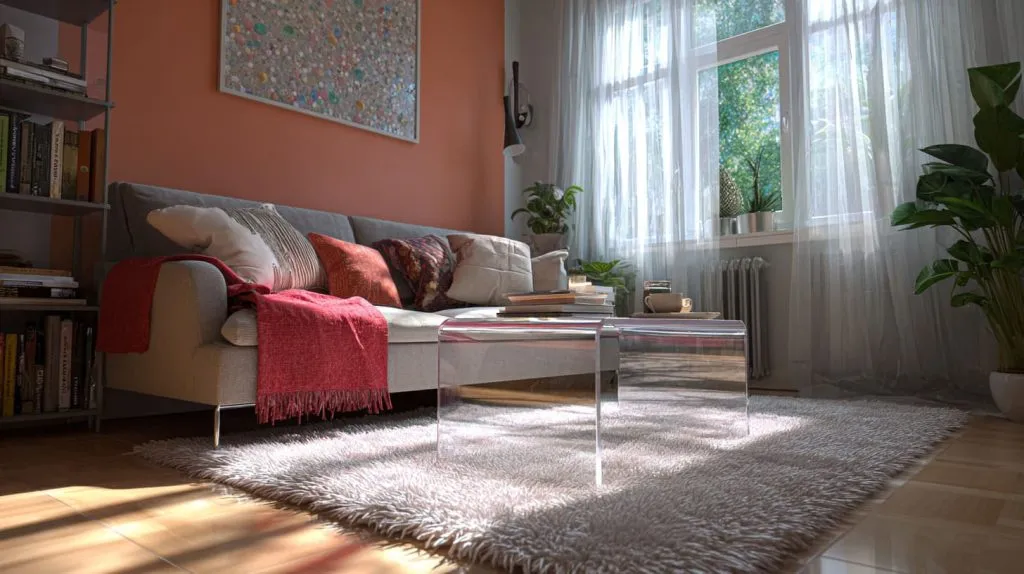
Furniture is where many people first notice the charm of plexiglass. They do not always notice it in a technical way. They just look at a room and think, Why does this feel cleaner? Why does it feel bigger?
A lot of that effect comes from visual openness.
Acrylic coffee tables and side tables
I have always liked what clear acrylic tables do in small spaces. A normal wooden table can be beautiful, but it takes up visual space. A clear acrylic table still serves the same purpose, yet it lets the room breathe.
That makes a real difference in apartments, condos, and compact living rooms.
Acrylic coffee tables and side tables often work well in these settings:
- small urban apartments
- minimalist interiors
- rooms with bold rugs or statement sofas
- homes that already have many textures like wood, fabric, and metal
I tend to be careful with very thin sheets in table design, because a piece can look elegant on paper and still feel nervous in real use if the load, span, and leg structure are not balanced well.
Why they work so well visually
Clear furniture does not interrupt sightlines. That helps a room feel lighter. It also makes other design features stand out more clearly.
Where they can go wrong
Some buyers focus only on thickness. Thickness matters, yes. But shape, support points, edge finish, and intended load matter too. A thick sheet alone does not guarantee a good table.
| Table Type | Best Use | What I Pay Attention To |
|---|---|---|
| Coffee table | Living room center | Thickness, span, edge finish |
| Side table | Sofa or bed side | Stability, footprint, corner safety |
| Nesting table | Small homes | Storage fit, weight balance |
Chairs, desks, and shelving units
This is where the material starts to feel more ambitious.
Acrylic chairs, desks, and shelving units can look stunning. They can also go wrong faster if design logic gets ignored. I think that is important to say clearly. The beauty of transparency sometimes tricks people into underestimating engineering.
Chairs and desks
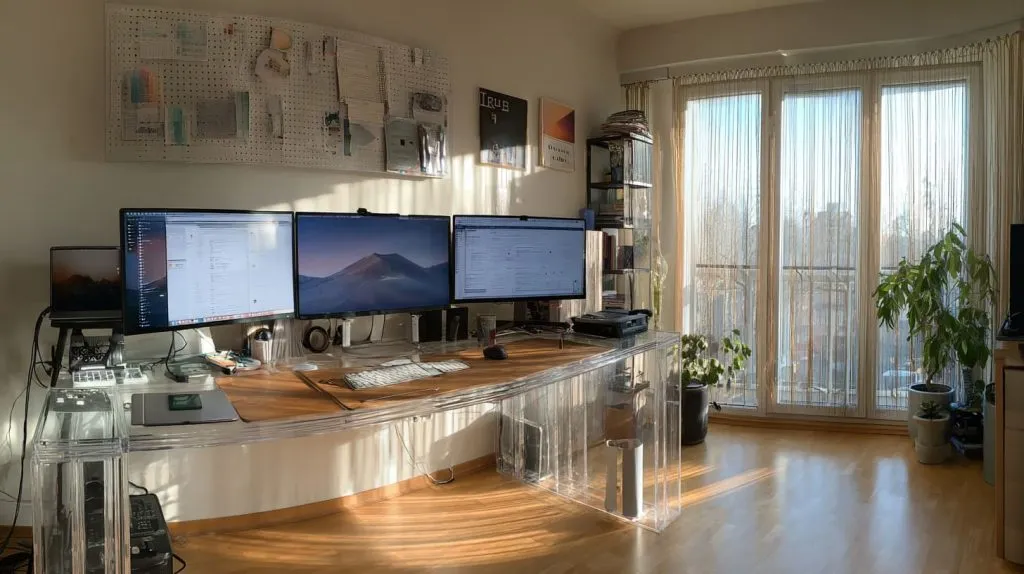
Acrylic chairs and desks often fit modern interiors, home offices, and styled rooms where people want a clean, almost floating look. I like them most when they are designed with enough support and when the user understands what kind of load they are meant to carry.
A desk made from acrylic can look very sleek. It can also show scratches, fingerprints, and cable clutter more than people expect. That does not make it bad. It just means beauty comes with maintenance.
Shelving units
Acrylic shelves are one of the smartest home uses in my opinion. They store items while keeping the wall area open. This is helpful in bathrooms, bedrooms, entryways, and small retail-inspired corners at home.
Mixed-material furniture
One of the strongest design moves is combining acrylic with:
- wood for warmth
- metal for structure
- brass for a soft luxury feel
- black steel for contrast
| Furniture Piece | Main Benefit | Common Trade-Off |
|---|---|---|
| Acrylic desk | Light visual feel | Fingerprints and scratches |
| Acrylic chair | Sculptural look | Needs careful structural design |
| Acrylic shelf | Open, clean storage | Must match load needs |
| Acrylic + wood combo | Warm modern style | Higher fabrication detail |
I have seen people buy acrylic furniture because it looked stylish in a photo. The ones happiest six months later were usually the ones who thought about cleaning, loading, and placement before buying.
And that brings me to something a bit more practical. Once people trust acrylic in furniture, they often start using it in the quieter corners of home life, where organization does a lot of emotional work.
Clear Acrylic Display and Storage Solutions

Storage sounds boring until a messy counter starts irritating you every day. Then it becomes personal.
I have always felt that good storage changes more than appearance. It changes mood. When items are easy to see, easy to reach, and easy to put back, a space becomes calmer.
Cosmetic organizers and storage boxes
This is one of the most natural uses for acrylic at home. Cosmetic organizers, skincare holders, drawer inserts, and small storage boxes fit the material beautifully.
Clear acrylic helps in a very simple way: it lets people see what they own. That sounds obvious, but it solves a common problem. When products disappear into opaque bins or crowded drawers, people forget what they have, buy duplicates, and create more clutter.
I often judge organizer design by one small thing people overlook: if the compartments are too shallow, too deep, or too narrow for the actual products, the whole organizer becomes a nice-looking mistake.
Why acrylic works for beauty storage
- It looks clean and modern
- It is easy to wipe down
- It helps users see colors, labels, and quantities
- It works well in bedrooms, vanities, and bathrooms
Common organizer styles
| Organizer Type | Best For | Why It Works |
|---|---|---|
| Drawer organizer | Small items | Keeps categories clear |
| Countertop stand | Daily-use products | Easy access |
| Lipstick holder | Beauty collections | Strong visibility |
| Skincare box | Bottles and jars | Neat grouping |
Display cases for collectibles
This part always interests me because it blends emotion with protection.
People do not display collectibles just to fill a shelf. They display them because those items mean something. A signed ball, a model car, a designer toy, a family object, a travel piece. These things carry memory.
Acrylic display cases protect those items from dust while keeping them visible. That combination is powerful. Glass can do it too, of course, but acrylic often gives more flexibility in custom sizing, safer handling, and easier shipping.
Why collectors like acrylic cases
- clear visibility from multiple angles
- reduced dust exposure
- custom-fit dimensions
- lighter weight for wall shelves or cabinets
A premium case is not only about clear material. It is also about:
- polished edges
- precise joints
- stable base design
- clean lid fit
- proper thickness
| Case Feature | Cheap Look | Better Look |
|---|---|---|
| Edges | Rough or cloudy | Smooth and polished |
| Corners | Inconsistent | Clean and aligned |
| Lid fit | Loose | Precise |
| Thickness choice | Too thin for size | Matched to scale |
I have seen display boxes that technically protected the product but still looked disappointing because the joints were messy or the proportions felt off. That is why I always think function and presentation need to be judged together.
And once acrylic starts helping with storage and display, it almost naturally moves onto the wall, where it stops being only useful and starts becoming part of the home’s visual voice.
Plexiglass Wall Art and Decorative Panels

Walls carry more emotional weight than people admit. A blank wall can feel calm. It can also feel unfinished. A decorated wall can feel expressive. It can also feel crowded if the material choice is wrong.
That is one reason I like acrylic for decorative wall applications. It can add presence without adding heaviness.
Acrylic photo frames and wall art
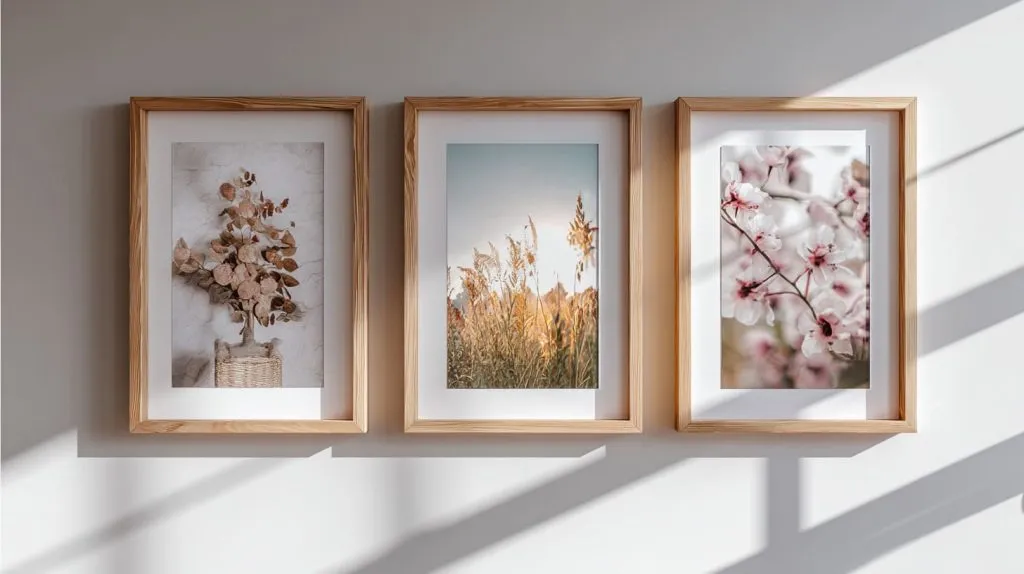
Acrylic photo frames have a very clean look. They often create that floating effect people want in modern interiors. I like this effect because it feels intentional without trying too hard.
Photos, art prints, family images, and graphic pieces all work well in acrylic frames. The material keeps the presentation sharp and modern.
I do not decide on acrylic framing based on looks alone. I also check how the piece will sit in the room light, because glare, edge thickness, and mounting style can change the final effect more than most people expect.
Why acrylic frames feel different from traditional frames
Traditional frames often bring border, texture, and weight. Acrylic frames reduce that visual interruption. The art becomes the focus.
Floating and frameless effects
This is one of the biggest visual strengths. With the right spacers, mounting hardware, or layered construction, acrylic frames can make artwork appear to float slightly off the wall.
| Frame Style | Visual Effect | Best Fit |
|---|---|---|
| Full acrylic sandwich frame | Clean and modern | Photos, prints |
| Acrylic with standoffs | Floating look | Offices, hallways |
| Frosted acrylic panel | Soft, diffused | Minimal interiors |
Decorative wall panels and partitions
Acrylic panels are not limited to frames. They can also act as decorative surfaces, privacy elements, or room dividers.
This is especially useful in homes that need separation without darkness. A frosted acrylic partition can divide an area while still allowing light to pass through. That matters a lot in smaller homes.
Good uses for decorative panels
- entryway separation
- bathroom privacy zones
- kitchen partition accents
- textured feature walls
- decorative inserts in cabinets or doors
Custom finishes make a big difference
Acrylic can be:
- clear
- frosted
- tinted
- engraved
- printed
- textured
That opens many design paths. Some feel soft and quiet. Some feel bold and graphic.
| Finish Type | Home Mood | Practical Note |
|---|---|---|
| Clear | Open and light | Less privacy |
| Frosted | Soft and private | Hides fingerprints better |
| Tinted | Decorative and modern | Reduces light slightly |
| Printed | Personalized | Needs good image handling |
| Engraved | Elegant detail | Works best with proper thickness |
I have found that wall acrylic works best when it supports the room instead of begging for attention. The smartest pieces usually do their job almost quietly.
And from there, the move into kitchens and bathrooms feels very natural, because those rooms need both practicality and visual discipline.
Kitchen and Bathroom Applications

Kitchens and bathrooms are not gentle spaces. Water, soap, steam, oil, splashes, heat, and cleaning routines all show up there. So when people ask whether plexiglass belongs in these areas, I take the question seriously.
My answer is yes, but only when the application is chosen with care.
Splashbacks and protective panels
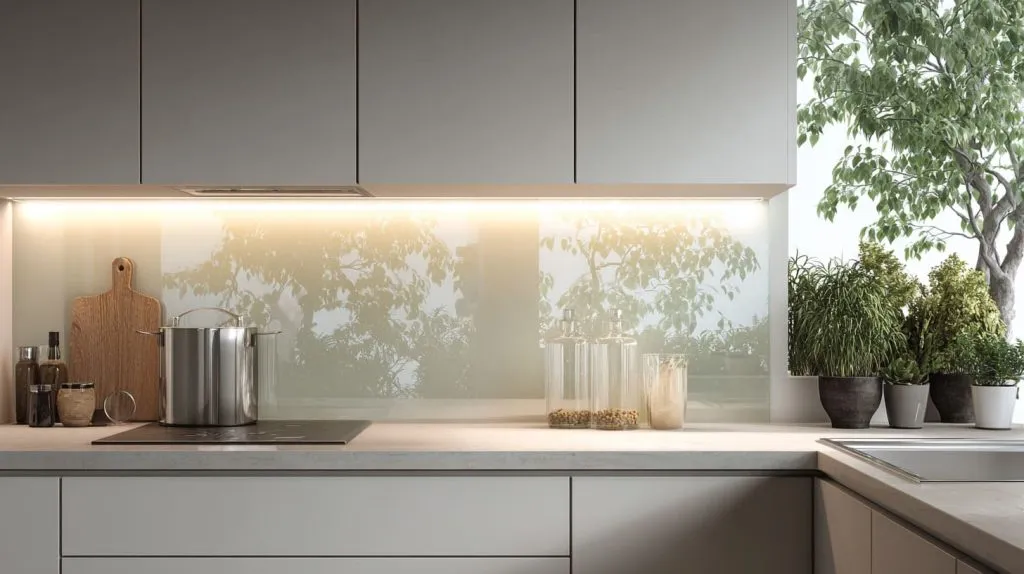
Acrylic splashbacks can work very well in kitchens, laundry areas, and utility zones. They are easy to wipe down, light to install, and available in clear, frosted, or colored finishes.
I think they are especially useful when someone wants a cleaner, less heavy alternative to tile or a lighter option than glass.
Still, I do not blindly recommend acrylic behind every cooking area. Heat exposure matters. Distance from burners matters. Panel fixing method matters too.
The detail that changes my answer fastest is how close the panel sits to direct heat, because a pretty surface can become the wrong material very quickly in the wrong spot.
Why homeowners like acrylic panels in wet areas
- easy cleaning
- fewer grout-related issues
- clean, modern look
- lighter handling during installation
- custom-cut options
Where I stay cautious
- near high direct heat
- in poorly ventilated hot zones
- when harsh cleaners are common
- when low-grade sheet quality is used
| Application | Good Fit? | Main Concern |
|---|---|---|
| Bathroom wall panel | Yes | Cleaning method |
| Kitchen side splash panel | Yes | Scratches |
| Behind gas stove | Depends | Heat exposure |
| Laundry room backing | Yes | Chemical contact |
Shower panels and bathroom organizers
Bathrooms are one of the strongest places for acrylic when the design is right.
Acrylic shower panels and bathroom organizers can help a space feel bright and neat. They resist moisture well, and they can be made in custom sizes for awkward corners and small layouts.
Shower panels
Acrylic wall panels can create a smooth, easy-to-clean look. They often feel simpler than tile because they reduce grout lines and visual breaks.
Bathroom organizers
Clear or frosted acrylic organizers work well for:
- toothbrush storage
- skincare trays
- under-sink sorting
- shelf risers
- drawer inserts
| Bathroom Use | Why Acrylic Works | What I Watch For |
|---|---|---|
| Shower panel | Smooth and water-friendly | Heat and cleaner compatibility |
| Counter organizer | Clean look | Water spots |
| Shelf insert | Uses vertical space | Thickness choice |
| Drawer organizer | Easy sorting | Exact sizing |
I have seen bathrooms improved more by smart small acrylic pieces than by expensive decoration. A simple organizer, shelf, or divider can make the whole room feel more controlled.
And speaking of control, some of the most practical home uses for plexiglass come from a need to create boundaries without making a space feel closed off.
Protective Barriers and Safety Shields
People sometimes think barriers must look cold. I do not agree. A barrier can be practical and still feel gentle in a home.
That is what makes plexiglass useful here. It protects without fully blocking view or light.
Desk dividers and protective screens
Home offices changed a lot in recent years. Shared workspaces at home became normal for many families. That created a small but real need for light separation.
Acrylic desk dividers and screens can help define work zones without making the room feel chopped up. They let light pass through, and they keep the area visually open.
I lean toward simple, easy-to-clean designs for home screens, because once a protective panel becomes awkward to wipe, move, or secure, people stop liking it very fast.
Best home uses for clear screens
- shared study desks
- home office dividers
- front panels for work counters
- sneeze guards in family-run home businesses
Why they work better than opaque dividers in many homes
Opaque partitions can feel heavy and isolating. Clear acrylic keeps the room connected.
| Divider Type | Best Benefit | Limitation |
|---|---|---|
| Clear acrylic divider | Light passes through | Shows smudges |
| Frosted divider | More privacy | Less open feel |
| Framed screen | More structure | Heavier visual presence |
Child-safe and pet-safe barriers
This is one of the more quietly useful home applications.
Acrylic barriers can help in homes with children and pets by creating safer zones without introducing the same breakage risk as glass. They can be used near stairs, shelves, pet corners, and certain furniture edges.
Examples of home safety uses
- pet feeding zone dividers
- guard panels near displays
- shelf-front barriers
- stair or corner shields
- toy area dividers
I notice that the most overlooked problem in home safety products is not strength alone. It is whether the barrier stays stable when daily life gets messy, fast, and a little careless.
Why transparency matters in active households
Parents and pet owners still want to see through the space. Visibility helps supervision. It also keeps the home from feeling like a daycare setup.
| Household Need | Why Plexiglass Helps |
|---|---|
| Safe visibility | Clear sight lines |
| Reduced break risk | Better than glass in many cases |
| Easy cleaning | Smooth surface |
| Space definition | Creates boundaries without bulk |
After safety, people often start thinking about mood. And that is where acrylic changes character again, because it can move from barrier to atmosphere with surprising ease.
Plexiglass Lighting and LED Applications
Light changes everything. A room with average furniture can still feel beautiful under the right light. A stylish room can feel flat under the wrong one.
That is why I like acrylic in lighting work. It does not just hold shape. It helps shape the mood.
Backlit acrylic panels
Backlit acrylic panels are one of those design details that look simple from a distance and much smarter up close. The panel softens the light and spreads it in a more even way.
This works well in:
- decorative wall lighting
- name panels
- shelf lighting
- mood corners
- soft feature panels
I become much more selective when lighting is involved, because the wrong acrylic finish can produce hot spots, weak diffusion, or a cheap-looking glow even when the LED system itself is good.
Why diffusion matters
Acrylic is not only about transparency. Some grades are designed to diffuse light more evenly. That can create a softer, calmer visual result.
Popular home uses
| Lighting Use | Visual Result | Best Acrylic Type |
|---|---|---|
| Backlit wall panel | Soft glow | Frosted or diffuser sheet |
| Shelf backlight | Premium display feel | Clear + lighting design |
| Decorative sign | Clean modern effect | Frosted or engraved acrylic |
Light fixtures and lampshades
Acrylic also works well in lamp covers, pendant details, and custom light fixture parts. It can soften brightness while keeping a modern shape.
I like it most when the design respects both light behavior and maintenance. A beautiful lampshade is less beautiful once dust, heat, or poor cleaning turns it cloudy.
Benefits of acrylic in light fixtures
- lightweight
- easy to form
- available in many finishes
- works well in modern styles
Things I think about before choosing it
- how the light spreads
- whether the surface will show dust
- the distance from heat source
- how easy it is to clean
| Fixture Type | Why It Works | What Can Go Wrong |
|---|---|---|
| Pendant cover | Clean shape | Heat issues if poorly designed |
| Lamp shade panel | Softens light | Scratches during cleaning |
| LED diffuser cover | Even brightness | Poor diffusion if wrong grade |
I think good acrylic lighting feels effortless when it is done right. You notice the mood first, not the material.
And once a material can survive furniture, storage, walls, wet zones, safety, and lighting, it is no surprise people also trust it outdoors.
Outdoor Uses of Plexiglass at Home
Outdoor use always forces honesty. Indoors, a material can hide behind styling for a while. Outdoors, sun, dust, rain, and temperature swings test it much faster.
That is why I become more careful here. Not fearful. Just more practical.
Patio furniture and balcony panels
Acrylic can work well in certain outdoor furniture pieces and balcony features. It keeps a light, open look, which is great for small patios and urban balconies where visual space matters.
Clear or tinted balcony panels can also make a small outdoor area feel less blocked. That is especially useful in homes where people want safety without losing the view.
I do not approve outdoor acrylic only because it looks clean on installation day. I care much more about whether the sheet grade, edge finish, and fixing method can still look respectable after weather starts doing its job.
Good outdoor uses
- balcony privacy panels
- decorative side tables
- wind screens
- protective covers
- lightweight furniture accents
Why material quality matters more outdoors
This is where cheap sheet quality gets exposed. Low-grade acrylic may age poorly, yellow, or lose surface appeal faster.
| Outdoor Use | Benefit | Main Risk |
|---|---|---|
| Balcony panel | Keeps view open | Surface weathering |
| Patio table top | Light visual style | Scratches |
| Wind screen | Transparent protection | Mounting strength |
Garden enclosures and greenhouse panels
This is another strong use case.
Acrylic panels can help in garden covers, mini greenhouse structures, and plant protection setups. They let light through while offering a more manageable weight than glass.
Why gardeners like clear acrylic panels
- good light transmission
- lower weight
- easier installation
- less breakage concern
What I think through before recommending them
Outdoor plant use is not only about sunlight. It is also about:
- heat build-up
- ventilation
- moisture
- fixing system
- cleaning access
| Garden Project | Why It Fits | Key Design Check |
|---|---|---|
| Mini greenhouse panel | Good light and light weight | Ventilation |
| Plant cover | Weather protection | Fastening method |
| Raised bed shield | Wind control | Thickness |
I have seen outdoor acrylic look excellent when the project respected real weather, not ideal weather. That difference matters a lot.
Then again, some homeowners do not want large finished products. They want small personal projects. They want to make something with their own hands. That is where acrylic becomes fun in a different way.
DIY and Custom Plexiglass Projects
Some materials feel too intimidating for DIY. Plexiglass is not one of them. That is one reason so many people enjoy working with it.
It can be simple enough for a small weekend project, but still polished enough to look custom when finished well.
Easy DIY home improvement ideas
I like acrylic for DIY because it gives visible results fast. A simple shelf, riser, cover, or tray can make a home feel better organized almost immediately.
Common DIY acrylic ideas
- floating shelves
- photo frames
- small organizers
- book risers
- cabinet inserts
- protective covers
- tabletop protectors
I usually get more cautious when a DIY idea starts carrying real load or daily impact, because a project that looks easy on social media can become unsafe if thickness, bending, or fixing is guessed instead of planned.
Why beginners often enjoy it
Acrylic feels cleaner and more modern than many basic DIY materials. Even a small project can look sharp.
| DIY Project | Skill Level | Main Thing to Watch |
|---|---|---|
| Simple shelf | Beginner to mid | Wall fixing |
| Small organizer | Beginner | Accurate sizing |
| Frame cover | Beginner | Edge finish |
| Protective cover | Mid | Fit and ventilation |
Benefits of custom-made acrylic solutions
This is where I naturally care the most, because custom work is where acrylic really shows its value.
A home is full of odd spaces. A niche that is slightly too narrow. A bathroom corner with wasted height. A vanity drawer with awkward depth. A shelf opening that standard organizers never fit.
That is where custom acrylic wins.
Why custom often beats off-the-shelf
- exact dimensions
- better use of space
- more finish options
- stronger visual consistency
- easier fit with the rest of the home
Custom options people often ask for
| Custom Element | Why It Matters |
|---|---|
| Thickness | Changes strength and feel |
| Finish | Affects privacy, light, and style |
| Edge polish | Changes premium look |
| Print or engraving | Adds personalization |
| Shape | Solves unusual layouts |
The smartest custom jobs are rarely the most dramatic ones. They are usually the ones that solve one annoying little household problem so well that the piece feels obvious after it arrives.
By this point, most people are interested. But they still face one final issue: how do you choose the right plexiglass product instead of simply choosing a plexiglass product?
How to Choose the Right Plexiglass for Your Project
This is the part where many good ideas either become good projects or expensive disappointments.
I say that because acrylic is flexible. That is a strength. It is also a trap. People see many options and assume the material will somehow adapt to whatever they imagined. Sometimes it does. Sometimes it absolutely does not.
Thickness and durability considerations
Thickness is one of the first things I look at, but I never treat it as the only thing that matters.
A display box, a shelf, a divider, and a table should not all use the same thickness logic. The right thickness depends on span, load, support, handling, and how refined the product needs to look.
The first red flag I notice in acrylic planning is when someone chooses thickness by appearance alone, because a panel can look solid in a drawing and still flex, bow, or feel cheap in real life.
General thinking by use type
| Project Type | Typical Thickness Logic |
|---|---|
| Small display box | Lighter thickness may work |
| Shelf | Needs more support awareness |
| Divider | Depends on height and stability |
| Table | Requires stronger structural thinking |
Finishes and customization options
Acrylic is not only clear. That is one of the biggest misunderstandings around it.
It can also be:
- frosted
- colored
- tinted
- mirrored
- printed
- engraved
- textured
Each finish changes both appearance and function.
How I think about finish choice
If the goal is visibility, clear may be best.
If the goal is privacy, frosted helps.
If the goal is mood, tinted or colored acrylic can add character.
If the goal is branding, printing or engraving may matter more than clarity.
| Finish | Best For | Watch-Out |
|---|---|---|
| Clear | Display and openness | Shows scratches and dust |
| Frosted | Privacy and softness | Less sharp visibility |
| Colored | Decorative accents | Needs color balance in room |
| Printed | Graphic design | Print quality matters |
| Engraved | Premium details | Best with good thickness |
Working with a reliable manufacturer
This part matters more than many homeowners realize. Even a good design can fail if the sheet quality is poor, the cutting is rough, the polishing is weak, or the joints are careless.
I care a lot about manufacturing because acrylic shows workmanship very honestly. A metal flaw can sometimes hide in coating. Acrylic flaws often sit right in the light.
When I weigh a supplier, I pay attention to the boring details first—sheet grade, edge quality, cut accuracy, and consistency—because that is usually where the real difference between “looks fine online” and “looks great in hand” starts.
What I would check in a manufacturer
- custom fabrication ability
- polishing quality
- CNC and laser cutting capacity
- consistent material sourcing
- export experience
- communication clarity
- quality control process
Why OEM and ODM support matters
Even for home-related products, custom requests can get specific very fast. A reliable manufacturer should be able to adjust dimensions, finishes, structural details, and packaging when needed.
| Supplier Factor | Why It Matters |
|---|---|
| OEM/ODM capability | Supports custom ideas |
| Quality control | Reduces visible defects |
| Material consistency | Keeps appearance stable |
| Production capacity | Helps with repeat projects |
| Communication | Prevents design mistakes |
I have seen many acrylic products that looked almost right. That word almost can become expensive. So I prefer to slow down a little at the selection stage and avoid that kind of regret later.
And after all these uses, one thing becomes clear to me: plexiglass is not valuable because it copies glass. It is valuable because it solves home problems in its own way.
Conclusion

Plexiglass has a quiet kind of usefulness that I respect more and more over time. It can sit in a room without making noise, and still change the way that room works. It can lighten furniture, organize clutter, protect collections, soften light, divide space, and support outdoor living. That is a wide range for one material.
I think that range is exactly why homeowners and designers keep choosing it. It gives a rare mix of beauty, safety, and flexibility. It feels modern, but it is not only about style. It is practical too. That balance matters in real homes.
What stays in my mind most is this: the best plexiglass use is usually not the flashiest one. It is the one that fits daily life well. It is the shelf that makes the bathroom calmer. It is the divider that keeps a room open. It is the custom box that finally fits the space instead of fighting it.
For me, the real test is simple. I ask whether the acrylic piece will still feel smart after people live with it, clean it, bump it, and depend on it for a while.
If you are planning a home project and want acrylic pieces that fit your space, your function, and your design style, I think custom work is often the better path. At Feilong Acrylic, I focus on turning ideas into tailored acrylic products with clean fabrication, practical detail, and reliable lead times for personalized or bulk orders.
You can explore more at flacrylic.com and start with the question that matters most: what does your space actually need the material to do?