Skip to content

I was standing in front of a display booth years ago—tapping gently on what looked like glass, but felt warmer, lighter, and definitely tougher. That was my first real encounter with PMMA. And honestly? It changed how I saw materials from that day on.
PMMA (Polymethyl methacrylate) is a clear plastic that mimics glass but is lighter, stronger, and more versatile.
Once you’ve used PMMA in your products—be it in signs, organizers, or display cases—it’s hard to go back to anything else. Let’s unpack why.
Is PMMA the same as acrylic?
I used to think they were two different things. Turns out, they’re not.
Yes—PMMA is acrylic. PMMA is the chemical name, while "acrylic" is the more common trade term.
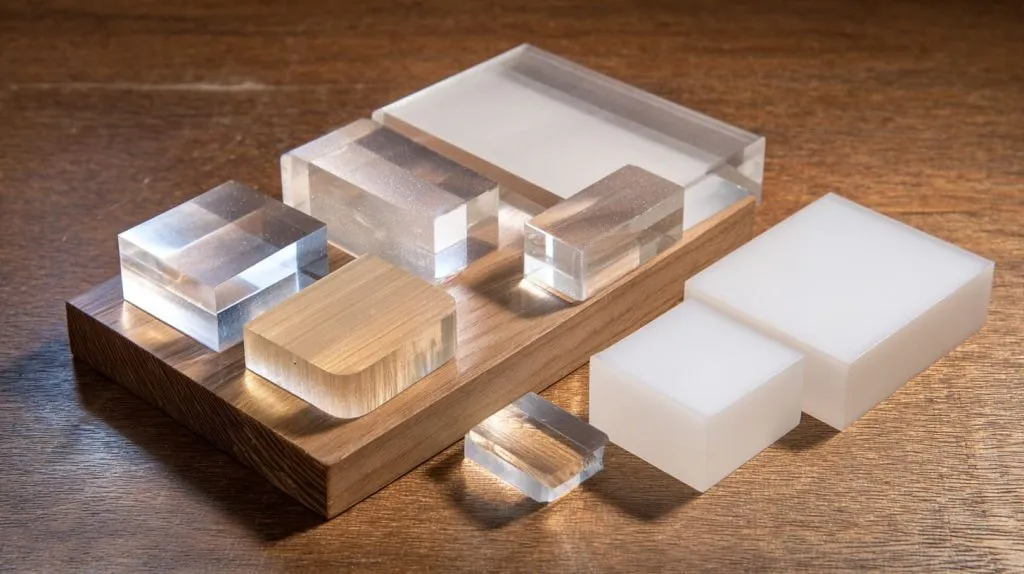
Why the two names?
- PMMA = scientific name (used in technical specs)
- Acrylic = everyday name (used in design and marketing)
They refer to the same material, but depending on where you are—factory, design studio, or lab—you’ll hear one more than the other.
What is the difference between PMMA and acrylic?
At first glance? None. But dig deeper, and you’ll see small differences based on processing.
PMMA and acrylic refer to the same base material, but can vary slightly based on purity, additives, or manufacturing process.
PMMA vs. Acrylic grades
| Property | PMMA (pure) | Acrylic (general) |
|---|---|---|
| Clarity | Higher | Slightly lower |
| UV Resistance | Better | Varies by grade |
| Cost | Slightly higher | More cost-efficient |
Think of it like comparing pure chocolate to a candy bar—they’re made from the same stuff, but purity and formulation matter.
Is PMMA plastic or glass?
That’s one of the most common questions I get from customers.
PMMA is a type of plastic that mimics many properties of glass but is safer and more impact-resistant.
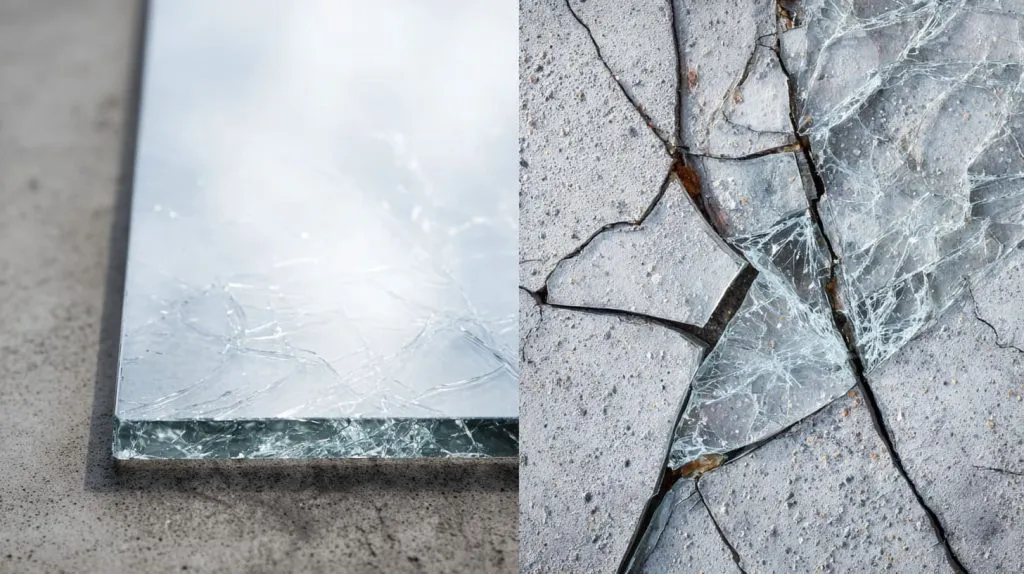
PMMA vs. Glass
- PMMA is 50% lighter
- Shatter resistance is 10x better
- PMMA can be laser cut, unlike glass
So when you need something that looks like glass but doesn’t act like it under pressure—PMMA is the one.
What are the disadvantages of PMMA?
Let’s not sugarcoat it. PMMA isn’t perfect.
The main drawbacks are its lower heat resistance, brittleness under extreme force, and scratch sensitivity.
Weak points to consider
- Soft surface – scratches more easily than polycarbonate
- Heat deformation – warps over 80°C
- Impact – better than glass, but still brittle compared to PC
But with the right design choices (like adding protective film or careful machining), these limits are manageable.
Is acrylic plastic toxic to humans?
I get this from concerned parents and cosmetic brands all the time.
No, acrylic plastic (PMMA) is not toxic to humans when used properly.
Let’s break it down
- PMMA is stable at room temperature
- No harmful off-gassing under normal use
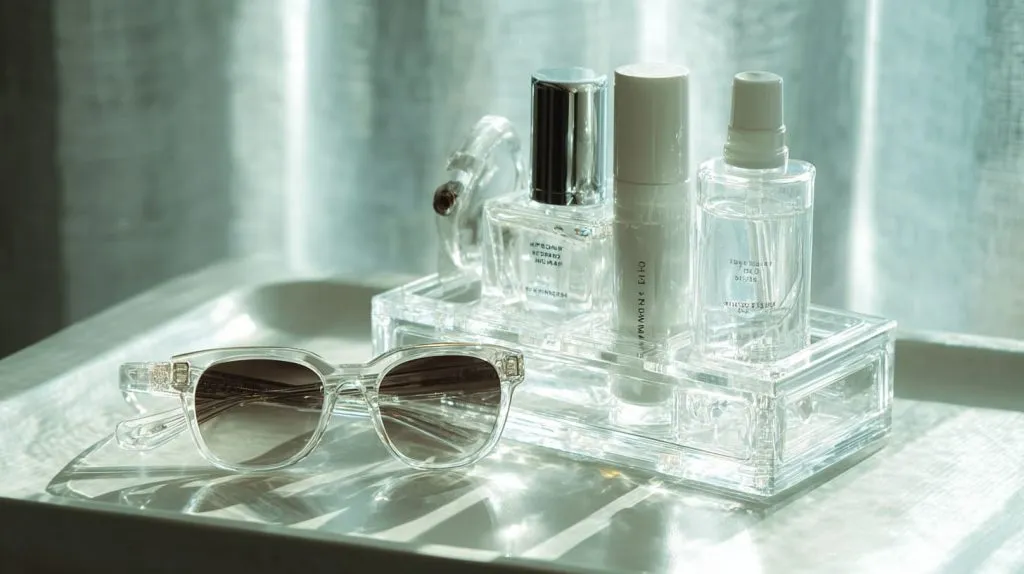
- Safe for skin contact, common in eyewear and displays
Just don’t inhale fumes during cutting or heating. That’s where things get tricky.
Is PMMA good for jewelry?
I once worked with a boutique designer who used PMMA to craft bold, chunky earrings—and they sold out in a week.
Yes, PMMA is ideal for fashion jewelry due to its clarity, low weight, and skin safety.
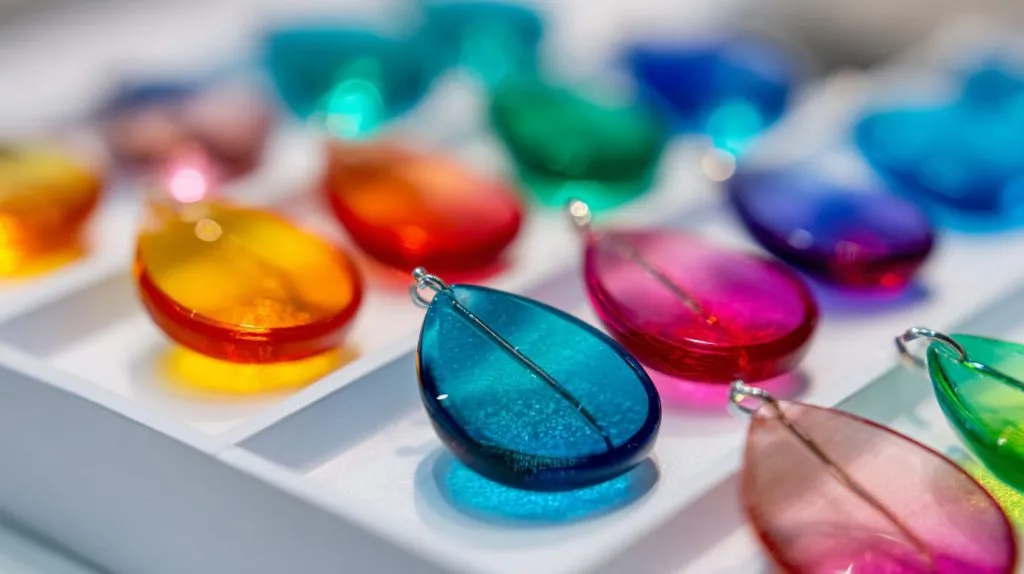
Jewelry perks
- Polishes well
- Comes in many colors
- Easy to shape with laser or CNC
So whether it’s minimalist bangles or avant-garde ear cuffs—PMMA brings creativity to life.
Is PMMA BPA free?
This one’s easy.
Yes, PMMA is 100% BPA-free.
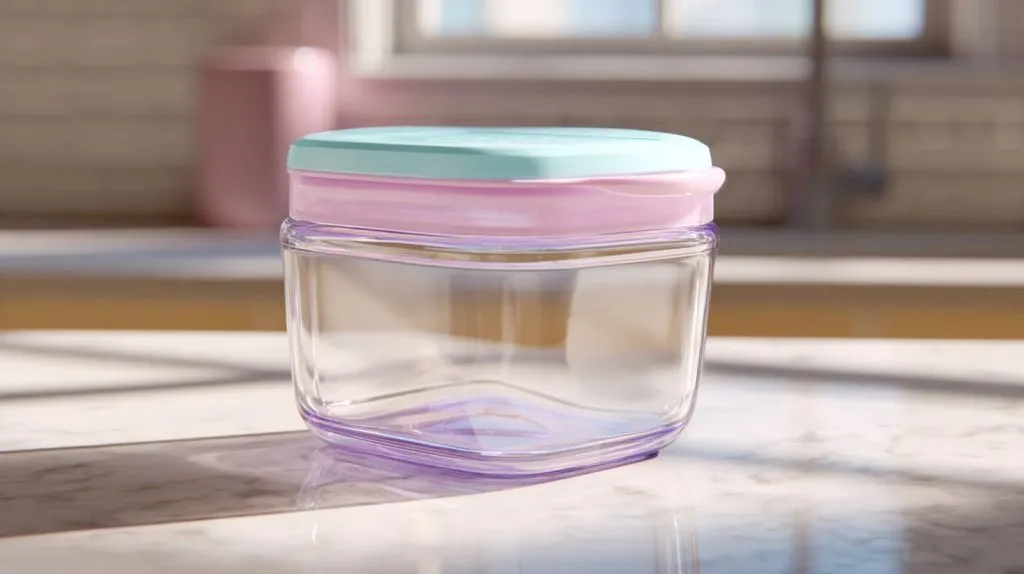
What does that mean?
- No endocrine disruptors
- Safe for food, kids, and cosmetics
- Preferred over polycarbonate in baby products
That’s why PMMA is often found in makeup boxes, food lids, and even dental tools.
Is PMMA plastic safe for food contact and cosmetics?
Many of our clients in skincare and kitchenware rely on this answer.
Yes, PMMA is considered safe for indirect food contact and widely used in cosmetic packaging.
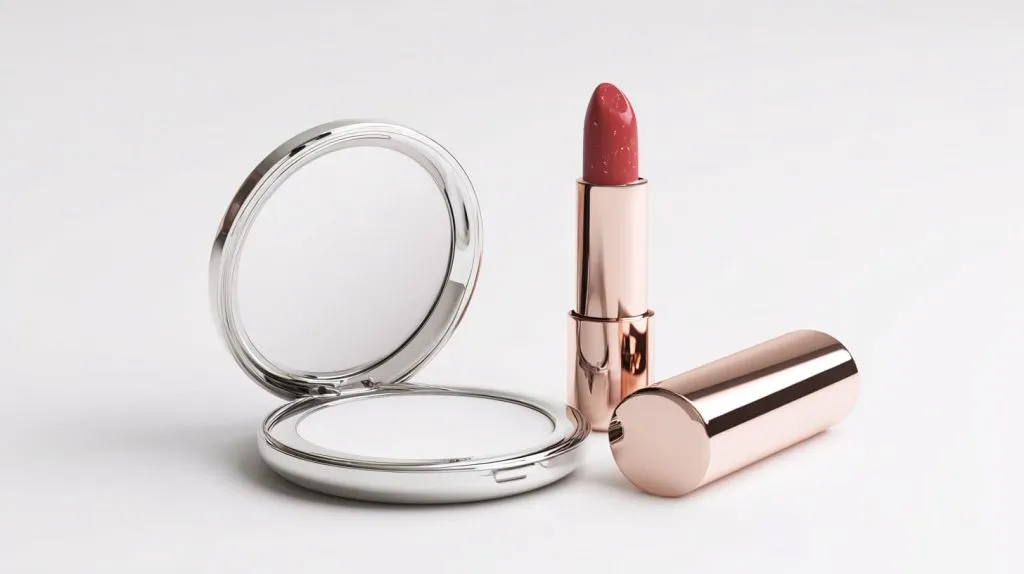
Common applications
- Acrylic lipstick holders
- Food display covers
- Compact mirror cases
Just make sure it’s manufactured under proper food-grade conditions for direct food use.
How does PMMA compare to polycarbonate (PC)?
Here’s where things get interesting. They're rivals.
PMMA is clearer and more scratch-resistant, while PC is tougher and heat-resistant.
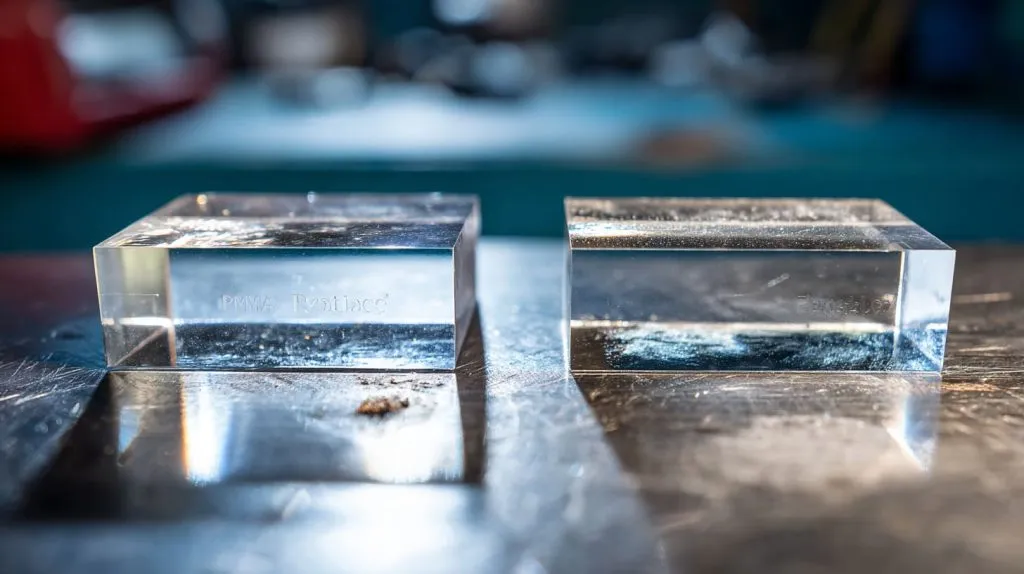
PMMA vs. PC
| Property | PMMA | Polycarbonate (PC) |
|---|---|---|
| Optical Clarity | ★★★★★ | ★★★★☆ |
| Impact Resistance | ★★★☆☆ | ★★★★★ |
| Scratch Resistance | ★★★★☆ | ★★☆☆☆ |
| Heat Resistance | ★★☆☆☆ | ★★★★☆ |
| Cost | Lower | Higher |
PMMA = looks great.
PC = survives abuse.
What are the mechanical and optical properties of PMMA?
Let’s get technical for a moment.
PMMA offers high optical clarity, medium tensile strength, and low impact resistance.
Key properties
| Property | Typical Value |
|---|---|
| Light Transmission | ~92% |
| Tensile Strength | 65–75 MPa |
| Elastic Modulus | 2.4–3.2 GPa |
| Density | ~1.18 g/cm³ |
| Refractive Index | ~1.49 |
In plain terms: PMMA is a clear, stiff, lightweight plastic that loves the spotlight.
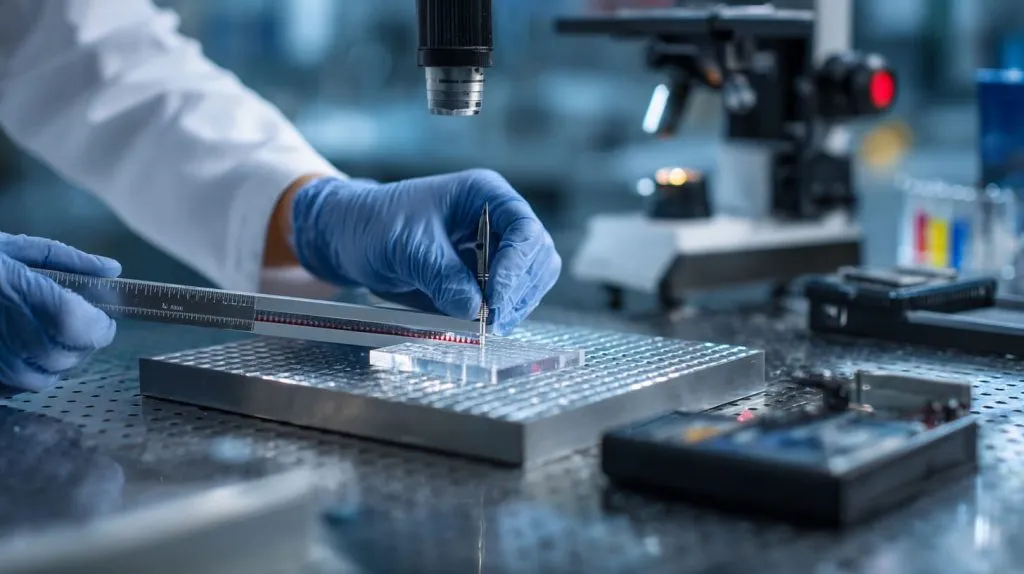
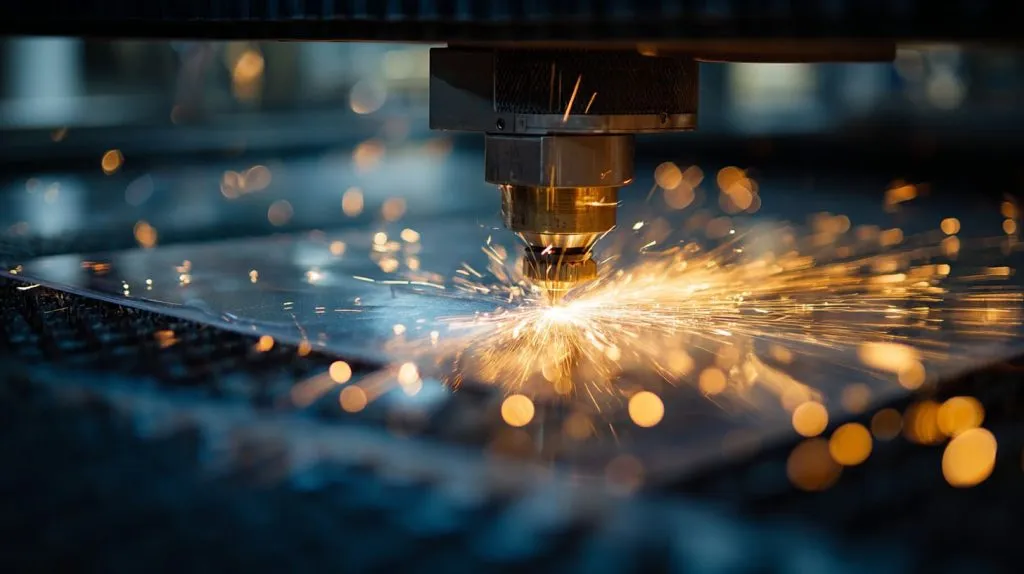
Can PMMA sheets be laser cut or CNC machined?
I’ve cut hundreds of them—and the answer is yes.
PMMA can be laser cut with crisp edges and CNC machined with precision.
Processing tips
- Use cast PMMA for laser cutting (less burn marks)
- Keep tools sharp for CNC work
- Slow feeds help prevent cracking
It’s a dream to work with—especially for custom displays and precision parts.
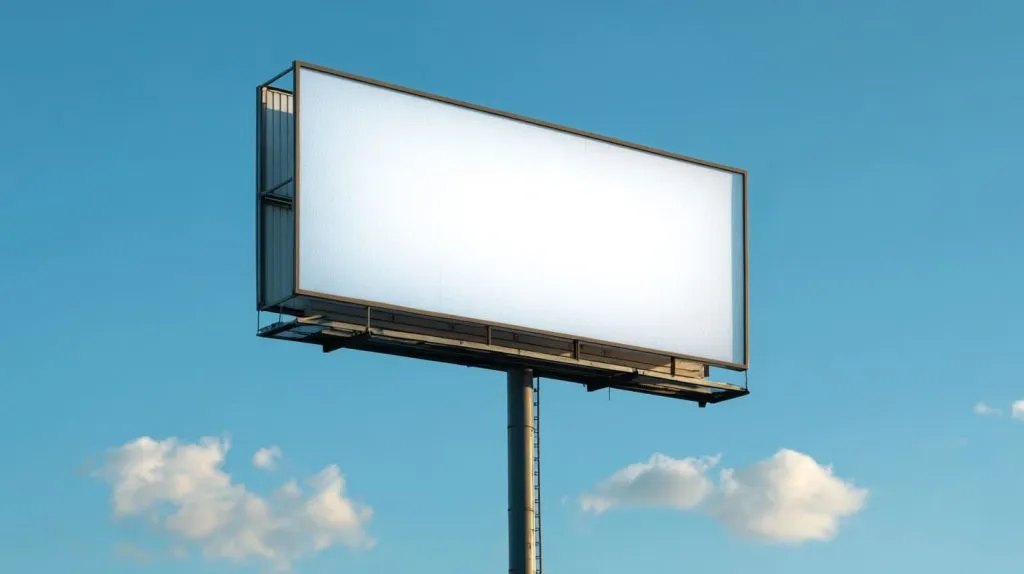
Is PMMA UV resistant and weatherproof?
Many outdoor clients ask me this before building signs or covers.
Yes, PMMA is UV stable and weather-resistant, especially in its outdoor-grade form.
UV performance
- Won’t yellow like cheap plastics
- Lasts 5–10 years outdoors
- Used in light covers, signs, window panes
Choose UV-enhanced PMMA for longer life under sunlight.
How sustainable and recyclable is PMMA?
Sustainability matters, especially to our European clients.
PMMA is recyclable and long-lasting, but not biodegradable.
Recycling facts
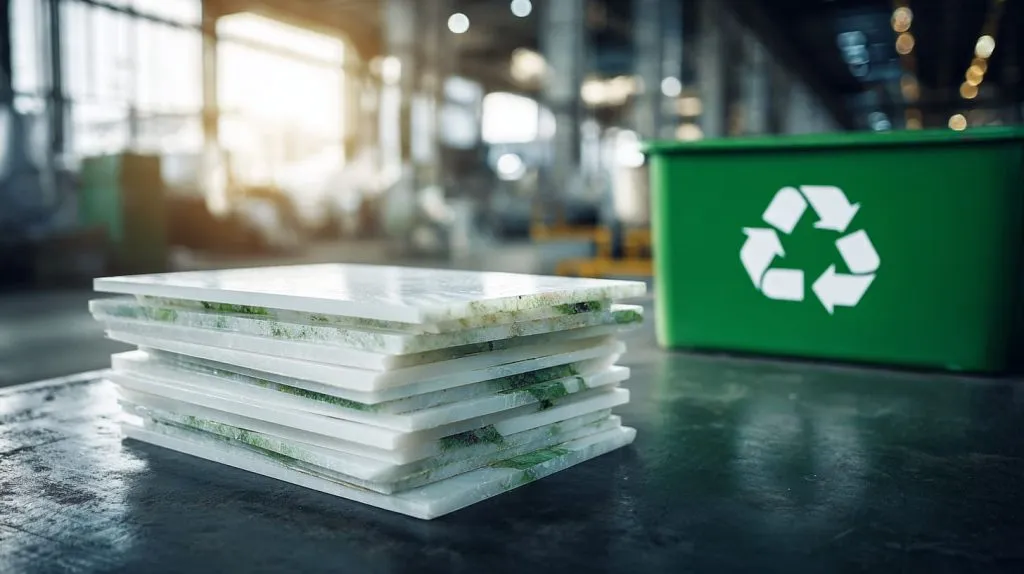
- Recycled into new sheets
- Mechanical and chemical recycling both possible
- Low VOC emissions during production
It’s not perfect, but in terms of reuse and durability, PMMA outperforms many petroleum-based plastics.
What are the main applications of PMMA in commercial products?
I’ve seen PMMA used in ways that surprised even me.
PMMA is common in signs, displays, lighting, auto parts, cosmetics packaging, and medical devices.
Everyday examples
- Retail shelves and racks
- Skylights and sound barriers
- Acrylic bathtubs
- Protective panels
It shows up everywhere—quietly making products clearer, lighter, and safer.
How does PMMA handle impact compared to glass or other plastics?
Clients always ask, “Will it break?”
PMMA is stronger than glass, but less impact-resistant than PC or ABS.
Impact resistance scale (relative)
| Material | Impact Resistance (J/m) |
|---|---|
| Glass | 10–20 |
| PMMA | 100–120 |
| PC | 600–850 |
It survives daily bumps, but don’t drop it from a ladder.
What finishes and colors are available for PMMA products?
This is where it gets fun.
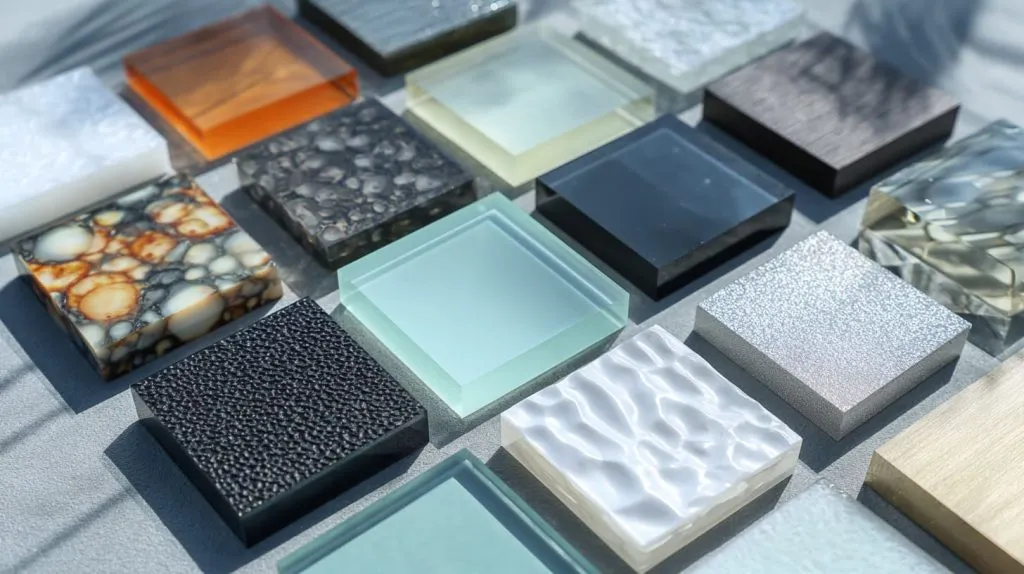
PMMA comes in a wide range of finishes: clear, matte, mirrored, frosted, and in dozens of colors.
Finish options
- Glossy – crystal clear like glass
- Frosted – diffuses light beautifully
- Textured – hides fingerprints
- Mirrored – replaces real mirrors
Color-wise, anything from neon pink to smoky gray is possible. That’s why designers love it.
Conclusion
PMMA isn’t just “plastic”—it’s a designer’s and engineer’s ally. Clear, light, safe, and easy to shape. Whether you call it PMMA or acrylic, it’s here to stay.