Skip to content

Last month a buyer asked me why his quote said “cast acrylic” while his engineer kept shouting for “plexiglass.” I was halfway through my morning tea, but the confusion jolted me awake faster than the caffeine. Even seasoned pros stumble on these two words, so I’m laying the cards on the table today—plain talk, no jargon, just what you need when you spec custom displays or enclosures for clients like Jacky in Canada.
Ready? Let’s peel back the layers.
Terminology & Branding

What Is Acrylic (PMMA)?
Acrylic is the everyday nickname for polymethyl methacrylate—PMMA if you like shortcuts. It’s a clear, lightweight plastic that we cast or extrude into sheets before shaping it into everything from lipstick organizers to museum cases.
What Is Plexiglass / Plexiglas®?
“Plexiglass” began life in the 1930s as Plexiglas®, a Rohm & Haas trademark (now Arkema). The brand name stuck like duct tape, and North America turned it into a catch-all word for clear acrylic, much like “Kleenex” for tissues.
Other Trade Names & Synonyms
Lucite®, Perspex®, Acrylite®, Optix®—all solid PMMA sheets wearing different jerseys. The recipe is similar, but each brand touts its own strength, thickness range, or UV package.
Why the Terms Get Mixed in Procurement
Buyers say “plexiglass” because sales reps and hardware stores do. Suppliers talk “cast” or “extruded” because those words point to production lines and cost. Two vocabularies crash, e-mails snowball, and deadlines groan.
Labels matter, but chemistry decides performance. So before we cut or quote, let’s zoom into the molecules that give acrylic its sparkle and, yes, its occasional drama.
Chemical Composition & Core Material Properties

Polymer Structure & Clarity
PMMA’s tidy chains bend light like a polite usher—92 %-plus transmission, beating window glass and many optical plastics.
Density & Weight Advantage
At roughly 1.18 g/cm³, a same-size acrylic panel weighs about half a glass pane. I once swapped a glass sneeze guard with acrylic on a deli counter; the owner lifted it one-handed, smiled, and never looked back.
Hardness & Brittleness Basics
Acrylic lands around 3.5 on the Mohs scale. It resists gentle scratches but hates sharp edge impacts—drop a sheet flat and it shrugs; hit the corner and you may hear a crack.
Property Snapshot
| Property | Acrylic (Cast) | Acrylic (Extruded) | Soda-Lime Glass |
|---|---|---|---|
| Light Transmission | 92-93 % | 92-93 % | 88-90 % |
| Density (g/cm³) | 1.18 | 1.18 | 2.5 |
| Impact Strength (kJ/m²) | 15-17 | 12-14 | 1-2 |
Those stats shift when we leave the chem lab and fire up the machines. Cast or extruded production lines carve the next big differences.
Manufacturing Processes: Extruded vs Cast
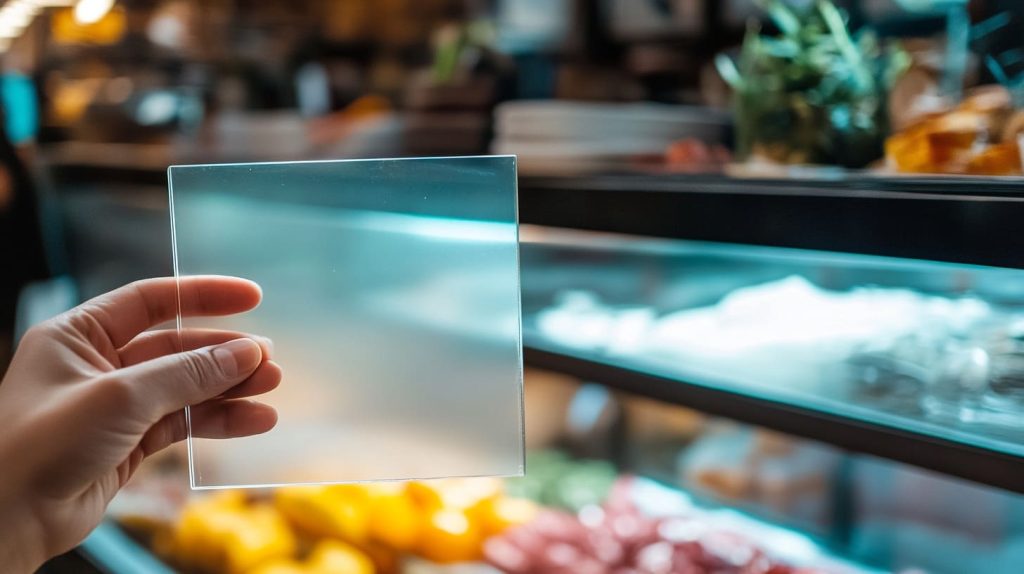
Cell-Cast Acrylic (often sold as Plexiglass)
Liquid monomer cures slowly between glass plates. The pace means lower internal stress, thicker gauges, and that “crystal edge” you see on luxury displays.
Extruded Acrylic Sheet
Pellets melt and push through a die in a steady river. You get tight thickness tolerance, broad widths, and a friendlier price tag—perfect for budget guards or bulk shelf risers.
How Process Affects Quality & Cost
Cast shines in laser cutting, bends cleaner, and shrugs off solvents. Extruded machines faster on CNC routers but can craze under strong glue if you rush. Figure 10-15 % price swing between the two.
Whether poured or pressed, the sheet’s final beauty still rules showroom lighting. Let’s flip on the spotlights and judge haze, color, and that dreaded yellow tinge.
Optical Characteristics & Aesthetics
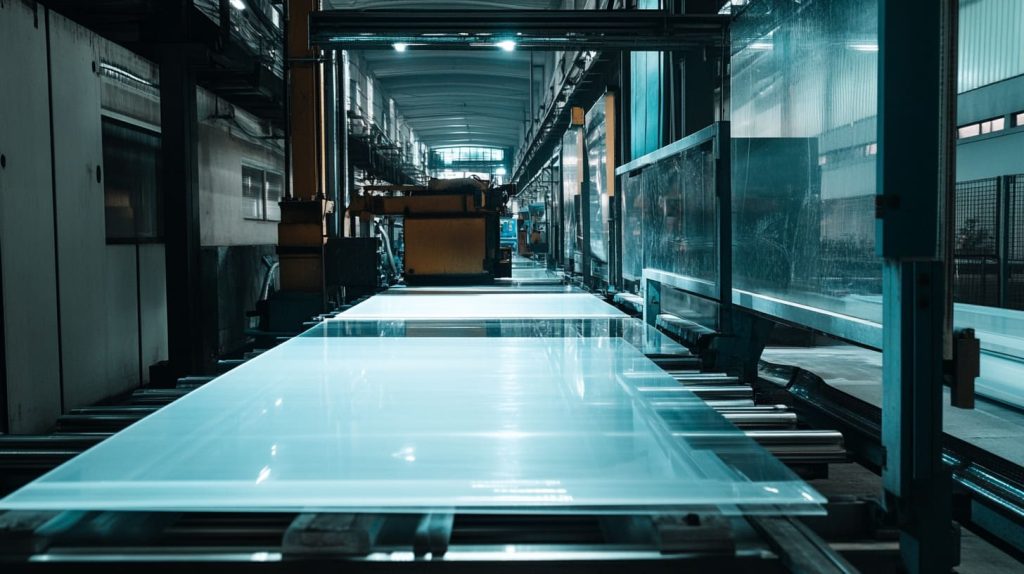
Light Transmission & Haze Metrics
Lab folks use the ASTM D1003 haze test. Cast sheets often clock under 1 % haze; extruded can sit a hair higher, yet both beat polycarbonate on sparkle.
Color, Tint & Surface Finishes
From frosted privacy panels to neon-edge shelves, pigments bond easily. I once tinted a boutique perfume stand hot pink; sales jumped, complaints about dusty fingerprints fell.
UV Stability & Yellowing Resistance
Outdoor signs face years of sun. Cast grades pack better UV absorbers, so they hold color and clarity longer. Some brands back this with 10-year clarity warranties.
Pretty is nothing without tough. Imagine a coffee shop sneeze guard facing toddlers and elbows all day—you’ll want numbers on impact, scratches, and sag.
Mechanical Performance

Impact Strength Comparison
Acrylic handles 10-20 × more energy than glass. Cast edges resist chipping better than extruded, though both still trail polycarbonate in outright toughness.
Scratch Resistance & Surface Hardness
Raw acrylic scuffs if you swipe keys across it. Hard-coat films lift surface hardness, and a quick buff often erases light marks—try that on polycarbonate; you’ll cry.
Rigidity, Flexural Modulus & Load Limits
Designers lean on flexural modulus (~3 GPa). A 5 mm shelf spanning 300 mm will bow under books unless ribs or thicker stock join the party.
Strength changes when temperature climbs. Leave a dessert display in full sun, and you’ll see panels grow, flex, or haze unless we plan for thermal quirks.
Thermal & Weather Resistance
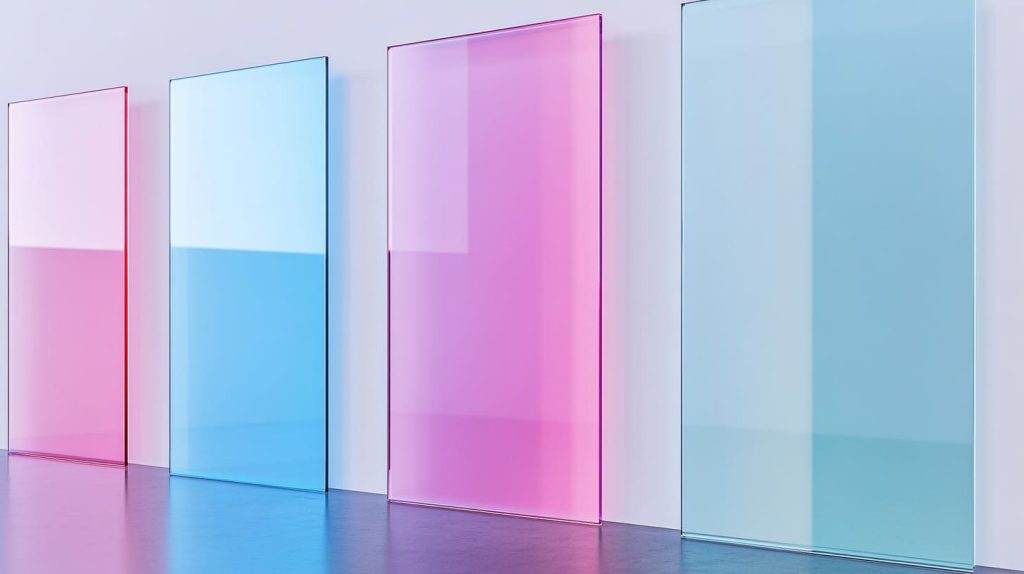
Heat-Deflection Temperature & Service Range
Acrylic keeps shape up to ~88 °C. I once warped a coffee machine drip tray by placing a hot carafe on it—lesson branded forever in my palm.
Thermal Expansion & Mounting Tips
Coefficient runs about 0.06 mm / m °C. For a meter-wide window, a 30 °C swing needs nearly 2 mm of breathing room. Ignore it and frames buckle.
Outdoor Weathering Data
ISO 4892-2 test chambers sacrifice samples to artificial suns. Cast sheets survive 10,000 h with minor haze; extruded shows earlier chalking unless UV-upgraded.
Weather sorted, we head back indoors where routers buzz and lasers glow. How the sheet behaves under blades and heat guns defines workshop pace and finish.
Fabrication & Workability
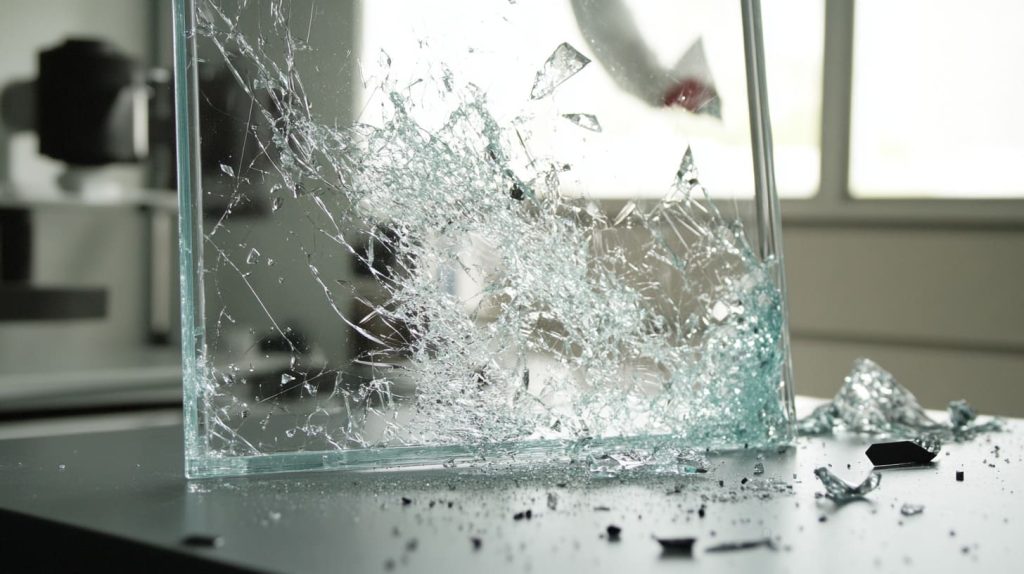
Cutting, Routing & Laser Engraving
Cast acrylic vaporizes cleanly under CO₂ lasers, leaving a glossy edge. Extruded can melt and re-stick; keep air assist strong and feed fast.
Thermoforming & Bending Radius
Heat a 3 mm sheet to 165 °C and it drapes like fabric. Cold-bend? Stay above 600 mm radius or risk stress whitening.
Bonding, Flame-Polish & Edge Finishing
I favor solvent cement for museum boxes—capillary action wicks into joints, turning seams invisible. Two-part glues add muscle when weight loads grow.
Skilled hands shape miracles, but accountants still sign off. Let’s open the ledger and see how brand names, MOQs, and shipping lanes nudge the final bill.
Cost & Supply Chain Considerations
Brand Premium vs Generic Pricing
A Plexiglas® logo usually adds 10-15 % FOB. That premium buys tighter QC, certificates, and sometimes faster replacement if a batch misbehaves.
Sheet Sizes, MOQs & Lead Times
Most factories stock 1220 × 2440 mm. Custom cuts shave waste but tack 2-3 days onto schedules. Below is a typical yard quote I emailed last week:
| Gauge (mm) | MOQ (sheets) | Lead Time (days) | Cast Price (USD/m²) | Extruded Price (USD/m²) |
|---|---|---|---|---|
| 3 | 50 | 10 | 8.20 | 6.90 |
| 5 | 30 | 12 | 13.40 | 10.70 |
| 10 | 20 | 15 | 24.60 | 19.20 |
Logistics & Global Availability
Resin costs swing with oil, and container slots vanish in peak season. I book two weeks early for North America to dodge surprise surcharges.
Costs locked, we pivot to function. Whether you’re framing a Dior palette or shielding a CNC mill, understanding application fit saves rework and returns.
Applications & Industry Use Cases
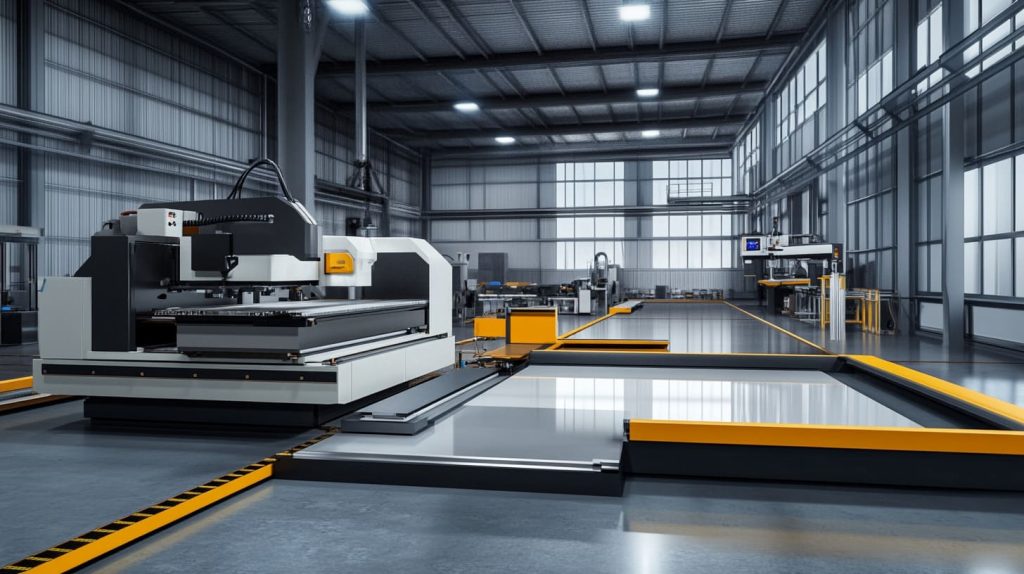
Retail Displays & Cosmetic Organizers
Clear walls let color cosmetics shout across aisles. Lightweight parts reduce shipping bills, so margin-hungry brands grin.
Protective Barriers & Glazing
Food counters, machine guards, museum vitrines—acrylic takes hits without raining shards. I replaced glass covers on a vintage camera exhibit; attendance rose, insurance cost fell.
Furniture, Household & Décor
Think coffee tables with glowing edges or drawer dividers that snap into messy kitchens. Clients love the “invisible” look that keeps décor light and airy.
Specialty Projects (Aquariums, Signage, Art)
Large tanks rely on cast sheets bonded edge-to-edge. Artists laser-etch patterns, then flood with LED to make signs pop.
Great, but is it safe for people and planet? Let’s step back and weigh recycling, food rules, and dust control.
Environmental & Safety Factors

Recyclability & Resin Identification Code 7
Acrylic falls under code 7 catch-all plastics. Some regions grind and remelt scrap; others push for monomer recovery that cracks PMMA back to liquid feedstock.
VOC & Food-Contact Compliance
Cast PMMA passes FDA 21 CFR 177.1010. I’ve built bakery covers that sat inches from croissants—no complaints, only crumbs.
Worker Safety & Dust Control
CNC chips fly like snow. We run central vacuums, ground tables to dodge static, and mask up—polymer dust itches more than beach sand in your shoes.
With safety boxes ticked, final choices still loom. Buyers crave a quick checklist to match clarity, strength, and budget—and grill suppliers before cutting POs.
Buyer’s Selection Checklist

Decision Matrix: Clarity | Strength | Budget
| Need | Cast Acrylic | Extruded Acrylic |
|---|---|---|
| Luxury clarity | ★★★★☆ | ★★★☆☆ |
| Impact toughness | ★★★★☆ | ★★★☆☆ |
| Tight thickness tolerance | ★★☆☆☆ | ★★★★☆ |
| Lowest cost | ★★☆☆☆ | ★★★★☆ |
Key Questions for Suppliers
- Origin – Is the sheet cast or extruded?
- UV Package – Warranty length?
- Thickness Tolerance – ± how many microns?
- Certificates – ISO 9001, REACH, RoHS?
When to Choose Cast Over Extruded (and Vice Versa)
Pick cast for polished edge boxes, thick aquariums, or high-end brand fixtures. Choose extruded when budget rules and parts get painted or printed anyway.
Integrating Feilong Acrylic Custom Solutions
We sketch, prototype, and roll production on five lines. In-house QC checks every lot, and our lead times stay lean—fast enough to please marketing teams sprinting toward holiday launches.
Before we wrap, let’s burst a few legends that stick around like bubble gum under a workshop bench.
Common Misconceptions & FAQs
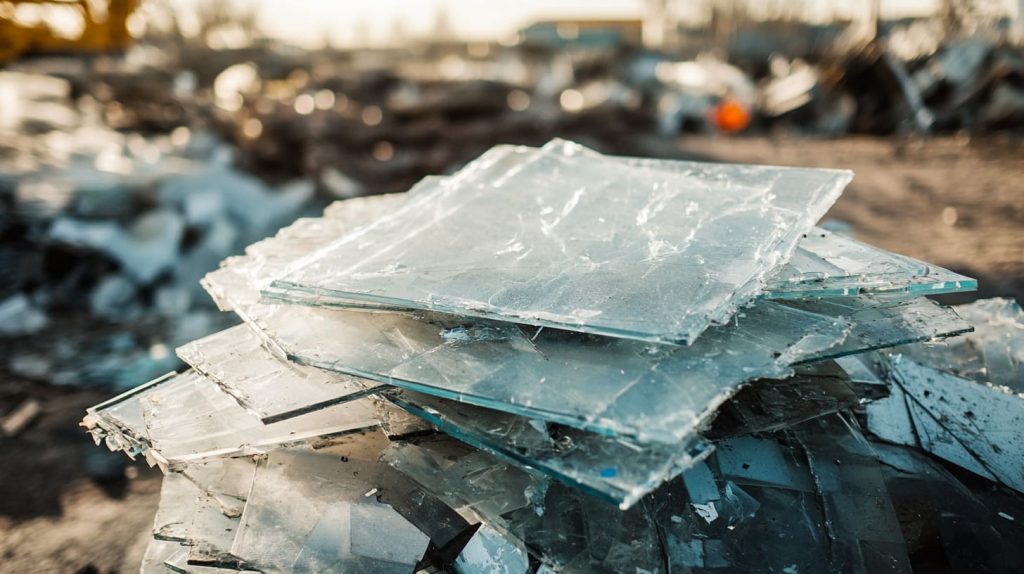
“Plexiglass Is Stronger Than Acrylic”
The truth: Plexiglas® is acrylic. Strength changes with grade, thickness, and process, not logos.
“All Acrylic Yellows Outdoors”
Cheap extruded sheets can haze, yes. UV-stabilized cast panels hold clarity a decade or more under Canadian sun.
Cleaning & Maintenance Tips
Skip ammonia sprays. Warm water, dish soap, and a microfiber cloth keep surfaces clear. For scratches, polish with a fine plastic compound and patience.
Conclusion

In the end, plexiglass is simply branded cast acrylic. The real gap lies in how sheets are formed, finished, and certified. When clarity and prestige top the list, cast earns its keep. If budgets scream, extruded steps up. Either way, weigh your load, environment, and deadline, then lean on a custom partner like Feilong Acrylic to hit spec without drama.