Skip to content
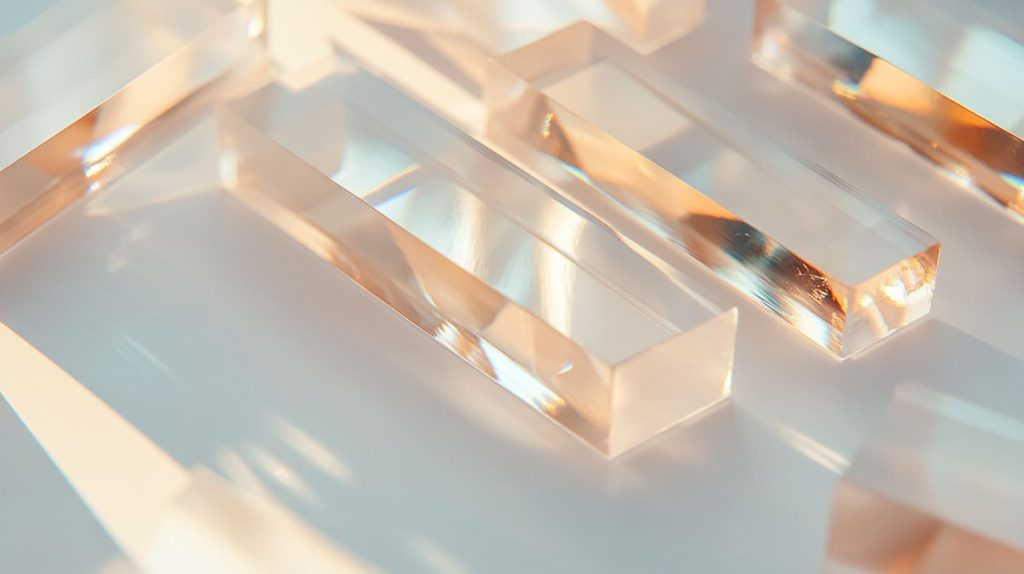
Choosing the right thickness for acrylic letters can be tricky—it's all about finding the perfect balance between strength, appearance, and budget. If you're designing a sign, this is something you’ll definitely want to get right.
Acrylic letters come in various thickness options, typically ranging from 1/8" to 1" or more, each offering distinct benefits for different applications.
Transition paragraph: Let's dive deeper into the thickness choices to help you make the best decision for your acrylic lettering project. We’ll also discuss how thickness influences durability, cost, and more.
What thickness of acrylic do I need?
Figuring out what thickness you need can seem complicated, but it really depends on the purpose and environment for your acrylic letters. Let’s break it down.
The ideal thickness for acrylic letters varies based on where the letters will be used. Indoor signage often requires thinner letters, while outdoor signs need thicker, more durable options.
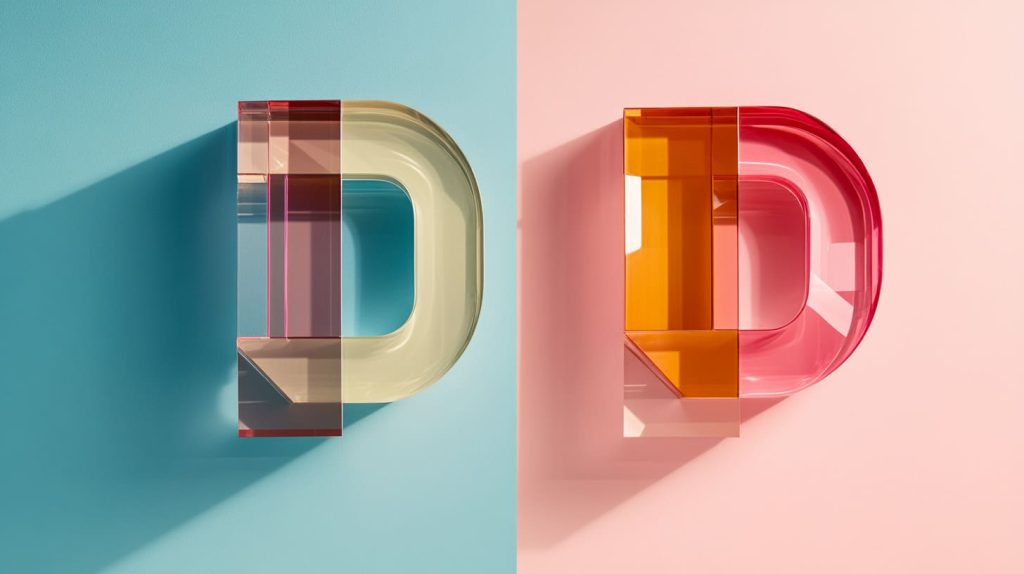
Acrylic Letter Thickness and Its Purpose
- For indoor use, thinner letters (1/8" to 1/4") work well. They're lighter and more affordable.
- For outdoor use, thicker acrylic (1/2" to 1") is recommended for added strength against weather conditions.
- For large-scale displays, thicker acrylic is needed to maintain structural integrity and visibility.
Each situation has its unique demands, so it’s all about choosing the right material that matches your project’s scope and durability needs.
What are the different acrylic thicknesses?
Acrylic comes in a range of thicknesses, from super-thin to extra-thick options. But which one is best for your letters?
Acrylic thickness ranges from 1/16" for delicate, detailed designs to 1" or more for large, bold letters that need to withstand heavy use.
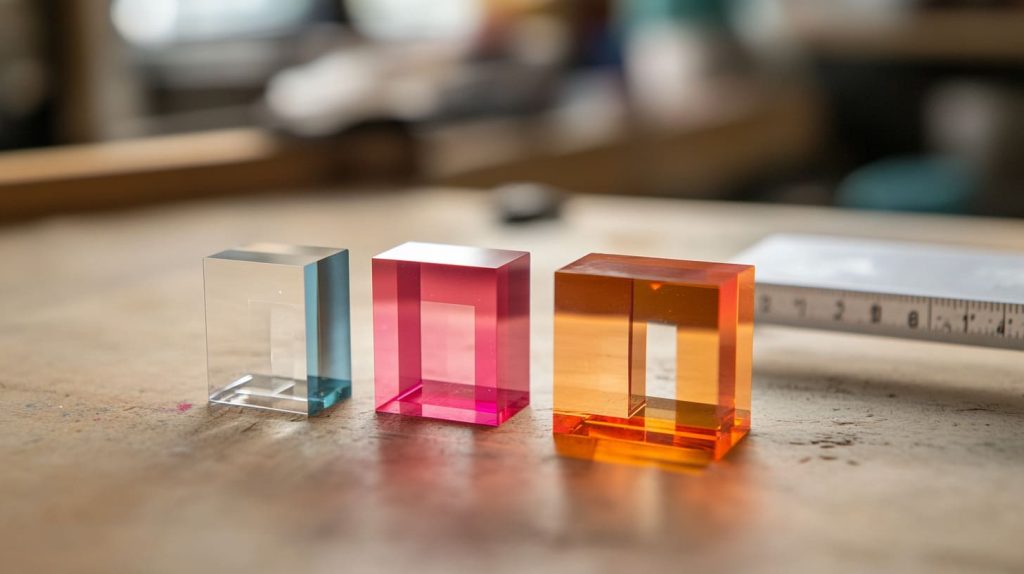
Common Acrylic Thicknesses and Their Uses
- 1/16" to 1/8": Thin and lightweight, ideal for delicate applications like small indoor signs or detailed lettering.
- 1/4": A solid middle ground, suitable for both indoor and some outdoor signage.
- 1/2" to 1": Thicker options, perfect for signs exposed to harsh weather or for high-visibility projects.
Understanding these thickness options can ensure your letters have the right look and functionality.
What are the standard thickness options for acrylic letters?
Standard acrylic letter thicknesses are typically available in a few select options. But what are the most common ones?
The most common acrylic thickness options for letters range from 1/8" to 1/2". These thicknesses balance durability and cost for most signage needs.

Standard Acrylic Letter Thickness
- 1/8": Ideal for light, low-cost signage with less durability needed.
- 1/4": A popular choice, offering better sturdiness without going too thick.
- 3/8" to 1/2": Perfect for larger signs, providing a professional, durable look.
The thickness you choose will significantly impact the weight, appearance, and durability of your letters.
How does the thickness of acrylic letters affect their durability and longevity?
You might be wondering how thickness plays into the durability of acrylic letters. Let’s explore how thicker options can stand up to wear and tear.
Thicker acrylic letters are generally more durable and resistant to cracking or warping over time, especially in outdoor environments where they face extreme weather.
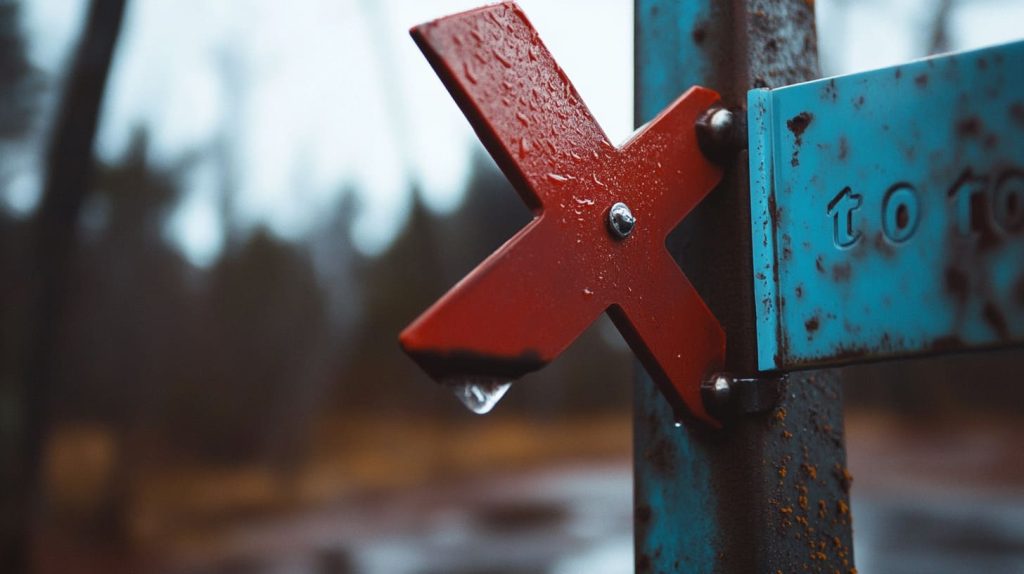
Durability and Longevity Based on Thickness
- Thinner letters (1/8" to 1/4") may bend, warp, or crack over time, especially outdoors.
- Thicker letters (1/2" to 1") are much more resistant to physical damage, making them better for longevity.
For signs exposed to harsh elements, opting for thicker letters ensures that your investment will last for many years.
What are the recommended thicknesses for acrylic letters used in outdoor signage?
Opening paragraph for h2: When it comes to outdoor signage, durability is key. But how thick should your acrylic letters be to survive in tough conditions?
For outdoor signage, acrylic letters should generally be at least 1/4" to 1/2" thick to withstand weather and environmental factors effectively.
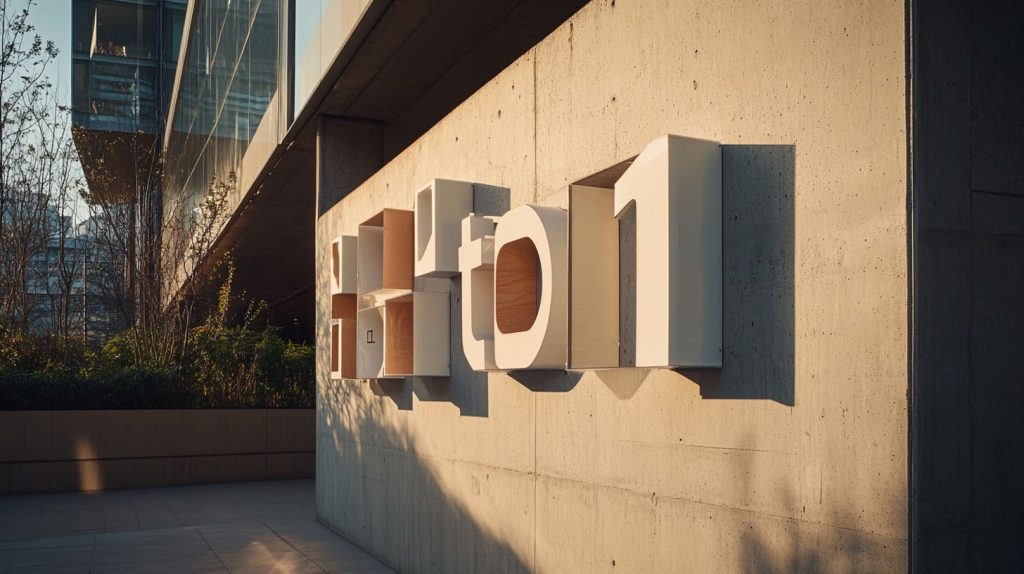
Recommended Thickness for Outdoor Signs
- 1/4" to 1/2": Adequate for most outdoor signs, providing durability without compromising on appearance.
- 1/2" to 1": Ideal for areas with extreme weather or larger signs that need extra reinforcement.
Choosing the right thickness ensures your letters remain intact and visible in any weather.
How does the thickness of acrylic letters impact their cost and installation process?
Thickness isn’t just about durability—let’s talk about how it impacts your budget and the installation process.
Thicker acrylic letters tend to cost more due to the increased material usage and more complex installation requirements.
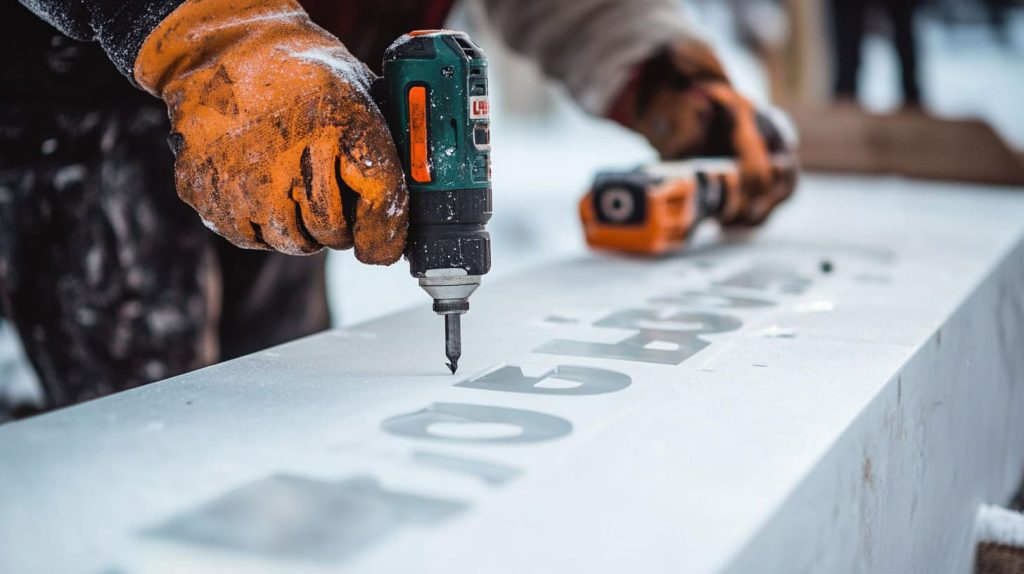
Cost and Installation Considerations
- Thicker letters can raise both material and installation costs, requiring stronger mounting solutions and more precise handling.
- Thinner letters are more affordable and easier to install, but might not last as long in challenging environments.
Understanding these trade-offs helps you budget effectively while choosing the right solution for your needs.
What are the advantages and disadvantages of using thicker versus thinner acrylic letters?
Choosing between thicker and thinner letters? Here’s what you need to know to weigh the pros and cons.
Thicker letters offer greater durability and a more premium look, while thinner options are lighter and more budget-friendly.
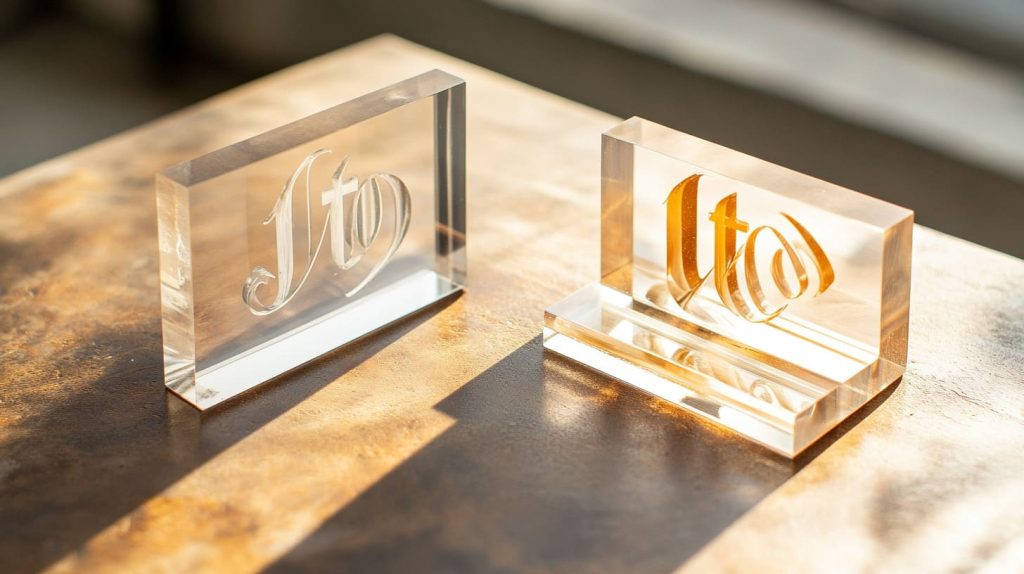
Pros and Cons of Thicker vs. Thinner Acrylic Letters
| Thickness | Pros | Cons |
|---|---|---|
| Thicker (1/2" - 1") | More durable, premium look, withstands weather | More expensive, harder to install |
| Thinner (1/8" - 1/4") | Lighter, easier to install, cheaper | Less durable, not suitable for harsh conditions |
This table summarizes the main factors to consider when deciding between thicker and thinner options for your project.
Conclusion
In summary, the thickness of your acrylic letters will depend on the purpose, environment, and budget for your project. Whether you go with thinner, cost-effective options or thicker, durable ones, make sure it fits your needs.