Skip to content
Plexiglass is very archival, being stable, shatterproof, and resistant to UV light, humidity, and temperature. It will not yellow, warp, or degrade under regular use, making it perfect for long-term applications such as protecting artwork or historic documents.
Thanks to its resistance to UV rays and moisture, it’s guaranteed to remain crystal clear, whatever the conditions. Plexiglass is a lightweight, shatter-resistant material that provides a safer alternative to traditional glass, all while retaining its archival quality.
These design features add up to an exceptionally reliable optical storage solution for any preservation need.
What Is Plexiglass?
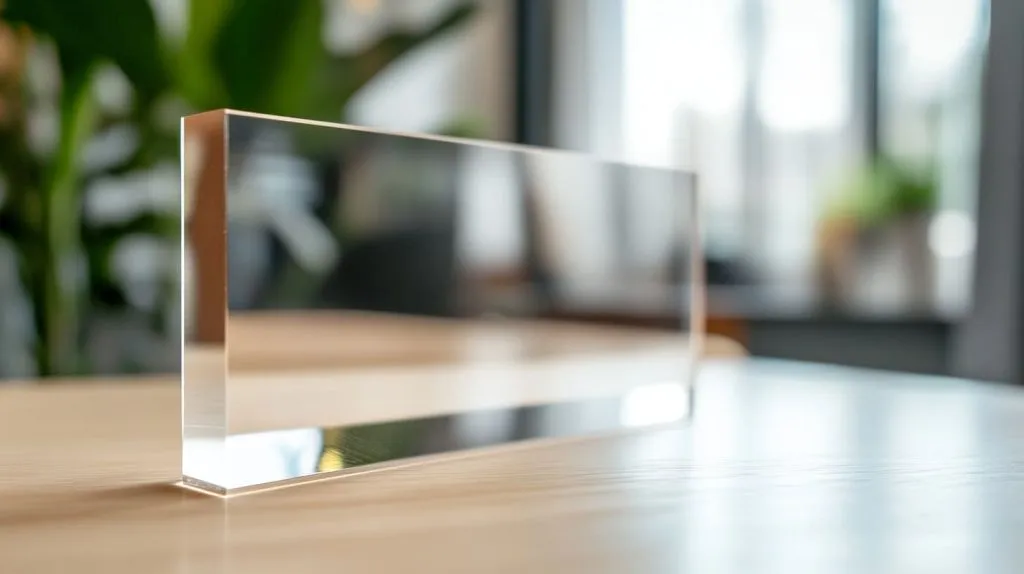
Plexiglass, formally known as acrylic sheet, is a transparent plastic sheet made from the polymer polymethyl methacrylate (PMMA). Its clarity, durability, and adaptability further ensure this powerful resource is an asset. So many industries—particularly those of preservation and display—have adopted it.
Its lightweight nature combined with its shatter-resistant properties provide endless possibilities for the material, allowing innovative solutions to replace traditional glass.
Definition and Composition
At its most basic, plexiglass is an acrylic polymer made by a chemical reaction between a catalyst and a monomer. That process produces a strong, glass-clear sheet with exceptional characteristics. Environmental health advocates have long considered plexiglass an inert material.
This means that it does not chemically react with its surroundings, a quality that is particularly important when it comes to archival material. Its remarkable clarity comes from the quality of the manufacturing process, achieving a flat, smooth surface with unmatched consistency.
Plexiglass sheets are available in multiple thicknesses, typically ranging from 1/16 inch to more than 5 inches. You can select from a range of finishes, including clear, frosted, or tinted options. These characteristics make it adaptable for a wide variety of applications, from protective shields to unique architectural facades.
The material has an impressive thermal conductivity of 0.19 W/mK. This remarkable substance provides a safe and consistent internal atmosphere when the material is applied in enclosures. Plexiglass is actually a brand name for a type of cast acrylic sheet.
While most of us use the term plexiglass generically, it indeed started life as a registered trademark that was first owned by Rohm & Haas and is currently by Arkema.
Common Uses in Preservation
Plexiglass has played a starring role in the world of preservation, especially when it comes to our museum spaces. Its lightweight yet durable quality makes it ideal for creating vitrines and protective enclosures for artifacts. This design not only keeps them safe but also visible.
For example, rare sculptures or sacred manuscripts can be protected while ensuring they are viewable and accessible to the public. This replacement material is particularly effective for protecting sensitive, irreplaceable documents and photographs, providing up to 90% UV protection.
For one, plexiglass is not conservation grade. This limitation can limit its use for the most sensitive items. Other common applications include display cases for collectibles and memorabilia, shadow boxes for preserving heirlooms, and exhibition setups for temporary or permanent displays.
Plexiglass’s versatility to be molded into distinct forms and dimensions only increases its functionality in artistic and useful innovations.
Differences Between Plexiglass and Glass
The side-by-side comparison between plexiglass and common glass shows a few clear benefits of picking the former. Plexiglass is much lighter, at just about half the weight of glass. This simplifies handling, transportation, and installation — a huge advantage when it comes to large-scale projects.
As an example, a protective enclosure for a very large artwork can be lighter weight while still ensuring the necessary stability and sturdiness. When it comes to durability, plexiglass is far superior to glass with an impact resistance 17x higher.
This important feature means safety is built in as a foremost consideration. It makes a fantastic option for any application such as public exhibits or environments where frequent interaction is a possibility. Plexiglass provides better UV protection than regular glass, protecting valuable displayed items from the dangers of direct sunlight.
This feature is especially important for products that are susceptible to fading or yellowing with age.
Archival Properties of Plexiglass
Understanding the archival properties of plexiglass is essential for anyone involved in preserving valuable items, whether they are historical documents, artwork, or photographs. Plexiglass has long been prized for its strength, transparency, and lightweight convenience. These qualities make it an ideal choice for archival use.
Here, I’ll explain the unique properties that make plexiglass a superb choice for archival long-term storage and protection.
Durability and Longevity
Plexiglass, often referred to as acrylic glazing, has an excellent track record in archival purposes, primarily due to its non-yellowing and non-embrittling properties. These high-performance acrylic sheets are designed to remain crystal clear and dimensionally stable for years—even in the most demanding conditions. Brands such as Lucite and Acrylite have produced improved formulations that enhance their durability.
Regardless, these enhancements have significantly contributed to ensuring the integrity of these materials for years to come. This is especially vital for the conservation of artwork and historical relics, where translucency and permanence are paramount for archival protection.
It’s important to remember that not all acrylic sheets are equal. Choosing premium products, such as Tru Vue Optium Museum Acrylic, makes a world of difference in ensuring longevity. These materials are specially developed for archival quality and feature additional benefits including scratch resistance.
Proper care, including regular cleaning with non-abrasive solutions and avoiding harsh chemicals, can further extend the lifespan of acrylic glazing, ensuring it remains a reliable protective barrier.
Resistance to UV Damage
Plexiglass is highly effective against UV light. This ability is particularly valuable when safeguarding objects that are prone to fading or discoloration. Commercially available products such as UV Non-Glare Acrylic and Tru Vue Optium Museum Acrylic filter out 99% of UV rays.
They are very good at protecting stored objects from damaging light exposure. The manufacturing process includes UV stabilizers to produce an exceptional degree of UV resistance. These stabilizers increase the material’s capability to block UV rays and other harmful wavelengths.
Here’s a comparison table showcasing UV resistance rates across different acrylic types:
| Acrylic Type | UV Resistance (%) |
|---|---|
| Standard Plexiglass | 80% |
| UV Acrylic | 99% |
| Tru Vue Optium Museum | 99% |
Selecting the proper type of acrylic is essential to the preservation of sensitive materials such as photographs and textiles, as shown here. Even the slightest exposure to UV rays can result in irreversible damage.
Impact on Stored Items Over Time
Plexiglass, also known as acrylic glazing, has a magical protective talent for preservation. It provides excellent protection from moisture, dirt, and environmental contaminants. This safe material is transparent and chemically inert, rendering it a stable enclave that neither reacts with nor physically alters the state of what is kept within.
This inertness is critical for archival protection. In contrast to other materials that can off-gas toxic chemicals through degradation, acrylic sheets do not change, allowing sensitive artifacts to be stored in a stable environment.
This is a common choice in museums, particularly to protect paintings and sculptures behind acrylic displays. This method not only keeps the objects safe but lets visitors see them up close.
Its lightweight and shatter-resistant nature helps eliminate the risk of accidental damage during handling or installation, too. Brands such as Perclax and Acrylite are common competitors in these environments.
On the institutional side, they ensure peace of mind for curators and collectors alike.
Types of Acrylic for Archival Use
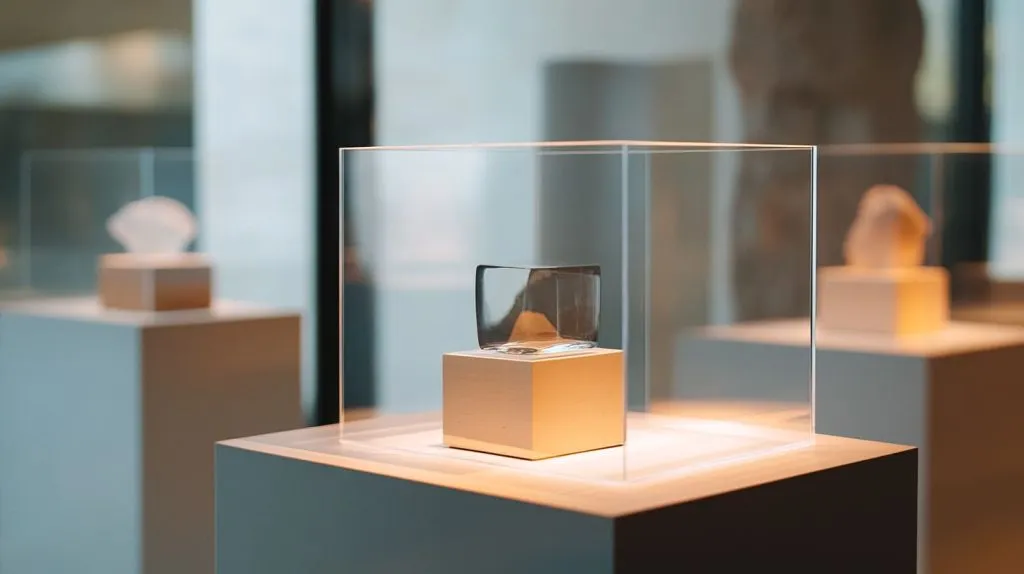
When it’s a matter of preserving artwork, photographs, and other sensitive materials, selecting the appropriate acrylic is essential. Acrylic sheets are frequently used in archival applications thanks to their long-lasting durability, exceptional optical clarity, and high levels of upraised protection. All acrylic is not created equal.
By understanding when to use extruded versus cast acrylic, and when to take advantage of acid-free options, you will be empowered to make choices that best fit your preservation project.
Extruded Acrylic Overview
Extruded acrylic is produced using a method that forces melted acrylic resin through rollers to create sheets. This acrylic glazing is a great alternative to glass, frequently used in framing and display applications. Its low cost and ease of production make it an attractive choice for various projects.
Beyond its practical merits, acrylic offers an affordable option, particularly for projects that need to cover large areas or be installed temporarily. For example, when designing display cases for short-term exhibitions, extruded acrylic sheets are often used because they provide the best combination of function and cost.
However, extruded acrylic is not without its faults. The clarity of this material is a little hazier than that of cast acrylic sheets. This difference in thickness can cause subtle distortions when viewing objects through the sheet.
Extruded acrylic typically has inferior UV resistance, making it a poor choice for conservation-grade applications. This approach is appropriate for the most straightforward applications. It fails to adequately protect materials that are highly sensitive to light exposure.
In summary, while extruded acrylic is versatile and cost-effective, it may not meet the needs of projects requiring archival protection or high clarity. Understanding its limitations is essential for making informed decisions in framing and displaying applications.
- Affordable and widely available.
- Suitable for short-term or budget-conscious projects.
- Limited clarity and lower UV resistance.
Cast Acrylic Overview
Cast acrylic is the premium recommendation for archival use, with superior optical clarity and durability. Compared to the casting process which uses poured heated liquid polymer into various molds, producing sheets with much higher strength and consistency.
Its exceptional clarity ensures the items on exhibit remain visually sharp. This characteristic becomes essential when displaying luxury art pieces or fine art photography. Cast acrylic sheets are praised for their exceptional UV resistance, with conservation-grade sheets providing up to 99% UV protection.
This quality of cast acrylic is particularly well-suited for long-term preservation of materials where degradation must be prevented. Cast acrylic is often more flexible in terms of size and use. It can be formed into more complex, larger, and even custom, vitrines and is more appropriate for long-term use and reuse.
With an expected lifespan of 10 to 25+ years depending on the level of care it receives, it’s a worthwhile investment for the archival need. Cast acrylic vitrines can be up to twice the cost of those made from extruded acrylic. Keep this in mind when budgeting for your project.
Key Characteristics of Cast Acrylic:
- Superior clarity and optical qualities.
- High UV resistance, suitable for conservation-grade applications.
- Very durable, extremely long-lasting, and great for custom large or very large projects.
Acid-Free Acrylic Benefits
For the care and handling of fine, fragile, and sensitive materials, acid-free acrylic is a critical factor. Acid-free acrylic helps avoid harmful chemical reactions that would otherwise degrade or discolor items over time. This property makes it particularly useful for archival preservation of heritage documents, artwork, and photographs.
Choosing acid-free acrylic protects your materials from becoming unstable and contaminated with harmful chemicals. This is especially important for preserving them long term. One more major plus with acid-free acrylic is its contribution toward lowering maintenance requirements.
Tru Vue Optium Museum Acrylic also provides 99% UV resistance, which is the highest available in the market. Its antistatic properties help repel dust, making it easier to keep clean! Because of its unique combination of protective and handling qualities, conservators consistently select Optium.
Key Characteristics of Acid-Free Acrylic:
- Prevents chemical reactions and contamination.
- Offers long-term protection for sensitive materials.
- Also available with optional features, including UV resistance and antistatic properties.
Comparing Acrylic Options for Archival Needs
Acrylic is really the only alternative for archival framing. It increases the likelihood that priceless objects will be preserved for the future. Different types of acrylic, mainly extruded and cast, have unique benefits and performance attributes. Familiarity with these differences is essential in making the right choice for different archival uses. Below, I’ll explore the pros, cons, and things to think about when selecting between these options.
1. Advantages of Cast Acrylic
Cast acrylic dazzles with its brilliant optical clarity, making it an ideal choice for displaying art and photography where visual aesthetics take precedence. Its high level of transparency ensures that colors and details remain lifelike, which is crucial for showcasing artwork effectively. This clarity and depth of color accuracy are particularly important when exhibiting significant documents or pieces of art.
Optium Museum Acrylic by Tru Vue is a top-quality product offered by American Frame, featuring anti-reflective and anti-static properties along with the optical clarity of cast acrylic. This combination provides the best possible viewing experience, while its impact resistance is an added benefit, especially for collectors looking for archival protection.
In contrast, cast acrylic is great for high-traffic environments, like museums or galleries, where accidental bumps or impacts of any kind are likely. This extraordinary durability offers up a measure of peace of mind, as the protected items are now safe from physical damage.
Long-term stability is another key advantage of using cast acrylic sheets. It is less likely to yellow or warp with age, which gives it greater long-term archival reliability. For collectors or institutions investing in conservation-grade materials, its stability guarantees care that lasts a lifetime.
2. Disadvantages of Extruded Acrylic
Extruded acrylic, though cheaper, has significant shortcomings. Its clarity is often less than that of cast acrylic. Unfortunately, this sometimes results in a dull and muted appearance of preserved objects. This difference can be very pronounced when comparing side-by-side.
Another major limitation is its propensity to warp when exposed to the wrong conditions. Extruded acrylic is more pliable, and this flexibility can cause invisible warping or bending, particularly in larger sheets. For archival exhibits that need exact measurements and stable dimensions, this may be an issue.
UV protection is one of the most important roles in preservation. Usually, extruded acrylic fails to cast alternatives in this area. Regular glazing blocks about 40% of UV radiation. Our UV-resistant acrylic options, including UV Non-Glare and Tru Vue Optium Museum Acrylic, filter up to 99% of UV rays, keeping your items safer from harmful exposure.
3. Key Differences Between Types
The difference between extruded acrylic and cast acrylic comes down to quality and performance. Cast acrylic is produced in a different, slower process that gives it superior optical clarity and greater durability and UV resistance. Extruded acrylic, manufactured in a sheet similar to a roll of paper, costs less due to the continuous manufacturing process but at a great quality risk.
Thickness consistency is a big one. Extruded acrylic is generally more consistent in thickness, while cast acrylic will have slight variations. In certain applications, this uniformity provides a very important benefit.
Even with its shortcomings, cast acrylic is still the go-to option for archival needs since it performs better on all accounts.
Key characteristics:
- Superior clarity, greater UV resistance, durable, long-term stability.
- Extruded Acrylic: More affordable, uniform thickness, lower UV protection, prone to distortion.
4. Factors to Consider for Selection
Choosing the proper acrylic requires consideration of a number of key factors. Budget is usually the deciding factor, since cast acrylic is generally more costly than extruded acrylic. The increased expense usually comes with more archival benefits, including improved clarity and UV protection.
The needs of the items being preserved must influence the decision. Artwork and photographs known for their high color sensitivity can excel with the added clarity of cast acrylic. Moreover, its UV resistance provides added protection to keep them looking vibrant.
American Frame’s Tru Vue Optium Museum Acrylic is a clear winner in this comparison. It features 99% UV resistance and anti-reflective qualities, providing your artworks with the highest level of protection possible.
Environmental conditions are just as important. High-impact areas or places that have increased sun exposure require materials that can endure the physical impact as well as UV deterioration. The manufacturer’s reputation is just as significant.
Companies like American Frame offer trusted products, including specialized sprays such as Krylon acrylic UV protecting spray, ensuring maximum durability and preservation.
Comparative Table
| Feature | Cast Acrylic | Extruded Acrylic |
|---|---|---|
| Clarity | High (ideal for visual quality) | Moderate |
| UV Resistance | Up to 99% (Tru Vue options) | Lower (around 40%) |
| Impact Resistance | Excellent | Moderate |
| Thickness Consistency | Slight variations | Uniform |
| Cost | Higher | Lower |
| Durability | Long-term stability | Prone to distortion |
Benefits of Using Plexiglass for Preservation
To the untrained eye, preservation materials are sometimes hard to distinguish from their standard counterparts. This unique combination of characteristics has made plexiglass a popular choice for archival applications. Its lightweight, shatter-resistant nature and superior clarity make it a perfect fit for preservation.
Additionally, it tightly protects objects from environmental damage, making it an adaptable material for many uses. I would like to point out some very important benefits of using plexiglass for preservation. This material is a dream come true for archivists and collectors.
Lightweight and Easy Handling
Perhaps the most impressive aspect of acrylic glazing is its lightweight nature. Acrylic sheets are about fifteen times lighter than standard glass, making them much easier to carry and transport. This is especially advantageous when working with large display cases or custom frames for three-dimensional art objects, like sculptures. An acrylic vitrine provides a full 360-degree view of an exhibition sculpture, ensuring that the overall display configuration remains structurally stable. The lighter weight also means there’s less chance of incidental damage during installation.
Acrylic sheets have superior impact resistance, meaning that if mishandled, the glass will crack or shatter much more easily than an acrylic alternative. Manufacturers advertise that acrylic offers impact resistance up to 10 times its weight. This unique combination of durability and lightweight properties makes acrylic sheets a safer choice for any environment—from museum and gallery uses to outdoor installations.
These advantages render acrylic sheets a convenient choice for various applications, including archival framing. Utilizing archival-quality materials helps ensure that important documents and artworks are preserved safely. The use of protective paper and proper backing can enhance the longevity of displayed items, safeguarding them against environmental elements.
In conclusion, the properties of acrylic sheets make them an ideal material for both artistic and practical purposes. Whether it’s for custom framing or creating shadow boxes, their versatility and strength are unmatched, solidifying their place in the plastics industry.
High Clarity for Display Purposes
Optical clarity is another area where plexiglass excels. Plexiglass is famous for its optical clarity, which improves, even more, the visual presentation of displayed objects. Its optical clarity means that art, photos, or historical documents are never obscured or altered.
This characteristic is critical for maintaining our objects of cultural or aesthetic value. Even the most minimal visual interferences can have an incredible effect on their power. When used in framing and exhibition contexts, the optical sophistication of plexiglass is stunning and adds to the aesthetic experience of the work.
By using clear materials, the integrity and authenticity of the display are preserved. This is true whether it’s a fine art painting or a collection of cultural heritage materials. For example, in scenes with archival photography, the lack of glare or distortion lets you focus on the details and appreciate the full scene.
This high-quality material is the most ideal for the long-term preservation of artifacts. It preserves their beauty and protects them to be enjoyed just as people left them.
Protection Against Environmental Factors
Environmental factors such as dust, moisture, and UV light pose significant risks to preserved objects. Plexiglass sheets provide an invisible yet durable barrier against all these elements, ensuring archival protection for years to come. Its light transmission properties, combined with its ability to block UV rays, make acrylic an ideal choice for preventing fading or discoloration in artworks and important documents.
An original framed painting protected with UV-filtering acrylic glazing will continue to look just as vibrant for many decades. Plexiglass offers a snug fit that inhibits dust build-up and moisture, making it critical for archival purposes, particularly in regions with variable environmental controls.
In addition to being impact-resistant, acrylic sheets are more resistant to scratches than glass, which adds to their durability. This scratch resistance ensures that the material remains clear while protecting the object for its entire lifespan, making it a much more economical choice for preservation.
Limitations of Plexiglass in Archival Applications
Plexiglass, or acrylic glass, has been used for protective displays and enclosures for decades because it is shatter-resistant and provides excellent clarity. Its suitability for archival applications must be reexamined in light of specific limitations. It has a number of benefits. Being aware of its limitations is important for making educated decisions, particularly when preservation and longevity are the primary goals.
Susceptibility to Scratches and Abrasions
Plexiglass surfaces, known for their durability, are still vulnerable to scratches, abrasions, and other wear over time. This susceptibility is heightened in environments where the material is frequently touched or exposed to airborne contaminants. Even minor surface wear can significantly affect the overall clarity and appearance of the acrylic sheets used for archival purposes.
This concern becomes more critical when plexiglass is employed to protect fragile artifacts or manuscripts. For instance, a display case featuring irreplaceable historic photographs would be deemed unacceptable if scratches compromised its appearance. Therefore, proper cleaning methods are vital to ensure the integrity of the acrylic glazing.
Using abrasive cleaning tools, such as scouring pads or harsh solvents, can exacerbate the problem. To maintain the surface, it's advisable to regularly remove dirt with a clean, dry microfiber cloth or a mild soap and water solution. Additionally, employing specialized anti-scratch coatings or protective liners can significantly reduce wear, particularly in high-traffic display areas.
Potential for Static Charge Accumulation
One of the more subtle yet less pressing challenges of plexiglass is the way it attracts static electricity. This concern is compounded when dealing with sensitive substrates such as paper, textiles, or loose particulates. Static can cause dust to quickly accumulate and even cause lightweight materials to cling to the surface.
Even a plexiglass cover over a historical map can inadvertently raise loose fragments and residual particles. This creates a huge potential for destruction of the irreplaceable content. To mitigate this, anti-static treatments or specialized cleaners formulated for acrylic surfaces can be used to reduce static charge accumulation.
A second, more easily implemented strategy is to ensure good humidity control wherever the item is stored or displayed. Very dry conditions are more prone to static problems. Choosing archival materials that have natural anti-static properties is another preventative action to keep in mind.
Cost Considerations for High-Quality Acrylic
The quality of plexiglass can vary greatly, and this is something that is directly reflected in the price. High-quality acrylic, which is often needed for archival uses, can be up to four times the cost of standard-grade acrylic. In fact, UV-resistant plexiglass and those with anti-scratch and anti-static coatings are available, but they enjoy a premium.
This makes it difficult when plan budgets for larger-scale projects or institutions. When it comes to quality, the upfront investment usually pays off in spades. Choosing a superior-grade plexiglass provides the additional benefit of promoting longer-lasting preservation and eliminating costly and time-consuming repair or replacement cycles.
If you are concerned about cost, try buying in bulk or negotiating discounts directly with suppliers. Do some research on recycled acrylic materials to save money and help the environment without sacrificing quality.
How to Choose the Best Plexiglass for Preservation
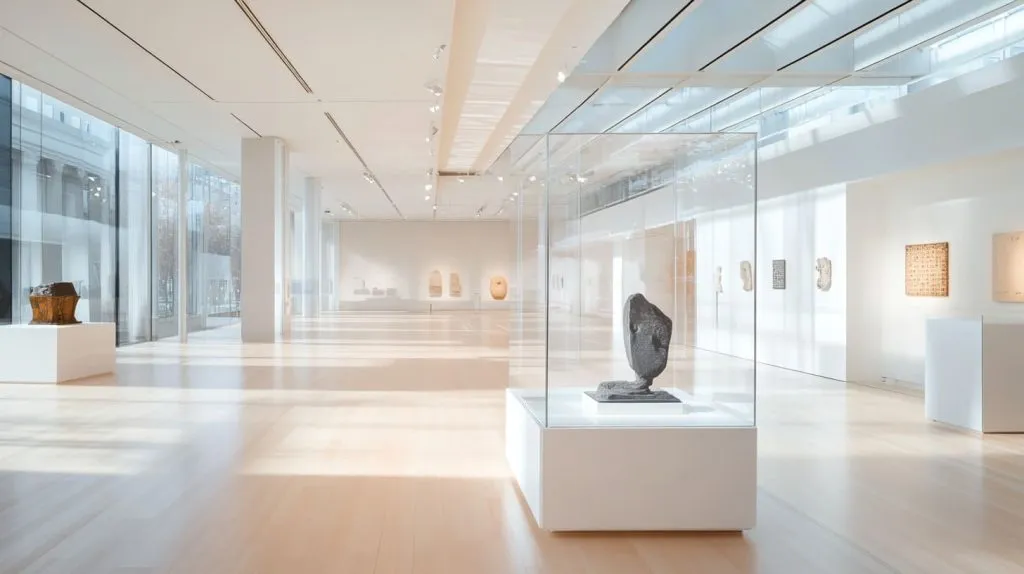
When you choose plexiglass for archival preservation, you’ll choose one of the most versatile, practical preservation options available. Its lightweight nature, durability, and affordability make plexiglass a popular choice for protecting valuable collections. Key factors to consider when selecting the right type of plexiglass.
These include your needs in terms of preservation, UV filtering ability, and the way seams are constructed. Read on as I unpack each of these elements so you can better plan your preservation needs.
Evaluating Specific Preservation Needs
Learning the specific needs of the items you’re preserving is the first step. Start by asking key questions: What type of materials are you protecting—paper documents, textiles, or three-dimensional artwork? Is the object light-sensitive or humidity-sensitive, for instance? Understanding these factors is crucial for effective archival framing.
Think about the environment in which the plexiglass sheets will be used. For example, exhibits that use rotating collections benefit from acrylic glazing as its lightweight design allows for easier access and movement of items. Permanent exhibits require a material that will last, and acrylic offers that durability.
How the collection is used today and in the future will have a very real impact on your decision. For instance, acrylic sheets are particularly good for 3-dimensional artwork that needs a level of archival protection but not that of a shattering object.
It is not as fragile as glass, which can make it a safer choice in spaces where accidental impacts are likely. With more case fabricators now experienced in producing conservation-grade acrylic cases, faster turnaround times for custom frame solutions are possible.
Always consult with experts, like conservators and/or curators, who can give specific recommendations to best protect your materials. Surprisingly, up to 90% of professionals in this field select plexiglass over glass. They appreciate that it provides archival-level protection and is easy to use.
Assessing UV Filtering Capabilities
UV protection is especially important when dealing with materials that are sensitive to light exposure. UV resistance plexiglass comes in a variety of UV resistance levels. This shields thin objects such as photographs, painted artwork, and rare manuscripts from exposure and deterioration.
When comparing UV resistance ratings, choose materials that block at least 90% of UV rays. Consistency throughout the material is key to providing even protection. Plexiglass products intended for preservation typically include labeling information indicating the degree of UV filtering.
These are particularly useful for collections stored in spaces where light exposure is unavoidable. Never clean plexiglass with glass-cleaning materials such as Windex. These can erode the protective anti-glare coating.
Understanding Seam Construction Methods
How plexiglass is bonded at seams makes all the difference in the durability and integrity of the enclosure. The more traditional manufacturing methods like solvent welding or adhesive bonding have become commonplace. Strong seams are important, especially for permanent displays, in order to keep the overall structural integrity and strength of the enclosure.
Weak or poorly bonded seams can put the entire collection at risk. Best practices for seam construction include making clean edges before bonding and using quality adhesives formulated for acrylic specifically. Such care not only contributes to the durability of the piece but provides a clean, professional look to the finished product.
By paying attention to these details, you can feel confident your plexiglass enclosure will provide excellent defense for your collection. Then you can trust it for the long haul too!
Quality Standards for Archival Vitrines
Archival vitrines serve a dual purpose. They protect valuable artifacts while presenting them in an aesthetically pleasing manner. Standards are rigorous for the design and construction of these cases. This prevents items they house from extended exposure, so it is vital that items they display are protected in the long term.
Knowing what features, materials, and techniques do and don’t go into making high-quality vitrine is key to ensuring preservation success and efficacy.
Features of Good-Quality Vitrines
High-quality vitrines balance protection and presentation. Essential features include UV protection, airtight seals, and durable construction. Acrylic or laminated glass with UV-filtering capabilities can filter out 99% or more of UV radiation. This potent barrier makes it almost impossible for artifacts to sustain any light damage.
Airtight seals are just as critical, as they keep environmental contaminants such as dust and moisture out of the case. Rugged build quality means the case is tough to stand the test of time, even in high-traffic museum environments.
Beyond protection, well-designed and produced vitrines elevate the display of artifacts. Conservators unanimously praise Optium acrylic for its excellent protective qualities. Its antistatic properties prevent dust and other particles from settling onto objects.
Aesthetics obviously enter into the design of a vitrine. Vitrines that strike a balance between functionality and visual appeal make the artifact the focal point while serving to enhance the overall exhibit design.
Characteristics of State-of-the-Art Vitrines
Today’s modern vitrines may be equipped with state-of-the-art climate control and integrated lighting systems. Climate control ensures a stable temperature and relative humidity in all circumstances, highly important for sensitive objects such as paper or textiles. Integrated lighting uses LED technology to provide even illumination that is easy on the eyes.
In addition, it blocks heat and ultraviolet radiation, shielding whatever’s inside the display case. More innovative materials mean more protection. Innovative materials one-upped the standard vitrine.
Cast acrylic, while significantly more expensive than extruded acrylic, has much better clarity and durability. It is less likely to yellow as it ages, which is why it is often used for long-term projects. Acrylic vitrines are inexpensive and easily repaired or replaced.
They provide a nimble counterpart to glass cases, which are often more cumbersome and delicate. Outreach user-friendly designs, including hinged panels and sliding doors for easy access and maintenance. This efficiency helps both curators’ and conservators’ workflow.
Importance of Seam Bonding Techniques
Seam bonding is one of the most important aspects of vitrine construction. Careful bonding makes a case more durable and avoids gaps where air and moisture can get in, undermining the case’s airtightness. Inadequately sewn seams may become structural weaknesses.
They tend to permit polluting substances to permeate the display environment, which jeopardizes the artifacts housed within them. Recommended best practices to avoid seam bonding include careful fabrication and the use of high-quality adhesives that are compatible with conservation and archival standards.
Cases made from archival materials are subject to the same stringent industry testing to make sure they don’t off-gas harmful chemicals. Don’t use wood within the display area. If you need to include it, make sure it is completely isolated by an archival deck to avoid releasing harmful gases from untreated wood.
Effective seam bonding works hand-in-hand with these proactive measures, further bolstering the vitrine’s structural integrity.