Skip to content
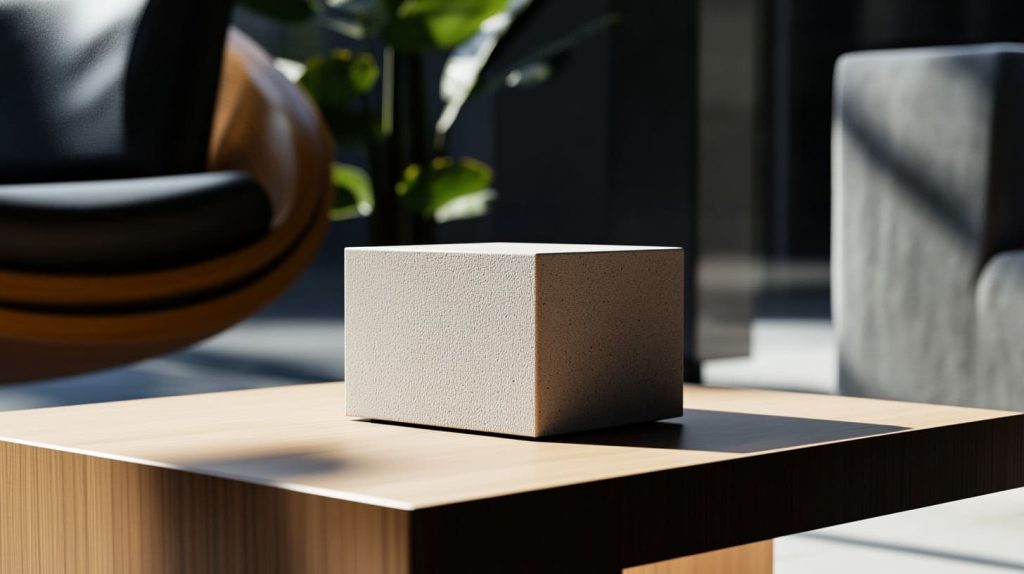
In our normal life, we could see the custom display box everywhere. Last weekend, I was helping a friend pick out a gift, and the box itself stole my attention long before I noticed the product. It made me wonder why it felt so special. Over time, I discovered that these boxes are more than simple containers. They can showcase innovation, represent a brand’s personality, and even spark new ideas.
Background of Product Display Boxes
I have seen various types of boxes in my life, from generic cardboard containers to sophisticated custom displays. Traditional boxes were functional yet plain. But I began to realize that custom display boxes fill a deeper need: they highlight a product’s story while giving it the spotlight it deserves.
From conversations with colleagues at Feilong Acrylic, I learned that sturdy materials, clever designs, and thoughtful branding are crucial. In many ways, a well-crafted box can act like a dedicated stage for the product. We often overlook that, but it’s essential.
Purpose of the Article
I want to share what I’ve gathered through years of collaborating with top-tier designers, brand owners, and purchasing agents like Jacky from Canada. My goal is simple. I hope to show why custom display boxes stand out and how they fit into a bigger picture of quality, branding, and sustainability.
I often recall a project we did for a premium skincare line. The brand wanted something that could reflect a sense of purity. We tested several shapes and finishes to capture exactly that. It reminded me that custom solutions transcend just “looking nice.”
I’m excited to dig deeper into these unique aspects. But before I jump in, let’s move on to the next topic: the distinctive features that set custom product display boxes apart.
Understanding the Distinctive Features of Custom Product Display Boxes

Definition of Custom Product Display Boxes
Custom product display boxes are specialized containers designed to showcase and protect items. These boxes offer more than just sturdy housing. They include brand-specific details, such as company logos or messages, and they’re built to reflect a brand’s personality.
In my work, I’ve seen how a brand will brainstorm shapes, materials, and finishes that capture its essence. For instance, at Feilong Acrylic, we often handle projects that integrate multiple custom layers or special inserts. This approach ensures every inch of the box serves a purpose.
Critical Thinking Angle
I sometimes question whether “custom” is just a marketing word. But I’ve realized that genuine customization involves genuine creativity and effort. To me, it’s a level of craftsmanship that can’t be replicated by mass-produced, one-size-fits-all solutions.
Differences from Standard Packaging
Standard packaging is often one-dimensional. Its main goal is to get products from point A to point B safely. While there’s a place for that, custom boxes look beyond mere functionality. They aim to elevate a product, forging a connection between the customer and the brand.
I once worked with a client who insisted on plain boxes to cut costs. The product launched, but it didn’t resonate with customers. Eventually, they invested in a personalized design and saw a huge increase in engagement. Sometimes, small aesthetic decisions can have a big impact.
Critical Thinking Angle
The flip side is that customization isn’t cheap. Some might say that standard packaging is good enough. But for businesses that want to stand out in a busy market, I see custom displays as a valuable long-term investment. It’s a matter of balancing immediate costs with brand longevity.
How Customization Adds Value
For me, it’s the difference between something that merely holds a product and something that tells a story. Customization also helps with brand recall. When I see a unique box, it lingers in my mind. That kind of product recognition is priceless in competitive industries.
Let’s consider a simple example:
| Feature | Standard Box | Custom Display Box |
|---|---|---|
| Material Choice | Basic cardboard | Acrylic, wood, or mixed media |
| Branding | Minimal, if any | Tailored brand messaging |
| Emotional Impact | Often overlooked | High, memorable experience |
This table reflects how customization can reshape the perception of a product.
Critical Thinking Angle
However, I also acknowledge the risk of overdoing it. Too much flair might overshadow the product itself. So I’ve learned that moderation is key: the box should complement, not overpower, the item inside.
We’ve covered these core differences. Up next, let’s talk about materials and quality standards. This is often where the rubber meets the road.
Materials and Quality Standards

Acrylic vs. Other Materials
I’ve worked with many materials, but acrylic holds a special place in my heart. It’s clear, strong, and surprisingly versatile. Other materials like cardboard or wood have their strengths. Yet, acrylic stands out due to its sleek appearance and durability.
At Feilong Acrylic, we’ve spent 13+ years perfecting our craftsmanship with eco-friendly, high-transparency acrylic. Customers appreciate how it displays their products without distracting from them.
Critical Thinking Angle
Some might argue glass is more upscale. I think it depends on your brand’s vision and your budget. Acrylic can offer a modern, polished look without the weight and fragility of glass. It’s wise to assess each project’s specific goals before settling on a material.
Safety and Durability Considerations
Safety is a big concern for me. If the product is in a retail environment, the display must withstand constant handling. Acrylic is known for its shatter-resistant properties, which is a huge plus in busy settings. On the flip side, cheap materials might crack or chip easily.
In one instance, a friend of mine stored an expensive collectible in a flimsy box. It broke and damaged the item. That experience taught me never to cut corners on material quality, especially for precious or delicate goods.
Critical Thinking Angle
Still, not everyone needs top-tier durability. If you’re showcasing a one-time event piece, you might go simpler. But the moment you want longevity or reusability, it pays to invest in stronger materials.
Compliance with Industry Standards
Compliance isn’t just about ticking boxes. For me, it’s about making sure the final product meets environmental and safety standards. At Feilong Acrylic, we follow ISO9001 guidelines, which ensures consistent quality. We also use GSG-certified acrylic to address eco-friendly requirements.
Critical Thinking Angle
Some believe certifications are mere formalities. However, I’ve seen how verified standards protect businesses from subpar goods. They also provide peace of mind for clients who want transparent production processes.
This segues nicely into how design flexibility ties all these elements together.
Design Flexibility and Customization Options

Shape, Size, and Structure
I love the freedom to choose the exact shape, size, and structure that fits a brand’s vision. One of my most memorable projects was designing a hexagon-shaped display for a jewelry line. It looked so distinct that customers almost treated it like a collectible itself.
For critical thinking, I ask myself: does the shape serve a practical purpose, or is it purely aesthetic? Sometimes, a bold design can compromise function. Other times, it’s worth the risk if the presentation has that “wow” factor.
Color and Printing Techniques
Color can be the first thing people notice. Acrylic allows us to incorporate vibrant hues or maintain a classy transparent effect. We can also print high-resolution graphics on the surface.
When I was researching printing, I saw many advanced methods like UV printing. It’s thrilling to see how each step can be tailored. But at the same time, it’s wise to confirm that your chosen technique won’t peel or fade over time.
Critical Thinking Angle
A brand might worry about the cost of intricate printing. I often remind them: the first impression can be priceless. Careful brand placement can encourage a consumer to remember your product even after they leave the store.
Brand-Specific Elements
Adding logos or brand messages personalizes the box. I believe it’s an extension of your brand story. For instance, I’ve seen subtle embossing that exudes sophistication. In other cases, playful patterns capture a more youthful vibe.
Here’s a brief look at different branding approaches:
| Branding Approach | Visual Impact | Use Case |
|---|---|---|
| Embossed Logo | Subtle | Luxury or minimalistic brands |
| Bold UV Print | Eye-Catching | Youthful or trend-focused lines |
| Engraved Lettering | Timeless | Corporate gifts or collectibles |
Critical Thinking Angle
I try to assess each brand’s spirit. If your brand is all about simplicity, an extravagant design might clash with your identity. There’s no one-size-fits-all rule. Customization is about tailoring every detail to your unique message.
Because design is so dynamic, it easily flows into the bigger conversation of branding and marketing. Let’s keep going.
Branding and Marketing Advantages

Brand Visibility and Recognition
I recall helping a friend who runs a small organic skincare line. We created simple acrylic boxes with soft, earthy colors. Customers not only bought the products but kept the boxes for storage because they were pretty. That boosted long-term brand visibility.
Critical Thinking Angle
Critics might say the box alone can’t build brand loyalty. While that’s true, a memorable display can spark curiosity. It can also set the product apart from competitors on a crowded shelf. It’s an incremental yet powerful marketing tool.
Enhancing Customer Experience
When I see a uniquely designed box, I feel that the brand values my experience. It’s like getting a thoughtful gift rather than just another item. Some clients use interactive elements like sliding lids or magnetic closures to create mini “unboxing moments.”
Critical Thinking Angle
I do wonder if such features can become gimmicky. But as long as they serve a functional purpose and align with brand identity, they can elevate customer satisfaction. People remember experiences more than generic objects.
Building Product Credibility
Solid displays can be seen as a reflection of a product’s quality. If the box is flimsy, I might question the product inside. That’s why many premium brands invest in robust, polished packaging to communicate their value.
Critical Thinking Angle
Credibility also depends on the product’s actual performance. The best display won’t save a lackluster item. However, I believe packaging can be the perfect finishing touch to an already exceptional product.
I hope I’ve painted a good picture of how branding and packaging go hand in hand. Let’s move on to the manufacturing process and efficiency.
Manufacturing Process and Efficiency
Collaboration in Design
I thrive on design collaboration. When a client shares an idea, I often ask questions like: “How will it be used?” or “What emotional response do you want customers to have?” These insights shape the final blueprint. At Feilong Acrylic, we welcome these discussions to refine every detail.
Critical Thinking Angle
Sometimes, conflicting opinions can slow the process. But in my experience, this back-and-forth refines the design. It challenges assumptions and leads to more thoughtful outcomes.
Prototyping and Sample Approval
Prototyping is our safety net. We craft a tangible sample to assess the box’s look and function. It’s like a dress rehearsal. If we spot an issue, we can fix it before mass production. This step adds time, but it’s worth it to ensure quality.
Critical Thinking Angle
I’ve met businesses that skip prototyping to cut costs. That might work if the design is simple. But for custom displays, skipping this phase can lead to expensive reworks later. Personally, I think a well-tested prototype is essential.
Production Timelines and Order Volumes
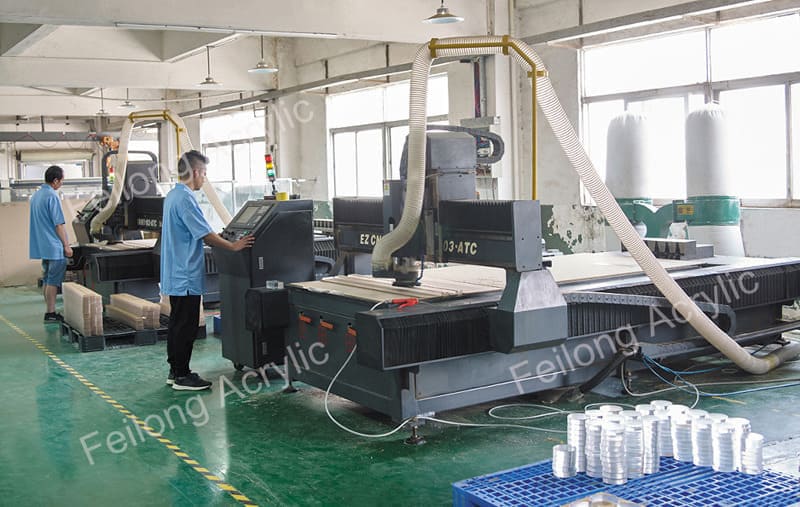
We have five production lines at Feilong Acrylic and over 150 skilled workers. This allows us to handle both small personalized orders and large bulk requests. However, I always remind clients that bigger orders need proper scheduling, especially for complex designs.
Critical Thinking Angle
Some might argue that rushing an order is manageable. But I find that rushing often invites mistakes or compromises on quality. Balancing efficiency with high standards is a juggling act, yet essential for building a reliable reputation.
Now that we’ve touched on process efficiency, we should discuss the sustainability angle. It’s something I believe businesses can’t overlook anymore.
Sustainability Considerations

Eco-Friendly Materials
Using recycled or eco-friendly materials doesn’t just help the planet. It also boosts a brand’s image. Clients appreciate that we use GSG-certified acrylic, which meets environmentally conscious standards. This approach aligns with the idea that packaging can be beautiful and responsible.
Critical Thinking Angle
Some might say going green is too expensive. However, I’ve noticed a growing consumer base that prioritizes sustainability. Investing in eco-friendly solutions can foster loyalty from customers who value ethical practices.
Reducing Waste
I’m a big believer in minimizing waste during manufacturing. We carefully measure materials and optimize production. Not only does it help the environment, it also cuts costs in the long run. The less we waste, the more we can reinvest in innovation.
Critical Thinking Angle
On the flip side, perfect efficiency may be tough to achieve. But setting realistic goals and measuring progress can make a tangible difference. It’s better to make small improvements than do nothing at all.
Corporate Social Responsibility
I see it as a promise to our community and future generations. Demonstrating social responsibility goes beyond just materials. It’s about fair labor practices, energy-efficient machinery, and transparent supply chains.
Critical Thinking Angle
Some critics view CSR as a marketing tactic. But authentic CSR has substance and evidence behind it. It’s not about boasting, but about showing genuine commitment. This commitment is part of what creates trust and long-term success.
I’ve noticed many brands are searching for real-life examples to see how these ideas actually play out. Let’s move on to some practical applications and success stories.
Real-World Applications and Success Stories
Retail Store Displays
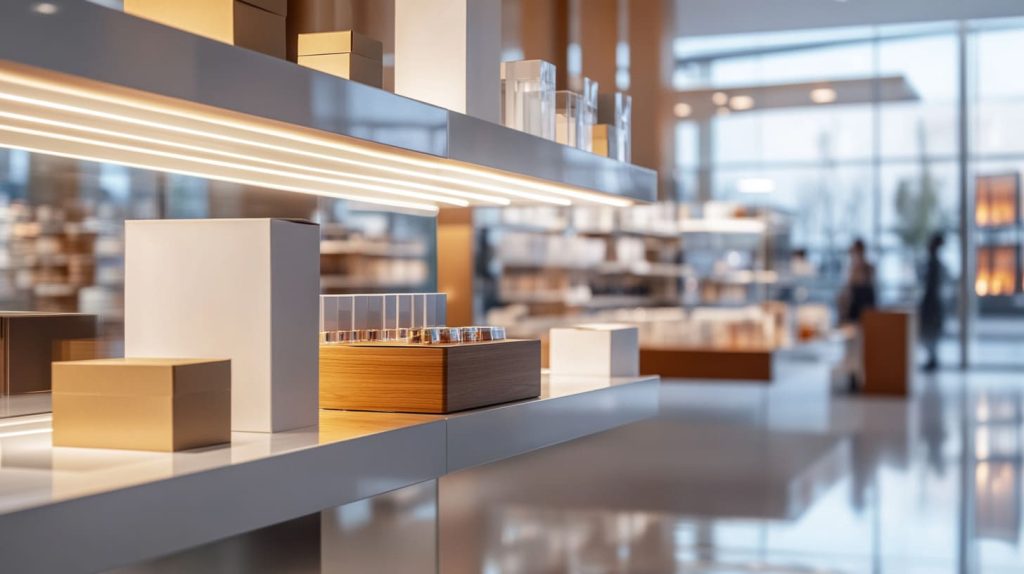
I’ve visited countless retail stores over the years. The ones that caught my eye had standout display boxes, often made of acrylic. They showcased fragrances, jewelry, or electronics in a way that seemed almost museum-like. The clarity and shape of the displays made products shine.
Critical Thinking Angle
Store layouts can be cluttered, so having a distinctive display is helpful. But I wonder if we always factor in the store’s overall design scheme. Mismatched displays might look out of place. Coordination between brand, store, and display is crucial.
Trade Shows and Exhibitions
I recall attending an exhibition in Shanghai. One booth had vibrant, custom acrylic stands. It drew a crowd, and people were snapping photos and sharing them on social media. The brand leveraged that attention to start new conversations.
Critical Thinking Angle
Some might argue that trade shows are all about the product. However, a creative display can be the difference between being overlooked or being remembered. For me, that alone justifies the extra effort in design.
Luxury and Niche Product Showcases
A high-end watch or collector’s item demands a sophisticated presentation. At Feilong Acrylic, we’ve built lockable, UV-protected boxes for rare items. This level of customization not only secures the product but also adds a sense of prestige.
Critical Thinking Angle
I’ve noticed a trend where some brands go overboard, making packaging the star instead of the product. Balancing elegance without overshadowing the item is key. After all, the box should complement the product’s inherent value.
Now that we’ve explored applications, let’s tackle how to choose the right manufacturer. Because a brilliant idea means little if the manufacturer can’t bring it to life.
Factors to Consider When Choosing a Manufacturer

Experience and Expertise
I believe real expertise comes from facing challenges. After 13+ years in acrylic manufacturing, I’ve learned that every project is different. You want a partner who’s seen the ups and downs, understands production nuances, and values consistent results.
Critical Thinking Angle
Experience isn’t everything. Sometimes a newer manufacturer might bring fresh perspectives or cutting-edge technology. Weighing established expertise against innovative thinking is a balance each business must find.
Customization Capabilities
We at Feilong Acrylic thrive on custom projects. Whether it’s a simple countertop display or an elaborate multi-layer design, we enjoy the puzzle. If a manufacturer isn’t flexible, you’ll be stuck with limited options. I think it’s vital to check their portfolio for proof of versatility.
Critical Thinking Angle
That said, not all brands need highly specialized capabilities. If your design is straightforward, you might opt for a simpler process. But if you have unique needs or want to stand out, look for a team that offers genuine customization.
Cost and Lead Times
I always encourage clients to discuss budgets and schedules upfront. At Feilong Acrylic, we handle orders of different scales, yet we keep a close eye on timelines. Bulk requests often require careful planning, while smaller orders can be done more rapidly.
Critical Thinking Angle
I know cost is a major factor for many businesses. But I also believe you get what you pay for. If a quote seems suspiciously low, that might be a red flag for compromised quality or delayed deliveries.
We’re nearly at the finish line. Let’s wrap up with a few closing thoughts on what I’ve learned along the way.
Conclusion
Summary of Key Takeaways
Custom product display boxes can reshape how customers engage with a product. I’ve found that thoughtful materials, unique designs, and strong branding can lead to memorable consumer experiences. Although it’s an added investment, the return in visibility and brand loyalty can be invaluable.
Final Insights for Businesses
Whether you’re showcasing cosmetics, high-end collectibles, or everyday items, the right display box speaks volumes. It’s not just packaging. It’s an invitation to step into your brand’s world. I invite you to think creatively and collaborate with partners who respect your vision. After all, a truly special product deserves a stage that’s worthy of it.