Skip to content

The first time I saw a giant acrylic installation in a local art gallery. I was with my friend Jacky, who works in product design and purchasing. I felt like I was stepping into a whole new dimension of creativity. The acrylic reflected light in such a clear, stunning way that I wanted to touch it. In fact, I almost did—until I noticed the “Do Not Touch” sign. Since then, I’ve grown fascinated by how acrylic sheets can transform a space. I see this material as an invitation to let the imagination run free.
Understanding the Growing Popularity of Acrylic Sheets
Acrylic sheets have been around for a while, but I've watched them evolve in leaps and bounds. They show up in modern architecture, retail displays, and even in my friend’s living room table. From a critical perspective, some people say traditional glass might feel more “classic,” but I see acrylic sheets bringing new life to creative projects. They balance durability and transparency in a way that still amazes me.
When I think about acrylic’s popularity, I consider ease of handling. I’ve tried cutting and drilling both glass and acrylic at my father’s workshop. Glass demanded delicate movements and had me sweating bullets. Acrylic? It felt simpler and safer. Some might argue glass is more scratch-resistant, but I’d rather enjoy the user-friendly nature of acrylic. In design, convenience often wins.
Why Enhance Spaces with Plastics’ Acrylic Sheets?
I discovered the real power of acrylic when I helped a friend redecorate his office. We replaced old metal shelves with sleek acrylic units. Suddenly, everything felt lighter and brighter. Could glass have done the trick? Maybe. But the risk of shattering during installation was enough to scare us off. Some folks worry acrylic might yellow over time, so it’s good to check quality brands—like Feilong Acrylic, which specializes in high-transparency materials.
I believe that enhancing spaces with acrylic is about balance. I like that it can be transparent or colored, rigid or flexible, and still hold its charm. Sure, some designers want a heavier aesthetic. But for me, acrylic is a breath of fresh air. It brightens any environment without the burden of weight or fragility.
And if you’re curious how these sheets stack up in complex scenarios, let’s keep the conversation going.
Now, let me take you deeper into the fundamentals of acrylic sheets.
What Are Acrylic Sheets?
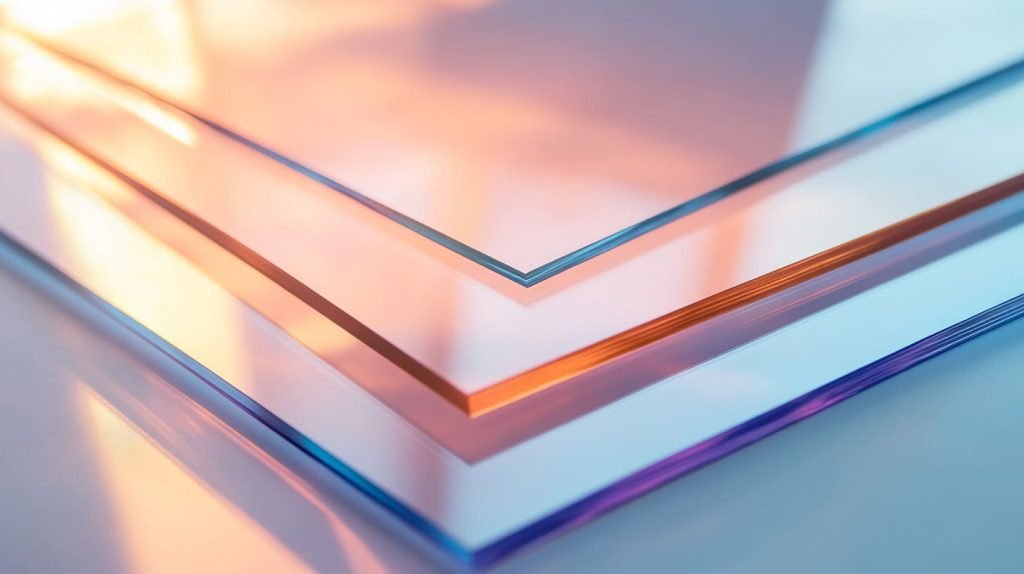
I’ve often been asked: “Is acrylic basically plastic glass?” That question used to stump me. Over time, I realized acrylic is a form of plastic made from a chemical compound called PMMA (polymethyl methacrylate). Many folks, including me, appreciate how this particular polymer offers transparency, strength, and versatility all in one neat package.
Composition and Characteristics
Acrylic sheets are typically clear and offer about 92% light transmission. That’s even more than standard glass, which is around 90%. Critics may argue that difference is small, but in my experience, those extra percentage points create a crisp, elegant look. They’re also lightweight—often less than half the weight of glass—making them easier to handle.
I’ve had a few clients question whether acrylic is brittle. It can crack under intense pressure, but premium suppliers like Feilong Acrylic use high-grade, eco-friendly materials. This quality helps the sheets stand up to day-to-day impacts. If someone’s deciding between a lesser-known brand and a reliable one, I always suggest they examine the material certifications and reviews.
Key Differences from Other Materials (e.g., Glass, Polycarbonate)
I like to see the bigger picture by comparing acrylic with glass and polycarbonate. Here’s a small overview table I created for a quick reference:
| Material | Light Transmission | Weight | Impact Resistance | Cost |
|---|---|---|---|---|
| Acrylic | ~92% | Lightweight | Moderate | Moderate |
| Glass | ~90% | Heavy | Low | Lower/Moderate |
| Polycarbonate | ~88% | Lightweight | High | Higher |
- Glass: Classic, but heavy and prone to breakage.
- Polycarbonate: Very strong, but often more expensive and sometimes less transparent.
That’s a big-picture view. Some folks feel glass has a more traditional vibe, but I find acrylic strikes the right balance between safety, cost, and appearance. Polycarbonate might be overkill unless you need very high impact resistance—like for industrial safety standards applications.
So, now that we know the basics, I’d love to dive into why so many people choose acrylic.
Benefits of Acrylic Sheets

When I’m in a store and see bright, colorful stands, I usually suspect it’s acrylic. These sheets deliver advantages that keep me coming back. Some might claim that any plastic would do, but I see clear (sometimes literally) reasons why acrylic excels.
Strength and Durability
Despite its light weight, acrylic resists impact better than regular glass. This helps me feel more confident in busy environments or in places where accidents happen—like my lively living room with playful pets. Critics point out that acrylic can scratch more easily than glass, which is a fair concern. But I use protective polishes or scratch-resistant variants when I want extra protection.
Clarity and Aesthetics
I’ve seen clients light up the moment they see how clear acrylic can be. It’s almost like a crystal panel that doesn’t distort the view behind it. Some might think it’s too modern. But if you want a space to feel spacious, natural light plus acrylic is a winning combination.
Cost-Effectiveness
From a purchasing standpoint, I like that acrylic is affordable compared to many other materials. Yes, there are different grades. Some premium acrylic sheets can rival glass in cost. Yet the long-term savings often come from fewer breakages, less shipping expense, and easier maintenance.
Easy Fabrication and Customization
I once tried crafting a small display for a friend’s shop. Cutting acrylic on a standard table saw was straightforward, and drilling holes felt similar to working with wood. That user-friendliness is why custom projects thrive with acrylic. If I want intricate shapes or smooth edges, acrylic welcomes that with open arms.
I bet you’re already imagining what you could create. Let’s see what else is out there.
Types of Acrylic Sheets

When I first dipped my toes into the world of acrylic, I didn’t realize how many variations existed. My friend Jacky, who has traveled to countless factories in China, showed me entire sample books dedicated to different thicknesses, colors, and finishes. It felt like opening a giant box of crayons, but for acrylic fans.
Various Thicknesses
Acrylic sheets can range from a thin 1/16 inch up to several inches thick. That’s helpful because I might want something ultra-thin for a protective overlay, or a heavy block for a sturdy shelf. Some folks say thicker equals stronger—true, but let’s not forget that material quality matters even more.
Color and Finishing Options
I’ve seen acrylic come in every shade under the sun, from standard clear to neon pink. People who want a fun, whimsical design might lean on colored acrylic. Others prefer a frosted finish to diffuse light. Sometimes folks wonder if colored acrylic looks too flashy. I think it all depends on where you put it. A simple piece in a bright color can serve as a stunning focal point.
Textures and Specialty Coatings
There’s more to acrylic than just glossy and frosted. Specialty coatings resist scratches and block UV rays. I once installed a UV-protected sheet in a sunlit patio area, and it still looks fresh after years of direct sunlight. On the other hand, you can choose anti-glare options for display cases, which helps highlight the items inside. Critics might argue these coatings are pricy, but they often pay off in preserving your investment.
Now that we’ve skimmed the surface of available types, let’s explore the fun part: design possibilities.
Design Possibilities

One of my favorite acrylic memories involves a futuristic coffee table that twisted and turned like a spiral staircase. I couldn’t believe someone molded acrylic that way. It made me see design in a whole new light. Let’s think critically—some might say acrylic can feel too “plastic.” Yet with the right finishing, it can fit right into high-end spaces.
Creative Shapes and Forms
Acrylic can be bent, curved, or laser-cut to form intricate designs. I’ve seen some sculptures that rival fine art pieces. From a practical angle, it means you can create everything from protective covers to imaginative art installations. Critics worry about the cost of custom molds, but I find that if you partner with a specialized manufacturer—like Feilong Acrylic, with over 13 years of custom work—it becomes much easier to get the shape you want without painful mistakes.
Integrating Acrylic with Other Materials
I once combined acrylic and wood to make a display stand for a local craft event. The smooth transparency of acrylic next to the rustic grain of wood was downright charming. A few visitors commented that mixing materials can feel disjointed. That’s a valid concern. But as long as you pay attention to color and texture harmony, it can become a conversation piece.
Trends in Modern Interior and Retail Displays
The retail world is where acrylic shines. Transparent stands let products speak for themselves. Minimalist décor fans say it complements modern aesthetics well. However, some critics argue that “plastic” might look cheap. In my view, high-grade acrylic, with the right design, looks luxurious. A popular trend I’ve noticed is layering colored acrylic sheets to create subtle tone-on-tone effects—perfect for eye-catching store windows or retail store design tips.
Seeing all these options might spark your imagination. I know it did for me.
Practical Applications
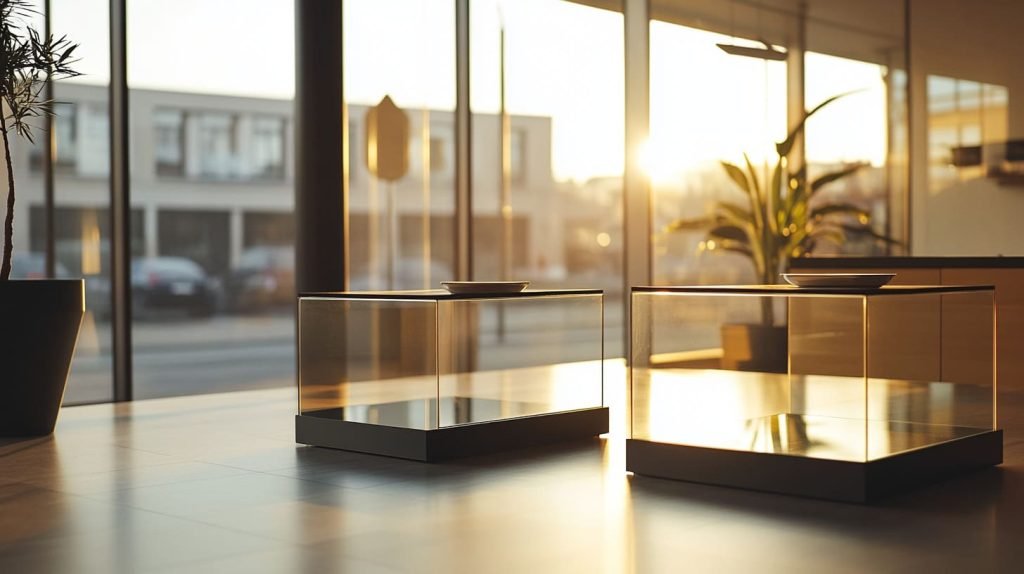
If you’re like me, you probably want to know how these possibilities become real-life solutions. I’ve seen acrylic appear everywhere—from fancy kitchens to rugged industrial sites. Let’s think critically about how well-suited it is in different settings. Some uses are obvious. Others might be a pleasant surprise.
Home Décor and Furniture Enhancements
I’ll never forget the day I replaced my old wooden coffee table with a sleek acrylic one. My living room suddenly felt bigger. Friends were fascinated—they said it looked almost like the table was floating. Yet a few family members worried about scratches or heat damage. Fair points. That’s why I use coasters and check temperature guidelines. Overall, I’m still in love with how it opened up the space.
Office and Commercial Spaces
From reception counters to conference room partitions, acrylic is a steady champion in offices. I appreciate how it can be logo-engraved or custom-colored to match branding. Some colleagues note potential glare under fluorescent lighting. That’s where frosted or anti-glare finishes shine (no pun intended). This approach keeps the look professional without the harsh reflections.
Retail Displays and Promotional Signage
Store owners often tell me acrylic displays help them highlight products effectively. I’ve worked with some who fear acrylic might scratch if customers handle it frequently. In those cases, I recommend thicker gauges or scratch-resistant coatings. If you’re not sure which thickness is right, try different samples first. That’s what I do when exploring new display ideas.
Industrial Uses and Specialized Projects
Acrylic isn’t just for pretty living rooms. I’ve seen it used as machine guards or protective shields, especially when impact resistance and clarity are both key. Some industrial managers worry about meeting clear acrylic solutions standards in harsh conditions. The best approach is to talk with a manufacturer who understands the specific industry requirements. In my experience, Feilong Acrylic customizes solutions to meet unique technical specs.
Curious how to tailor these ideas to your own projects? Let’s check out custom acrylic solutions.
Custom Acrylic Solutions

I’ve often partnered with specialized factories that really bring unique ideas to life. People sometimes ask me: “Isn’t it risky to go custom? Isn’t it expensive?” My answer depends on your goals. Custom solutions can be more complex, but they also give you something truly distinctive.
Working with Feilong Acrylic
When I think about reliability, I think of Feilong Acrylic. They have a long track record—over 13 years—and they handle everything from design to manufacturing. I like that they focus on B2B orders and don’t do retail. It gives me a sense that they’re in tune with industry-level demands, rather than just churning out mass-market products. Plus, their ISO9001 certification and eco-friendly acrylic materials keep me confident in quality.
OEM Capabilities and Design Collaboration
I once collaborated with Feilong Acrylic on a custom display that combined laser engraving, CNC cutting, and colored inlays. It was fascinating to watch the process. Some worry about communication barriers or high minimum order quantities. But in my experience, they’re open to small trials or bulk runs if you’re serious about your design. The key is to have a clear concept from the start.
Quality Standards and Eco-Friendly Manufacturing
Quality is more than just a buzzword. I’ve personally visited factories where subpar materials lead to defects. Feilong Acrylic invests in advanced machinery and skilled workers. This reduces mistakes and ensures faster lead times. From a critical standpoint, is all manufacturing eco-friendly? Probably not, but they do strive to use GSG-certified materials and maintain safe working practices.
Once you’ve found a reliable partner, how do you install and maintain your acrylic projects? Let’s look at that next.
Installation and Maintenance

I’ve had my fair share of trial and error. My first acrylic installation ended in a cracked edge because I used the wrong drill bit. It taught me that a little preparation goes a long way. Some folks claim acrylic is tricky to handle. I believe it’s pretty straightforward if you follow recommended steps.
Best Practices for Cutting, Drilling, and Shaping
- Use Sharp Tools: Dull blades can cause chipping or melting.
- Apply Steady Pressure: Rushing leads to cracks and rough edges.
- Support the Sheet: Keep it stable to avoid vibration.
I’ve also learned to mask both sides of the acrylic with tape before drilling. It prevents scratching and gives a cleaner hole. Critics might say it’s time-consuming, but I think it’s worth the effort for a polished result.
Cleaning and Maintenance Tips
I usually wipe my acrylic surfaces with a microfiber cloth and mild soap. Harsh chemicals or abrasive pads might cause cloudiness. Some people use specialized cleaners, though I find a gentle approach is enough for everyday dust and smudges.
Avoiding Scratches and Surface Damage
Preventing scratches is all about mindful care. Placing protective liners or felt pads under items can help. Some folks consider using tempered glass overlays on tabletops. That’s a valid choice, but it adds extra weight. Personally, I just set some coasters and call it a day.
Now that we’ve covered the ABCs of acrylic, let me wrap it up.
Conclusion
I hope my journey with acrylic resonates with you. I started by being wowed in an art gallery and ended up working with manufacturers to create custom displays. Acrylic sheets offer a world of creativity, practicality, and value. They have nuances, sure—like scratch sensitivity or the need for careful installation—but for me, they strike the perfect balance between function and beauty. If you’re like me—someone who enjoys blending innovation with everyday usefulness—you’ll find acrylic an exciting medium for just about any project.